
As of 2025, there’s no way to predict earthquakes with significant lead time. The closest humans have come is predicting where an earthquake will happen. The “when” is still very much a mystery for these seismic events, which makes them even more harrowing. History can provide some clues as to when a fault line may shake, but the forecasting ends there. However, some experts believe that animals might be able to give some clues. While humans can’t detect underground vibrations, some other species may have the potential to do just that.
Rats
There is no hard scientific proof indicating that rats, or any animal, are capable of predicting an earthquake. However, there are instances where rats have given ample warning to humans of an impending threat. Several animals seemingly predicted an earthquake in Haicheng, China on February 4th, 1975, rats included.
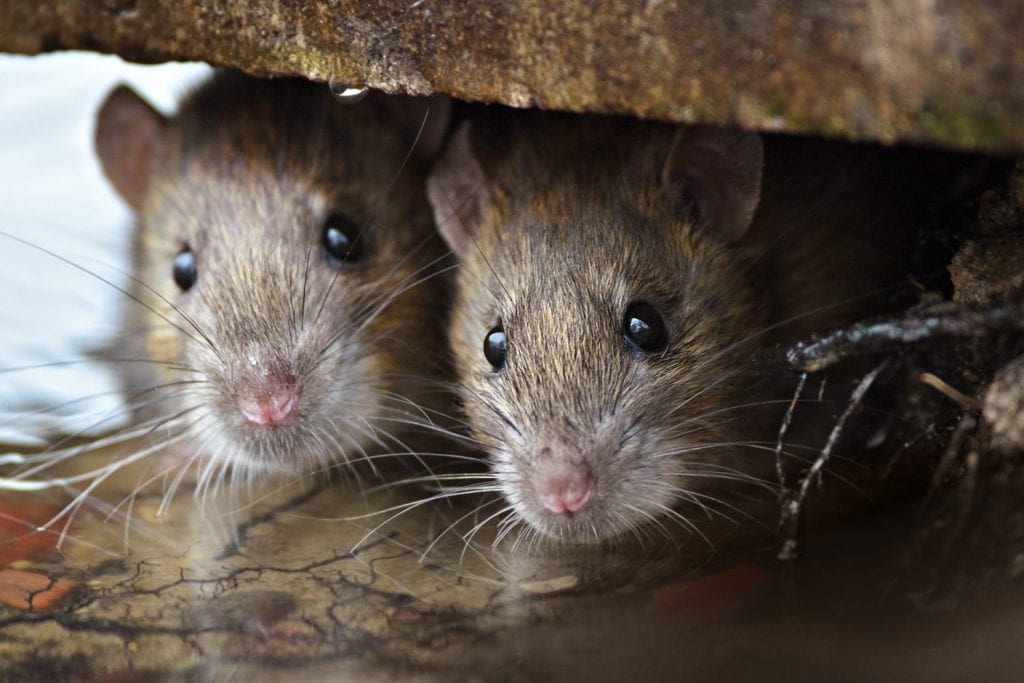
Rats may flee before an earthquake hits.
©Gallinago_media/Shutterstock.com
Before the ground shook, rats could be seen fleeing the immediate area. This unusual behavior was observed in other animal species at the time, a potential indication that they felt underground vibrations. The rats left days before the earthquake, so no definitive evidence was ever put forth to confirm this theory, though many scientists still study it.
Snakes
Many cultures have revered snakes, and some consider them to be sacred. While they’re highly symbolic, some people question whether their importance lies beyond spiritual meanings. An article published in 2007 by Reuters details how snakes are known to move out of their nests before an earthquake hits.
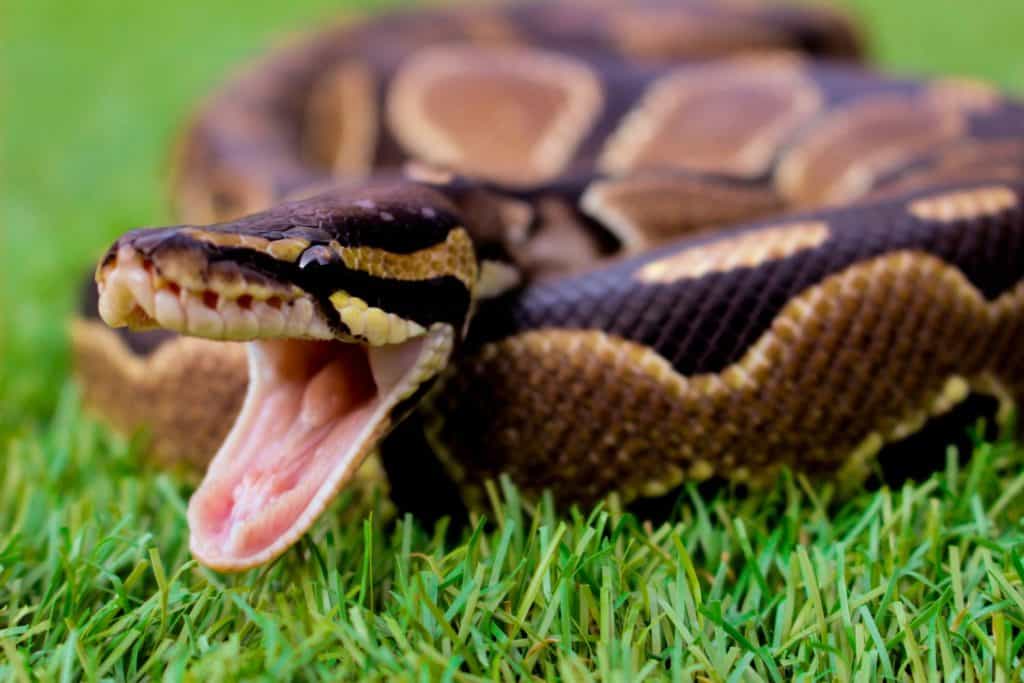
Snakes have been known to exit their nests before an earthquake.
©Rob Oldland/Shutterstock.com
Jiang Weisong, the earthquake bureau director at the time, said this happens even in the dead of winter. He also claimed that snakes could detect an earthquake from a total distance of 70 miles away. In a video observed by the bureau, Weisong recalled how snakes would even bang their heads against the walls in an attempt to escape their captivity before an earthquake.
Weasels
The belief that weasels can sense an impending earthquake dates back to Ancient Greece. Weasels were part of several other species that allegedly fled the city before a significant earthquake in 373 BC. Similar to rats, weasels fled the immediate area days before the quake hit.

Weasels may be able to feel seismic changes.
©Griffin Gillespie/Shutterstock.com
Again, there is no definitive proof that these animals can predict earthquakes, but they may be able to feel seismic activity. Some experts believe that animals, such as weasels, can sense P-waves. This is the first wave of an earthquake, which is often weaker than the subsequent aftershocks. Seismic events affect the Earth’s electromagnetic fields and barometric pressure, which may also be detected by animals.
Centipedes
Insects aren’t typically the first “animal” that comes to mind regarding earthquake prediction. However, these were part of the group of animals that left their homes before China’s 7.3 magnitude earthquake several decades ago. Centipedes burrow into the ground, meaning they’re far closer to the seismic activity of the earth than humans.
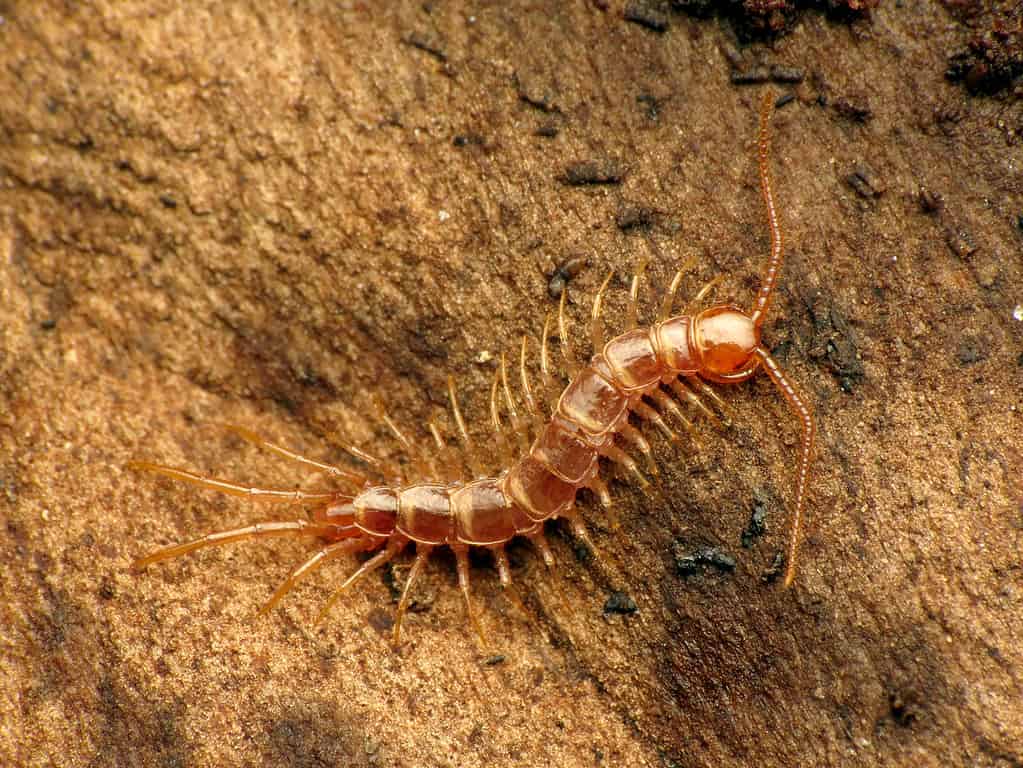
Whether or not centipedes can predict earthquakes is a mystery.
Could their underground prowess enhance their ability to detect movement? The erratic behavior of centipedes before a significant seismic event might point to “yes,” although there is no scientific evidence to prove this.
Cows
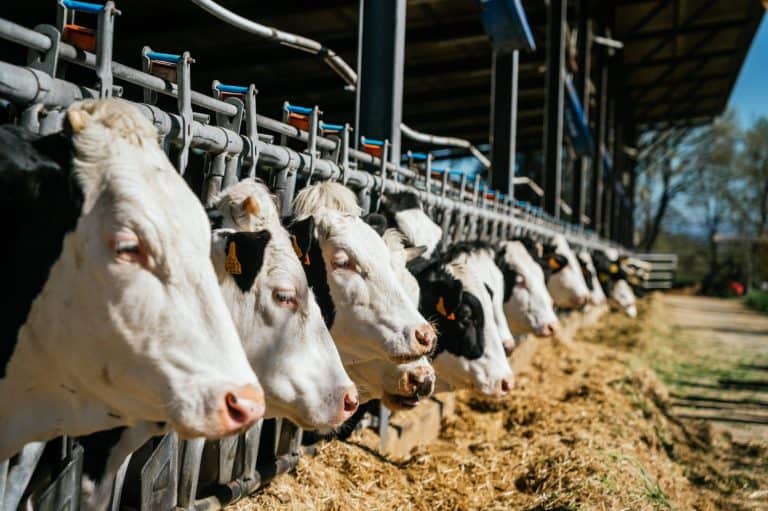
Cows are among several barnyard animals that have the ability to show empathy. Their increased sensitivity also leads some people to believe they can detect significant weather changes. While no concrete proof exists, there is a theory that cows enter the “freeze” stress response before an earthquake.
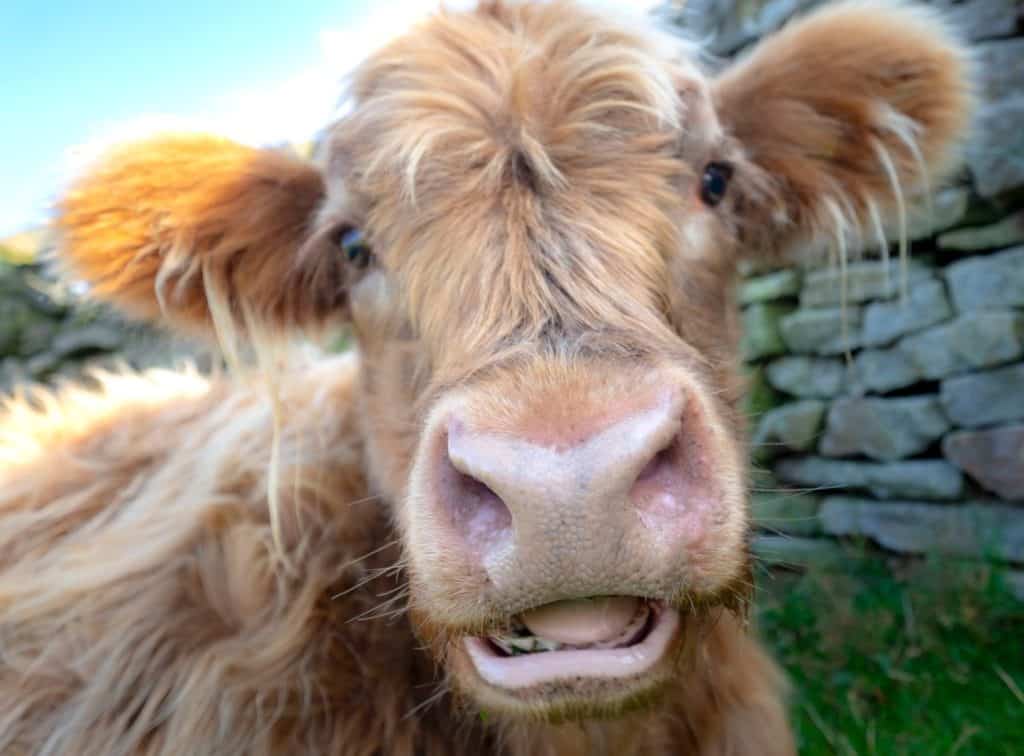
Cows freeze up when they are afraid.
©Jan Bray/Shutterstock.com
This unusual behavior contradicts a cow’s typically active lifestyle. When they’d normally be roaming a field, eating, or playing with their herd, instead, they don’t move at all. It’s even possible that this behavior is what alerts other animals to a disruption in the environment.
Sheep
According to an article by Scientific American, sheep are among the farm animals potentially capable of predicting natural disasters. Early philosophers Aristotle and Alexander von Humboldt believed that animals detected these significant events. However, observing farm animals, such as sheep, may hold further evidence to support these theories. According to the article, animals were observed prior to a 3.8 or higher magnitude earthquake. When they’d typically be huddled in the barn, they chose to be outdoors instead.
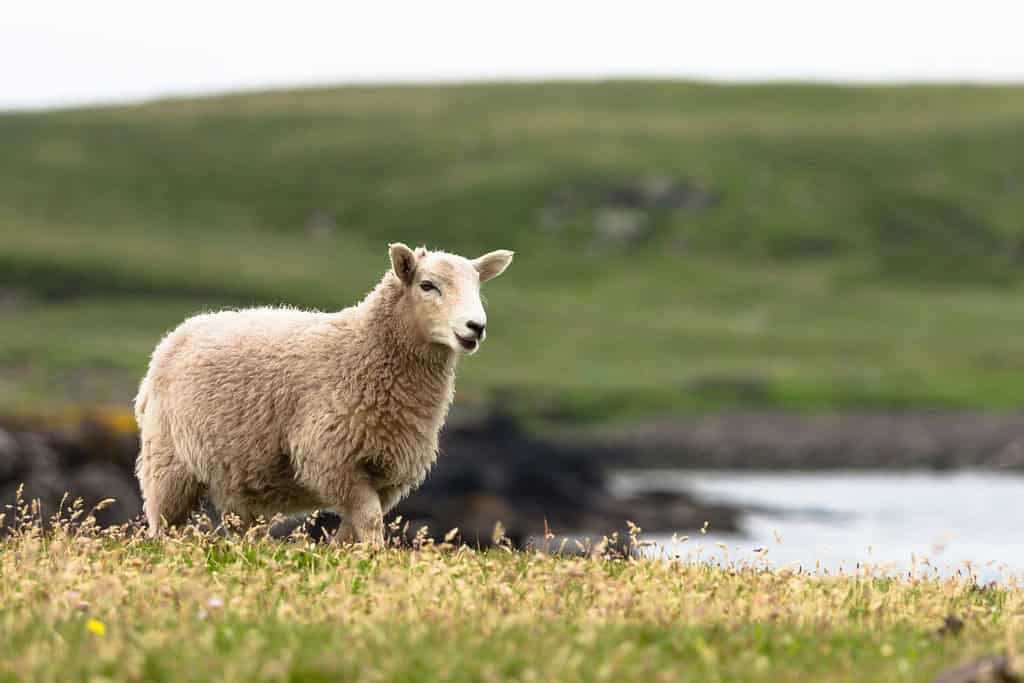
Restlessness in sheep may indicate an impending natural disaster.
©andrea cerri ferrari/Shutterstock.com
The animals appeared to be even more active than usual, indicating some level of alarm or alertness to what was about to happen. It was also confirmed that the closer the animals were to the epicenter, the more bizarre their behavior became. This restlessness could be a potential indicator that sheep, among other farm animals, can detect seismic activity.
Dogs
Dogs possess an uncanny sense to detect things that humans can’t. They have twice the hearing ability and can detect subtle changes in their environments. It’s only natural to believe they, too, could predict something as significant as an earthquake. There’s no scientific proof, but there have been observations made about dogs acting strangely prior to cataclysmic events. A 2020 study based on a region in Siberia revealed that some of the dogs in the area behaved strangely before an earthquake.

Dogs may be able to detect changes in electromagnetic fields.
©FellowNeko/Shutterstock.com
The study recorded behavior such as howling, hyperactivity, and whining, with no apparent reason. Without further study, there’s no way to confirm this was related to the impending earthquake. However, some experts believe dogs may possess the ability to detect acoustic shocks, foreshocks, and even changes in electromagnetic fields.
Birds
It’s not uncommon to see birds acting strangely before significant weather events. Birds have been known to leave an area before a hurricane hits, sensing changes in barometric pressure. This is also how they navigate the air surrounding a storm and avoid running into it. While there’s scientific proof of this, there’s little to show they react to seismic changes in the same way. However, it is possible that birds respond to P-waves like other animals do. Unusual behavior, such as increased vocalization, restlessness, and migration pattern changes, could indicate this.

Birds are attuned to changes in barometric pressure.
©Lioneska/Shutterstock.com
According to National Geographic, this behavior has been observed in tagged birds just before an earthquake hits. It’s also possible that the same attributes that allow a bird to detect atmospheric weather allow them to detect subtle changes in seismic activity.
Toads
Surprisingly, there’s significant evidence supporting toads detecting seismic events. It has yet to be definitively proven, but some experts believe toads have an innate ability to sense underground movement before it happens. Toads have been observed fleeing the areas where earthquakes are about to happen, but that’s not the only evidence to support this theory. During a 6.3 magnitude earthquake in L’Aquila, Italy, researchers observing toads noticed something unusual.
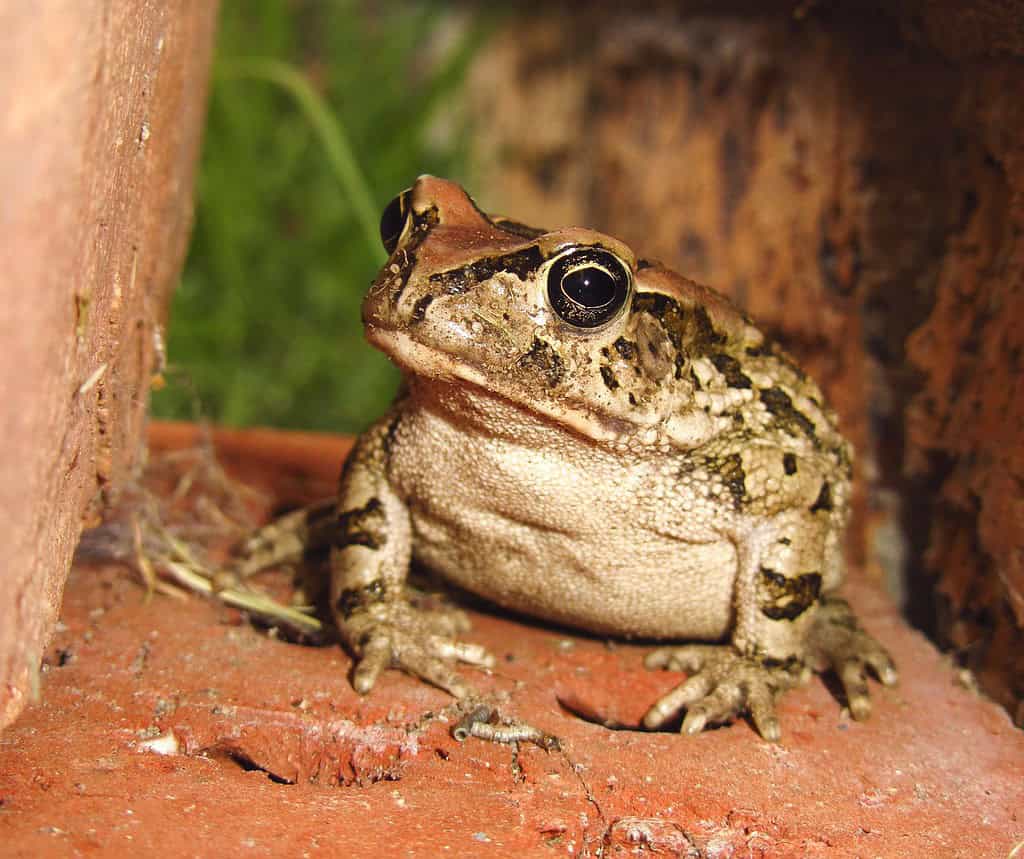
Toads have fine-tuned senses.
©Hurly D'souza/Shutterstock.com
Before the earthquake hit, 96% of the male toads evacuated the area during breeding. The toads left six days before the earthquake, and many didn’t return until six days after, according to The Week. Rather than sensing vibrations, some experts believe toads can detect the presence of gases released from the earth before a seismic event. It’s also believed they may be able to sense particle changes in the air, along with the detection of radon gas.
Elephants
Of all the animals on earth, elephants are the most frequently studied for their ability to detect seismic activity. There’s evidence to support this, suggesting they may respond to earthquakes before humans have detected them. Specialized nerve endings in the feet of an elephant help it detect even minor changes. This is how they can feel seismic activity, almost like a built-in seismometer.
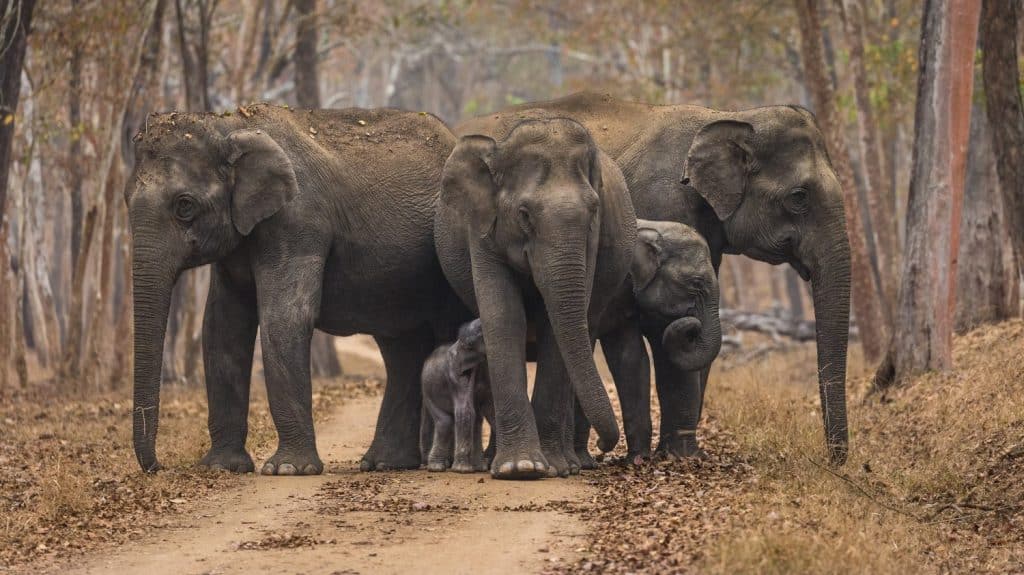
Elephants are smarter than people often give them credit.
©Mihir Sutaria/Shutterstock.com
Elephants are capable of detecting changes even at great distances, further honing their earthquake predictability. This is likely a survival instinct, and it’s one they’ve learned to use in order to escape natural disasters. An elephant’s behavior also changes just before an earthquake hits. In the wild, adult elephants often form a circle around their offspring to protect them during seismic activity.