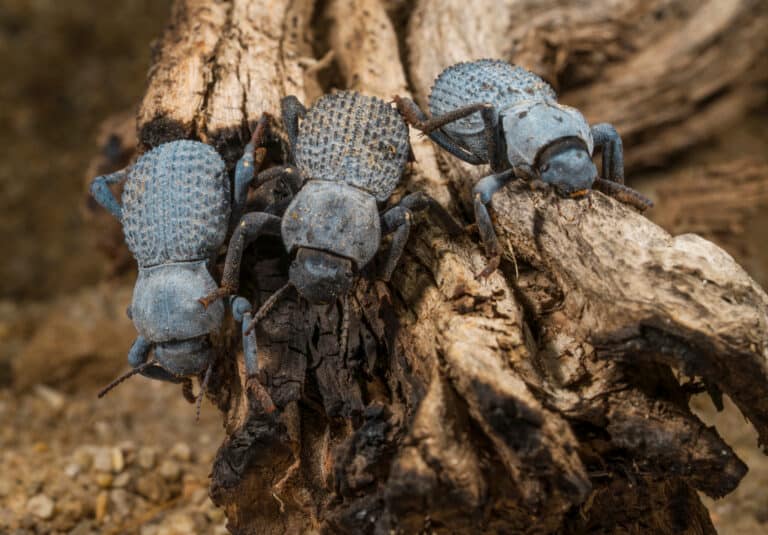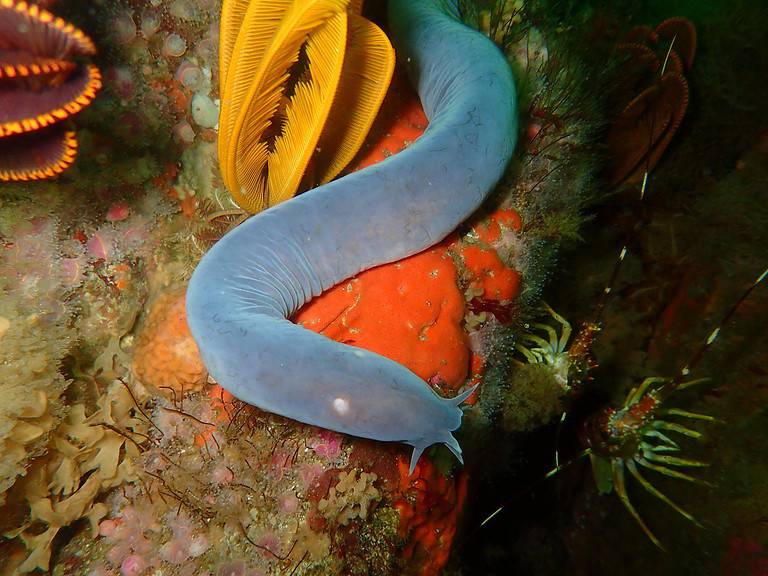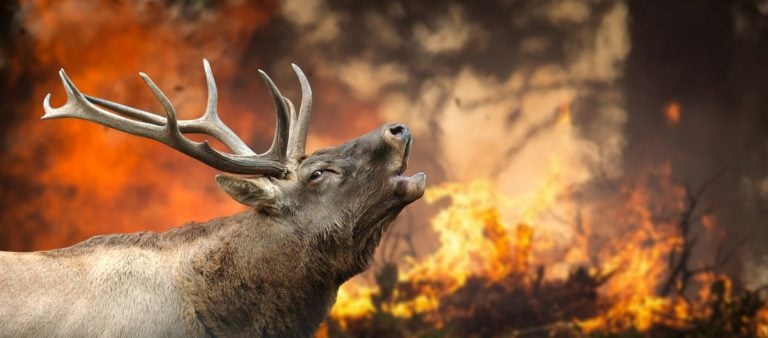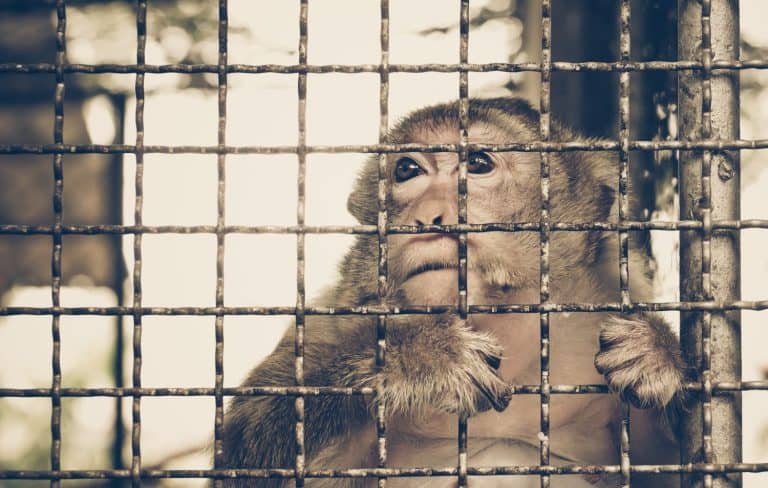

October is the spookiest month of the year, but you don’t have to imagine fantasy creatures to get scared out of your skin. The real world has no shortage of creatures that feel like they belong in monster movies. From animals that glow in the dark to parasites that turn their hosts into zombies (for real!), nature is full of eerie surprises. Here are twenty animals that can send chills down your spine, plus a bonus one that is neither plant nor animal. But beware! Once you learn about these horrors, there’s no going back to the world as you knew it. Read on…If you dare!
1. Barn Owl (Tyto alba)
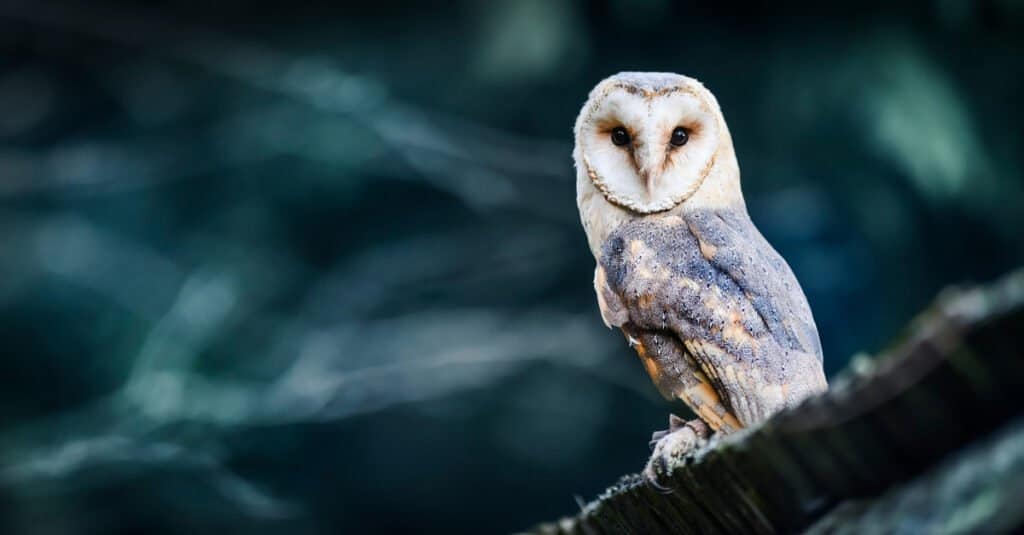
Not only is the barn owl fully nocturnal, but it can also see many times better than humans in the dark.
©Krasula/Shutterstock.com
The barn owl drifts silently on pale wings, a shape that seems more spirit than bird. Its stealth allows it to drop from the sky like white death onto the rodents it feeds on. Its white, heart-shaped face catches moonlight like a mask. For people, the real fright, though, is in its voice. Instead of the gentle hoot you’d expect, the barn owl releases a shriek so sharp it can make the hair rise on your arms. Hearing that scream outside your window could make you swear you heard a ghost.
2. Komodo Dragon (Varanus komodoensis)
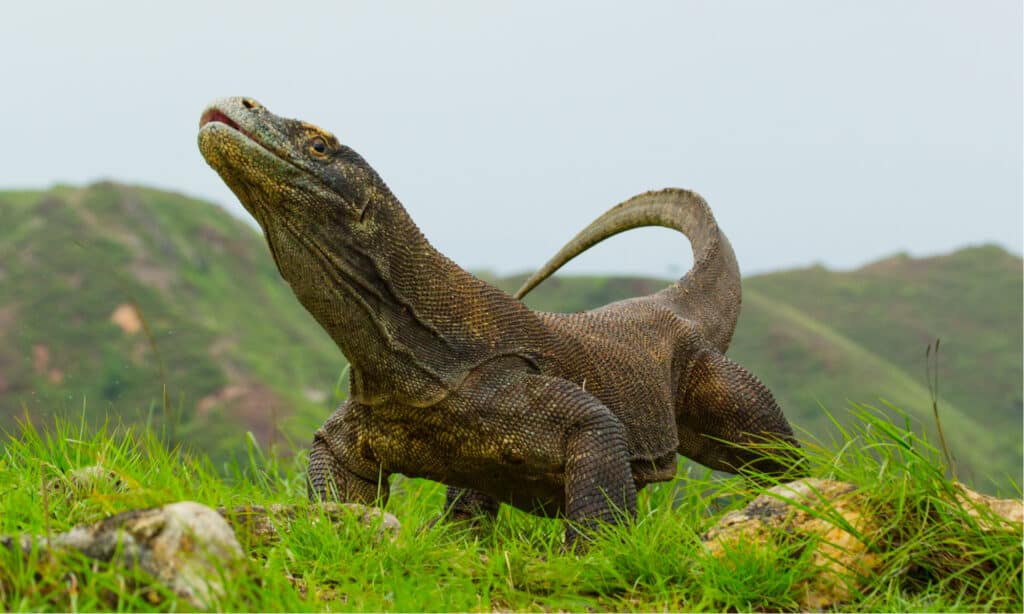
Komodo dragons envenomate their prey, then stalk it as it dies.
©GUDKOV ANDREY/Shutterstock.com
The Komodo dragon is the largest living lizard, stretching up to ten feet long. These reptiles stalk prey with patience, moving quietly across Indonesian islands until the perfect moment to strike. Their saliva is laced with venom. After inflicting a vicious bite, the Komodo dragon simply follows its prey as it succumbs to a combination of blood loss and the effects of venom. And yes, on occasion, they have killed and eaten people.
3. Glass Frog (Hyalinobatrachium fleischmanni)
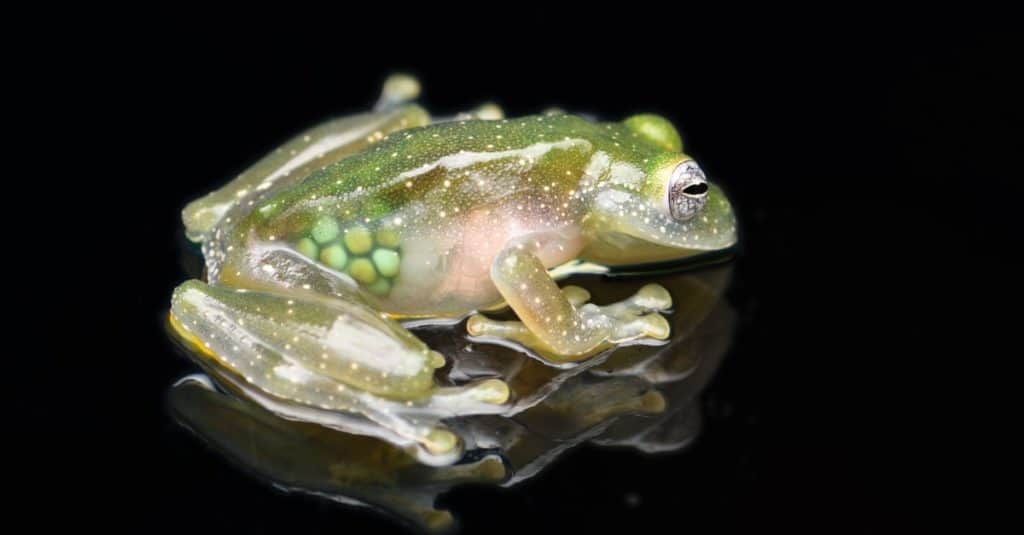
This glass frog shows not only its internal organs, but a clutch of eggs.
©petrdd/Shutterstock.com
At first glance, this frog looks delicate, almost fragile. Then you notice its transparent skin. Through its body wall, you can see a tiny heart beating, a stomach digesting food, and other organs usually hidden. The effect is ghostly, as if the frog itself were only half-material. Few animals embody the idea of “see-through” horror as completely as this living phantom.
4. Emerald Jewel Wasp (Ampulex compressa)
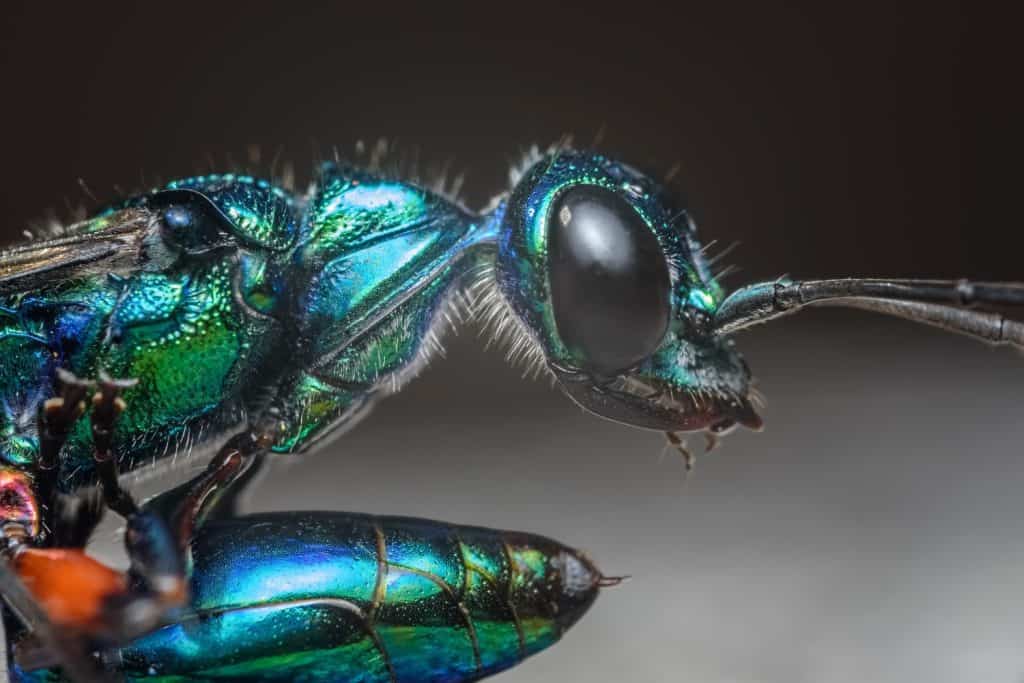
The emerald jewel wasp looks like it was made by alien technology.
©RWK007/Shutterstock.com
This is one of the most gorgeous insects you’ll ever see, looking like a custom-wrapped sports car. But if it were a car, it would have no qualms about running you down in the street. The emerald jewel wasp kills in a particularly villainous way. It finds a cockroach and stings it in the brain to make it a compliant zombie. Then it grabs it by its antenna like a leash and leads it into a burrow. The roach remains alive but helpless while the wasp’s larvae slowly devour it. This has to be one of the most horrific ways to die in the animal kingdom.
5. Mountain Lion (Puma concolor)
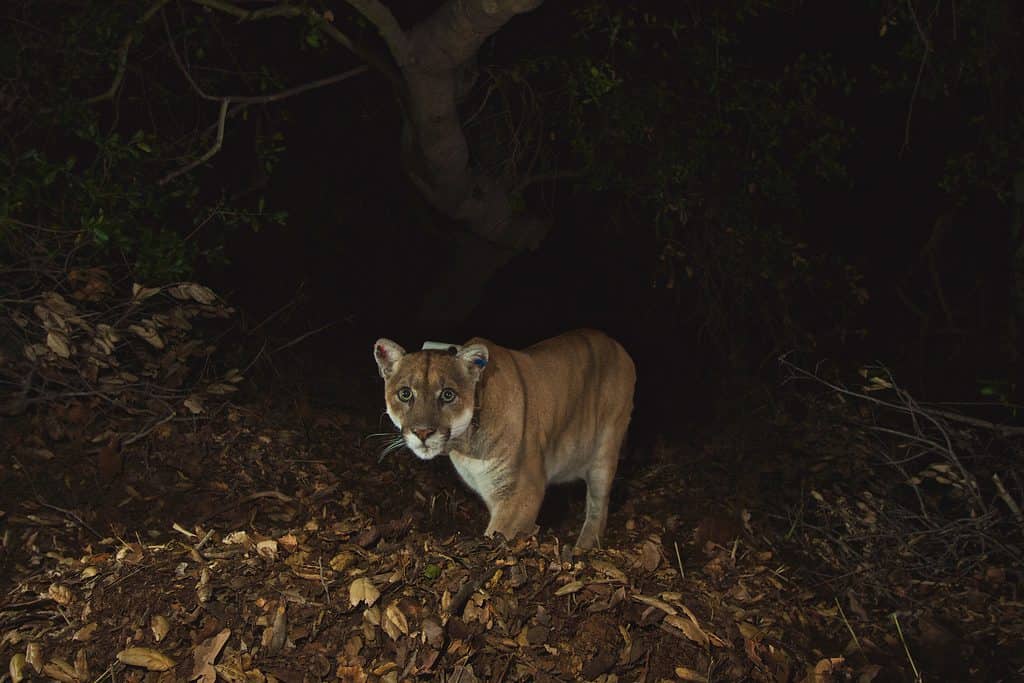
Mountain lions scream in the night, sounding very much like a terrified person.
©Santa Monica Mountains National Recreation Area / Flickr – Original / License
Also called cougars or pumas, these big cats haunt forests and mountains across the Americas. They are expert stalkers and have even been known to shadow hikers silently for long distances. Even if one is far away, it can make your blood run cold at night with its call—an eerie, drawn-out scream that sounds disturbingly like a woman crying for help. Hearing that unearthly wail echo through a canyon at night can stop anyone in their tracks.
6. Aye-Aye (Daubentonia madagascariensis)
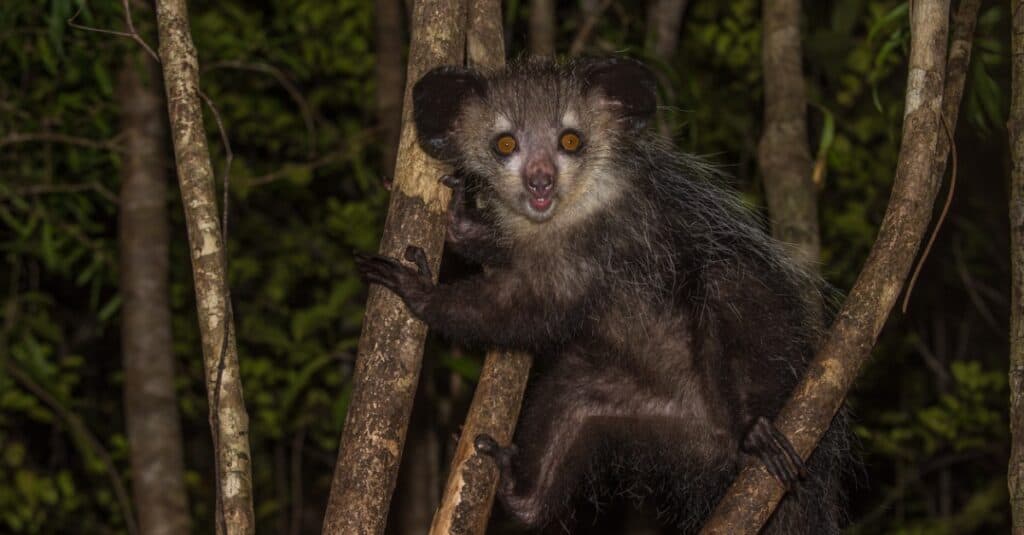
The aye-aye is startling with its big eyes and one long bony finger.
©iStock.com/javarman3
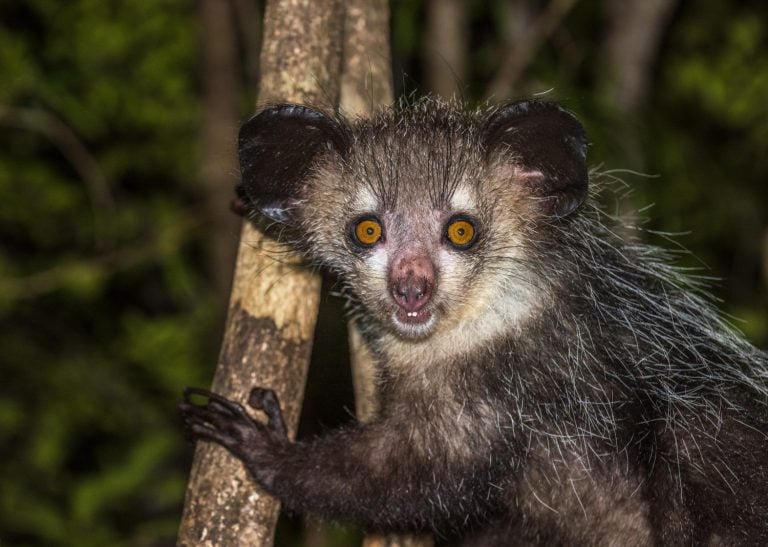
Found in Madagascar, the aye-aye is a lemur that looks part primate, part skeleton. Its elongated, bony middle finger taps on tree trunks, listening for grubs beneath the bark, and then inserts it into holes to drag them out. To locals, this strange finger is said to point at people and curse them with death. Whether or not you believe the legends, seeing an aye-aye’s face in the beam of a flashlight at night is enough to make your blood pressure skyrocket.
Here’s a video showing how the aye-aye uses its unusual finger to hunt for food.
7. Tongue-Eating Louse (Cymothoa exigua)
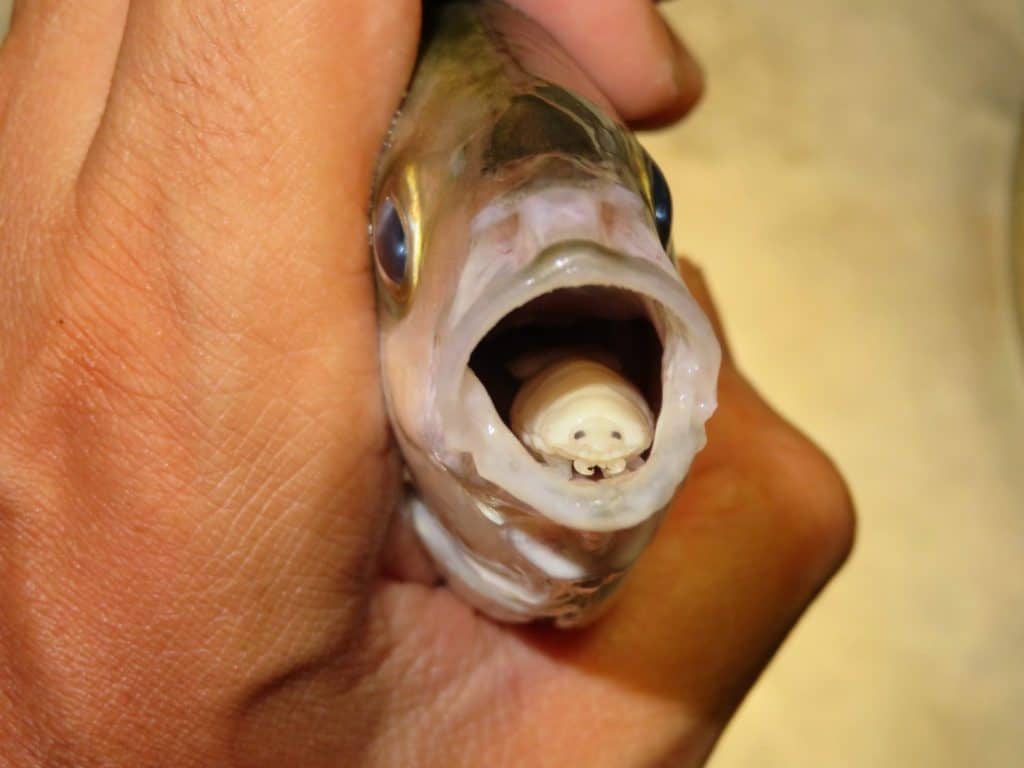
A fish infested with a tongue-eating louse living off of its blood.
©ijimino/Shutterstock.com
This crustacean hides in a fish’s mouth and begins by eating the tongue. When the tongue is gone, the louse attaches itself in the same spot and takes over the organ’s role. The fish continues to live with a parasite feeding on its blood in place of its tongue. Few real-life creatures match this horror-movie level of grotesque survival.
8. Cat (Felis catus)
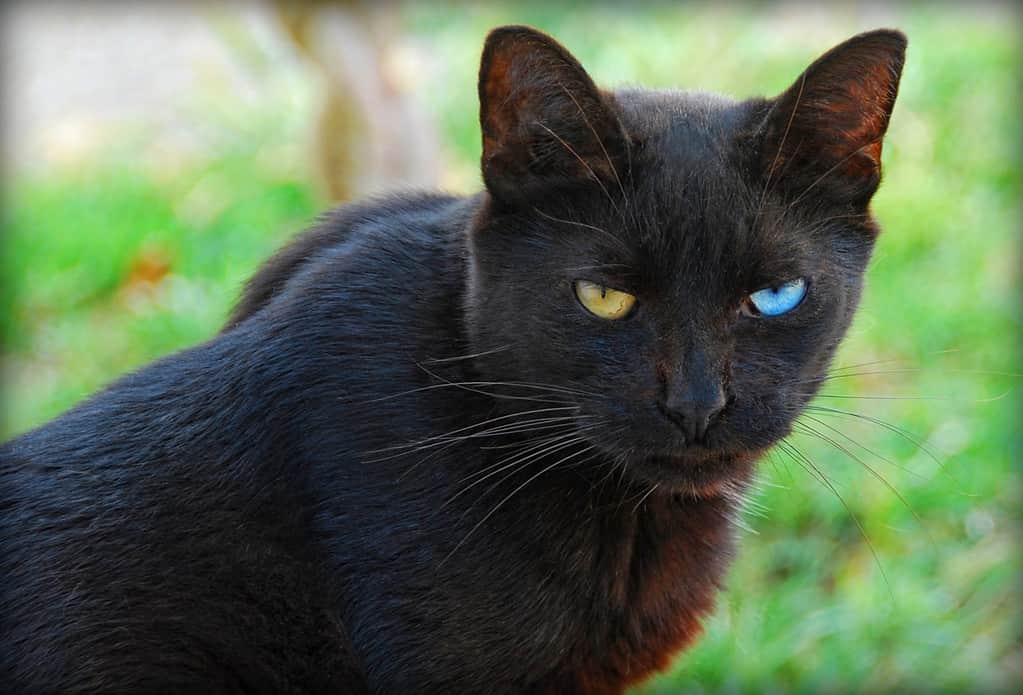
Cats have been symbols of mystery since the beginning of civilization.
Domestic cats have long been tied to mystery. Their glowing eyes in the dark, silent steps, and piercing stares give them an uncanny air. Folklore cast them as witches’ companions, creatures moving between this world and another. Even in modern times, their aura lingers. At a nursing home in Rhode Island, a cat named Oscar became famous for curling up beside patients in their final hours and sensing death before it arrived. (Check it out in this video). Whether explained by scent, instinct, or something stranger, stories like Oscar’s keep us guessing about what our cats are up to, and what their full abilities might be.
9. Death’s-head Hawkmoth (Acherontia atropos)
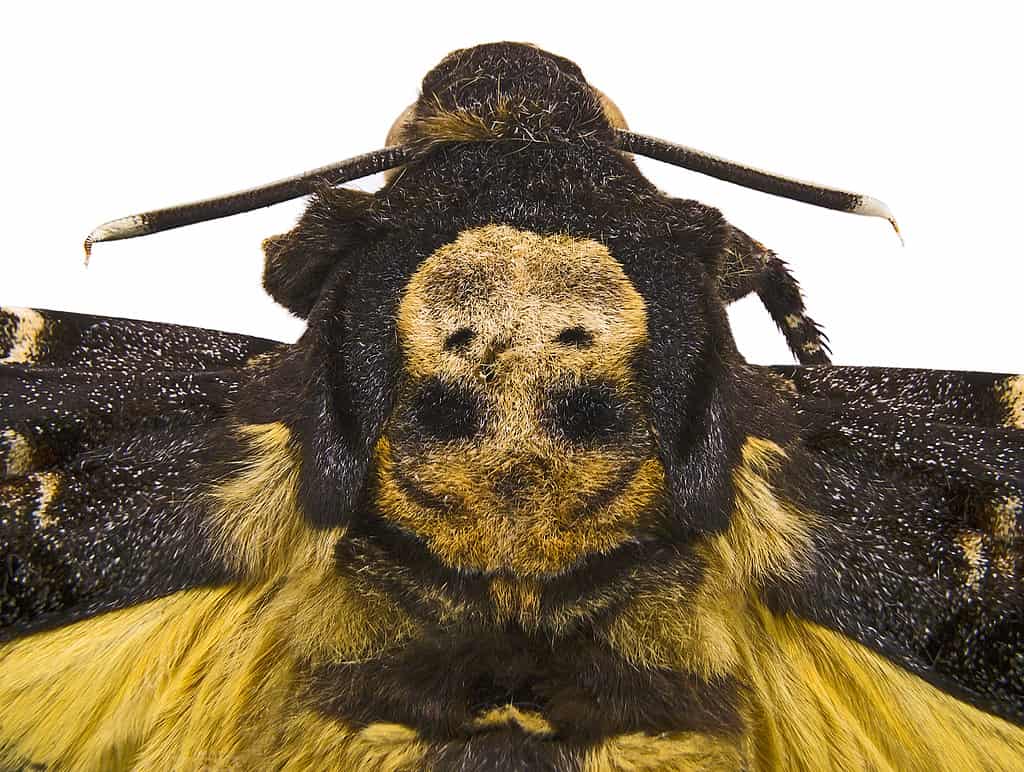
The markings on the back of this moth’s head look disturbingly like a skull.
This large moth carries a striking skull-shaped pattern on its back, a natural design that has fueled legends and horror stories. When threatened, the moth can emit a high-pitched squeak by forcing air through its proboscis. The combination of a skull marking and a ghostly voice makes this insect seem downright sinister.
10. Hognose Snake (Heterodon platirhinos)
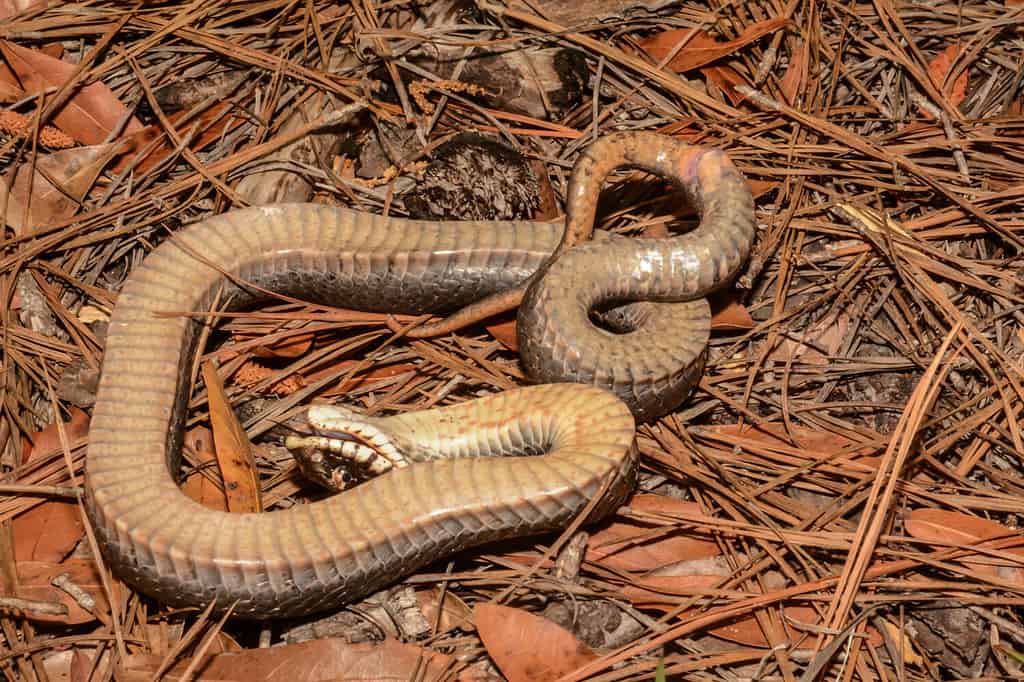
This hognose snake looks dead, but is very much alive. If you touch it, it will spring to life and try to get away.
©Jay Ondreicka/Shutterstock.com
The hognose snake is a master of macabre theater. When threatened, it flips onto its back, opens its mouth wide, and releases a stench as if rotting. Sometimes it even oozes blood from its mouth to complete the effect. Predators looking at this spectacle believe they are seeing a snake that has already died, though the performance is pure deception. Hopefully, they’re disgusted enough to just leave, but if not, the snake will spring back to life as if it were raised from the dead, hiss loudly, and try to get away as fast as possible. It’s nonvenomous, so really, this is all the defense it’s got.
11. Crows and Ravens (Corvus corax and Corvus brachyrhynchos)
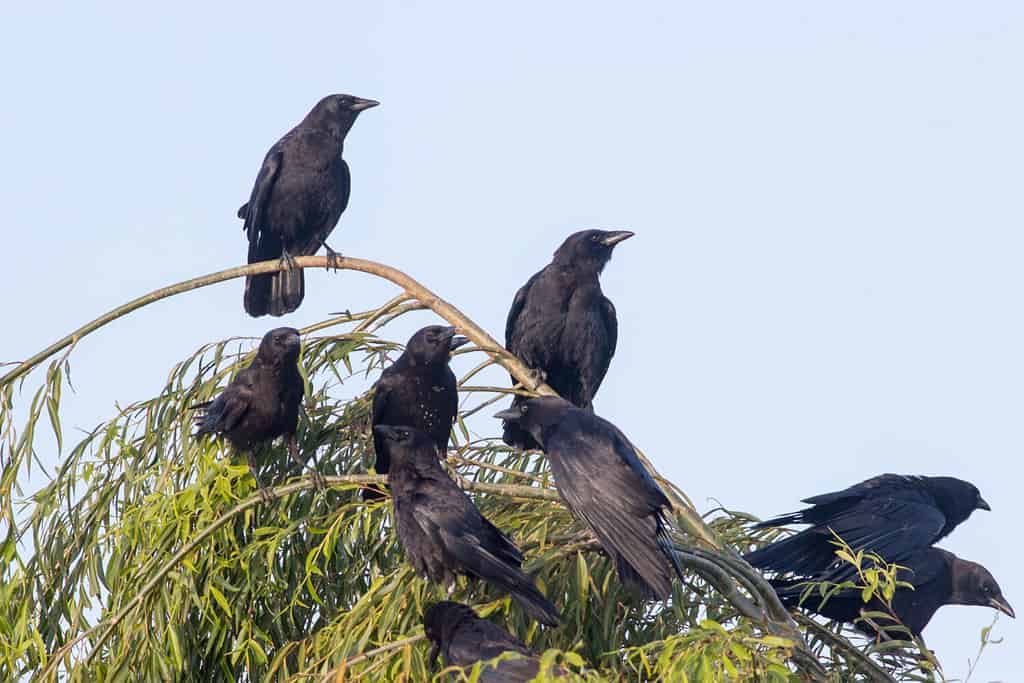
A gathering of crows is called a “murder.”
©Elliotte Rusty Harold/Shutterstock.com
Perched on gravestones or circling above battlefields, these black birds have long been associated with death. Edgar Allan Poe captured their aura of doom in “The Raven,” but long before that, cultures across the world viewed them as messengers from the other side. The reality is spooky enough, though: their harsh caws carry across empty fields, and their intelligence allows them to mimic human words in eerie voices. They also remember and harass people who get on their bad side and have been known to bring small stolen gifts to those they like. When one of them dies, they congregate in the area around the body and keep vigil, almost like a “funeral,” perhaps trying to understand what happened to it to avoid the same fate. And if all this wasn’t spooky enough, a group of crows is called a “murder.”
12. Vampire Squid (Vampyroteuthis infernalis)
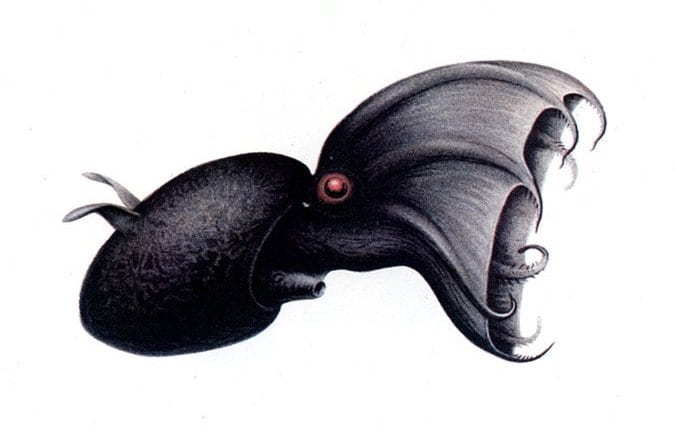
Vampire squids are difficult to photograph in the wild. This is a drawing illustrating what one looks like with its shrouded tentacles.
©Carl Chun / Public domain / Wikimedia Commons – Original / License
Its name alone—”vampire squid”—sets the tone. Living in the oxygen-poor depths of the sea, the vampire squid uses a cloaklike webbing between its arms to create a dark shroud like the cape of Count Dracula. When startled, the squid turns itself inside out, wrapping itself in a cape of spiny tendrils like a phantom. Its large, glowing eyes complete the image of a true sea monster.
13. Dogs (Canis lupus familiaris)

It can be unnerving when a dog begins barking at something only it can detect, even if we know there’s (probably) a natural explanation for it.
©OlgaOvcharenko/Shutterstock.com
Most of the time, dogs are symbols of loyalty and comfort, but they have a mysterious side that unsettles people. They sometimes bark or growl at empty doorways or a spot on the wall, or sit up and stare at a corner or shado,w like they see something we don’t. Some dogs sense when a person has a medical condition and will signal an alert even to strangers who don’t know they are ill. And dogs have even been reported being able to sense approaching calamities like storms or earthquakes, alerting families moments before disasters. Many of these behaviors are explained by the fact that dogs have much sharper senses than people, allowing them to detect things like bugs scratching in the walls, the scent of an illness, or low-frequency sounds from natural events. But sometimes they seem to defy explanation.
14. Horsehair Worm (Nematomorpha)
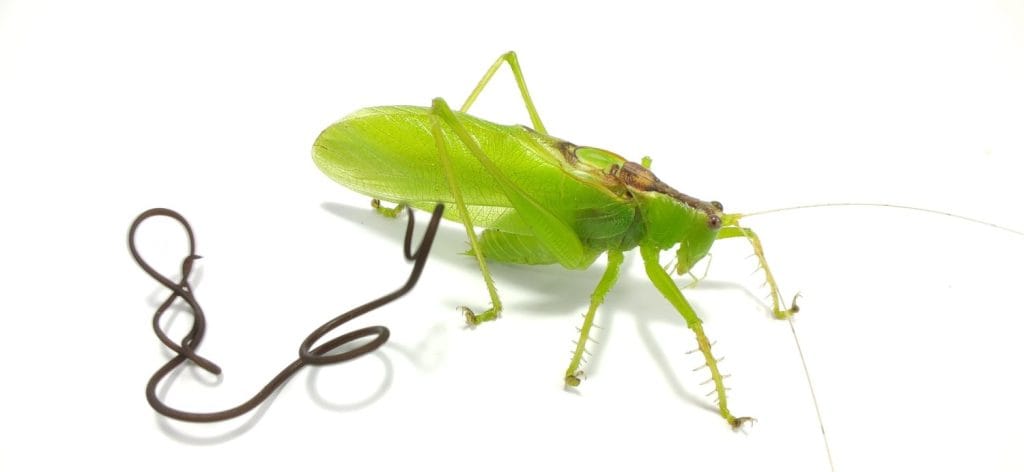
Horsehair worms take control of insects to force them to complete their life cycle in water.
©KAISARMUDA/Shutterstock.com
Slender horsehair worms grow inside insects such as crickets. Once mature, the worm manipulates the host’s nervous system, compelling it to fling itself into the nearest body of water. Once it does, the worm bursts out of its body and continues its life cycle in the water. This grisly escape scene is as terrifying as anything staged for a horror film.
15. Ghost Shark (Hydrolagus colliei)
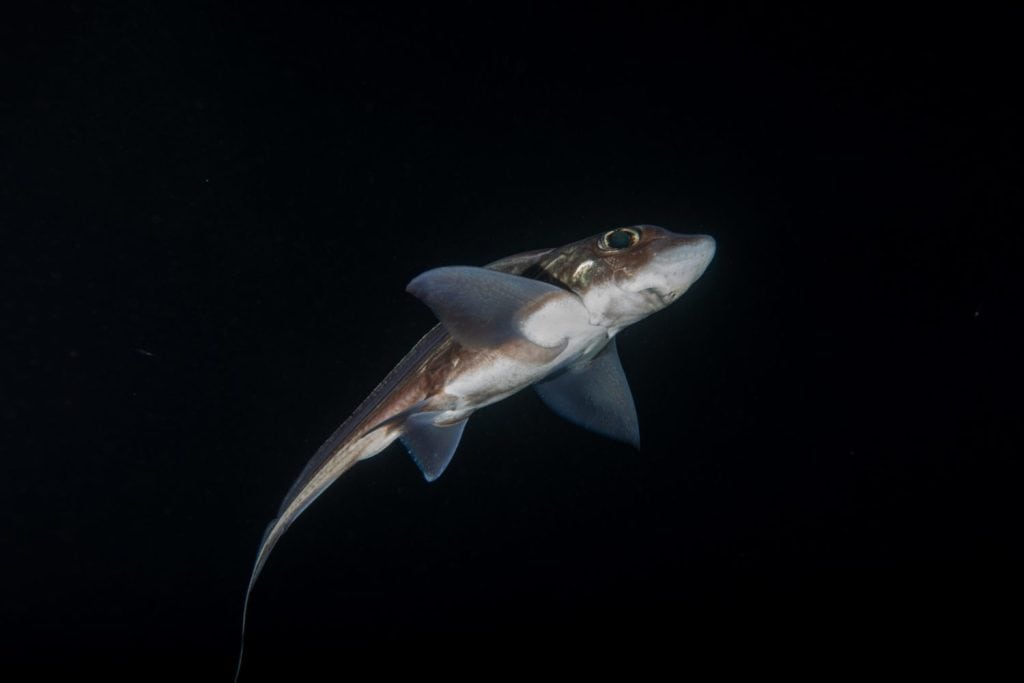
The pale color and slow movements of the ghost shark make it appear otherworldly.
©Heine Jensen/Shutterstock.com
Also called a chimaera, the ghost shark is not a true shark but is a close relative. It glides through deep waters with a pale body and strange, rabbit-like snout. Its slow, floating movements in the pitch-black ocean make it appear spectral, like a phantom drifting through the underworld. They live in the deep Pacific off the west coast of North America, rarely seen except when they’re accidentally caught by deep-sea trawlers. Very little is known about this fish, which only adds to its mystique.
16. Undead Snakes
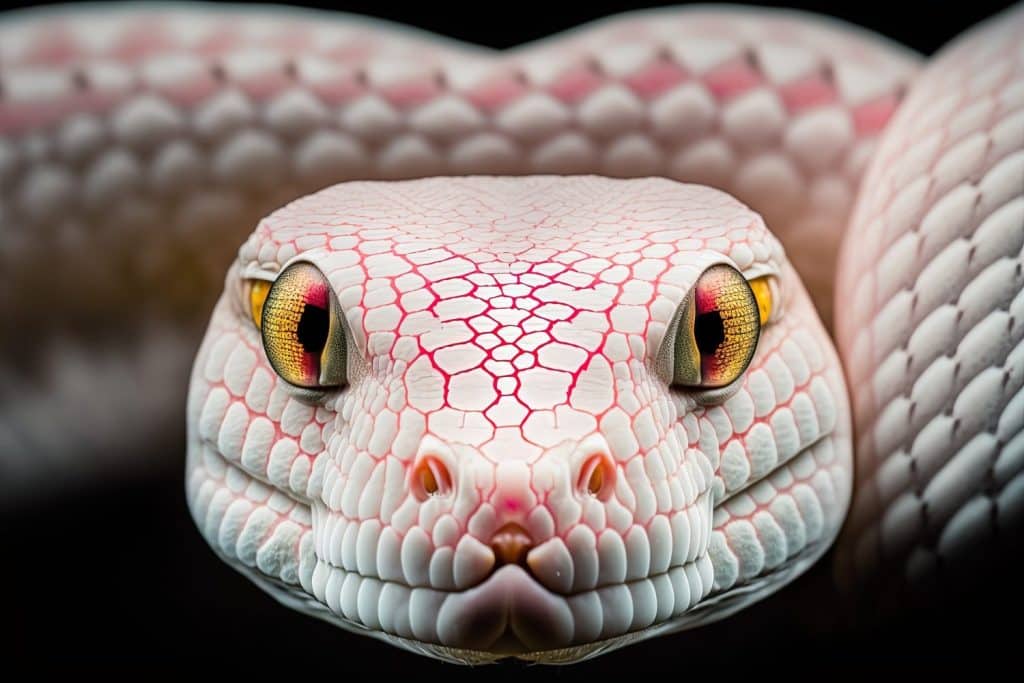
Snakes continue to move and bite reflexively even after they are decapitated.
©ArtEvent ET/Shutterstock.com
One of the most unsettling facts about reptiles is that their bodies can keep moving for up to an hour after decapitation. Nerve signals continue firing, making severed bodies writhe and fanged jaws continue biting even after the animal is dead. If the snake is venomous, it can still inject a fatal dose of toxin, as a chef in China discovered after he diced up a cobra for soup, then died from a bite from the severed head 20 minutes later. It’s as if the snake got its revenge from beyond the grave.
17. Mimicking Birds
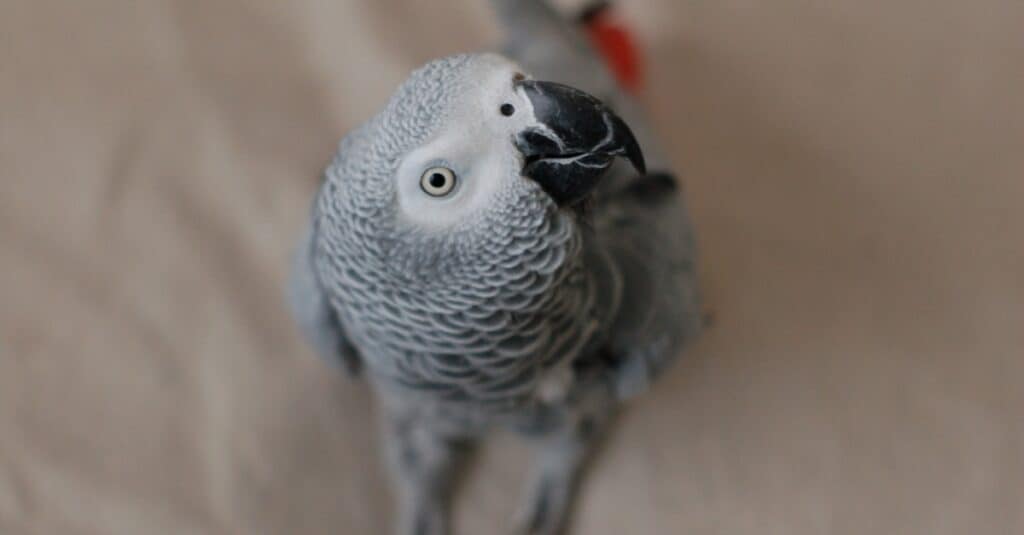
An African grey parrot, traumatized by its owner’s murder, obsessively repeated the last words he shouted before he died.
©iStock.com/Lilly Nonamaker
Parrots, mynahs, and lyrebirds can mimic human voices with unnerving clarity, making ordinary speech sound ghostly when it comes from a bird in the dark. African grey parrots have been linked to real crimes—one in Michigan famously repeated “don’t f***ing shoot,” believed to echo the last words of its murdered owner. Meanwhile, lyrebirds in Australia weave spot-on chainsaws, camera clicks, and even human phrases into their eerie songs, creating a surreal blend of familiar sounds in unfamiliar places. These stolen voices make it easy to see why birds that talk not only charm us but also creep us out.
18. Lamprey (Petromyzontiformes)
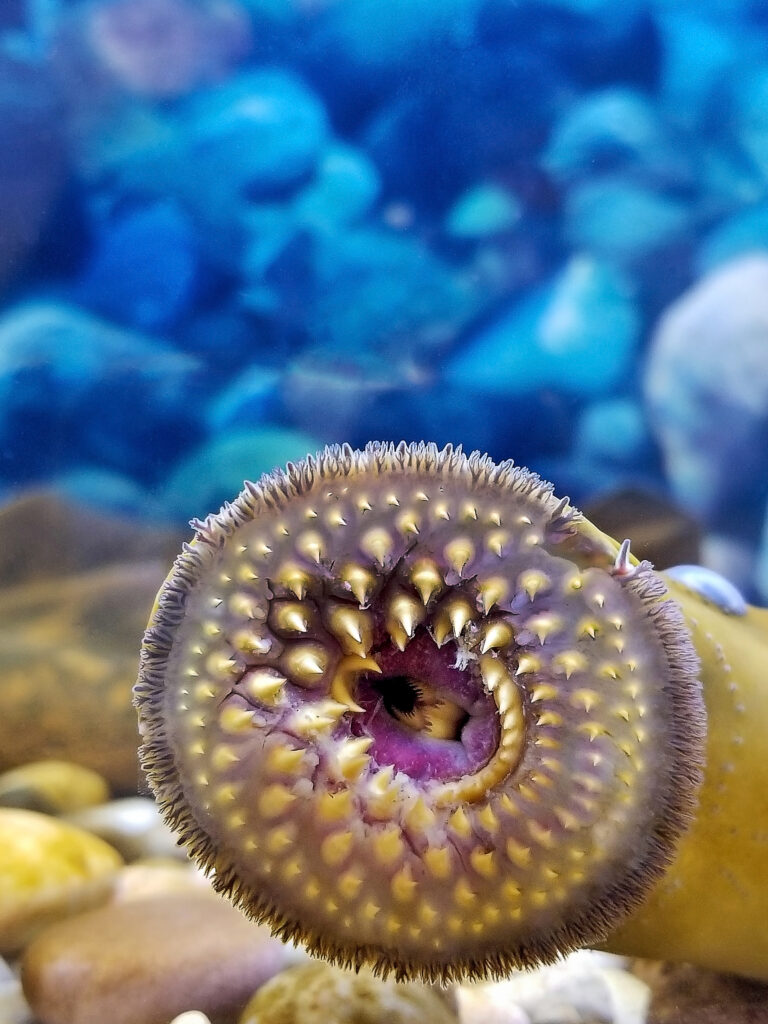
The mouth of a lamprey looks like one of the ginormous sandworms of the Dune science fiction series.
©Maria Dryfhout/Shutterstock.com
The lamprey is a jawless fish with a circular, suction-like mouth full of sharp teeth arranged in rings. It latches onto larger fish, boring into their flesh and drinking their blood. Fortunately, they aren’t dangerous to humans, though they can accidentally bite when being handled. Nevertheless, just the sight of a lamprey’s mouth is unforgettable: a spiraling whirlpool of teeth that looks straight out of a nightmare.
19. Deep-Sea Anglerfish (Melanocetus johnsonii)
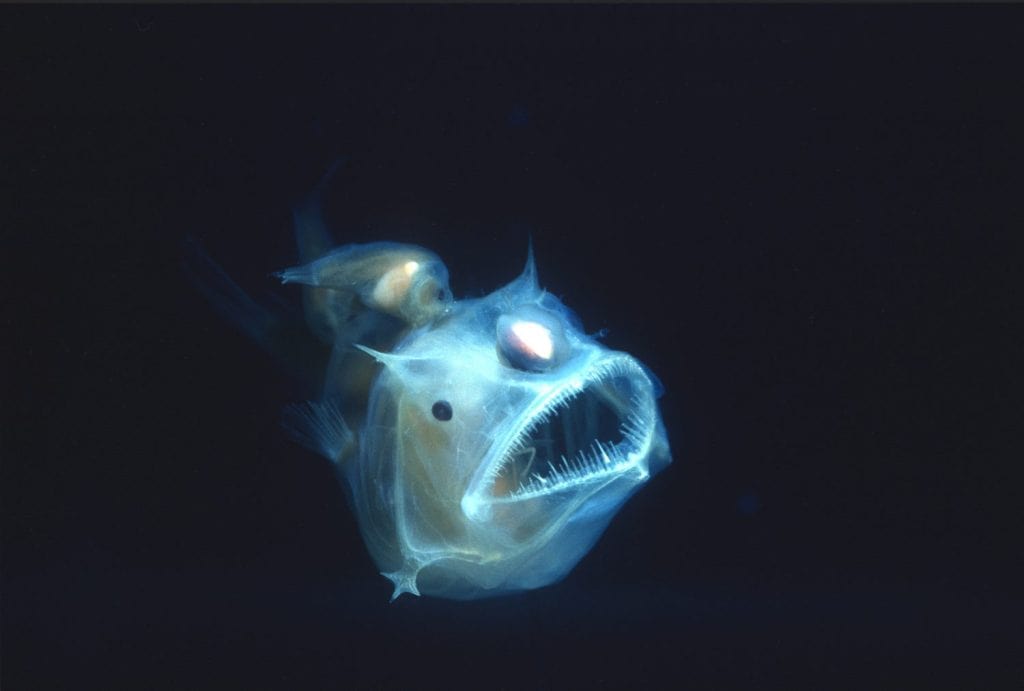
This female anglerfish has two smaller males attached to it for reproduction.
©Neil Bromhall/Shutterstock.com
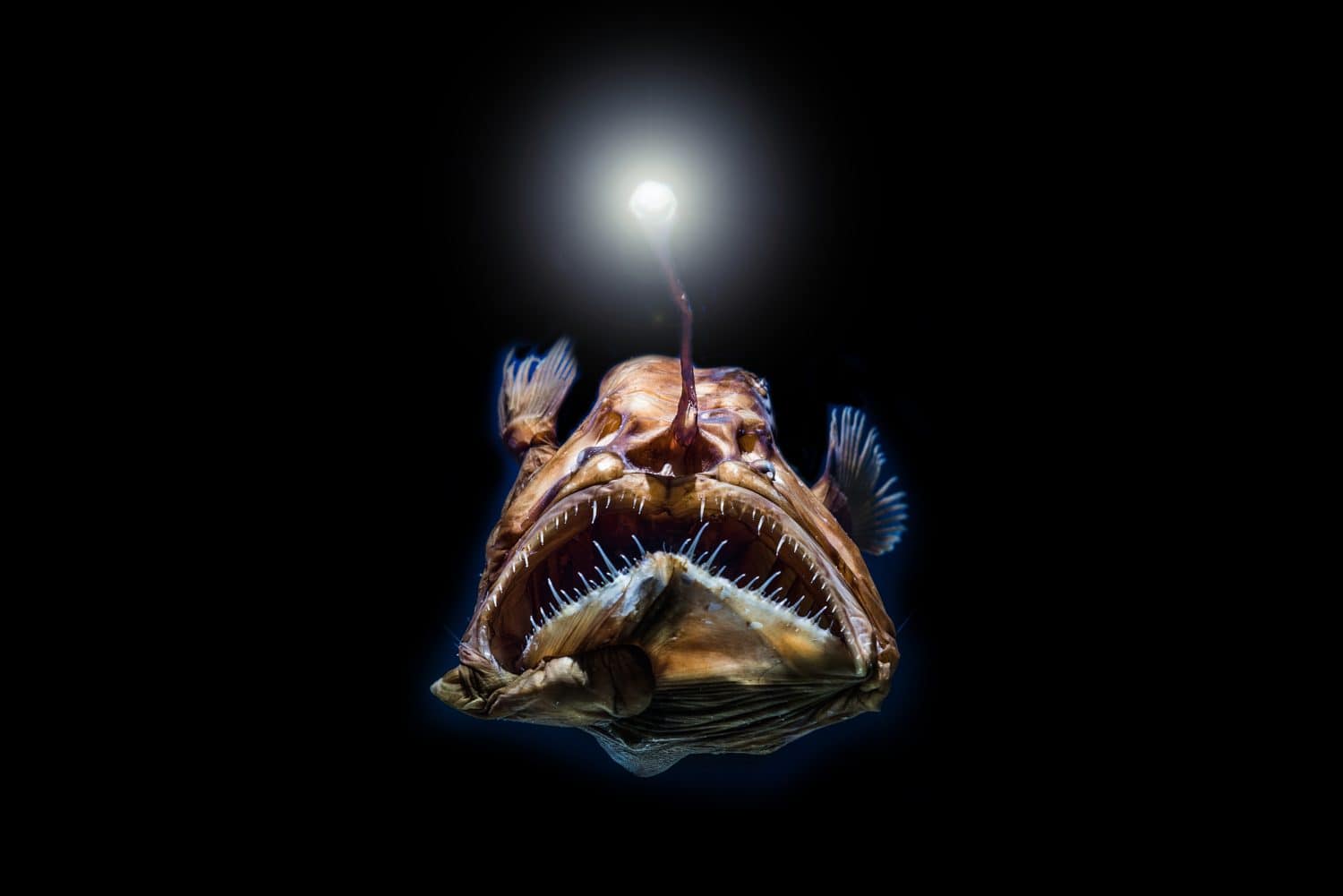
With massive jaws, needlelike teeth, and a glowing lure dangling from its head, the anglerfish lies in wait for its prey in total darkness. Its mating behavior is just as strange: tiny males bite females and attach permanently to them, fusing their bodies until they are little more than living organs providing sperm. Few animals feel so improbably grotesque and alien.
20. Glowworms (Arachnocampa luminosa and other species)
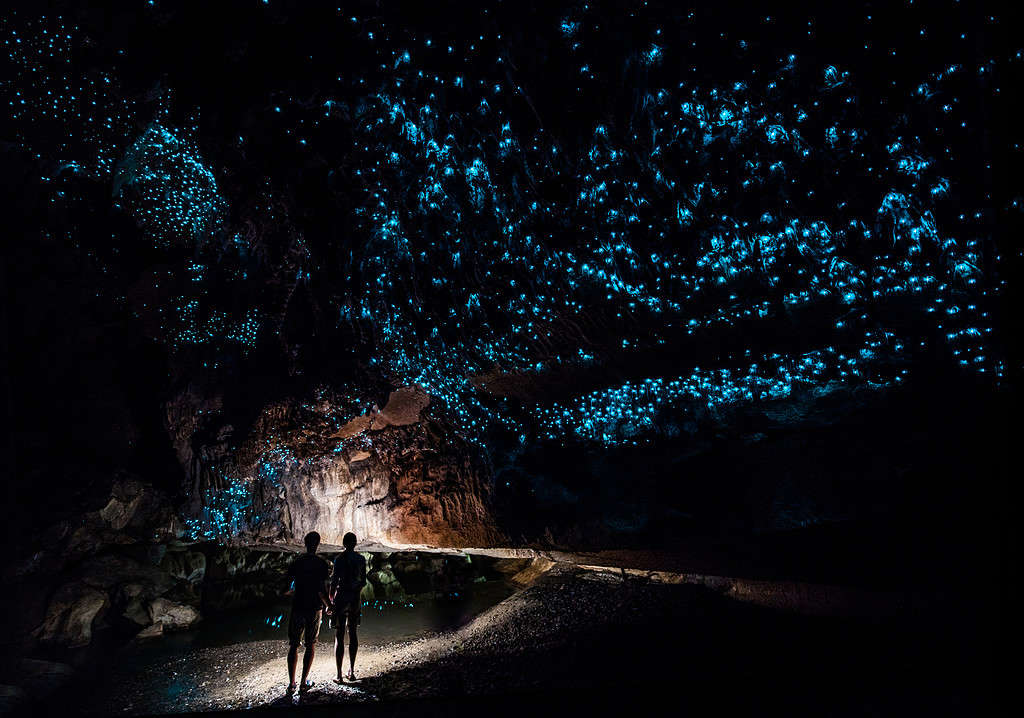
Glowworm Cathedral at the end of Waipu Cave in New Zealand. Each light is generated by insect larvae.
©MarcelStrelow/iStock via Getty Images
In damp caves and dark forests, glowworms create eerie constellations of light. These insect larvae dangle sticky threads from ceilings and then glow a ghostly blue-green to lure in unsuspecting prey. To anyone walking beneath them, the effect looks like a starry sky underground. But the beauty hides something sinister—the glowing lights guide insects straight into deadly snares, where they are trapped and slowly consumed.
Bonus: Zombie-Ant Fungus (Ophiocordyceps unilateralis)
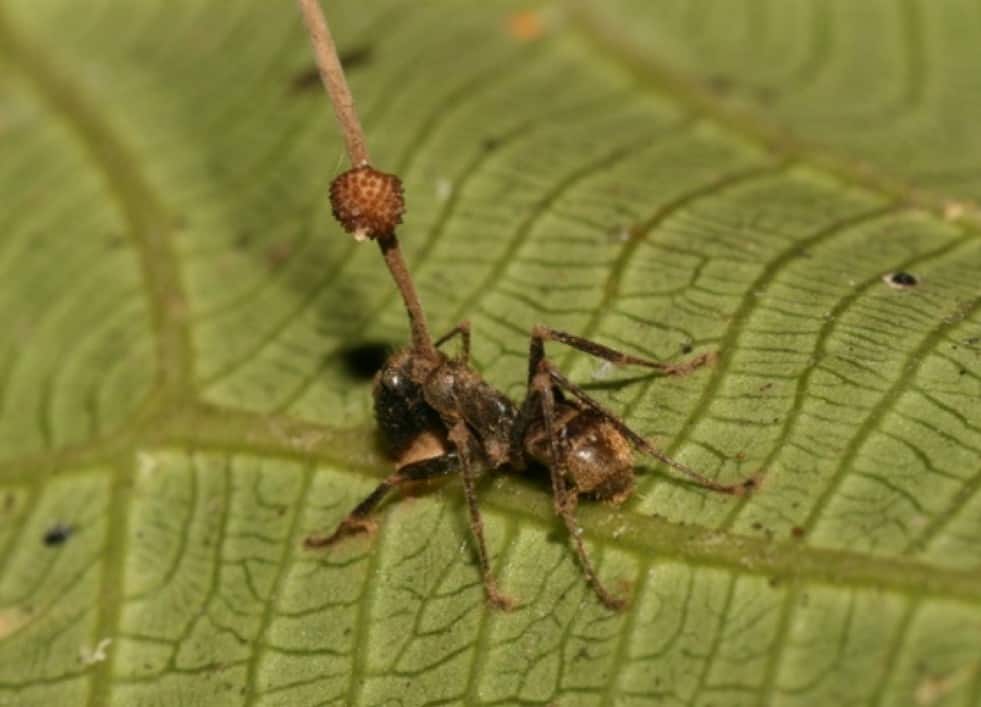
Ophiocordyceps unilateralis is commonly called the zombie-ant fungus.
©David P. Hughes, Maj-Britt Pontoppidan/Wikimedia Commons – Original / License
It isn’t a plant, and it isn’t an animal—this parasite comes from the in-between kingdom of fungi, and it behaves like something out of a nightmare. Once it infects an ant, the fungus seizes control of the insect’s mind, steering it like a puppet. The doomed ant is compelled to climb to a high point in a plant or tree for maximum effect. It locks its jaws onto a leaf, dies, and then a dark stalk bursts from its corpse, showering spores onto the forest floor and anything else beneath it. Entire colonies can fall under its spell, leaving behind a trail of lifeless bodies crowned with fungal growths like an army of the undead.
Conclusion
These examples remind us that the natural world is stranger—and often scarier—than anything invented for Halloween. Parasites that seize control of their hosts, fish that absorb their mates, reptiles that seem to come back from death, and birds that speak in stolen voices—all prove that spookiest creatures don’t walk around in scary masks. They are very real. And they soar, slither, stalk, and swim just beyond the edge of your sight… but not beyond theirs.