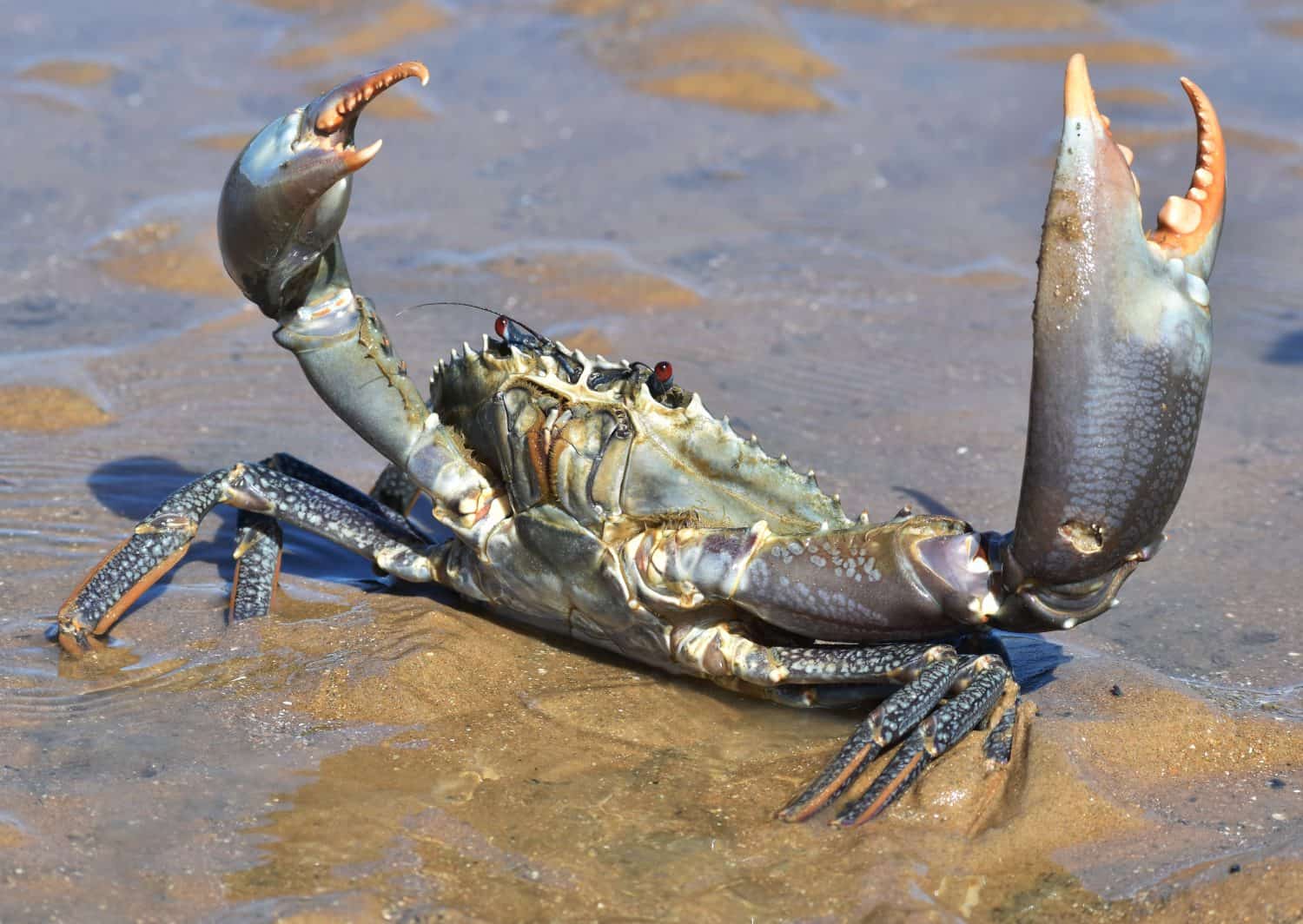

Similar to reptiles and insects, crabs go through periods of molting during which they shed their shells. They do this for several reasons, such as outgrowing their shells and maintaining their health. The process offers a fascinating look into crab biology and the different stages of their life. This YouTube Short by @Quirksea shows a crab molting its shell, a rare look into this interesting transformation. Read here to learn more about why and how crabs molt their shells.
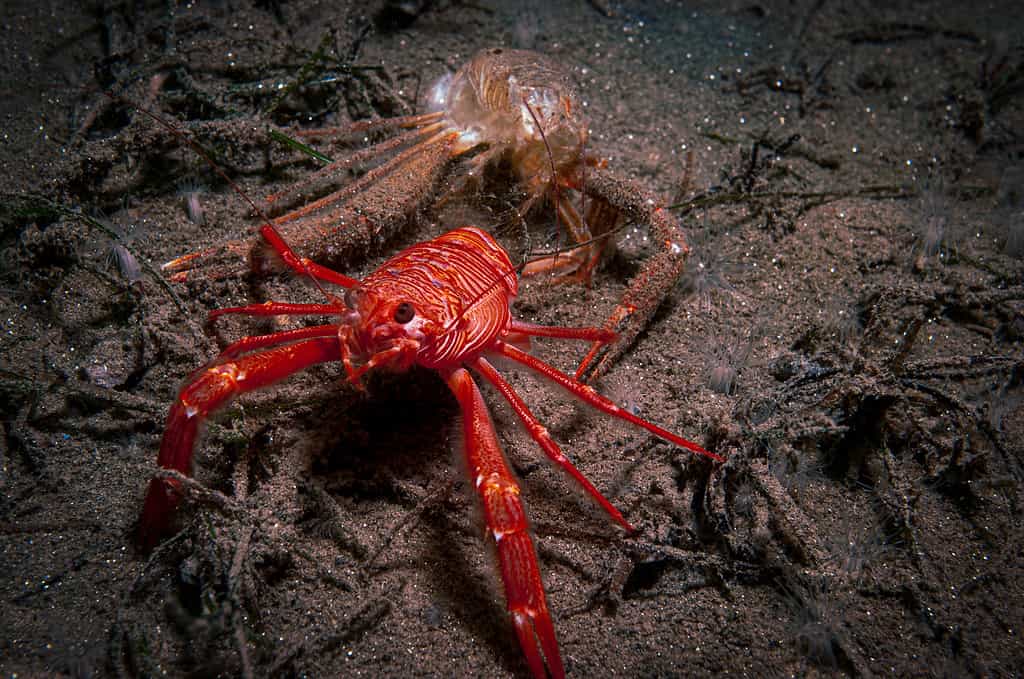
Crabs have multiple molting phases.
©Greg Amptman/Shutterstock.com
Why Do Crabs Molt
Crabs are crustaceans with hard outer shells called exoskeletons. Some other animals with exoskeletons are arthropods, arachnids, and other crustaceans. Unlike how human skin and muscles grow through stretching, the hard exoskeleton does not grow with the crab. Because of this, the crab must periodically shed its old shell to continue growing into its adult size. While this process is essential for the growth of the crab, it also serves a few other purposes. These include repair and removal of parasites. After molting, crabs have a whole new, unused shell to defend themselves. Along with this, molting means that any lost claws or limbs can also be restored through regeneration. Shedding the old shell also removes any barnacles or parasites that were attached, making molting important for the crab’s health.
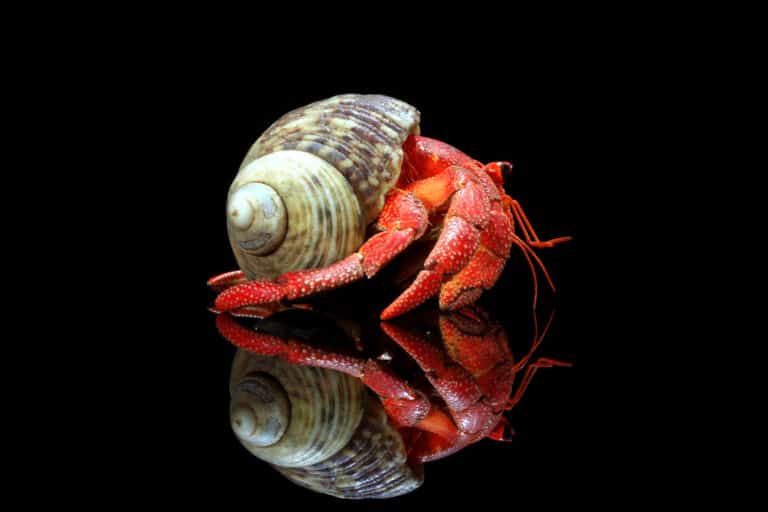
Crab molting frequency primarily depends on species and age. For example, juvenile blue crabs may molt as often as every 3 to 7 days, while adults may molt only once a year or even less frequently. In contrast, hermit crabs molt irregularly, ranging from once every few months to once a year. This depends on how large and how quickly the crab grows. Similarly, the shedding process varies in time. It can take only 30 minutes or it can take hours, depending on the individual crab. When the new shell is hardening, it takes roughly two to four days until the crab is fully recovered. Therefore, there is no universal molting schedule for all crab species; each molts according to its own growth rate. As seen in the video above, the crab is pushing off its old shell, a process known as ecdysis.
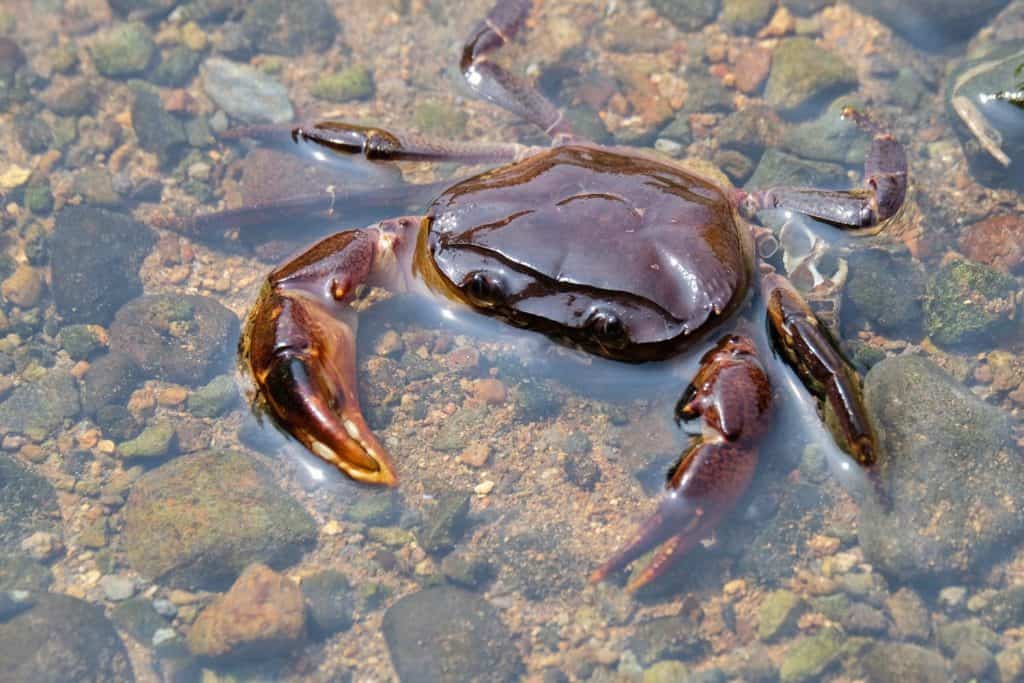
How long it takes for a crab to molt depends on the species and individual.
©Hary Purwanto/Shutterstock.com
Four Stages of Molting
The molting process, as stated above, takes a considerable amount of time. This process can be broken up into four main phases. These are the pre-molt (preparation), molting, post-molt, and inter-molt phases. Let’s look at each one individually.
Pre-Molt
The pre-molt phase, or the preparation phase, can last anywhere between a few days to a few weeks. In this phase, the crab prepares its body for the energy required to molt, as well as for the vulnerable period afterward. The crab starts by absorbing the calcium from its old shell and storing it internally to be used in the new shell. It begins to create a new exoskeleton underneath the old one, which is soft and will later harden into the shell we recognize.
Because molting requires a considerable amount of energy, some crabs stop eating and moving to conserve energy. While all the stages of molting leave the crab vulnerable, the lack of activity in this stage opens up the crab to predation. A crab in this stage can be identified by duller coloring and cloudy eyes, indicating it is about to molt.
Molting
The actual molting phase takes anywhere between half an hour and a few hours. In this stage, the crab takes in water to swell up from the inside. This pressure forces cracks along the crab’s old shell to be able to be pushed off. After the shell cracks, the crab wiggles backward to slip free from the old exoskeleton. This is the stage that is in the video above, seemingly popping out of its old shell to start anew. Again, this stage is extremely dangerous. While still vulnerable to predators, if the crab is too weak to finish wriggling out and becomes stuck, it can quickly die.
Post-Molt
The post-molting phase is where the crab recovers and hardens its new exoskeleton. This takes a considerable amount of time, from hours to several days. In this stage, the crab’s new shell has not hardened, leaving the crab defenseless and soft. Using the calcium it absorbed—sometimes by eating its old exoskeleton—the crab begins to harden the new shell. Over time, the shell will grow rigid and strong again, restoring the crab’s defense.
Inter-Molt
The inter-molt phase is when the crab goes back to living normally, or a stable period for the crab. In this phase, the crab will continue to grow into its new shell. Juvenile crabs who grow fast will have to begin the molting process all over again soon after, while adult crabs can relax for a bit longer. During this time, the crab eats to gain the nutrients it needs to continue growing, all in preparation for the next molting period.