
Quick Take
- Wild finches can be petted, but it is generally discouraged due to fear, stress, and potential harm to feathers or bones.
- Create a finch-friendly backyard with food, water, and shelter, and be a consistent, quiet presence to earn their trust over time.
- Wild finches can carry diseases; wash your hands after contact and wear gloves around feeders to reduce illness transmission.
House finches are very social birds that enjoy the company of their owners. Many of these brightly colored birds like to perch on fingers or even receive a pet on the head or body. Given that domesticated finches are not drastically different from wild finches, it raises the question: Can you pet a wild finch?
Wild animals have a normal and healthy fear of people. However, there are times when wild animals seek help from people because they are in danger, injured, or scared. This appears to be what happened in a recent post from the subreddit, r/aww, after a wild finch sought refuge in a garage.
In mid-December 2025, user Salt-Machine3492 posted a carousel of pictures to Reddit showing a very docile wild finch being cradled in a hand.
“A wild finch flew into my dad’s garage and let me and my dad pet him,” Salt-Machine3492 writes in the post.
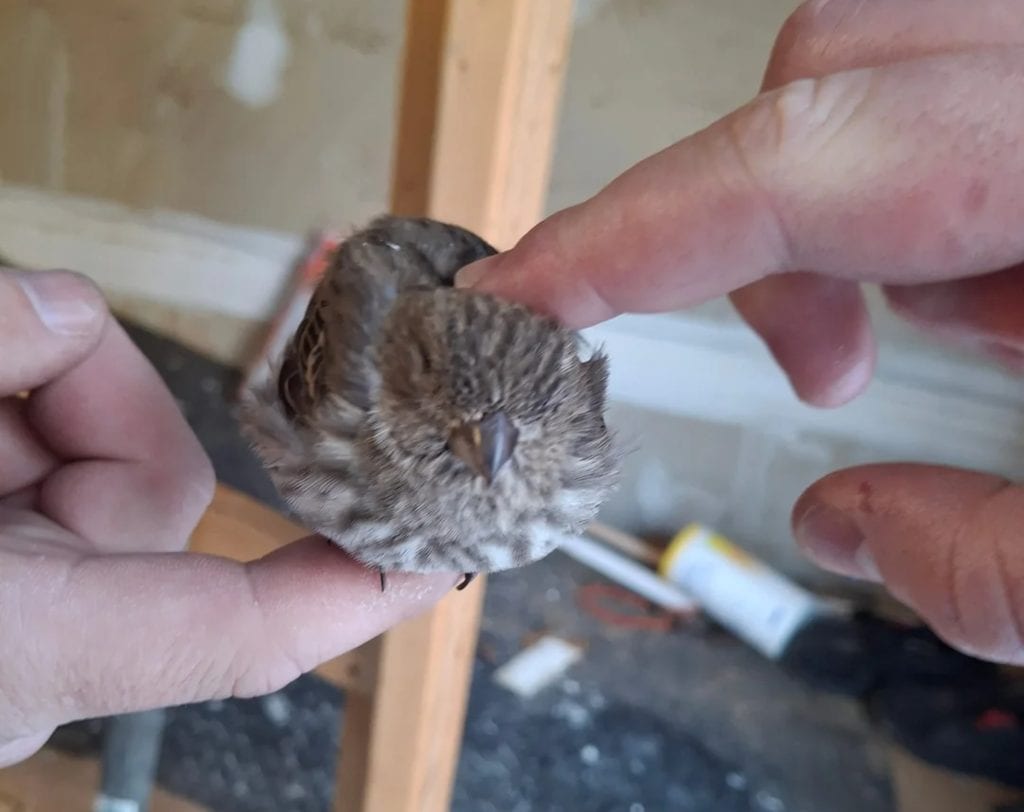
A wild finch not only perched on a man’s finger, but allowed itself to be petted.
© – Original
The series of five photos posted shows that not only was the wild finch happy to sit in the man’s hand, but it also perched on his finger while both he and the author of the post petted the bird. The bird does not show any signs of trying to get away or of being stressed.
While there was no explanation for why the finch flew into the garage, one commenter speculated that it may have had to do with a bird of prey flying around outside. This could have led the wild finch to seek refuge after it had furiously tried to fly away from the predator.
The fate of the wild finch was also not disclosed. However, based on how it appeared in the photos, the tiny bird was happy to receive some comfort, no matter how short-lived that time may have been.
For those who want to have their Snow White moment and pet a wild finch, it is possible to do so. However, it will take time and patience to bond with birds. The first step to befriending a wild finch is to set up a backyard that is finch-friendly. This should include plentiful food, water, and shelter for the birds. The most successful wild finch environments will have all of these items tucked out of the way in a sheltered part of the yard, allowing finches to feel comfortable while feeding and relaxing.
Next, befriending a wild finch is not something that will happen overnight. Consequently, being a consistent presence but one that observes only is the way to ensure that wild finches are not affected by a person being in the backyard. They will also associate the person observing them with the one providing the food, rather than with a threat.
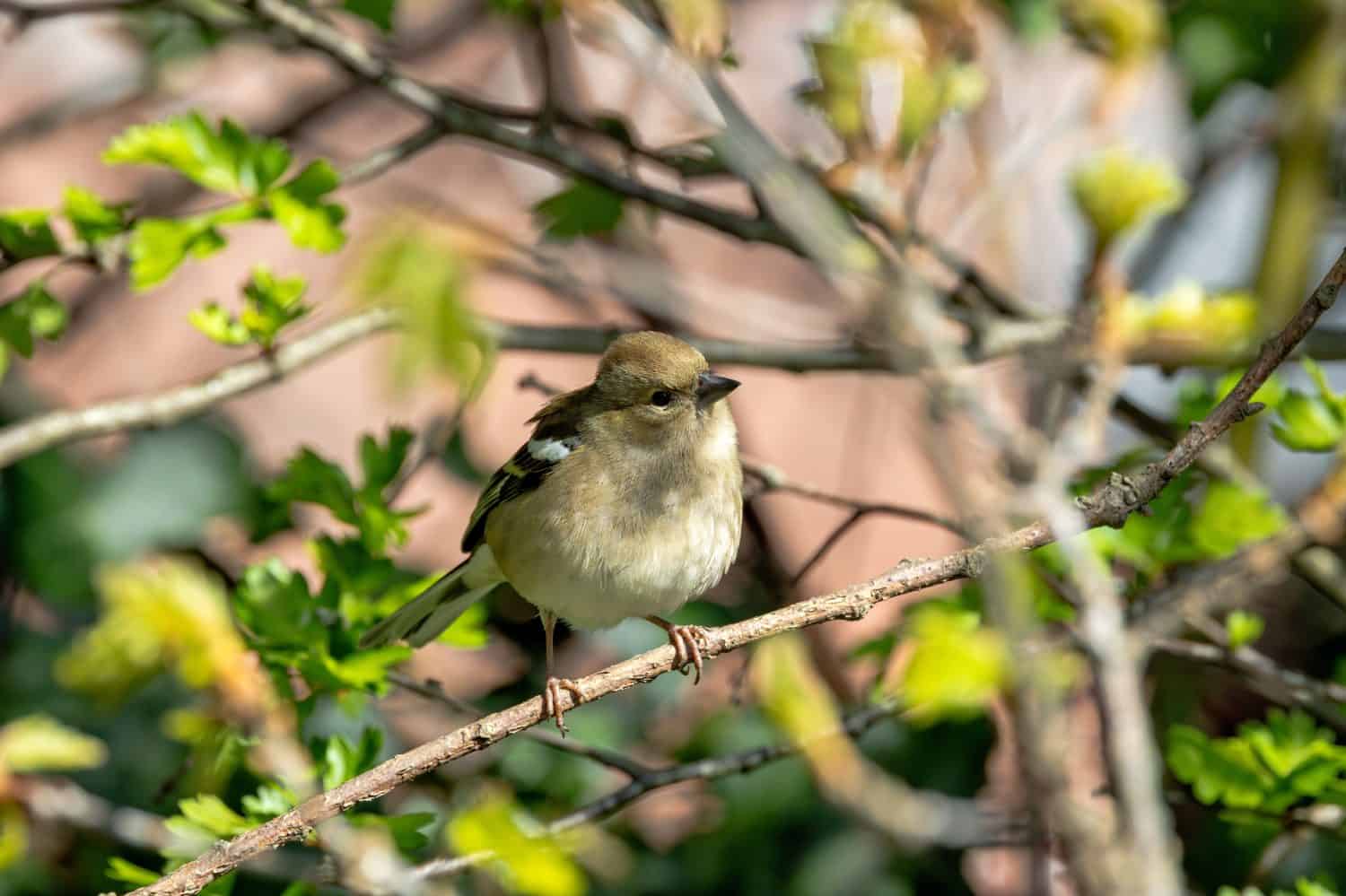
Once wild finches get used to a person feeding them and being in the same environment, they may submit to being petted.
©fluffandshutter/Shutterstock.com
When in the backyard, refrain from making loud noises. This will only scare the wild finches off and may even prevent them from returning if they deem the environment to be one that is not tranquil. Finally, after you have established some trust, it may be possible to get closer to a wild finch. How long this will take depends on the individual birds visiting the backyard. But with time and effort, petting a wild finch is not impossible to do.
While the wild finch in the Reddit photos was not distressed, it is generally discouraged to pet a wild finch. Not only do wild finches tend to dislike being touched, but petting them can actually cause more harm than good in the long run.
The reasons wild finches would prefer not to be petted, even by those with the best intentions, include:
- Fear – Being held makes wild finches react as though a predator is attacking them. Petting makes them uncomfortable as well.
- Stress – Being in such close contact can increase a wild finch’s stress levels, which can weaken its immune system and lead to health issues.
- Preening Disruption – Wild finches love to preen. When touched, this can disrupt their normal preening patterns, putting feather health at risk.
- Bodily Harm – Wild finches, and finches in general, are delicate birds. If they are touched or held too roughly, their bones and feathers can be damaged.
When attempting to approach a wild finch, if they begin to chirp incessantly, ruffle their feathers, breathe rapidly, or look furiously for a way to get away, according to IERE, the birds are under stress. It is best to back away, give the birds their space, and allow them to remain wild as nature intended. There will be instances when a wild finch may need to be handled. This tends to occur when a small bird injures itself, such as by flying into a window or escaping a predator, or when it is exhausted after such an escape.
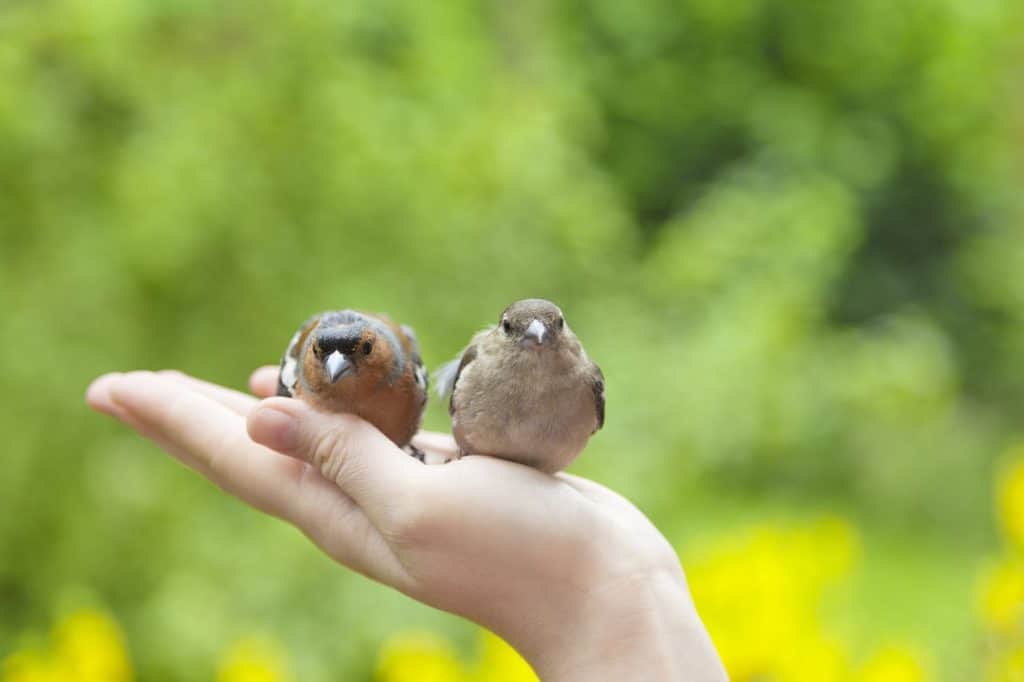
Finches, injured or not, need to be handled with care.
©Dirk Ott/Shutterstock.com
For those who want to help a wild finch but not bring them any extra physical or emotional harm, the best ways to do so include:
- Determine if the finch is injured or just needs to rest. If it is the latter, it may be best to let it be.
- Line a ventilated box with a soft towel or blanket. This will allow the wild finch to heal in quiet and warmth until it is ready to fly.
- Do not give the finch food or water in case it is suffering from internal injuries.
- Handle the wild finch with care and do not disturb it unless necessary.
- Reach out to wildlife rehabilitation centers if the wild finch does not fly away on its own for assistance.
For those who come into contact with a wild finch, it is important to note that these birds can spread disease. Therefore, the less contact with a wild finch, the better. As adorable as wild finches are, what many who want to pet them do not think about is the fact that these small birds have the potential to carry diseases. Not only can these diseases be spread from bird to bird, but they can also be transmitted to humans.
The typical diseases that wild finches carry include:
| Disease | Description | A bacterial infection that generally leads to death in birds |
| Salmonellosis | Respiratory illness caused by a fungus | Yes |
| Avian pox | Growths appear on legs, eyes, and beak | No |
| Aspergillosis | Respiratory illness caused by fungus | No |
Bird-to-bird-only diseases typically spread when birds come into contact with each other, when a sick bird contaminates a feeder, or when birds eat seed that has been contaminated by droppings from an infected bird. To prevent Salmonellosis after coming into contact with a wild finch, it is imperative to wash hands thoroughly. While the disease is not deadly, it can cause severe abdominal and digestive discomfort for a week or more.
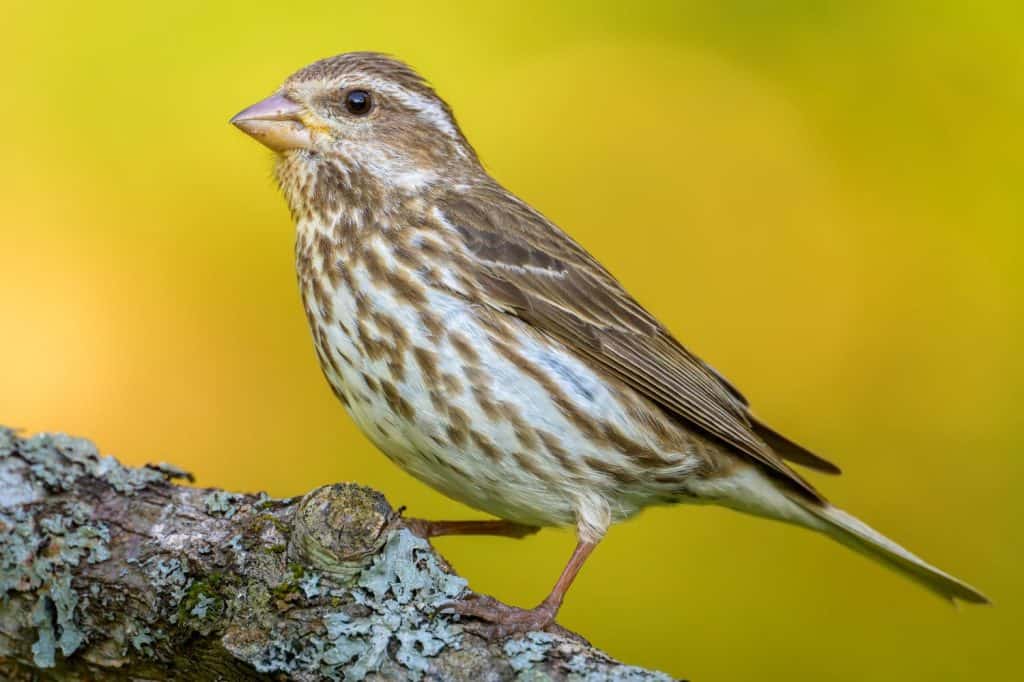
Finches can spread disease to both people and other birds.
©Stephen A. Waycott/Shutterstock.com
Additionally, when dealing with bird feeders, it is recommended to wear gloves. This will help prevent the transmission of bird diseases to both people and other birds. You should not befriend wild animals, as they can lose their natural instincts, putting them at risk of injury or worse. However, it is possible you could fairly easily pet a wild finch. With time, effort, and some luck, those backyard birds that generally flitter and flutter away can get used to a person’s presence and may even allow a gentle stroke on the head or two.