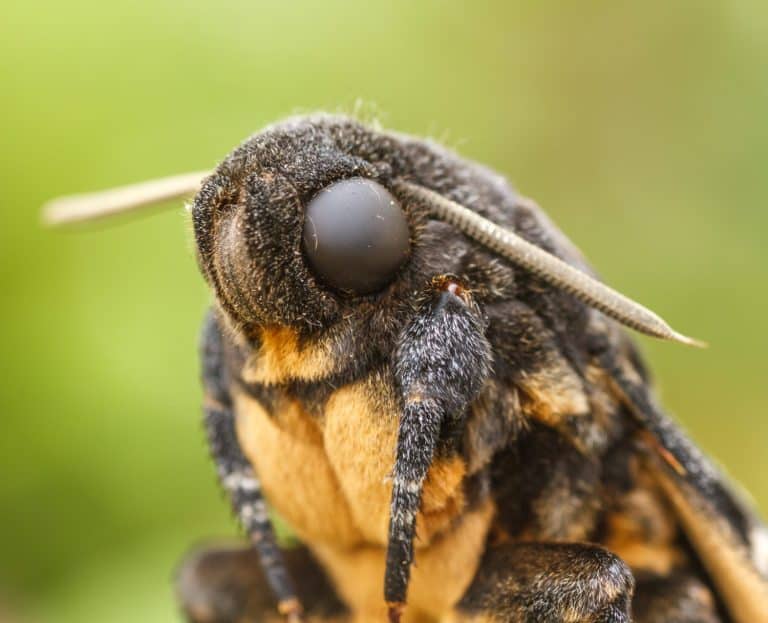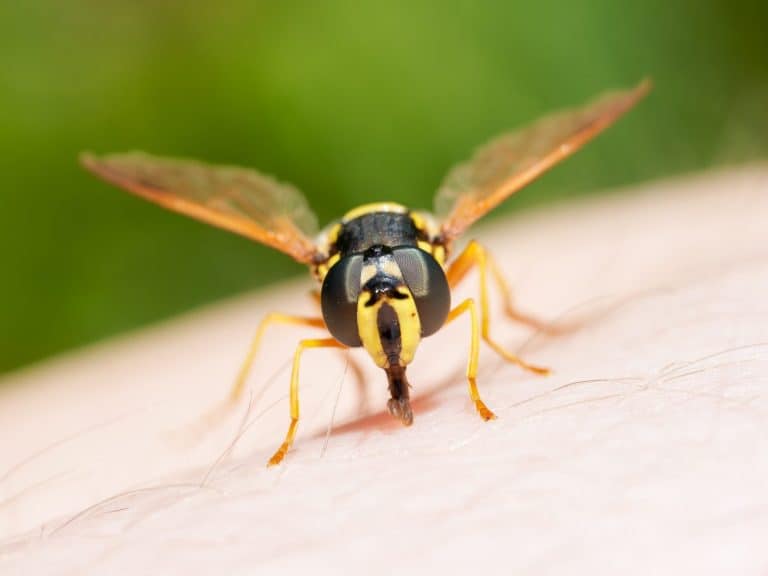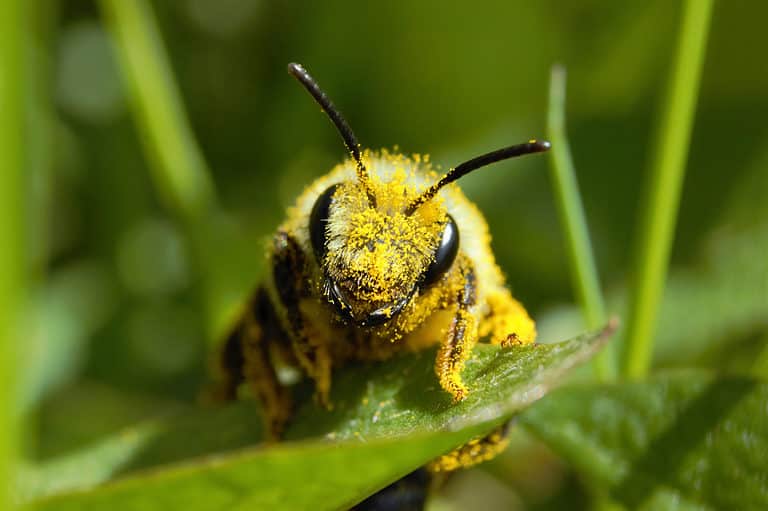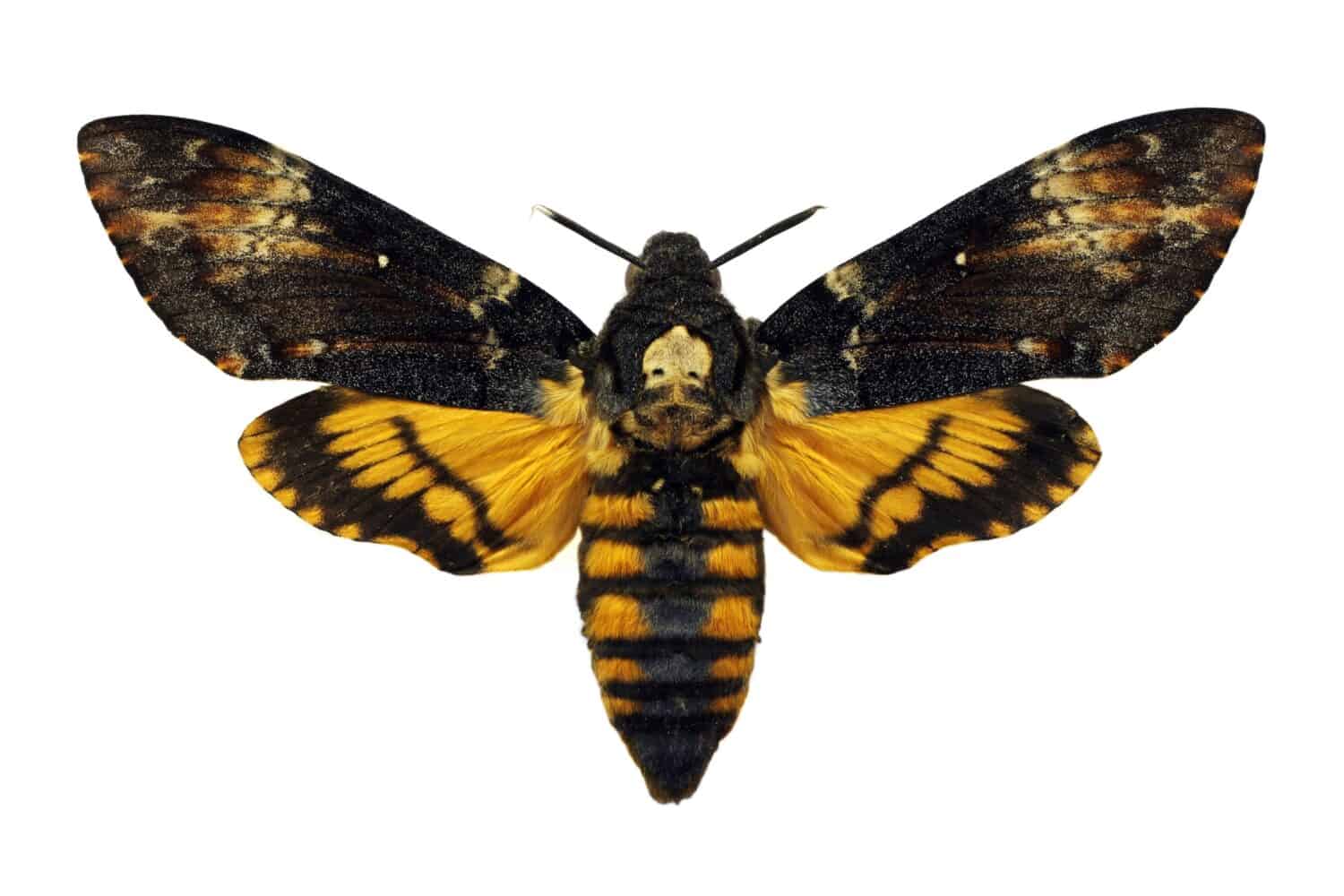

Nature is full of scary and intimidating creatures that can send shivers down your spine at first glance. One such creature is the Acherontia atropos, or the Death’s-head hawk moth. This moth is famous for its eerie skull-like pattern, but it is also somewhat cute. An Instagram post by @explaininginsects gives us an up-close-and-personal view of this notorious moth. Read here to learn more about the Death’s-head hawk moth!
About the Death’s-Head Hawk Moth
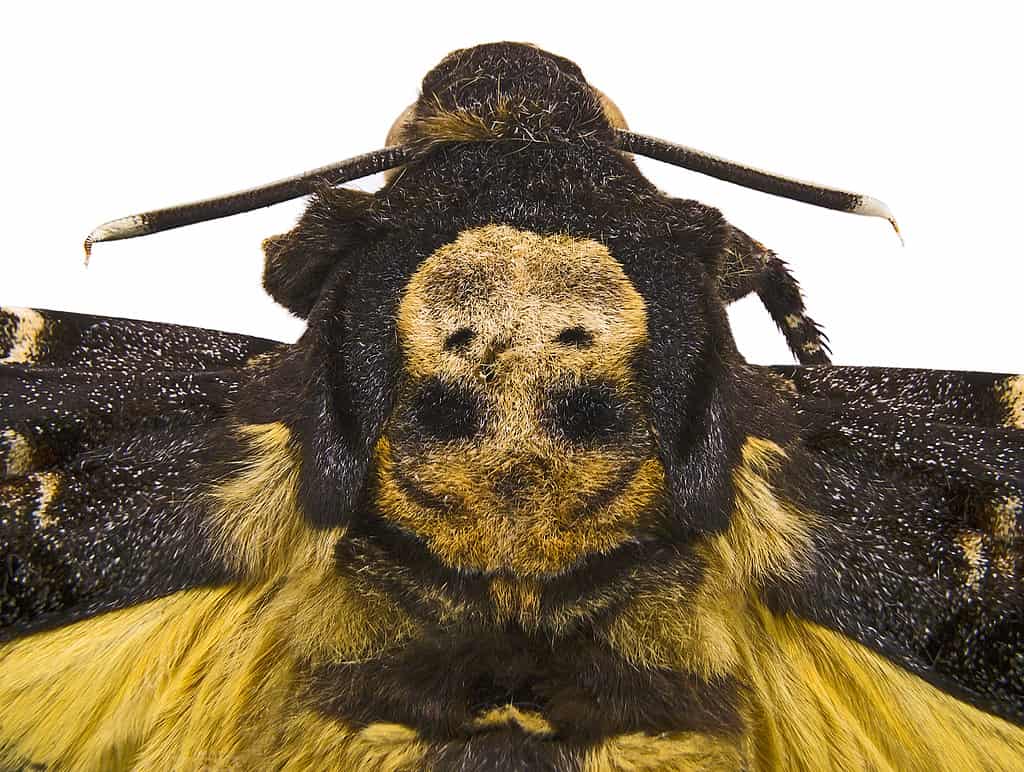
The Death’s-head hawk moth refers to three closely related species. These species include Acherontia atropos, an African/European species, Acherontia lachesis, the greater death’s-head in Asia, and Acherontia styx, the lesser species in Asia. All of these species are a part of the genus Acherontia, with A. atropos being the most famous. In this case, ‘greater’ and ‘lesser’ simply refer to the general size of each species. Most moths in these species have a wingspan of about three to five inches, with strong bodies as seen in the video above. While they feature a mix of contrasting colors, with dark brown forewings and bright yellow hindwings, the most well-known aspect of their appearance is their characteristic skull-like pattern. Featured on the thorax, just behind their head, a skull-like mark is created by lighter hairs. This strange and creepy appearance has led to folklore in the areas where they are common.
In terms of evolution, their skull marking somewhat helps deter predators. When seen from above, the skull may resemble the face of different animals, which can frighten predators. An additional Death’s-head moth defense involves squeaking. When threatened, an adult moth can squeak by pushing air through their proboscis, or tubular mouthpart used for sucking. By squeaking and flashing their abdomen, as shown in the video above, they scare away predators. Meanwhile, their specific brown and yellow coloring also serve a purpose, helping them disguise themselves as bees to raid hives. While hiding in plain sight within the hive, these moths use their proboscis to suck up the honey for nutrients. So, while certainly intimidating thanks to their iconic skull marking, these moths are resourceful and smart as well.