
Quick Take
- Scientists assumed for years that migrating insects were just passengers on wind currents, but tracking this moth proved that assumption spectacularly wrong. See the navigation science →
- The skull pattern and the squeak are far from this moth's most remarkable traits. What it pulls off every year makes those look ordinary. Discover the real feat →
- The 2,500-mile migration isn't what you picture. The real mechanics of how it gets completed flip the story entirely. How the journey works →
- Researchers tracked these moths flying arrow-straight paths across mountains and shifting winds, yet they still can't fully explain how the moths do it. Explore the open questions →
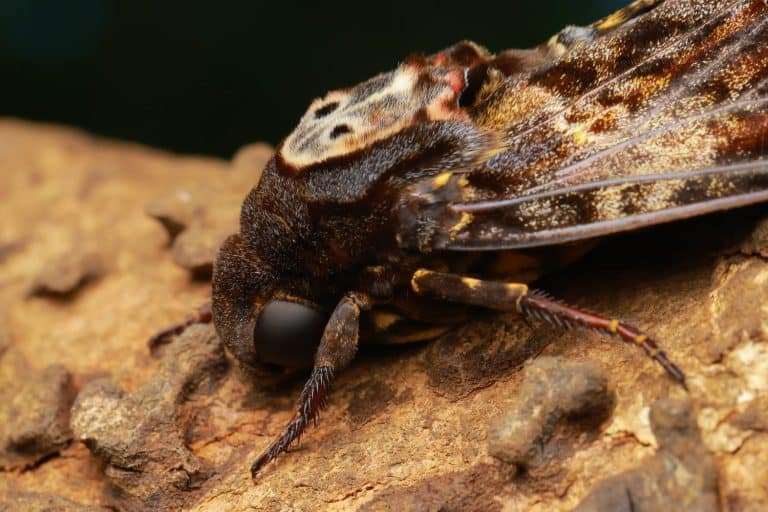
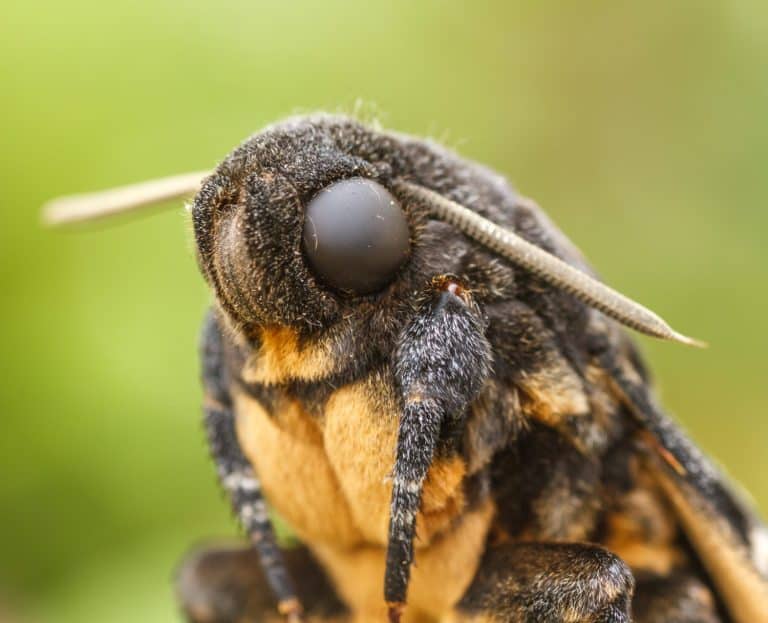
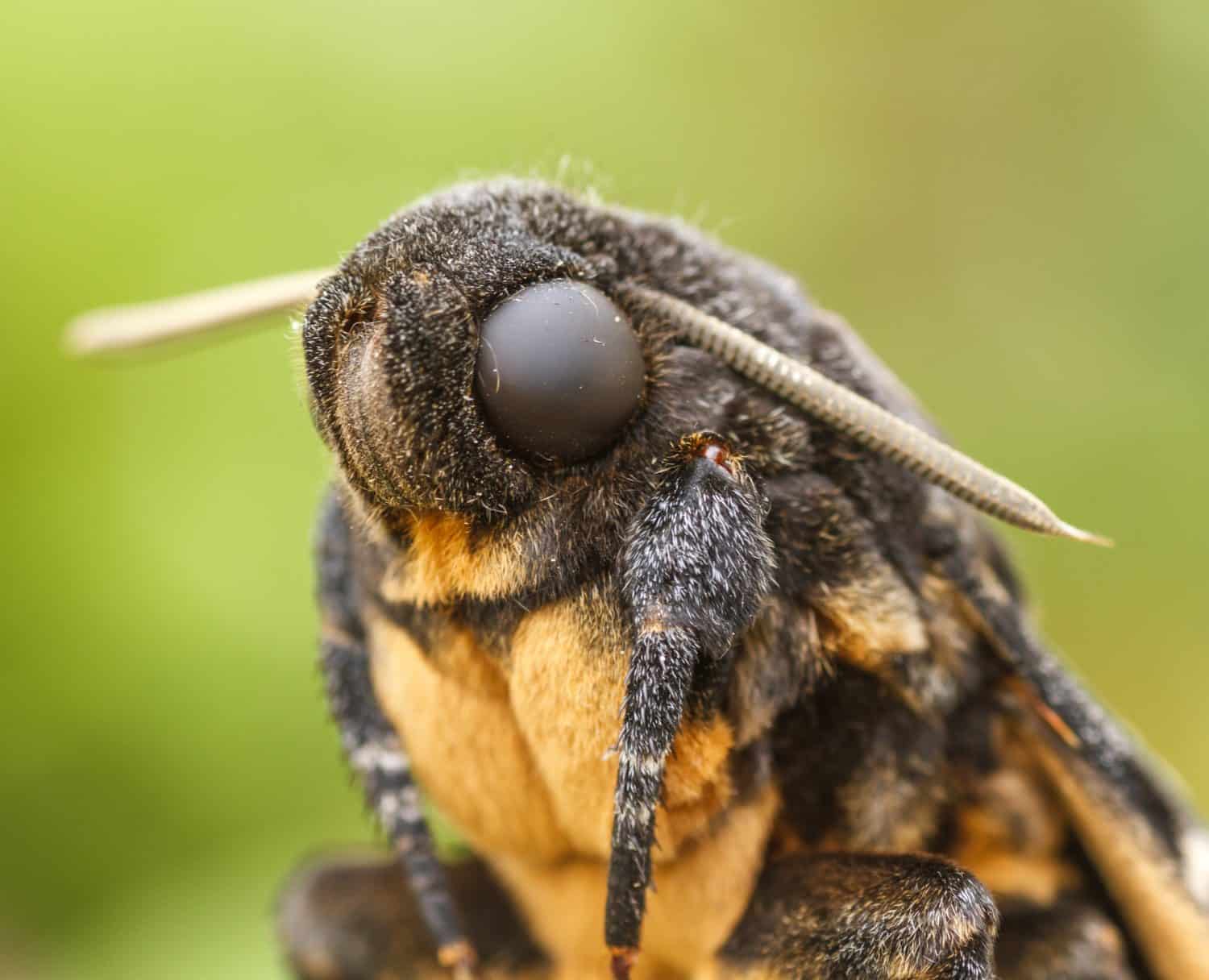
The fascinating death’s-head hawkmoth has the pattern of a human skull on its back and emits a loud squeak when threatened. But those may not be its most intriguing traits. This distinctive moth, one of the largest in Europe, can migrate up to 2,500 miles, moving between Africa, the Mediterranean, and northern Europe.
If you spot one in Great Britain, it’s probably a migrant, not a native inhabitant. In the past few years, scientists have learned some remarkable facts about its extraordinary seasonal migrations. Researchers even tracked one overnight, flying a distance of just under 56 miles. However, there are still mysteries to be solved, including how the moths navigate such enormous journeys while maintaining remarkably straight flight paths.
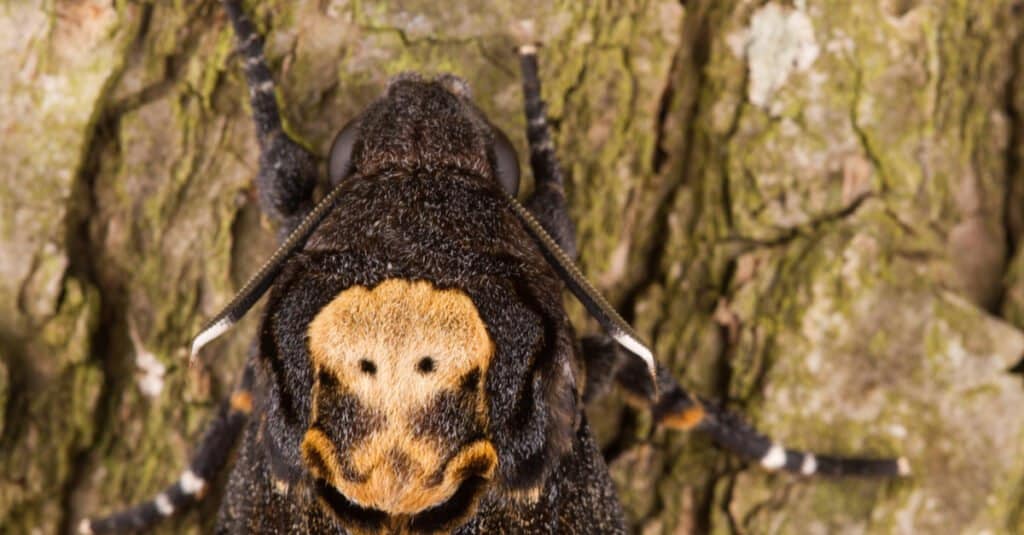
The pattern of a human skull on the death’s-head hawkmoth has made this moth a subject of superstition and folklore.
©Cosmin Manci/Shutterstock.com
Continue reading
An Extraordinary Seasonal Journey
The death’s-head hawkmoth (Acherontia atropos) flies in spring from its winter home in Africa and southern Europe, heading north to the rest of Europe. A 2022 study published in the journal Science found that the moths fly a straight path regardless of wind patterns or high mountains. Researchers were amazed to discover that the nocturnal moths are not passively migrating on wind currents. Instead, they appear to use sophisticated navigational abilities.
In the study, researchers fitted 14 moths with incredibly light radio transmitters and tracked their flights by aircraft as the moths migrated south from Germany. They were able to obtain detailed flight paths for seven of these moths. Scientists observed that the moths kept a straight path for long distances, despite wind speed or direction. The moths used flight strategies to either leverage favorable tailwinds or fly low and fast to overcome unfavorable winds.
First author Myles Menz said in a press release, “For years it was assumed that insect migration was mostly about getting blown around. But we show that insects are capable of being great navigators, on par with birds, and are far less vulnerable to wind conditions than we thought.”
Multi-Generational Migration
An important distinction to note when we say hawkmoths migrate 2,500 miles is that it’s not one moth making the immense journey. Death’s-head hawkmoths, like many insects, have multi-generational migrations. For example, a moth born in northern Europe in the summer may fly south towards the Mediterranean Basin in the fall. If this moth breeds and begins a new generation of moths, these moths may continue all the way to sub-Saharan Africa, or begin their northern journey in the spring. The moth that was tracked the farthest in the study flew nearly 56 miles from Germany to the Swiss Alps in a single night. It holds the record for the longest continuous tracking distance of an individual insect in the wild.
Why Death’s-Head Hawkmoths Fly North
Some death’s-head hawkmoths live in Africa year-round, never venturing north. Other populations migrate to northern Europe in the spring. This gives an evolutionary advantage to the moths. If one population dies out due to disease or extreme weather, the species will survive in its other locations.
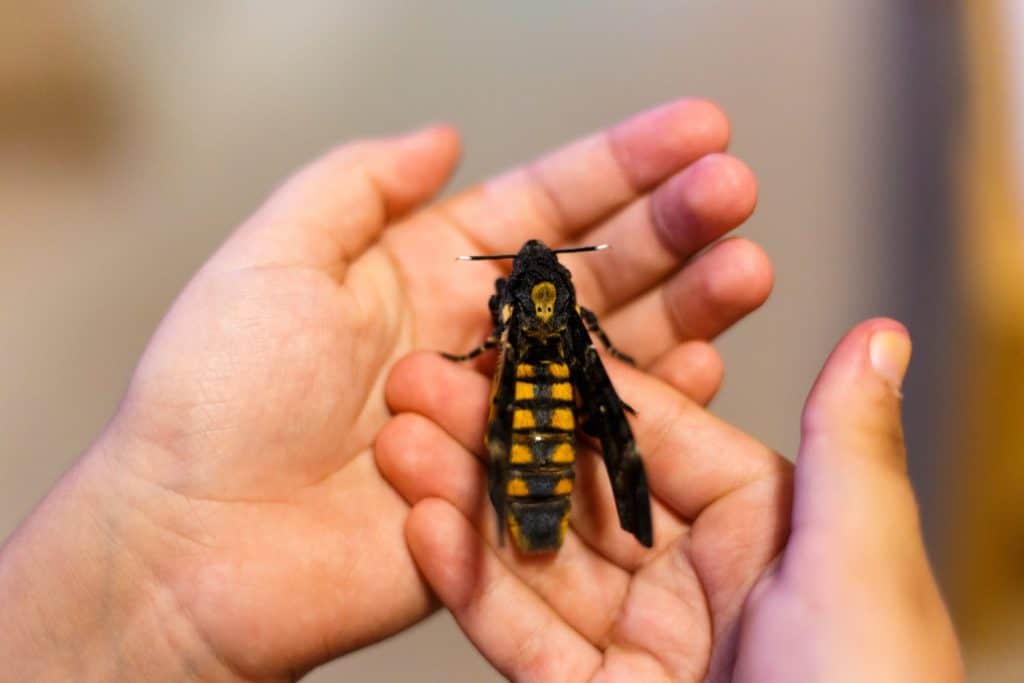
The death’s-head hawkmoth has a wingspan of 3 to 5 inches.
©Rada No/Shutterstock.com
Another advantage for the moths that head north is access to a surplus of host plants with little competition. The caterpillars eat leaves from the nightshade family, such as potato and tomato plants, which are plentiful in northern Europe.
What Scientists Are Still Trying to Figure Out About the Death’s-Head Hawkmoth
Scientists still want to learn more about how the hawkmoths manage to maintain their straight paths despite external factors. Menz explained in the press release, “Based on past lab work, it’s possible that the insects are using internal compasses, both visual and magnetic, to chart their way around the world.”
Another mystery is the exact path of the hawkmoth migration. Scientists don’t have a complete picture of the journeys an individual moth makes over its lifetime. However, scientists do know that death’s-head hawkmoths in northern Europe can’t survive the cold winters. If you spot a death’s-head hawkmoth in Great Britain or other cooler parts of Europe, it’s likely a migrant from the Mediterranean or Africa, and not a native permanent resident.
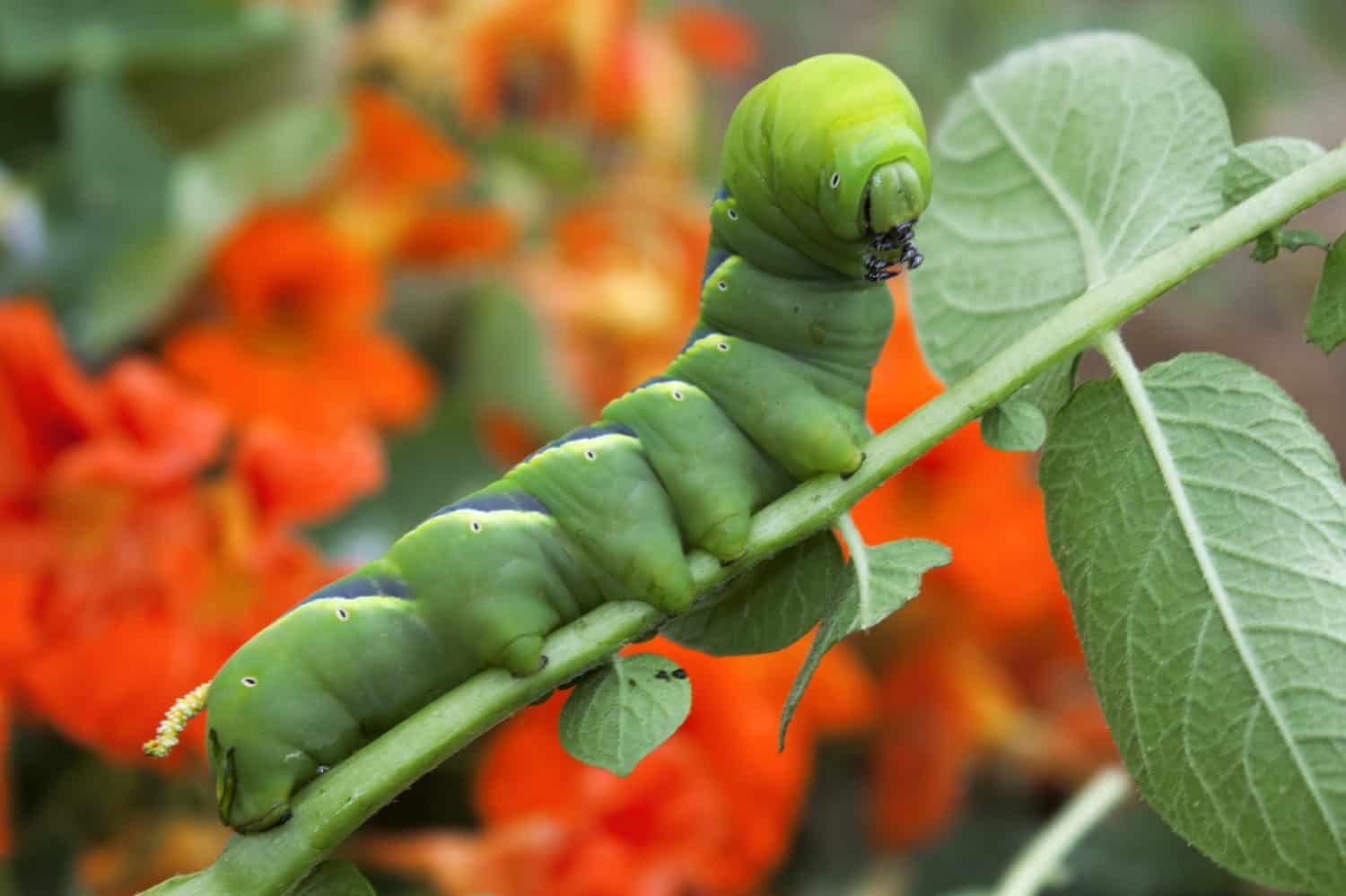
The caterpillar of the death’s-head hawkmoth eats the leaves of potato plants.
©Z.Eguzkitza/Shutterstock.com
Moths that remain in colder climates will die off when temperatures drop, but those that migrate south can mate and produce a new generation to continue the migration cycle. However, researchers have not yet tracked the complete migration cycle of a single moth. It is believed that the moths spend the winter breeding in the Mediterranean, North Africa, and possibly as far south as sub-Saharan Africa. But more research is needed to better understand the death’s-head hawkmoth’s long-distance, multi-generational migration.