
Quick Take
- One animal doesn't kill its prey at all. Instead, it reprograms their brain and lets its offspring do the dirty work. See the zombifying wasp →
- A tiny insect liquefies its victim from the inside using a method so efficient that it makes crocodile attacks look merciful. See the liquefying technique →
- Some predators keep their victims alive on purpose, and the reason behind this behavior seems cold and calculated. Why hosts are kept alive →
- The animal most likely to be mistaken for a gentle giant has a hunting ritual so playful it's genuinely chilling. See orcas' chilling play →
Nature can be surprisingly brutal. Some predators employ hunting methods so unsettling they rival human stories of our most disturbing serial killers. Of course, these creatures are neither evil nor sociopaths; they simply act out of instincts shaped by millions of years of evolution. Still, if these animals behaved the same way as humans, we wouldn’t hesitate to lock them away for life. These are the “serial killers” of the animal kingdom.
1. Praying Mantis
©dlamb302/Shutterstock.com
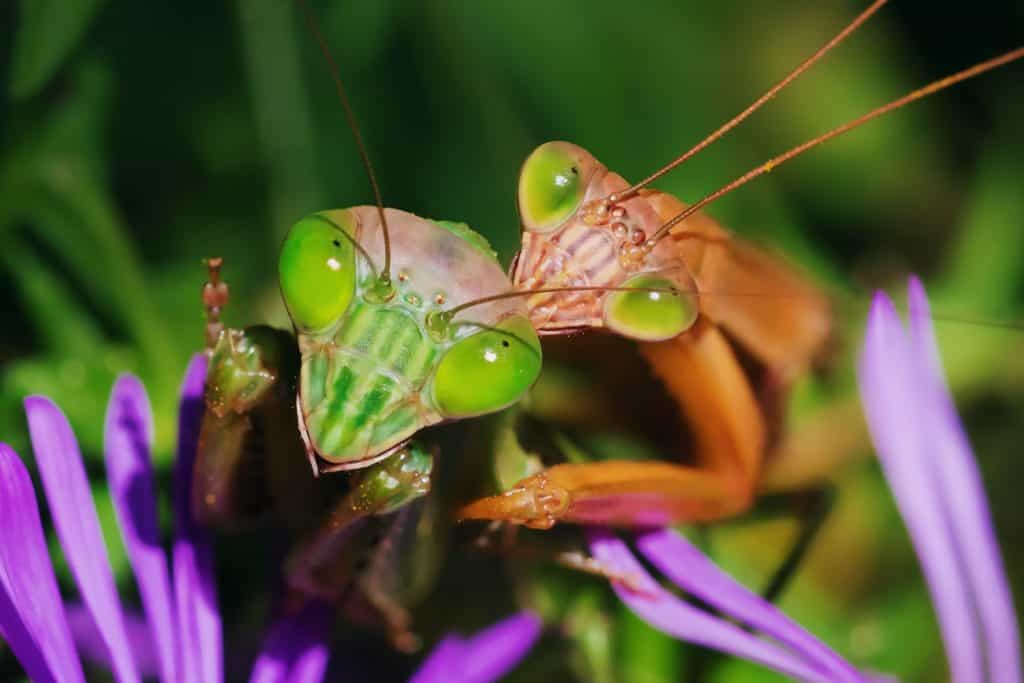
Though female serial killers are rare in the human world, we wonder if they take inspiration from these macabre insects. Female praying mantises are notorious for their unsettling post-mating behavior. In some species, either during or after reproduction, females kill their sexual partner. While this is brutal enough, the manner of death she employs is beyond disturbing: decapitation. She very literally bites his head off. Remarkably, the male’s body may continue functioning even after the vicious act.
2. Parasitoid Wasp
©Richard Bartz, Munich aka Makro Freak / CC BY-SA 2.5 – Original / License
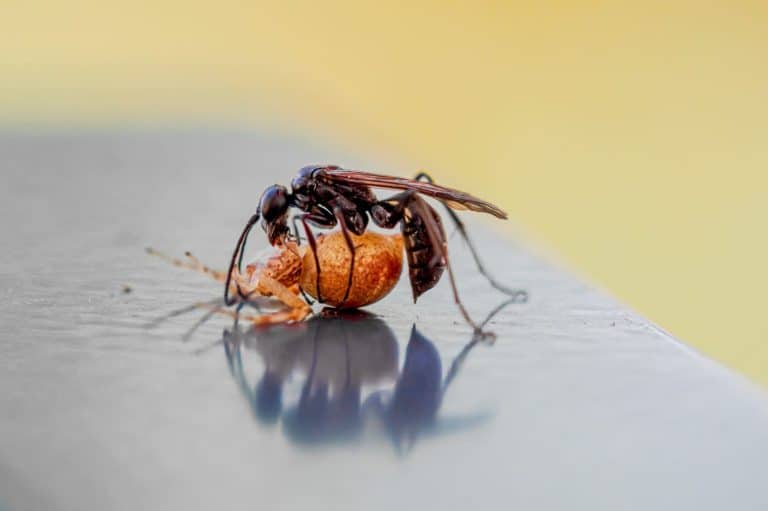
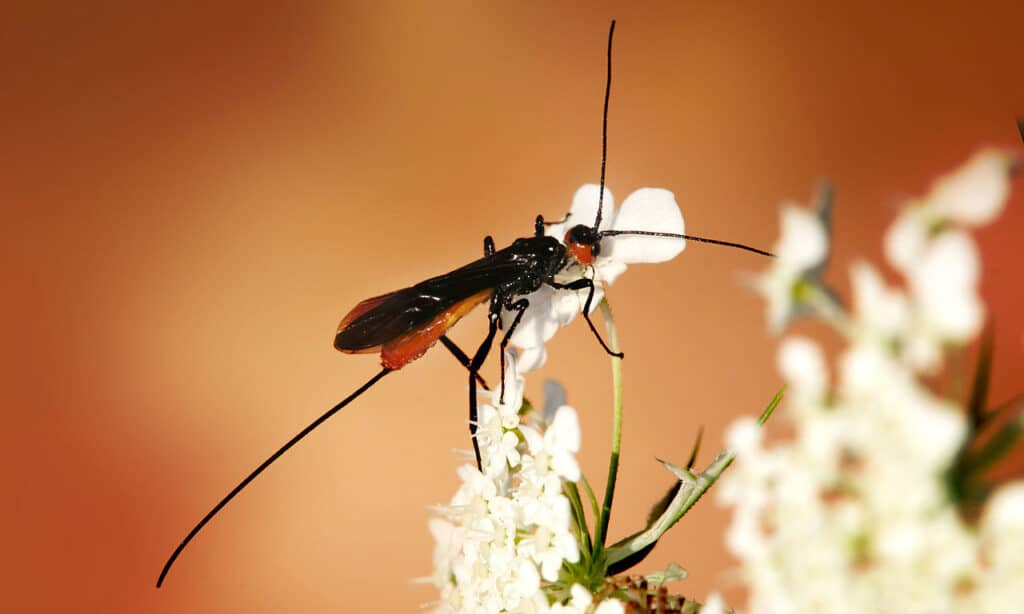
Parasitoid wasps have one of the most horrifying reproduction styles in nature. Instead of laying eggs in a nest, the female injects them into a living host such as a caterpillar or spider. She then takes off, leaving her future babies to commit the real crime. After hatching, instead of thanking the gracious host, the larvae slowly consume the animal from the inside. Even more disturbing, they carefully eat around vital organs to keep the victim alive longer, only finishing it off when they are ready to meet the world. It is difficult to imagine the human version of this tactic, and we hope we never have to.
3. Orca
©BBC Earth via YouTube — used under fair use – Original / License
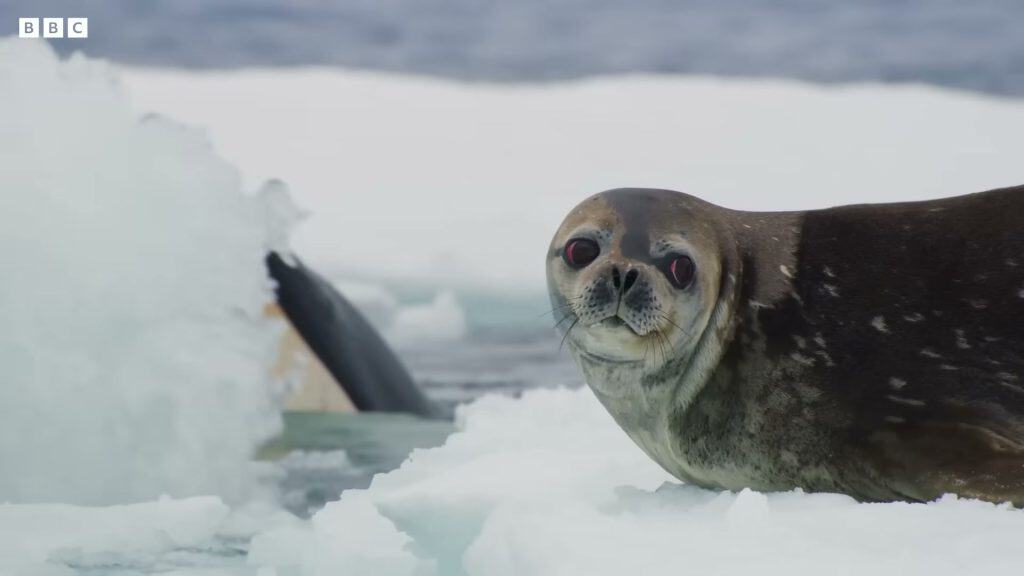
Orcas are highly intelligent predators that enjoy many activities like entertaining themselves through play. Unfortunately for their prey, these whales also enjoy playing with their food. Researchers have seen orcas tossing seals into the air, much like someone casually popping a Cheeto into their mouth. They’ve also been observed repeatedly striking prey and practicing hunting techniques on live animals. These behaviors are not for cruelty’s sake; they likely help younger whales learn survival skills. Nevertheless, watching a seal fly through the air only to meet certain death is chilling.
4. Trapdoor Spider
©© Oxford Scientific/Photodisc via Getty Images
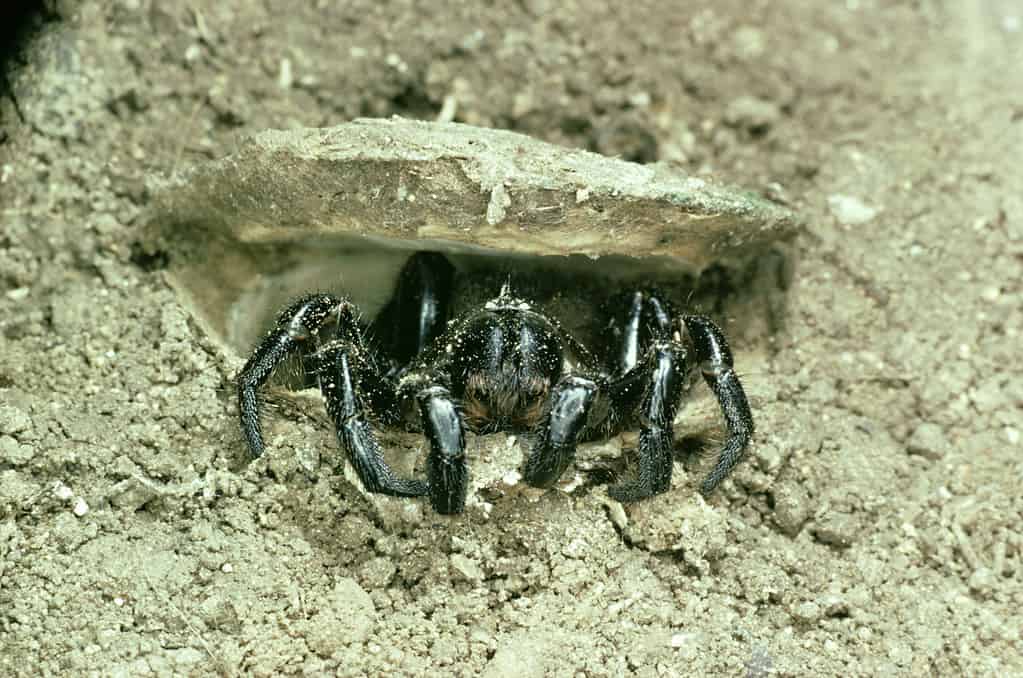
Trapdoor spiders are truly deceiving predators. They build underground burrows hidden under camouflaged doors. Just beneath these makeshift doors, they wait motionlessly until an unsuspecting insect victim wanders by. Then they dart upwards in a flash, grab the victim, and drag it underground. The entire attack usually takes less than a second.
5. Komodo Dragon
©GUDKOV ANDREY/Shutterstock.com
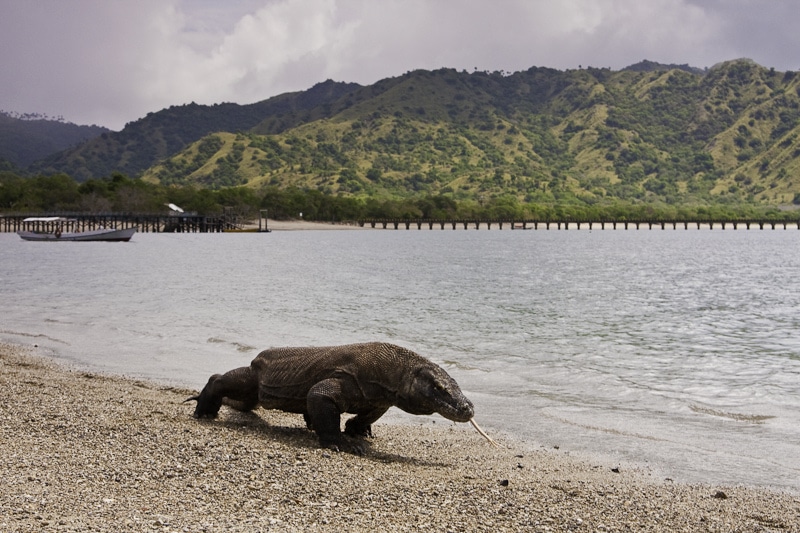
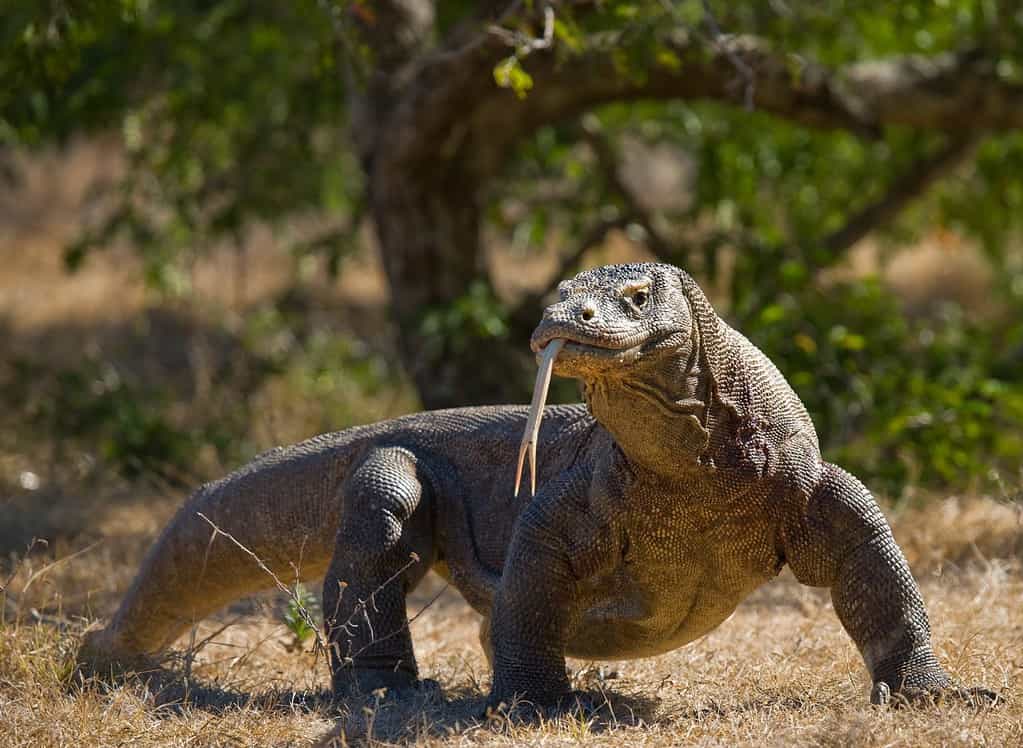
Komodo dragons use a unique combination of stealth, patience, and venom glands to hunt. After biting prey, they can simply follow their dying victim around for days while it slowly weakens. Eventually the exhausted prey collapses and dinner is served. Perhaps most disturbing is the incredible amount of patience this act takes, and Komodo dragons rarely rush the process. Their willingness to stalk a doomed animal while methodically waiting for the inevitable outcome seems remarkably sinister.
6. Assassin Bug
©Christian Musat/Shutterstock.com
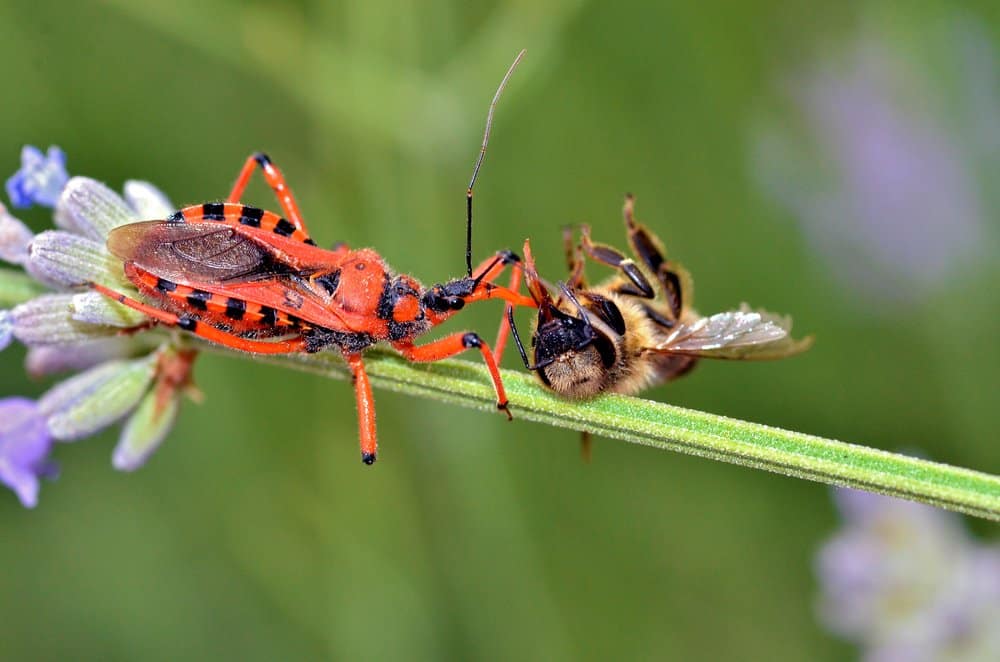
The assassin bug truly earns its menacing name. These insects attack other bugs with needle-like mouthparts, piercing the victim. Once the prey is wounded, the assassin bug injects digestive enzymes specialized to liquefy its internal tissues. Because the assassin bug cannot chew, it needs to be able to essentially drink its prey. It sucks up its victim’s insides like a bug Slurpee, leaving behind an empty exoskeleton. A murder of this variety would be considered too gruesome for publication.
7. Crocodile
©Gagat55/Shutterstock.com
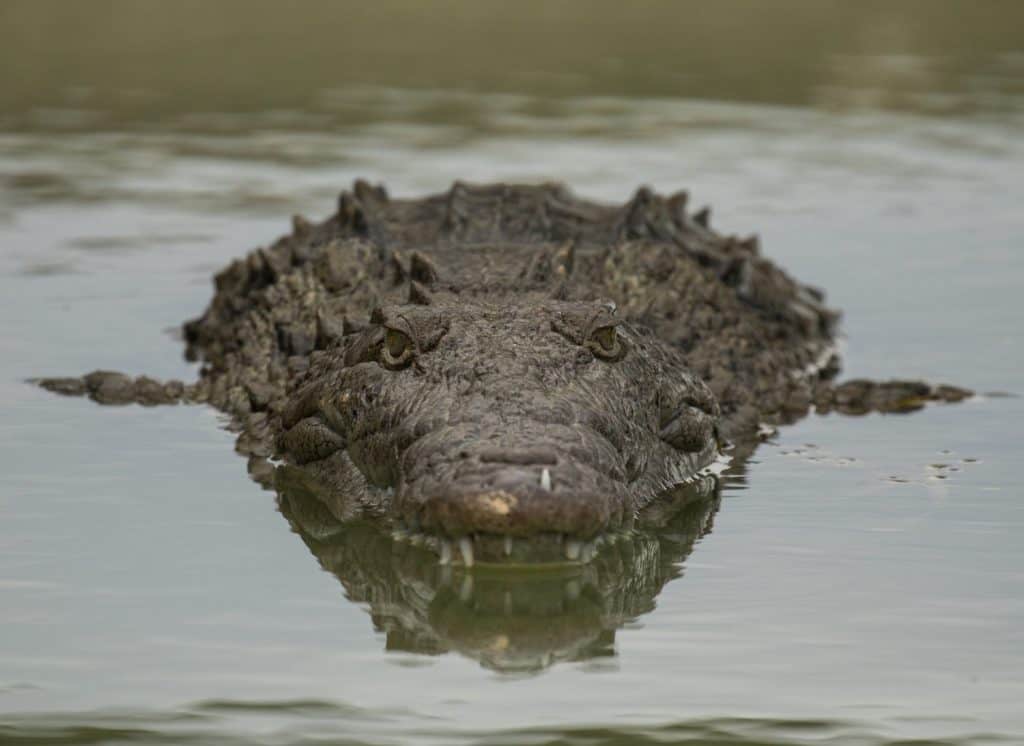
Crocodiles are capable of killing prey by ambushing it at the water’s edge, crushing it with its powerful jaws, and submerging it until it drowns. But these massive reptiles prefer a different technique called the “death roll.” After gaining a strong hold on their victim, they spin violently through the water. The rapid twisting motion has a specific purpose: to dismember large animals. The turning maneuver is highly effective, literally pulling apart flesh. The technique isn’t just for kicks though; it’s necessary because crocodiles cannot chew the way mammals do. Luckily, no serial killer we know of has turned to death rolling his victims.
8. Jewel Wasp
©Podolnaya Elena/Shutterstock.com
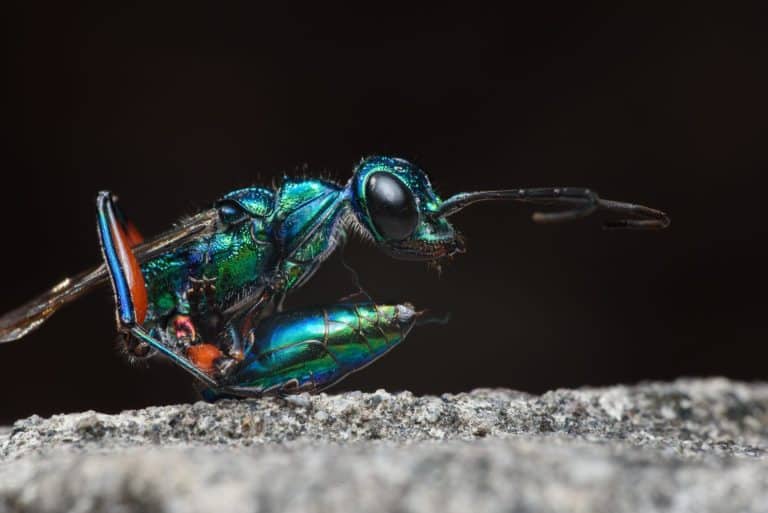
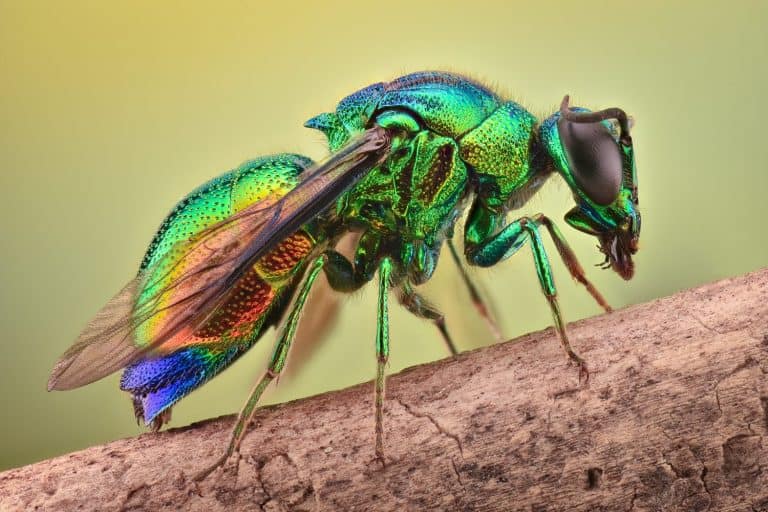
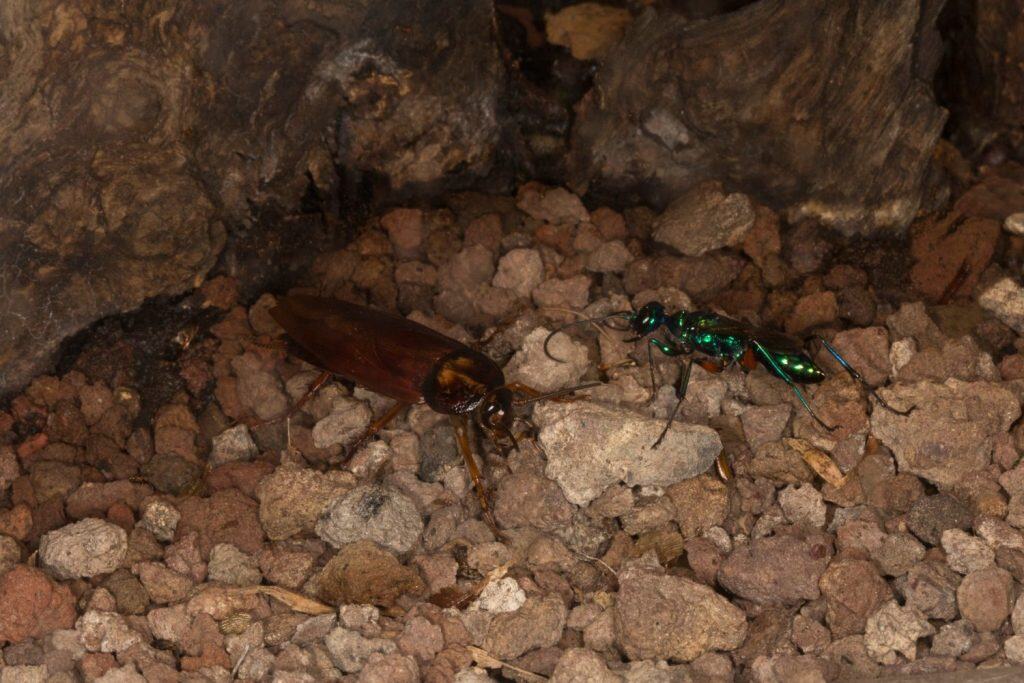
If any animal belongs in a horror movie, it’s the jewel wasp. This insect teams up with its future child to commit an unspeakable deed. The jewel wasp doesn’t approach its cockroach victim to kill it; it simply wants to control it. And why no one is exactly cheering for roaches, no one deserves to perish in such a brutal manner. The wasp stings a cockroach directly in the brain. This piercing sting does not kill the roach; it only alters its behavior. The cockroach loses the ability to act of its own accord, effectively becoming a puppet, complying with the wasp’s every wish. The wasp then leads its zombie-like prey into a burrow, lays an egg on it, and seals it inside the underground dwelling. As with parasitoid wasps, the mother is only the coconspirator. She lets her babies do the killing. When the larva hatches, it eats the still-living cockroach from the inside.