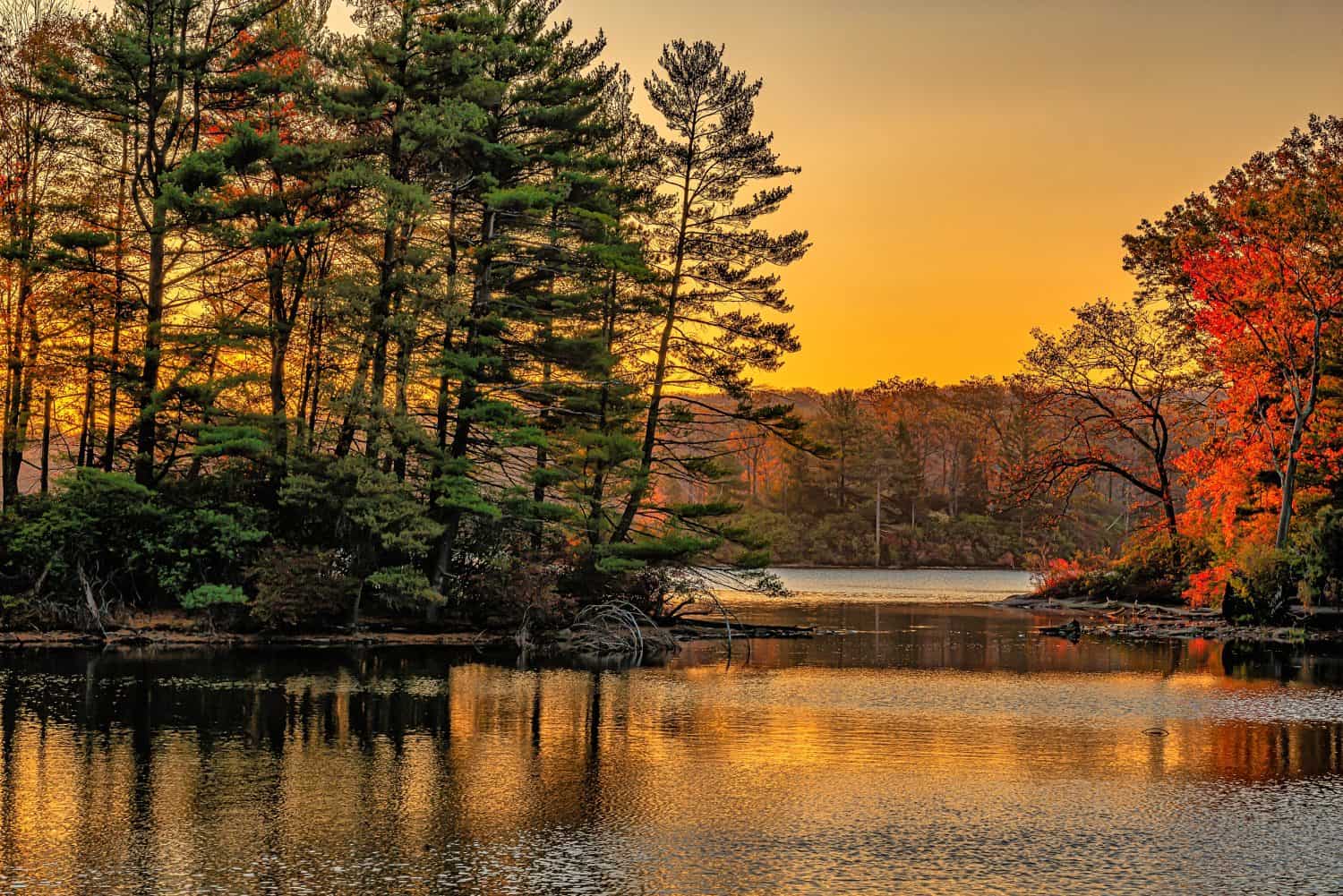

Not to be confused with Harriman State Park in Idaho, New York State’s Harriman State Park sits on nearly 50,000 acres of land in both Rockland and Orange Counties. Though it’s just 30 miles north of New York City, Harriman State Park is the second-biggest state park in New York. It contains a whopping 31 lakes, several streams, public camping areas, and scenic views. Spotting animals from its over 200 miles of trails is easy, and there are plenty of interesting animals living in Harriman.
The land for Harriman State Park was acquired through charitable means. Well-to-do 18th-century financier and railroad executive Edward Harriman and his philanthropist wife, Mary Averell Harriman, owned 30,000 acres in New York State. When the state decided to build a prison at nearby Bear Mountain, the Harrimans balked at the idea and offered up a healthy percentage of their estate for a state park instead. After Edward’s death, New York State agreed to the deal, contributing its own money and land to make the final project bigger and better. It was created in 1910.
These negotiations, along with a stream of free labor from the Civilian Conservation Corps during the Great Depression, turned Harriman State Park into one of New York State’s premier holdings. Now, it’s one of the more exciting reserves in the Northeast, receiving over a million visitors per year (1,425,000 in 2014), and is packed full of interesting animals. Let’s learn about the type of creatures you can spot on one of the park’s verdant trails.
White-Tailed Deer
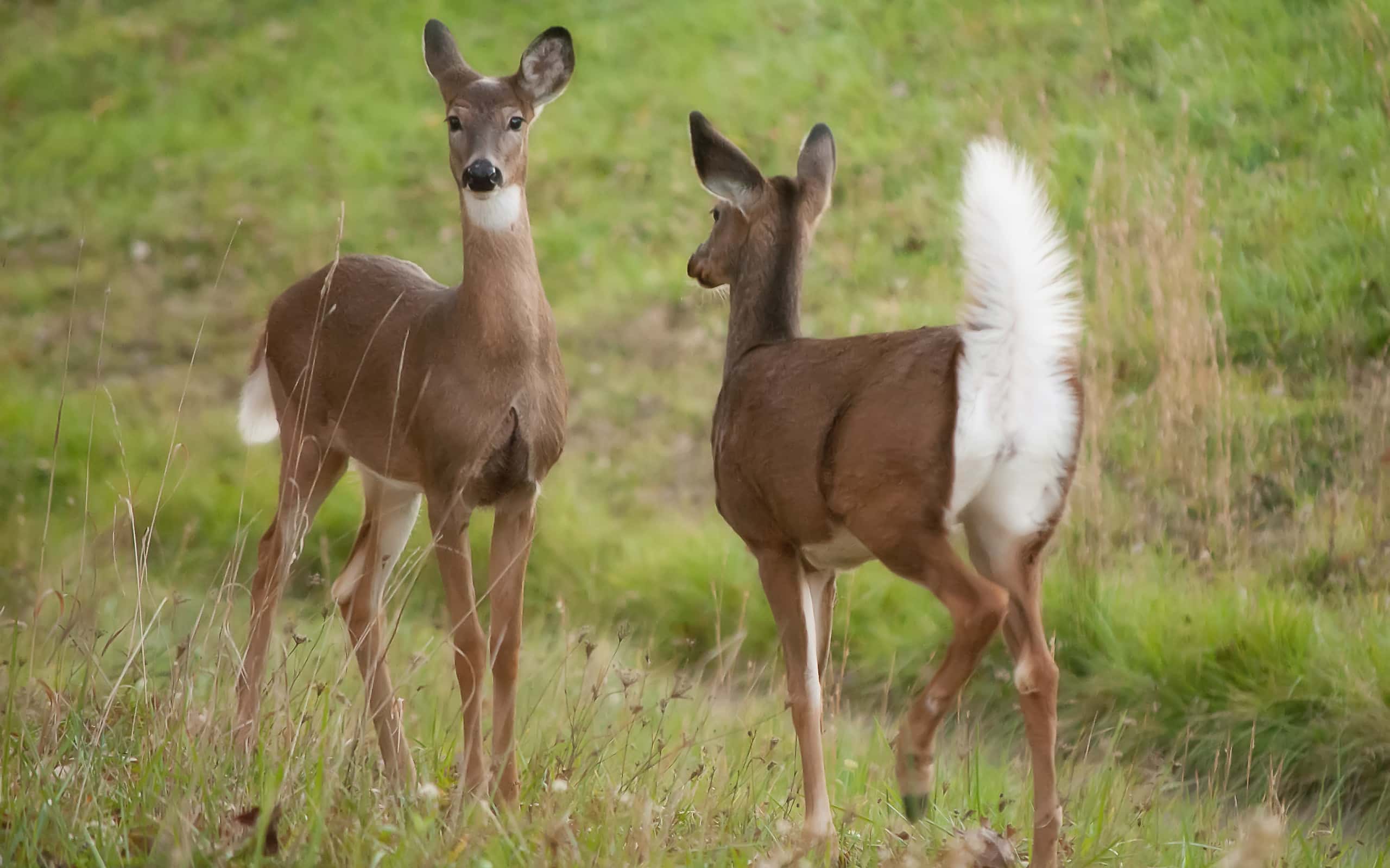
White-tailed deer are one of the most common animals in Harriman State Park, which has resulted in negative changes to the area’s ecosystem.
©Christopher Roth/iStock via Getty Images
One of the animals you have the best chance of spotting in Harriman State Park is white-tailed deer. They can be found practically anywhere in the park, but are often observed at Lake Sebago and around the edges of lakes, along rocky ridges, and in the bottoms of small valleys. There are so many white-tailed deer in Harriman State Park that they are kind of a problem; their overpopulation has contributed to changes in the area’s ecosystem, including reduced forest regeneration and an increase in the number of invasive plants. Even though they have a large population in the park, you have the best chance of spotting them in the early morning or dusk.
North American River Otter
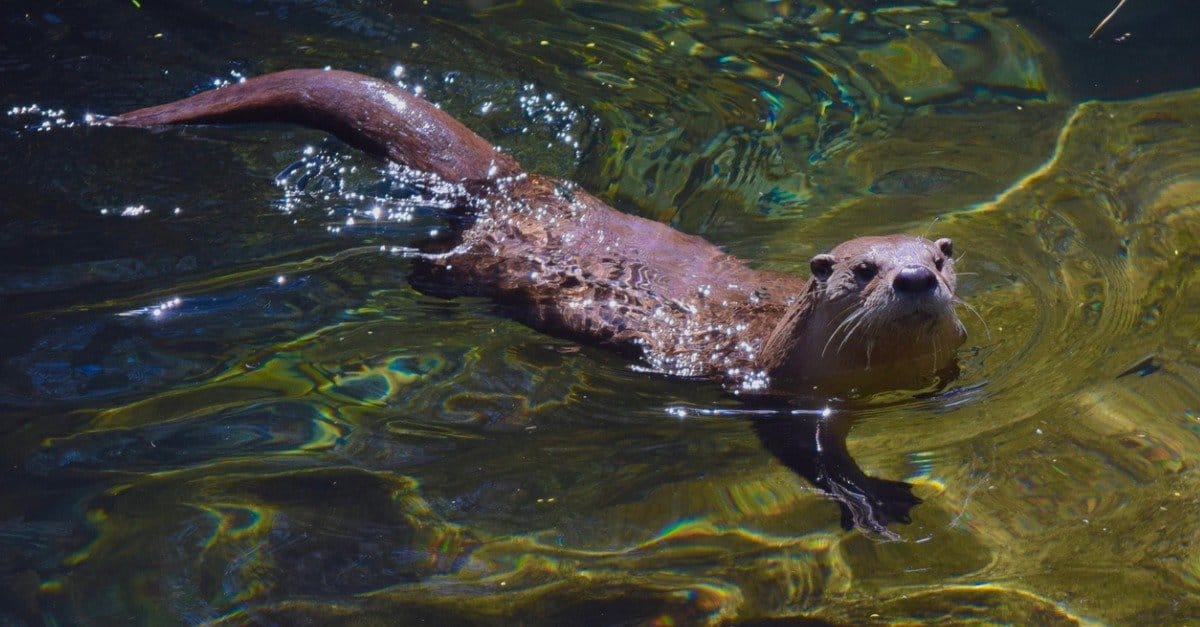
North American River Otters are routinely seen at Lake Sebago in Harriman State Park.
©iStock.com/Kathryn Farley
These furry, adorable river mammals are sometimes called Canadian otters. They are characterized by long, thin bodies, short legs, and webbed feet. They also have small heads and flattened, muscular tails. North American river otters are often found around large lakes and reservoirs that connect to waterways with ample fish populations. In Harriman State Park, North American river otters are sometimes seen at Lake Sebago. They can also be spotted along shorelines and around submerged logs.
Coyote
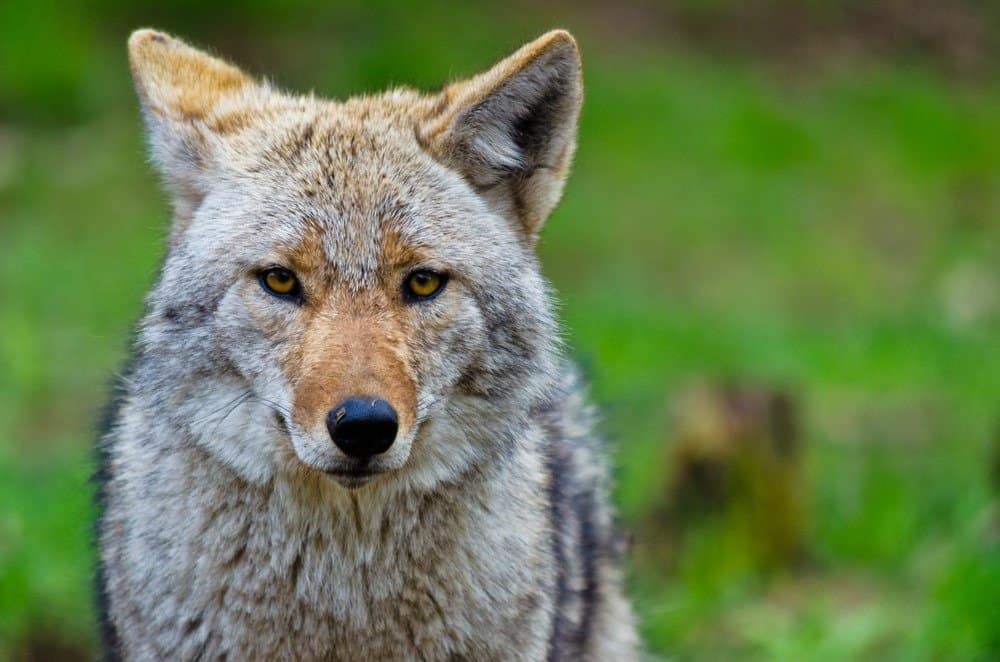
They can be found in the forest interiors as well as along trails and utility roads.
©sebartz/Shutterstock.com
Coyotes seem to enjoy one of the widest distributions of any mammal in North America. They can be found in the suburbs of southern California as well as the deep deciduous forests of Harriman State Park. They are most often found in forest interiors and along the edges of trails and old roads. Since they are generalist hunters, coyotes can often be found near the human use zones of Harriman State Park. While their nighttime howls make them seem legion in the forests, there probably aren’t that many in the park. Still, there are enough of them to have a good chance of a sighting for the eager hiker.
New England Cottontail
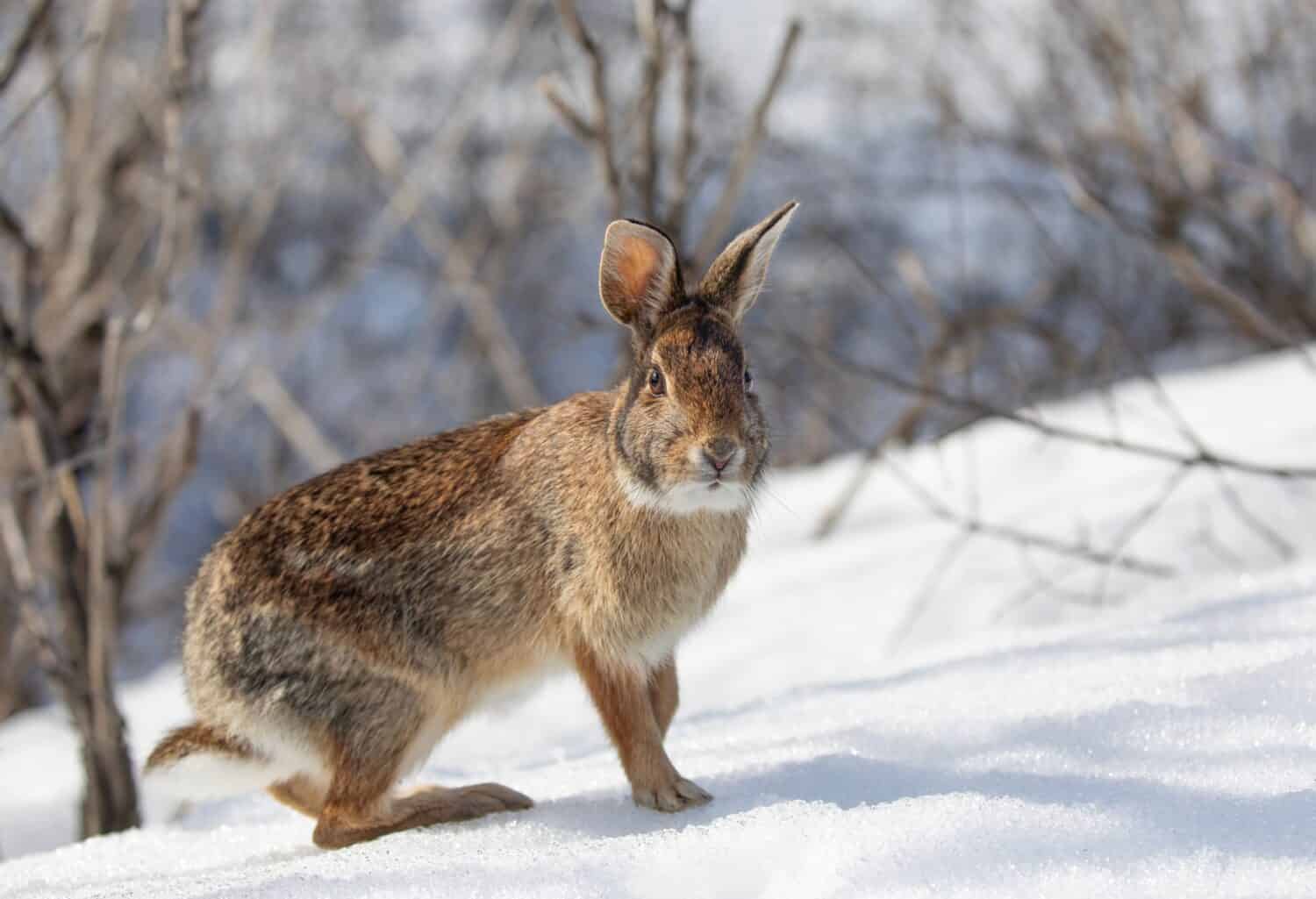
New England Cottontails are hard to spot because they prefer to remain hidden.
©Jim Cumming/Shutterstock.com
The New England Cottontail is a small, adorable rabbit characterized by grayish-brown fur with flecks of black coloring and white tails. They look like other types of cottontails, almost uncannily. While snowshoe hares have longer ears and feet, New England Cottontails feature more diminutive feet and ears. Though New England Cottontails were once widespread in the region, various factors have contributed to their population dwindling in recent decades. They are hard to spot in Harriman State Park, but not impossible. You will likely find them in tall grasses and other areas with dense vegetation because they like to hide.
Bobcat
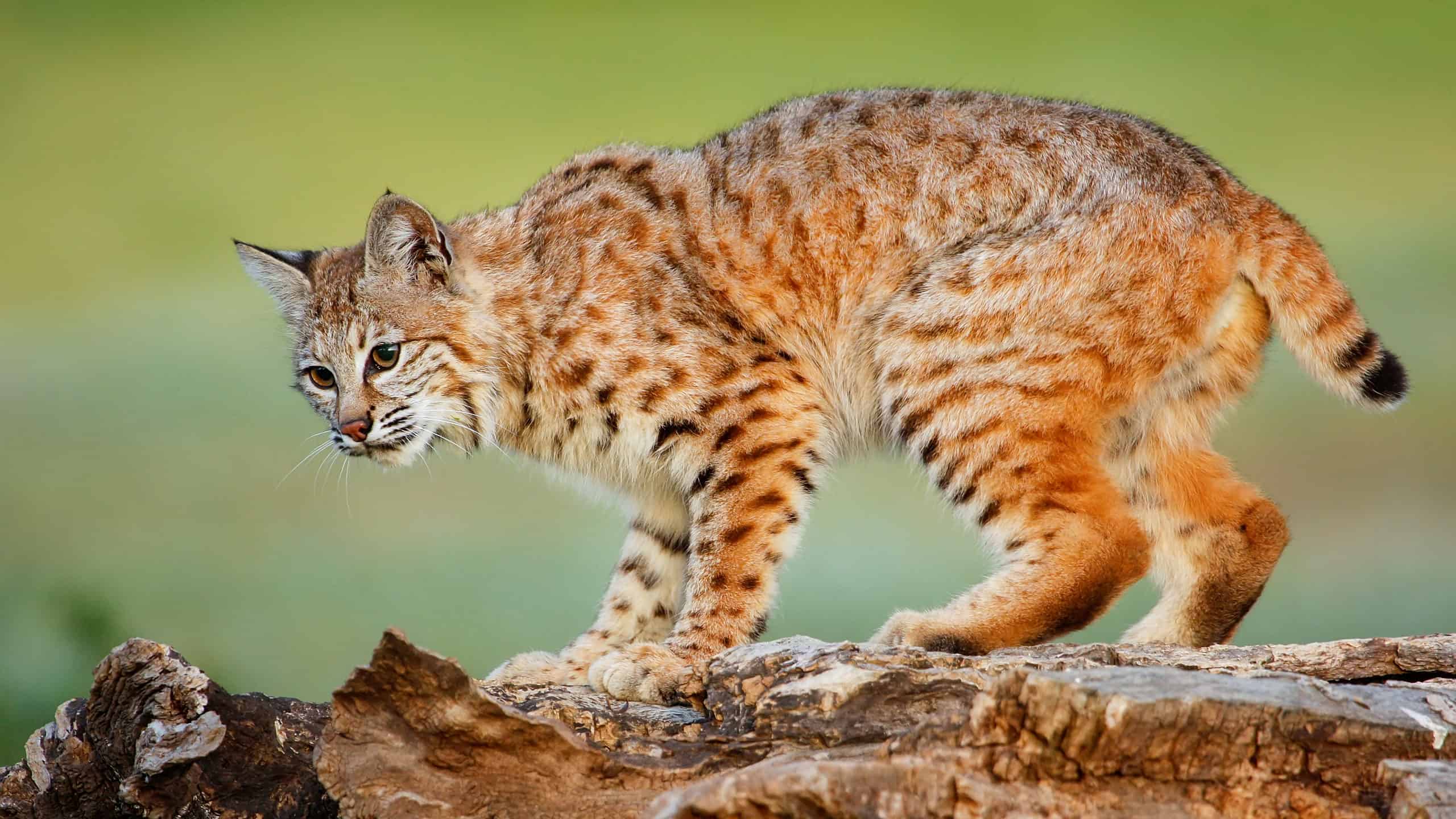
Bobcats are incredibly secretive, but have been picked up by trailcams in Upstate New York.
©Don Mammoser/Shutterstock.com
You are going to have a hard time spotting a bobcat in Harriman State Park, but finding one isn’t impossible. They are just very secretive, solitary creatures. Bobcats prefer areas with rocky slopes and remote forest regions. They are most active at night and tend toward areas with less human presence. While spotting one in person is rare, trail cams in the region are known to capture footage of them.
Timber Rattlesnake
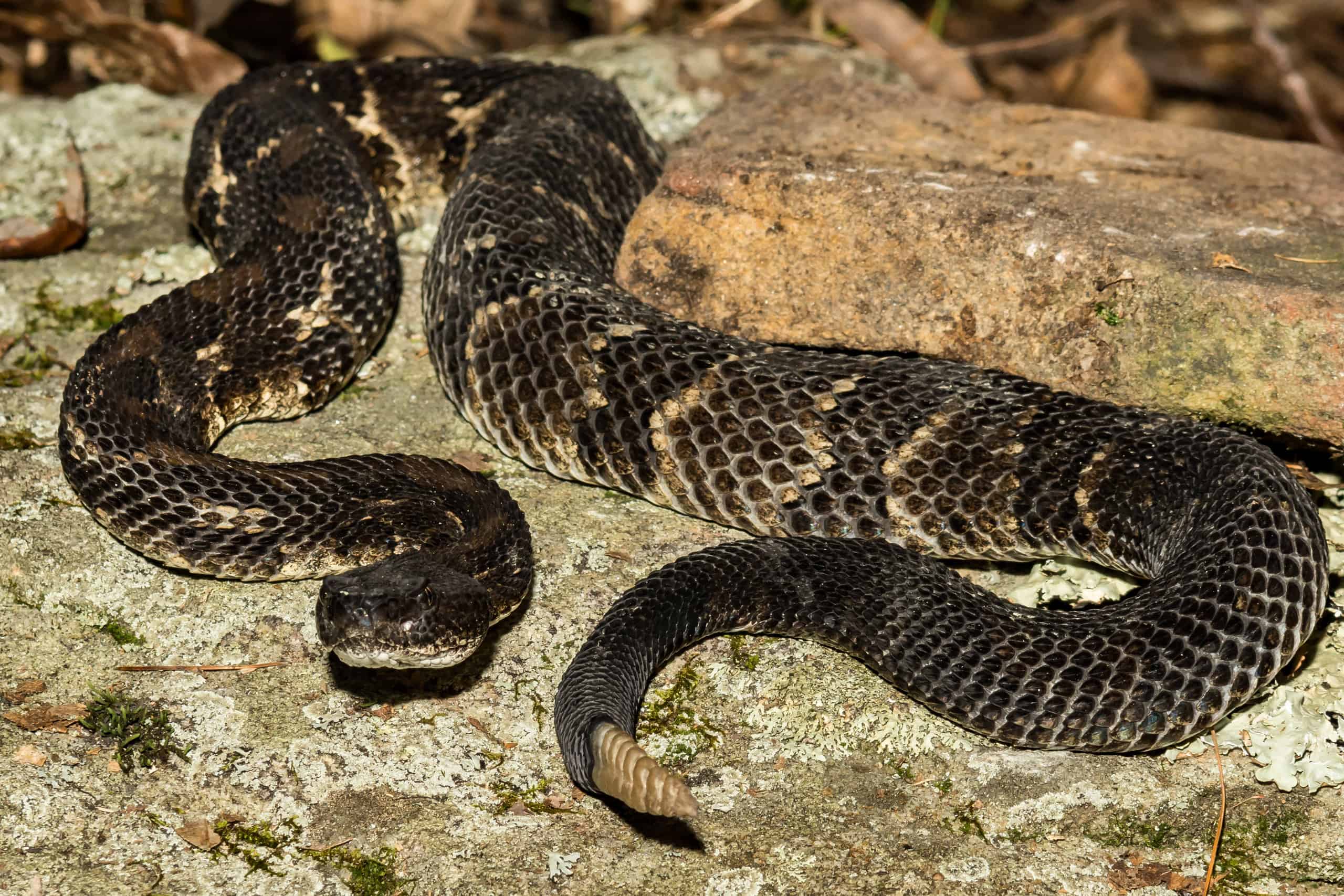
Timber rattlesnakes are rare, but bites can be deadly.
©iStock.com/JasonOndreicka
One of the larger pit vipers in the northeastern United States, the timber rattlesnake is unassuming but deadly. They are characterized by variations in body color. However, they often feature dark stripes along their back and sides that form a chevron pattern. They prefer areas with rocky ridgelines and ledges where they are known to bask on rocky outcroppings. Hikers at Harriman State Park have seen them along trails near Suffern-Bear Mountain. While they are uncommon in the area, they are not unheard of. Due to their danger and tendency to lie still, any visitor to Harriman State Park needs to keep an eye out for timber rattlesnakes.
Great Blue Heron
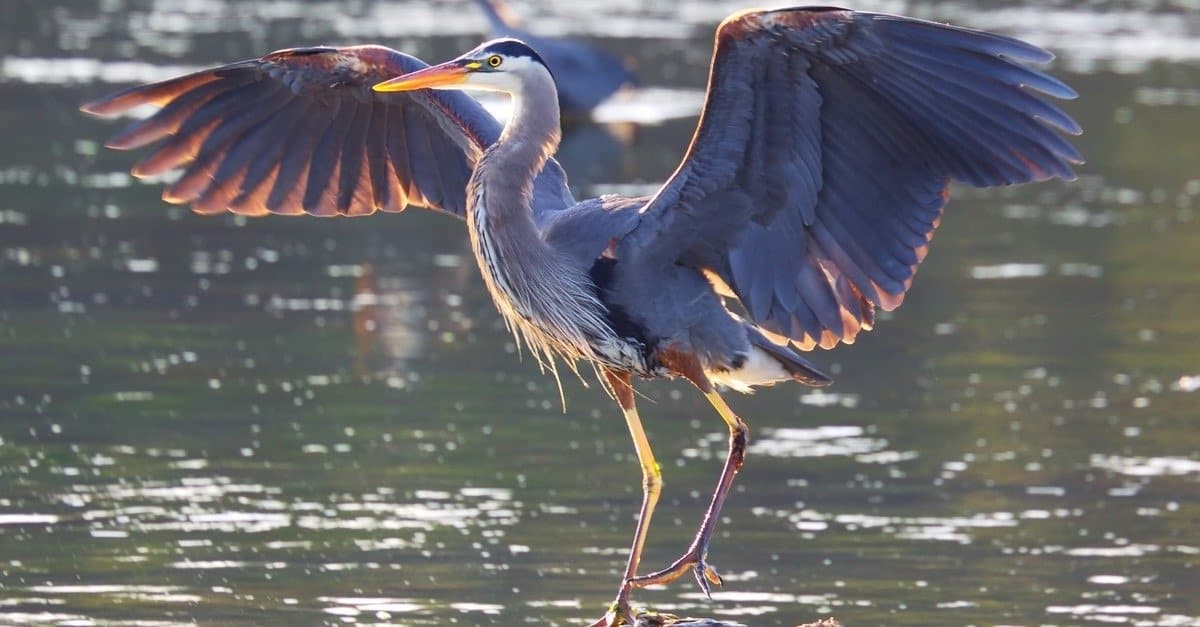
Great Blue Herons have been spotted at Sebago Lake and Silvermine Lake.
©VDV/Shutterstock.com
Unlike least bitterns, which are also found in Harriman State Park, Great Blue Herons are large, imposing, and easy to spot. They are characterized by long legs, curvy necks, and thick bills. Their plumages are white, grey, and blue. Since Great Blue Herons prefer areas with ample water sources, Harriman State Park makes for the perfect place to see them. They are routinely seen at Sebago Lake and Silvermine Lake. For that matter, there is a good chance you can spot great blue herons at most of the lakes in Harriman State Park.
Fisher
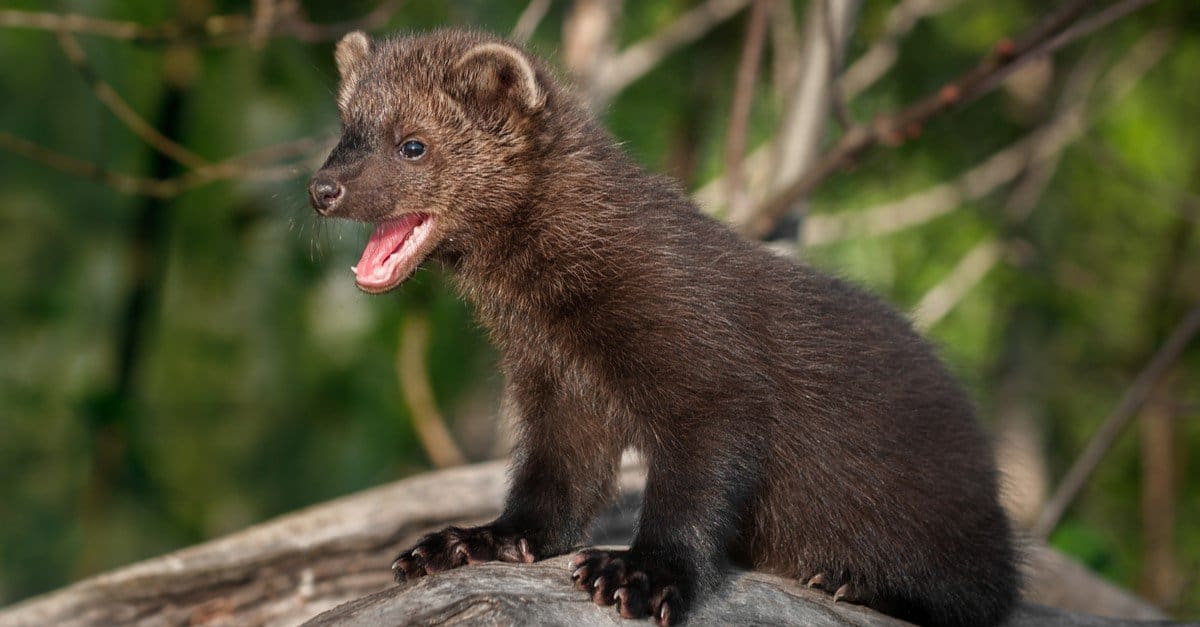
Fishers are called cats, but they are more closely related to mustelids such as weasels or wolverines.
©Holly Kuchera/Shutterstock.com
It’s hard to deny that fishers are one of the cutest small mammals, if not the rarest, in North America. While sometimes referred to as fisher cats, fishers are members of the mustelid family, which contains weasels, badgers, and wolverines. To make matters weirder, they aren’t known to eat fish. Instead, fishers subsist on a generalist diet ranging from fruits to animals, including larger species like wild turkeys and even foxes. While they are hard to spot, fishers would likely be found in the more remote regions of Harriman State Park. They prefer areas with hollow trees, rock outcroppings, and patches of thick forest.
Least Bittern
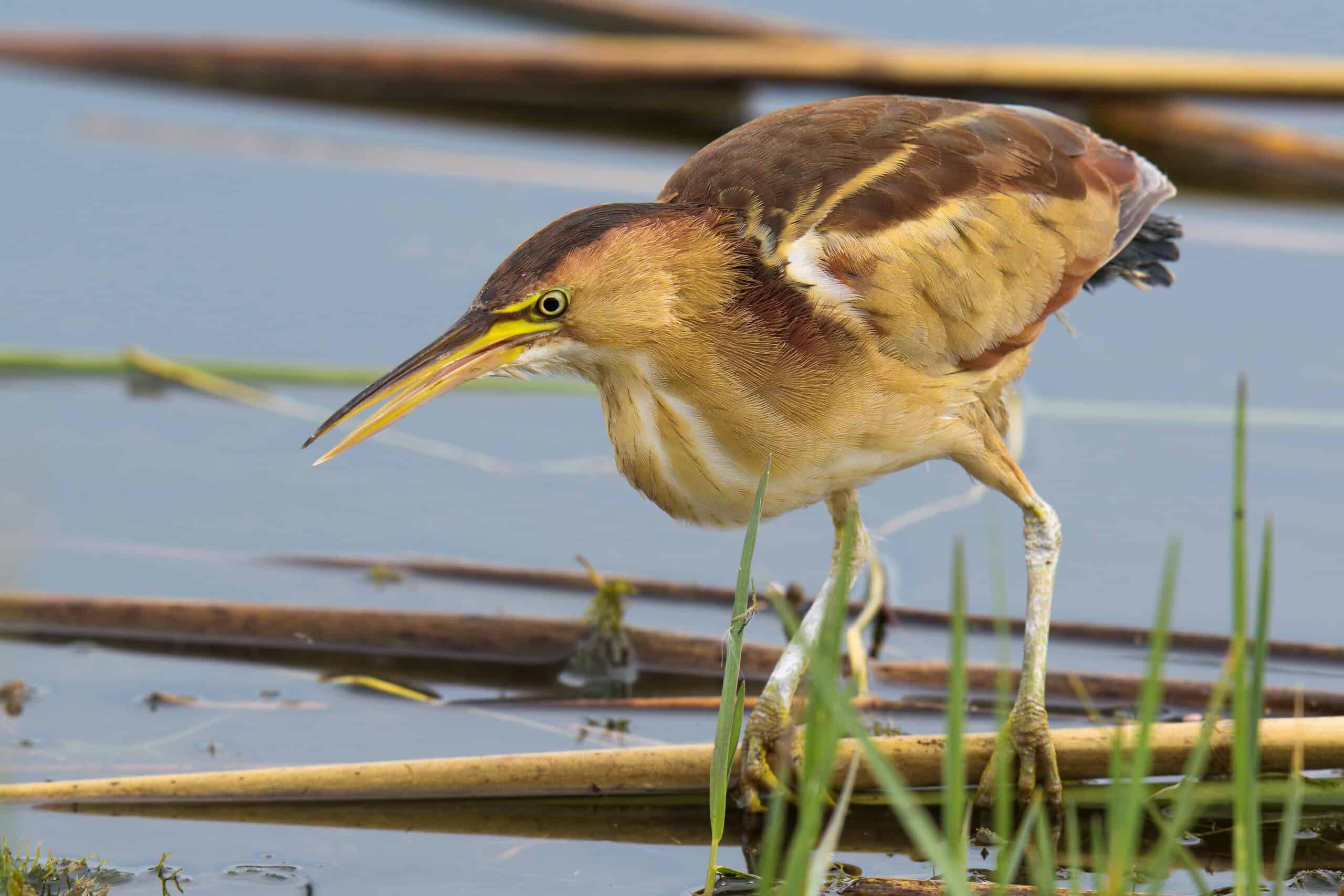
Least bitterns are one of the smallest heron species in the world.
©John L. Absher/Shutterstock.com
When people think of herons, they think of large, majestic water birds. Not all herons are huge, however. Take the least bittern, for example. They are some of the smallest herons in the world, measuring only a foot in length on average. Least bitterns are characterized by long legs, long necks, and knife-like bills, as well as coloring that provides perfect camouflage in the wetlands of Harriman State Park. They only hang out in the area during breeding season. Plus, they can be hard to spot in the dense vegetation, even with an ample number of individuals present.
Northern Green Frog
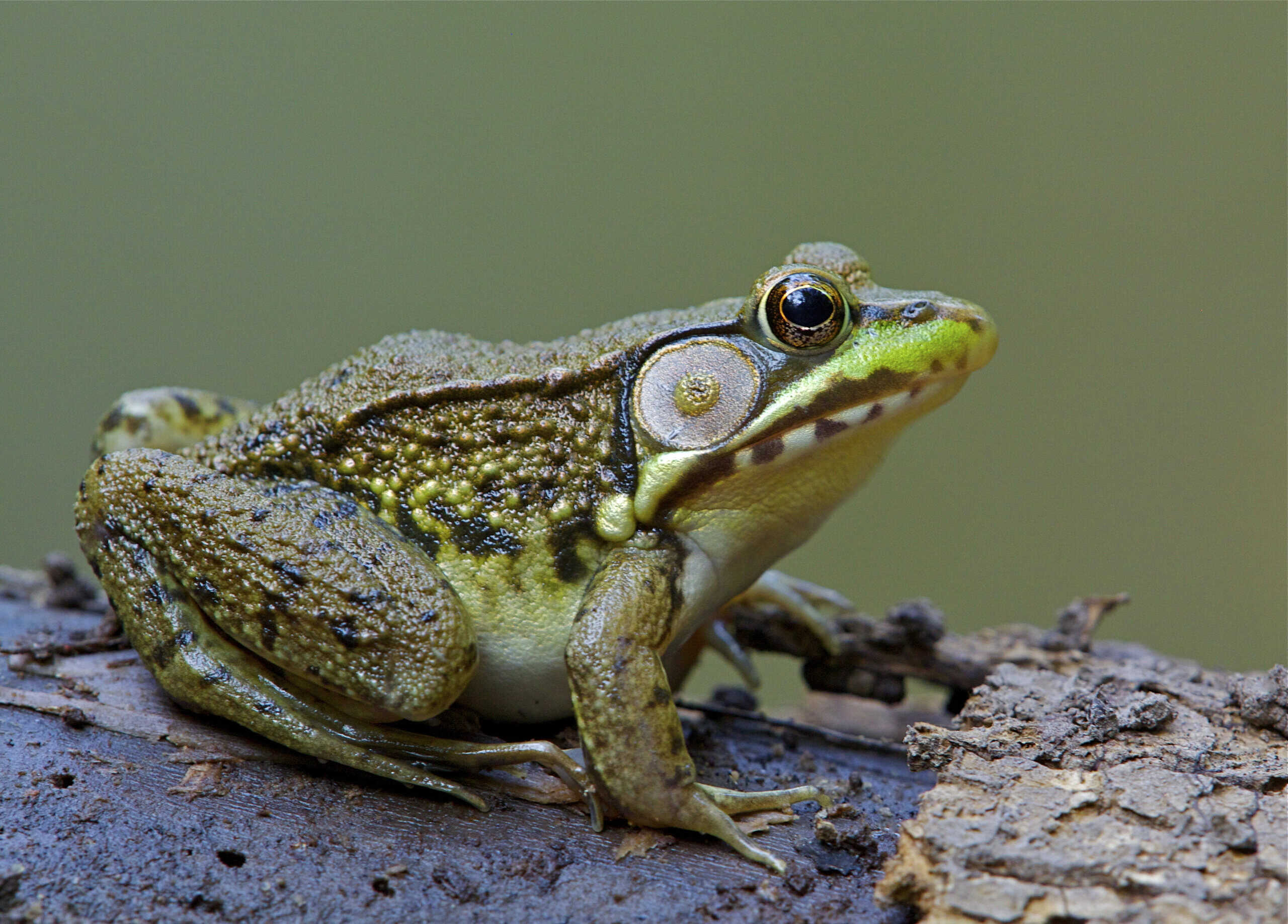
Northern Green Frogs are one of the more common frog species that live in Upstate New York.
©Tom Reichner/Shutterstock.com
As you can guess from the name, Northern green frogs live in the north and have green heads. They are a subspecies of the green frog, as is the bronze frog. One of the more common frog species in Upstate New York, Northern Green Frogs can be found across Harriman State Park. They prefer areas with both permanent water sources and vegetative cover. This means you have a good chance of spotting some in the park. To help ensure a good sighting, you can also listen for their calls at night or during breeding season when males vocalize from the water’s edge.
Northern Dusky Salamander
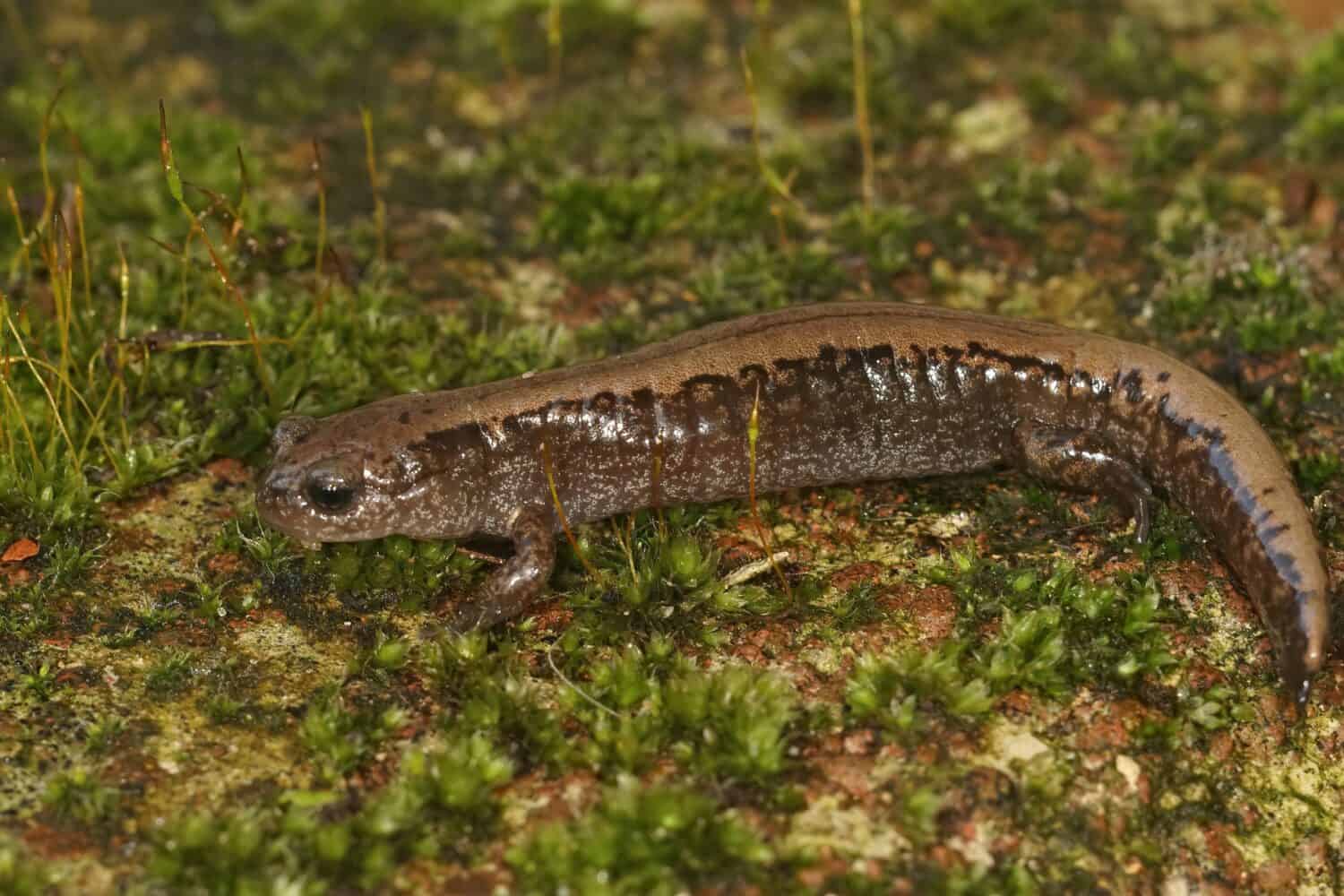
Some northern dusky salamanders are brown, while others are black. All of them, however, have stocky hind legs compared to their thinner front legs.
©HWall/Shutterstock.com
One of the more rare animals to be found in Harriman State Park is the northern dusky salamander. These evasive amphibians are about three inches long on average, and feature a range of colors; some are brownish, while others are black. Typically, however, they have thick hind legs and light spotted or flecked patterns along their lower sides. Northern dusky salamanders can be found along streams and rocky springs. While they have a sizable population in Maine, they have been seen in upstate New York. If you spot one of them, it will be in the warm months. Northern dusky salamanders spend the winter months underground.
Black Rat Snake
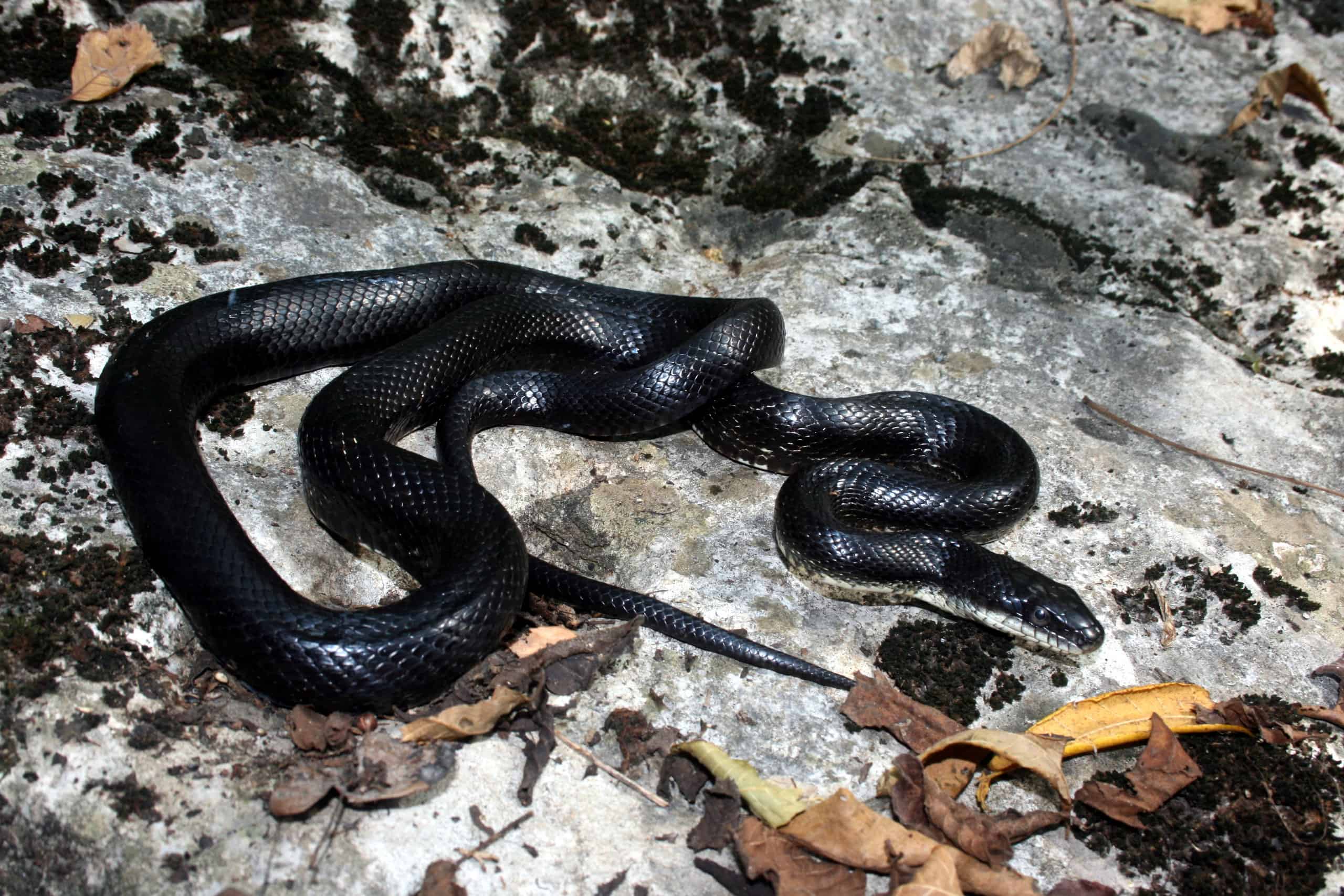
While they appear long and deadly, black rat snakes are much more interested in hunting rodents than attacking humans. They are one of the more common snakes in Upstate New York.
©Psychotic Nature/Shutterstock.com
Black rat snakes may look like deadly black mambas, but they are far less dangerous. They are characterized by one to two meter long bodies featuring shiny black scales on their back and lighter colored bodies. Their chin and throat areas, however, are white. They are very common in upstate New York, including Harriman State Park. Typically, these snakes are found along old stone walls and rock outcroppings where they hunt rodents and birds. They can be a shocking sight, but they are not aggressive or venomous.
Spring Peeper

Spring peepers are most active in the springtime when they breed in ponds and shallow wetlands.
©Jay Ondreicka/Shutterstock.com
These little frogs are characterized by grayish to orangish-brown coloring with a distinct X mark on their backs, as well as bellies with yellow to grayish coloring. They are most active in the springtime, when they breed in ponds, along shallow wetlands, and in vernal pools. While Harriman State Park is full of these water features, spring peepers are elusive. You are more likely to hear them ‘peeping’ as the sun sets than see them. Even so, with the park’s ample ponds and wetlands, you have the best chance of seeing them here compared to other parts of New York state.
Pied-Billed Grebe
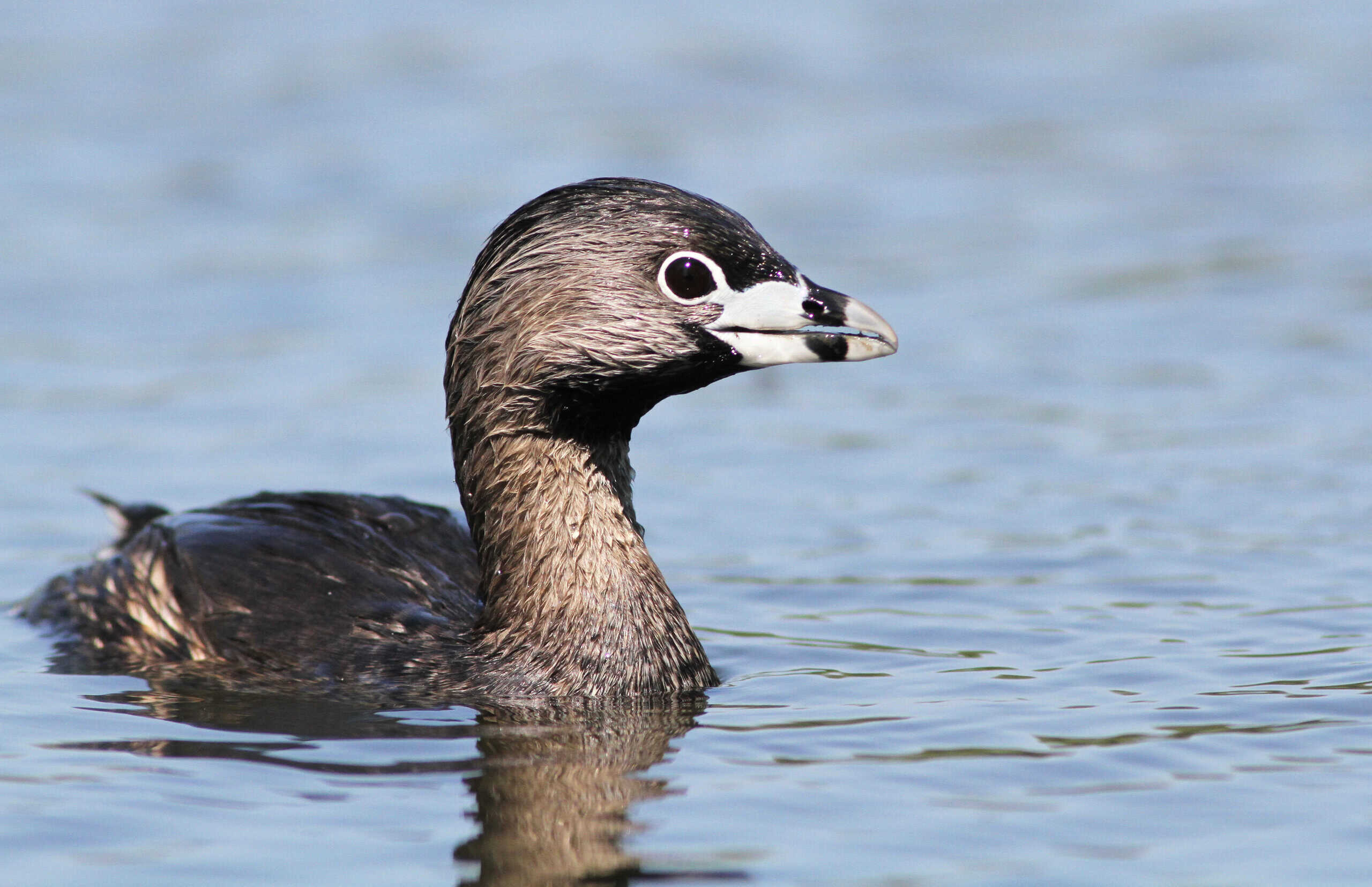
These aquatic diving birds feature striking, mask-like black and white bills and eyes.
©Mircea Costina/Shutterstock.com
The pied-billed grebe is a type of aquatic diving bird that can be found in both North and South America. They breed throughout much of North America, including Canada and Upstate New York. These diving birds are characterized by brownish bodies and pale bills with distinctive black bands. They almost look as if they are wearing carnival masks. Since pied-billed grebes prefer freshwater wetlands, you have a good chance at spotting them in Harriman State Park.
Bald Eagle
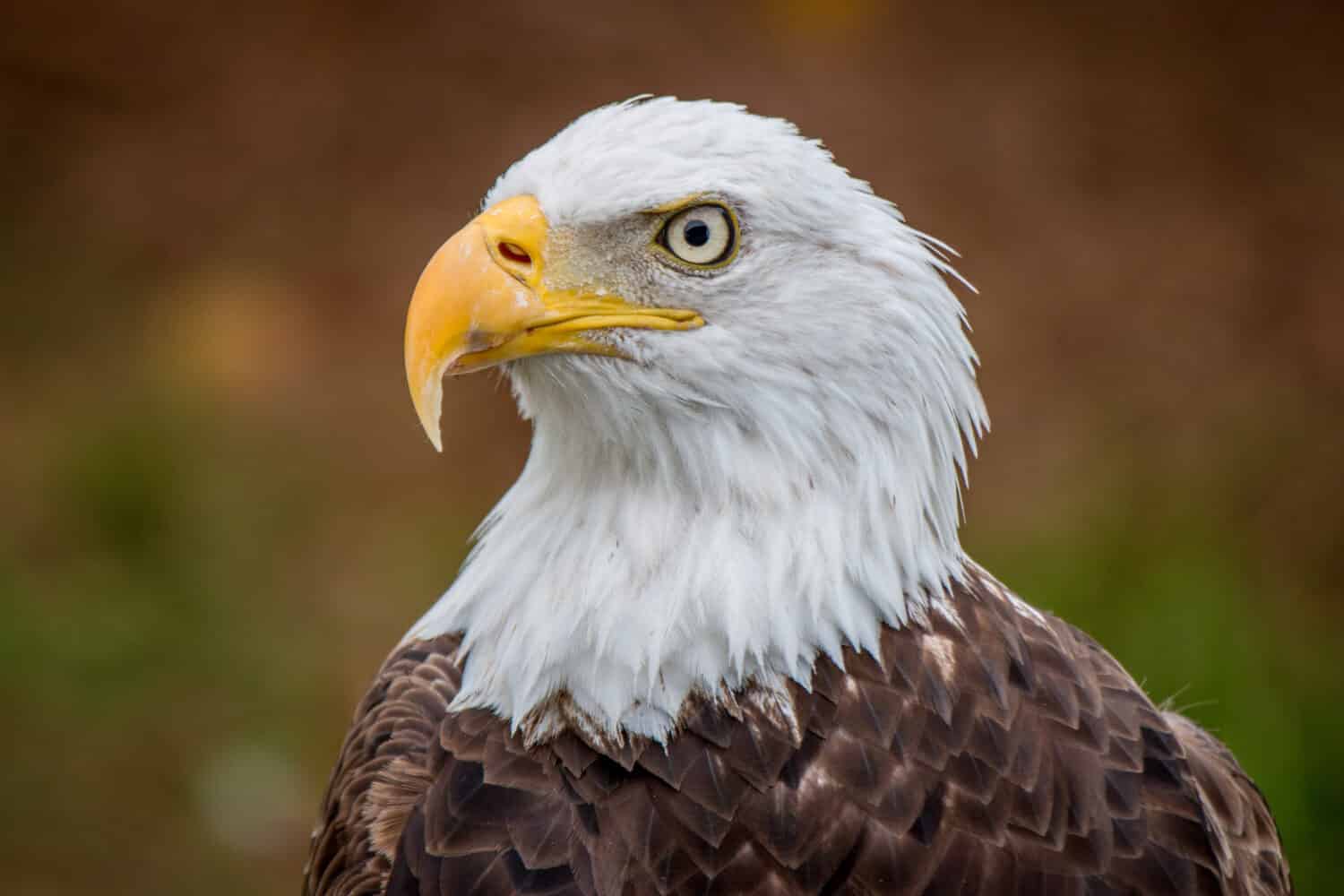
People associate Bald Eagles with the western mountain ranges, but they can also be found in Upstate New York.
©Kevin Tubbergen/Shutterstock.com
There’s no better symbol of America than the Bald Eagle. Though many people associate them with high peaks in epic western mountain ranges, these noble birds of prey can sometimes be found in Harriman State Park. They are no doubt a rarity in this part of the country, but even so, their presence isn’t unheard of. Bald Eagle Nests have been spotted in the southern Highlands of New Jersey, near Round Valley Reservoir. That is less than a hundred miles away from Harriman State Park. This means you might get lucky and see them flying overhead while you are hiking down one of the park’s trails.
Blue-Spotted Salamander
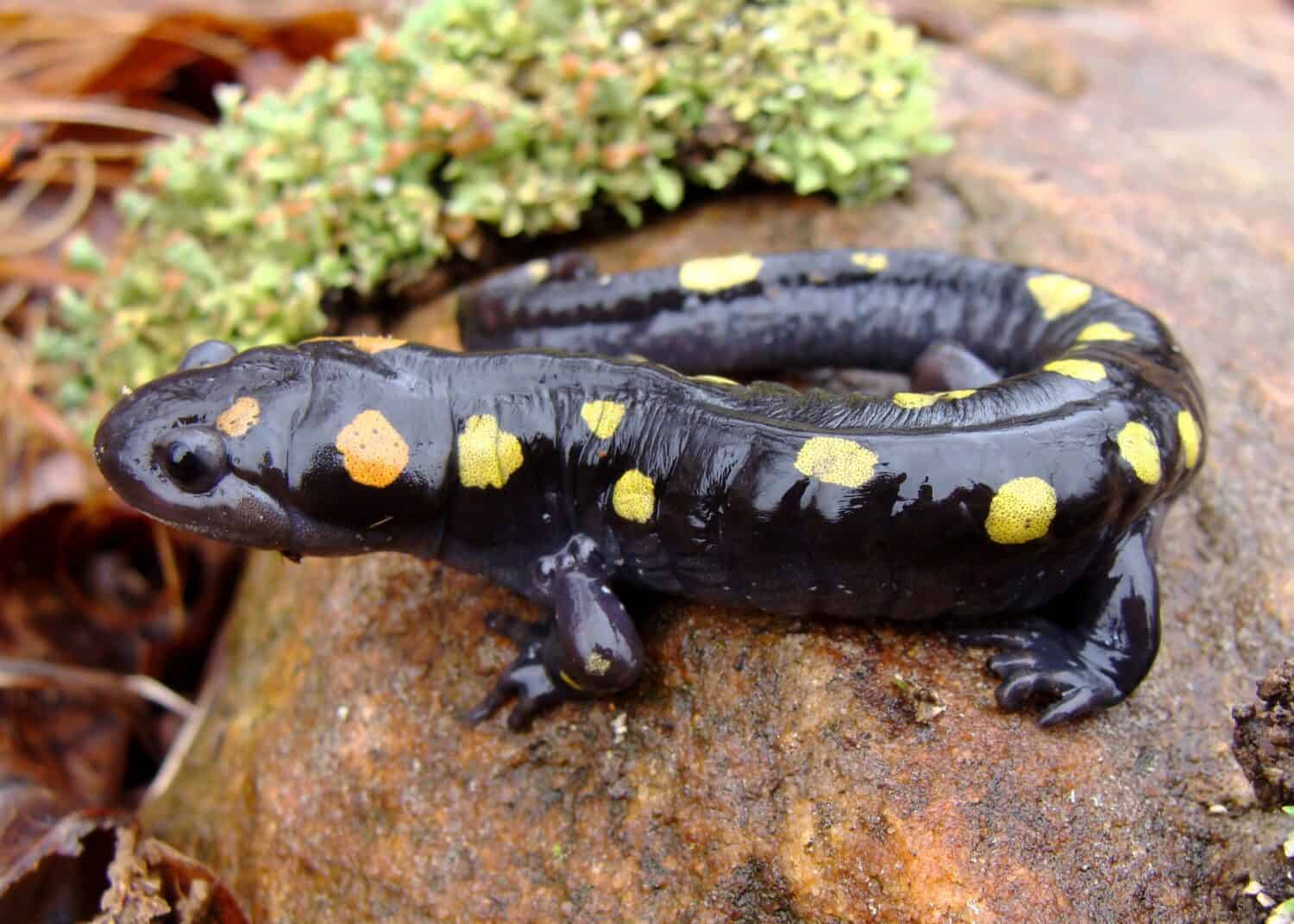
Since blue-spotted salamanders prefer seasonal pools, Harriman is a good place to find them.
©Matt Jeppson/Shutterstock.com
One of the rarest animals that can be found at Harriman State Park is the blue-spotted salamander. This amphibian features a blue-black coloring with whitish or bluish spots on its back. They also have four toes on their front feet and five on their back feet. They prefer moist, deciduous forests where they spend most of their time in seasonal pools. While they are very hard to come by, Harriman State Park provides better chances due to its ample supply of waterways, lakes, and pools.
Small-Footed Bat
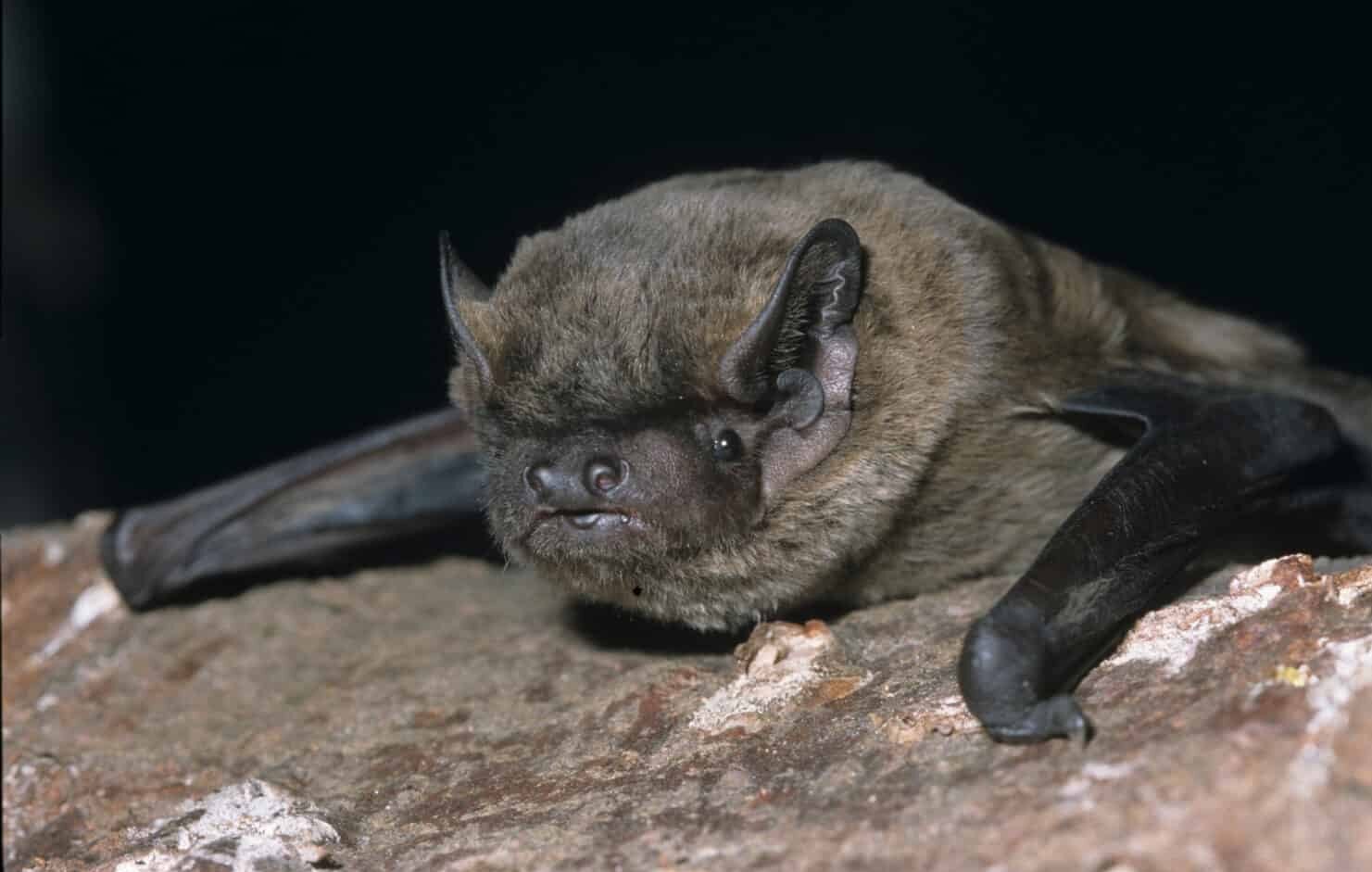
Spotting small-footed bats in Harriman State Park’s caverns is unlikely, but not impossible.
©COULANGES/Shutterstock.com
These tiny little creatures feature brown fur with a golden hue and dark faces and ears. While bats are not large animals, small-footed bats are especially tiny. Their lengths top out at about three and a half inches long. During the Civil War, Bradley Mine in Harriman State Park was used for iron ore mining. It’s also the perfect place to spot small-footed bats. They are a threatened species, however, so spotting them will likely take some time and effort. That said, you will have the best chance of seeing them at night, when they leave their cavernous homes to forage for food along cliffs and over streams.
Rainbow Trout
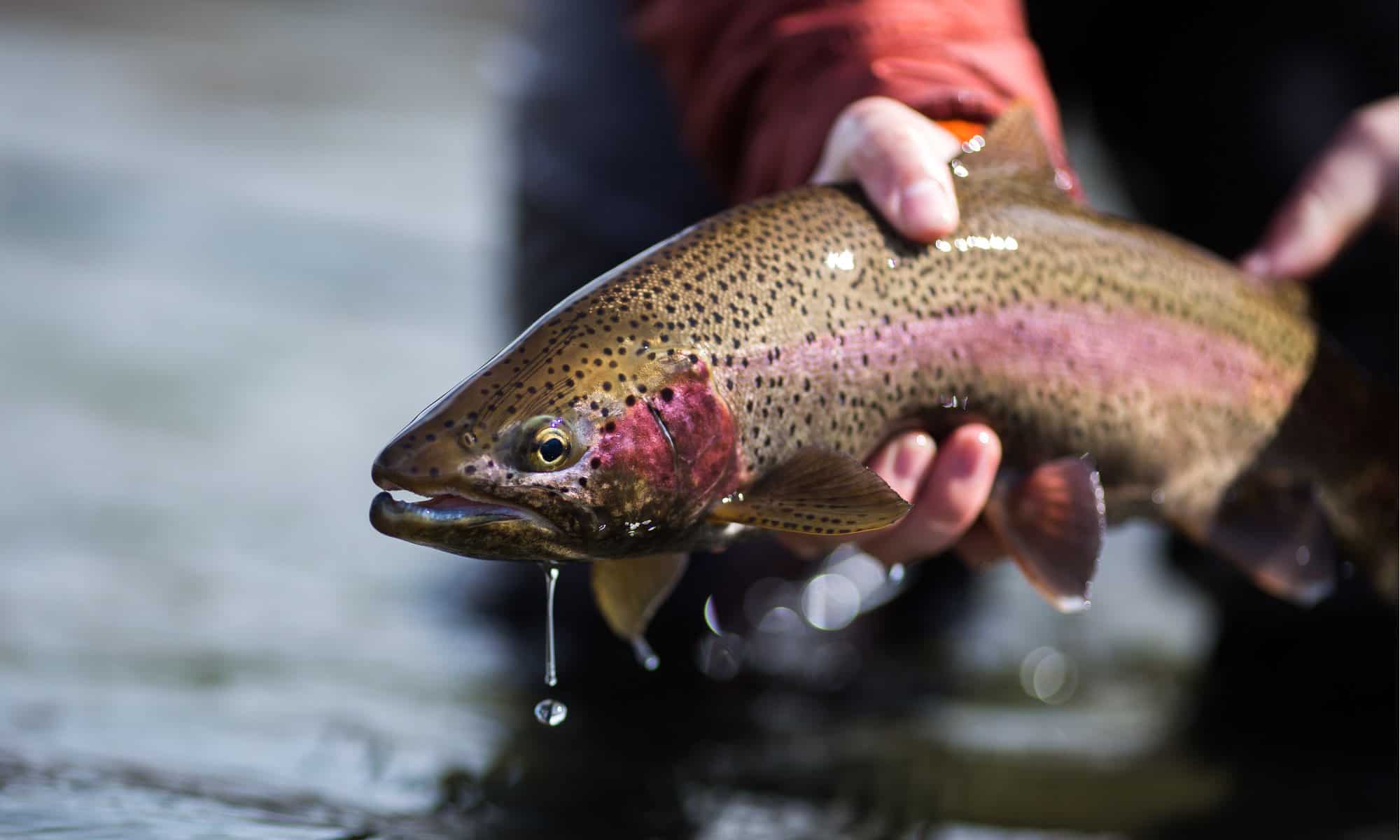
Rainbow trout can be found in Harriman State Park’s various ponds, lakes, and rivers.
©Cannon Colegrove/Shutterstock.com
With Harriman State Park’s ample lakes and waterways, there is a good chance you can spot trout, especially rainbow trout. They require cool water, making Harriman State Park an ideal location to find trout species. Some even inhabit certain lakes, increasing the odds of spotting them here. While other fish live in the park, you have the best chance of spotting different types of trout, as they are the most predominant fish species in New York State. You’ll know you’ve found a rainbow trout if it is shaped like a torpedo and features a speckled body with black spots, a silver belly, and a pink stripe along its sides. They can reach lengths of up to 25 inches in the wild.