
Quick Take
- Oil roads make winter travel easier for wood bison, though that convenience is quietly stalling their population recovery. See the road attraction findings →
- GPS collars on 14 bison exposed a dangerous attraction, and what makes it alarming is not the predators. Explore the GPS collar study →
- Bison reintroduced near industrial infrastructure recover more slowly than those in wilder landscapes, and the reason behind this difference comes down to something they are actively choosing. See the recovery rate differences →
- Clearing land for oil and gas operations accidentally created something bison can't resist, and that turns out to be exactly the problem. Discover what bison can't resist →
Reintroduced animal populations face many challenges. When they are introduced to habitats with human infrastructure, it adds an extra layer of complication! Bison in the Canadian boreal forest are coming up against this issue. They are drawn to structures that the oil and gas industry has built, but these are causing their previously increasing numbers to plateau. A new study has investigated this critical dilemma.
Reintroducing Wood Bison in Canadian Forests
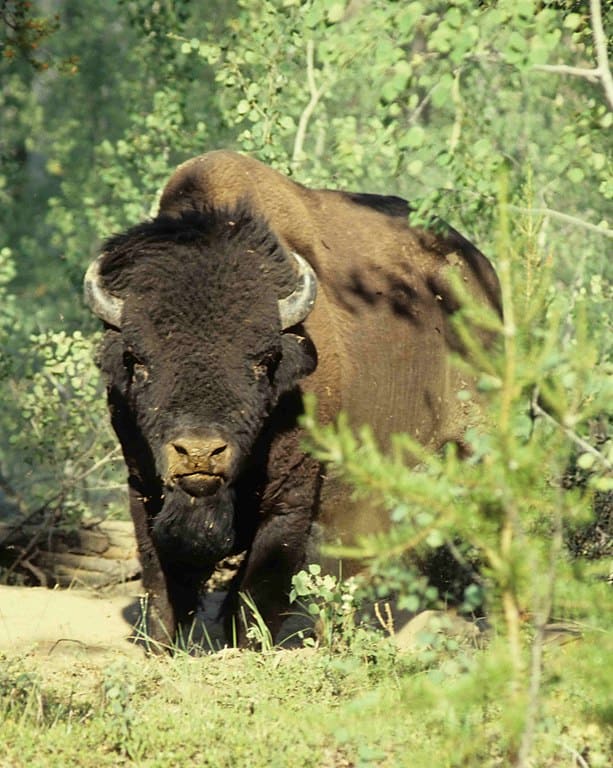
Wood bison (Bison bison athabascae) are the largest land animal in Canada. The adult males are magnificent creatures with bulky bodies weighing over 2,000 pounds, stretching 10 feet in length, and featuring large back humps and extremely big heads!
Their impact on Canadian culture is as big as they are. Wood bison have significant economic and ecological value, and strong spiritual and cultural importance for Indigenous peoples. The bad news is that they are at risk of becoming endangered, extirpated, or extinct, and have been listed as threatened under the Species at Risk Act since 2003.
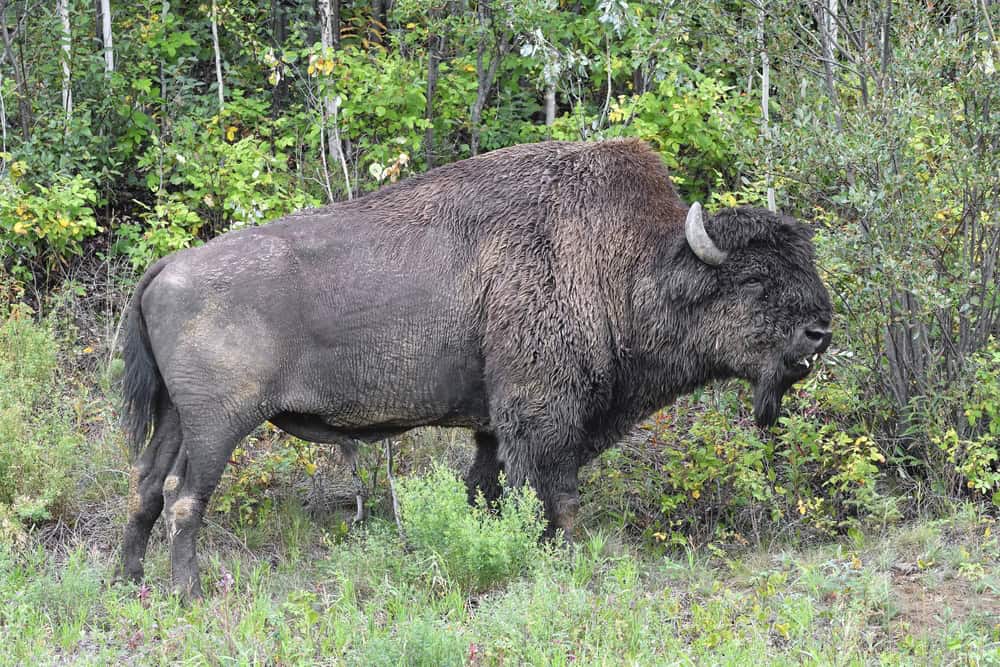
Wood bison are huge animals.
©imageBROKER.com/Shutterstock.com
In the early 1800s, there were around 168,000 of them, but by the end of the century, there were just a few hundred. The cause was overhunting, changes to their habitat, and some severe winters. In 1922, Wood Buffalo National Park was created to protect their habitat and prevent their extinction. A federal recovery strategy for wood bison was published in 2018, and it includes a bison control area, monitoring, population management, and research.
Researching Wood Bison Restoration
Conservationists have been making efforts to restore wood bison to the Canadian boreal forests since the 1980s. The focus was on reintroducing them to their native range. Now, populations of wood bison are distributed as isolated fragments across the vast boreal forest of northwestern Canada and Alaska.
For these initiatives to be successful, it is important to understand the needs of the bison. They are bulk feeders, and they need open habitats rich in sedges and grasses. Mature forests are not great for them. Boreal wetlands, on the other hand, provide plenty of food. There is still much we do not know about the feeding habits of bison. In particular, experts were not sure if the bison were attracted to disturbed habitats (such as areas that humans had cleared) because these gave them the best foraging opportunities as new plants were emerging.
So, researchers used location data from 14 GPS-collared female wood bison to assess their behavior. These bison were from the reintroduced “Etthithun” population in northeastern British Columbia. The aim was to determine how the bison selected habitat in an industrializing landscape. The area where these bison live has a footprint of linear and polygonal disturbances created by the oil and gas industry.
Where Was the Study Conducted?
The bison population tracked in this study was introduced in 1999 and 2000, starting with 43 individuals, and has now grown to around 400 animals. It is a free-ranging population, which means that it has to endure what nature throws at it, including competition and predation. This area has long, cold winters with low snowfall and short, warm growing seasons. It’s mostly flat, with low hills and a lot of historic wildfire activity creating plenty of foraging opportunities for these animals.
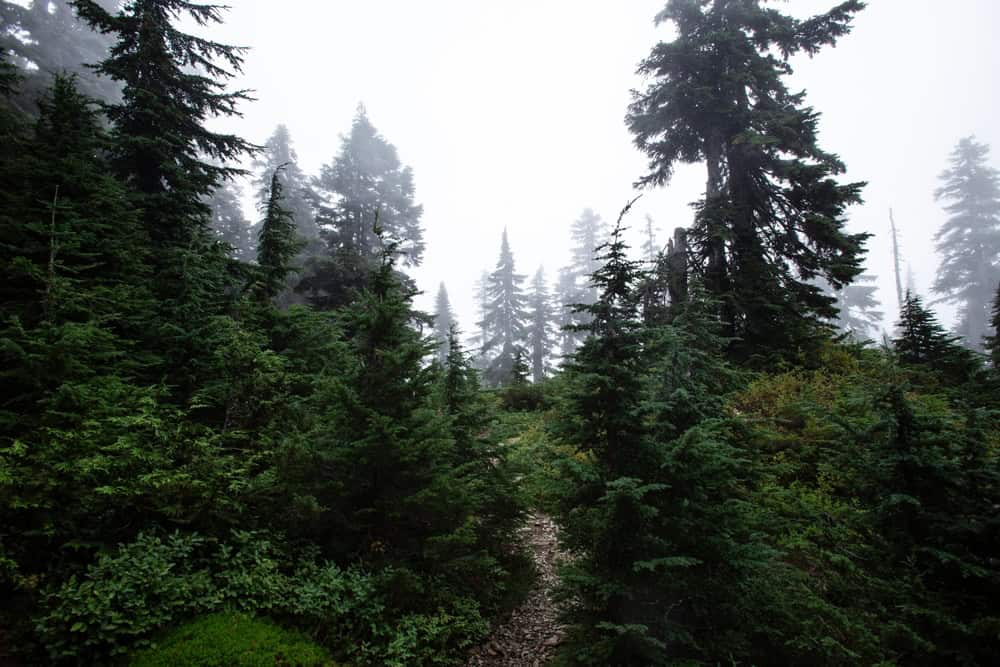
Wood bison forage in open areas.
©Olgaradzikh/Shutterstock.com
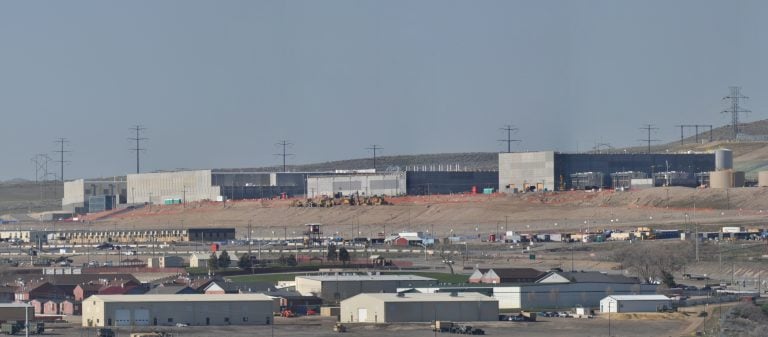
This area is also highly disturbed by the oil and gas industry. There are extensive networks of seismic exploration lines, pipeline right-of-ways, and primary and secondary roads. Around these features, vegetation has been cleared, and growth of younger plants is seen in some places.
How Do Wood Bison Behave in Landscapes Altered by Humans?
The GPS data in this study indicated that the bison selected open areas of habitat. They were attracted to oil and gas roads year-round and to the busier, primary road during the summer. This is likely because the roads provide foraging opportunities along the roadside and offer an easy route for travel during snowy conditions, as humans keep the roads clear. However, this is not a win-win situation. Near the roads, the bison are more likely to encounter predators (mainly wolves) and can get hit by vehicles.
Additionally, the bison selected areas closer to all types of linear features, such as seismic lines, pipelines, and roads in the summer, and areas near pipelines and oil and gas roads in the winter. This suggests that while bison will tolerate areas with low human activity, there are limits to their tolerance.
What Are the Conservation Implications for Bison?
Protecting animals in industrially disturbed landscapes requires an understanding of their behavior in these environments. This study has shown that wood bison are drawn to human-associated infrastructure. Whether this gives them a benefit that outweighs the risks is still open to question.
There is evidence that bison populations introduced to anthropogenic habitats have recovered more slowly than those in areas with little human development. Given that the direct interactions between bison and people in anthropogenic habitats are generally negative, there may be an argument for management actions that direct the bison back to more natural habitats. Other mitigating factors, such as limiting vehicle speeds, managing forage quality or availability, and increasing visibility, could also help. Finally, outreach and education efforts are needed to promote positive coexistence between humans and bison.