Quick Take
- Bavaria’s wild boars achieve radiation levels25 times higher than the safe human consumption limit.
- Cold War-era nuclear testing creates a persistent contamination barrier within the Bavarian ecosystem.
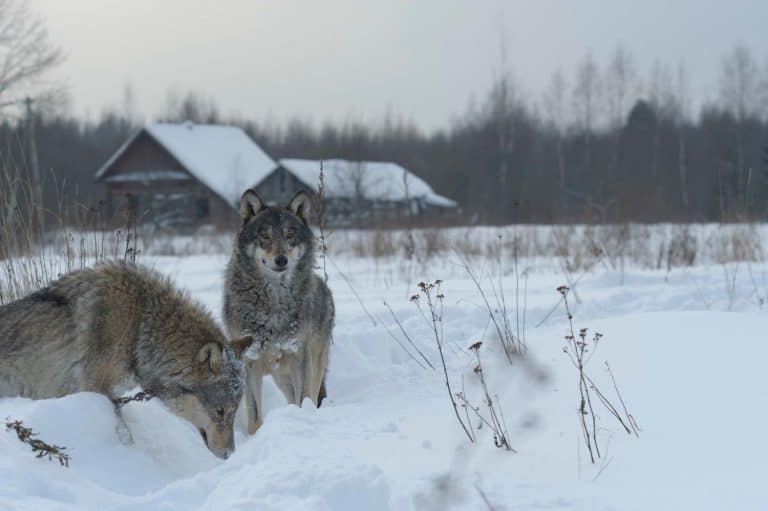
- Bavarian boars are currently more radioactive than wolves found inside the Chernobyl exclusion zone.
- Analyzing wild boar samples was required to determine why radioactivity levels are not decreasing.
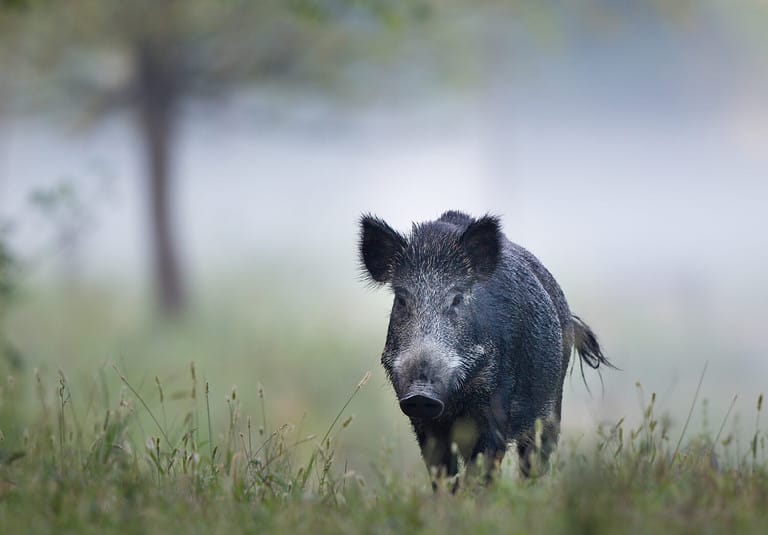
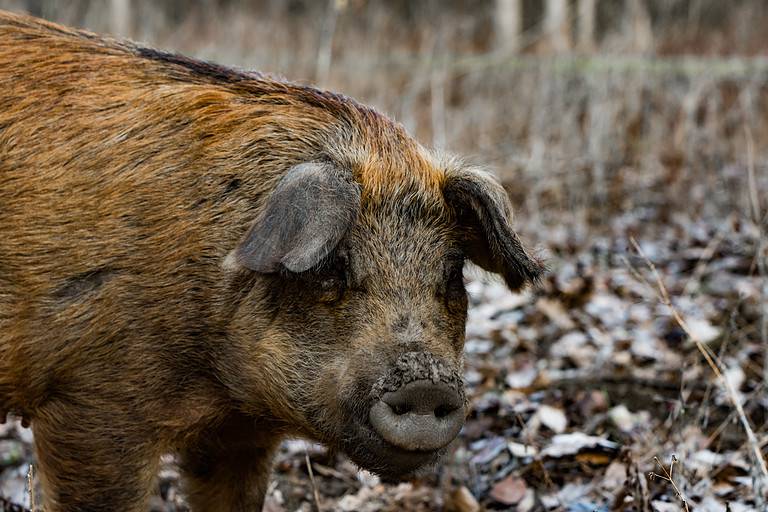
Wild boars roaming the forests of Bavaria have become the focus of a scientific mystery: in some cases, they carry higher levels of radioactive contamination than wolves living near the Chernobyl Exclusion Zone. Decades after the 1986 nuclear disaster, radiation is widely seen as a finally fading concern; but these boars challenge that assumption. Despite living hundreds of miles from Chernobyl, their meat still regularly exceeds safety limits for radioactive cesium.
What is the reason behind this surprising finding? The answer to the mystery is a complex mix of history, ecology, and diet. Bavaria’s wild boars feed mainly on underground fungi that absorbed radioactive fallout from both the notorious Chernobyl disaster, as well as Cold War–era nuclear weapons testing. Unlike wolves, which are higher in the food chain and consume a varied diet, boars naturally collect a high concentration of contaminants through what they eat. This article explores why Bavaria’s boars remain so radioactive, how their toxin levels compare to other wildlife in the area, and what it teaches us about the long-lasting effects of nuclear fallout.
Cold War-Era Nuclear Testing Contribution
©Anelo/Shutterstock.com
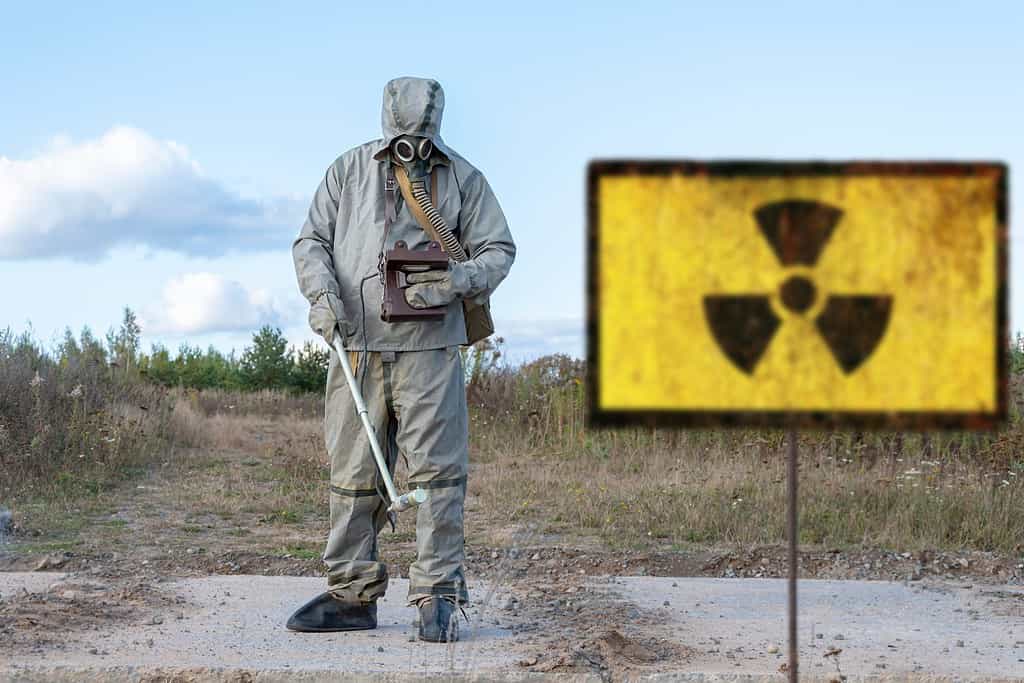
In a new study published by researchers from the Technische University in Austria and Leibniz University in Germany, scientists have discovered that Cold War-era nuclear testing from 60-80 years ago is a major contribution to the high radiation levels of Bavaria’s wild boars.
This is a ground-breaking revelation, considering the government rhetoric at that time stated that nuclear testing projects had negligible effects on the environment.
Wild Boar Samples
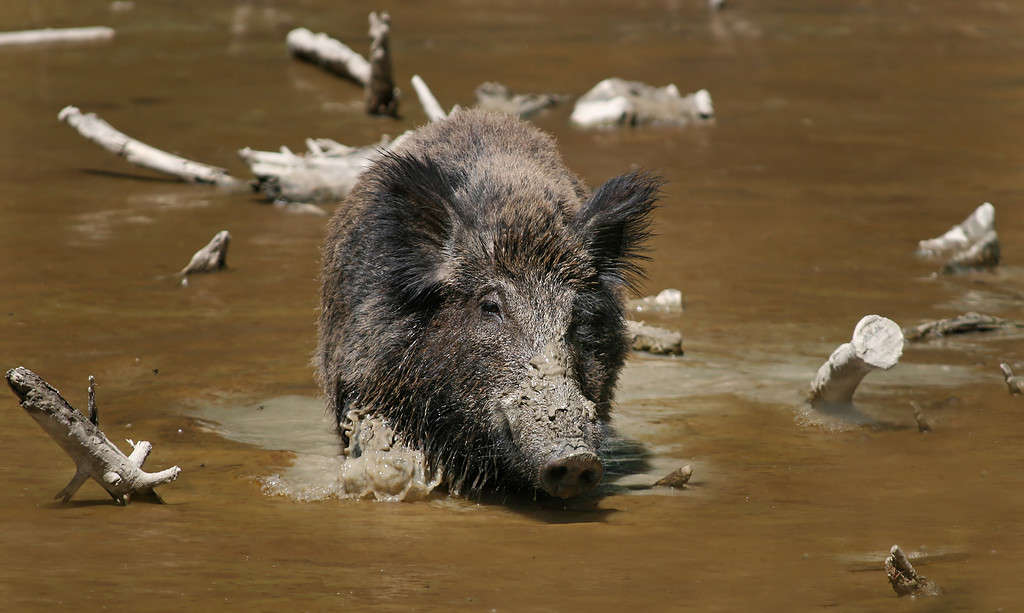
©Richard Bartz, Munich Makro Freak / CC BY-SA 2.5 - Original / License
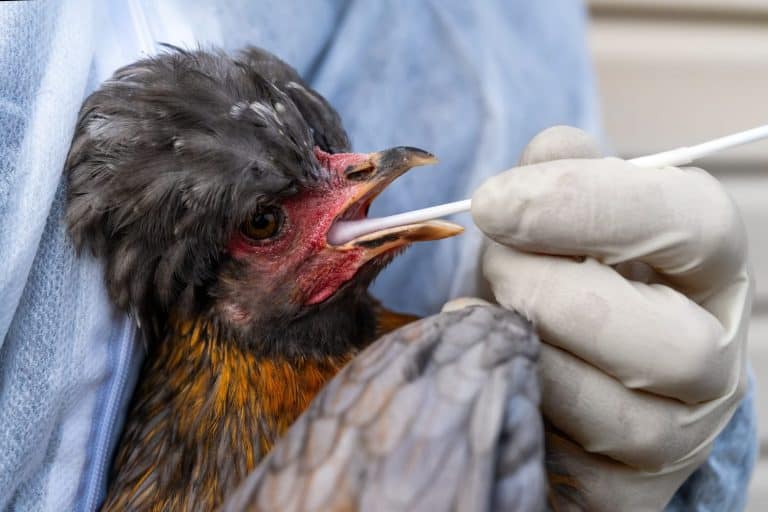
Researchers teamed with hunters across the affected region to obtain and examine wild boar meat samples. As previously documented, the wild boar samples contained exceedingly high levels of radioactive cesium-137 and cesium-135.
Next, the team set about determining how much radiation stems from nuclear testing in the region from 60-80 years ago.
Radiation Contamination in Boars
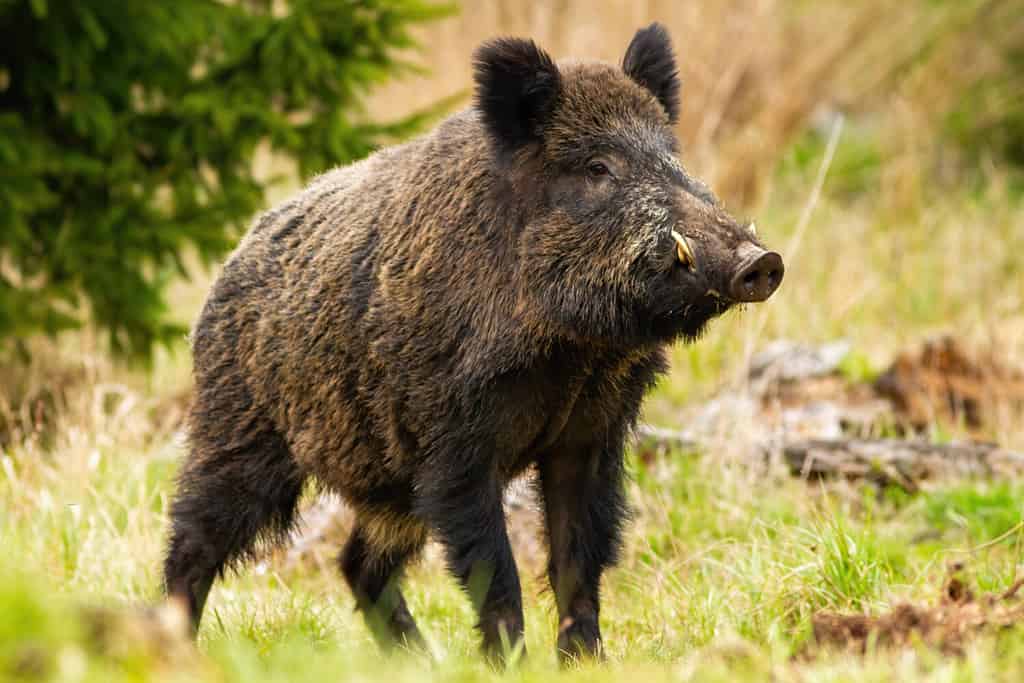
©WildMedia/Shutterstock.com
To distinguish the radiation sources, the scientists used a mass spectrometer. This analytical tool helped identify whether the radiocesium occurred via a nuclear weapons explosion test or nuclear reactors from Chernobyl.
Across the samples, they found that nuclear testing in the area contributed to 12-68% of the radiation contamination of the boars.
Wild Boar Radiation: Why Are Their Radiation Levels Consistently High?
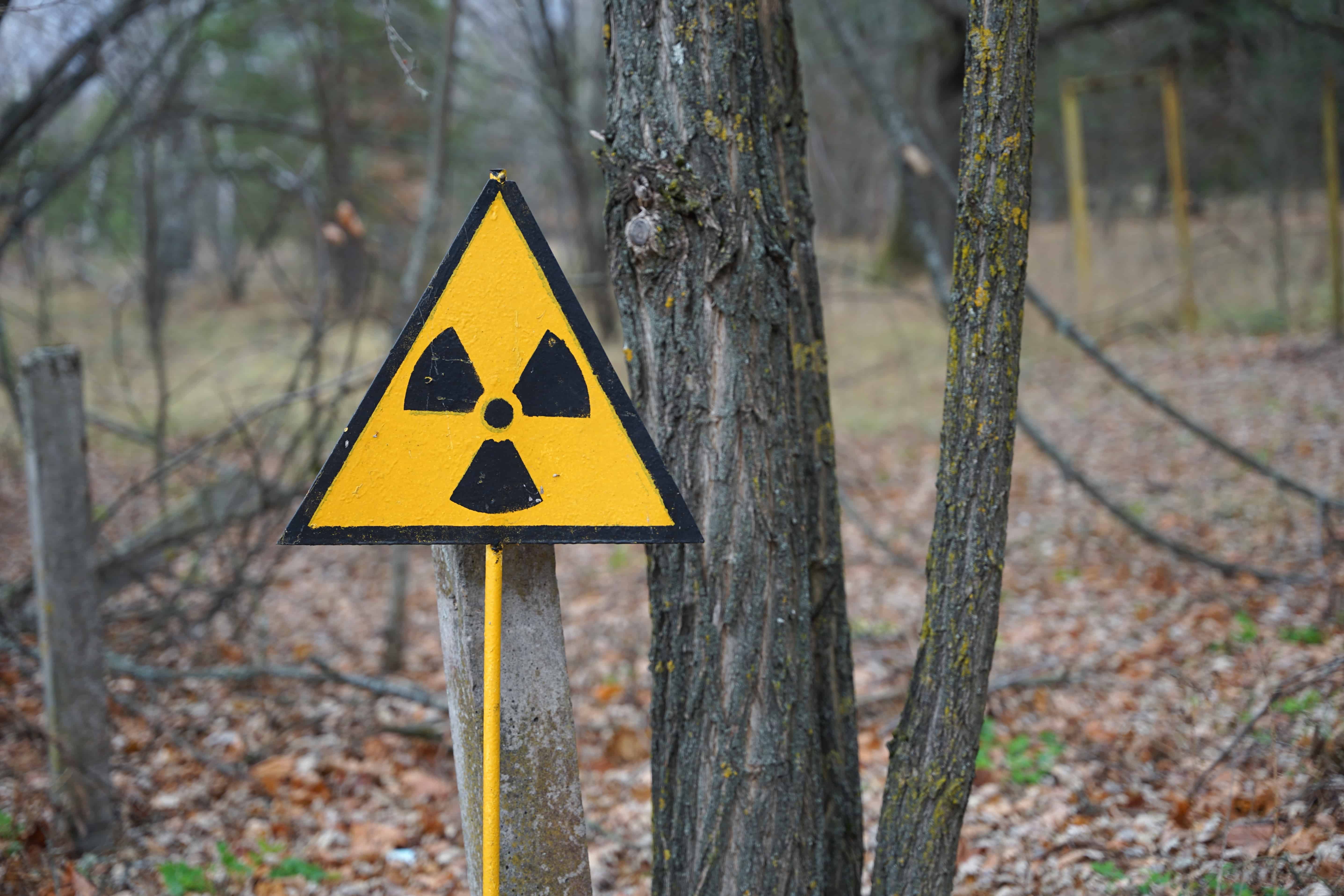
©Milan Sommer/Shutterstock.com
But why do radiation levels remain so consistently high in Bavaria’s wild boar population? While radioactive levels in other game animals in the region tend to be decreasing over the years, the levels in the wild boar population remain high.
Additionally, radiation levels in the topsoil within the affected region have also been decreasing. Researchers describe the phenomenon of wild boars accumulating such high levels of cesium-137 and cesium-135 as the “wild boar paradox“.
While scientists haven’t reached a definitive conclusion on this conundrum, many researchers believe the answer lies in the winter diet of the boars. In the colder months, wild boars rely heavily on rooting up truffles and other fungi fruiting bodies.
Some scientists theorize that, over the years, radioactive material has traveled into the deeper layers of the soil, where underground fungi absorb the radiation. As the wild boars consume these food sources each winter, they continue to contaminate themselves.
About the Wild Boars of Bavaria
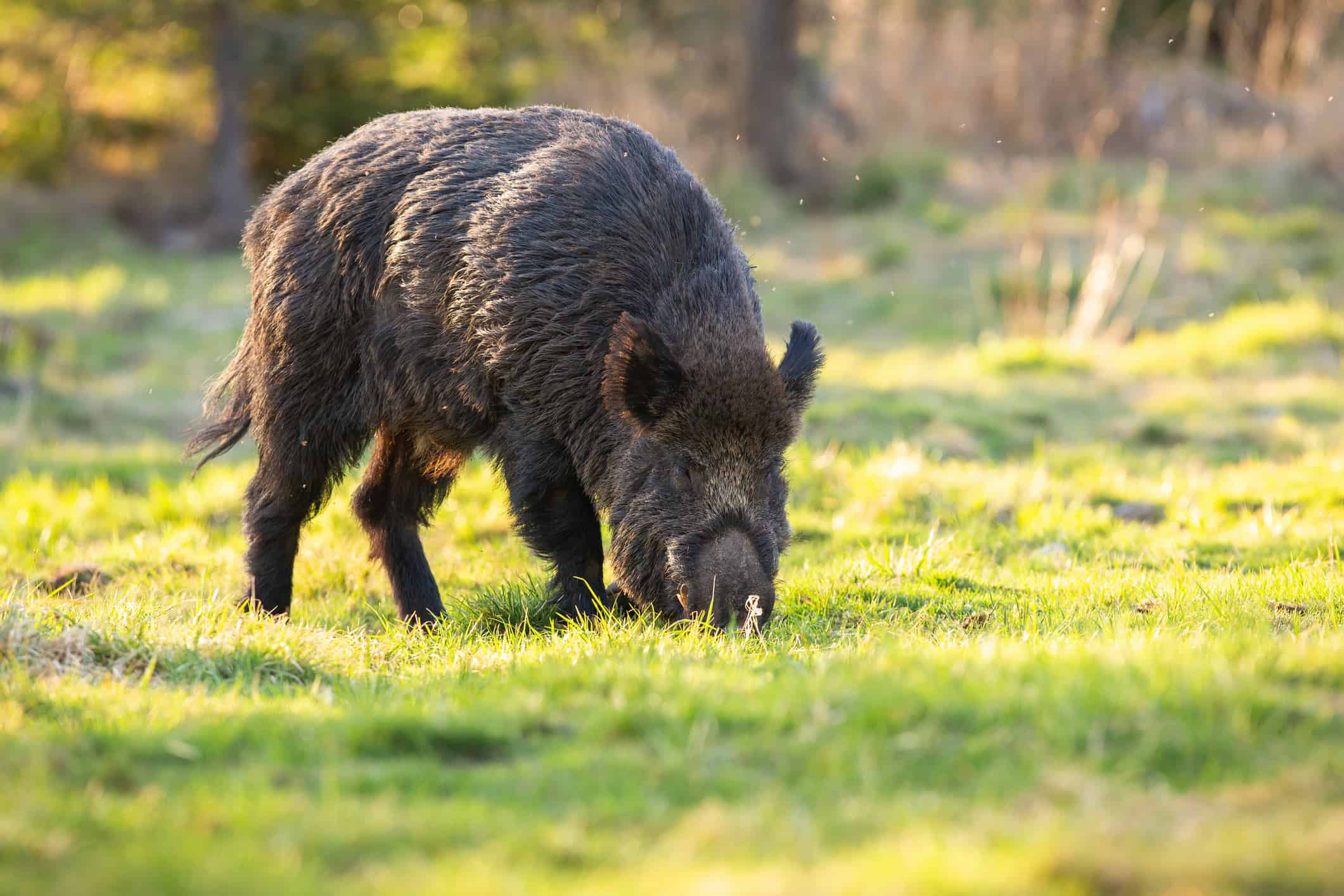
©iStock.com/sus scrofa
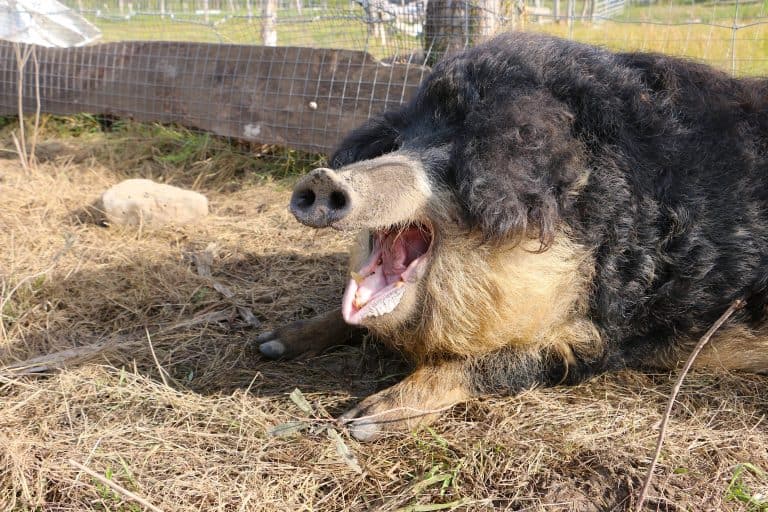
Wild boars, classified as Sus scrofa, are native to much of Eurasia, including Bavaria. They are one of the most wide-ranging mammals in the world and are highly adaptable. This species is the ancestor of boar populations in the US, which people introduced in the early 1900s for sport hunting.
Adaptable and cunning, wild boar populations quickly became destructive in many non-native environments. In their native ecosystems, healthy populations of natural predators such as large felines, bears, and wolves can keep wild boar populations in check.