
The rabies virus is responsible for killing more animals annually than any other virus. Much of this has to do with hidden ways rabies spreads through nature. While the most common way to contract and spread the virus is from an alive infected animal coming into contact with another, scientists have discovered other ways the virus can spread. Consequently, wild or domestic, all animals are at risk of contracting rabies.
Given how quickly rabies can spread and how deadly it is, experts recommend getting indoor and outdoor domestic animals vaccinated. Unfortunately, this does not always happen. This allows the virus to spread to domestic animals and even to their owners. If not treated promptly, rabies will spread lethally. Therefore, if an animal attacks, assume it is rabid and get yourself or your pet treatment. It can literally save your lives.
How Rabies Is Spread to Wild Animals

The most common way to spread rabies is for an infected animal to bite or scratch another animal.
©Jason Grant/Shutterstock.com
Wild animals that contract the rabies virus are handed a death sentence. Because the animals are not vaccinated, the rabies virus travels quickly through their system. From the time of exposure to death, it can be as little as four weeks to a few months. The rabies virus can live outside a deceased host for several hours. Because of this, it may be assumed that scavenging is a leading cause of contracting rabies. However, while rabies can be spread in this manner, it is very rare.
In the majority of cases, rabies is spread through saliva. This is why a bite or a scratch from an infected animal can spread the virus. The bite allows the saliva to sink into the bloodstream, where the virus will begin its process to the nervous system. Once rabies reaches the brain, it multiplies, eventually causing the host to die.
The animals that are found in packs or groups are the ones that are most likely to spread the virus. It could be something as simple as fighting over prey, and an infected animal bites or scratches another. While all mammals are capable of carrying the rabies virus, there are some that are more typically found to have the virus than others.
Animals Most Likely to Carry Rabies
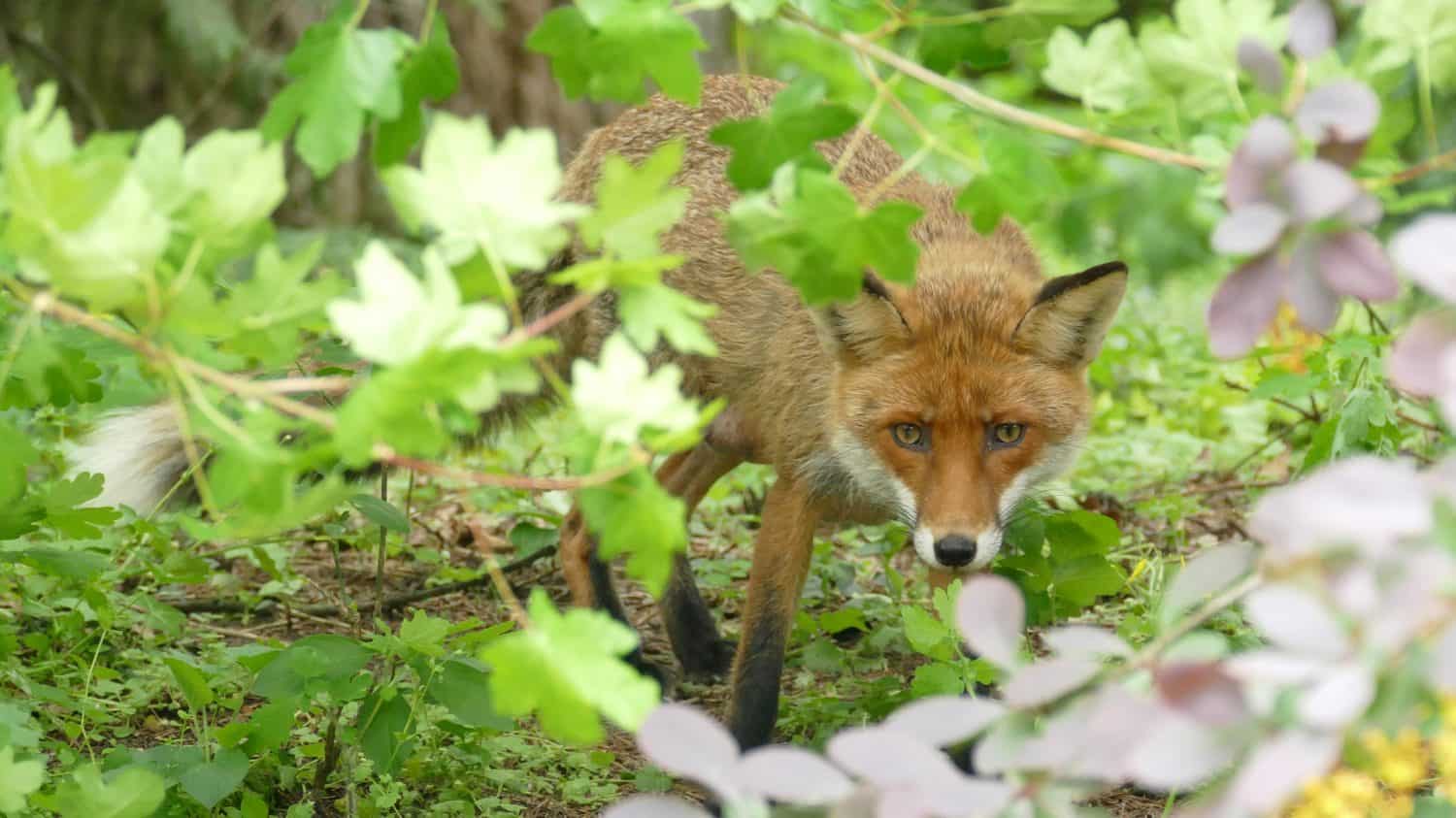
Foxes are one of the most common wild animals to spread the rabies virus.
©Zoltan Tarlacz/Shutterstock.com
There are a variety of animals that can carry rabies. However, it is only mammals that carry the virus. Birds, lizards, and other non-mammal creatures cannot contract the virus and therefore cannot spread it. With that being said, any mammal is capable of becoming a host for rabies. This means any domestic or wild animal should be considered ill if they are showing any signs or symptoms of the virus. However, some animals tend to be rabies carriers more than others. Those animals include:
- Bats
- Skunks
- Foxes
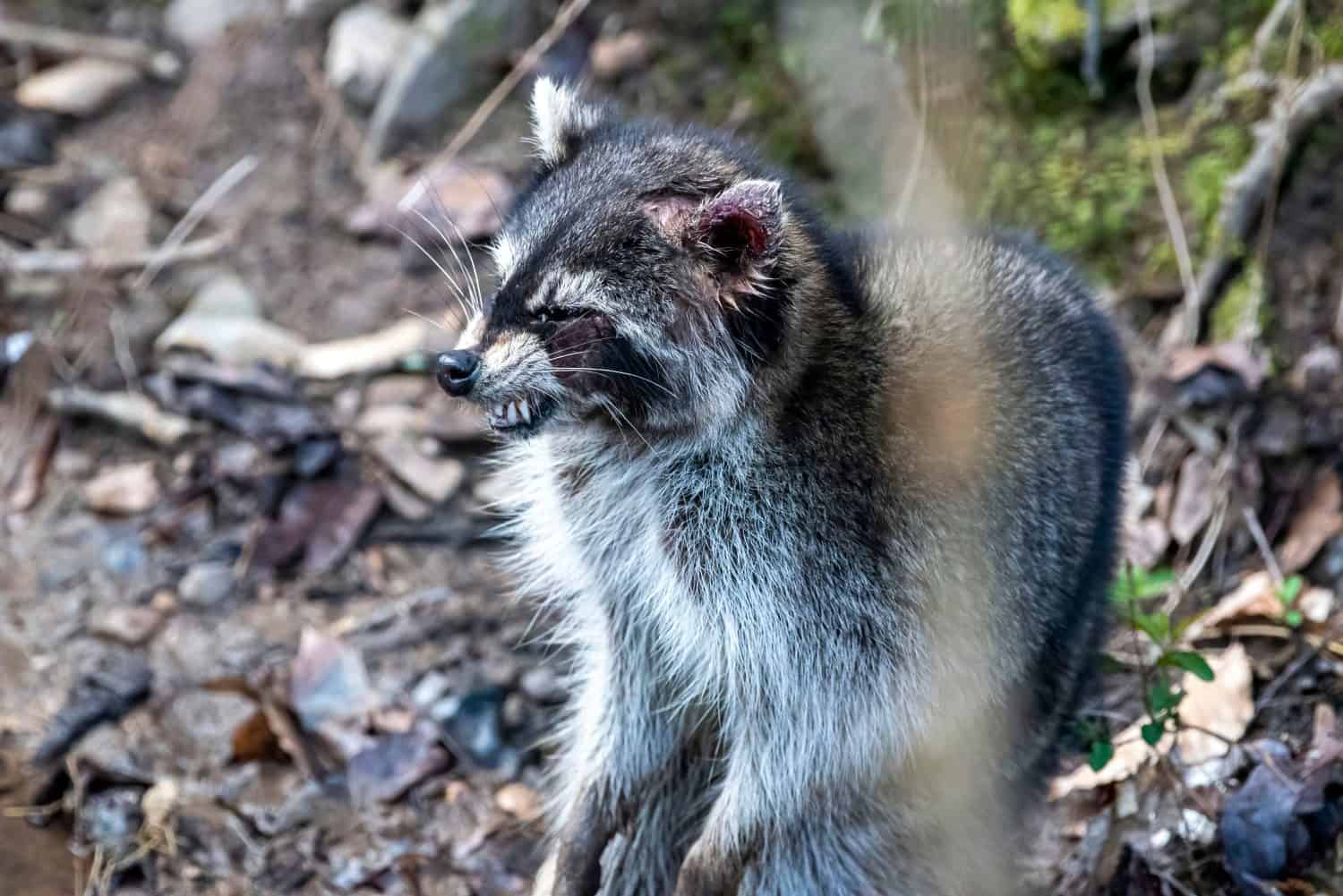
- Raccoons
- Jackals
While the spread of rabies does not happen as often, other animals such as deer, opossums, coyotes, wolves, and even monkeys have been known to spread rabies.
While the majority of wild animals are those that carry and spread the rabies virus, domestic animals can also do so. Dogs and cats are the leading domestic animals that contract rabies, with cats outnumbering dogs because cats are allowed to roam further distances alone more often than dogs. However, cows, horses, and rabbits can and do contract rabies. Therefore, if any of these animals has a bite or animal scratch, it is necessary to begin treatment immediately to give them the best possible chances of survival.
How Domesticated Animals Contract Rabies
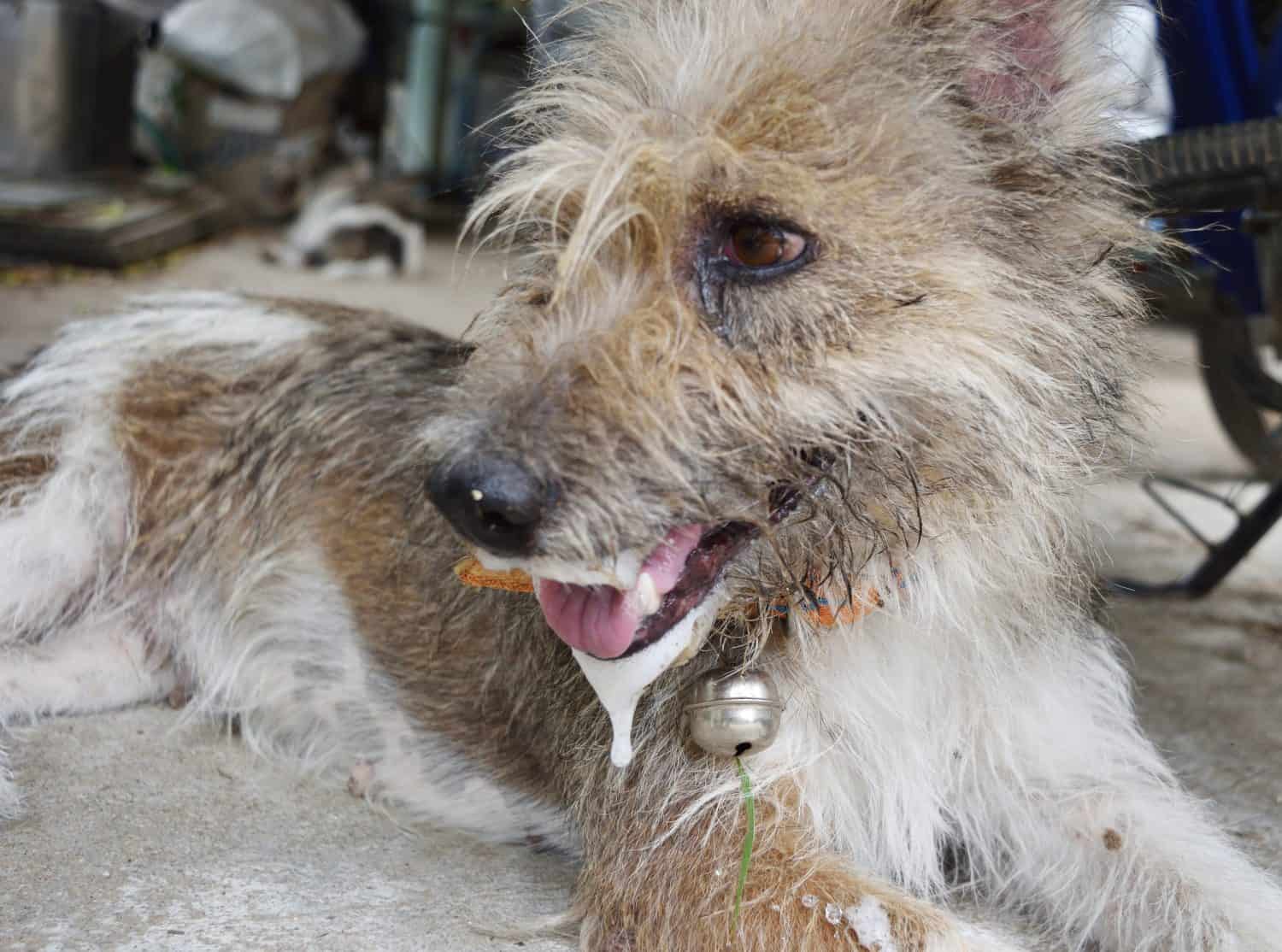
Dogs can become infected with the rabies virus after getting bitten by a wild animal or another domestic animal infected by the virus.
©Anant Kasetsinsombut/Shutterstock.com
Just because animals are domesticated, it does not mean they are immune to the rabies virus. It is just as easy for a domesticated animal to become infected as a wild one.
The domesticated animals that are most prone to becoming infected with the rabies virus are those that live near areas frequented by wild animals. Typically, this would be more rural than urban settings. If domestic animals are left to their own devices to go off and explore, they have a higher chance of coming in contact with a wild animal. This means the chances of getting bitten or scratched increase as well.
Livestock, specifically cows, are notorious for being bitten by vampire bats in some countries. These bats are known for carrying the rabies virus and can spread rabies to multiple cows in a herd if the cattle are not vaccinated.
Even those animals that are indoor pets are not immune to rabies. Some wild animals, such as skunks, foxes, bats, and raccoons, have been known to enter homes when they are rabid, either through an unintentional open door or a dog door left unlocked. Consequently, indoor pets can become infected as well. This is why even if there are no signs of rabies present in the wild animal, they should be assumed to have the virus, and immediate care should be sought for the bitten pet.
Signs and Symptoms of Rabies
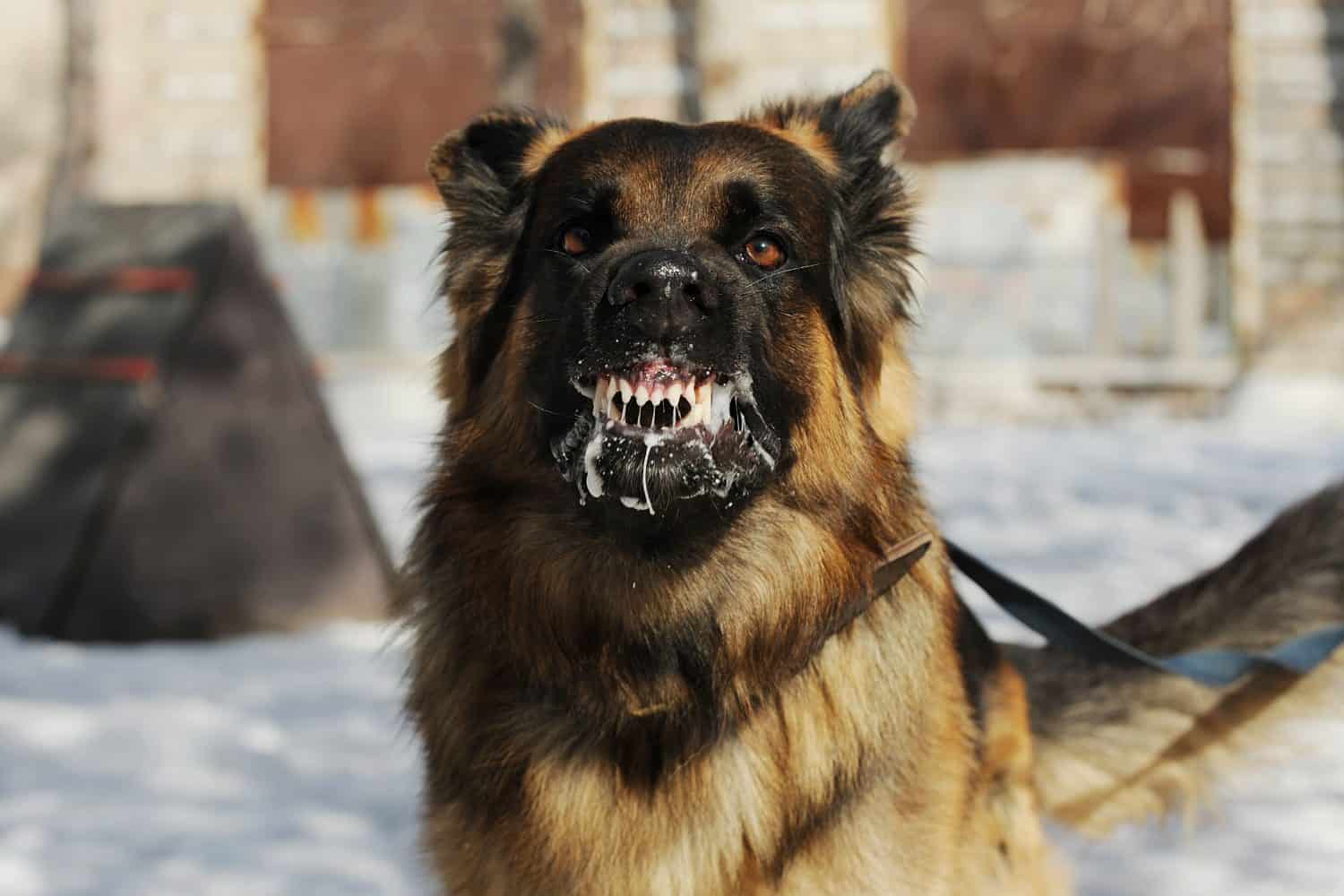
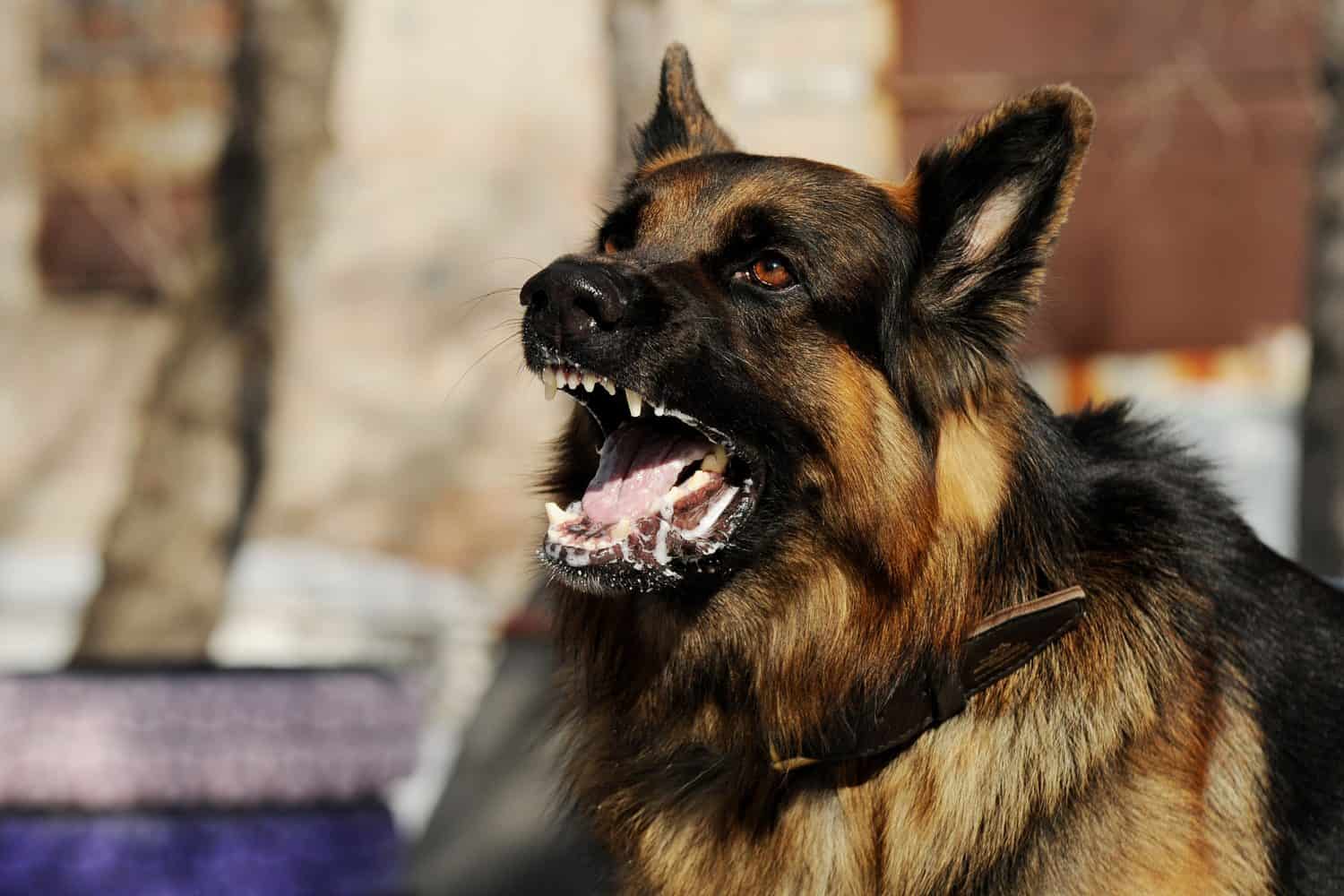
Symptoms of rabies in animals can be excessive saliva, a change in behavior, seizures, and more.
©Victoria Antonova/Shutterstock.com
Rabies is a fast-acting virus that can cause death in as little as four weeks if not treated. This is why if a wild or domestic animal bites or scratches a person or their pet, it is imperative to begin treatment immediately to keep symptoms from ever appearing.
Common signs of rabies in a person include:
- Body weakness
- Body discomfort
- Headache
- Fever
- Anxiety
- Hallucinations
- Insomnia
- Confusion
- Agitation
- Fear of water
- Seizures
- Hypersalivation
Signs that an animal has been infected with rabies are similar to those of people. Those signs include:
- Nervousness
- Paralysis
- No appetite
- Overexcitability
- Irritability
- Inability to swallow
- Excessive saliva
If symptoms of rabies are present, it is too late for the person or animal affected. Therefore, do not hesitate to be seen by a doctor or have an animal seen by a veterinarian so that lives can be saved, not lost.
What to Do If You Make Contact with a Rabid Animal

It is necessary to get immediate medical attention if bitten by an animal to prevent the spread of rabies.
©nupook538/Shutterstock.com
If a wild animal bites or scratches a pet or the pet’s human, the quicker action is taken, the better the chances of survival. This is because once the symptoms of rabies appear, the animal or person is too far gone to save, and unfortunately, will ultimately pass away. People, by and large, do not get annual rabies vaccines. Consequently, if bitten or scratched by a wild animal, there is no protection should the rabies virus be present. Therefore, it is imperative to receive medical treatment immediately to stop the virus from attacking the body.
The first thing a person should do if attacked by a wild animal is to contact the local department of wildlife so that they can attempt to locate the animal and test it for rabies. If the animal cannot be located, it should be assumed that exposure to rabies has occurred, and the vaccination process should begin as soon as possible.
Those who have never been vaccinated against the rabies virus will receive four doses of the vaccine over the course of two weeks. If the rabies vaccine has been given in the past, just two doses are required. Unlike people, the recommendation for the rabies virus is made for all domestic animals for which it has been created. Some local municipalities even require the vaccine before an animal can be licensed. The vaccine is important because it can mean the difference between keeping an animal alive and having it euthanized because of rabies exposure.
There are several different scenarios for pets who have been exposed to the rabies virus. If a pet is vaccinated and the wild animal that bit or scratched it can be located, the animal can be tested. A negative rabies test means there is no need to quarantine the pet. However, if a positive test comes back, the pet will have to be quarantined for 45 days and receive another rabies vaccine.
Those pets who are unvaccinated face a much different fate. If the wild animal can be found and tested, and a negative result comes back for the rabies virus, the pet will be fine and will need to be vaccinated. However, if the animal cannot be located or tests positive for rabies, it is often recommended that the pet be euthanized. Those who choose not to euthanize will have to vaccinate their pet and then put their pet in quarantine for 180 days, most times, away from the pet’s home and at the cost of the pet’s owners. After that time, if the pet tests negative, it can be returned to its owner. Given how serious the rabies virus is, preventing its spread is imperative to keep both wild and domestic animals healthy. This is why vaccines are recommended for domesticated animals and wild animals alike.
Preventing the Spread of Rabies
Oral rabies vaccination pellets are being left in areas where rabies is known to be present to help prevent the spread of rabies in the wild.
©Christopher J Barger/Shutterstock.com
For domesticated animals, the tried and true method of preventing rabies is to get a vaccine. Be it the annual or three-year vaccine, both are equally effective in protecting cats, dogs, ferrets, livestock, and more from becoming infected. However, it is impossible to vaccinate wild animals in the same manner as domesticated ones. Therefore, the U.S. Department of Agriculture has come up with a plan to vaccinate as many wild animals as possible, without the animals being any the wiser.
The U.S.D.A. has implemented a program in which an oral rabies vaccination is being administered to wildlife. The vaccine is hidden in bait tablets that wild animals find appealing. Most bait is eaten within four to seven days. While it is just one animal at a time that is being vaccinated, given that 90% of rabies cases are within the wild animal community, according to the U.S.D.A., the more that are vaccinated against the rabies virus, the fewer the virus can spread to and kill. Thanks to the bait laced with the rabies vaccine, rabies in coyotes is nearly non-existent, eliminated in grey foxes in Texas, and has substantially lowered the cases for red foxes in Europe.
Vampire bats are the only animals that spread rabies, for which a vaccine has yet to be developed. Given that they transmit the virus to cattle, scientists are looking at potentially making a vaccine that can be directly applied to the bats and consumed as they groom themselves. These vaccines are essential because rabies is a fast-acting virus. By the time symptoms appear, the infected animal is too far gone to save.
There Is No Cure for Rabies Once Symptoms Appear

If symptoms are present, there is no cure for rabies, and death is imminent.
©Tiwuk Suwantini/Shutterstock.com
The reason that so many veterinarians push for pet owners to get rabies vaccines has to do with two things. The first is that vaccination helps stop the spread of rabies. The second, however, has to do with the fact that if an animal becomes infected and begins to show symptoms of the virus, there is no cure.
Once the symptoms present themselves, the rabies virus has already replicated itself throughout the muscle tissue and the nervous system. Along the way, an undetected inflammatory response is happening throughout the body, attempting to fight the virus. It is when the inflammatory stage begins in the brain that symptoms begin to appear.
The rabies virus will cause the brain to swell, causing damage. Additionally, behavior changes and paralysis will occur. Hydrophobia will also be present, as it becomes painful to swallow water. Consequently, the possibility of dehydration is high. As the rabies virus reaches this stage, it is just a short time before coma and death occur. This is why, once symptoms of being infected with rabies present, animals are humanely dispatched so that they do not have to suffer.
Rabies is essentially a death sentence for animals if not treated immediately. To keep domesticated animals safe, it is recommended to keep a safe distance from wild animals and anything they may have come in contact with. It is also recommended to get the rabies vaccine so that if bitten or scratched, the pet’s body will recognize the virus and stop it in its tracks before it has a chance to replicate, saving the pet from a painful demise.