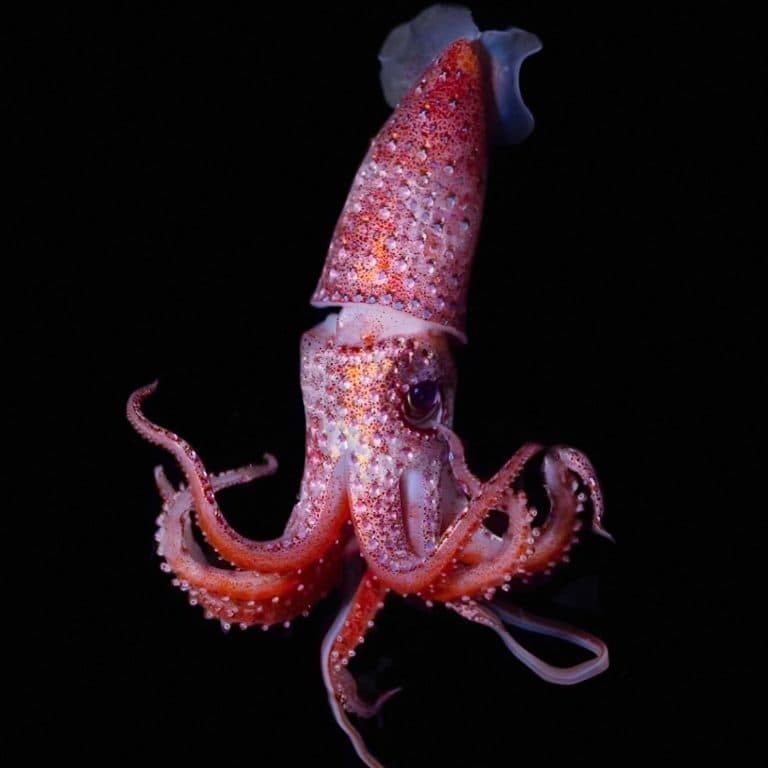
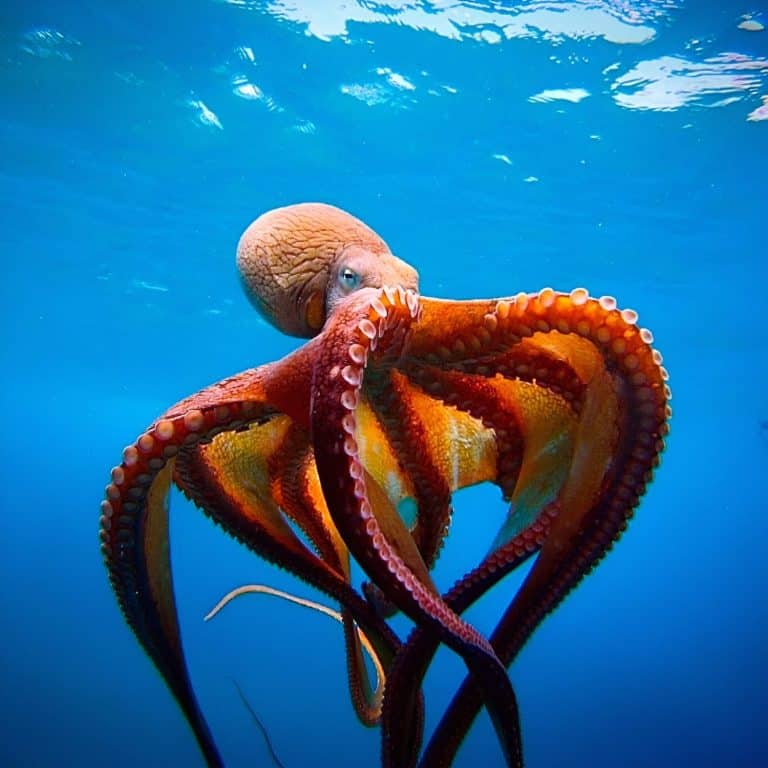
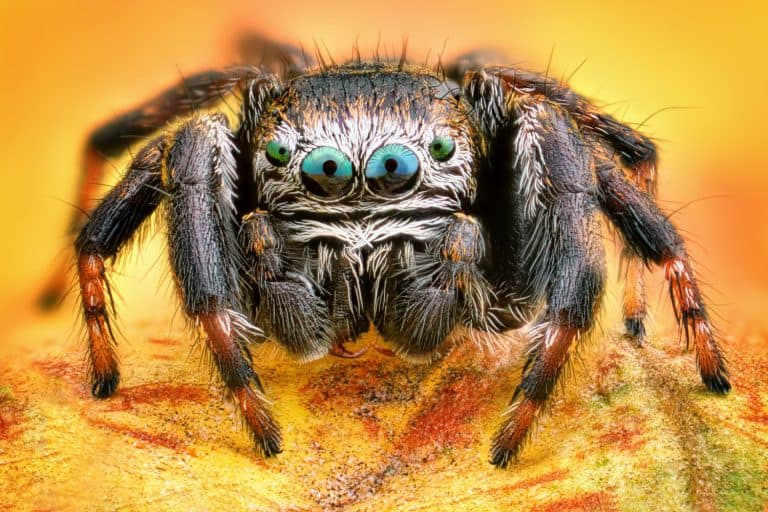
When danger strikes, humans usually have two choices — run or fight. But in the wild, some animals have figured out a third, much stranger option: drop part of their own body to survive. It’s called autotomy, and while it sounds extreme, for these animals, it’s just another day in the wild. Lose a tail, grow a new one. Trade a limb for your life. This high-stakes strategy is surprisingly effective.
Let’s take a closer look at how autotomy works, the animals that use it, and why this incredible adaptation could mean the difference between life and death.
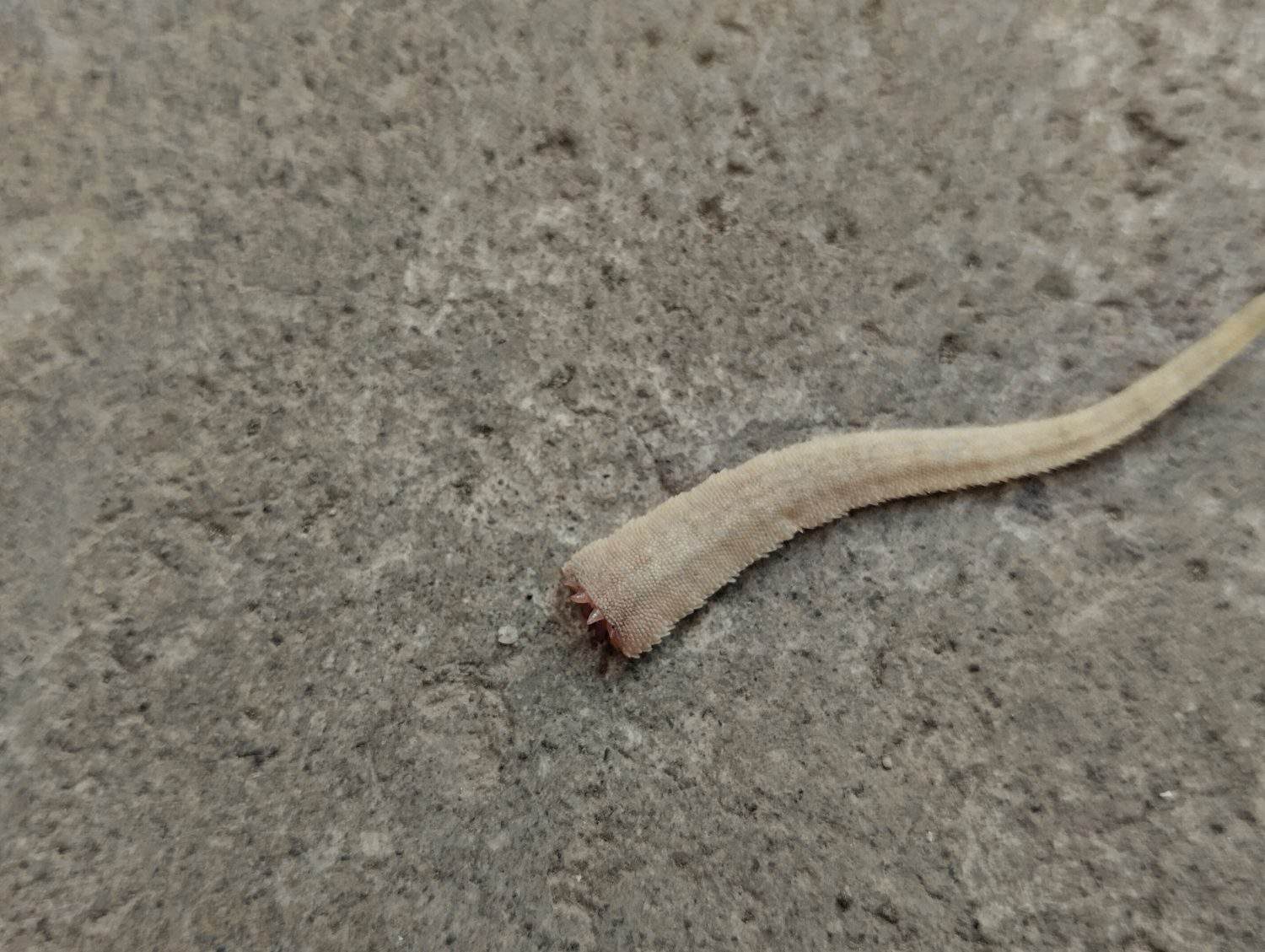
Autotomy is a self-defense mechanism that helps creatures escape deadly situations by self-amputating body parts, such as a tail or limb.
©SANDY.hrmn/Shutterstock.com
Understanding Autotomy
Autotomy refers to an animal’s ability to shed or remove a body part as a defense mechanism. This act of self-amputation is most commonly triggered by stressful situations where an animal is either captured by a predator or stuck in a tight place.
Do All Animals Have This Ability?
Even though autotomy seems like an incredibly effective way to avoid becoming a meal, very few animals actually possess this trait. In fact, the adaptation is primarily seen in invertebrates, reptiles, amphibians, and some fish species.
Most birds, mammals, and fish generally lack the body structure needed to withstand and recover from intentional limb loss, although rare exceptions exist in some species.
Which Animals Can Perform Autotomy?
Animals capable of autotomy generally fall into four groups: reptiles, invertebrates, amphibians, and fish.
Reptiles
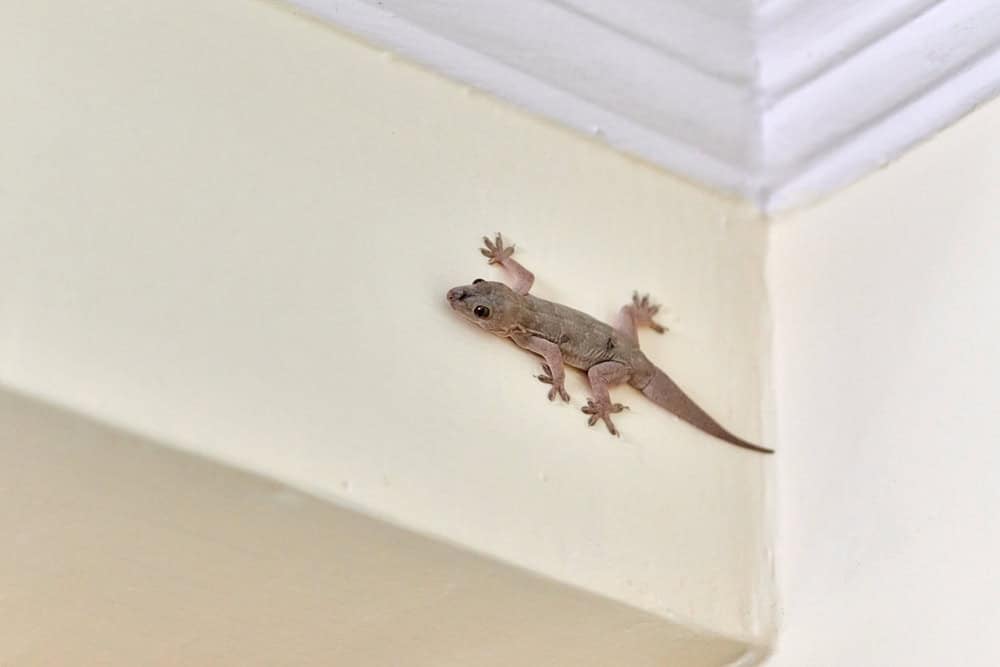
Lizards are likely the most well-known creatures to practice autotomy.
©travelarium.ph/Shutterstock.com
Of all the creatures that utilize autotomy, lizards are the most well-known. For people who live in areas with large gecko or anole populations, it’s common to come across these animals living without tails. While it may look painful, losing their tails is an effective way for these small lizards to escape predators.
Invertebrates
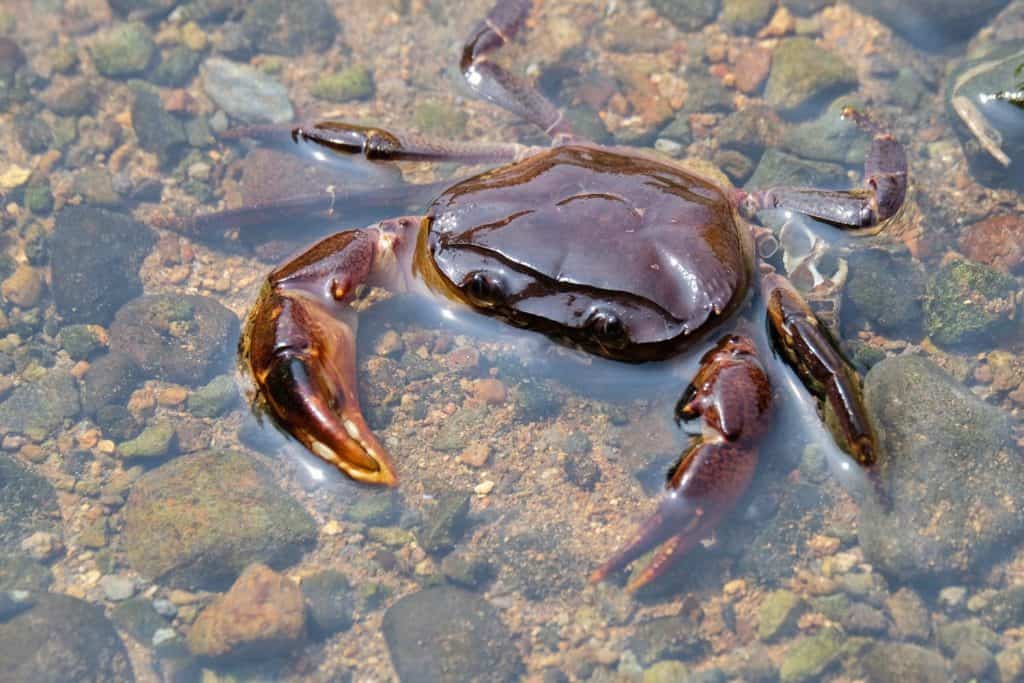
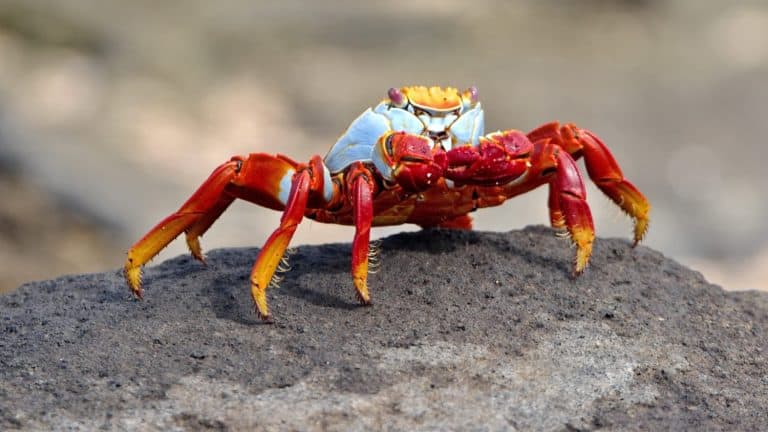
Crabs are capable of autotomy, able to quickly detach limbs and regenerate them.
©Hary Purwanto/Shutterstock.com
Invertebrates also commonly rely on autotomy as a defense mechanism. Their simpler circulatory systems and fewer nerve pathways allow them to quickly detach limbs. Their body structures also make it much easier for them to regenerate and recover from damage than reptiles and other vertebrates.
Out of all the invertebrates that use autotomy, the following are the most commonly studied and documented by scientists:
- Crabs
- Lobsters
- Sea stars
- Spiders
- Octopuses
Amphibians
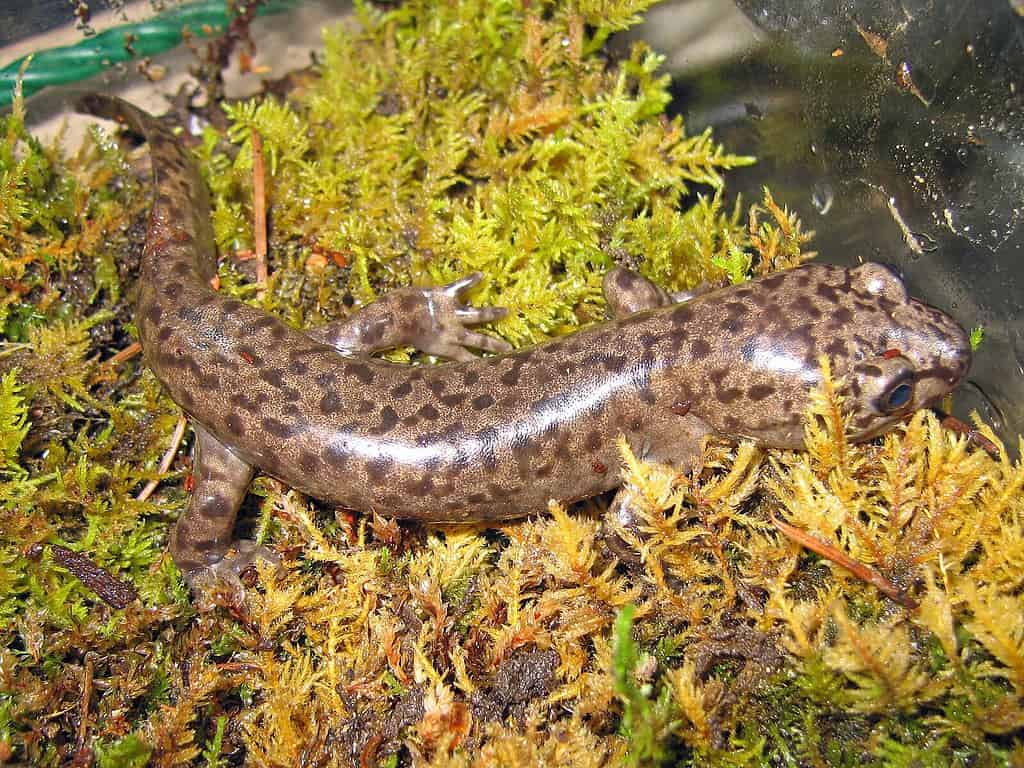
Salamanders are masters of autotomy because they can regrow lost parts with near-complete functionality.
©Greg Schechter, CC BY 2.0 <https://creativecommons.org/licenses/by/2.0>, via Wikimedia Commons – Original / License
While it’s not as common in amphibians, there are some species of salamanders that are capable of autotomy. In instances of distress, salamanders can detach their tails or limbs, providing time to make a quick escape.
Fish
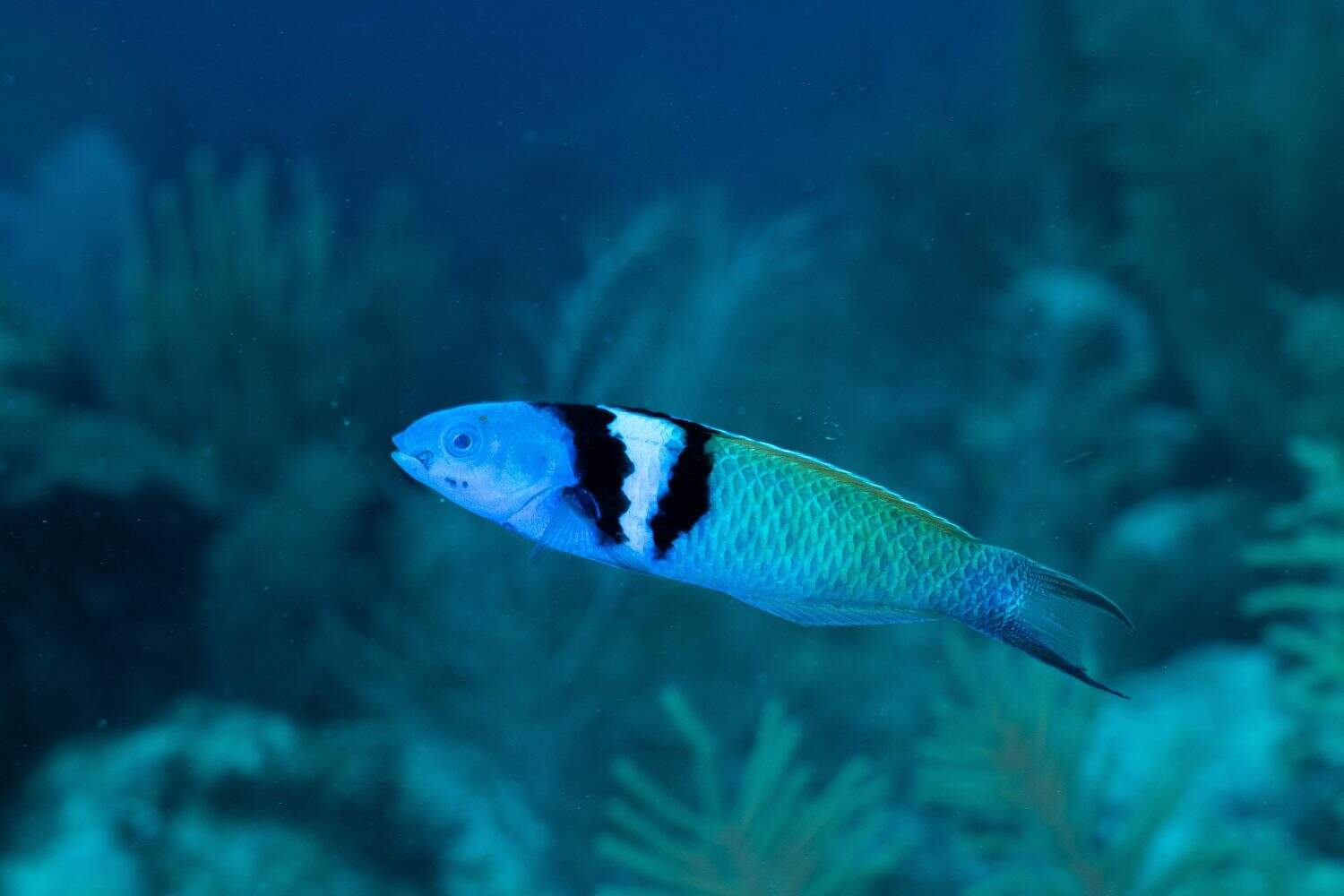
Bluehead wrasse are one of several fish species that practice autotomy.
©Griffin Gillespie/Shutterstock.com
Certain species of fish may practice autotomy in high-stress situations, such as when under attack from a larger predator or when trapped in a predator’s jaws. Bluehead wrasse and some gobies in particular, can sacrifice parts of their tails or fin rays in such scenarios as a last-ditch effort to survive an attack.
When Do Animals Use Autotomy?
Even though autotomy is effective, most animals will exhaust their defensive resources before voluntarily self-amputating. Below are a few of the biggest triggers for autotomy:
- Predator attacks
- Entrapment or entanglement
- Escape through distraction
For example, if a bird attacks a lizard and grabs it by its tail, the animal’s body will contract and sever the tail at a predetermined weak point. As the severed tail continues to move in the bird’s mouth, the lizard can escape.
Do the Lost Parts Grow Back?
There’s no denying the effectiveness of autotomy in helping an animal escape. However, what truly makes this adaptation work is that most creatures who use it can regenerate lost parts.
For instance, if a crab loses one of its claws, it can gradually regrow the lost limb over several molting cycles.
Typically, the regrown body part isn’t a perfect replica, but it’s still functional enough to serve its purpose.
What Are the Benefits of Autotomy?
The main benefit of autotomy is survival. Whether it’s escaping a predator or surviving entrapment, the decision to lose a limb is better than not making it out of the situation at all.
Other benefits of autotomy include:
- Immediate escape: Shedding a tail, limb, or other body part allows the animal to slip away from predators or physical traps.
- Distraction: In many species, the detached part continues to move or twitch, drawing the predator’s attention and giving the animal extra time to escape.
- Reduced injury risk: By sacrificing a non-essential part, the animal avoids potentially fatal wounds to more critical body areas.
- Regrowth potential: In species capable of regeneration, the lost body part can eventually be replaced, meaning the animal doesn’t permanently lose important functions like climbing, digging, or defense.
Although autotomy can lead to temporary disadvantages, such as slower movement or increased vulnerability, it often represents the best option for survival. In the wild, making a quick, costly decision can mean the difference between life and death.