
Quick Take
- The same behavior that makes puffins almost impossible to see all year is exactly what puts them on full display in July. See why July is peak →
- A puffling's first night of freedom involves no flying, no parents, and a race it has never practiced. Follow the puffling's first night →
- When food runs short, puffin parents face a choice with no good outcome, and the chick pays the price either way. See how food shortages affect chicks →
- Puffins only touch land for a few weeks a year, and they're extremely picky about where they do so. That pickiness is exactly why most people never spot one. Find where to spot them →
Right now, on rocky islands across the North Atlantic, one of the most iconic seabird species in the world is busy getting the next generation ready for adulthood. It’s a lot of work, with parents constantly darting back and forth from sea to burrow, their bright orange beaks filled with tiny, silver fish.
Deep inside a dark tunnel dug into the clifftops, the babies wait for mom and dad to bring the next meal. It’s a fast-paced routine, and the clock is ticking. The growing chicks only have until late summer to leave the safety of their burrow forever. That’s when mom and dad head back out to sea for months, leaving the young chicks to fend for themselves.
This is how puffins spend their summers.
Only a Short Time on Land
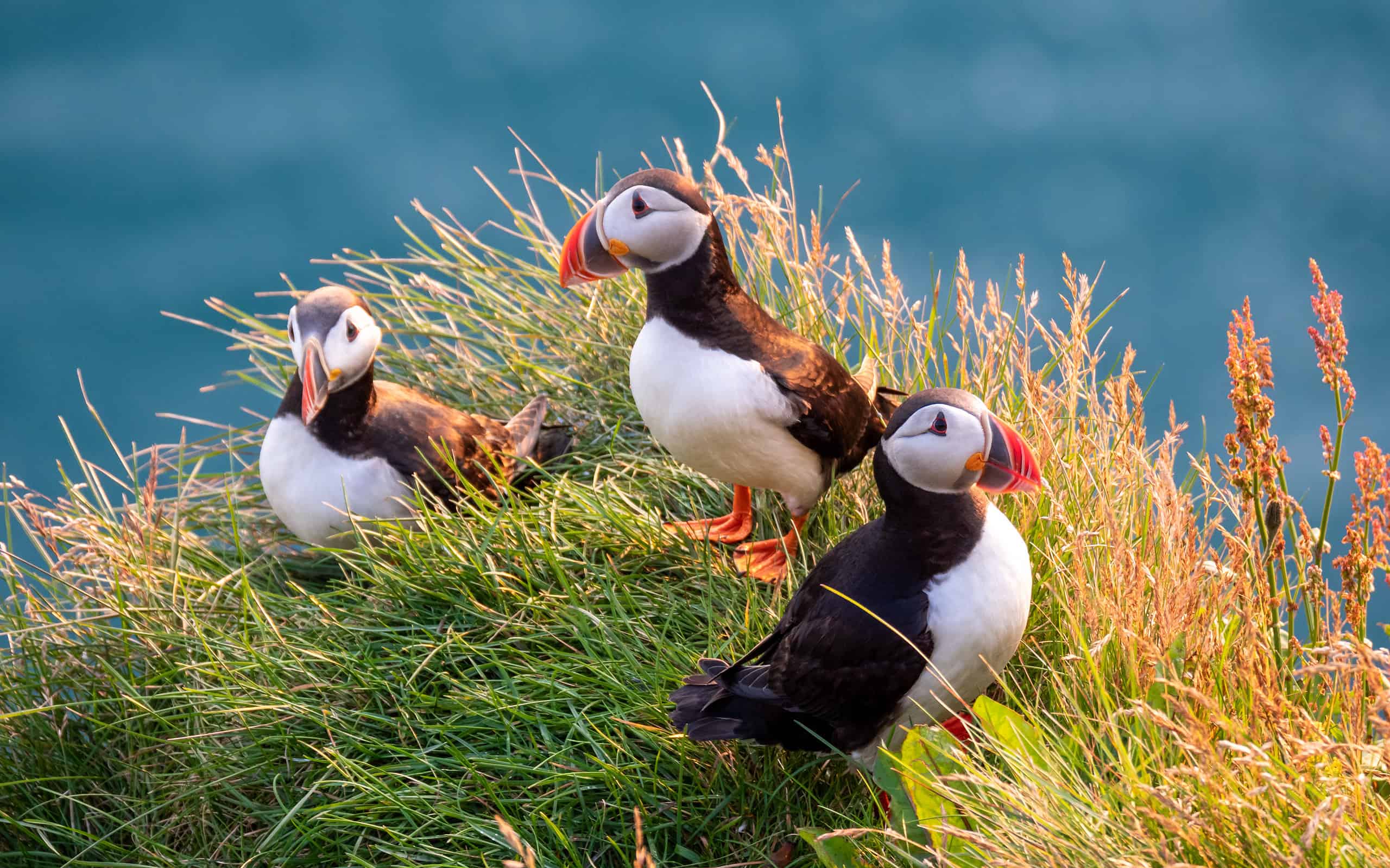
Puffins are seabirds by nature. They spend the majority of each year on the open water, living a solo lifestyle far from shore. They only return to land for several months each summer to breed and raise their pufflings. Even then, puffins are very selective about where they land. They typically select only rugged, uninhabited islands located off the shores of Canada, the United States, Great Britain, and northern Europe.
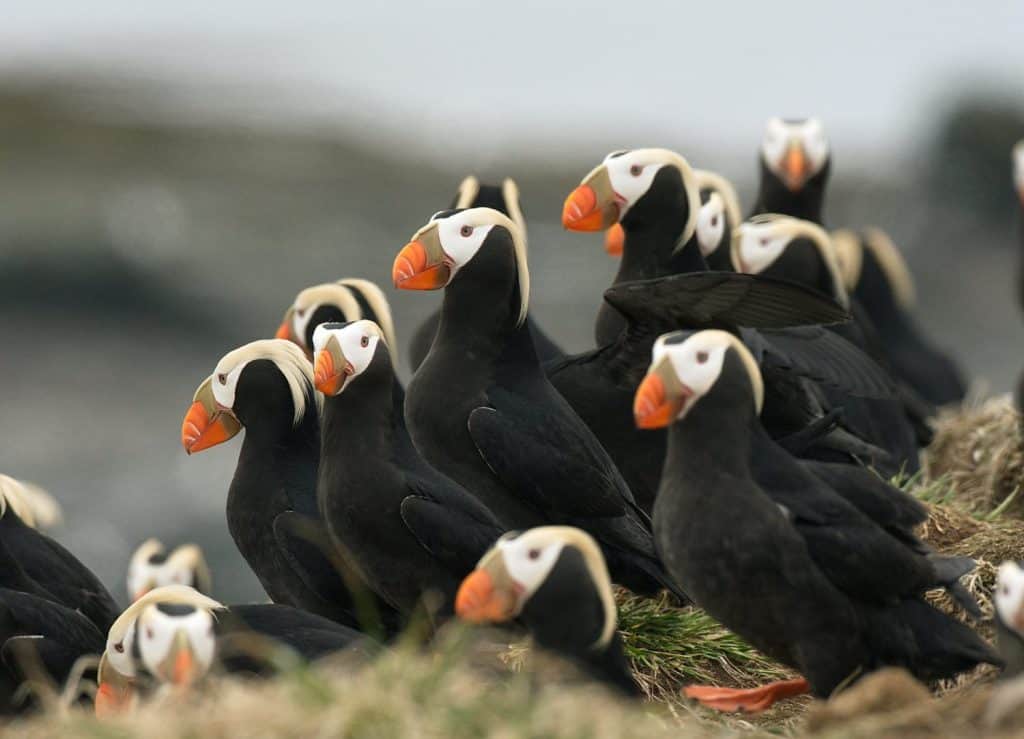
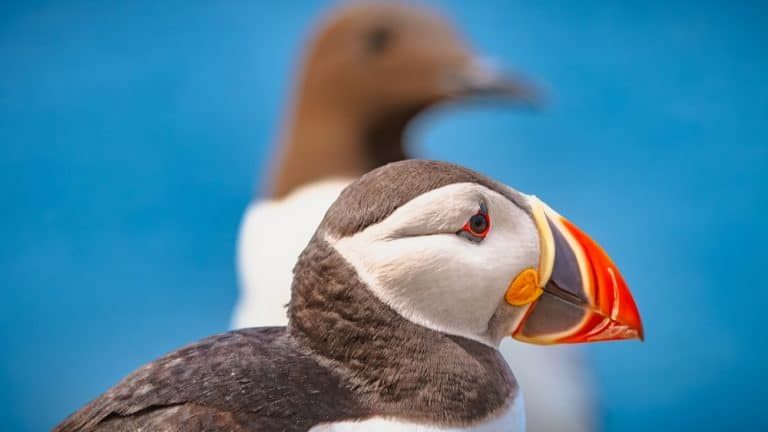
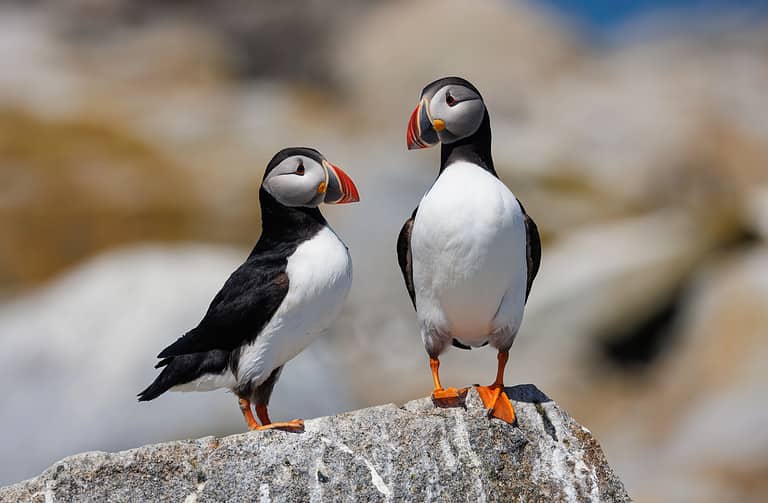
Puffins come together to form colonies only for a few months each year.
©tryton2011/Shutterstock.com
The adult puffins arrive and form colonies in the spring. They look for abandoned burrows or dig new ones where they can safely lay a single egg. That happens sometime between mid-April and May, depending on how far north the colony is.
Both parents share egg-sitting duties until hatching occurs about 40 days later. It’s a very condensed timeline with activity really ramping up in July, which makes that month the best time to see these elusive birds.
What It Takes to Feed a Colony of Pufflings
Once the chick hatches, it stays inside the burrow for safety. Mom and Dad take turns bringing the chick meals. The feedings start off slowly in the early days, but as the puffling grows, those trips ramp up quickly. Parents eventually make up to ten trips a day once the chick is around 3 to 4 weeks old.
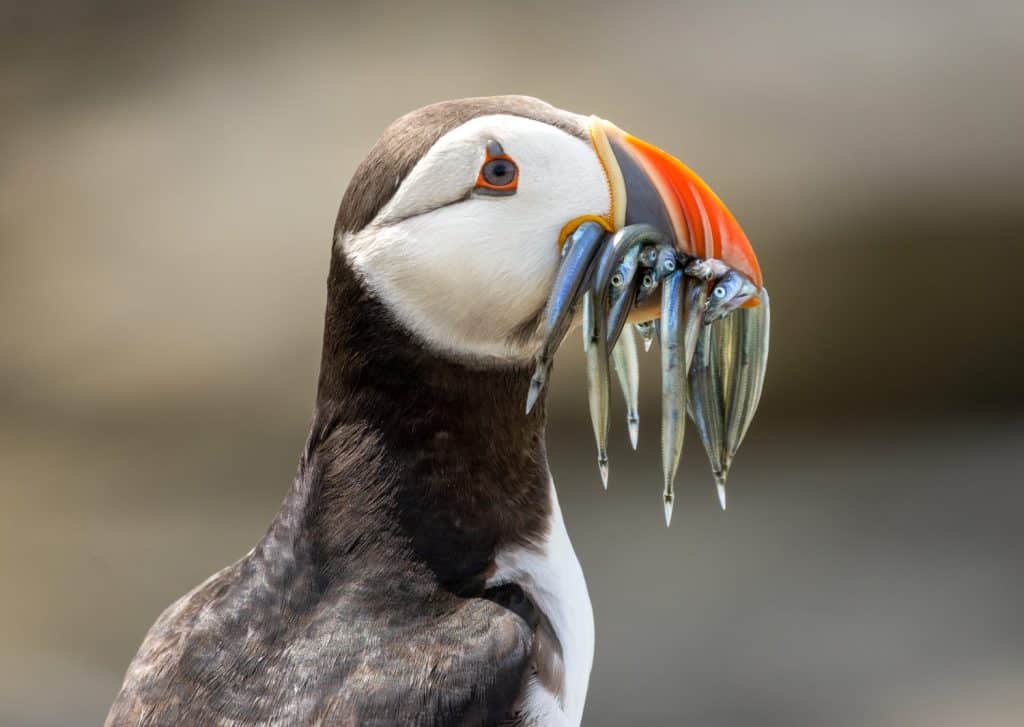
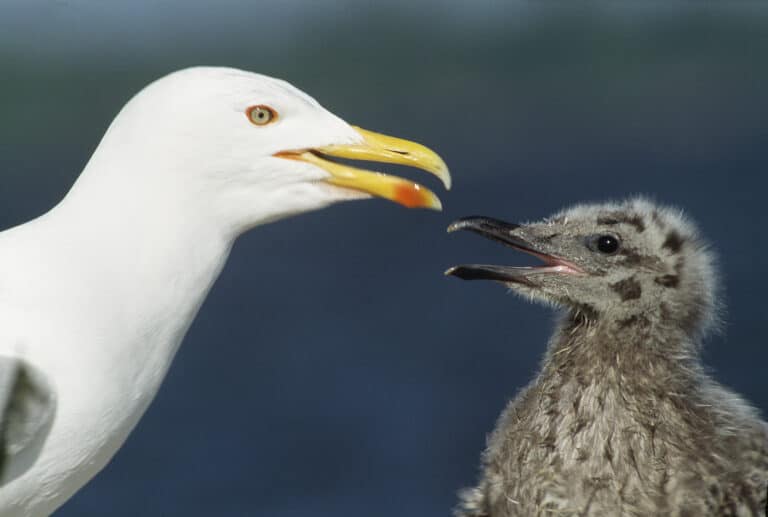
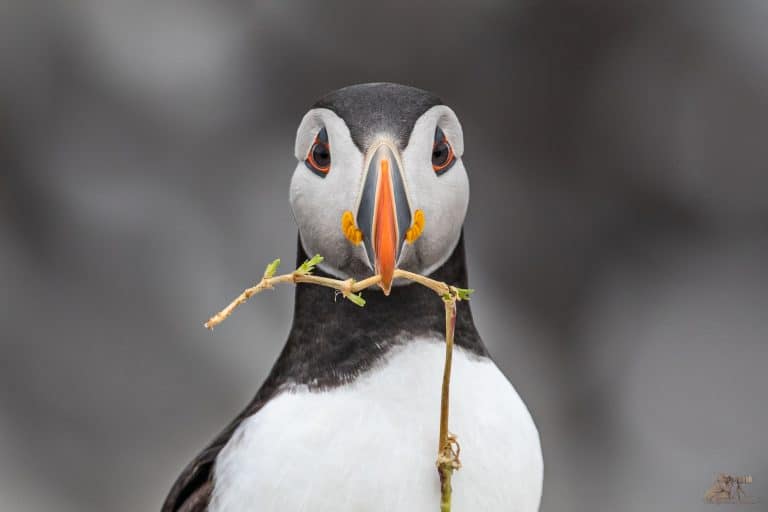
Puffin parents stay busy providing meals for their single chick. Both mom and dad share that task.
©SarahLou Photography/Shutterstock.com
The parents will continue this pace until just before the puffling is ready to fledge from the burrow. It’s also why July is the prime window for seeing adult puffins, since they’re so busy flying from their clifftop hideouts to the sea and then back again. The normally reclusive birds have no choice but to put themselves on full display.
What Do Puffins Eat?
The diet of puffins depends mostly on where the colony lives. For example, puffins in Norway feast on herring. Shetland Island puffins prefer sand eels. Across the pond, puffins in Canada’s Labrador province prefer a tiny fish called capelin. Farther south, along the coast of Maine in the U.S., puffins eat a mix of herring, hake, and sand lance.
Why Do Pufflings Fledge So Fast?
Puffin chicks leave the safety of their burrows typically within six weeks of hatching. At that point, they’ve reached about three-quarters of their total adult weight and are capable of surviving on their own. However, if there’s a shortage of fish for the growing chicks to eat, the window to fledge can get stretched out beyond six weeks. This depends entirely on how much the chick weighs.
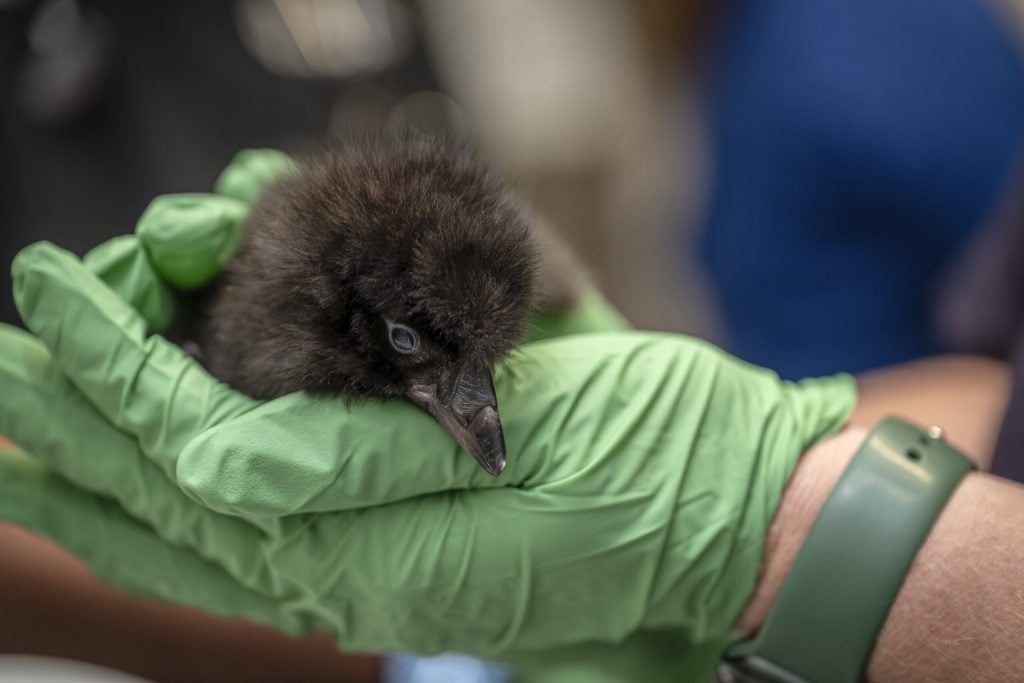
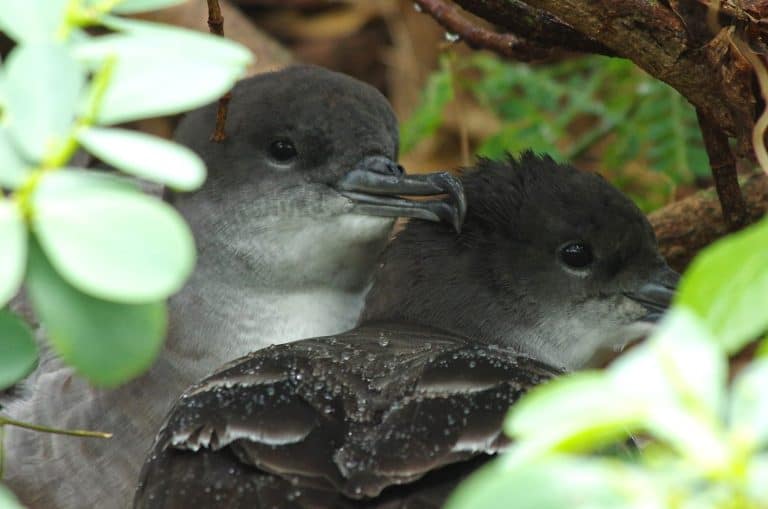
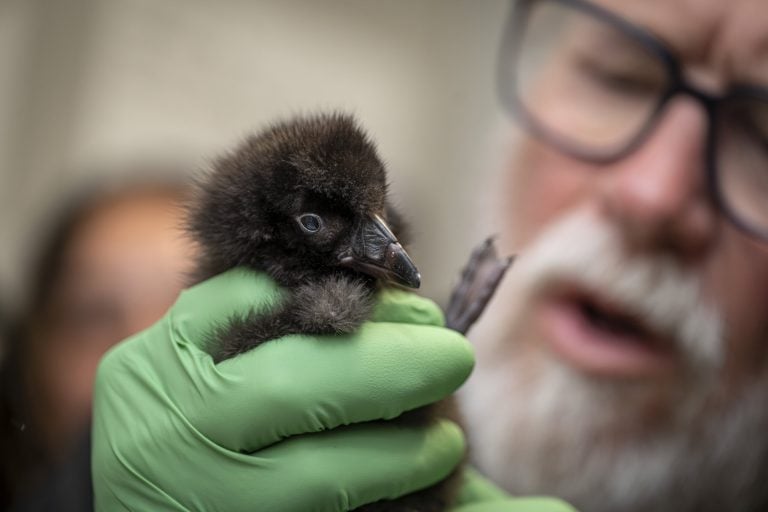
When born, puffin chicks look nothing like an adult bird.
©Monterey Bay Aquarium Press Room
One example of this occurred on Seal Island and Matinicus Rock in Maine. The young puffins born there took nearly 50 percent longer to fledge in a low-food year. The lack of food was linked to warmer sea surface temperatures around the islands.
When that happens, puffin parents face a difficult choice. They can stay and try to get the struggling chick to fledge or leave and try again the following year. If the parents leave, the chick has a very low chance of survival.
What Happens When Pufflings Are Ready to Fledge?
Once the chick is ready, it waits until nightfall to leave the burrow and make its escape. This is to avoid predators like gulls and other birds. Unfortunately for the chick, who cannot fly yet, it faces a difficult start on its own.
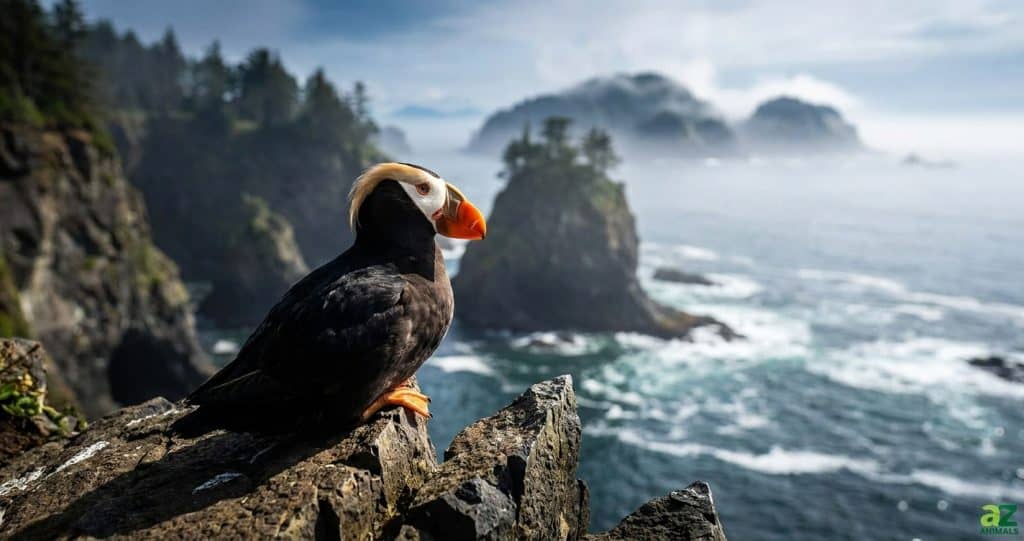
Since they can’t yet fly, young puffins face a tough challenge to reach the safety of the sea.
©A-Z Animals
Puffin chicks are forced to tumble down the cliff face, then swim as far out to sea as they can before the sun comes up. Making it out to sea is just the first step. Young puffins are completely on their own. Swimming is an instinctive behavior for them, but they also have to learn how to catch fish and eventually fly.
Once it makes its move to the open sea, the puffin won’t return to land for several years.
The Best Places to Spot Puffins
If you want to see a puffin in the wild, late June to early August is the prime time to visit one of these puffin hot spots.
Maine, United States
Eastern Egg Rock in Muscongus Bay off New Harbor and Seal Island National Wildlife Refuge are all areas where puffins are regularly seen. There are boat tours available to get you close to the action.
Iceland
Popular sites to see puffins include the Dyrhólaey Peninsula, the Látrabjarg Cliffs on the westernmost point in Iceland, and Heimaey Island in the Westman Islands. Iceland has one of the world’s largest populations of puffins.
Canada
Witless Bay, Newfoundland, and Elliston allow you to view puffins from land along the cliff walks. Elliston is known as the Puffin Capital of North America. You can take a tour from Grand Manan Island to Machias Seal Island and walk among them (while keeping a safe distance, of course).
The Channel Islands
Although these small British islands off the coast of France are not usually listed as top spots to see puffins, they are home to some. I lived on the island of Guernsey and took several kayak tours around the nearby island of Herm to see puffins along its rugged cliffs.
CORRECTION: This article was updated on July 13, 2026. A previous version of this article listed Machias Seal Island as a site in the United States where people can view puffins. Machias Seal Island is an island in disputed water between the Gulf of Maine (U.S.) and the Bay of Fundy (Canada). The Canadian Coast Guard staffs the lighthouse on the island.