Quick Take
- Parrots’ intelligence is on par with that of a human toddler, so isolation and boredom trigger destructive behaviors.
- Destructive behaviors emerge when enrichment is lacking, harming parrots and caregivers.
- Solo parrots can thrive with daily interaction and varied enrichment, challenging the belief that a second bird is always necessary.
- Read on to discover the most well-received items, both natural and purchased, to keep parrots engaged.
Adopting a parrot is an enormous responsibility. These birds require an enclosure that is at least twice their wingspan. The enclosure needs to be centrally located so that the parrot can be involved and communicate with their human family. It also needs to be away from corners to avoid stressing the bird. Given all these enclosure requirements, it’s understandable that physical space is often the primary consideration for parrot care. However, parrots need mental enrichment as much as physical space. However, they are not always afforded proper mental stimulation when living in captivity.
Why Parrots Need Mental Enrichment
In general, pets need a life full of mental and physical enrichment. However, for highly intelligent animals like parrots, mental enrichment is essential for a fulfilling life. Without enrichment, captivity can feel purposeless and stressful for these beautiful birds.
Parrots in the wild use their brains and bodies from sunrise to sunset. They spend their days communicating and socializing with other parrots, foraging for food, grooming themselves and each other, and building nests, all while problem-solving how to make these activities possible. Their days are filled with mental enrichment activities from the time they wake until they go to sleep.
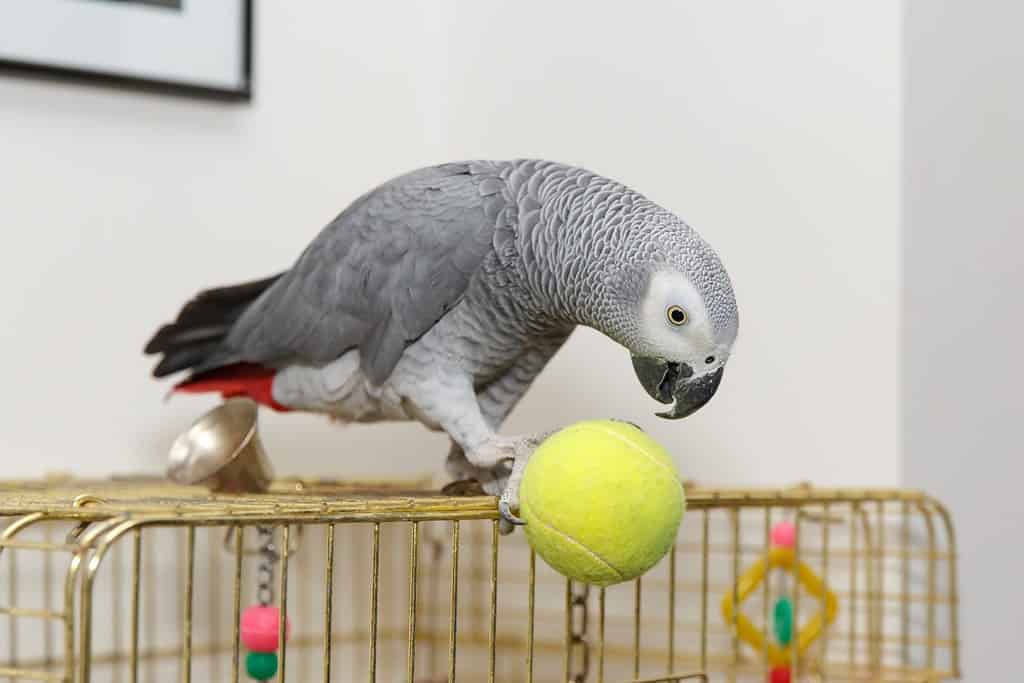
Parrots become bored and frustrated when mental enrichment activities are unavailable.
©GaevoyB/Shutterstock.com
Conversely, some parrots kept in captivity are not provided the means to keep their minds sharp and their activity levels high. When this occurs, the parrots begin to lash out; their intelligence is so great that they are frustrated and bored by the lack of stimulation around them. If the situation is not changed, parrots will take out their hostility on themselves or their caregivers, creating a detrimental situation all the way around.
What Mental Enrichment for Parrots Entails
It is easy to see why parrots need mental enrichment. However, the implementation of mental enrichment activities is not always straightforward, especially for those who are new to the world of caring for parrots.
Put very precisely, enrichment for parrots means creating an environment with activities that challenge their minds and support their emotional health. This means that, in addition to activity-rich enclosures, parrots need regular interaction and engagement from their caregivers.
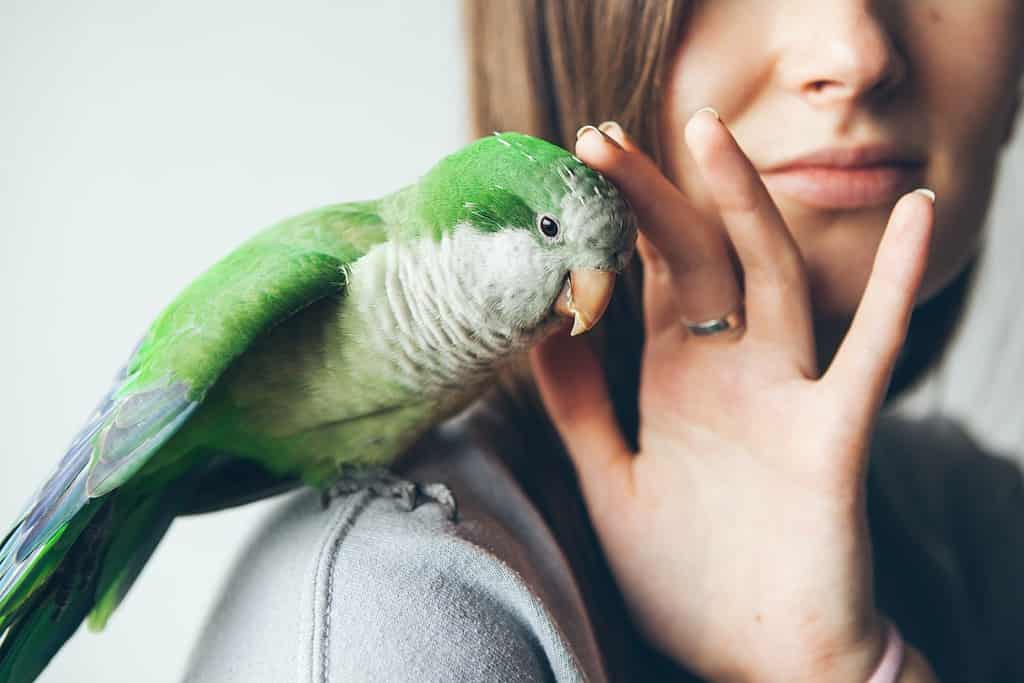
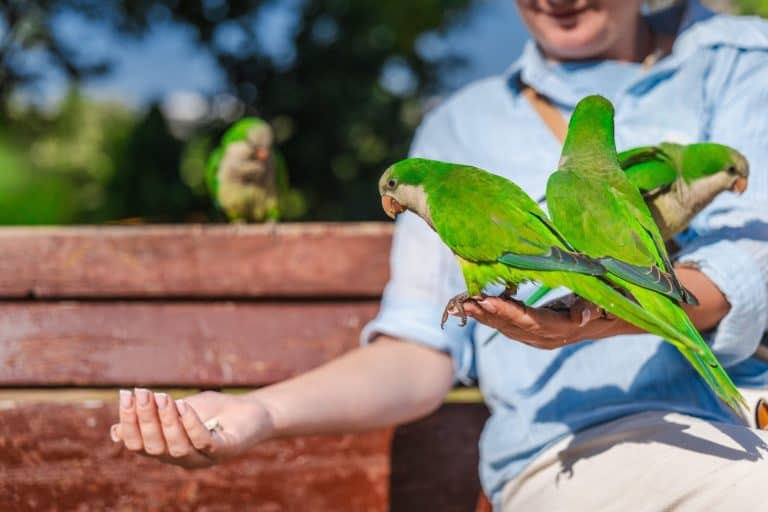
Interacting with their caregivers is a form of mental enrichment for parrots.
©Veera/Shutterstock.com
Because parrots do not do well in isolation, interacting with their humans is essential. Be it through training, play, or even positive reinforcement and attention, parrots need quality time with those who care for them. Parrots should not be confined to their enclosures all day; they need time outside to exercise and explore.
When it is time for parrots to go to their enclosures, they need to be surrounded with activities that keep them physically and mentally active. This could include foraging for food, engaging in activities that mimic their wild instincts, or climbing. The more activities parrots have, the healthier and happier they will be.

What Happens If Parrots Do Not Get the Mental Enrichment They Need?
Parrots are some of the most intelligent creatures on the planet. They can problem-solve, engage in abstract thinking, communicate and use human language appropriately, learn through imitation, and use tools to achieve goals. Their intelligence is on par with that of a human toddler.
Imagine if a toddler were not allowed to play with toys. What would they do as they try to navigate the world? The likely answer is that they would participate in slightly destructive activities, harming themselves or objects around them. This is precisely what parrots do if they are not given access to mentally stimulating activities, which is why mental enrichment is a necessary part of life for parrots.
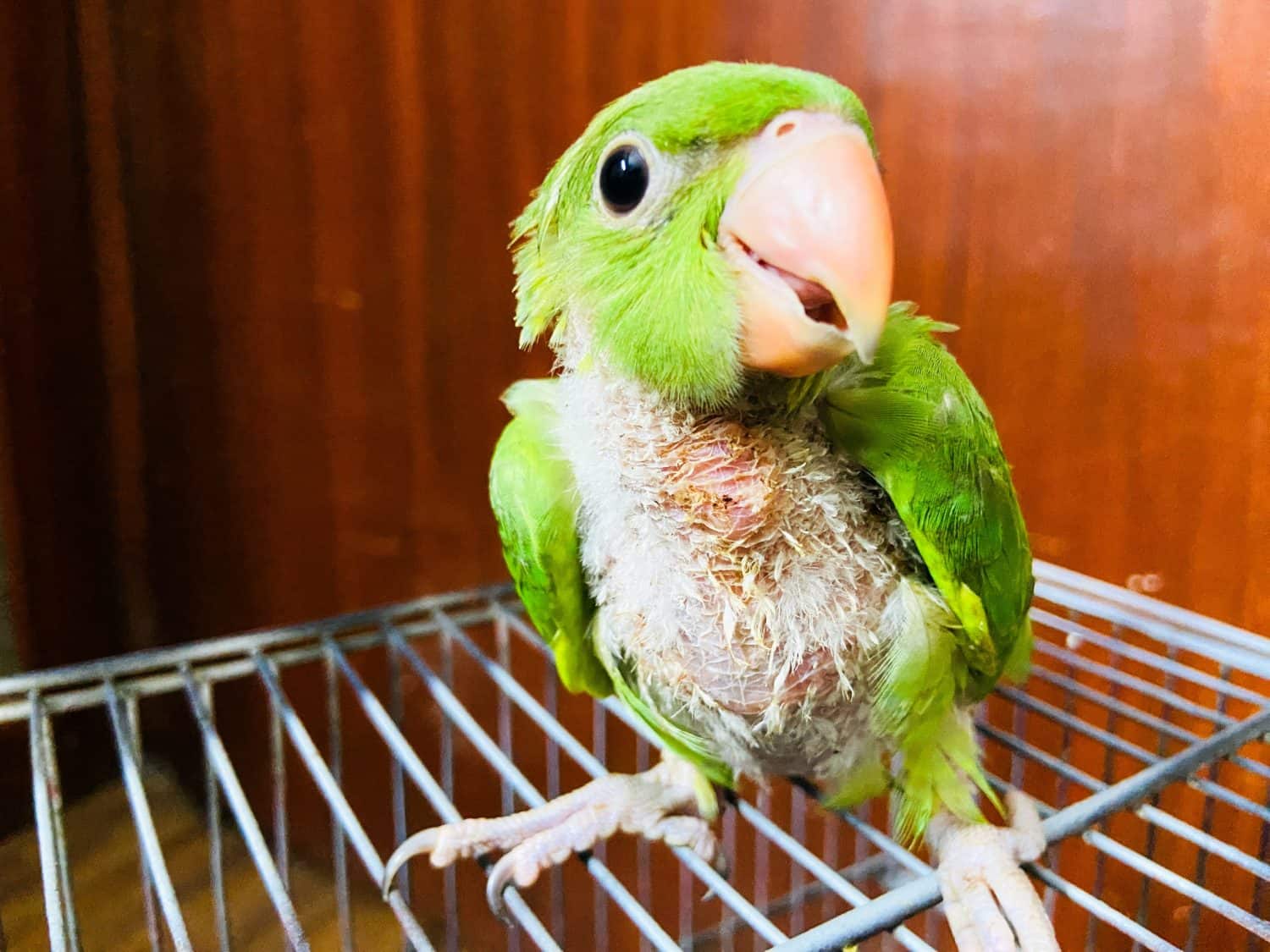
Parrots who pull out their feathers may be lacking mental enrichment.
©Ahsan Aziz Abbasi/Shutterstock.com
When parrots are not provided with the opportunity to use their brains, they become destructive. Some of the most common ways parrots act out when they are not mentally stimulated include:
- Excessive screaming
- Plucking feathers out
- Mutilating themselves
- Aggression
If any of these behaviors are present, it means that parrots are not being challenged or kept busy enough throughout the day. They are bored or stressed. To combat this, many believe that getting a second parrot will solve the problem. However, in some cases, adding another parrot could worsen the problem instead of solving it.
Can Parrots Get Enough Mental Enrichment If They Do Not Have Companions?
Wild parrots live in flocks. These birds are very social and need interaction with other animals to live happy lives. They cannot live in isolation and will become destructive if they do. Because of this, some who would be interested in adopting a parrot turn down the opportunity, for fear that a single bird might become depressed. However, a solo parrot can still receive adequate mental stimulation with proper care and interaction. Some may even dislike being in a home with other parrots. Therefore, all it takes is prioritizing meeting their emotional needs.
Parrots need attention, affection, and engaging activities to stay mentally and physically healthy. For those who take the time and put forth the effort, a lifelong bond will develop between themselves and their parrot. To achieve this, a large enclosure with constantly changing activities is recommended. Plenty of one-on-one interaction is also necessary to keep these beautifully colored birds content.
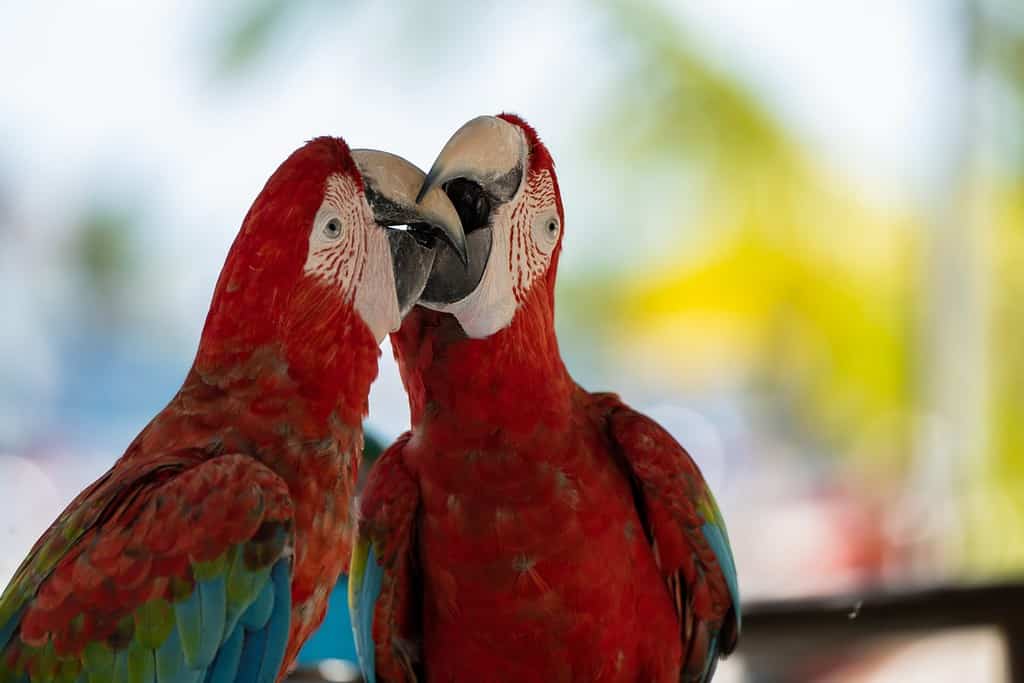
While it can be good for parrots to have a companion, it is not necessary if they are provided with other means of mental enrichment.
©nabyh/Shutterstock.com
After creating a happy home for one parrot, a decision may be made to bring a second parrot into the household to provide companionship. If this is done, the birds cannot be put together immediately. Instead, there are guidelines to follow. Those guidelines include:
- Quarantine the new parrot for up to 45 days to ensure it is healthy
- Introduce the existing parrot and the new parrot gradually and from a distance in their respective enclosures
- Make time together a positive experience by participating in training exercises, grooming, or treat giving
- Monitor for any signs of aggression or agitation on the part of either parrot
- Allow each parrot its own enclosure to ensure no fights over territory
Whether you have one parrot or several, it’s important to provide products and activities that keep them mentally and physically active so they can thrive in captivity. With so many products available, it can be difficult to determine which ones are truly effective for enrichment. Fortunately, there are some tried and true parrot boredom busters that are sure to please even the pickiest of this brightly colored bunch.
Mental Enrichment Products That Are Sure to Please Parrots
A never-ending supply of products claims to beat parrot boredom. However, certain items have been proven over the years to be among the best for keeping parrots mentally stimulated and happy when they are not spending time with their human companions.
For those looking to upgrade their parrot’s enclosure or are adopting a parrot and want to ensure they are creating a top-notch experience, the best products to consider include:
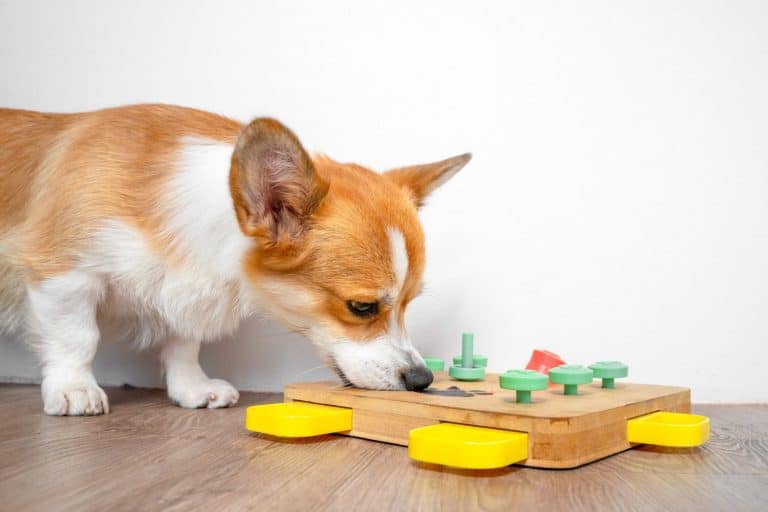
- Treat puzzle toys
- Foraging puzzle toys
- Rope ladders
- Climbing toys
- Mirrors
- Hanging toys
It’s important to note that not all parrot toys need to be store-bought. Natural items like small branches and pinecones can provide excellent play opportunities as well. These natural items serve as outlets for parrots’ instinctive urge to gnaw. Because they are natural, risk of beak injury is lower compared to synthetic toys that encourage gnawing.
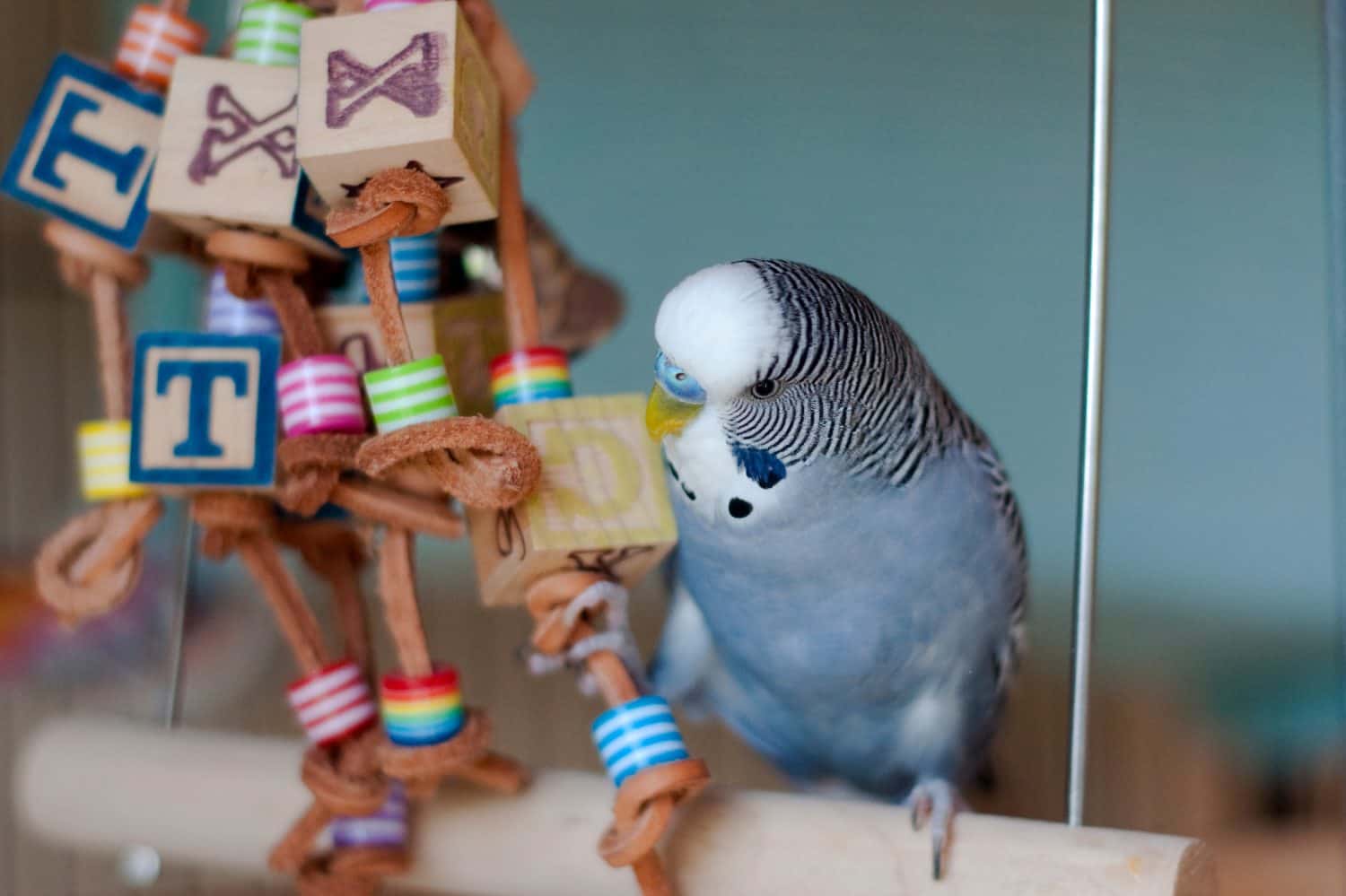
Both purchased and natural items make for great mental enrichment toys and activities for parrots.
©UniqSnaps/Shutterstock.com
Parrots are highly intelligent and do not thrive if left alone in an unstimulating environment. Instead, they will become destructive. To prevent this, parrot parents are urged to include a variety of items and rotate them to keep their parrot interested. By providing a variety of enrichment items and daily interaction, parrot owners can ensure their birds are content both when alone and when spending time with people.