
Quick Take
- Baby Mojave rattlesnakes can't rattle, and there's a good reason why. Why babies can't rattle →
- Its venom attacks the body in two separate ways at once, and size has nothing to do with it. How the venom attacks →
- Most Mojave rattlesnake bites happen because of one specific mistake people make, and the good news is that it is entirely avoidable. Avoid this common mistake →
- What looks adorably harmless in this video is already fully equipped to cause serious damage from the moment it was born. Born dangerous from day one →
Rattlesnakes can be pretty frightening and for good reason. However, that doesn’t make them all terrifying, especially small babies. One example is the baby Mojave rattlesnake, which is both adorable and dangerous. This YouTube video from Rattlesnake Solutions shows a woman who caught one of these snakes, and its tiny size is undeniably cute. Read here to learn more about the Mojave rattlesnake.
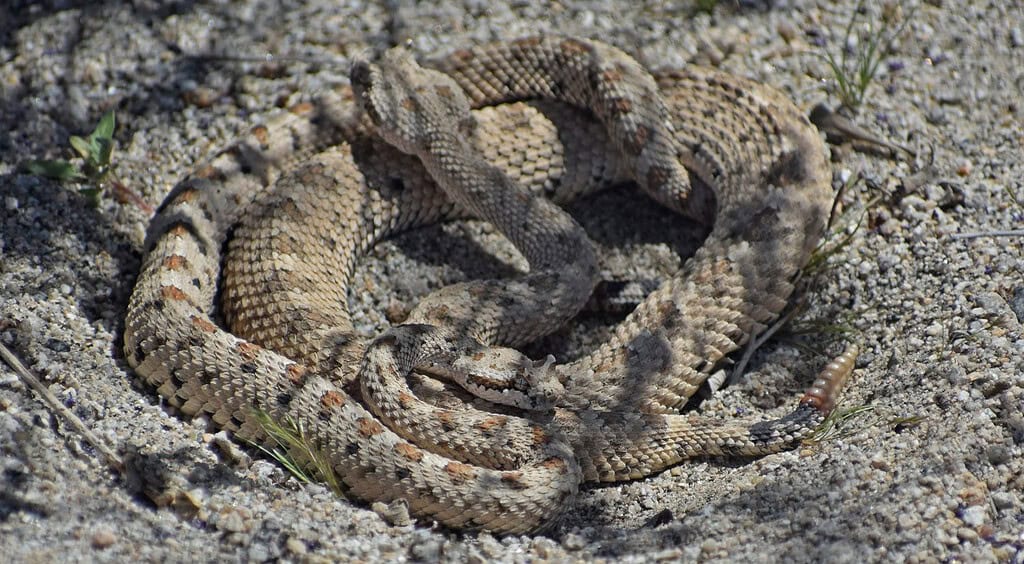
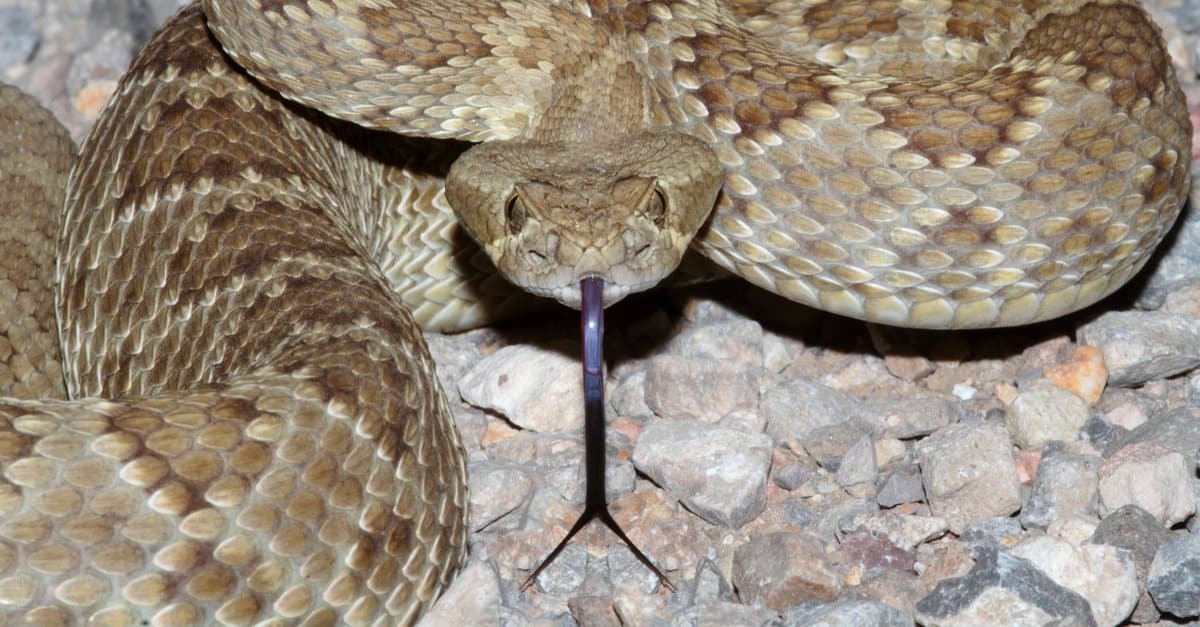
Mojave rattlesnake bites can be life-threatening, but with modern medical care, most people survive.
©Diane N. Ennis/Shutterstock.com
About the Mojave Rattlesnake
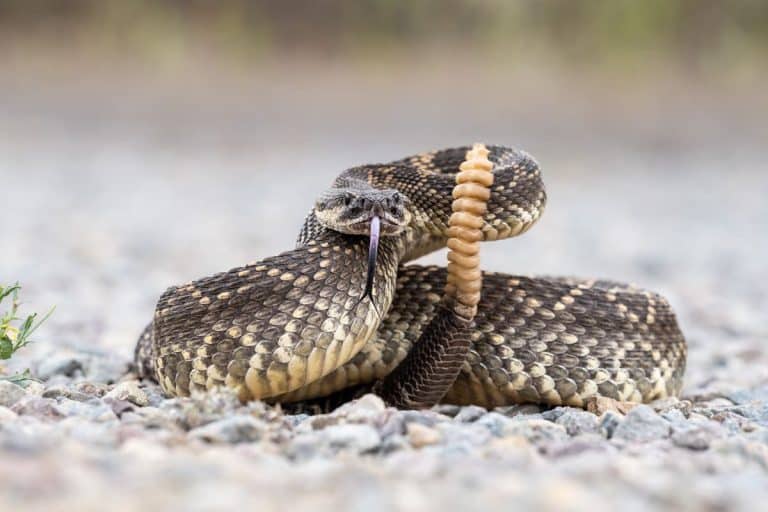
The video above shows a woman who caught a baby Mojave rattlesnake in a bucket. She is clearly very brave, as rattlesnakes are intimidating, especially Mojave rattlesnakes. These venomous reptiles are native to the southwest United States, including California, Arizona, Nevada, and New Mexico. With deserts and arid scrublands, these states are ideal for them. Mojave rattlesnakes are mainly active at night to avoid the extreme desert heat. While the baby in the video is very small, the species is known to grow quite large. A typical adult grows to about three to four feet long, with some reaching up to five feet. The reason you don’t hear the threatening rattle in the video is that baby rattlesnakes are born with only a single button at the end of their tail, which cannot produce sound until after their first shed, when additional segments are added.
While the baby in the video looks too tiny to be harmful, it is important to note that these snakes are still extremely dangerous to humans even as juveniles. From birth, Mojave rattlesnakes are extremely venomous. Babies have functional fangs and venom glands that can inflict serious damage. This species in particular has especially potent venom that can affect both the nervous system and blood circulation. While babies may have a lower venom yield than adults, they can still pose a problem. If you see one, slowly back away and do not touch it. Most bites happen when people try to handle removal on their own. In these scenarios, it’s best to call a professional to help remove them from your home.