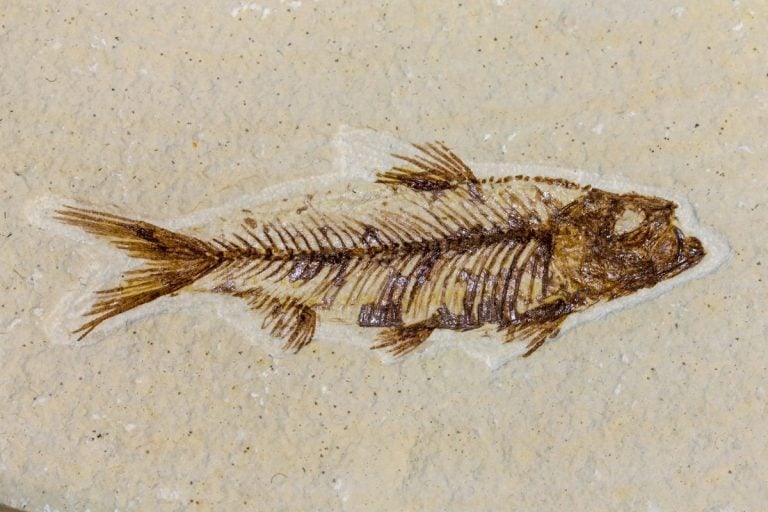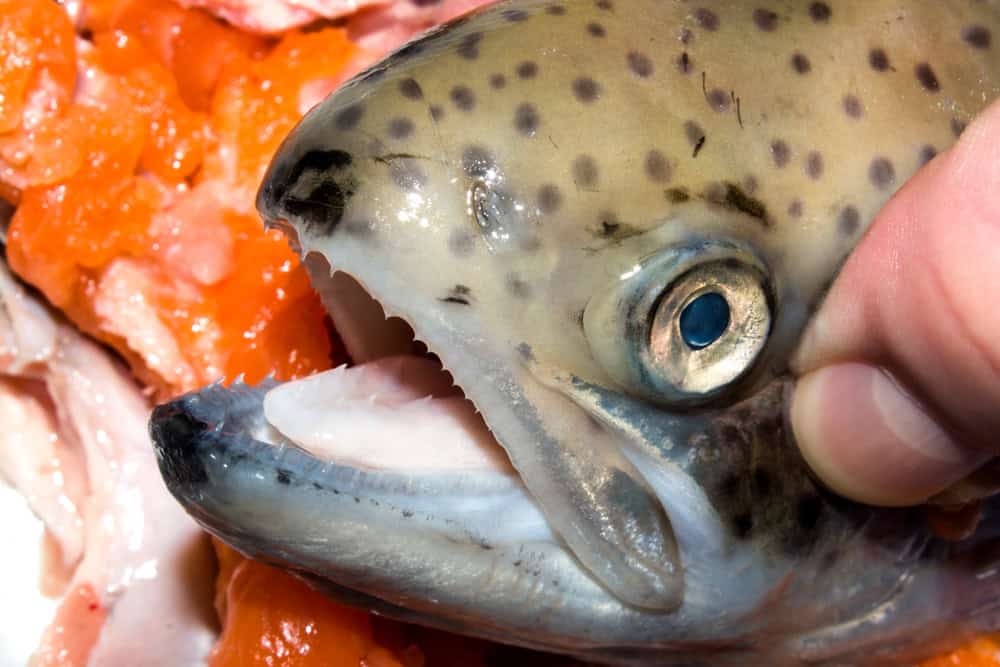

Scientists are constantly discovering the fossils of mysterious and fascinating ancient creatures. Researchers have recently published details of one such discovery. It is a very interesting ray-finned fish that has a ‘tongue bite’! Here we share further details of this significant find.
An Exciting Discovery
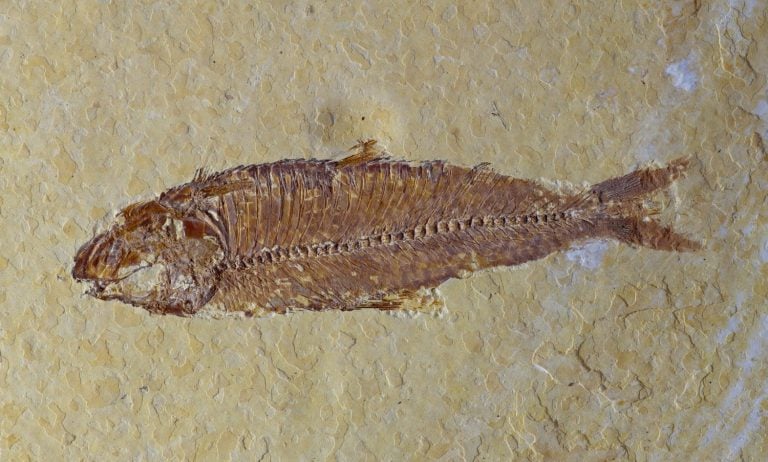
This significant find was reported by an international team of researchers supported by the Royal Society, the National Science Foundation, and the Natural Environment Research Council. It was discovered in Carboniferous rocks in the UK county of Staffordshire, which means that it is 310 million years old. Importantly, the Carboniferous period follows the Devonian period and therefore came just after the End-Devonian Mass Extinction, when many species were wiped out. Whilst mass extinctions are clearly a disaster for the species that are lost, they provide an opportunity for those that survive. The fish that were still alive developed new feeding adaptations that allowed them to exploit the now vacant ecological niches. This led to some very interesting developments.
Explaining the Second Jaw
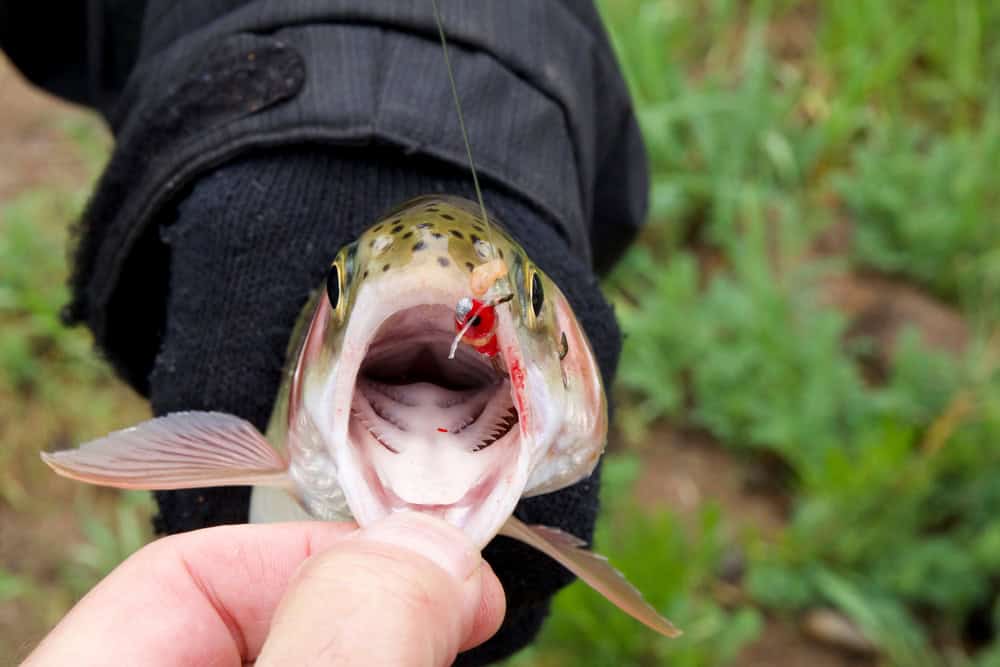
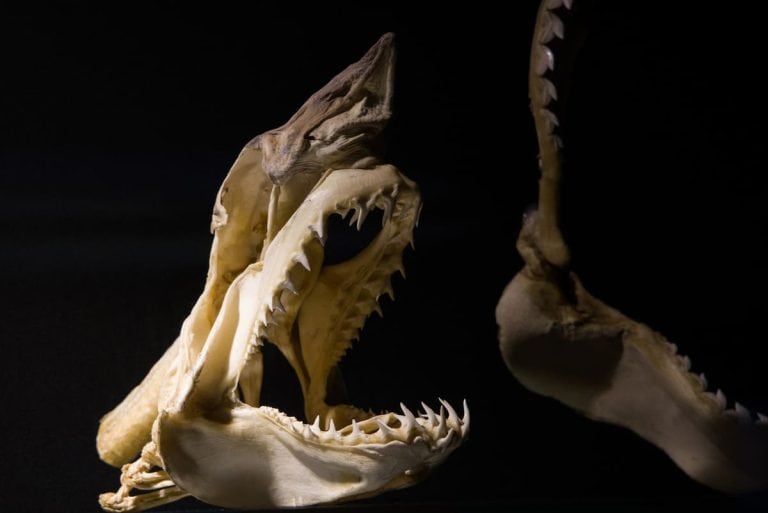
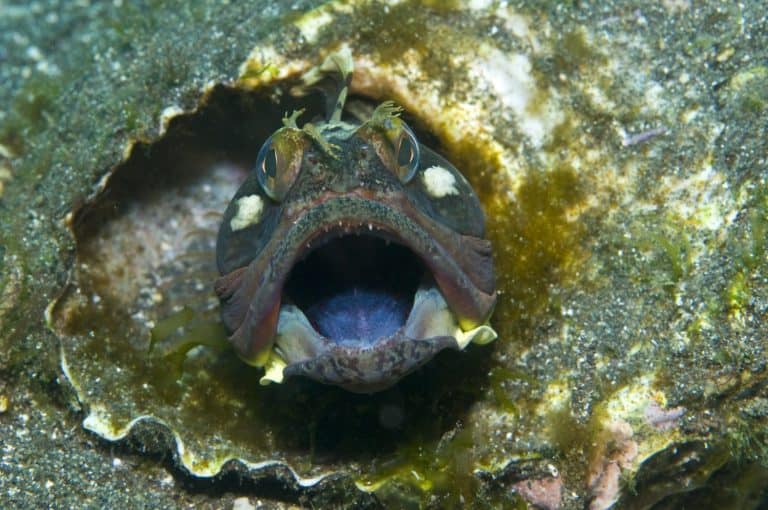
Tongue biting uses teeth on the roof of the mouth.
©Rexjaymes/Shutterstock.com
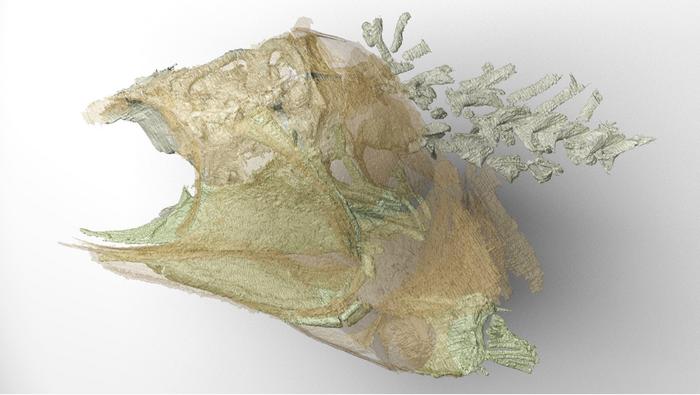
The team used high-resolution CT scans to reveal the fossil’s internal anatomy. The fish, named Platysomus parvulus, had what scientists call a ‘tongue bite’. Previously, the oldest known tongue bite in fish fossils was from about 150 million years after the Carboniferous period, making this the earliest example ever discovered. Some modern fish, including trout, have this physiological feature, so the scientists know what the teeth would have been used for. A set of opposing teeth on the roof of the mouth and on the lower jaw is used to grip and crush prey..
Detailed analysis of the fossil revealed a single layer of pointed teeth arranged on a multi-part lower tooth plate and a narrow upper plate. This is a less sophisticated adaptation than that seen in later fish species. Speaking for an article in Science Daily, co-author Dr Matthew Kolmann, from the University of Louisville, explains, “Later fish, like the Bobasatrania group, had more advanced tongue bites and did not use their jaws at all, relying on their tongue bite to crush hard food. Platysomus parvulus is like a missing link between simple jawed fish and more advanced tongue-biters.”