
Quick Take
- A rat in Assam, India, broke into an ATM and shredded around $17,600 in cash, though it did not consume it for nutrition.
- Rats chew on paper primarily for dental health and nest building, not to gain calories.
- Ingesting nonfood items like shredded banknotes can harm rats and cause blockages or other health issues.
It was as if Pixar was trying to make a version of Ocean’s 11. In the town of Tinsukia in the Indian state of Assam, technicians were called to fix an ATM that had been out of order for nearly two weeks. When they pried open the machine, they realized that the machine had been broken into…by a rat.
The technicians were greeted by a strong smell and a surprising sight: shredded Indian rupee notes. Unfortunately for the would-be heister, they also found the body of a dead rat. Rats are excellent at squeezing through small openings, and many species can flatten their bodies to fit through tiny spaces.
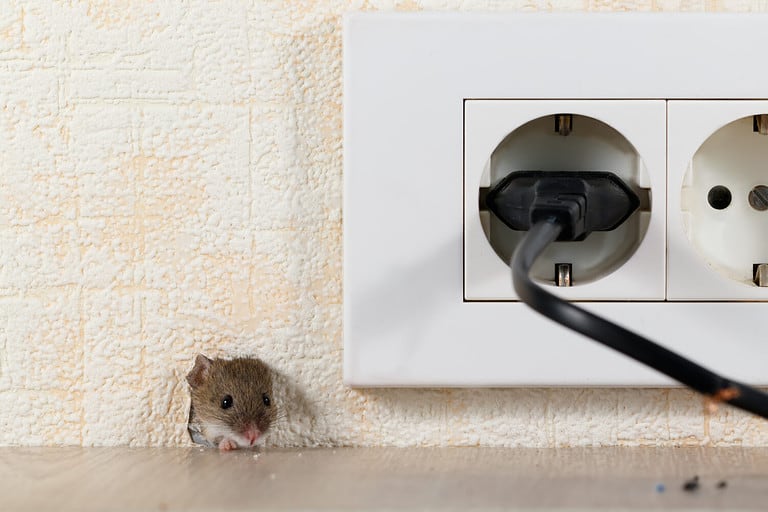
In this case, the ATM likely had a gap where electrical cables passed through, and that was enough for the rat to enter. A warm, enclosed space like the inside of a machine can be attractive to rodents looking for shelter, especially in areas with cold nights.
Once inside, the rodent found its way into the cash vault. Most thieves would have then stuffed the money in a duffel bag and then gotten the heck out of there—the rat, instead, chose to chew it up.
Officials estimated that the ATM originally contained about 2.9 million Indian rupees in cash, which was worth around $42,000 in U.S. dollars at the time. Of that amount, about 1.2 million rupees had been shredded or damaged by the rodent—approximately $17,600 in American dollars.
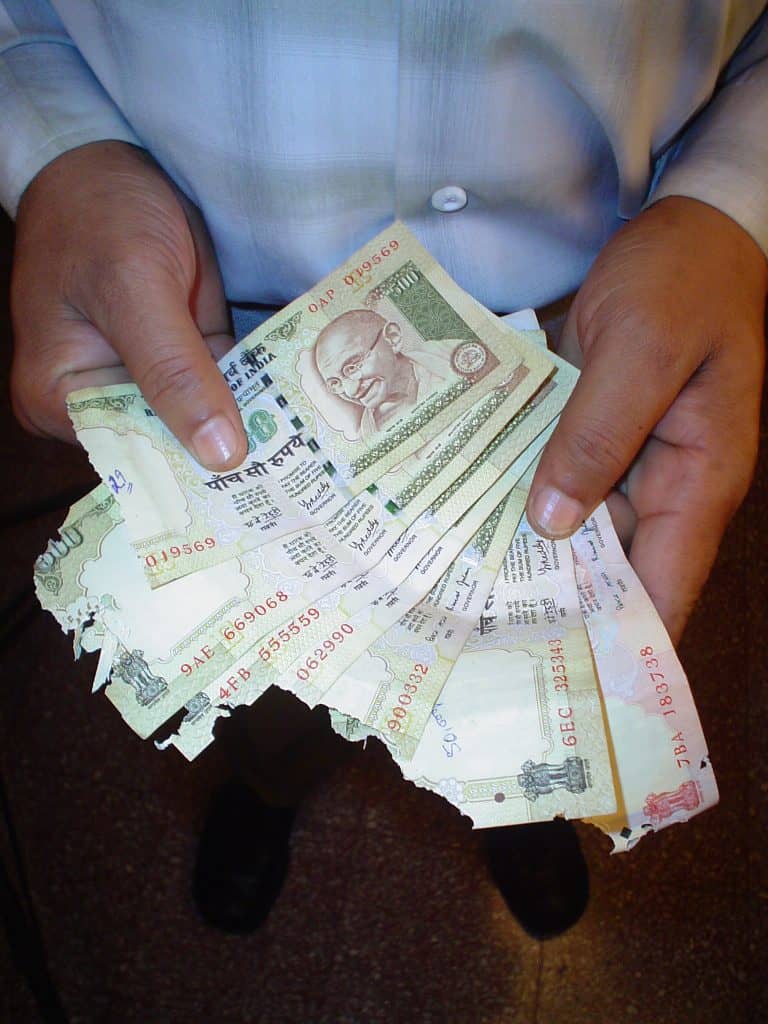
A rat broke into an ATM in India and chewed up the equivalent of close to ,000 U.S. dollars.
©Reserve Bank of India / Biswarup Ganguly, CC BY-SA 3.0 – Original / License
Why Would a Rat Eat Money?
It wouldn’t. It made for great headlines to claim that a rat had “eaten thousands of dollars,” but the reality is slightly more boring. Paper currency is made from cotton and sometimes linen fibers. It has no nutritional value, hence a rat wouldn’t eat it.
Rats are omnivores, which means they eat both plant and animal matter. Their diets are extremely flexible. Wild rats will eat grains, seeds, fruits, vegetables, insects, small animals, and nearly any organic material they can scavenge. They are notorious for raiding garbage, food storage, gardens, and even pet food left outdoors. Pet rats, which are usually domesticated brown rats, are fed a balanced diet of commercial pellets along with fruits, vegetables, and occasional protein like cooked eggs.
But despite being diverse, non-picky eaters, paper money isn’t on their broad menu. So then why did it chew it all up like that?
Rats chew on items like paper for a number of reasons beyond looking for food. One major reason is dental health. Rodent incisors grow continuously throughout their lives, unlike human teeth. If a rat doesn’t wear down its teeth through chewing, the teeth can overgrow and cause pain or difficulty eating. Chewing on objects helps keep those teeth at an appropriate length.
Then there’s nest building. Rats create nests out of shredded paper, fabric, and other soft materials. A warm, secure nest helps protect young rats and provides shelter. If a rat finds a stash of paper, it might gnaw it into smaller strips to use as bedding—behaviors which could explain why the rat in the ATM chewed on bundles of banknotes.
Urban environments provide a wide range of materials that attract rodents for chewing and nesting. That is why property owners often find rats damaging insulation, electrical wiring, cardboard boxes, and even structural wood. Pest control professionals frequently emphasize sealing small openings in buildings to prevent rodents from entering and causing damage.
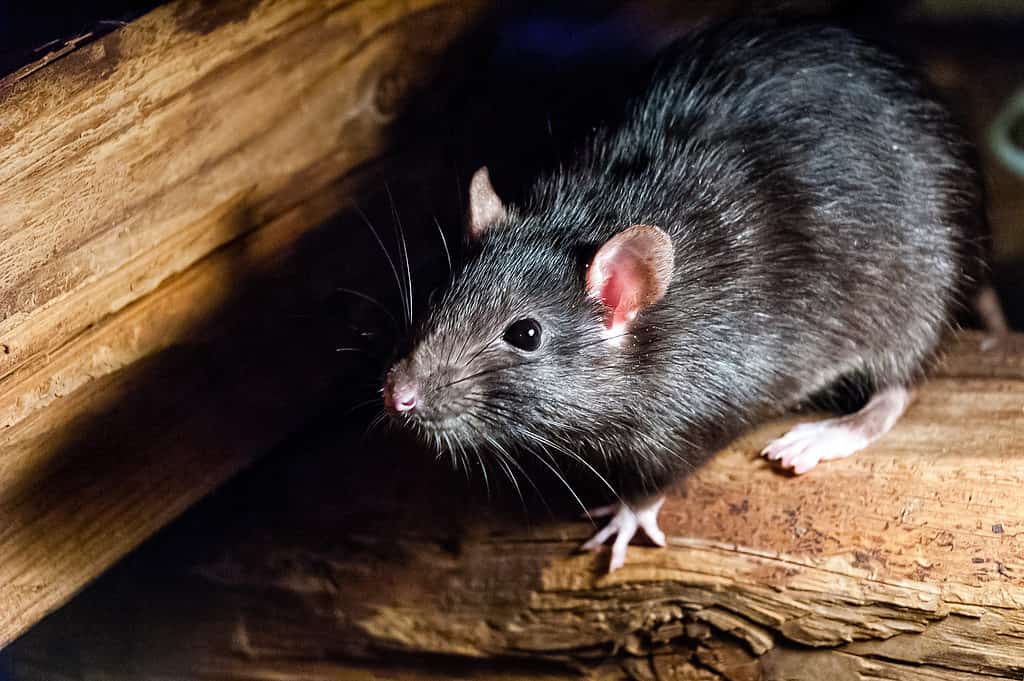
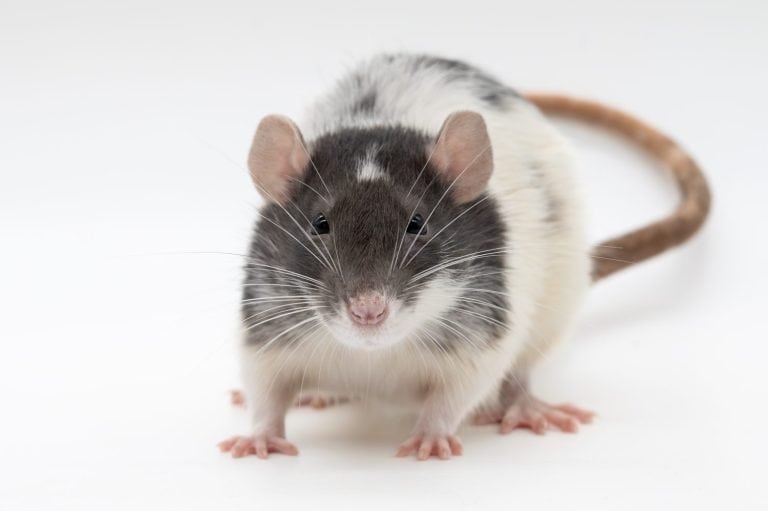
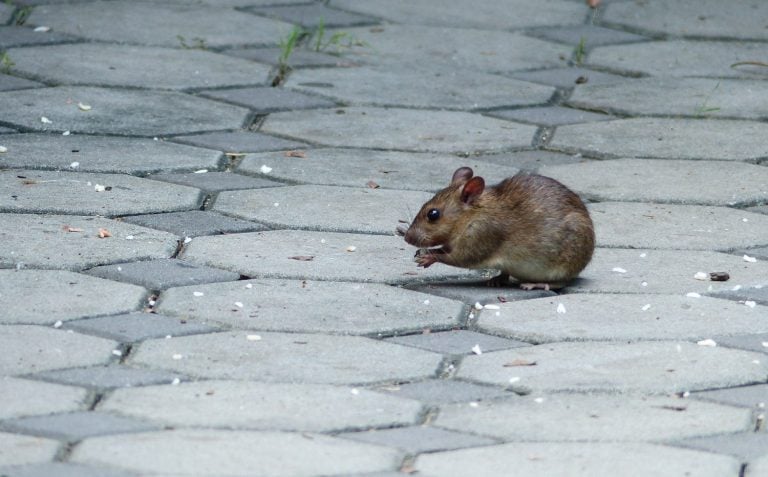
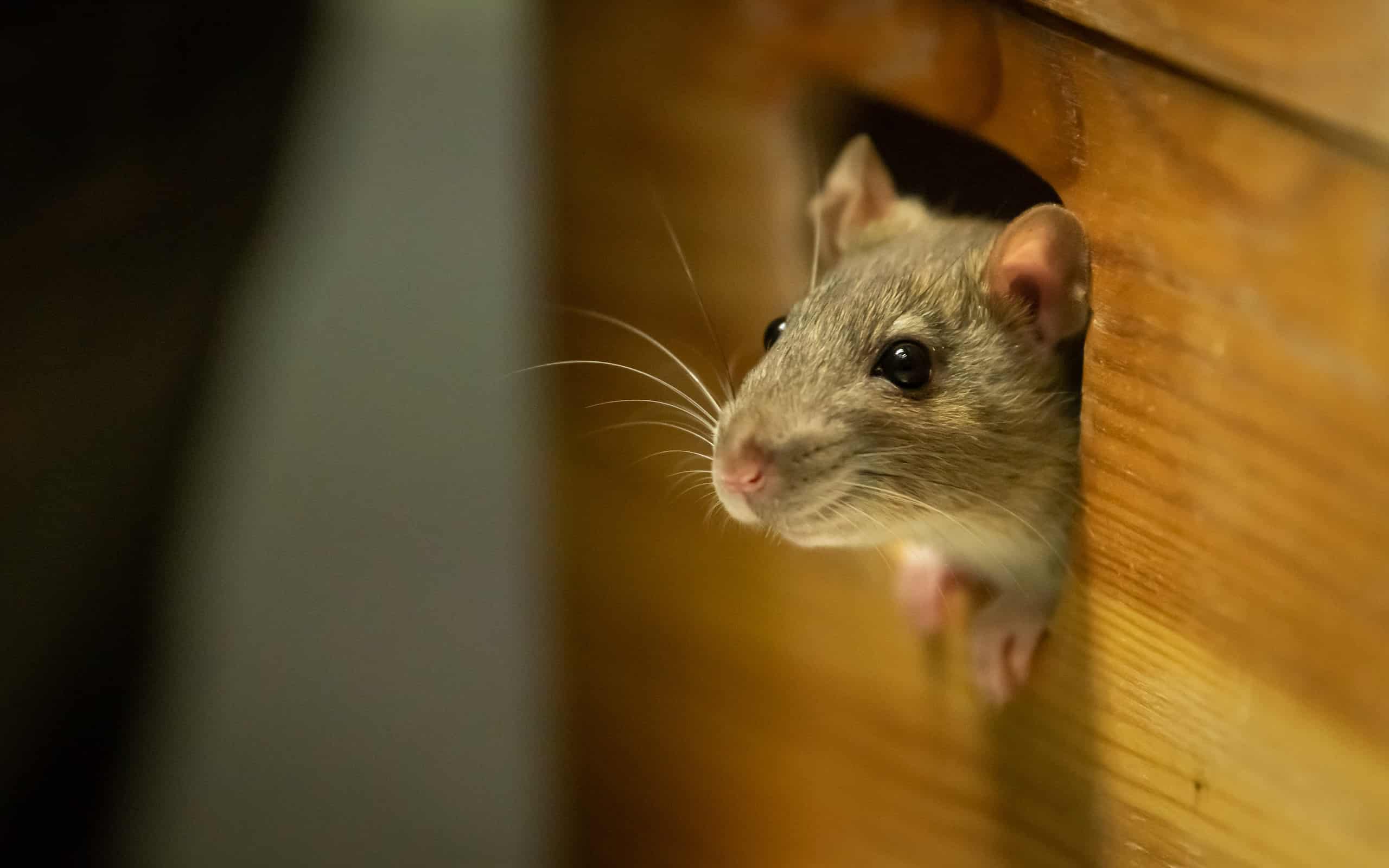
Rats are omnivores that eat seeds, fruits, vegetables, insects, and scavenged human food–not money.
©Carlos Aranguiz/Shutterstock.com
Could Eating Money Make a Rat Sick?
Yes. If the rat swallowed pieces of money or other nonfood material inside the ATM, that could indeed make it sick. Rats’ digestive systems are designed to break down organic food like seeds and plants, not cotton or linen fibers from currency or plastic and other packaging. If a rat ingests enough indigestible material, it can lead to blockages in the gastrointestinal tract, which can be painful and potentially fatal.
In the ATM incident, the rat was found dead inside the machine. Without a necropsy, it’s impossible to say exactly why it died. It could have starved, become trapped and unable to escape, suffered internal blockages from ingesting indigestible material, or even died from stress or lack of food. But chewing and possibly swallowing pieces of shredded banknotes and paper could certainly have contributed to health problems.
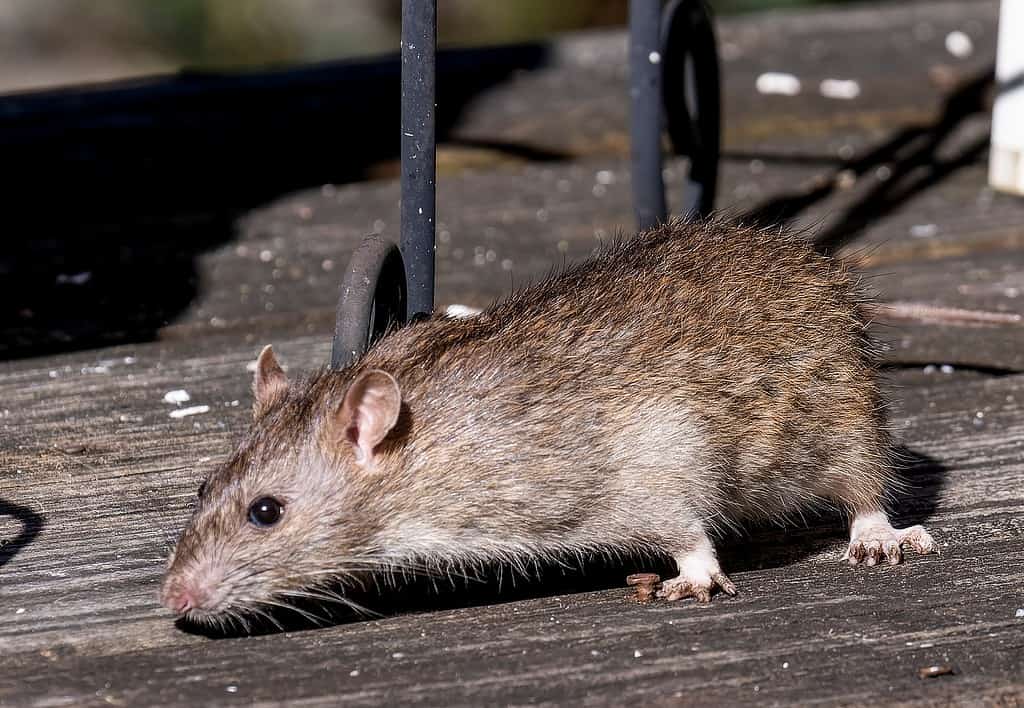
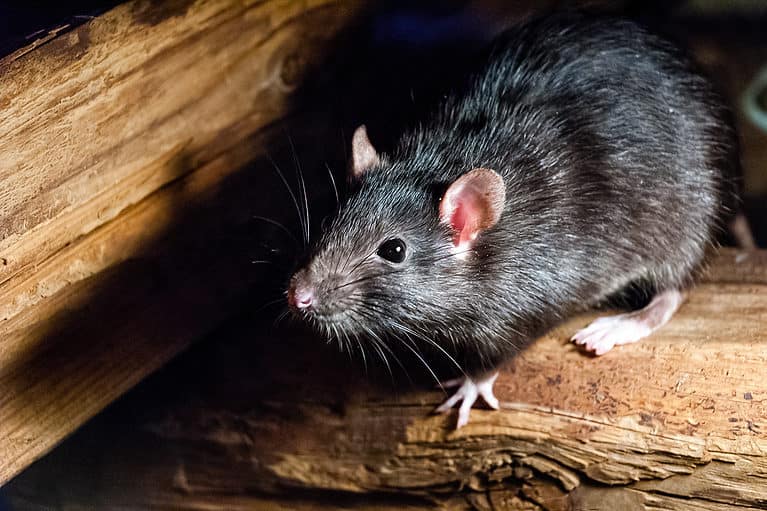
This unusual incident shows how adaptable and opportunistic rats are, thriving even in urban environments.
©Tony Quinn/Shutterstock.com
Beyond the Funny Headline
A rat shredding thousands of dollars in an ATM is funny—excellent fodder for headlines and jokes about unlikely bank robbers. But it’s also a great example of how adaptable and opportunistic rats are. They live alongside humans and exploit whatever resources are available, even if those resources aren’t food. Things didn’t turn out well for the poor rat who sought shelter in the ATM, but in general, their ability to gnaw through materials, find shelter in unexpected places, and persist in urban settings—while not always ideal for us humans—is exactly why they’re so successful.