
Quick Take
- Pumas are now preying on Patagonia’s coastal penguin colonies at high rates, raising new conservation concerns.
- Rising puma numbers in specific regions have increased predation pressure on seabird colonies, but long-term survival depends on multiple factors, including breeding success and food availability.
- The resurgence of a keystone species is causing an extinction risk.
- Recent research on nesting grounds highlights the importance of sustained coastal monitoring to detect demographic changes and guide management.
Along South America’s windswept southern coast, Magellanic penguins have spent decades nesting in relative safety. For much of the twentieth century, sheep ranching dominated the region, and pumas were aggressively removed to protect livestock. With the top predator gone, mainland shorelines became unusually low-risk places for seabirds. Penguin colonies expanded into areas that once carried greater danger, growing dense along the coast.
Now the balance is shifting again. As protected areas expand and wildlife policies change, pumas are reclaiming parts of their former range, including coastal parks where penguins have thrived. The returning cats are encountering colonies that grew during their absence, and predation is rising. What looks like a crisis for penguins may also be a sign of ecological recovery: an apex predator returning to its role. Scientists are now grappling with a complicated question—how do you protect a vulnerable seabird while also allowing a native predator to come back, especially when both outcomes represent conservation success?
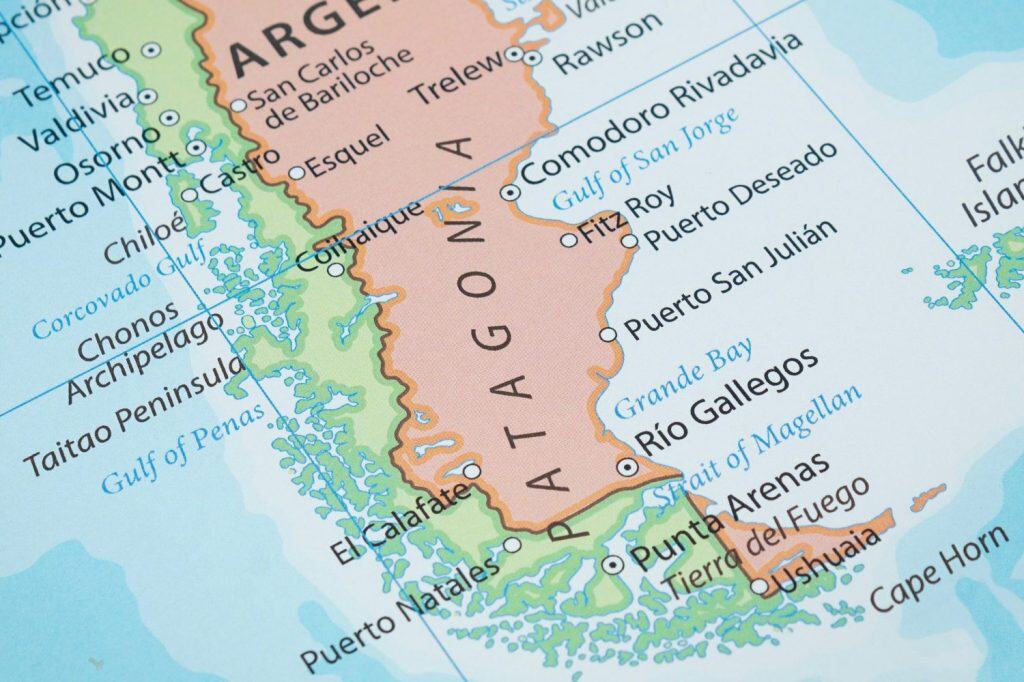
Patagonia is the southernmost part of South America and the closest major landmass to Antarctica.
©Juan Alejandro Bernal/Shutterstock.com
Big Cats Reclaim Former Coastal Ranges
Pumas historically occupied a wide range across Patagonia, including inland grasslands, forests, and coastal zones. During the early and mid-1900s, ranchers viewed them as a threat to sheep. Hunting, poisoning, and habitat conversion reduced puma numbers across much of the region. Coastal areas, in particular, saw sharp declines in large carnivores.
Conditions began to change in the late twentieth century. Several sheep ranches were converted into protected lands, including Monte León National Park. Legal protections reduced hunting pressure, and attitudes toward predators slowly shifted. As persecution decreased, pumas began to move back into suitable habitats. Pumas are not an endangered species; nevertheless, conservationists applaud their return as it restores ecological balance to the region.

As protections increased, pumas began moving back into connected habitats along Patagonia’s coast.
©Evgeniyqw/Shutterstock.com
Mainland Colonies Expand During Predator Absence
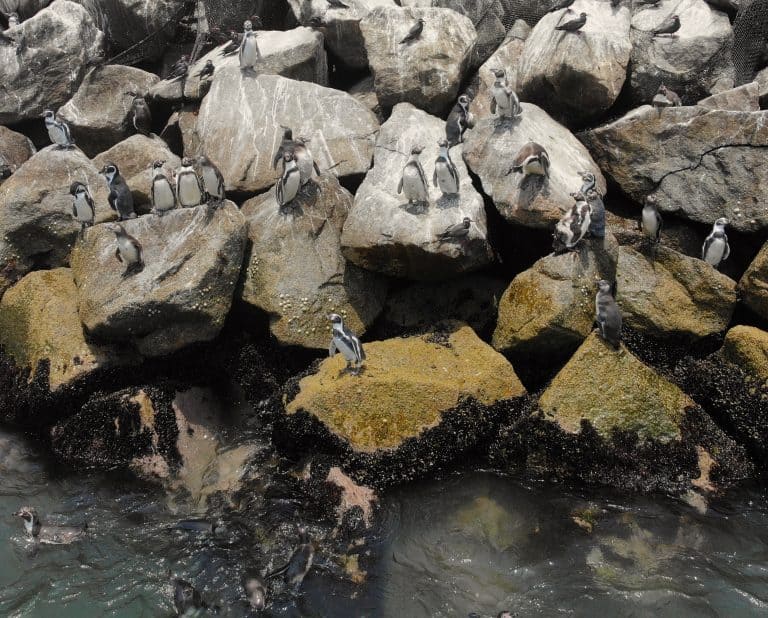
Magellanic penguins usually breed on islands or in coastal areas with limited access for land predators. They nest in burrows or shallow scrapes and depend on safety in numbers. On islands, cliffs and water barriers provide protection from mammals. When pumas disappeared from much of the Patagonian coast, those barriers mattered less. Penguins began nesting on the mainland in larger numbers. Coastal parks with soft soils and nearby feeding grounds became attractive breeding sites. Over several decades, some mainland colonies grew to include tens of thousands of breeding pairs.
At Monte León National Park, penguins arrive each year during the austral spring. They lay eggs, raise chicks, and depart for the sea after the breeding season ends. On land, they move slowly and lack strong defenses against large predators. Their safety comes from timing, density, and the absence of hunters, not from physical protection. This long period without pumas was helpful to the survival of this penguin species. Their global conservation status is Near Threatened, with some colonies facing decline from climate change, fishing pressure, and habitat disturbance.
When Predators and Prey Collide
As pumas expanded into coastal parks, encounters with penguin colonies became unavoidable. During the breeding season, thousands of birds cluster tightly on open ground. For a stealth predator, the concentration of slow-moving prey creates an easy hunting opportunity.
Field researchers documented large numbers of penguin carcasses bearing signs of puma attacks. Many birds showed bite marks on the head or neck. In several cases, carcasses were only partially consumed or left untouched. This pattern aligns with surplus killing, a behavior observed when prey is abundant and highly vulnerable. Surplus killing does not mean predators act irrationally. It occurs when the effort required to capture prey is low, and the instinct to attack is repeatedly triggered. In this case, penguin density and limited escape options increased the likelihood of repeated kills.
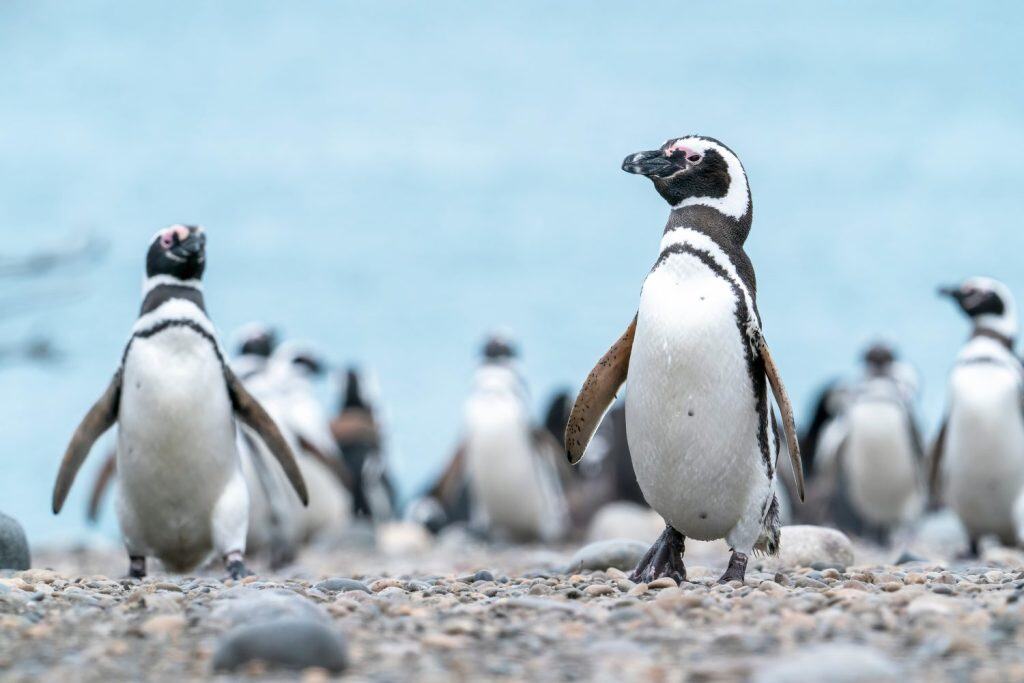
When the number of penguins is large, a puma’s killing instinct may be triggered repeatedly even when it is not hungry.
©Rob Jansen/Shutterstock.com
The discovery raised concerns. Thousands of dead penguins suggested a serious threat to the colony. Researchers needed to determine whether this level of predation could destabilize the population over time.
What Long-Term Research Revealed
A recent study by scientists from Argentina and Oxford University analyzed data collected at Monte León National Park, including four breeding seasons from 2007 to 2010, during which researchers recorded over 7,000 adult penguin deaths linked to puma attacks—about 7.6 percent of the adult population in those years.
Rather than stopping at raw counts, the team used population models to test long-term outcomes. They included variables such as breeding success, chick survival, and juvenile recruitment. These factors strongly influence whether a population grows, shrinks, or remains stable.
The results challenged initial fears. Under most realistic conditions, puma predation alone did not drive the penguin colony toward extinction. In several modeled scenarios, the population remained stable or continued to grow. Only extreme combinations of poor breeding success and low juvenile survival led to projected collapse. The findings suggest that while puma predation adds stress, broader environmental conditions play a larger role in determining long-term outcomes.
Why Adult Losses Do Not Tell the Whole Story
Adult penguin deaths draw attention because they are visible and dramatic. However, population health depends heavily on what happens to chicks and young birds. If enough juveniles survive to replace lost adults, colonies can absorb significant losses. Food availability at sea influences chick growth and survival. Climate-driven changes in ocean productivity can reduce prey for penguins, lowering breeding success. When food is scarce, fewer chicks fledge, and fewer young birds return to breed.
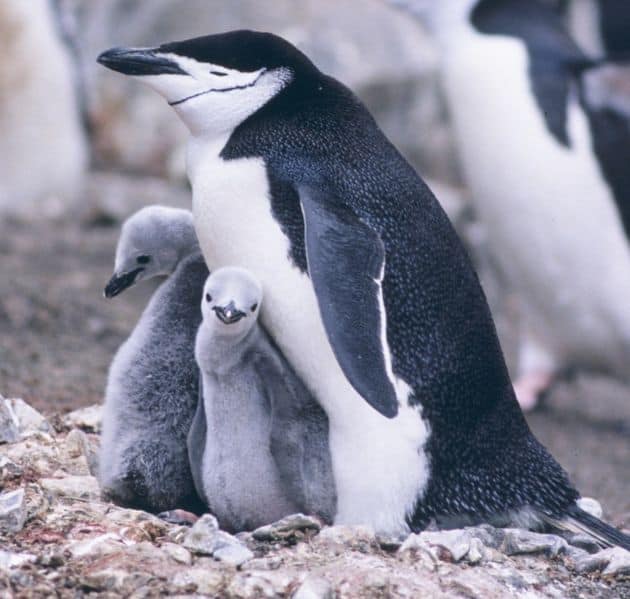
Penguin populations depend on chick survival, which is strongly influenced by food availability at sea.
©US National Oceanic and Atmospheric Administration / Public domain, via Wikimedia Commons – Original / License
In this context, puma predation acts as an added pressure rather than a sole driver. It worsens the impact of poor ocean conditions but does not automatically cause collapse. Understanding this balance helps managers avoid focusing on a single factor while overlooking broader threats.
Coastal Colonies Reshape Puma Behavior
Penguin colonies do more than provide prey—they can reshape how predators move, hunt, and interact. Research in Monte León National Park has shown that pumas concentrate their activity near the coast during the Magellanic penguin breeding season, a pattern that differs from their more wide-ranging behavior inland. With thousands of penguins nesting in dense colonies, food becomes abundant and predictable, allowing pumas to hunt more frequently in smaller areas. Normally solitary and territorial, some pumas even tolerate closer proximity to one another around colonies, something rarely seen when prey is scarce.
What Do Pumas Eat When Penguins Leave?
Once the breeding season ends and penguins return to sea, pumas shift back toward their traditional diet. Their primary prey in Patagonia is the guanaco, a wild camel-like herbivore related to llamas. Guanacos are much larger and more challenging to catch than penguins, weighing up to 250 pounds and living in open terrain where they can spot predators early and flee at high speed. Hunting them requires more energy, more risk, and careful stalking.
Penguins, by contrast, are slower and concentrated in nesting areas, offering an easier seasonal food source. This cycle demonstrates how a temporary abundance of prey can alter predator behavior and impact the broader food web—changing predation pressure on guanacos, affecting scavengers, and reshaping ecological balance across Patagonia’s coastal landscapes.

The guanaco, a relative of the llama, is a major prey species for pumas.
©Ekaterina Pokrovsky/Shutterstock.com
Managing Overlapping Conservation Goals
Modern conservation increasingly means helping multiple species recover at the same time, and Patagonia’s pumas and Magellanic penguins show how complicated that can become. Both have benefited from protected areas, reduced hunting, and long-term management, yet their successes now intersect in ways that create tension. Of the two, the penguins are more threatened from a conservation perspective. However, this does not warrant removing pumas from the environment, as they play an important role as apex predators, benefiting many species.
Wildlife managers must decide whether intervention is necessary or whether predation should be allowed as part of restoring the ecosystem. Ultimately, supporting resilient ecosystems requires accepting that recovery is not always neat or comforting—sometimes it means making space for natural dynamics that include conflict, change, and difficult outcomes.