
Quick Take
- Achieving carnivorous success requires the Green melibe to deploy a vacuum cleaner-like head.
- The 10 arms on a Melibe viridis create respiration challenges that shell-less creatures must solve.
- Triggering sensory hairs is essential for the Green melibe to secure prey during the hunt.
Sea slugs come in all sorts of shapes, sizes, colors, and patterns. With so many different species, it feels like there’s always something new to learn about them. There is one sea slug that you most likely haven’t seen before, and it looks almost alien. This Instagram post by @autopoiesis.nature shows a video of a green melibe. Read here to learn about this nudibranch.
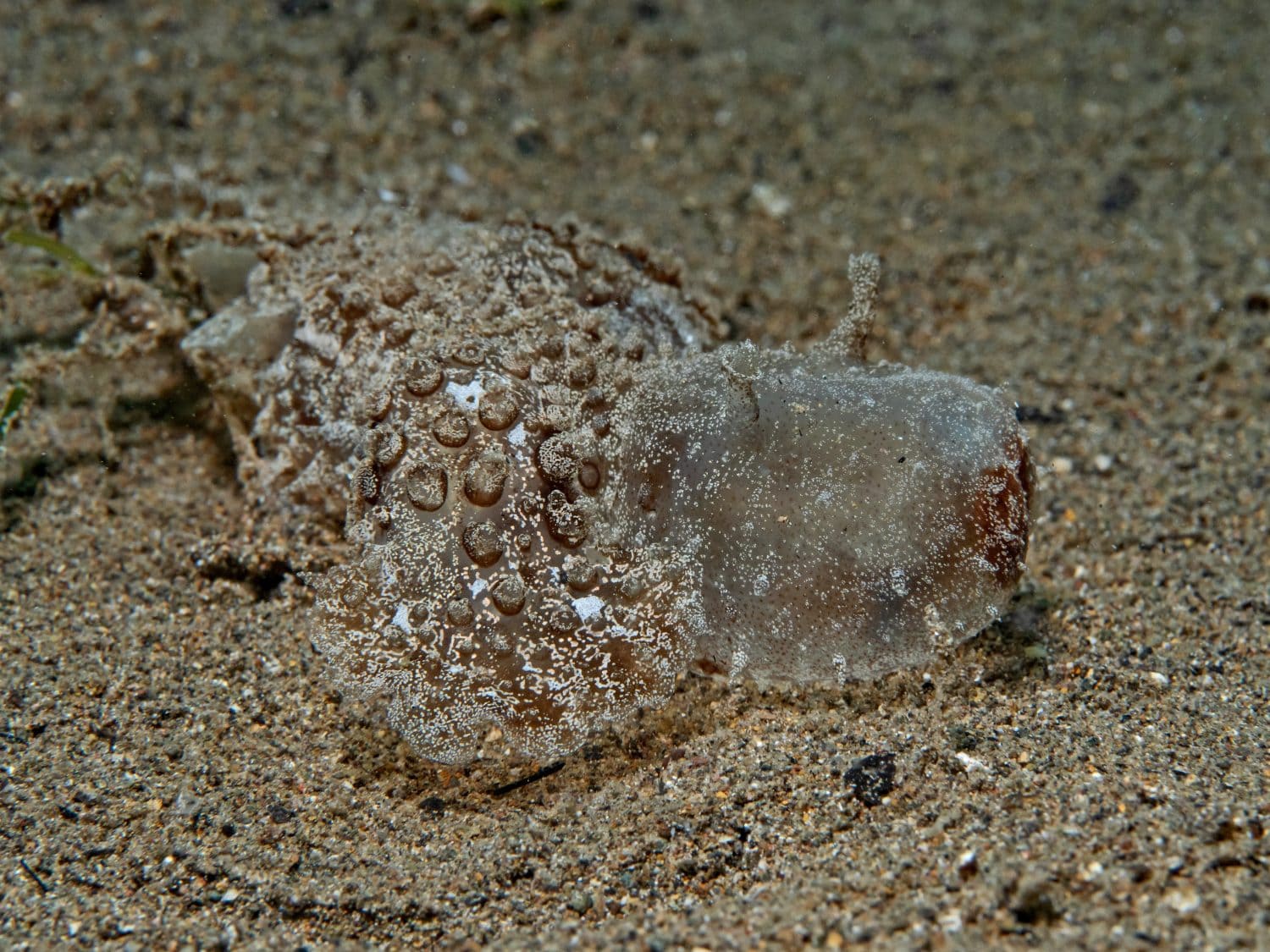
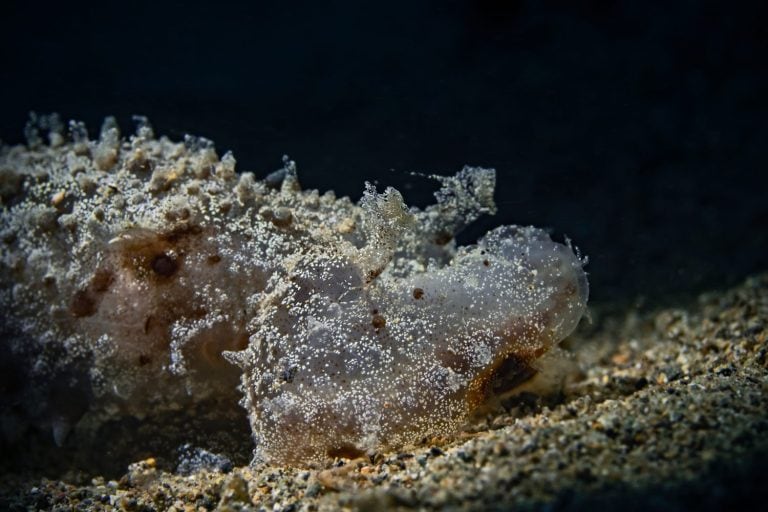
The green melibe can seamlessly blend in with its surroundings.
©scubaluna/Shutterstock.com
About the Green Melibe
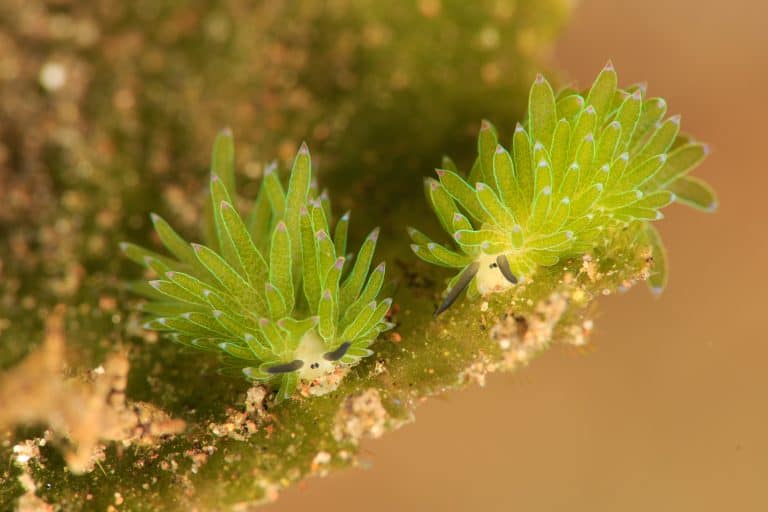
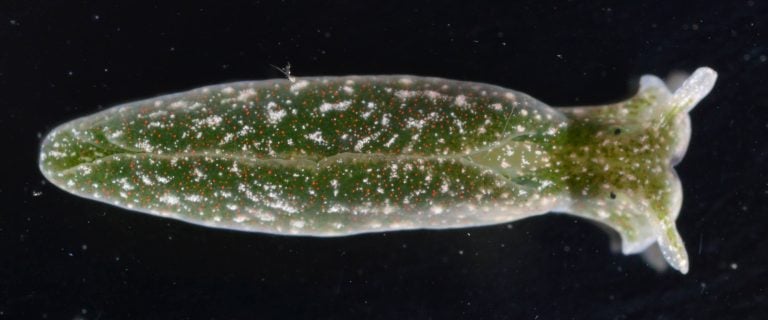
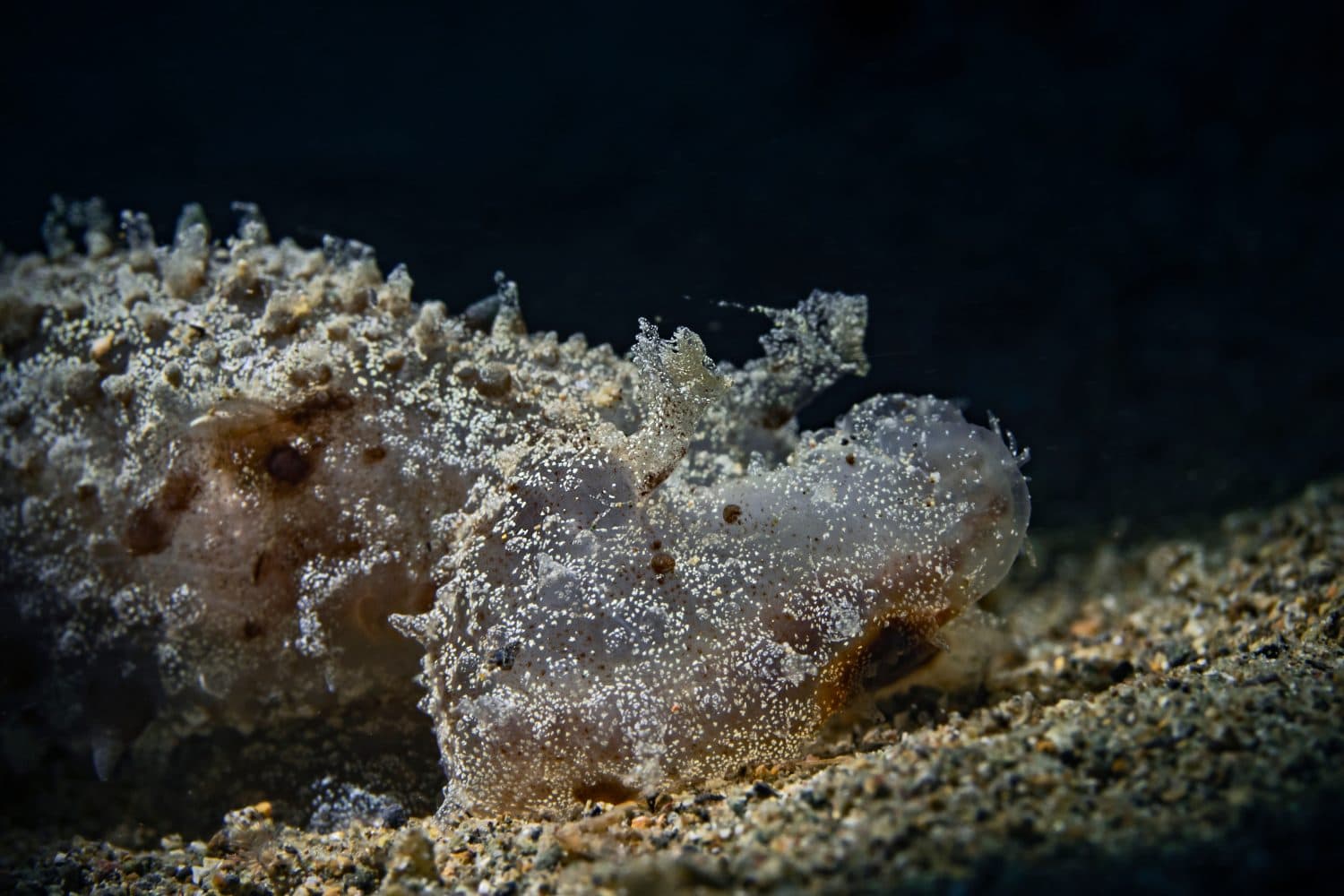
Melibe viridis, or green melibe, is a nudibranch species. Nudibranchs are shell-less sea slugs that are famous for their diverse array of patterns and colors. The anatomy of these sea slugs is unconventional. Green melibes are a fascinating species with a head that resembles a vacuum cleaner and what appear to be ten arms. Their bodies are soft and semi-transparent. The brown and beige coloring helps them to blend into the sand, acting as great camouflage.
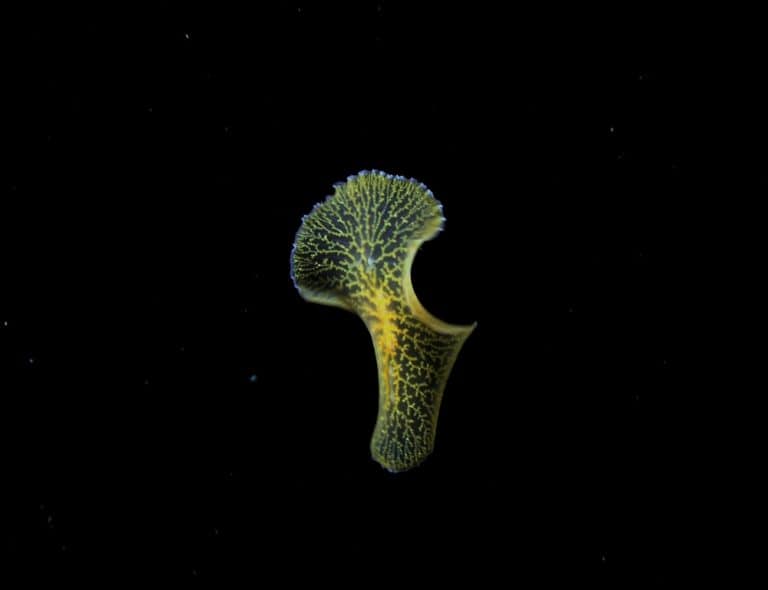
The “arms” are actually cerata, which are appendages on nudibranchs used for respiration and digestion. These appendages are covered in papillae, which are small bumps. This signals to predators that the sea slug may be toxic, another great defense. Their heads have a special veil used for feeding. The nudibranch extends this veil forward and opens it wide like a net to catch food, creating a unique and unusual appearance.
This species is found in tropical and subtropical oceans, including the Red Sea, the Mediterranean Sea, and the waters around Indonesia. They inhabit sandy and muddy sea floors. Although it may appear that they use their heads to move, green melibes actually rely on a muscular underside called the foot, which helps them glide across the seafloor.
They release mucus to move smoothly while contracting the foot muscles to propel themselves forward. They can also swim by flexing their bodies from side to side. By crawling slowly and using their net-like head, they trap small crustaceans. As carnivorous sea slugs, they primarily hunt shrimp and amphipods. When prey is captured, sensory hairs on the inner edge of the hood are triggered, signaling the hood to contract and close around the prey before pulling it in to be digested.