
Quick Take
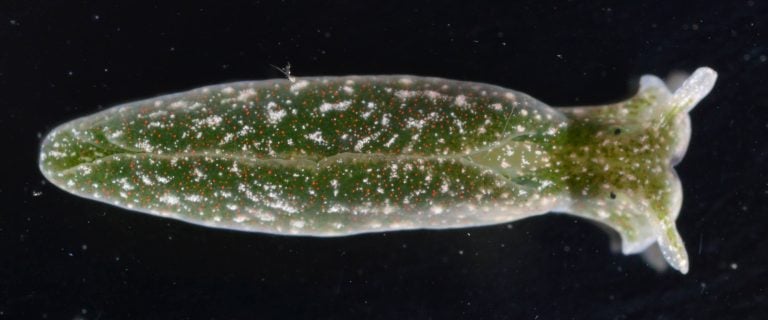
- This slug runs on sunlight, and the bizarre method it uses to pull that off is unlike almost anything else in the animal kingdom. See how it photosynthesizes →
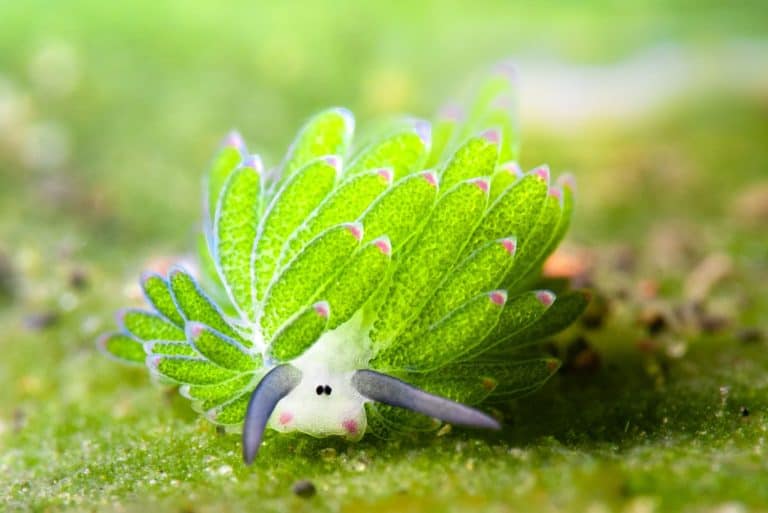
- At just 5mm long, this sea slug looks more like a cartoon character than a predator's prey. Its wild appearance is actually a survival weapon. Meet the leaf sheep →
- The world's largest bumblebee nearly stole the crown this year, but something ultimately tipped voters toward a creature smaller than a grain of rice. Find out what made the difference. See how voting unfolded →
- Invertebrates make up 97% of Earth's animals, yet the role they play in keeping the planet alive is one most people have never considered. Explore why it matters →
What does it take to be crowned “Invertebrate of the Year?” To win the coveted crown, at least in this year’s annual competition put on by The Guardian, a UK newspaper, you need beauty and a unique skill.
For Costasiella kuroshimae, commonly called a leaf sheep, that’s no problem – it has both. Those characteristics catapulted it to the top of this year’s competition.
A Global Vote Crowns the Tiny Winner
The competition to crown an invertebrate is an annual tradition for The Guardian. The goal is to show “appreciation for the spineless creatures who make up the majority of animal life on earth,” according to the story announcing this year’s winner.
Votes are cast by people who read about and share the different animals in the running. Some years, the contest is a blow out, with a winner receiving many more votes than its nearest competitor. That happened in past years when the tardigrade (2025 winner) and common earthworm (2024 winner) won by landslides.
This year’s competition was much closer. The world’s largest bumble bee, the moscardón, finished a close second, while the horseshoe crab and common woodlouse came in third and fourth. The giant bumblebee is native to Patagonia where it is under threat from invasive bumblebee species introduced by humans.
Discover the Leaf Sheep
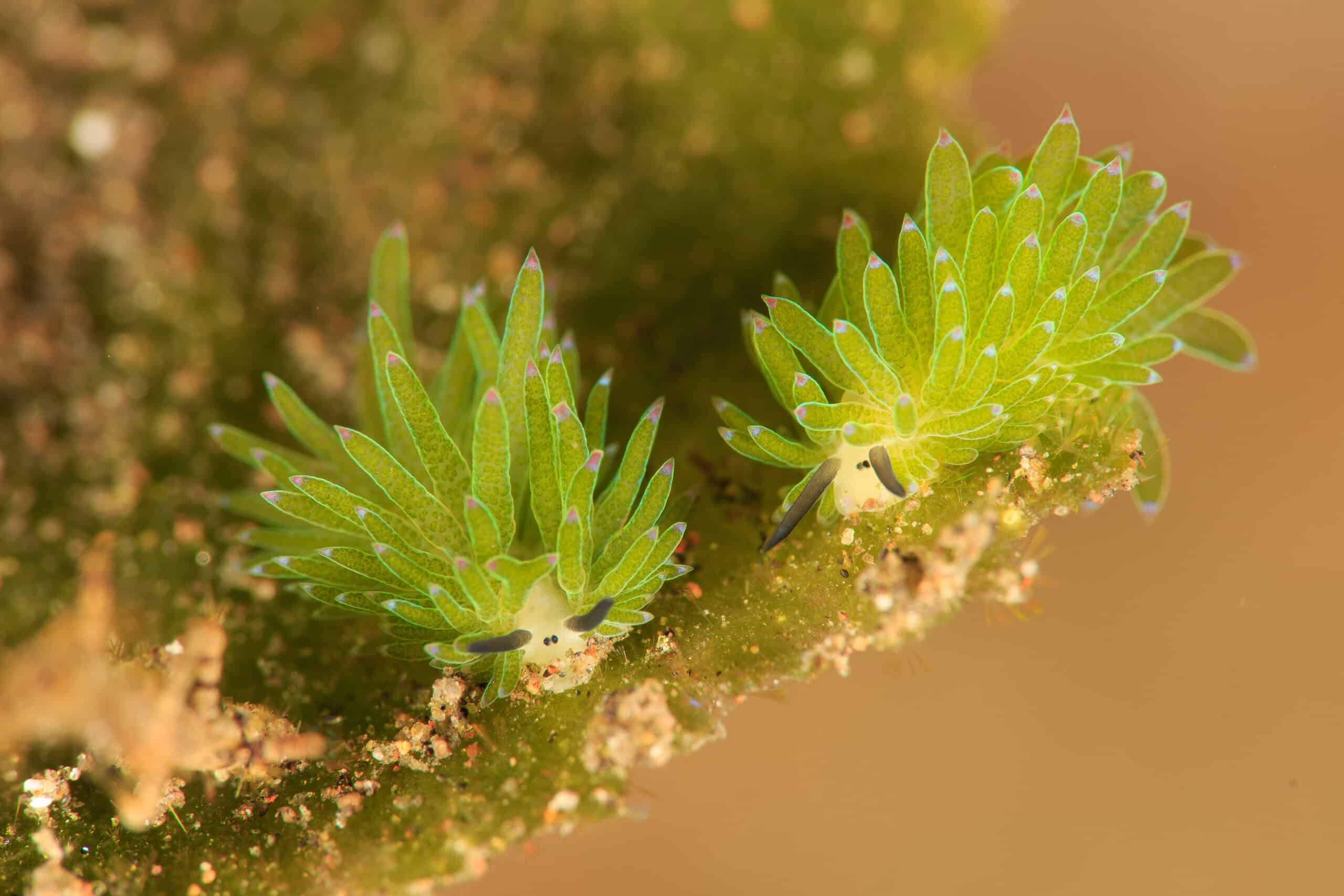
Leaf sheep are tiny, as small as a grain of sand, members of the sea slug family. Leaf sheep are about 5 to 10 millimeters long. They have no shell and are soft-bodied.
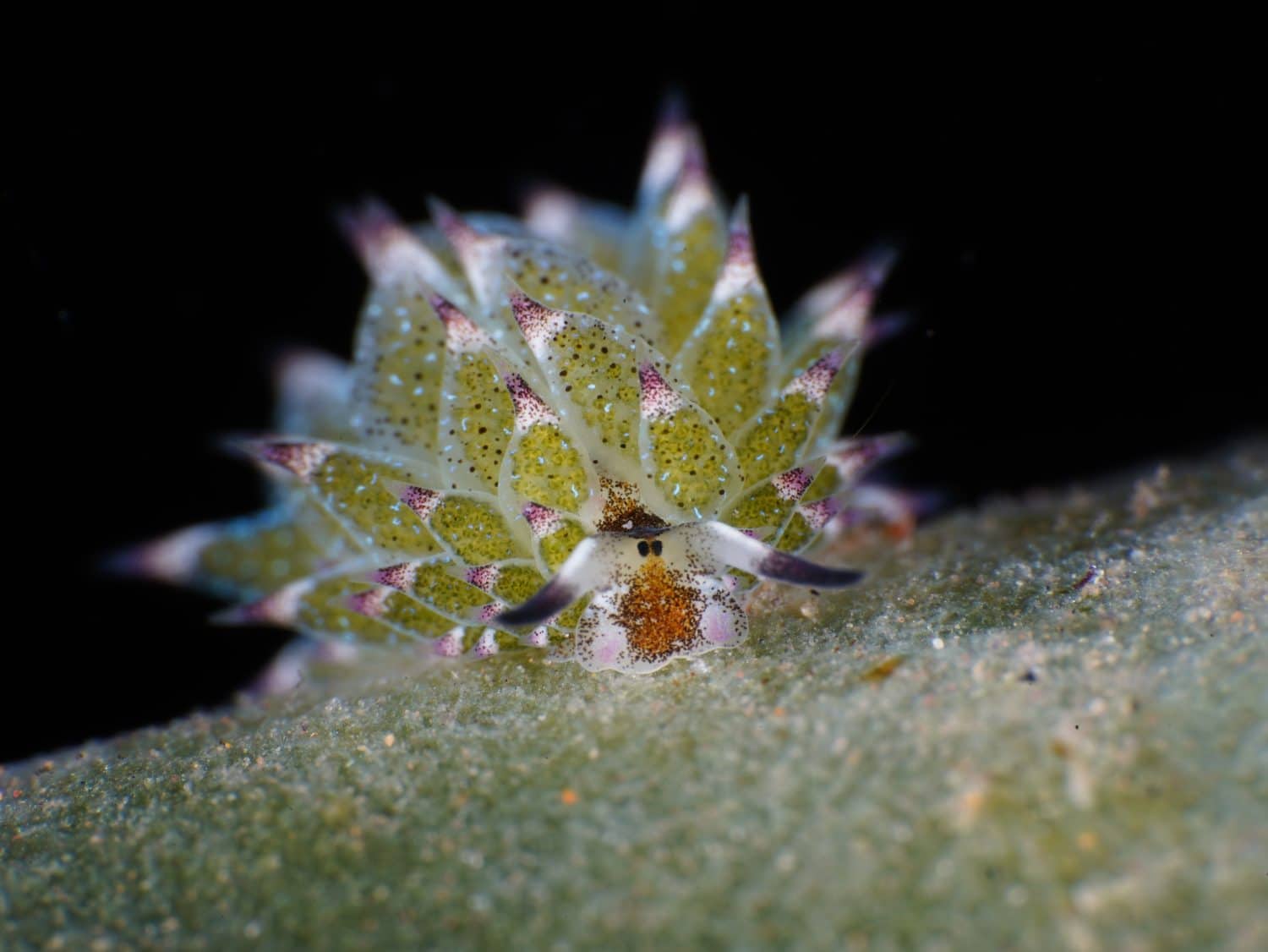
Leaf sheep have horn-like feelers that resemble sheep horns.
©Novrizal Herdananto/Shutterstock.com
Despite their small size, they are easy to spot thanks to their bright green, leaf-shaped bumps. They also have two dark eyes and horn-like feelers that look like sheep ears.
The species was first discovered by scientists in 1993 off the Japanese island of Kuroshima. The newly discovered species was named after the island.
What Makes the Leaf Sheep Special?
Besides its unique appearance, leaf sheep have a remarkable talent.
“It’s very, very beautiful but also very smart too. It harvests photosynthetic material from the algae it feeds upon and builds its own solar panels,” Chris Packham, the broadcaster and environmental campaigner, told The Guardian.
The leaf sheep consumes the green algae called Avrainvillea, then extracts tiny parts from the algae that convert sunlight into food. The leaf sheep then moves the tiny parts to its own body, storing them in its leaf-shaped bumps. That turns the bumps into tiny solar panels, which let the slug make food from the sunlight. It works just like plants use sunlight to grow.
The scientific term for the process is “kleptoplasty.”
Why does the leaf sheep go to all this trouble? It helps it survive when food is not available. Rather than go hungry, the slug lets the sun make food for it automatically.
Leaf sheep are one of the few animals on earth that can use sunlight to create food.
Where Do Leaf Sheep Live?
You’ll have to travel to Japan, the Philippines, or Indonesia to find leaf sheep. Once you’re there, look in the warm, shallow waters around algae-covered rocks and coral rubble.
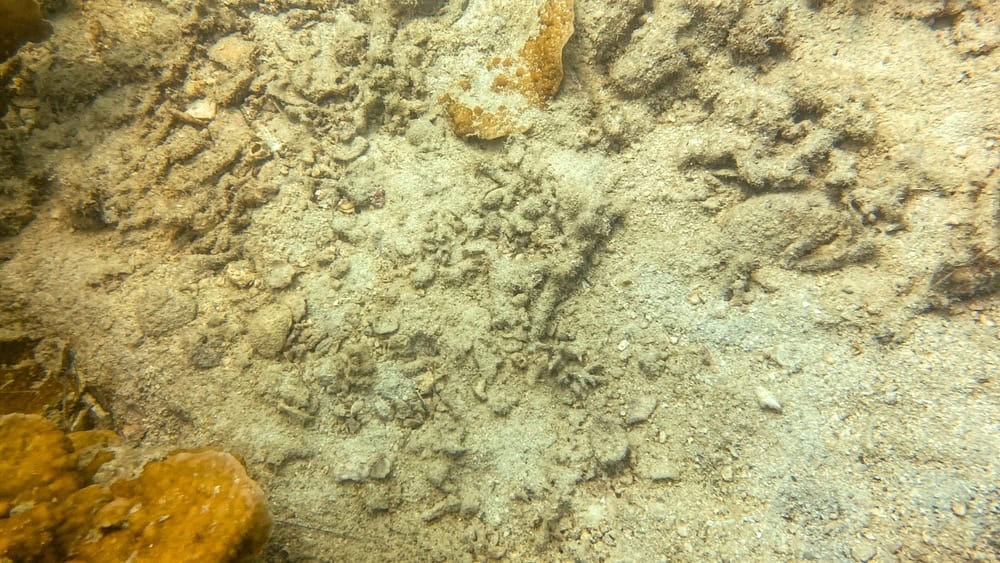
The tiny slugs live on coral rubble and algae-covered rocks in shallow tropical waters.
©Lifestyle_shots/Shutterstock.com
Nobody is sure how many leaf sheep there are, because scientists haven’t gathered enough information about the species to predict accurate population numbers.
The Leaf Sheep Lifecycle
Although leaf sheep are hermaphrodites – each one has both male and female sex organs – two individuals are needed to reproduce. Once they mate, they lay ribbons of eggs that hatch in a few days.
The hatchlings are tiny free-swimming larvae with protective hard shells around them. They drift and feed for about two weeks, then shed their shells and settle down on algae to grow into adults.
Leaf sheep are estimated to live about six to 12 months. Their biggest threat? Habitat loss and being eaten by reef fish and other marine predators that hunt small invertebrates. The leaf sheep’s bright green color gives it an advantage, helping it to blend in with its algae-covered surroundings.
The Competition’s Importance
While “Invertebrate of the Year” may not be on par with other international competitions, it serves an important purpose.
The Guardian launched the competition three years ago with the goal of raising awareness of an often overlooked group of animals. Despite including at least 1.7 million different species and representing around 97 percent of the earth’s animals, invertebrates don’t get much recognition.
Yet they play a critical role in nature. They pollenate crops, filter water, recycle waste, eliminate pollution, and even fertilize soil. Without invertebrates, life on Earth would not be possible.
For the leaf sheep in particular, popularity came after underwater photographers began showing close-up images of the tiny slugs. For the first time, viewers were able to see details not visible to the human eye. The leaf sheep’s unique appearance even has people comparing it to various Pokémon characters.
Although scientists still have much to learn about this tiny slug, its soaring popularity among the public can only help. More attention means more potential funding for future studies.