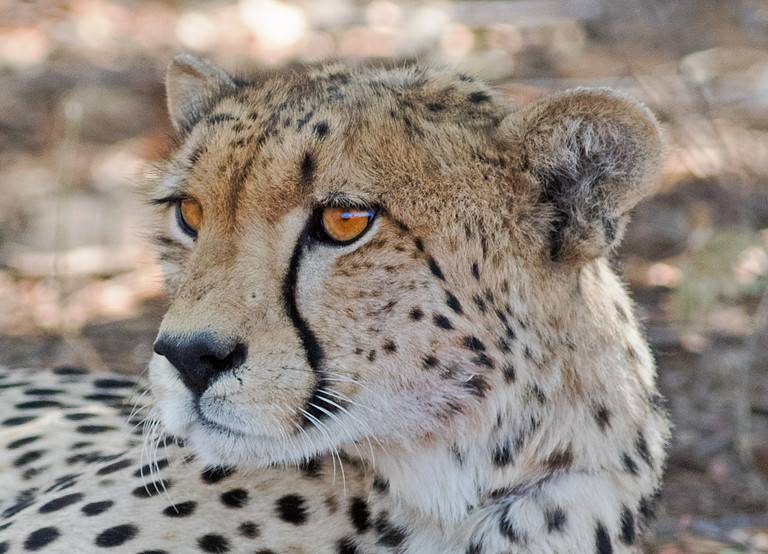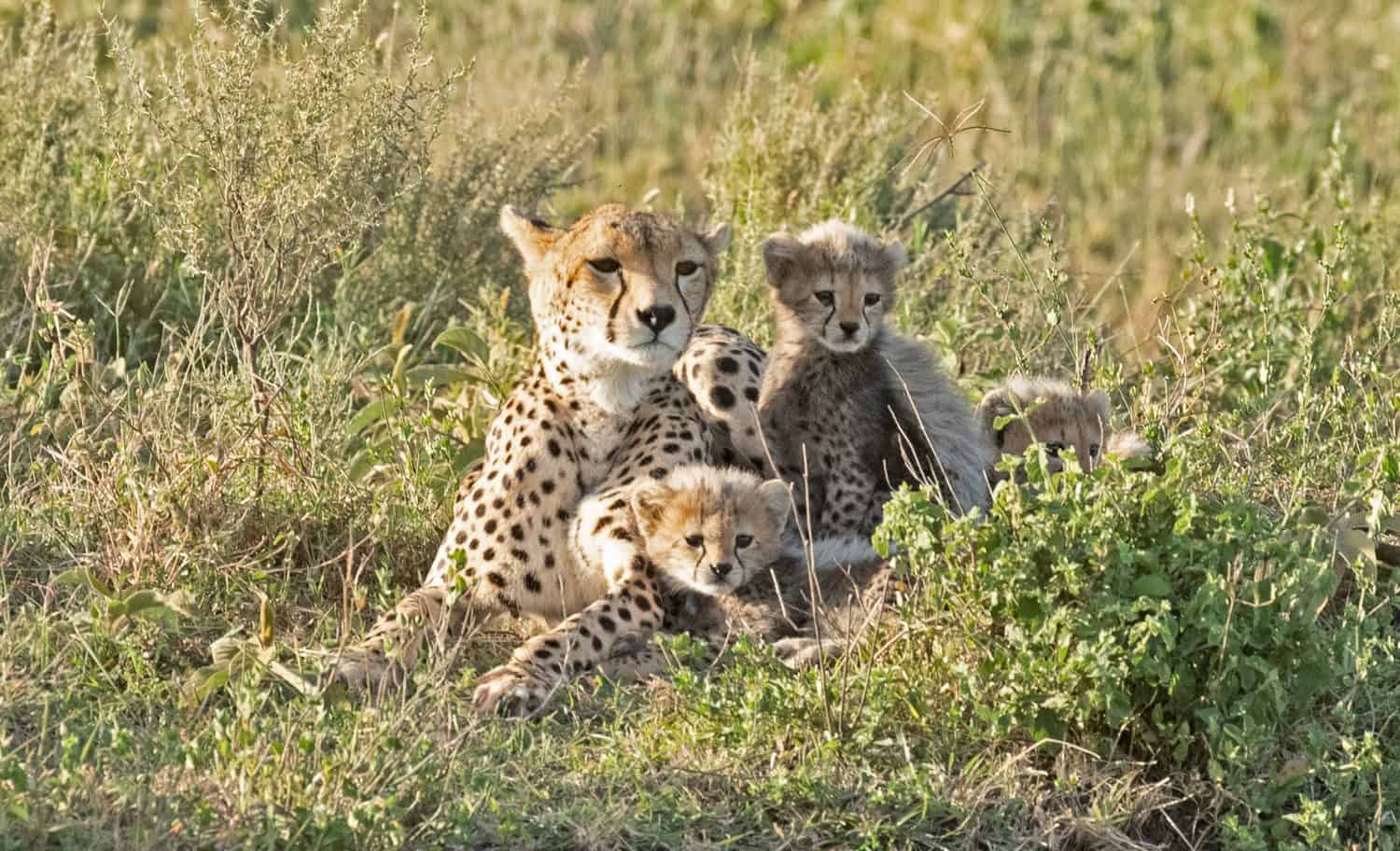

They may grow into the world’s fastest mammal, but cheetah cubs aren’t nearly so speedy. A video from wildlife photographer, NJ Wight, shows young cubs playfully running from their mother. However, this careful cheetah mom isn’t about to let her cubs get too far out of sight. Young cheetahs face many dangers before they grow up, but their mothers are fiercely protective.
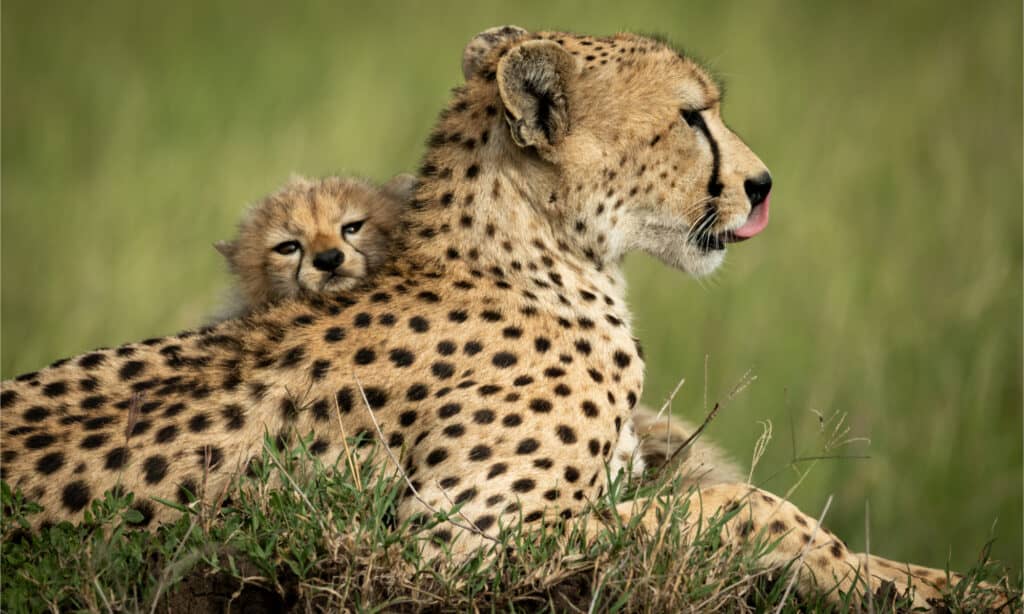
A well-known cheetah took on a leopard to protect her one remaining cub.
©nwdph/Shutterstock.com
Cheetah Mothers Have a Hard Job
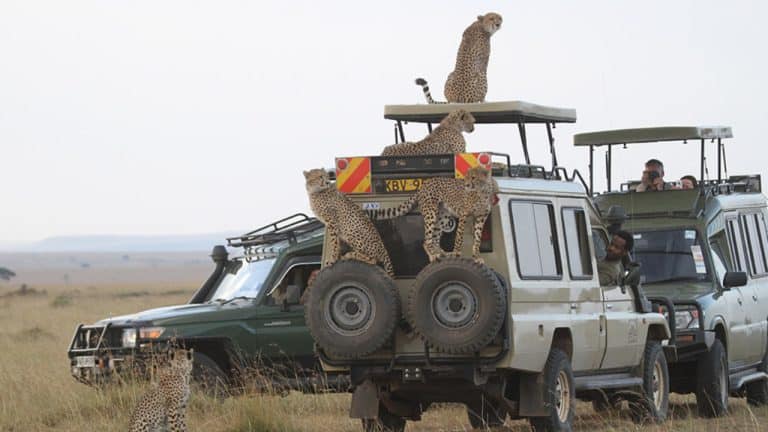
Cheetahs are apex predators, but they are at the bottom of the predator hierarchy. Their strength is in their speed, not power. Reaching sprinting speeds of up to 75 miles per hour, a cheetah’s best defense is running away. Because lions and other predators are more powerful, cheetahs often have their kills taken away from them.
Male cheetahs form coalitions, usually with their brothers, living and hunting together. However, female cheetahs prefer a solitary life and only live with other cheetahs when mating or raising cubs. Unlike a pride of lions, where a lion mother’s sisters and aunts help to raise the young, a cheetah mother has to do it all alone. A cheetah will flee the scene rather than fight to avoid injury. But when a female cheetah is raising cubs, she can’t expect them to keep up if she runs away. Things are much more complicated for a cheetah mother than for one living solo.
Importance of Mother-Cub Relationships and Bonds in the Face of High Mortality Rates
Cheetah mothers form close bonds with their cubs, teaching them everything they need to know to survive until the cubs leave at around 18 months of age. Cheetahs give birth to between two and six cubs per litter. A mother’s closeness is key for survival because cheetah cubs face many dangers.
A research study revealed that on the Serengeti Plains, only 4.8% of 125 cubs monitored survived to adolescence. In other locations, cheetah cubs fare better. For example, in the Kgalagadi Wildlife Preserve, scientists observed a 53.6% survival rate for cheetah cubs. Threats to cheetah cubs include predators such as hyenas, lions, and leopards, and also dehydration due to heat and drought. Even in captivity, cheetah cubs face a high mortality rate. Around 30% of cubs born into human care will die before they reach one month of age.
Learning Through Play — Sibling Interactions and Competition
When cheetahs are first born, their mothers keep them hidden in tall grass and shrubs. The mother must leave them from time to time to hunt and feed. She moves the cubs, one by one, in her mouth, every day, to avoid predators finding the cubs. This is a critical time for the cubs. Once the cubs are about six weeks old, they are big and strong enough to accompany their mother as she hunts.

Young cheetah cubs learn to hunt by practicing their wrestling skills on each other.
©Joe McDonald/Shutterstock.com
When the cubs grow a little bigger, they follow their mother everywhere, watching her to learn the skills they will need to survive one day. In the fascinating video we saw from Wight, two little cubs playfully scamper on ahead of their mother. Next, she follows with her third cub trailing behind her.
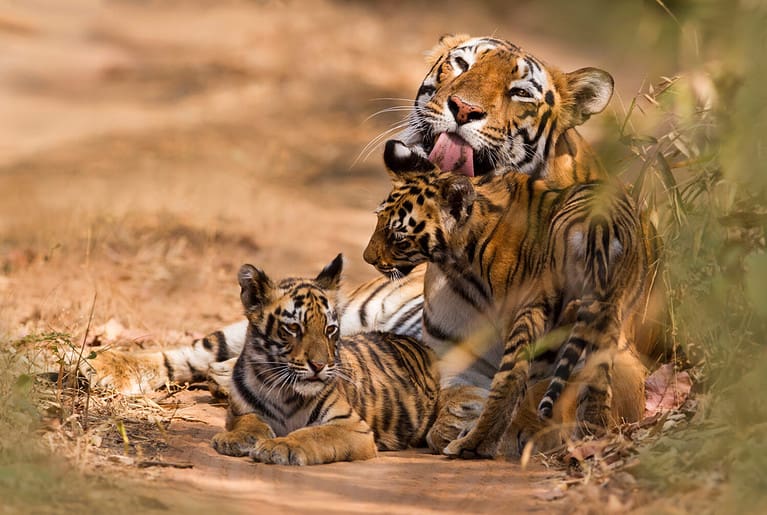
Cubs at this age are very energetic and playful. They are learning their survival skills through playing with each other. The cubs will learn to chase and stalk by practicing on each other. They wrestle, climb trees, and even practice hunting by stalking small animals.
Transition From Play to Real Hunting
At around six months of age, cheetah mothers release captured prey for their cubs, letting them try their hand at catching it. When the cubs are about 12 months old, they begin hunting prey alongside their mother. This provides the cubs with valuable experience before the time comes when they will need to hunt themselves for survival.
Once the cubs are around 14 to 18 months old, they have learned all they can from their mother and will leave to live on their own. The cubs tend to stick together for a short time, until the females leave to find their own territory, usually overlapping or adjacent to each other and their mother’s. The brothers stay together and form a coalition of adult males.
What Threats Do Cheetahs Face?
According to the IUCN Red List of Threatened Species, there are only around 6,500 individual cheetahs left in the world. They are classified as vulnerable with a declining population. Aside from the low survival rate of cheetah cubs, the adults face many challenges. Cheetahs are facing a loss of habitat and fragmentation of their ecosystems.
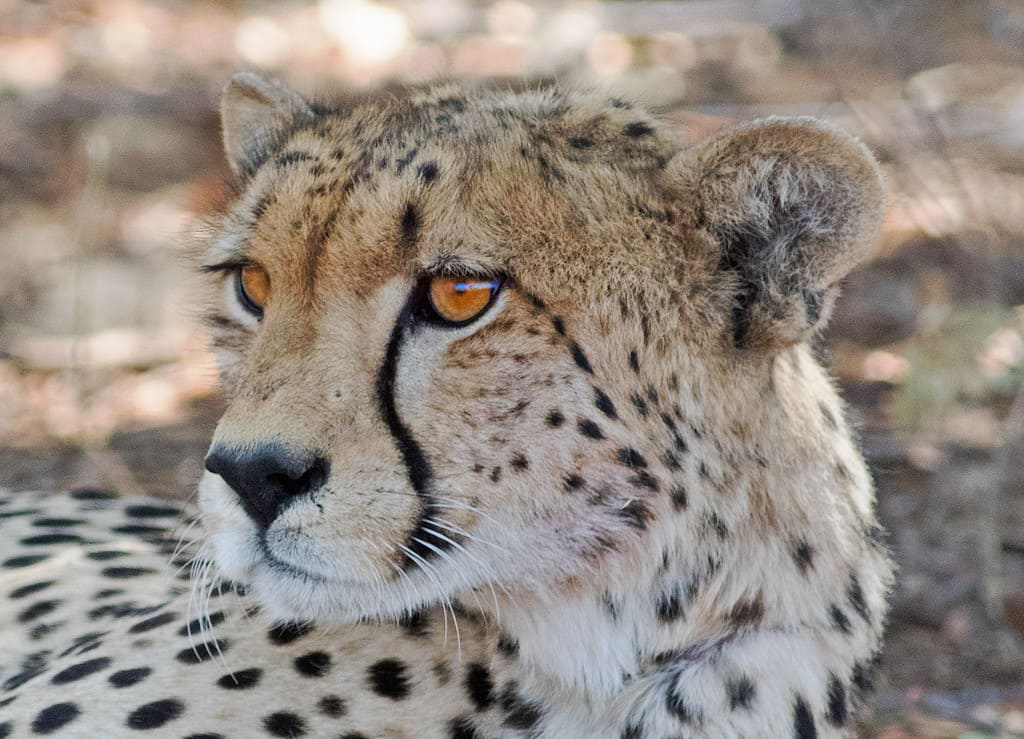
Cheetahs are facing many threats, including climate change, habitat loss, and poaching.
©paulafrench/iStock via Getty Images
Other dangers include hunting by poachers and climate change. Cheetahs also have a low genetic variety in their species, which makes them vulnerable to infertility, poor sperm quality, and infectious diseases.