
Quick Take
- The creatures clinging to the bottom of a stream are indicators of water-quality problems long before any lab test, which is exactly why scientists rely on them for that purpose. Meet the indicators →
- Not all of these invertebrates signal clean water. Which ones are missing from a stream tells scientists just as much as which ones are present. See how absence matters →
- The most biodiverse freshwater streams face a counterintuitive threat: their richness puts them at a greater risk. See the long-term findings →
- Rising water temperatures don't just warm these creatures. They trigger a second, hidden effect that makes survival nearly impossible. Explore the hidden effects →
A mysterious world lives beneath the surface of our freshwater rivers, streams, and wetlands. Underneath the waters of fast-moving rivers, you may find the elaborate protective cases of the caddisfly larva made from spun silk and pebbles, or turn over a rock and discover the secretive stonefly nymph clinging to the bottom. Swamps and wetlands also teem with life, where water striders glide across the surface, and damselflies lay their eggs.
Known as macroinvertebrates, these little creatures are critical to the ecosystem and serve as food for fish, turtles, birds, and much more. However, they also play an important role as bellwethers, informing scientists of water-quality risks long before visible damage occurs. Unfortunately, rising temperatures, pollution, and severe drought threaten our freshwater systems and the fragile freshwater macroinvertebrates living in them.
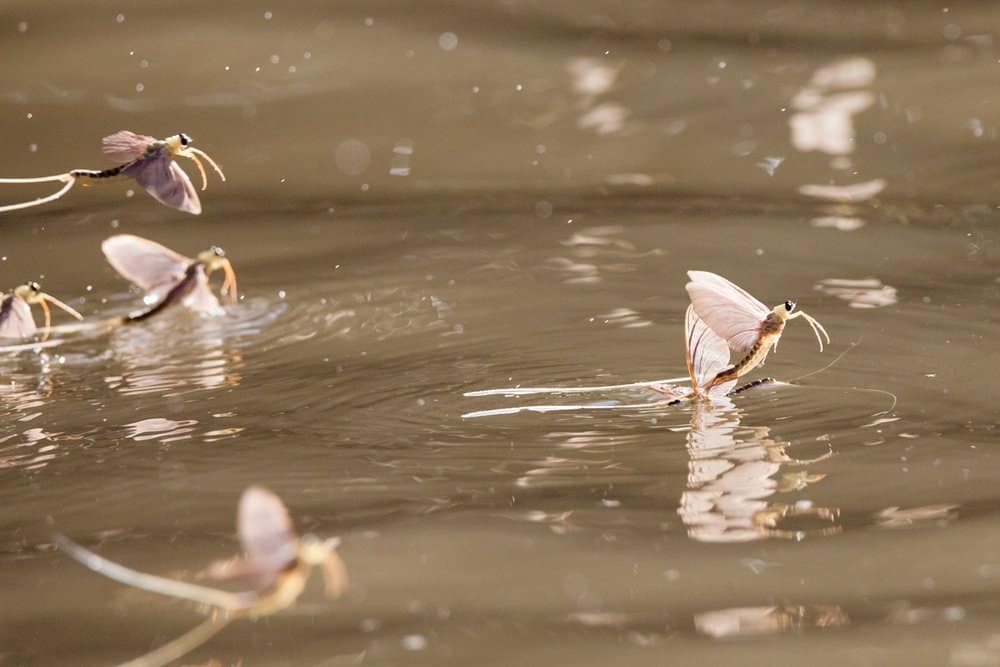
Mayflies spend most of their lives as nymphs living underwater.
©Mladen Mitrinovic/Shutterstock.com
Meet the Stream’s Underwater Detectives
Freshwater macroinvertebrates are organisms without an internal skeleton that are large enough to be seen without a microscope. They live either all or part of their lives in the water. There is a wide variety of macroinvertebrates living in water bodies, from giant water bugs known as toebiters to tiny midge larvae. Although insects are the most common macroinvertebrates, other groups include worms, leeches, snails, crustaceans, and mollusks.
Some macroinvertebrates are tolerant of pollution, and while their presence can indicate overall ecosystem health, they are not typically used by scientists as indicators of water quality. Benthic macroinvertebrates, on the other hand, are often used by researchers to measure water quality. These creatures live on the stream bottom and, unlike fish, cannot swim away to another environment. They are also easy for scientists to collect in nets.
Three Groups of Benthic Macroinvertebrates
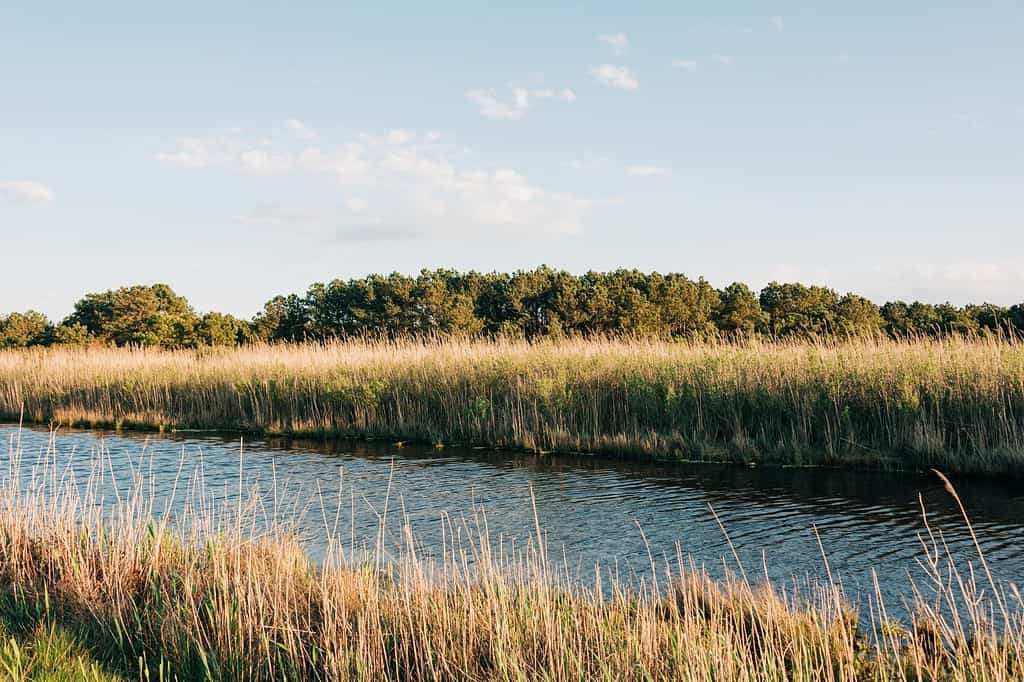
Scientists rely on sampling populations of macroinvertebrates to determine water quality.
©Jon Bilous/Shutterstock.com
Scientists divide benthic macroinvertebrates into three different groups:
1. Completely Intolerant of Pollution
The first group of macroinvertebrates is like the canary in the coal mine for waterways. These insects need clean water and high levels of oxygen to survive. Some of the most commonly studied in this group include mayfly nymphs (order Ephemeroptera), stonefly nymphs (order Plecoptera), and caddisfly larvae (order Trichoptera). When a stream or river teems with all three, scientists know the water is clean and healthy.
2. Moderately Tolerant of Pollution
The second group is moderately tolerant of pollution. These include dragonfly and damselfly nymphs, aquatic sowbugs, and crane fly larvae.
3. Pollution Tolerant
Finally, the third group of invertebrates can survive in polluted bodies of water with low levels of oxygen. These include leeches, blackfly larvae, and midge larvae.
Aquatic Organisms Give Us Important Clues About Our Waterways
When scientists sample the water of a stream, river, or wetland and only find pollution-tolerant invertebrates, they have a very good idea that the waterway is likely under strain of some kind. On the other hand, if the water is full of diverse invertebrates, including those that are highly sensitive to pollution, scientists know the water is healthy enough to support a variety of aquatic life.
Freshwater Species Under Threat
Although we have relied on macroinvertebrates as a forecast tool to measure freshwater health for decades, these tiny organisms are in jeopardy. A study published in 2025 found that 24% of freshwater species (including fish and invertebrates) are in danger of becoming extinct. The threats named by researchers included climate change, pollution, invasive species, agriculture, overharvesting, and dams and water extraction.
Warming Summers Turn Up the Heat
Macroinvertebrates are particularly sensitive to warming waters. Climate change is responsible for increasing instances of extreme weather and drought, including high summer temperatures. When the air temperature rises, so does the water temperature. Research has found that when water heats up in freshwater ecosystems, it causes significant changes to the species living within the waters.
What 30 Years of Data Tells Us
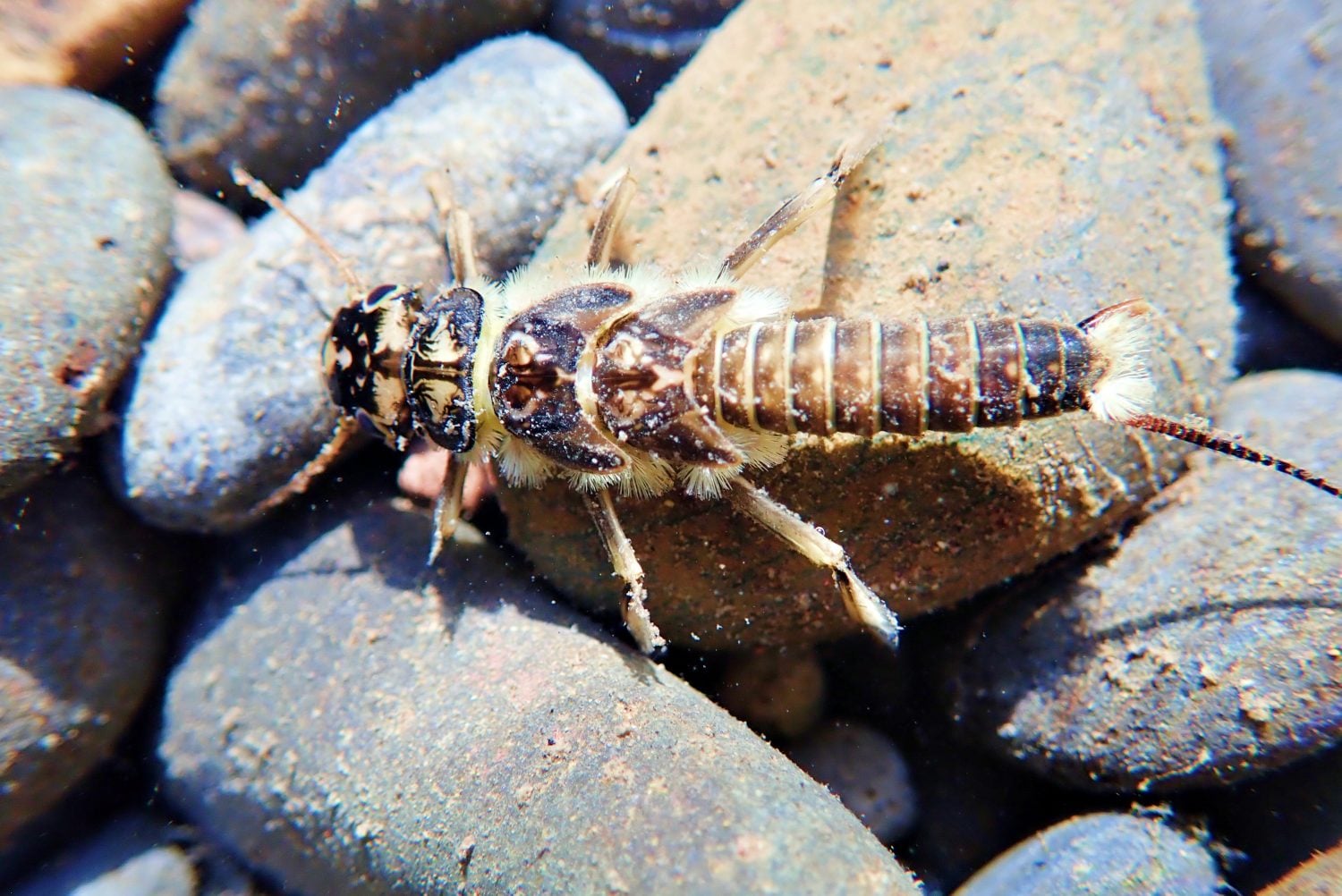
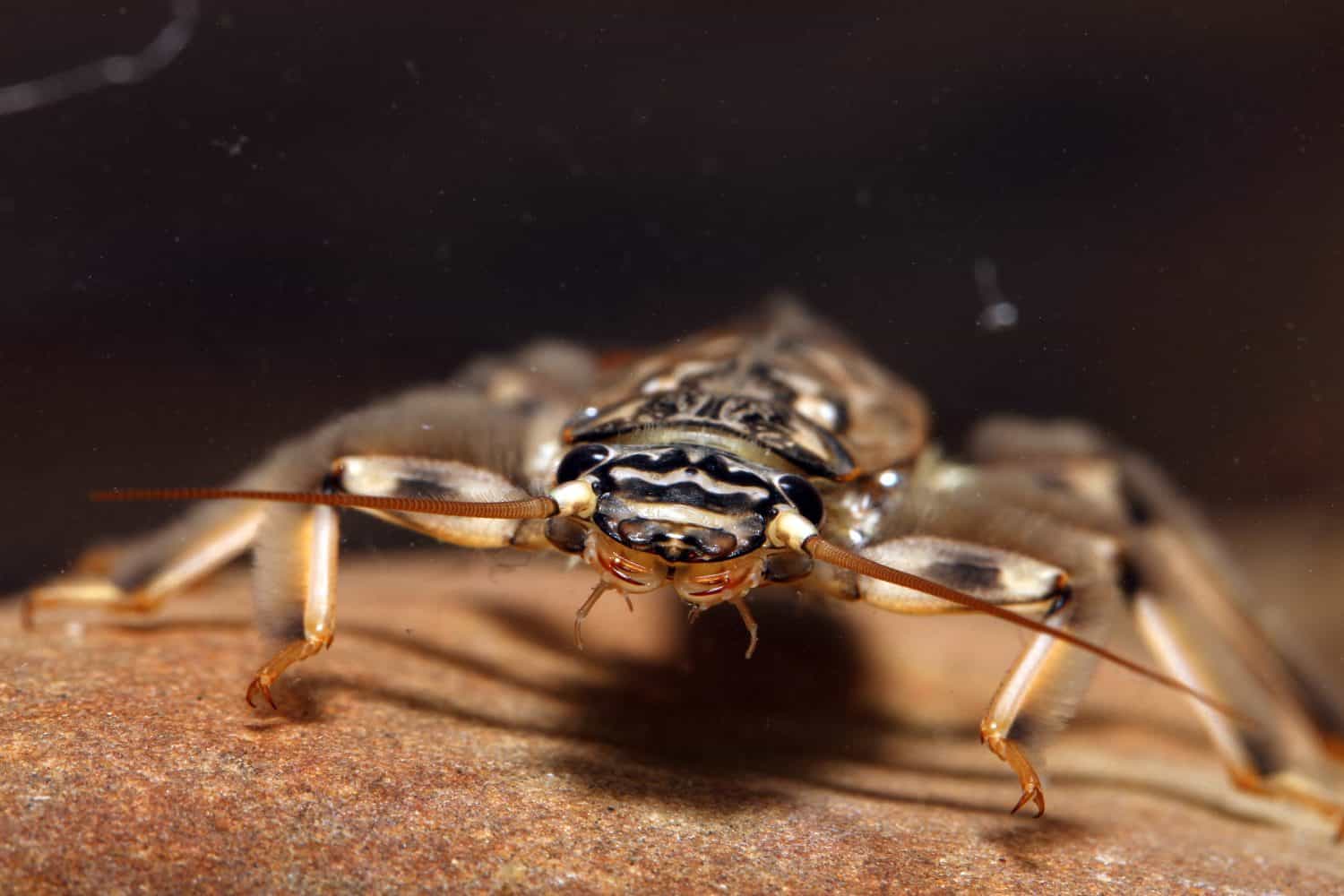
Stonefly larvae can tell us a lot about the health of an aquatic ecosystem.
©JumpingSpiderss/Shutterstock.com
A study published in the journal Science of the Total Environment discovered that increasing heatwaves are causing reduced biodiversity in freshwater streams. Scientists analyzed 30 years of data from 900 sites across Europe to determine how heatwaves affect freshwater invertebrates such as caddisflies, mayflies, and stoneflies. They found that streams experiencing more extreme and frequent heatwaves had fewer invertebrate species living in them. The most biodiverse freshwater systems were at the greatest risk of losing species.
How Rising Temperatures Disrupt Ecosystems
Heatwaves affect freshwater ecosystems in several key ways. For one thing, warmer water holds less oxygen than cool water. Some invertebrates, like stonefly nymphs, require high levels of oxygen to survive. When the water heats up, oxygen levels decrease, and vulnerable animals die off.
Additionally, as water evaporates in the heat, the concentration of pollutants increases. Again, this affects highly sensitive animals, such as benthic macroinvertebrates like mayfly nymphs. When these macroinvertebrates disappear, the entire food web is affected. Birds, fish, and other animals that rely on them for food are all affected.
The Next Time You Wade In, Take a Closer Look
The next time you are at the local swimming hole or wading through a freshwater stream, take a look at what is under the surface. Turn over a rock, and you may find a fascinating creature hiding beneath. From the water we drink to the places we fish and swim, these tiny insects help ensure our water stays healthy and clean.