
Quick Take
- One animal mother guards her babies so devotedly that she literally dies for them. See the fatal sacrifice →
- One of nature's most feared predators turns out to be one of its most tender parents, and it carries its babies in a place that can be both safe and dangerous. See the crocodile's gentle side →
- A bird species has completely outsourced parenthood, and the trick it uses to fool other animals is surprisingly sophisticated. How cuckoos fool foster parents →
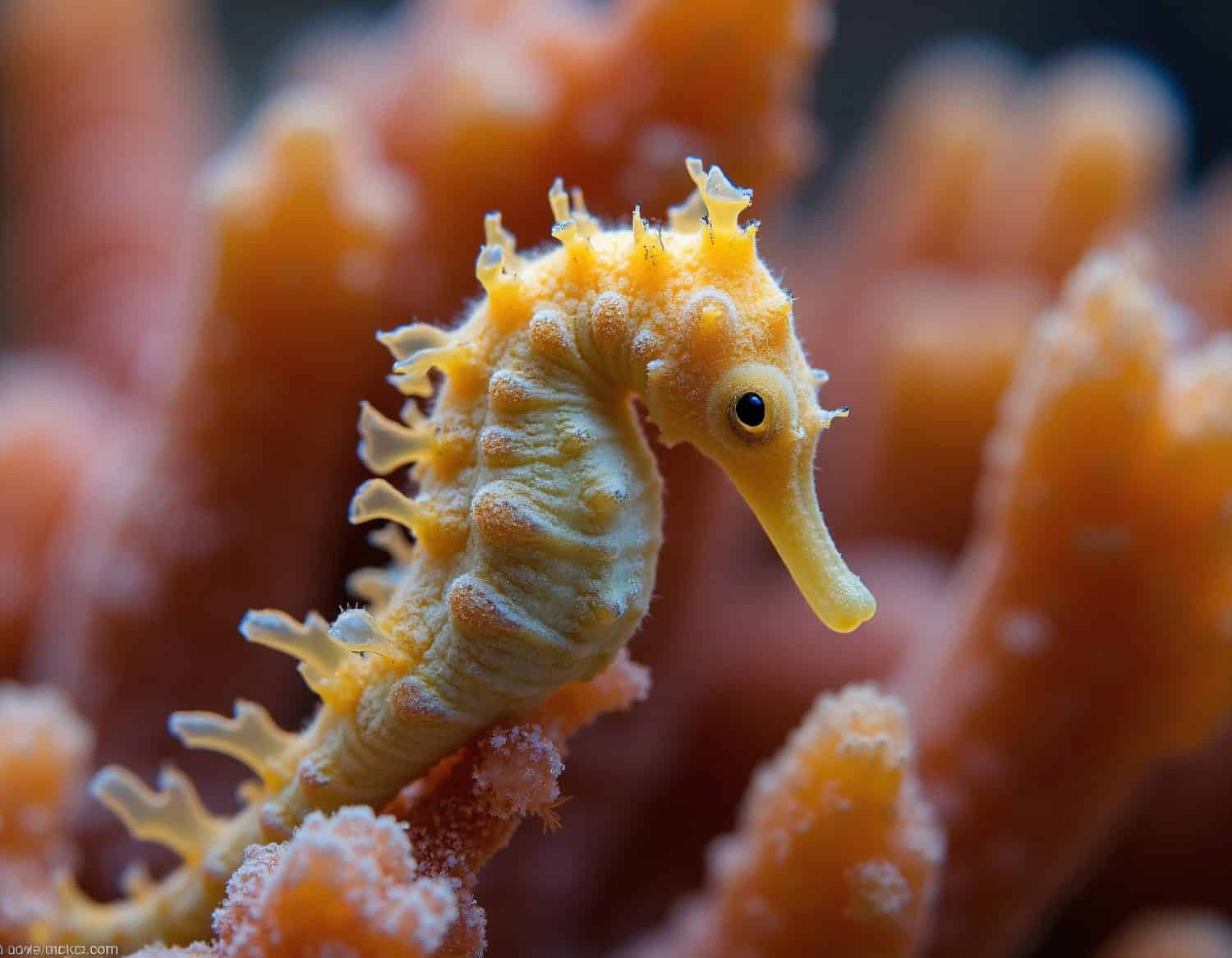
- At least one animal dad does something no human father ever could, a feat that makes him the most involved parent in the entire ocean. How male seahorses give birth →
Parenting in the animal kingdom can look very different from raising a human child. While some wild animals seem to care for their babies in a human-like way, carefully protecting and nurturing their young, others use alternative methods. These parental instincts can seem shocking, unusual, or downright horrifying. However, evolution shaped parenting strategies around survival of the species as a whole, which doesn’t prioritize gentleness. Nature has quite a wide range of parenting styles. While some animals guard their babies for long periods of time, others abandon them immediately. Here are 8 animals with the weirdest parenting styles we’ve ever seen.
Emperor Penguin
©Sergey 402/Shutterstock.com
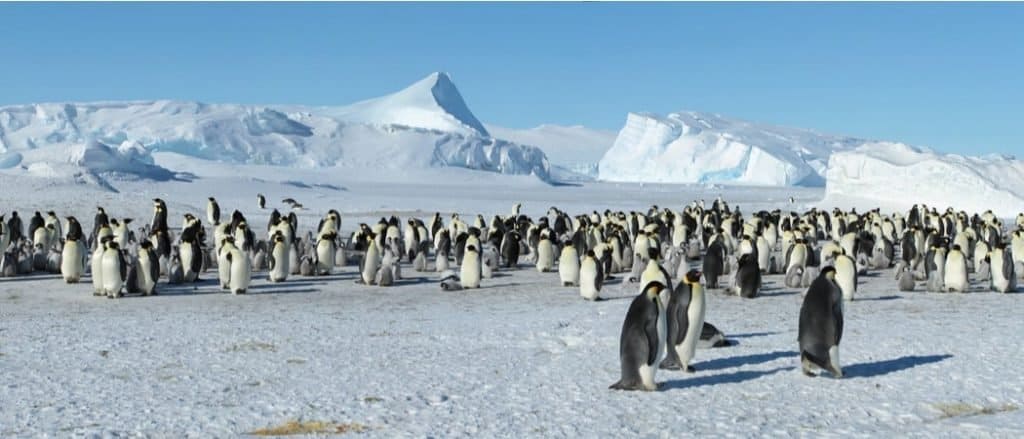
Emperor penguins face one of the harshest parenting challenges in the world. And with this particular bird, it is the male that does all the heavy lifting. After laying a single egg, the female leaves to hunt while the father cares for the egg. He must keep it warm, but this is difficult to do in the bitter cold Antarctic environment. To help the egg maintain proper temperature, the male penguin balances it on his feet for months through brutal winters. To withstand freezing winds, males turn to their penguin friends for help, huddling in groups for warmth and protection. During this egg-carrying period, the fathers may go without food for an incredibly long time. And we thought being a human father was hard!
Cuckoo Bird
©Natalia Kirsanova/Shutterstock.com
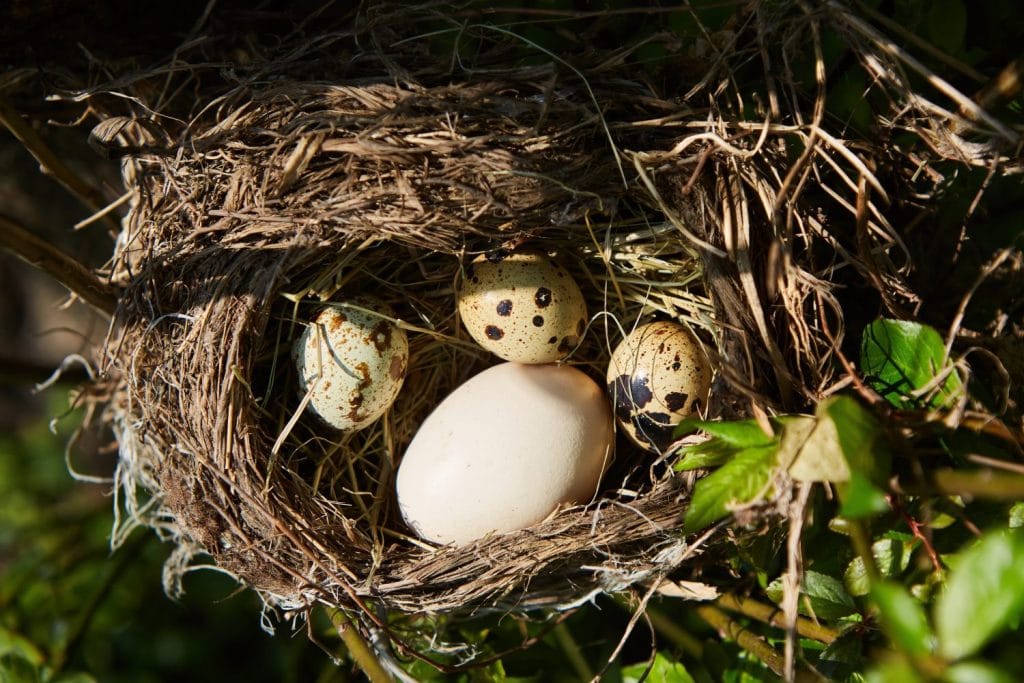
We’ve all heard of avoidant parents, but cuckoo birds take the cake. These birds are infamous for their highly deceptive style of parenting, if you can even call it parenting at all. Cuckoos completely avoid raising their own chicks by discreetly laying eggs inside the nests of other bird species. And it’s not just the mom who behaves badly; once the cuckoo chick hatches, it sometimes pushes the host’s eggs or chicks out of the nest! The unconsenting foster parents are somehow completely fooled by this scam and raise the cuckoo as their own.
Poison Dart Frog
©dirk ercken/iStock via Getty Images
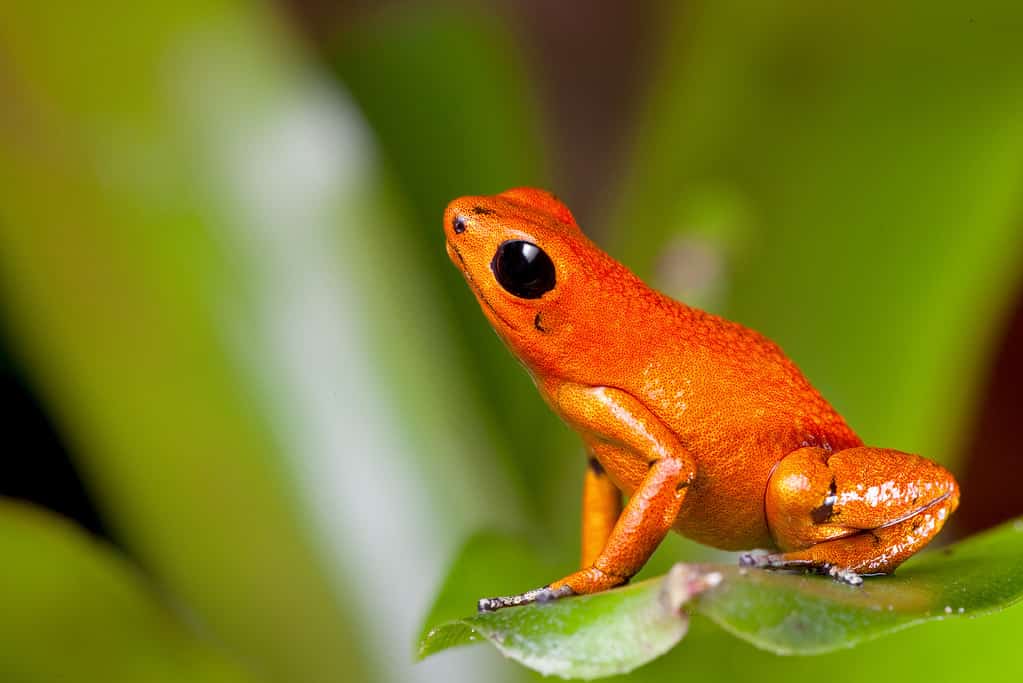
Some poison dart frogs are truly committed parents. These little amphibians transport their tadpoles one-by-one on their backs after they hatch, carefully depositing the babies into tiny pools of water hidden inside plants. In certain species, mothers visit the tadpoles regularly to feed them unfertilized eggs. This behavior requires significant energy and repeated trips through dangerous rainforests. For frogs, this level of parental dedication is surprisingly intense.
Octopus
©"Greater blue-ringed octopus with eggs (Hapalochlaena lunulata)" by krokodiver is licensed under BY-SA 2.0. – Original / License
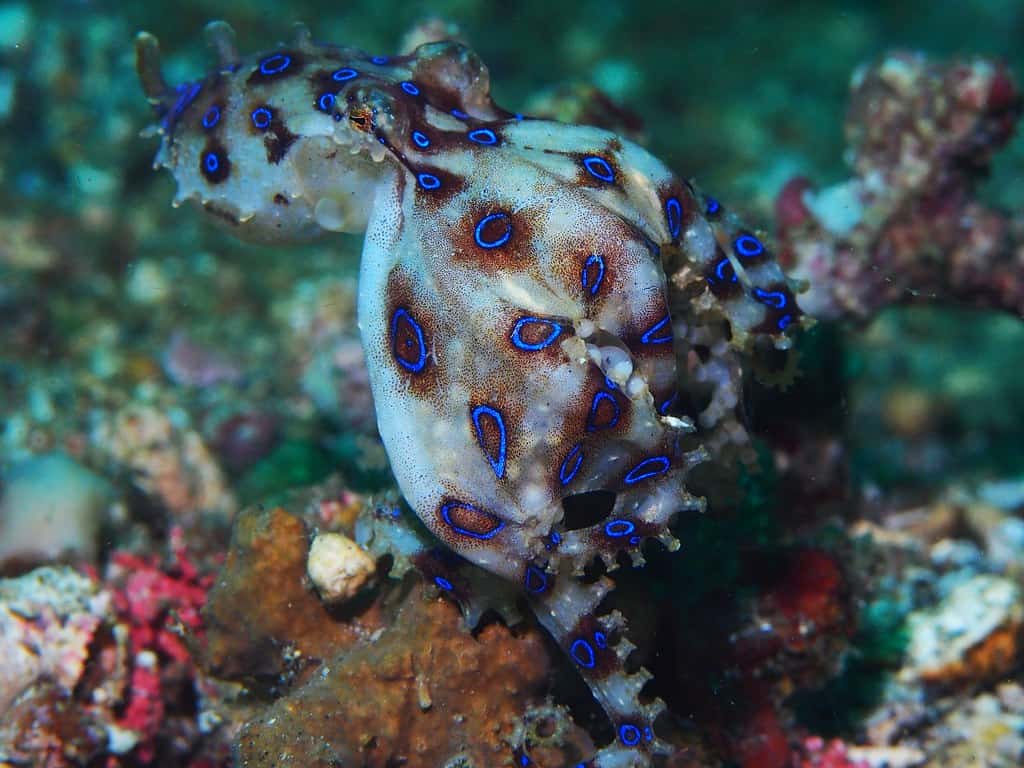
Mother octopuses make one of the greatest sacrifices in the animal kingdom. After laying thousands of eggs, the female gives everything she has to the well-being of her babies, foregoing any of her own needs in the process. She guards them continuously for months without leaving for a moment, not even to hunt. While she meticulously cleans and oxygenates the eggs, she slowly starves to death. By the time the eggs hatch, the exhausted and nutritionally depleted mother dies soon afterward. Octopus motherhood is the definition of true devotion.
Crocodile
©Catchlight Lens/Shutterstock.com
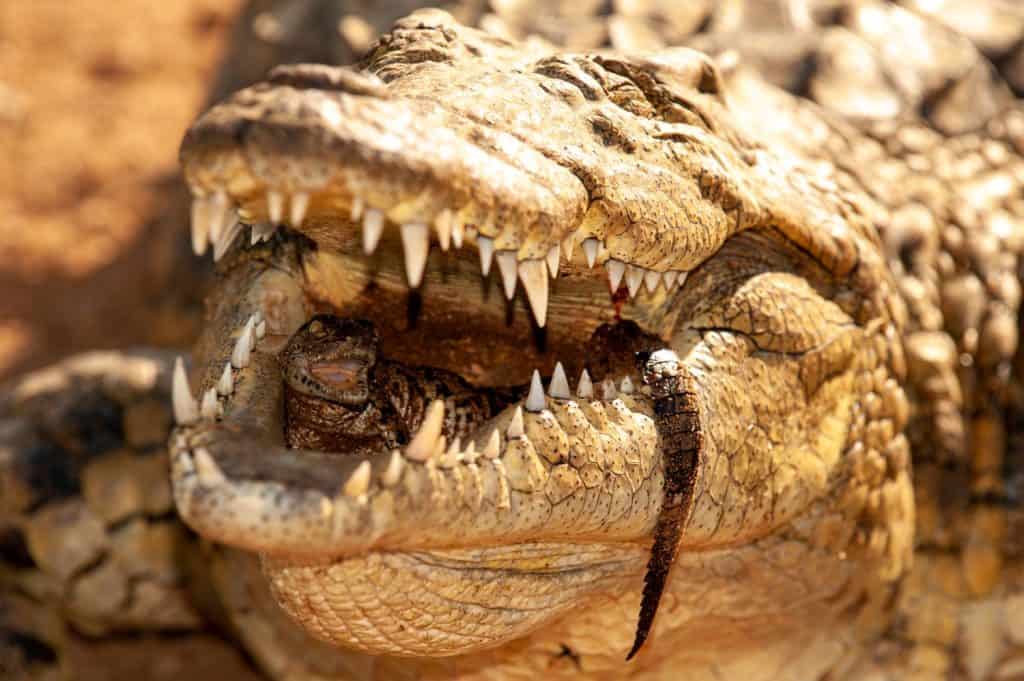
Because crocodiles are highly effective predators capable of taking down huge prey, many are surprised to learn they are also attentive mothers. After the babies hatch, the mother ushers them into the safest place possible: her mouth. She delicately carries the hatchlings inside her powerful jaws, transporting them from the nest to water. As the babies develop and discover their environment, mothers remain nearby, ready to rush to their offspring’s defense. Croc moms might stay in their babies’ lives for up to a year. It is strange realizing this fiercest of reptiles is also a fiercely good mama.
Seahorse
©Marcos del Mazo/Shutterstock.com
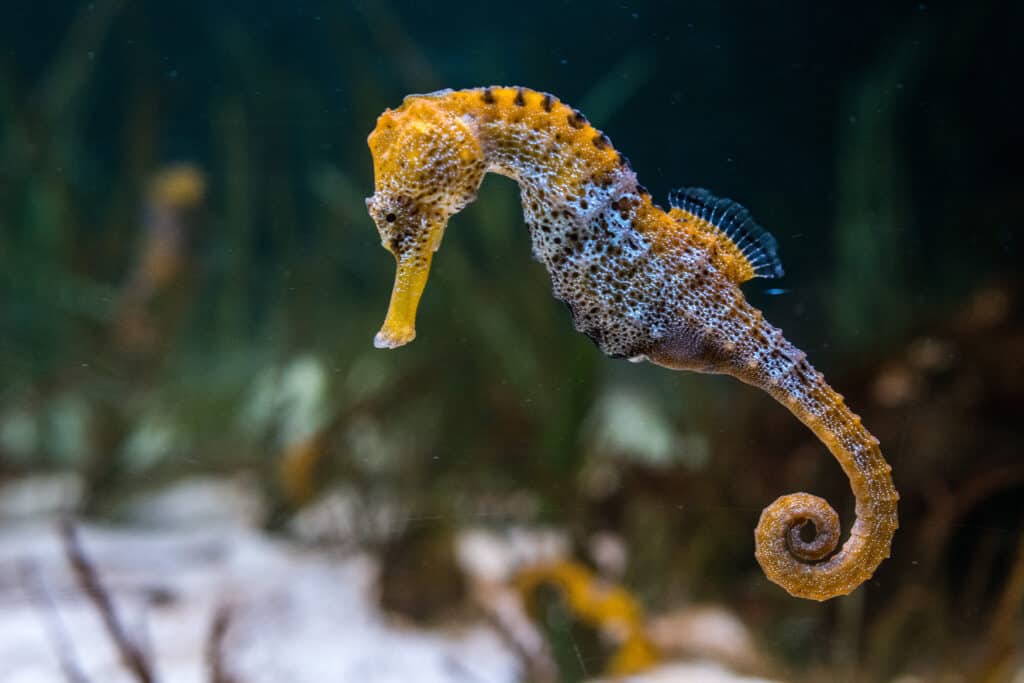
Seahorses engage in one of the weirdest forms of parenting in the ocean. And like the emperor penguins, it is the male that takes on most of the work, reversing the parenting roles often seen in animals. Females deposit eggs into a pouch on the male’s body, essentially “impregnating” the father. He fertilizes, carries, and nurtures the developing eggs until birth, at which point he releases dozens to hundreds of tiny seahorses into the ocean. Few fathers in nature are quite this involved.
Earwig
©iStock.com/Jonathan Steinbeck
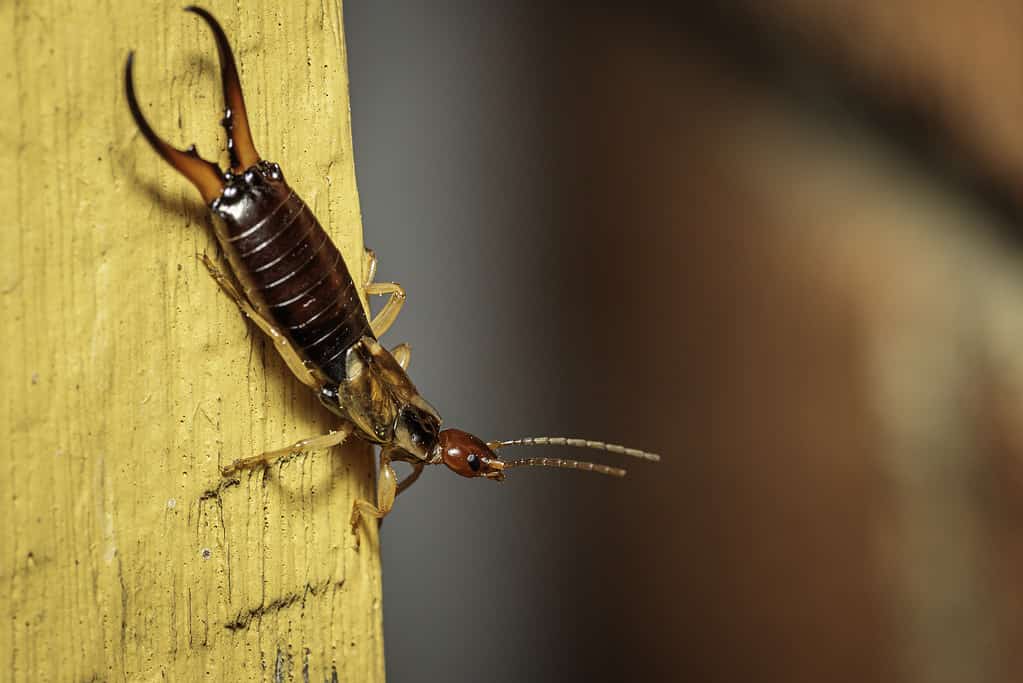
Insects tend to be the least involved parents, often departing after laying eggs. However, earwigs stick around to care for their eggs and young. Female earwigs clean their eggs regularly to keep them fungus-free. They also guard their eggs aggressively when predators are nearby. After hatching, the mother continues feeding and protecting the babies for a period of time. This level of maternal care is unusual among insects. Earwigs might be the best (creepy-looking) moms of the insect world.
Surinam Toad
©Dan Olsen/Shutterstock.com
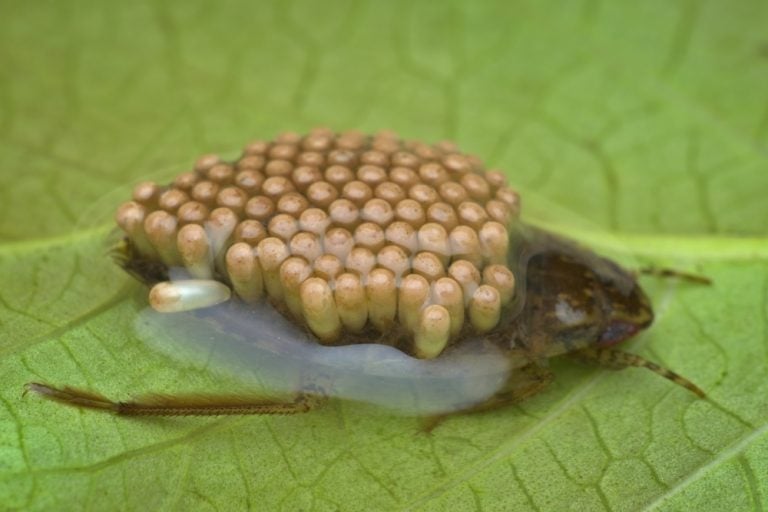
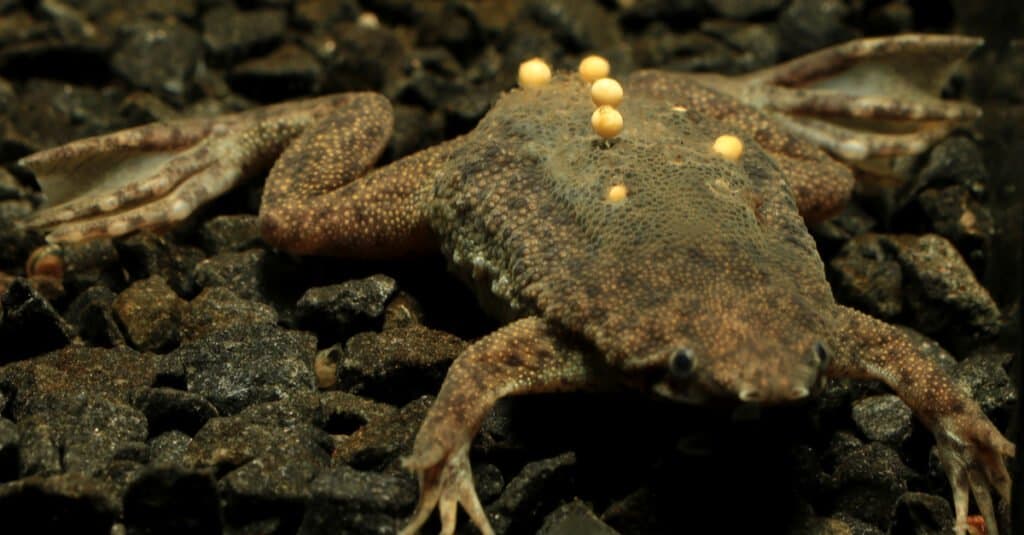
The female Surinam toad has a bizarre method of carrying and safeguarding her soon-to-be young. After mating, she carries fertilized eggs on her back. However, these eggs aren’t just resting on the surface; they are embedded directly into tiny pockets in the skin. After several weeks of developing safely, fully formed tiny toads emerge from the mother’s back through dozens of openings. This highly unusual “birthing” process looks like something straight out of a science-fiction movie.