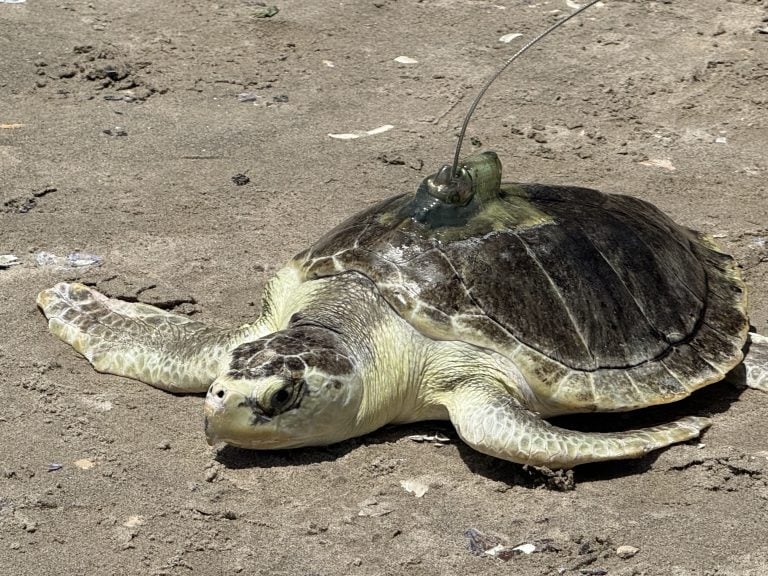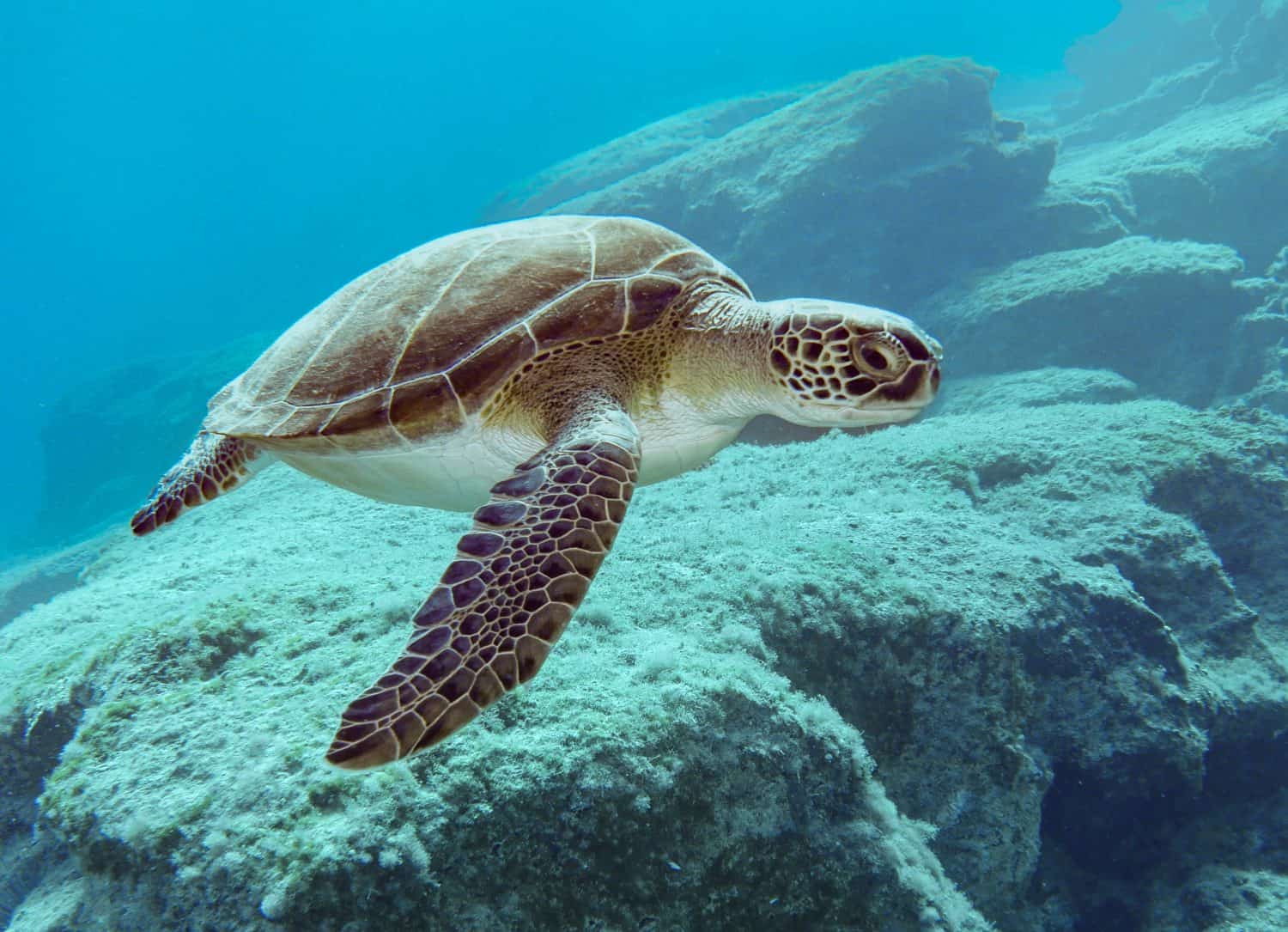

Quick Take
- Being rescued from cold water doesn't mean a sea turtle is safe, and what happens next reveals a sobering truth about recovery. See survival rate data →
- Cold-stunning does far more than lower a turtle's body temperature. The internal damage it triggers can outlast the rescue by years. Explore the internal damage →
- How long a turtle spends in cold water determines everything, and the threshold that separates a good prognosis from a fatal one is narrower than you'd think. See how exposure time matters →
- Climate change isn't just warming oceans. It's pushing sea turtles into waters that may ultimately be a death sentence, and the numbers back it up. See the climate connection →
Turtles cannot regulate their own body temperature. They rely on ocean temperatures to keep their bodies at a temperature where they can function properly.
When ocean temperatures drop, this negatively affects turtles. They experience a phenomenon called cold stunning, which can affect sea turtles for a lifetime if not rescued immediately.
What Is Cold-Stunning?
As the climate has changed over the last several decades, turtles have been forced to migrate to areas of the ocean they would not have historically migrated to. This is due to both the need to follow prey and changes in ocean currents.
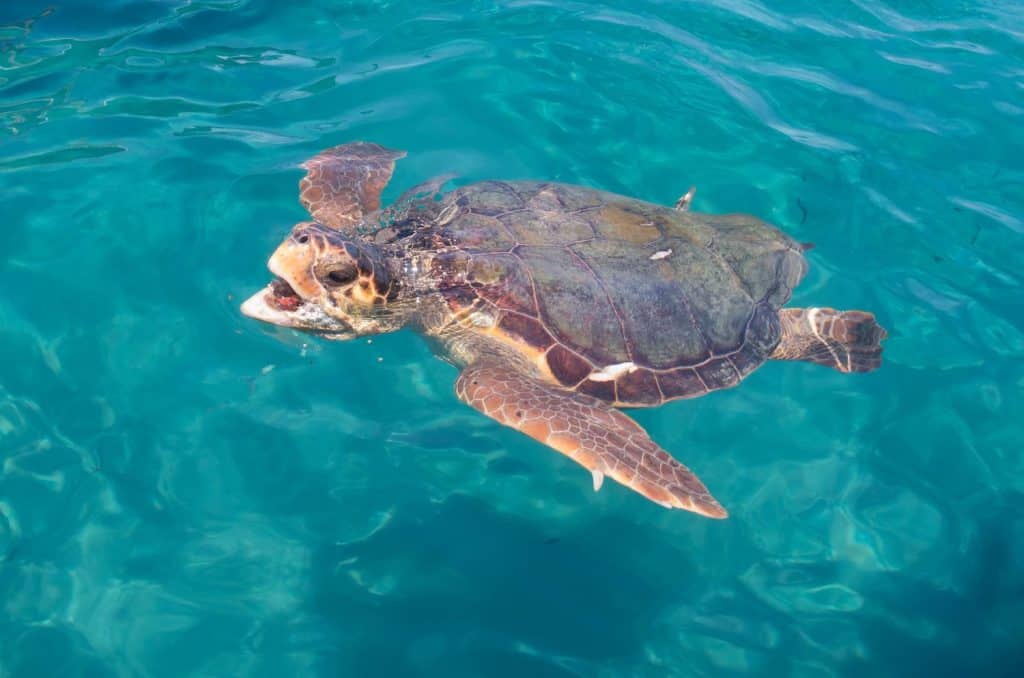
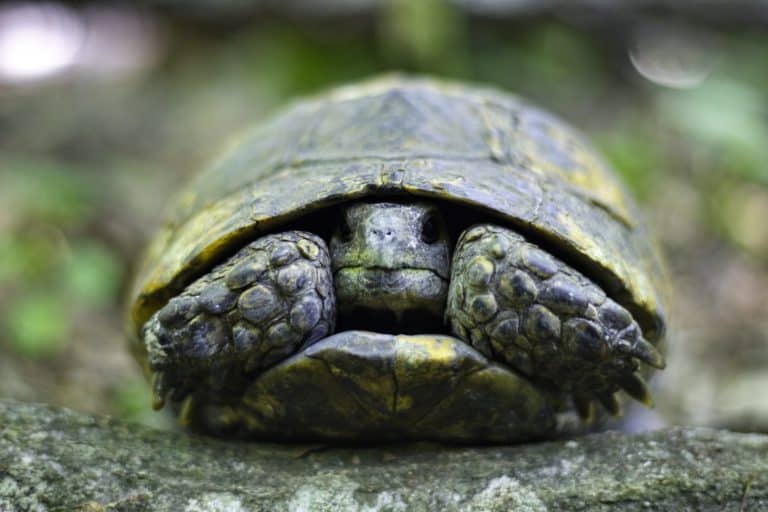
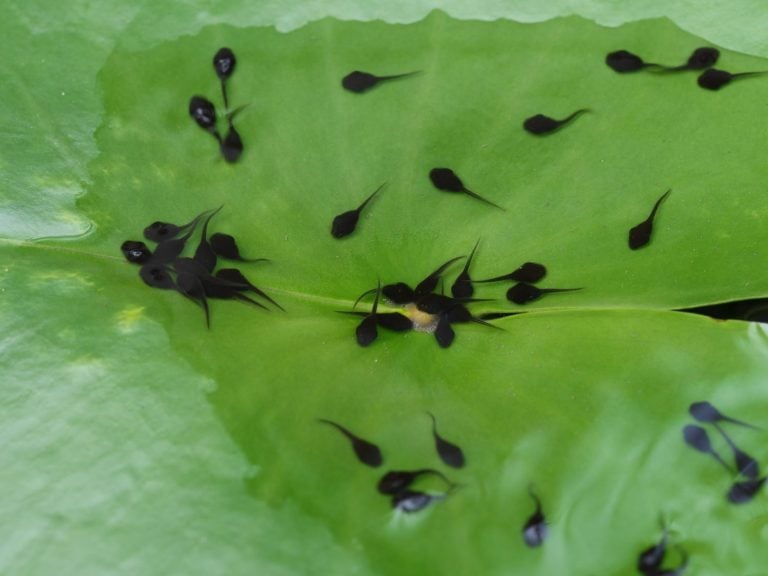
Turtles in cold water can develop a condition called cold-stunning.
©daringtoexplore/Shutterstock.com
In the short term, turtles get the nutrition they need by following their prey. However, the areas of the ocean that turtles are now exploring can drop well below the temperatures that cold-blooded turtles need to survive. Sudden drops in temperature can occur without warning, leaving turtles stranded in cold water.
Cold-stunning is a condition that turtles experience as a result of cold water. Their body temperature drops to levels that prevent them from functioning properly. The longer the hypothermic condition lasts, the lower the turtles’ chances of survival.
What Happens When a Sea Turtle Is Cold-Stunned?
A turtle experiencing a cold-stunning event will deal with both immediate and longer-term effects of the cold. How a turtle recovers from exposure is directly related to the duration of the cold exposure.
The immediate effects of a turtle experiencing cold-stunning events are as follows:
- Slowed metabolism
- Disorientation
- Lack of control over buoyancy
- Weakened immune system
- Kidney or liver damage
- Injuries from being attacked by predators, washing up on shore, or striking foreign objects
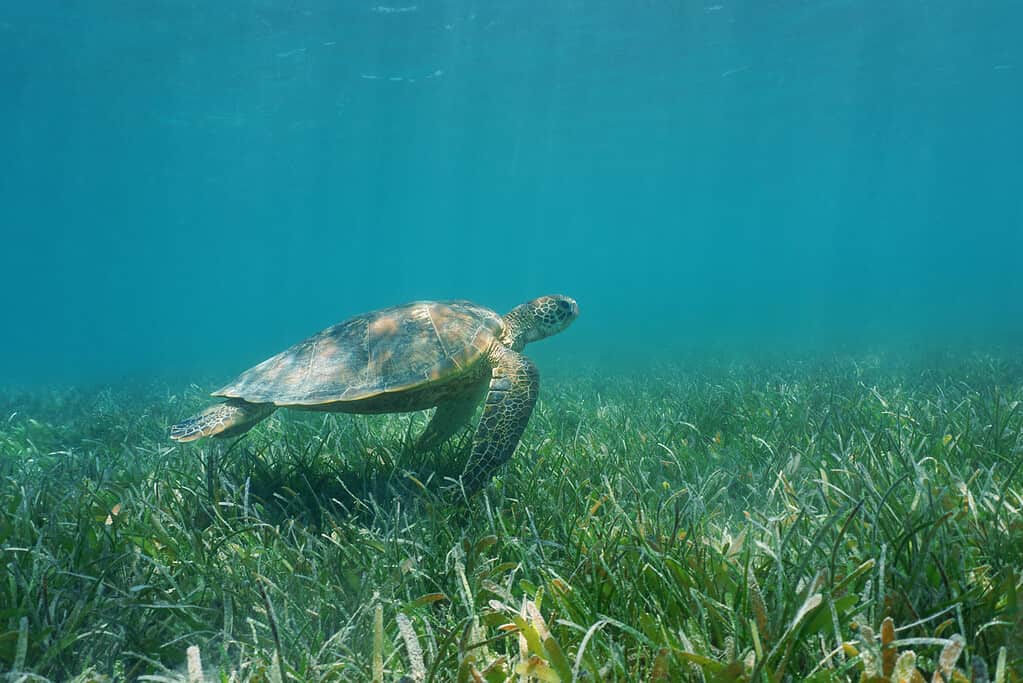
Sea turtles experiencing cold-stunning can lose buoyancy.
©Damocean/iStock via Getty Images
Even if a turtle survives long enough to be rescued, it still faces a difficult recovery. Depending on the severity of the cold-stunning event, they may experience serious adverse effects. These adverse effects include:
- Frostbite
- Shock
- Organ failure
If these conditions cannot be reversed in a timely manner, the chances of a turtle surviving are slim. This is why when temperatures plummet, the race is on to save turtles before too many perish at sea.
Prognosis of a Cold-Stunned Sea Turtle
The prognosis for a cold-stunned turtle depends on how long it was exposed to freezing water and the severity of the cold-stunning event. When turtles spend time in water at 50°F or colder, they become lethargic. As this happens, the turtles stop swimming and become easy prey for predators. Those that do not become prey face the possibility of drowning.
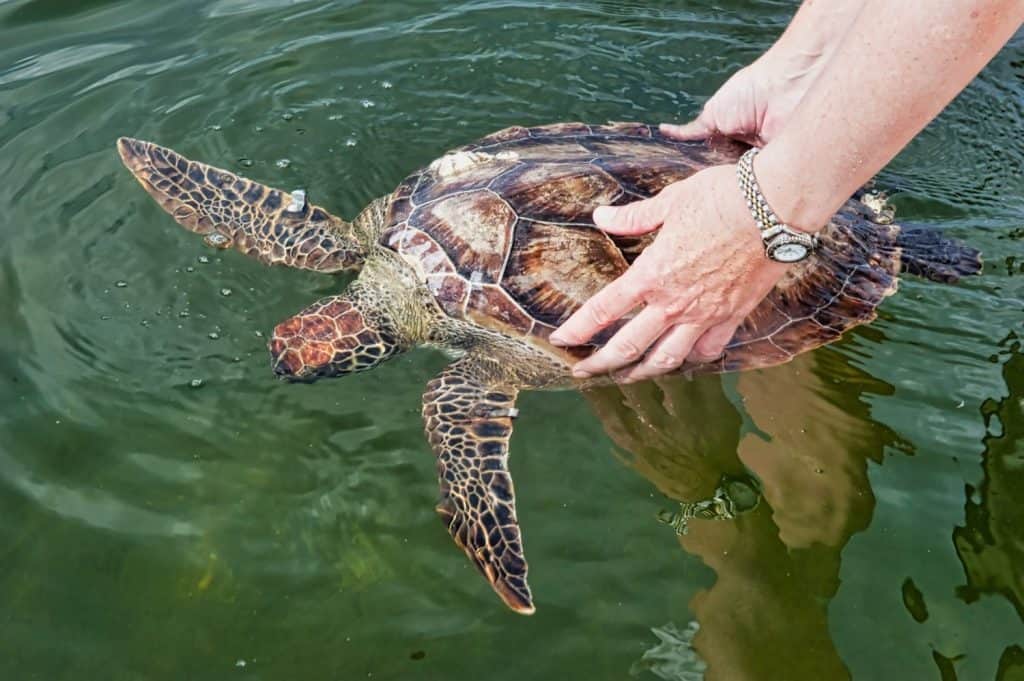
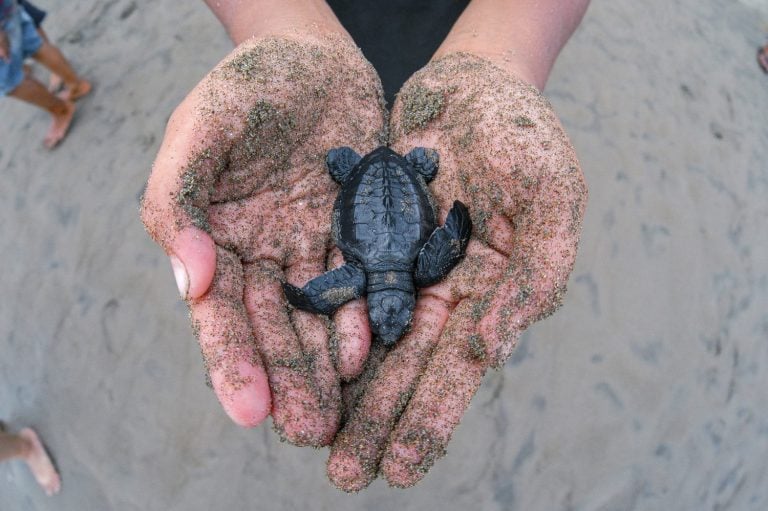
The sooner a sea turtle is rescued from cold water, the better its chances of survival.
©BEST-BACKGROUNDS/Shutterstock.com
The best-case scenario is that turtles are rescued before any sort of time has been spent in cold water. Their survival rates will vary for those with longer exposure.
- Good prognosis: Turtles were not in the water long and were otherwise healthy before the cold-stunning event.
- Moderate prognosis: Turtles were exposed to cold water for longer periods and experienced long-term health effects.
- Poor prognosis: Turtles exposed to severe cold-stunning events for extended periods are more likely to develop infections or pneumonia. These turtles have the poorest chance of survival.
The sooner turtles can be warmed to their natural temperature of 77°F to 81°F, given fluids, and treated with medications for infections associated with cold-stunning, the better their chances of survival.
Are There Long-Term Effects for Cold-Stunned Sea Turtles?
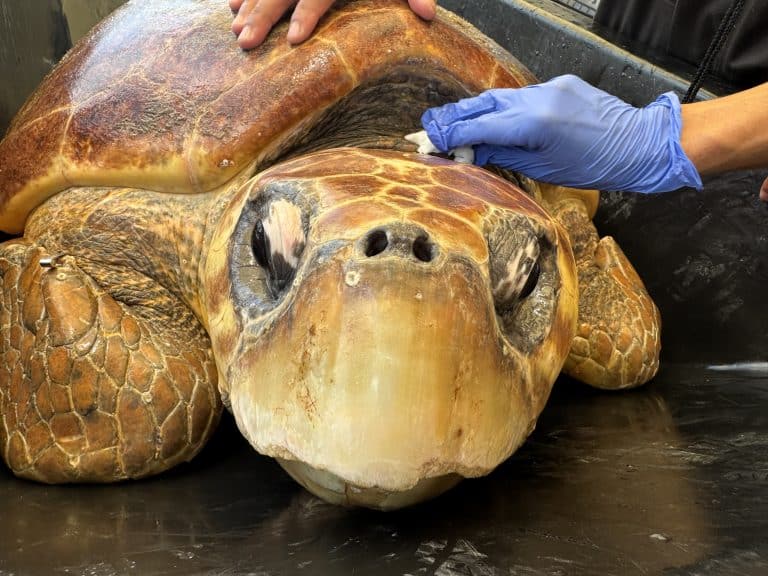
After a turtle is saved from a cold-stunning event, it does not mean the turtle is out of danger. The turtle’s recovery and any potential long-term health effects depend on the severity of the cold-stunning event.
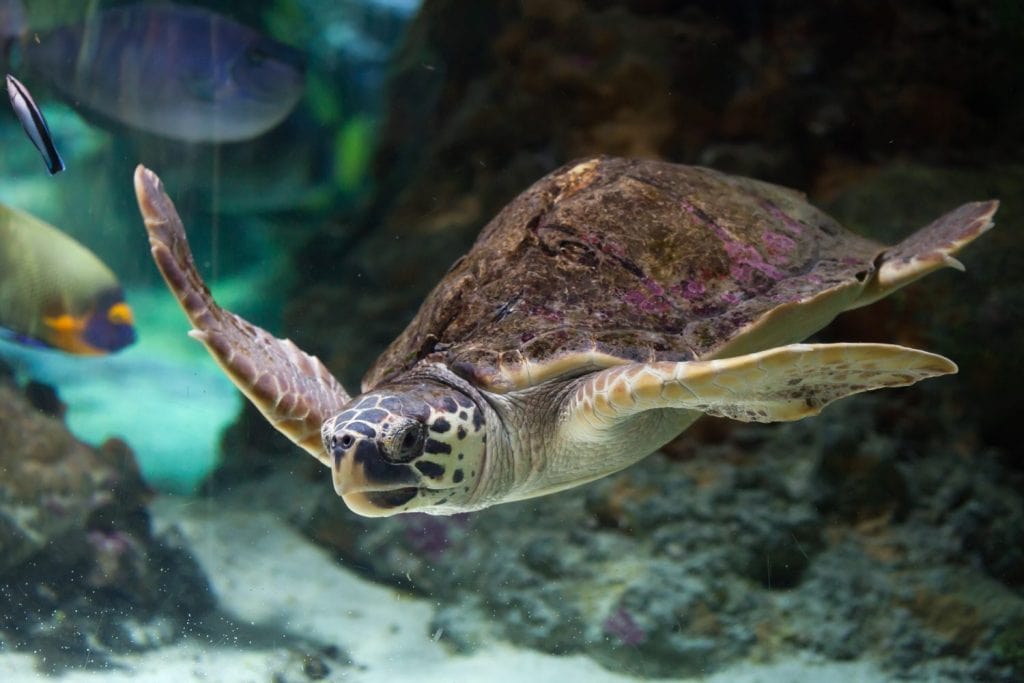
Sea turtles that have experienced cold-stunning have a lower chance of survival compared to those that have not.
©Vladimir Wrangel/Shutterstock.com
According to a 2022 study, after a severe cold stunning event, the survival rate of saved green turtles was as follows:
- 50% survival after one year
- 10% to 20% survival after four years
- 5% survival after eight years
The exact reasons for the decreased survival rates can vary. In many instances, the cold stunning event can cause permanent health issues that shorten lifespan, delay growth, and even affect reproductive health.
Unfortunately, climate change is causing more turtles to endure more severe cold-stunning events. As this continues, the health of turtle populations will decline. How this will affect individual turtle species and overall populations remains unknown. However, based on what has been learned about the turtles that have survived cold-stunning, the prognosis is not good.