
Quick Take
- Privately owned ranches hold the majority of the remaining grassland, more than parks or preserves.
- Working Lands for Wildlife partners with ranchers to improve habitat while keeping ranching viable.
- Open ranges with wildlife-friendly fencing preserve pronghorn and elk migrations.
- Read on to discover how conservation easements keep ranches intact and undeveloped.
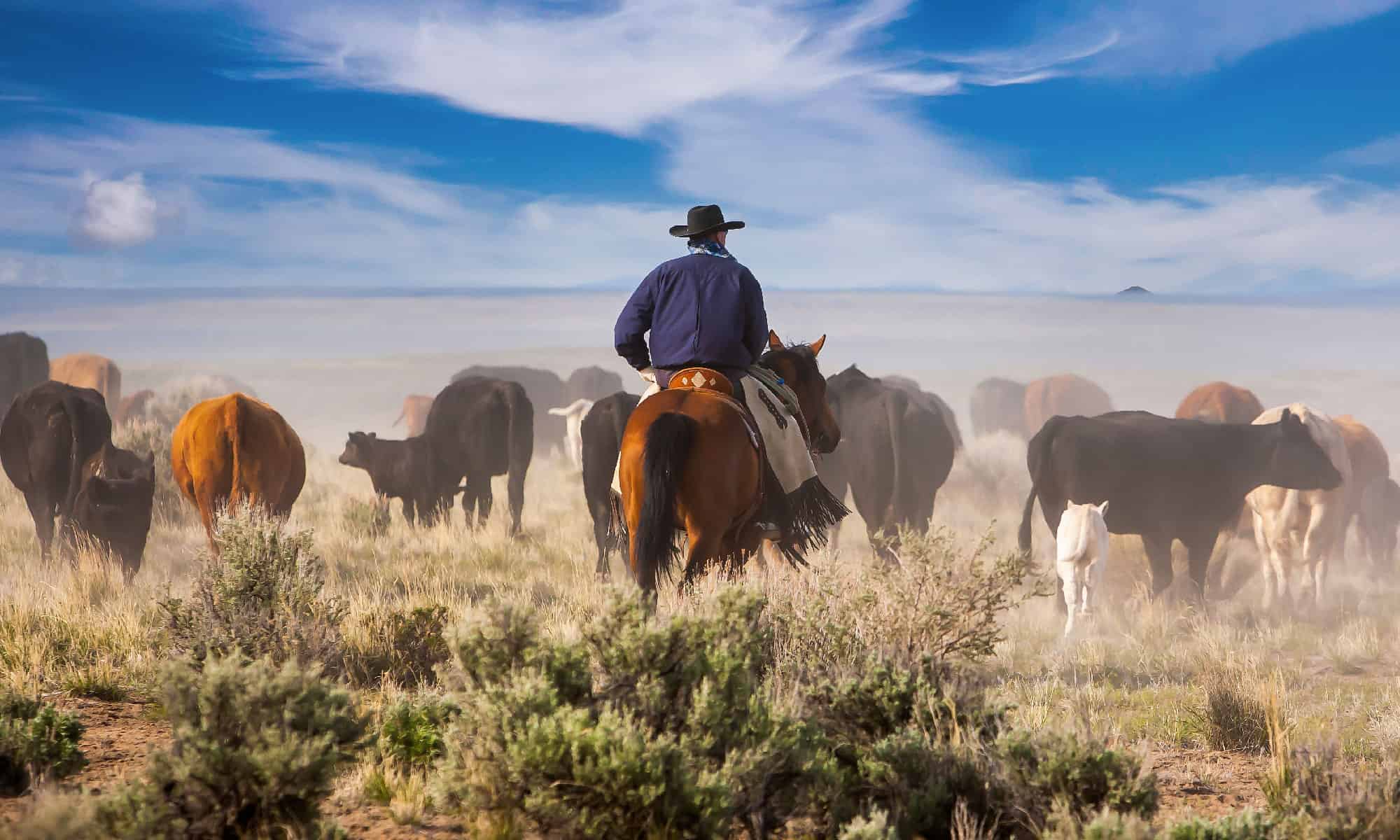
Large, open ranches are often the last wide-open spaces left between growing towns and expanding highway networks. Across much of the American West and Great Plains, these properties still support native grasses, seasonal wetlands, and long-distance wildlife movement. Cattle often share these landscapes with pronghorn, elk, grassland birds, and many smaller species. While development tends to break land into smaller pieces, working ranches can maintain continuity across large areas. Native vegetation stays rooted, water sources remain functional, and migration routes remain usable.
In recent years, conservation groups have taken a closer look at the role ranchers play in protecting these lands. Rather than viewing animal husbandry as a threat, many now recognize ranch families as long-term stewards. When ranching remains economically viable, landowners are less likely to sell their property for housing or commercial use. This shift has helped reframe working ranches as key allies in conserving wildlife habitat and healthy grasslands for future generations.
Ranches as Unlikely Conservation Partners
For much of the twentieth century, ranching and wildlife protection were often portrayed as incompatible goals. Livestock grazing was commonly blamed for habitat loss, erosion, and declining species numbers. Over time, however, research and field experience began to show a more complex picture. In many regions, the majority of remaining grassland exists on privately owned ranches rather than in parks or preserves. This reality has pushed conservation agencies to rethink their approach.
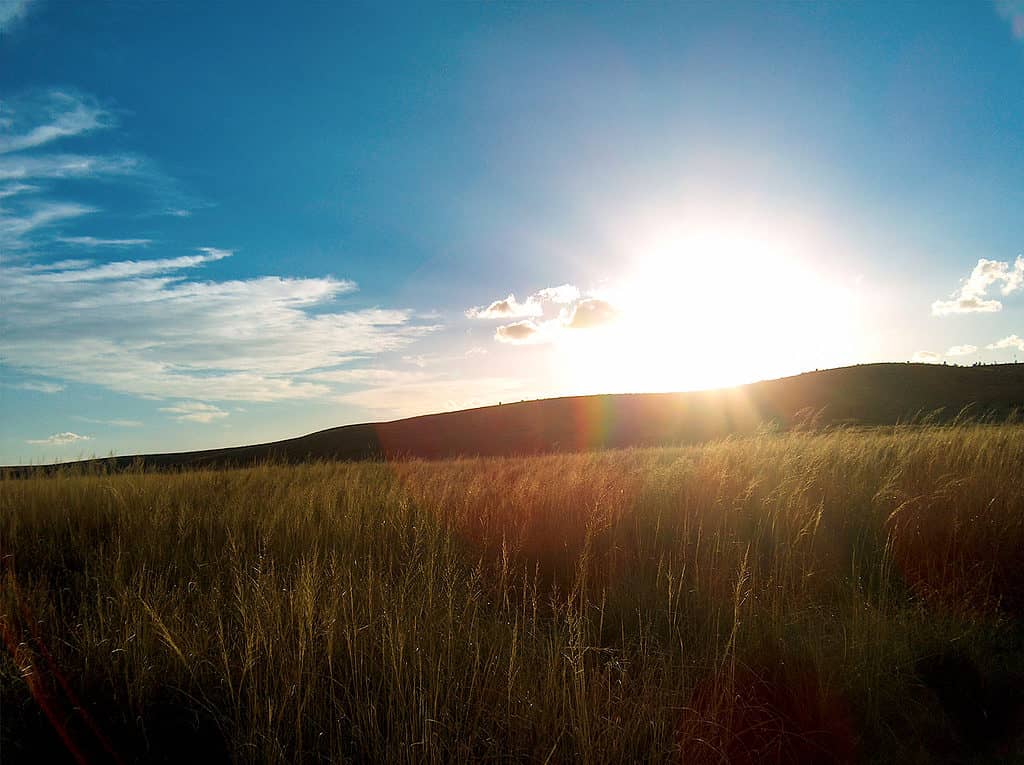
The vast prairies of the United States are largely used for grain production; however, ranches help preserve extensive areas of grassland.
©iStock.com/NewNomads
Programs such as the USDA’s Working Lands for Wildlife now partner directly with ranchers to improve habitat while keeping ranching financially viable. These efforts focus on practical changes, such as adjusting grazing practices or restoring habitat, rather than removing land from agricultural production. When ranch families can continue working the land, it reduces pressure to sell to developers. As a result, biologists increasingly see well-managed ranches as stabilizing forces that help maintain large, connected ecosystems across private landscapes.
Unfenced Range
In much of the western United States, large ranches are not fully fenced the way farms are in the East. Instead of every property being enclosed, livestock often graze on a mix of private land and public land under federal grazing permits. You’ll still see fences, but they’re usually used to manage livestock movement, protect roads or crops, or separate pastures—not to completely enclose thousands of acres.
This arrangement is due to both historical practices and the region’s geography. Western ranches are vast, the terrain is rugged, and fencing every boundary would be expensive and impractical. Many states also follow ‘open range’ traditions, where livestock are allowed to roam freely, and it is the responsibility of landowners or drivers to fence animals out, rather than requiring ranchers to fence them in. So, while ranches aren’t completely without fences, the wide-open feel of the West is genuine, and animals often move across vast, lightly fenced landscapes. Of course, this is great for native wildlife, which can still use the land in areas where livestock are not currently active, or sometimes alongside them.
Pronghorn and Elk on Open Range
On many western ranches, cattle graze in the same valleys and foothills that pronghorn and elk use during their seasonal migrations. These animals rely on wide sightlines and large open areas to detect predators and move between summer and winter ranges. Fragmentation from dense housing, roads, and closely spaced fencing can disrupt these migrations.
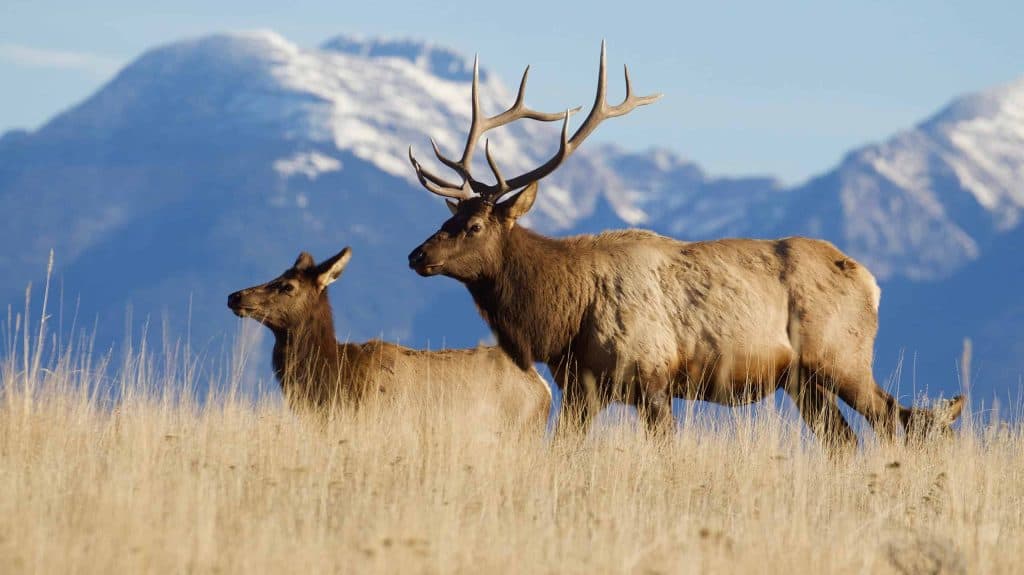
American elk are able to move freely over unfenced rangeland near the Rocky Mountains.
©Tom Reichner/Shutterstock.com
Ranches that remain open and are lightly developed allow wildlife to continue using traditional routes across private land. Wildlife-friendly fencing, such as raised bottom wires or smooth top wires, helps large mammals pass through without injury. In some regions, conservation easements protect known migration corridors, ensuring that the land remains undeveloped even if ownership changes. Ranchers who participate often receive financial compensation or technical support. These incentives help them continue ranching while supporting wildlife movement across broad landscapes.
Grassland Birds and Audubon Conservation Ranching
Grassland birds have experienced some of the most significant population declines of any bird group in North America. The loss of native prairie, conversion to cropland, and woody plant encroachment have reduced nesting and feeding areas. Conservation Ranching programs work with beef and bison producers to reverse these trends through grazing practices that support bird habitat.
Certified ranches use grazing systems that leave enough grass cover for nesting and brood-rearing. Species such as the sharp-tailed grouse and Henslow’s sparrow benefit from a mix of grass heights and open habitat structure. Ranchers adjust stocking rates and timing to match plant growth rather than following fixed schedules. Producers who meet program standards can market their products with a bird-friendly label. This approach links conservation outcomes with consumer choice and demonstrates that livestock production and bird habitat can coexist on the same land.
Northern Bobwhite on Working Lands
The Northern Bobwhite is a small quail known for its clear, whistled call, once common across much of the eastern and central United States. Over the past several decades, populations have dropped sharply as native grasslands and brushy field edges disappeared. Intensive agriculture, fire suppression, and land development all played a role.
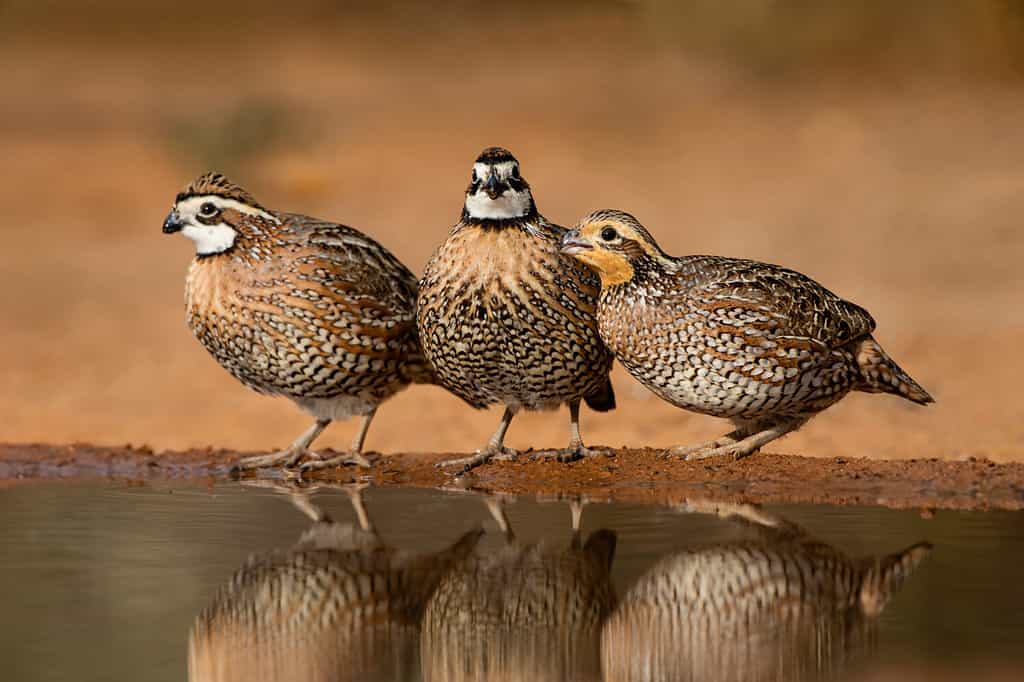
Bobwhites return quickly when habitat improves.
©Danita Delimont/Shutterstock.com
Habitat-based conservation programs now focus on restoring the early successional landscapes bobwhites need. On ranches and farms, this includes maintaining native warm-season grasses, scattered shrubs, and weedy areas that support insects for chicks. Rotational grazing can ensure that some areas are only lightly grazed during the nesting season. Bobwhites respond quickly when their habitat improves, often returning within a few years. For landowners, hearing bobwhite calls again provides clear evidence that their stewardship efforts are effective.
Rotational and Regenerative Grazing
Continuous grazing can put excessive pressure on certain areas, leading to bare soil, reduced plant diversity, and increased erosion. In response, many ranchers have shifted to rotational or regenerative grazing systems. These approaches involve dividing pastures into smaller paddocks and moving cattle frequently, which allows plants time to recover.
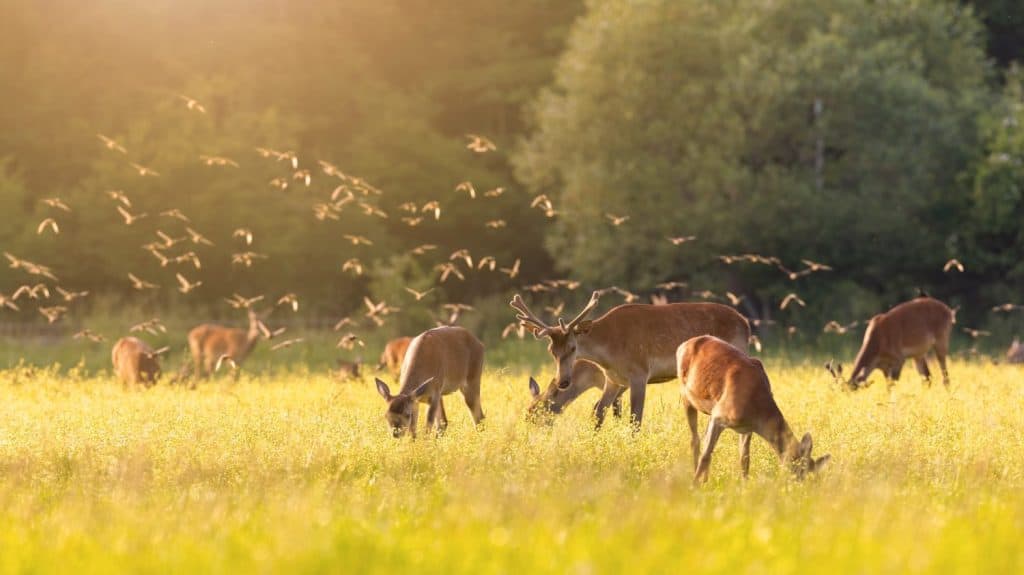
By rotating cattle more frequently, ranchers allow the grass to recover and provide more grazing opportunities for wildlife.
©WildMedia/Shutterstock.com
Rested grasses develop deeper root systems, which improve soil structure and water infiltration. Healthy soils absorb rainfall more efficiently and reduce runoff during heavy storms. Increased plant diversity also supports insects, which provide food for birds, reptiles, and small mammals. Conservation groups now promote managed grazing as a tool to improve soil health and increase resilience to drought. Success depends on careful observation. Ranchers adjust stocking rates and timing based on rainfall and plant growth, rather than following fixed schedules.
Water, Wet Meadows, and Riparian Corridors
Water sources shape wildlife use across dry landscapes. Many ranches include creeks, springs, or wet meadows that attract animals year-round. These areas support dense plant growth and provide shelter, food, and travel routes. Poorly managed grazing can damage streambanks and reduce vegetation, but thoughtful planning can improve conditions.
Conservation grazing plans often include providing seasonal rest for riparian zones, installing off-stream water troughs, and limiting livestock access points. These measures allow banks to stabilize and shade-producing plants to recover. Healthy riparian corridors support amphibians, pollinators, songbirds, and large mammals as they move between different elevations. Ranchers also maintain water infrastructure, such as pipelines and ponds, throughout large areas. This shared responsibility helps keep water available for both wildlife and livestock.
Fences, Corridors, and Wildlife-Friendly Infrastructure
Fences are essential for managing livestock, but traditional designs can create problems for wildlife. Closely spaced wires and barbed top wires can block animal movement or cause injuries. Many ranchers now modify fences in key locations to reduce these risks.
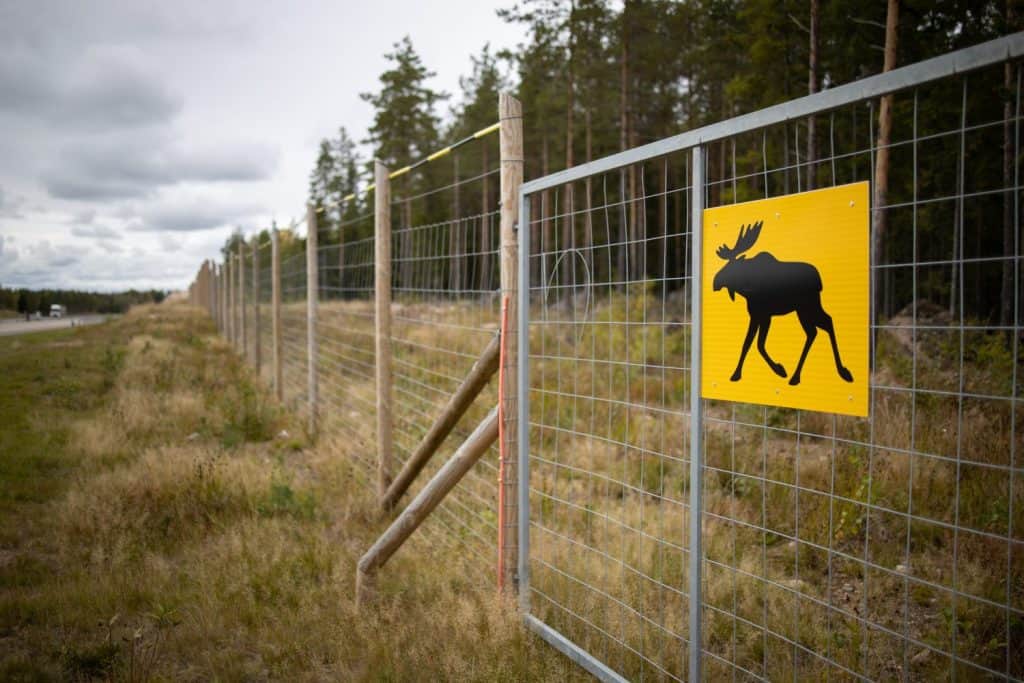
Different types of fencing are used for different purposes. Here, exceptionally high fences help prevent moose from wandering onto the highway.
©Michaelvbg/Shutterstock.com
Raising the bottom wire allows pronghorn and deer to pass underneath. Using smooth wire on top reduces injuries when animals cross. Adding visibility markers to fences helps birds avoid collisions. Placing fences strategically can protect sensitive habitats while keeping wildlife travel routes open. In some migration corridors, agencies and landowners collaborate to remove unnecessary interior fencing. These changes often improve livestock handling as well, benefiting both ranch operations and wildlife movement.
Cooperation Is a Win-Win
Successful conservation on working lands relies on cooperation between ranchers, wildlife agencies, and conservation groups. These partnerships focus on practical goals such as improving grazing plans, restoring native vegetation, and managing water resources, often with cost-share programs to reduce financial burden. Over time, trust replaces conflict as ranchers observe positive results on neighboring properties and share knowledge through local networks. Working ranches show that agriculture and wildlife can coexist, keeping open land productive, connected, and alive for future generations.