
Quick Take
- 45 wolverines may be translocated to Colorado over 3 years in an effort to reintroduce them to the state.
- Releasing populations in specific areas creates severe territorial dispersal challenges for state agencies.
- Persistent spring snow acts as a stricter survival constraint than prey availability for this species, as they have specific habitat preferences.
- Guidelines for living with wolverines will be released should the project prove successful.
Colorado is planning a return of the North American wolverine to the state’s highest, snowiest mountains. Through a recently released restoration plan, the state describes how these animals would be sourced, held briefly for acclimation, released, tracked, and evaluated for success. But why is Colorado interested in building its wolverine population, and how will this species be monitored moving forward?
Wolverines are not generalist carnivores that can live anywhere. They are closely tied to cold, high-elevation terrain where spring snow persists into denning season. In fact, a persistent spring snowpack is one reason biologists view the Southern Rockies as high-value habitat for the wolverine. But does this mean these animals will actually join Colorado’s diverse species list?
If many different pieces fall into place, the next few years could reshape what native wildlife lives in Colorado’s alpine zones. Besides introducing wolverines, this plan will also come with new management realities for agencies and residents within the state. Here’s Colorado’s plan and what you should know about it as well as the famous wolverine.
What Colorado’s Wolverine Reintroduction Plan Actually Proposes
Colorado Parks and Wildlife (CPW) describes their program as one that would translocate up to 15 wolverines per winter for 3+ years, aiming for about 45 animals total once multiple federal requirements are met.
CPW also has three broad release zones in mind: a Northern zone (north of I-70), a Central zone (between I-70 and U.S. 50), and a Southern zone (the San Juans), with early releases expected to focus on the central mountains. This is the wolverine’s ideal habitat, after all.
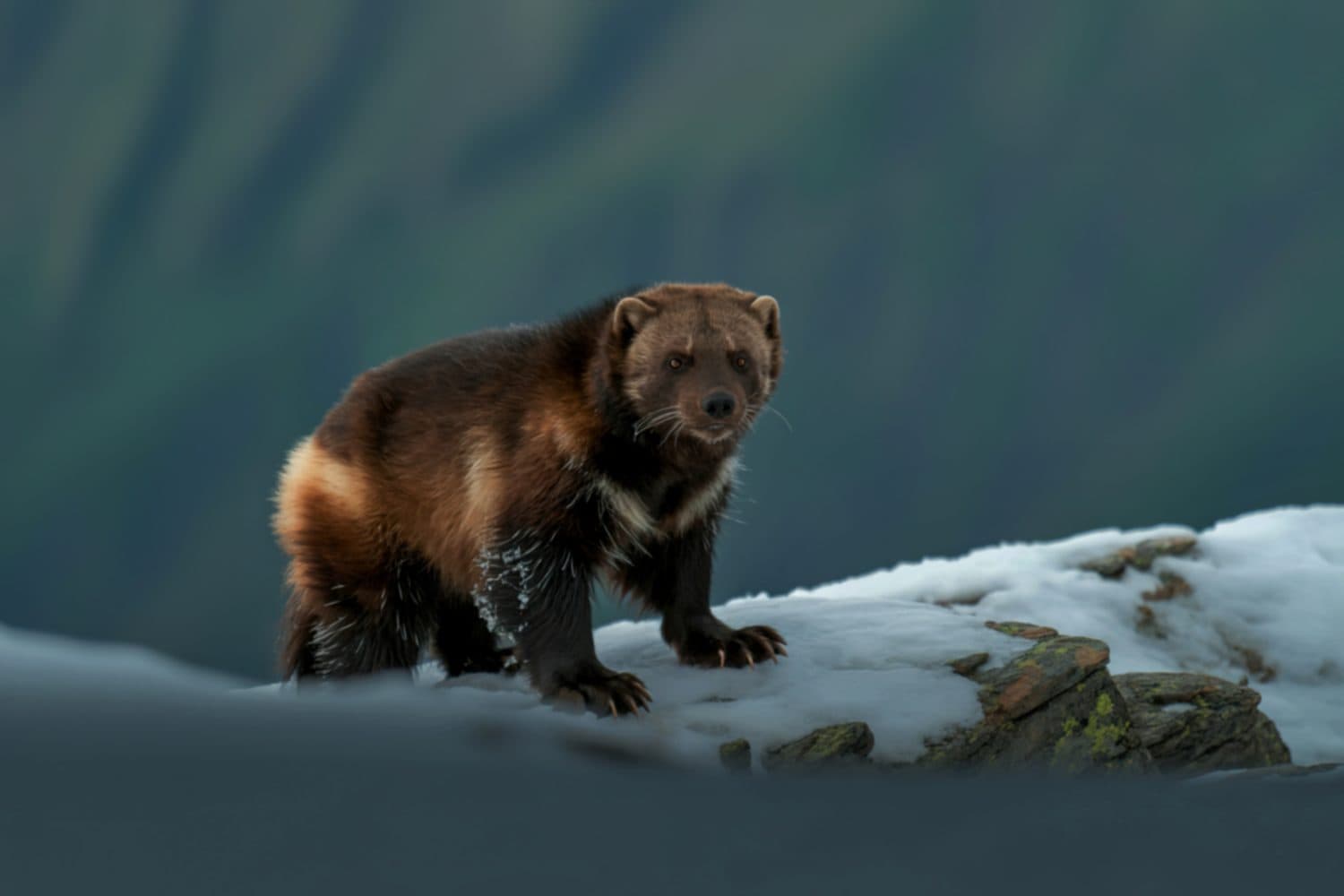
Wolverines once lived in Colorado, but the last living population died out in the early 1900s.
©Ondrej Prosicky/Shutterstock.com
These animals will be translocated to their preferred winter conditions, using methods that match the terrain. CPW has already discussed moving animals by helicopter or using a truck and snowmobile combined with ski travel for final placement into remote areas.
While the move may be stressful, it’s vital that Colorado release their new wolverines during a season that’s comfortable for them, even if it’s more uncomfortable for humans.
Why Wolverines Disappeared From Colorado
Wolverines were once historically part of Colorado’s native fauna, but they were ultimately extirpated in the early 1900s. This is a familiar story for large, wide-ranging mammals like the wolverine: trapping and persecution reduced populations quickly, while settlement and development changed how people used high-country landscapes, including Colorado’s vast backcountry offerings.
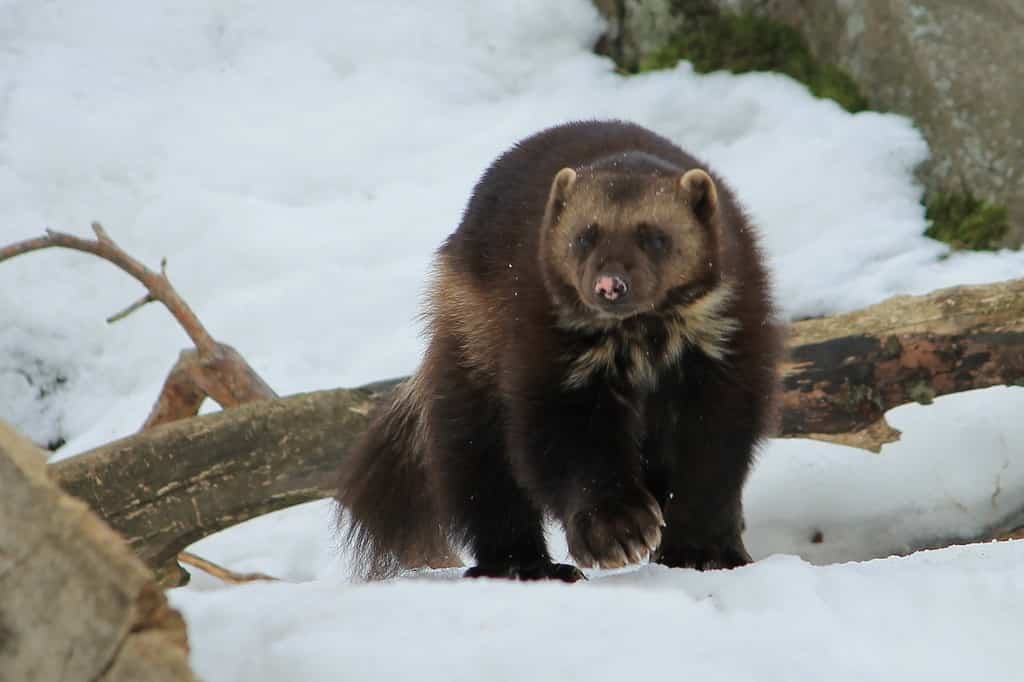
Early spring snows are important to wolverines, which is one reason why Colorado remains an appealing habitat for them.
The last confirmed wolverine in Colorado for decades was actually documented in 1919. However, there was a later confirmation in 2009 when a wolverine traveled into the state from the Greater Yellowstone region. Still, a wolverine population has not existed in this state for many years.
Why Colorado is Important for the Wolverine Species’ Recovery
Many conservationists and wolverine experts agree that Colorado holds a large block of high-elevation habitat that is currently unoccupied by a resident population, which means that rebuilding a wolverine population here could meaningfully support the species’ prospects in the contiguous U.S.
Additionally, as of November 2023, the contiguous U.S. wolverine population is federally listed as threatened, which changes the rules of what states can do and how much flexibility they have in management. Colorado has enough habitat to protect the wolverine and allow it to live in a location that has little human interference.
Habitat and the Wolverine’s Snow Requirement
Wolverines ultimately need and prefer cold, high-elevation environments. In fact, one of the most consistent scientific signals conservationists pay attention to is their tie to persistent spring snow, which overlaps with their late phase of denning and early kit development.
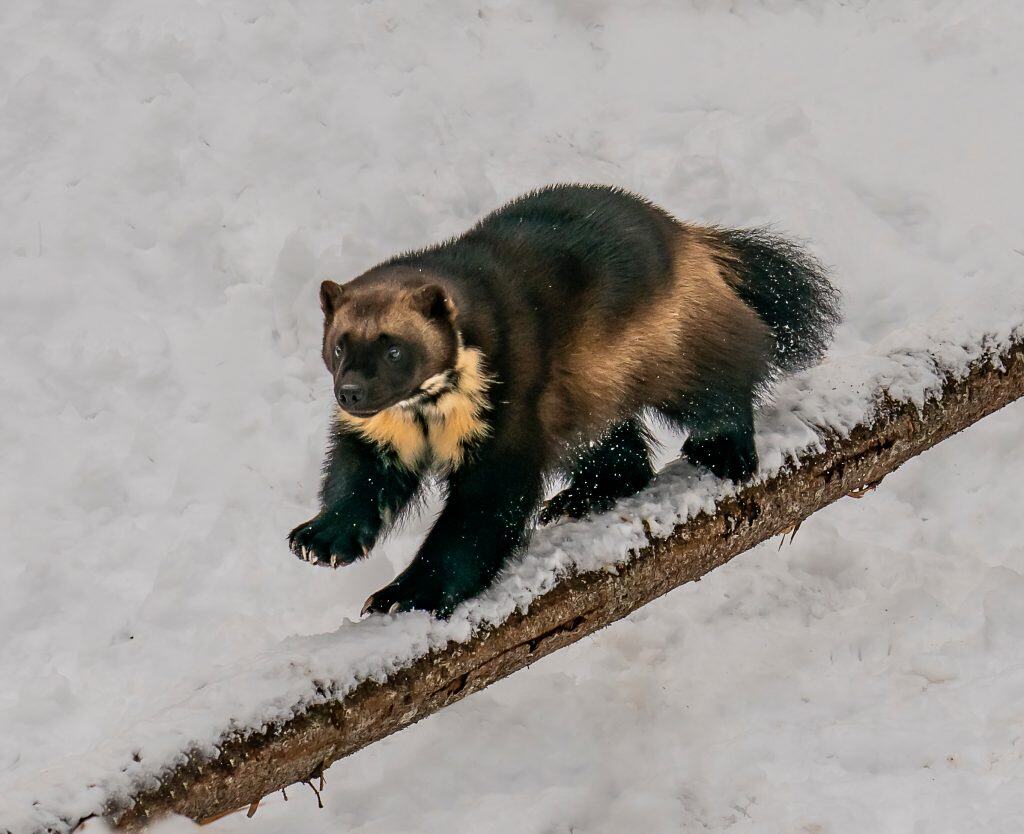
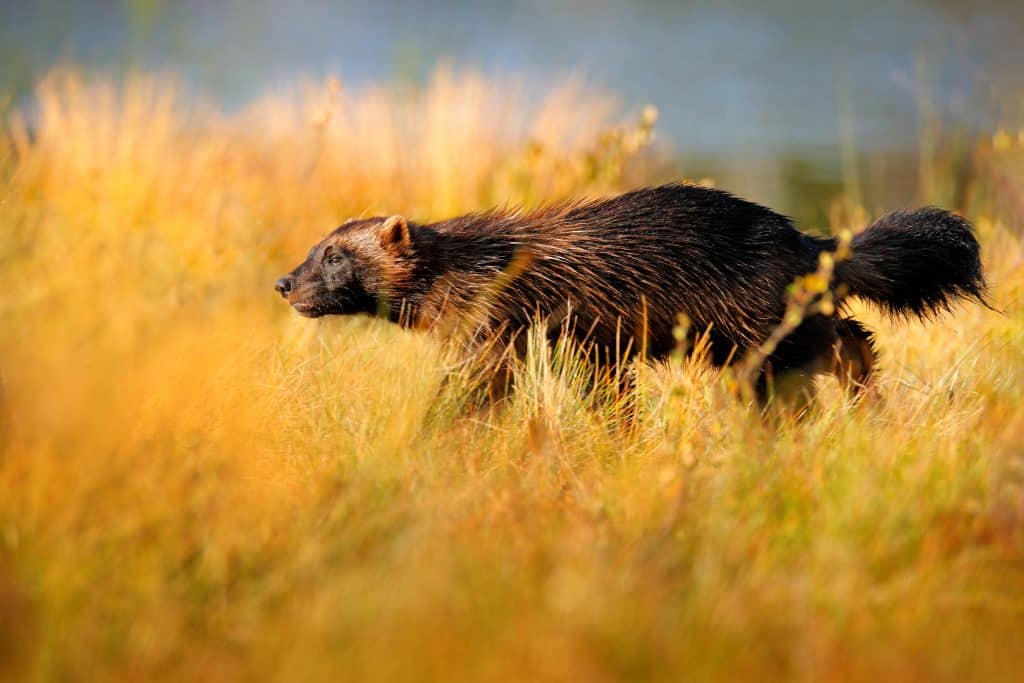
Colorado’s remote alpine areas are ideal for wolverine populations.
©Richard Seeley/Shutterstock.com
Studies assessing wolverine occurrence and dens have repeatedly found that spring snow persistence is a major predictor of their habitat suitability. Warming-driven snow loss can shrink habitat and connectivity for wolverines, which is why Colorado seems like such an ideal habitat for them.
Indeed, Colorado’s alpine terrain comes up so often in recovery conversations because it contains extensive high-country areas where snow persists longer than surrounding regions, at least in many of our most recent years. However, the long-term viability of wolverine populations across the U.S. can’t ignore climate trajectories overall.
How Colorado’s Plan Handles Wolverine Behavior
Wolverines can travel long distances, and quickly, making them a tricky animal to introduce into any new habitat. One practical challenge in any reintroduction is preventing newly released animals from immediately dispersing out of the intended area before they establish territories; the wolverine may be a culprit of this behavior in no time.
CPW has described its provisioning strategies meant to help animals stick to their new habitats early on, including placing carcasses so wolverines can cache food during their first winter. These carcasses will likely include roadkill collected in coordination with the Colorado Department of Transportation, alongside other sources, to create a short-term food bridge while animals establish themselves.

Wolverines may roam into other areas of Colorado, which is a key concern conservationists have.
©Steve Jones/ via Getty Images
However, introducing any animal into a new location can have side effects we don’t expect. Time will tell how the wolverines do, but Colorado appears to be planning for most issues.
Avoiding Human-Caused Mortality
Even though their release is planned for fairly remote locations, roads easily fragment wolverine habitats, which can human activity and create mortality risk through collisions, and this may even shape how these animals move.
Colorado believes strongly in reducing wildlife-vehicle collisions, making it a statewide priority. They’ve been pairing structures, such as overpasses/underpasses, fencing, and other mitigation together in order to reconnect habitat and reduce crashes.
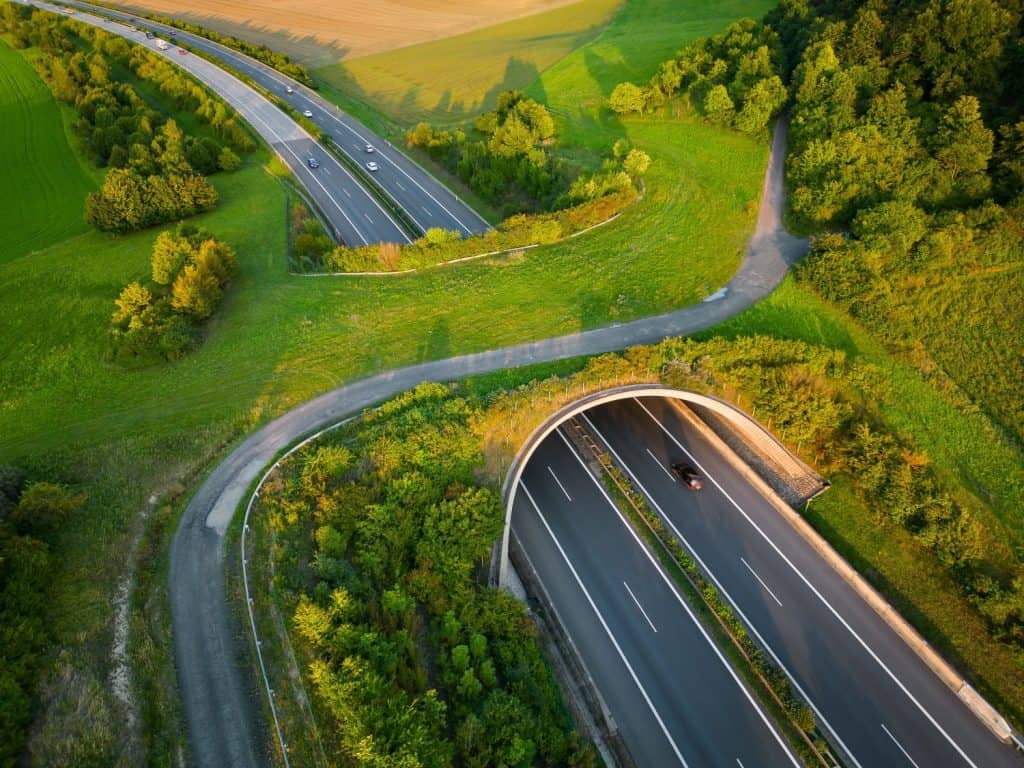
Animal overpasses can help save newly introduced species, like the wolverine in Colorado.
©VOJTa Herout/Shutterstock.com
However, even if wolverines themselves are rarely hit compared to deer or elk, they are a wide-ranging species that can easily be pushed into risky movement corridors, especially if they are still acclimating to their new home. Monitoring their dispersal and coordinating with transportation partners becomes part of their overall conservation, and Colorado is prepared for this.
What Residents and Hikers Should Know About Colorado Wolverines
While it may sound frightening to consider hiking and camping in a state with wolverines, they are elusive creatures and generally avoid people. However, that doesn’t mean human behavior is completely irrelevant. This is especially true in winter and spring, when backcountry recreation overlaps with the ideal conditions wolverines rely on to live and breed.
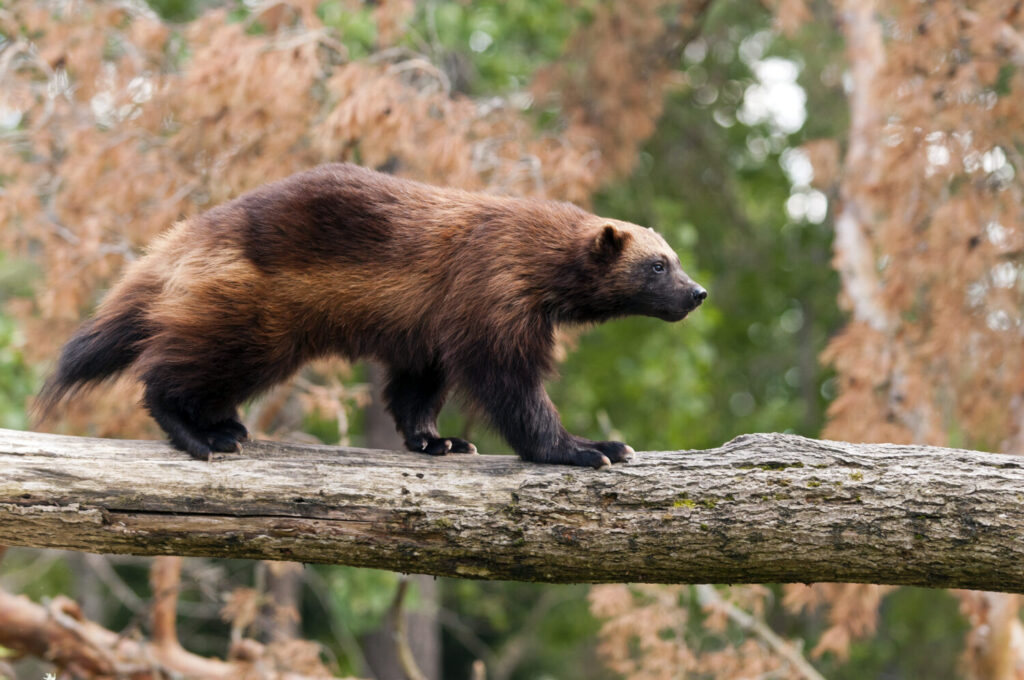
Wolverines aren’t likely to bother humans, given their solitary lifestyle.
©Nazzu/Shutterstock.com
For hikers, skiers, campers, snowboarders, and snowmobilers, the most useful mindset regarding wolverines is to give them distance, reduce any of your desire to pursue them, don’t leave food out, and avoid turning any wolverine sightings into crowd events. Colorado will also likely publish seasonal guidance tied to wolverine denning, which should help reduce disturbance during the period when the population is most fragile. So long as you follow the rules, you’re keeping yourself and them safe!
How People Can Support Colorado’s Potential Wolverine Population
There are a number of ways you can support Colorado’s future wolverine population, especially if you reside in this state. Some ways include:
- Treating sightings responsibly. CPW explicitly asks the public to report sightings using its wolverine observation form. This helps them understand the population and how they can best support the wolverines over time.
- Respecting closures or seasonal buffers. If they’re created around release operations or suspected denning habitat, pay attention and respect the rules.
- Learning the rules behind the program. Speaking of rules, this reintroduction is rooted in Colorado law, so know that getting in the way of it may be more illegal than first expected.
CPW has described concrete, measurable signals that may bring wolverines back into this state. Their overall plan also explicitly includes contingencies should something go wrong, making conservationists and animal experts hopeful about the outcome.
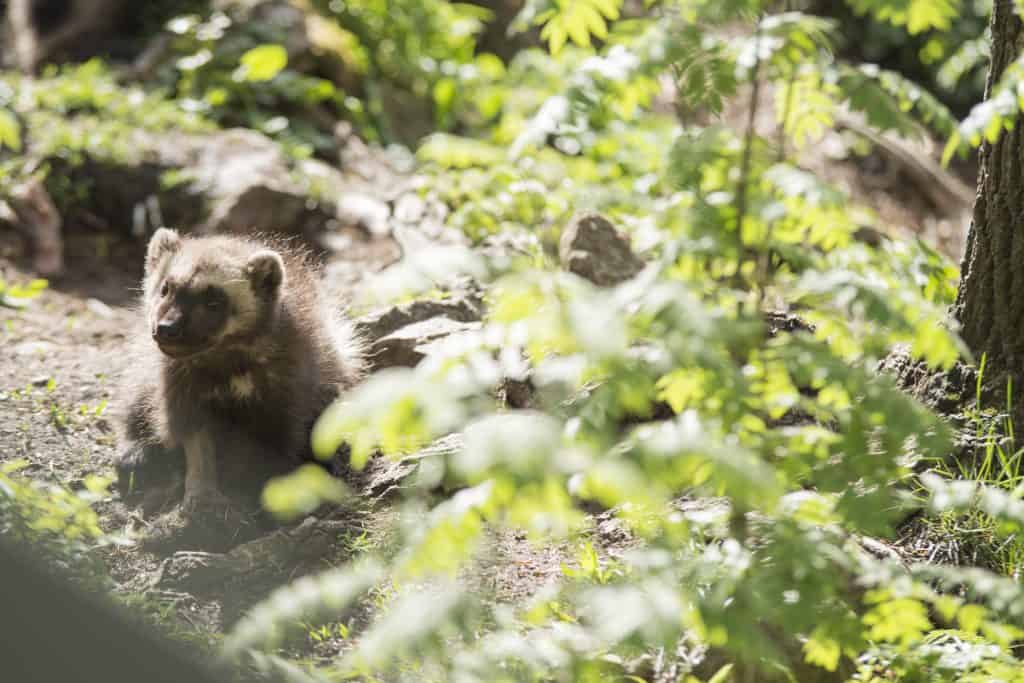
If all goes well, wolverines may be reintroduced to the state of Colorado.
If Colorado proceeds with this project, the unique event may become a rare test case for rebuilding an animal population at the edge of its modern U.S. range. By using monitoring tools and management strategies that didn’t exist the last time wolverines were native residents of Colorado, the state is hopeful the wolverines are now here to stay.