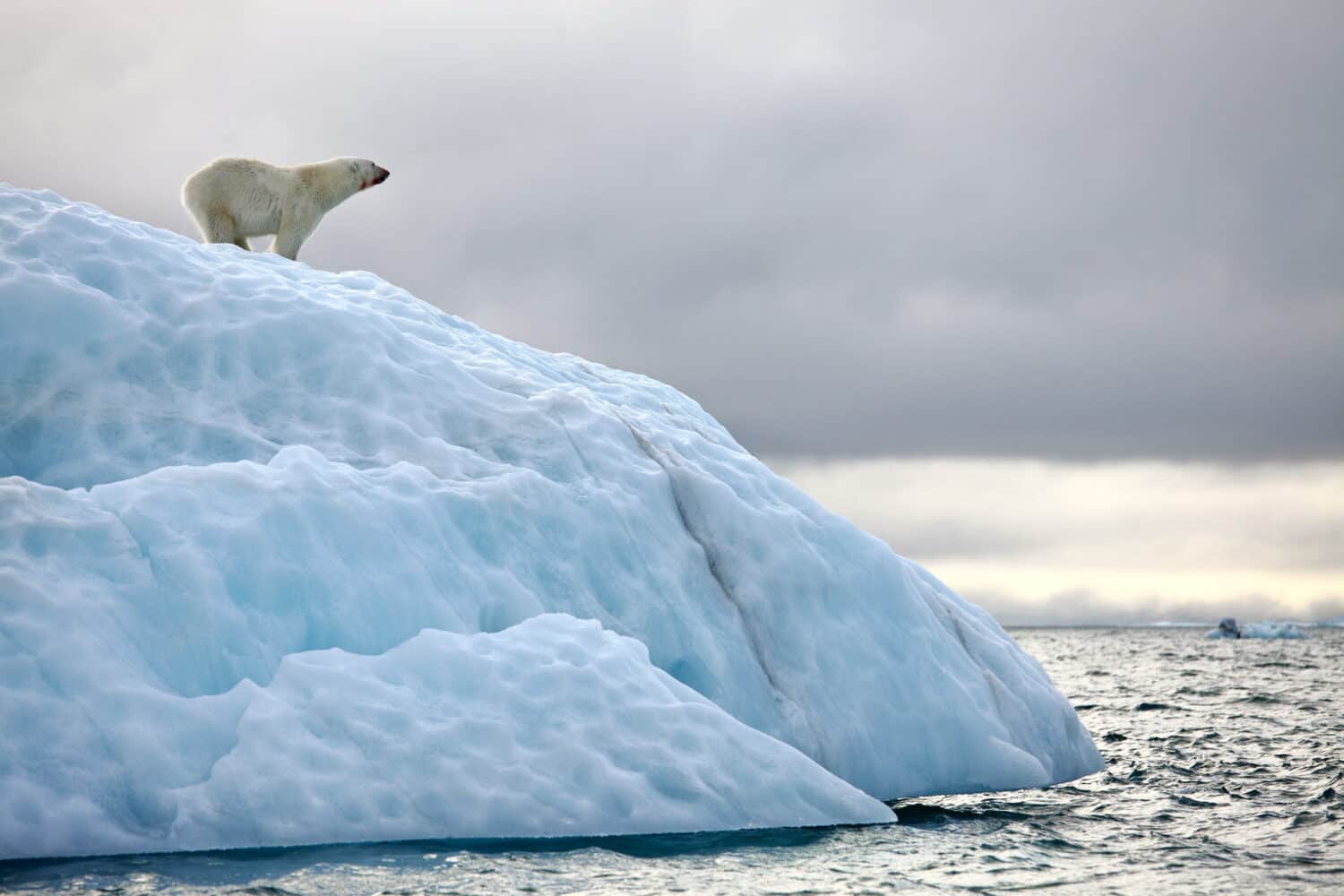

Quick Take
- Svalbard’s Arctic wildlife faces rapid warming that alters ice habitats, threatening polar bears, belugas, and their ecosystems.
- Beluga whales in Svalbard are critically endangered, with fewer than 600 remaining.
- Conservation efforts and policy, including the Arctic Refuge Protection Act, aim to reduce drilling, pollution, and emissions to protect Arctic habitats.
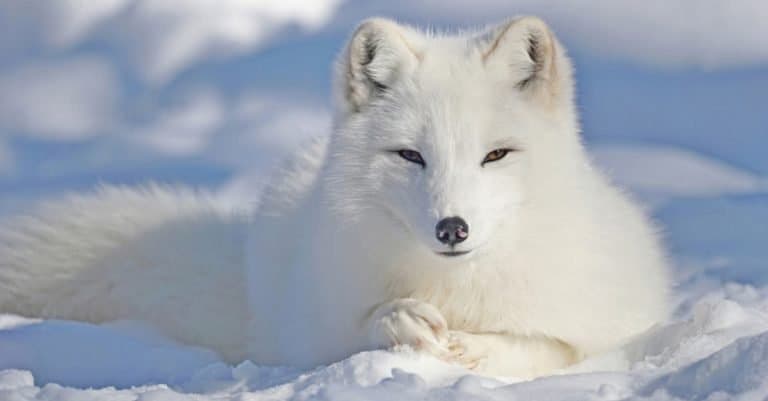
Deep in the ice-covered peaks of Norway lies the sleepy Arctic village of Svalbard. With fewer than 3,000 residents, its inhabitants are primarily wildlife. Arctic foxes scurry from their burrows, while hardy seabirds pluck their next meal from frigid waters. Polar bears roam lonely snow drifts, while belugas gracefully disappear and reappear between icebergs.
A time-lapse video of a single day in Svalbard would reveal the true majesty of this tundra. However, most people never get to witness this beautiful, remote landscape in real time. That’s what makes this footage, captured by ocean photographer Greg Lecoeur, so incredible.
A Beautiful Moment in the Arctic
Lecoeur was on a photography assignment while sailing through Svalbard when the crew encountered thick fog. Rather than chancing the treacherous route, they anchored to wait out the weather. During this time, while all was quiet in the Arctic, they were visited by some locals. Around 4 AM, Lecoeur was alerted to some polar bears that were crossing the icebergs just outside their ship.
In the video, we see a large ice flat floating atop cerulean water. There’s no sound but the gentle humming of the ship itself. As Lecoeur begins filming, we see a polar bear at the top of the frame, seeming to pause and scan the landscape. The moment is tranquil, even serene, as the water remains glassy and the fog hovers in the background.
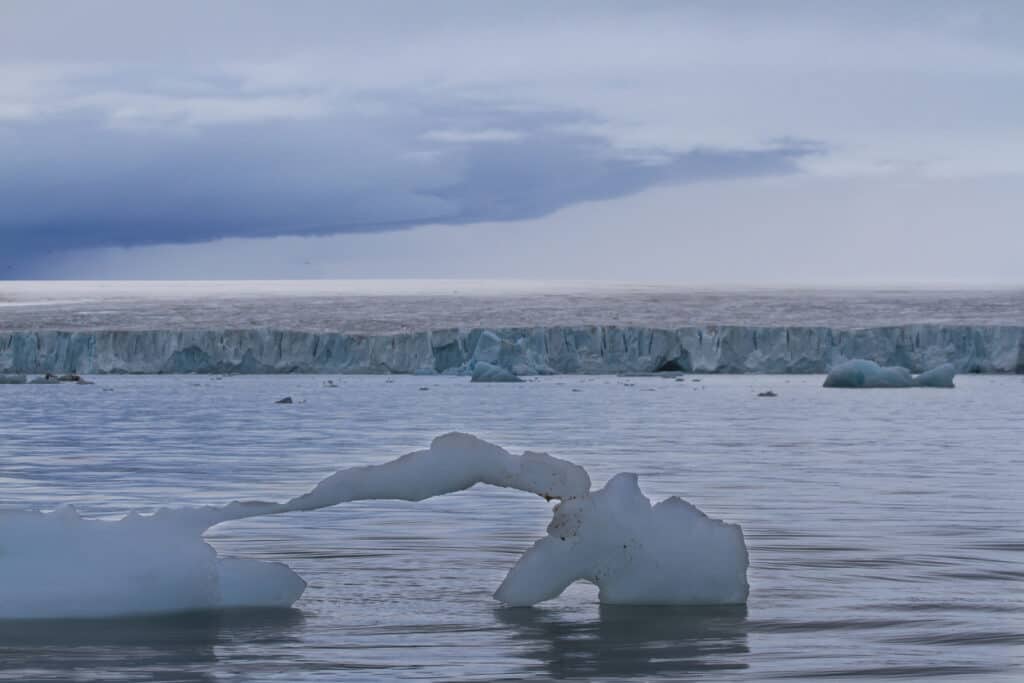
The glaciel edge of the island of Nordaustlandet in the archipelago of Svalbard, Norway.
©iStock.com/Katiekk2
From the bottom left corner, there’s movement in the water. It barely breaks the surface, revealing a white beluga whale swimming toward the iceberg. As it ducks under the ice, one more appears beside it from the depths, the two swimming side by side. A whistle breaks the silence as an entire pod of beluga whales—seven in total—swims under the iceberg in unison. As the polar bear remains fixed in place, the rare scene is nothing short of amazing.
The video continues for a few moments as the shadows of the beluga whales descend to the Arctic depths. The polar bear remains unaffected; it’s just another day in Svalbard for this bystander. But for the photographer behind the camera and the crew, it was a gift from Mother Nature. As moments like this become rarer, footage like this reminds us of how crucial this ecosystem is.
How Is Climate Change Threatening These Animals?
Lecoeur’s video may have gone viral, but witnessing two prominent species coexisting like this is not the average Arctic sight. While tourists spend thousands on tours to see this, few people ever witness something so untamed. This was a rare encounter, made possible by luck, poor weather, and the absence of human activity. In reality, climate change continues to threaten the frequency of wildlife sightings.
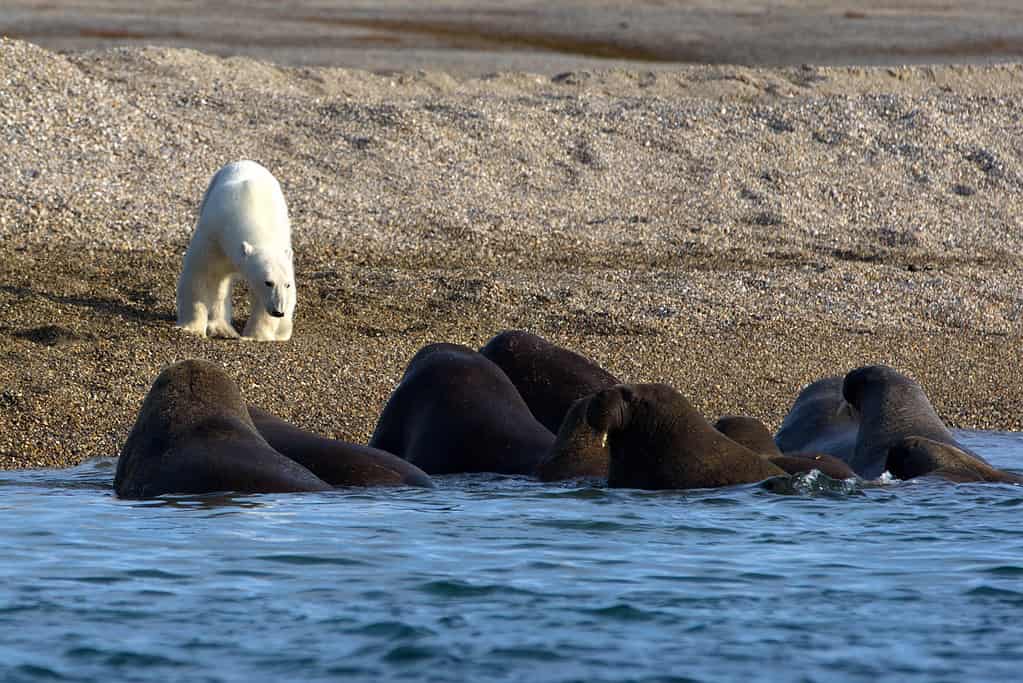
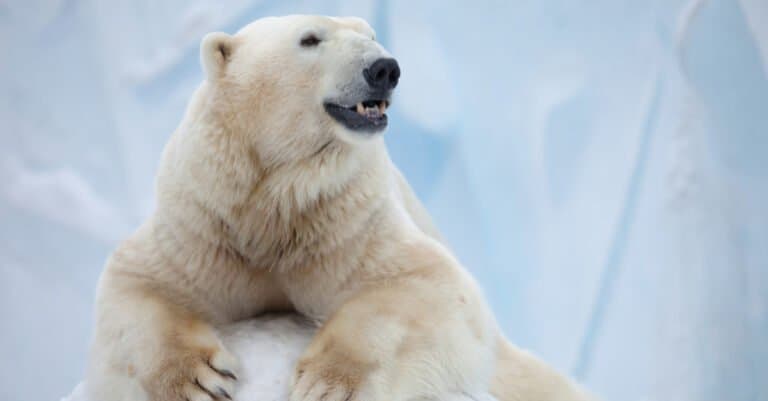
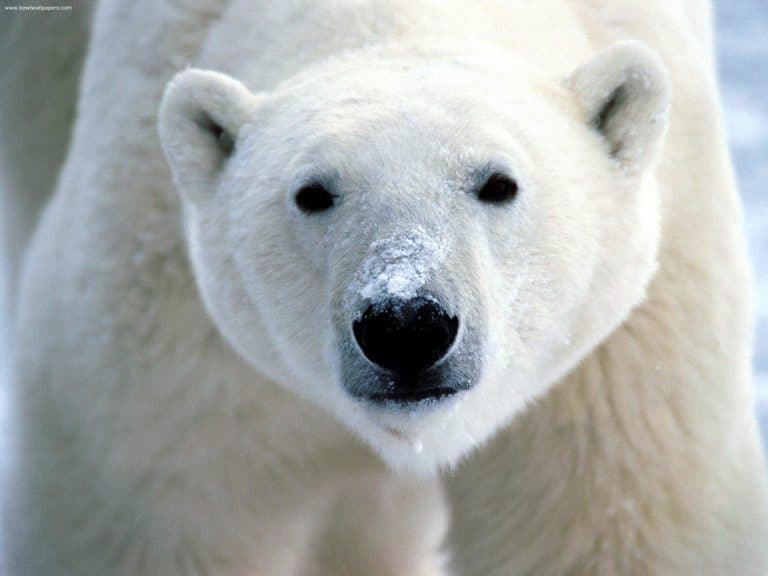
Polar bears depend on Svalbard’s native wildlife for food, including walruses, beluga whales, and seals.
©Wirestock/iStock via Getty Images
Svalbard, located in the far north of the Arctic, is experiencing significant changes due to rising temperatures. It’s warming at several times the global average, which is bad news for a region made of snow and ice. In August 2024, Svalbard experienced its hottest summer on record, with temperatures rising 10 degrees above average and causing dramatic changes across the landscape.
Scientists have determined that Norway’s forests have absorbed 40% less carbon dioxide over the last decade, due to factors such as aging trees, drought, invasive beetle species, and deforestation. All of these factors are either caused or worsened by climate change. If this trend continues, it threatens not only human survival in places like Svalbard but also the survival of animals that depend on these forests for shelter.
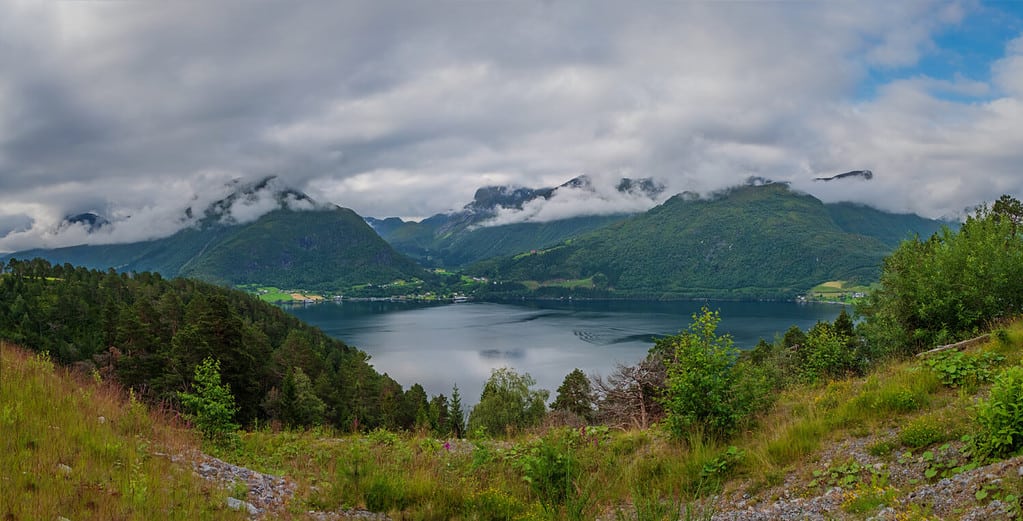
Norway’s dense forests are home to many species that are also feeling the effects of climate change.
©Sergiy Vovk/Shutterstock.com
As the weather becomes more unstable, precipitation shifts from snow to rain. This change alone creates an unstable environment, leading to landslides and erosion. Warmer temperatures limit ice formation, which alters the habitats of much of Svalbard’s native wildlife. These animals depend on ice for land crossings, shelter, hunting, foraging, and camouflage. As these features disappear, so too does the wildlife that calls the Arctic home. In winter, the loss of permafrost also leads to avalanches, which can be devastating for both humans and wildlife.
Why Is Arctic Conservation Essential for Belugas and Polar Bears?
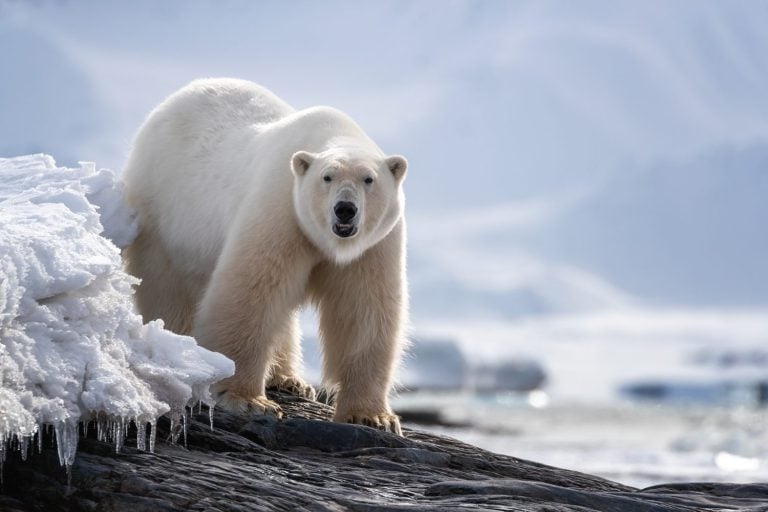
Climate change is a looming threat to places like Svalbard, endangering its ecosystems and wildlife. While the polar bear population is stable, its conservation status could quickly change with the loss of Arctic ice. Polar bears rely on these ice shelves to hunt, and without them, starvation becomes imminent. Ice floats also help polar bears traverse the tundra, which is necessary for mating and migration. If this no longer exists, the species faces dire consequences similar to those already seen in Antarctic polar bears.
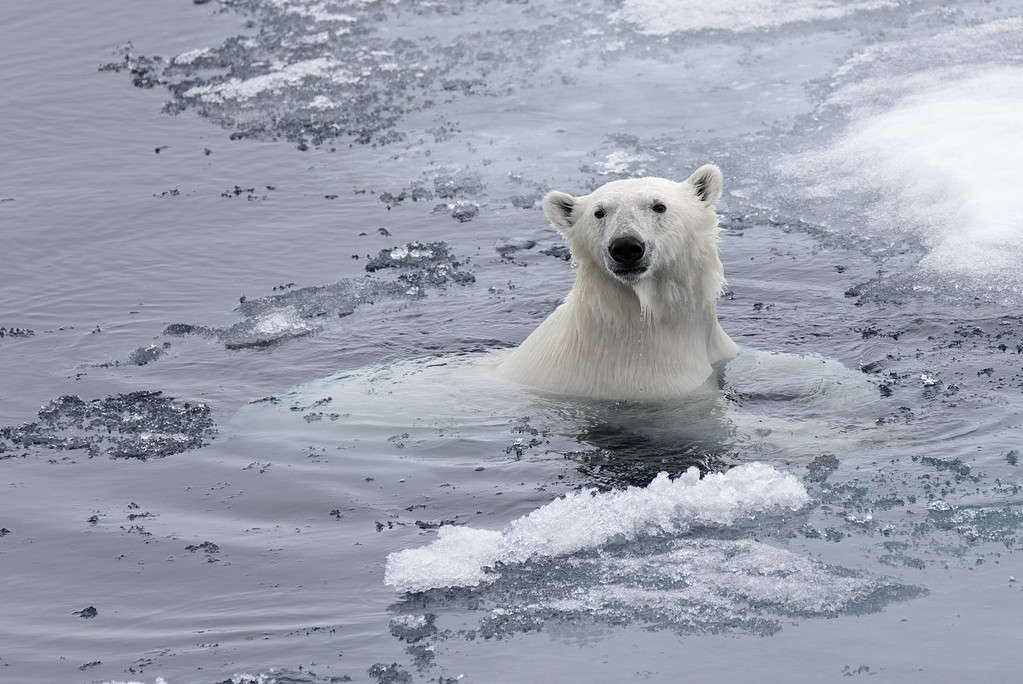
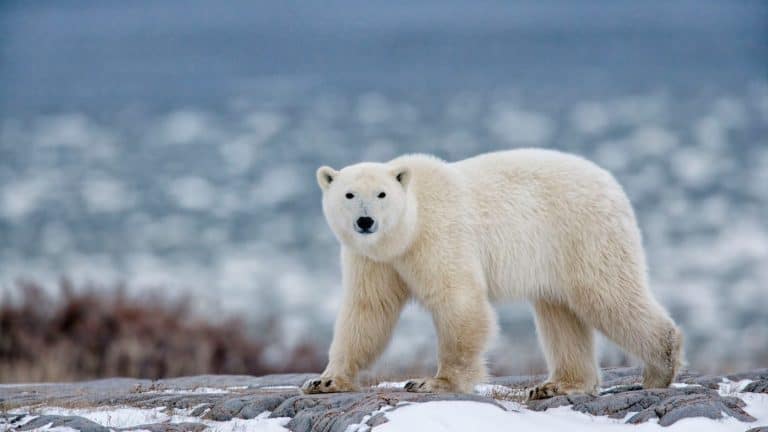
The loss of ice in Arctic territories limits polar bear hunting grounds and keeps them from traveling as far to mate and seek shelter.
©Alexey_Seafarer/iStock via Getty Images
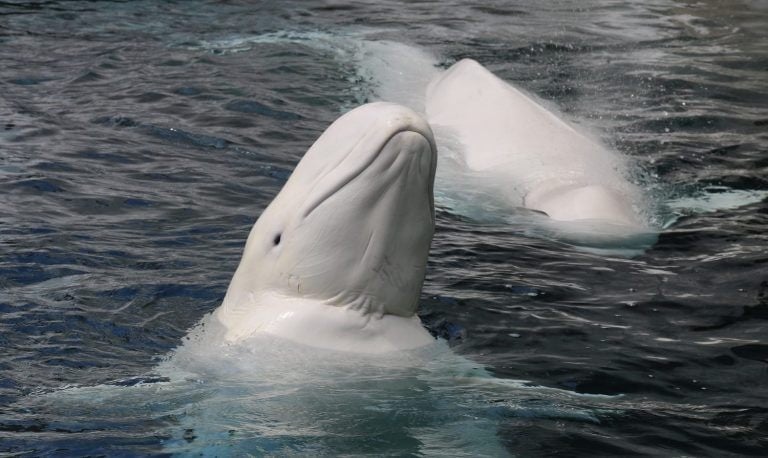
In stark contrast, Svalbard’s beluga whale population is already listed as critically endangered under the Norwegian Red List. That means sightings like the one in Lecoeur’s video aren’t just rare; they’re practically nonexistent. This pod was part of roughly 549 beluga whales that are currently believed to live in Svalbard’s waters. This species struggles to overcome the effects of climate change due to its smaller size, and this is exacerbated by human activity, pollution, and ship traffic.
Both Arctic species stand at a precipice. For one, their conservation status sits on the cusp of stable and threatened. For the other, its already endangered status puts the entire population at risk of extinction. The collapse of either population would trigger a ripple effect across Svalbard, further exacerbating the negative impacts on Norway’s fragile landscape.
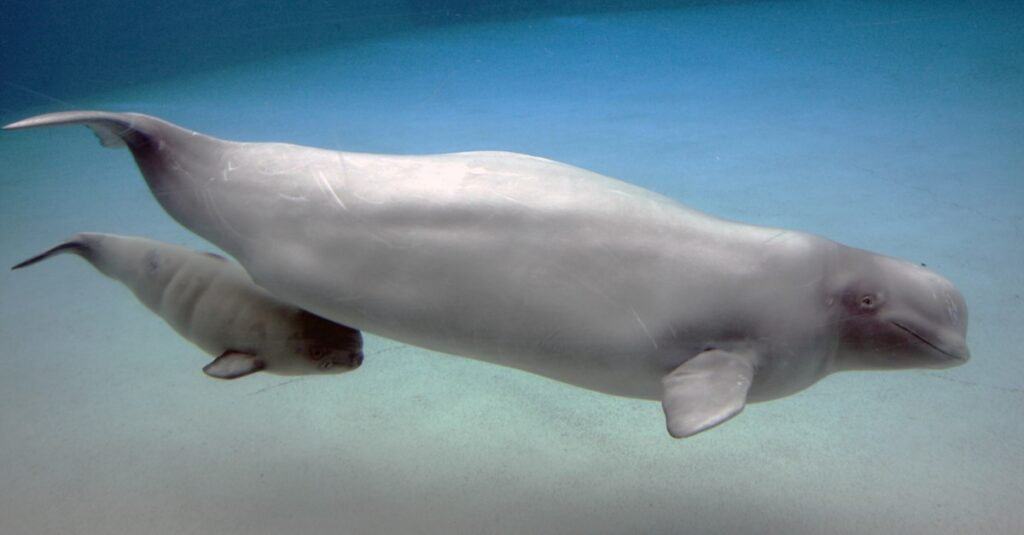
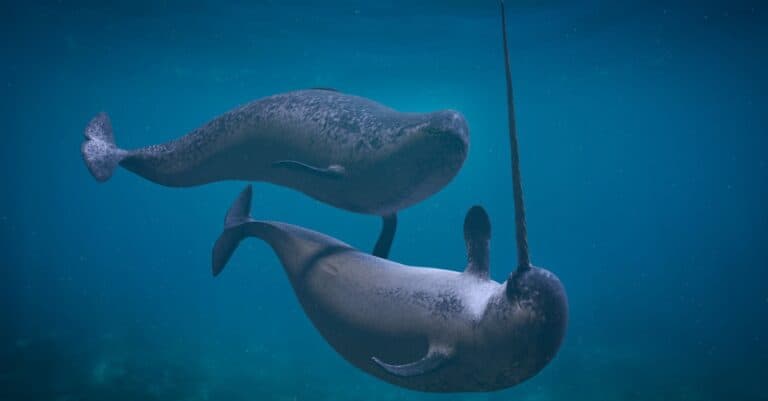
Beluga whales are already endangered in Svalbard, with fewer than 600 remaining in its Arctic waters.
©Christopher Meder/Shutterstock.com
As an apex predator, polar bears keep the populations of other animals in check. They help maintain balance in the food chain, and without them, Norway’s wildlife populations would become unbalanced. Beluga whales serve a different role in the ecosystem, but are equally important. They are prey for polar bears and orcas, and also help support phytoplankton growth in a symbiotic relationship. Beluga whales also consume small fish, helping to regulate marine populations. Without this balance, both terrestrial and aquatic ecosystems—which depend on one another—could quickly decline.
This Video Teaches Us to Observe, Not Interfere
At the core of this stunning footage is an important lesson: these moments could be more frequent if not for the environmental decline these animals face. Some nonprofits, such as the Ocean Conservancy, WWF’s Arctic Species Conservation Fund, and Environment America, are taking action to protect these delicate environments. Even so, these organizations often need legal backing to prevent climate change from worsening.
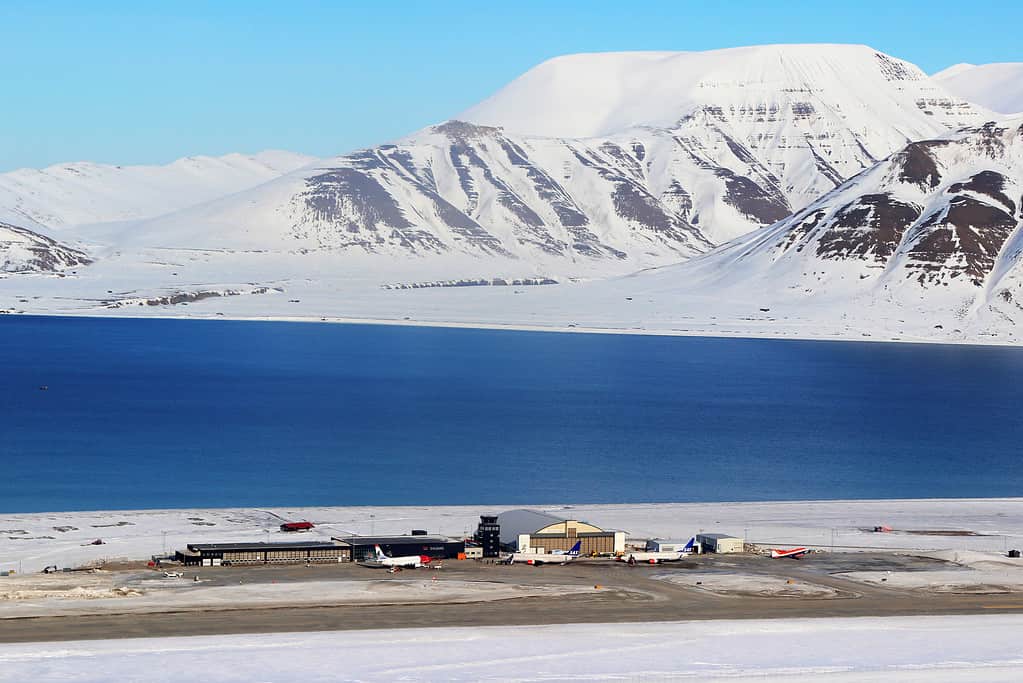
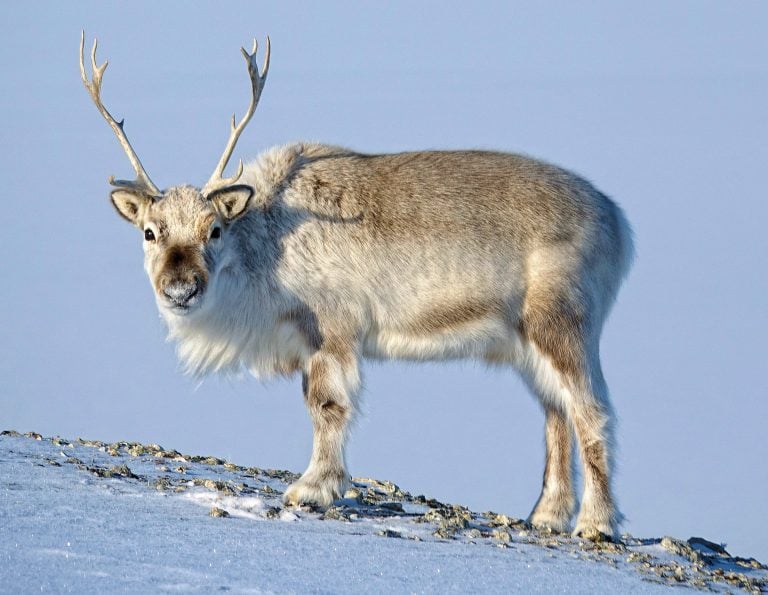
Svalbard’s increased temperatures have already begun damaging the ecosystem, and not every species can adapt to these rapid changes.
©Fasttailwind/Shutterstock.com
The Arctic Refuge Protection Act is a crucial piece of legislation in efforts to protect the Arctic. When it comes to saving the Arctic, keeping oil drilling and gas operations at bay is essential. Other initiatives, such as ending plastic pollution and encouraging sustainable resources and lower carbon emissions, play a huge role in combating climate change. As the world’s temperatures continue to rise, the Arctic is often the first to feel their effects. We can’t reverse the monumental loss of Norway’s ancient glaciers, but we can play a small part in mitigating the consequences.