
Quick Take
- Poland bans fur farming, the largest fur producer in Europe, marking a major shift.
- Fur farming harms animals and the environment: crowded cages, disease spread, and substantial greenhouse gas emissions.
- California has banned the sale of new fur products since 2023, denting profits and contributing to a shrinking U.S. fur-farming sector.
As stories about species going extinct continue to make headlines, global animal conservation efforts are not always a source of good news. However, animal rights groups and activists collectively cheered as Poland became the latest country to ban fur farming, creating a win for animals and animal lovers alike.
What Is Fur Farming?
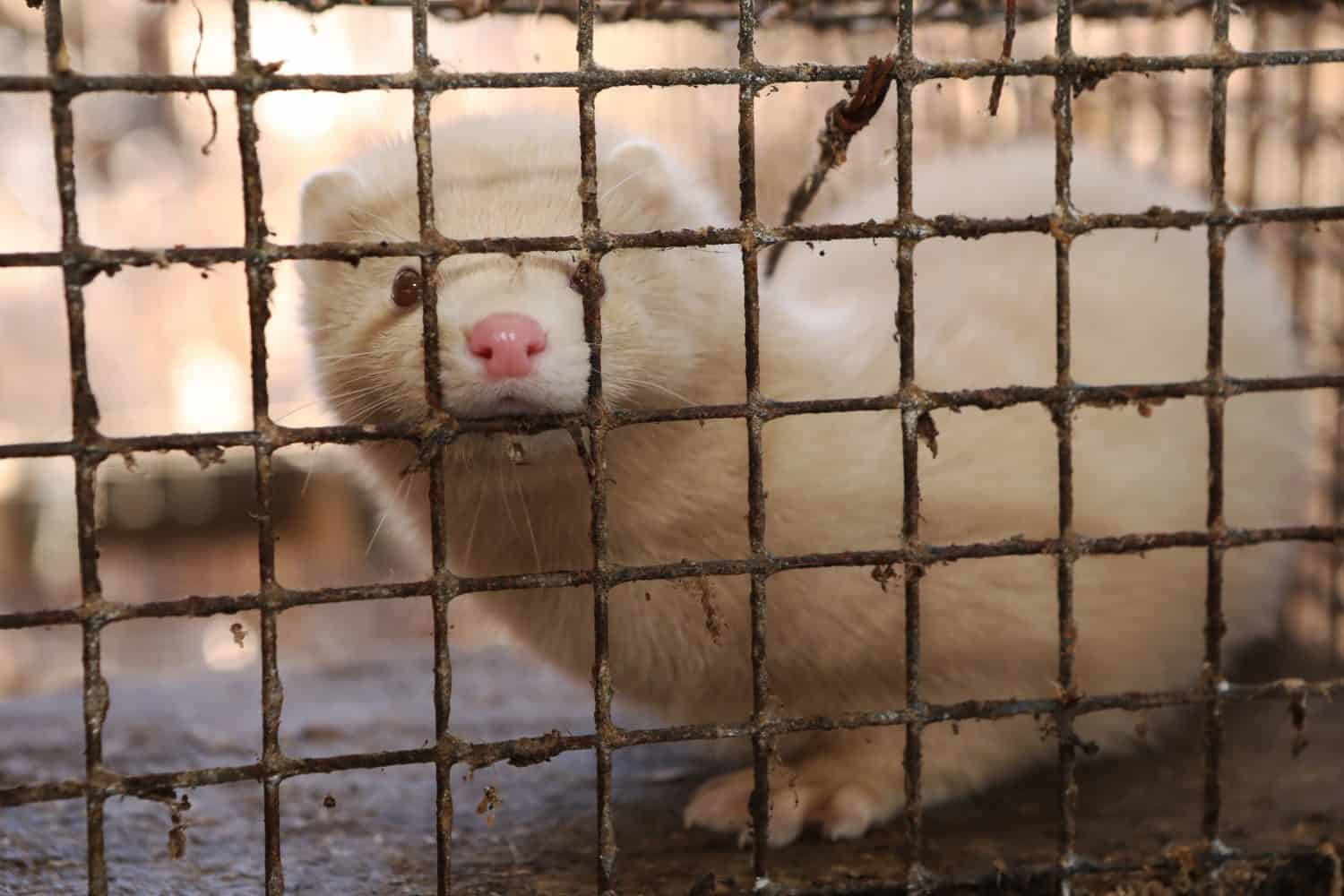
Fur farming is raising animals for their pelts.
©Nicolai Dybdal/Shutterstock.com
Fur farming is exactly what it sounds like. Animals are raised to be killed for their fur. Their fur, or pelts, is sold to create coats or other clothing items that are supposed to exhibit wealth and high fashion. The animals raised for fur farming include:
- Minks
- Foxes
- Chinchillas
- Raccoon dogs
- Rabbits
In some countries, dogs and cats are also part of the fur farming industry. Fur farming has a long history in both Europe and the United States. In the United States, fur farming began during the Civil War. As trapping animals became too costly and failed to yield enough pelts to keep up with demand, wild animals were caught and bred. As the number of animals multiplied, farmers became incredibly wealthy.
Shortly after fur farming began in the U.S., it became an industry in Europe. Not only were pelts used for fashion, but also for necessity, given the cold temperatures in many countries. However, over the years, fur farming became less fashionable and was looked down upon as an industry. This led to less demand for fur and, therefore, fewer fur farms.
The Decline of Fur Farming
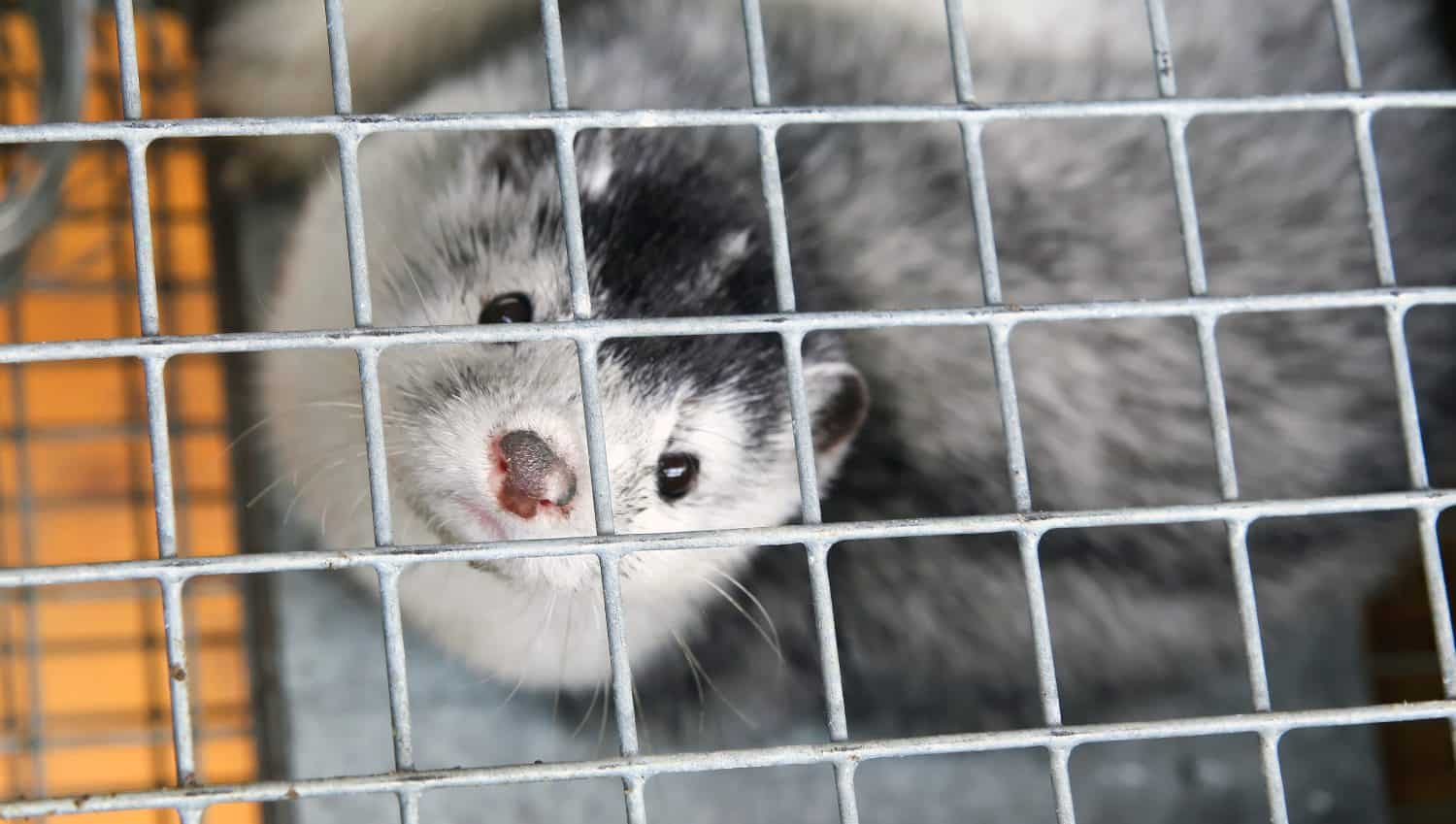
Fur farming has become less profitable over the years, forcing farms to shut down, ban or not.
©Vital Hil/Shutterstock.com
Between the fur industry no longer being as profitable as it once was and countries banning fur farms altogether, fewer animals are being raised on fur farms today. With 100 million animals being killed annually for the fur trade, fur farming is hardly ending soon. However, the hope is that as more countries move away from fur and toward more sustainable materials, that number will continue to decline.
In 2000, the United Kingdom was the first to sign a ban on fur farming. The Fur Farming Prohibition Act made it illegal to raise animals simply to kill them and sell their pelts. Over the years, other countries have followed suit. Countries that have banned fur farming include:
- Austria
- Belgium
- Bosnia and Herzegovina
- Croatia
- Czechia
- France
- Ireland
- Italy
- Latvia
- Luxembourg
- Netherlands
- North Macedonia
- Norway
- Serbia
- Slovakia
- Slovenia
In Estonia, fur farming will be banned starting in 2026. As fur farming continues to lose favor in public opinion, it raises the question of why using animal pelts for fashion is no longer as popular as it once was. The answer likely comes from education about what life is like for animals on fur farms and how many animals are needed to produce just one fashion item.
Is Fur Farming a Humane Alternative to Hunting?
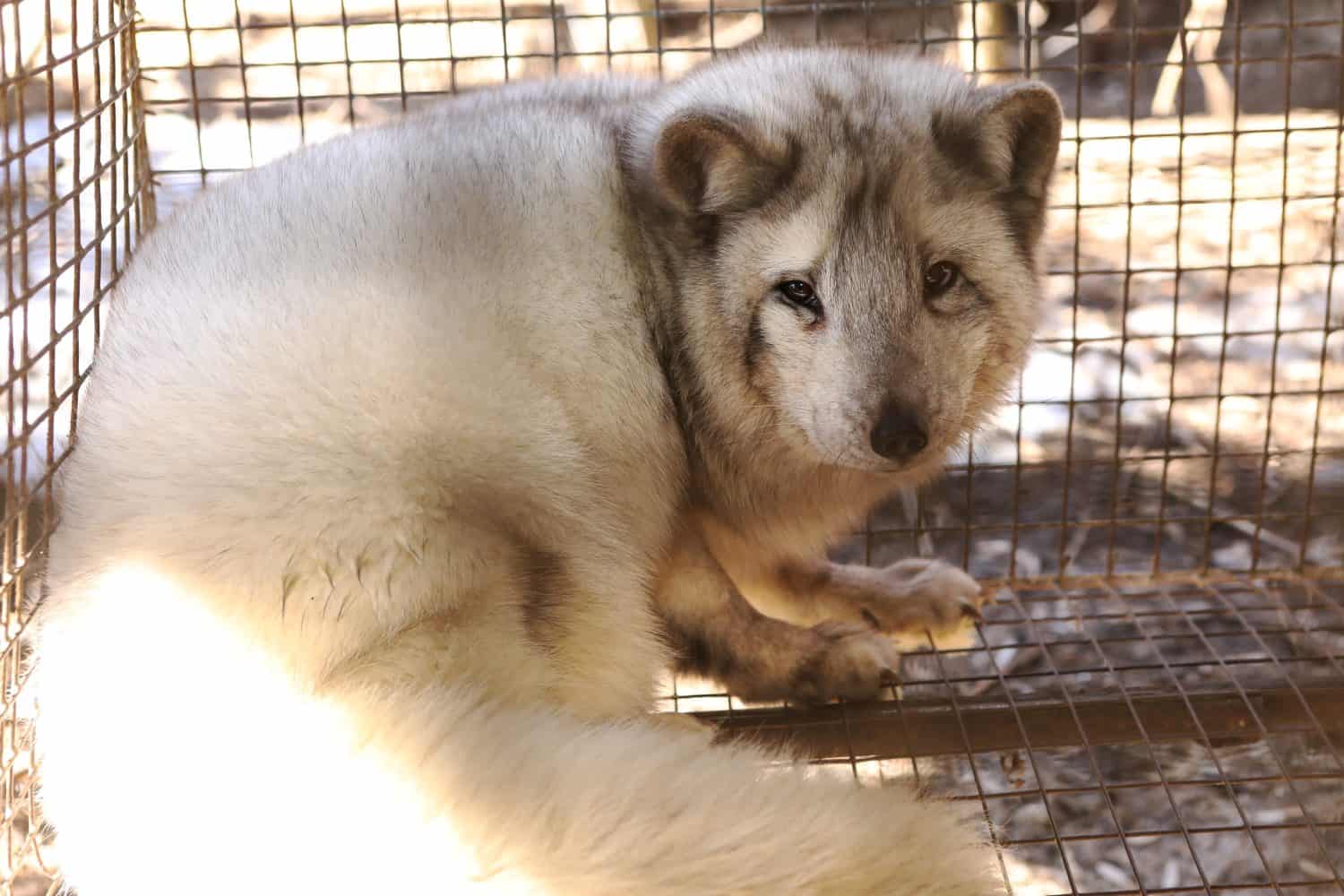
Fur farming is not humane, nor is it more humane than hunting.
©Cergios/Shutterstock.com
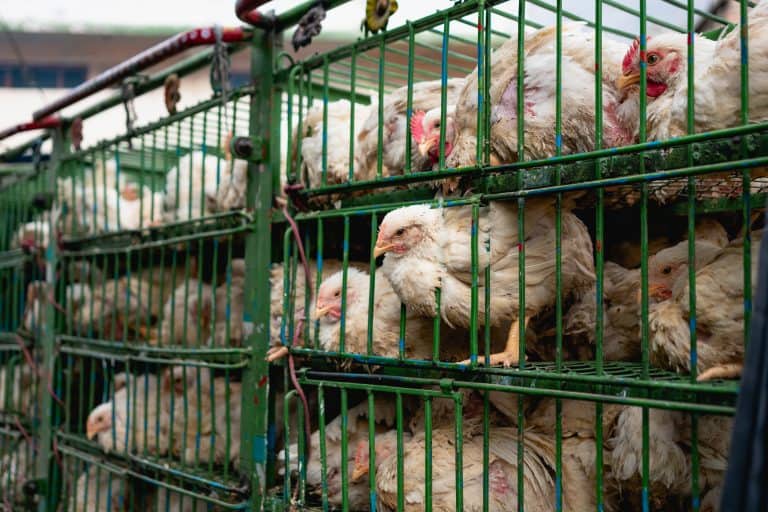
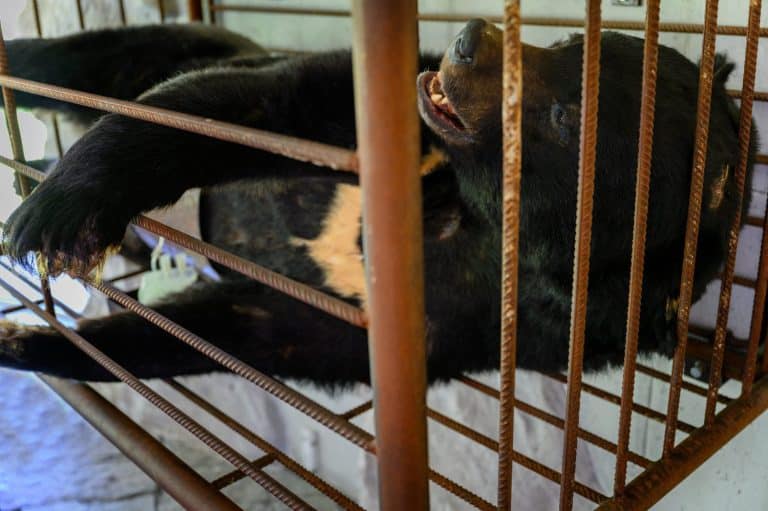
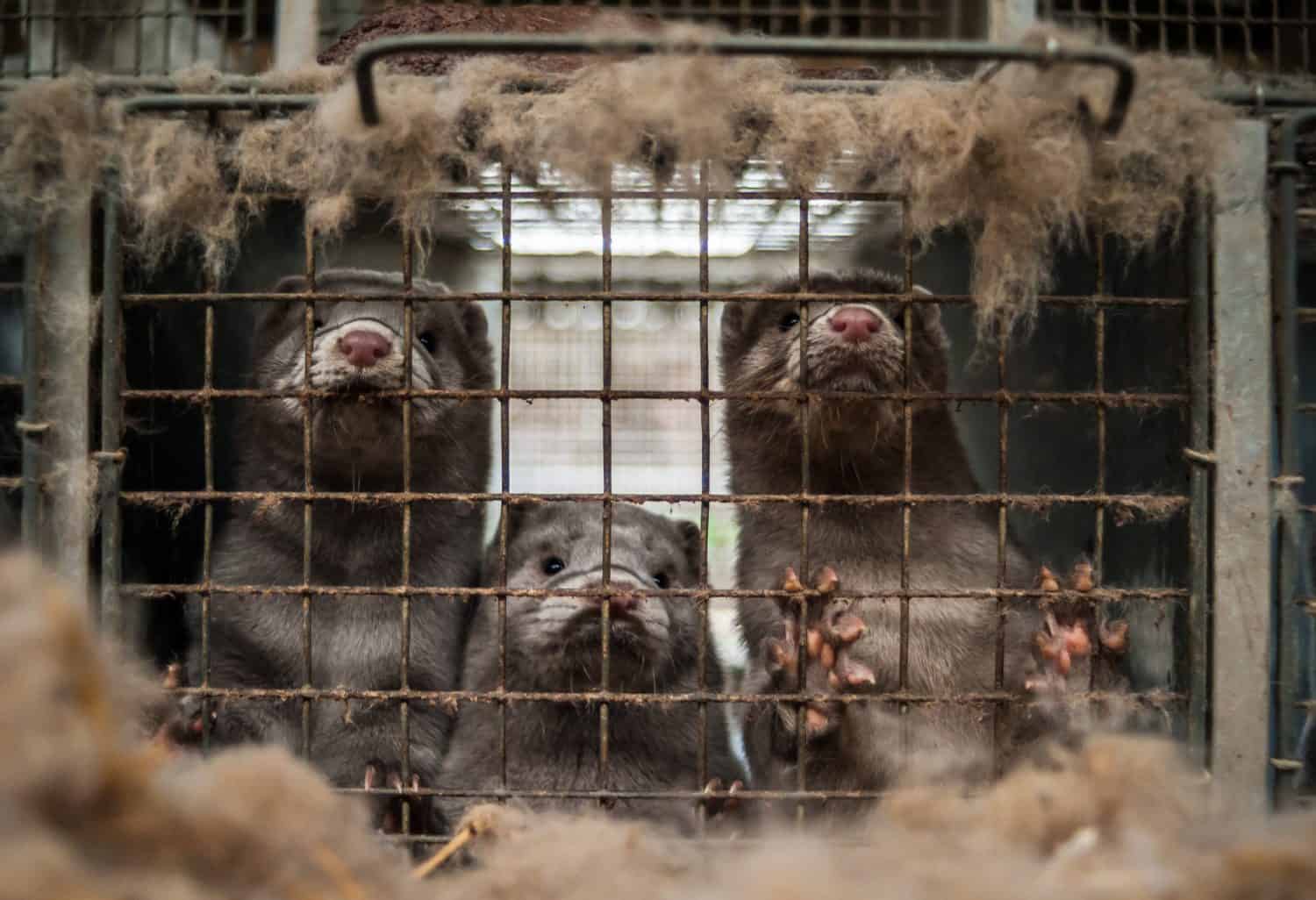
Animals that are kept on fur farms are often kept in small, cramped cages. Between boredom and the inability to participate in activities that are inherent to them, animals commonly suffer both physical and mental distress.
With limited space to keep the number of animals required to produce one coat, many are stacked on top of one another. This practice breeds disease as urine and feces are dropped from one cage to the next, creating incredibly unsanitary conditions. The routine practices used to end the lives of mink, chinchilla, foxes, dogs, and cats include:
- Gassing
- Electrocution
- Strangulation
- Clubbing
- Cervical dislocation
In some cases, animals have been reported to be still alive when skinned because the methods of death were not performed correctly. These animals’ lives are filled with suffering from the time they are born until the time they are killed.
The Environmental Impacts of Fur Farming
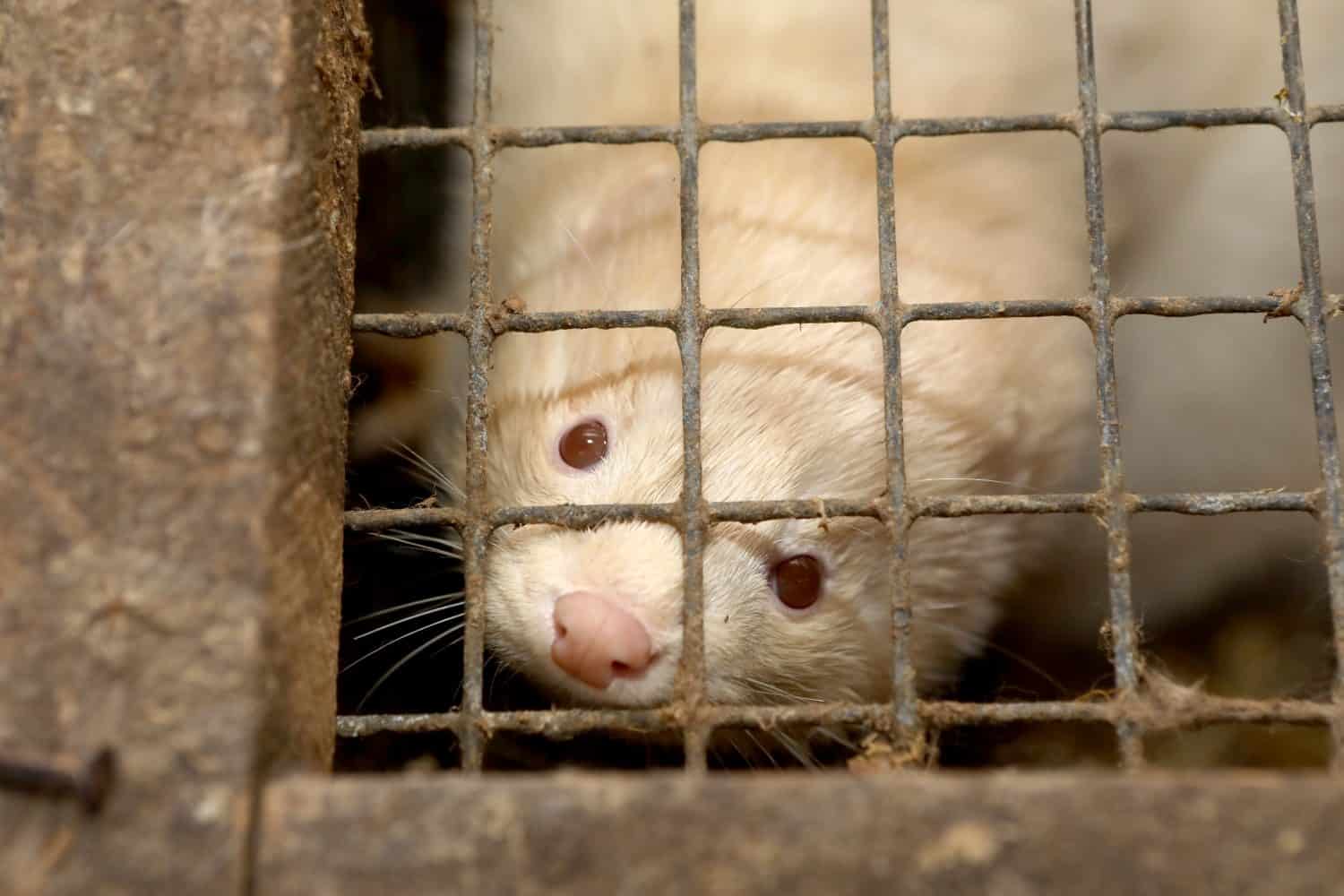
Fur farms are responsible for large levels of greenhouse gases and water pollution.
©Cergios/Shutterstock.com
Fur farming clearly has impacts on the animal kingdom. But what many may not know is that there are environmental implications to allowing fur farms to operate as well.
The environmental toll of fur farming is not small. The impact of pelts is far greater than that of any other textile used in the fashion industry. This is because, before the pelt is used in fashion, it is part of a living, breathing creature. Therefore, the animal has to be kept alive until it reaches the appropriate size, which uses resources and pollutes the environment. Some of the biggest environmental issues fur farming causes include:
- Greenhouse gas emissions
- Water pollution
Greenhouse gas emissions are caused by the large number of animals killed to feed animals farmed for their pelts. Water is polluted as the caged animals urinate and defecate, which has been reported as spreading to local water sources. More pollutants are released into the environment when pelts are dyed.
There is nothing environmentally friendly about fur farming. Between this and the treatment of the animals, it is clear why Poland has moved toward a future without the industry.
Why Poland Has Banned Fur Farming

Poland banned fur farms after they were deemed to be inhumane.
©Cergios/Shutterstock.com
Poland has become the most recent country to ban fur farming. While it is a win for animal activists when any country bans fur farming, Poland’s move is monumental, given that it is the largest fur producer in Europe. Poland is only second to China when it comes to fur production worldwide.
The move comes after 1.5 million EU citizens signed a petition calling for an end to fur farming. This spurred a report by the European Food Safety Commission, which found that animals kept on fur farms never had their basic welfare needs met. Instead, animals on these farms live a lifetime of suffering and pain, both physically and mentally, as they are kept in small wire cages. If they are not victims of disease, they become injured or are even cannibalized by other animals in the cages.
Under the new law, it is illegal to establish new fur farms in Poland. Current fur farms, of which there are 200 in Poland, have until 2034 to close. However, many are expected to close sooner, thanks to government incentives for those who cease operations within five years. Those who close first receive the most money, with the figures lessening over time.
The US Still Allows Fur Farming
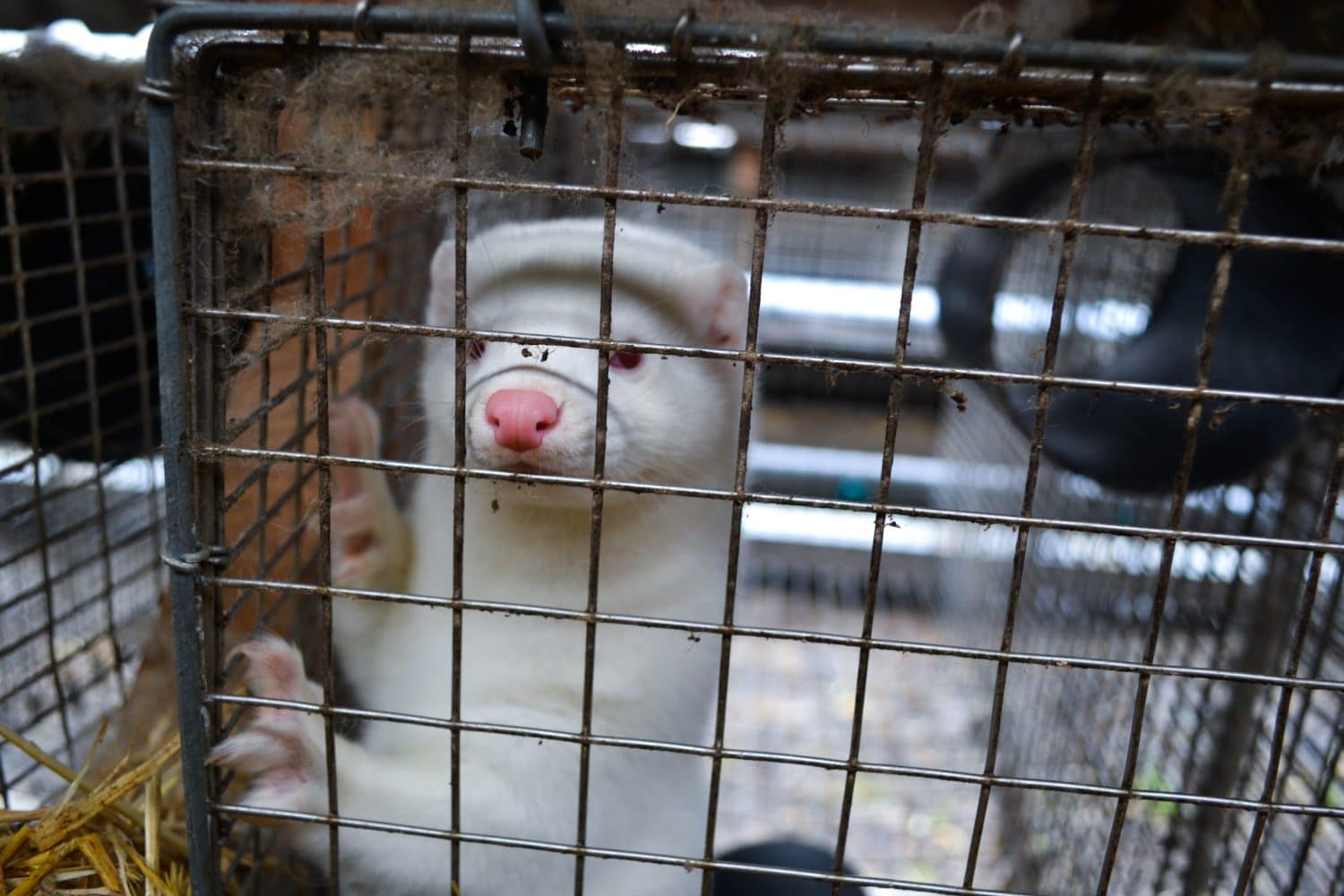
With fur farming no longer as profitable as it once was, Poland’s ban may prompt the United States to move in the same direction.
©Lynsey Grosfield/Shutterstock.com
The United States is one of the countries that still allows fur farming. Over the years, an increasing number of farms have shuttered. This initially had a lot to do with minks carrying and passing COVID on to one another in 2020. Today, that number continues to decrease, hovering around 250 fur farms.
California has prohibited the sale of new fur products since 2023, putting a massive dent in the fur industry’s profits. The price that farmers can get for mink pelts is significantly less than it once was. Consequently, the mink trade in the United States has fallen from $123 million in 2017 to $28.1 million in 2024. This has led to a decrease in the number of mink farms from 236 in 2017 to 110 just five years later, according to Humane World. While the exact count is not known today, many advocacy groups believe it is smaller than the 2022 statistics.
As the fashion industry continues to move away from pelts, choosing faux fur and more sustainable options, and the public becomes more aware of the atrocities that occur at fur farms to create a coat or an accessory, the fact of the matter is that fur farming will continue to decline. The question is whether the United States will follow the lead of other countries.