
Quick Take
- One spot on this list lets you see one of the world's largest seabird colonies, and the best part is that you don't need a boat to get there. See the seabird colonies →
- Washington has a location that's famous for winter birding, and most summer visitors skip it without realizing they're overlooking something most birders miss. Discover Skagit in summer →
- You can watch tufted puffins in the contiguous U.S. this summer, though the window to do it is narrowing for a reason the article explains. Watch puffins at Cape Flattery →
- Seattle hides one of the Pacific Northwest's best birding sites inside city limits, though most visitors walk right past it. Explore Seattle's hidden birding site →
- One national park on this list rewards birders across completely different ecosystems depending on which trail you take, and the contrast between those ecosystems is stark. Compare Olympic's ecosystems →
Washington is home to an abundance of fantastic birdwatching places, with diverse landscapes showing off plenty of rare species. In fact, in this Pacific Northwest state, you can log sightings of over a hundred species in a single summer weekend, all within a few hours’ drive in any direction.
Summer brings the best of Washington’s birding, with both sea and songbirds flocking from June through August. The longer Pacific Northwest evenings offer visitors plenty of opportunities to see birds feeding, nesting, and flying over gorgeous vistas. In many ways, Washington offers some of the most accessible bird viewing opportunities in the country, and here is where you should go.
Cape Flattery
Guided birding tours to Cape Flattery and Neah Bay are well worth the effort, as these locations have recorded some of the highest species totals of any location in Washington state. The cape itself sits at the northwesternmost tip of the contiguous United States on the Makah Reservation. A short boardwalk trail through coastal old-growth forests leads to cliff edges overlooking Tatoosh Island.
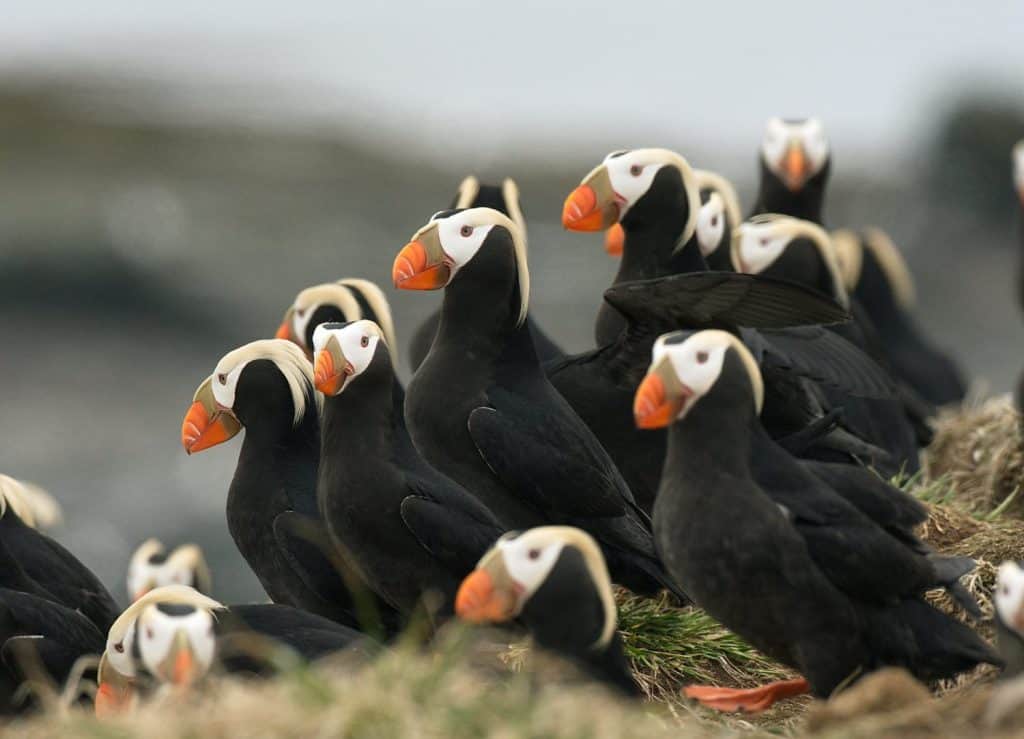
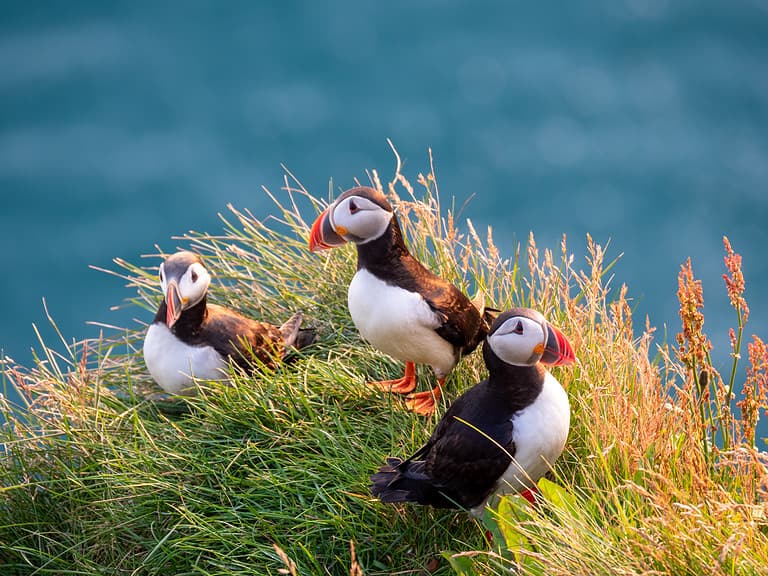
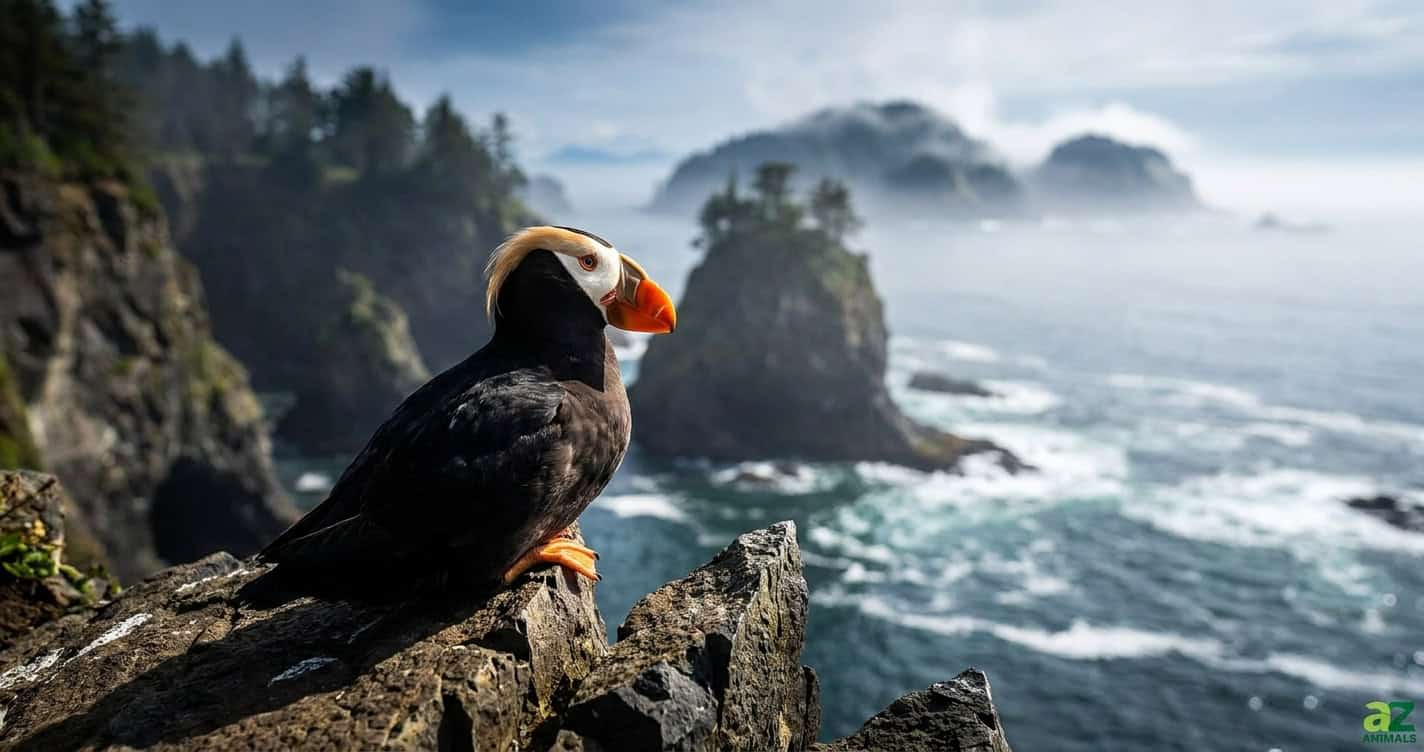
Tufted puffins can be seen at Cape Flattery in the summertime, though sightings have become less common in recent years due to population declines.
©tryton2011/Shutterstock.com
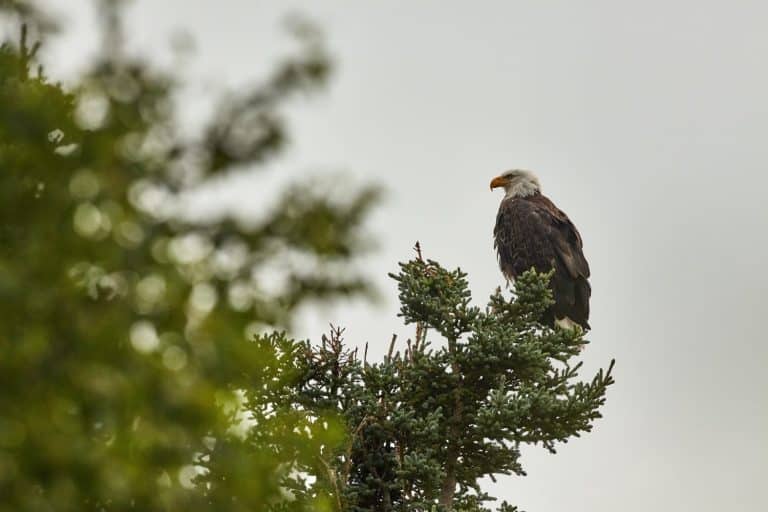
Audubon Washington described this location as one of the easiest places in the state to see tufted puffins in summer; they are typically seen from late spring through August. Common murres, pigeon guillemots, black oystercatchers, bald eagles, and rhinoceros auklets are just some of the other species you might see; just make sure you get a Makah Recreation Pass if you’d like to visit the reservation.
Protection Island and Smith Island National Wildlife Refuges
Two refuges lie just offshore from charming Port Townsend in the Strait of Juan de Fuca. Protection Island and Smith Island Wildlife Refuges protect one of the most important seabird nesting complexes in the inland waters of Washington. The Puget Sound Express offers dedicated summer puffin cruises to view the colonies from May through September, as nearly 70% of the nesting seabird population of Puget Sound and the Straits uses these islands, including one of the largest rhinoceros auklet colonies in the world.
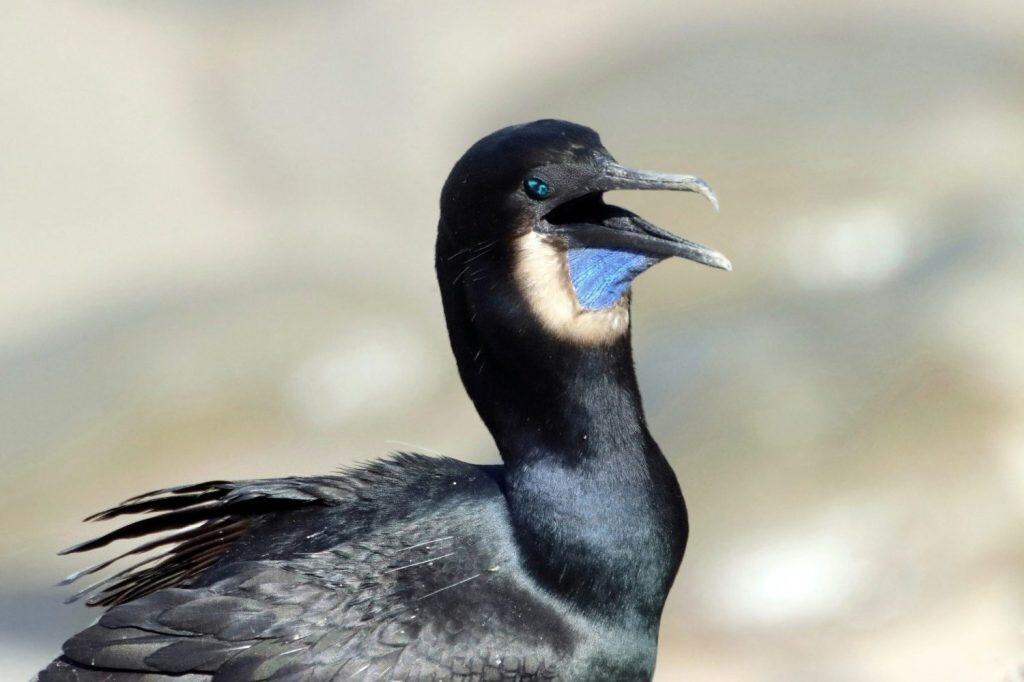
Cormorants and other seabirds spend a great deal of time on Protection Island.
©thomaslabriekl/Shutterstock.com
The cruises run roughly 2 to 3 hours and include looks at common murres, glaucous-winged gulls, pigeon guillemots, Brandt’s and Pelagic cormorants, and of course, puffins. This is likely the best summer seabird experience accessible without your own boat, so keep it in mind if you’re planning a day of birding.
Billy Frank Jr. Nisqually National Wildlife Refuge
Centrally located between Interstate 5 and the state capital, Nisqually Refuge protects a major estuary in Puget Sound. With a diverse mix of salt marsh, freshwater wetland, riparian forest, and grassland, this area draws over 275 migratory bird species.
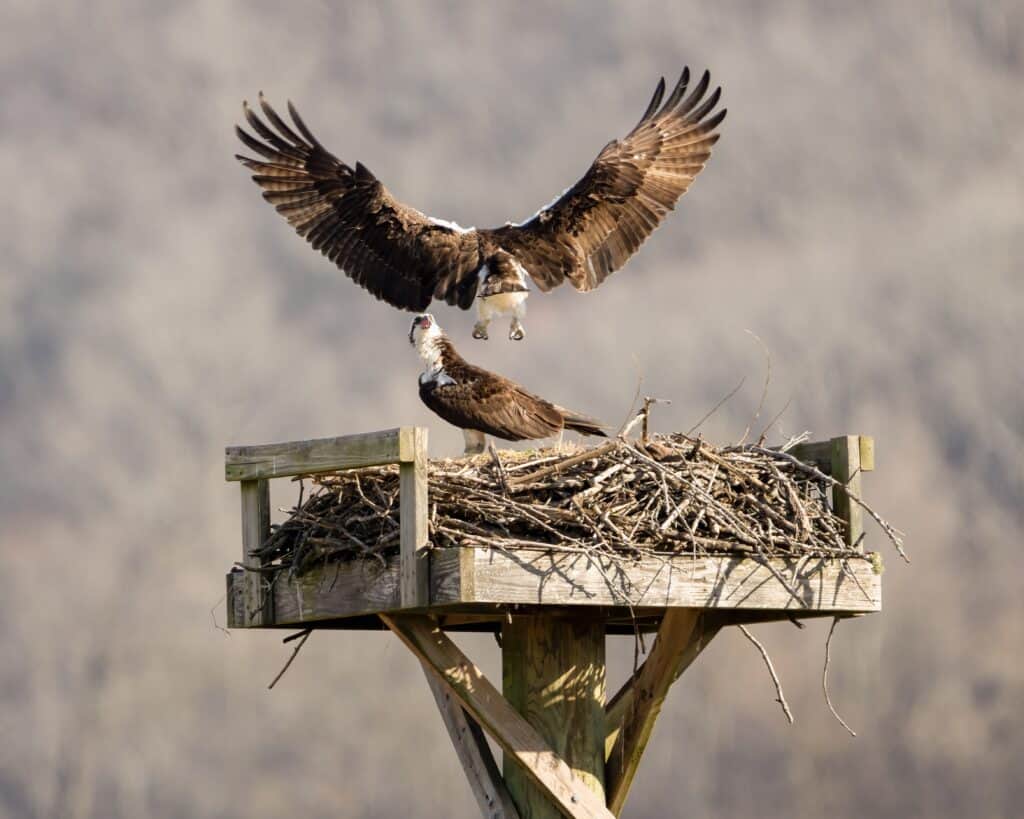
Ospreys are often observed nesting at the Billy Frank Jr. Nisqually National Wildlife Refuge.
©Wirestock Creators/Shutterstock.com
There’s a one-mile elevated Estuary Boardwalk trail that extends over the tidal flats, bringing you plenty of opportunities to sight great blue herons, shorebirds, ducks, and seabirds when the tide rises. In summer in particular, Swainson’s thrush, yellow warbler, Pacific-slope flycatcher, wood duck, and osprey are some of your most common species, and the visitor center is open Wednesday through Sunday with volunteer naturalists sharing current sightings.
Olympic National Park
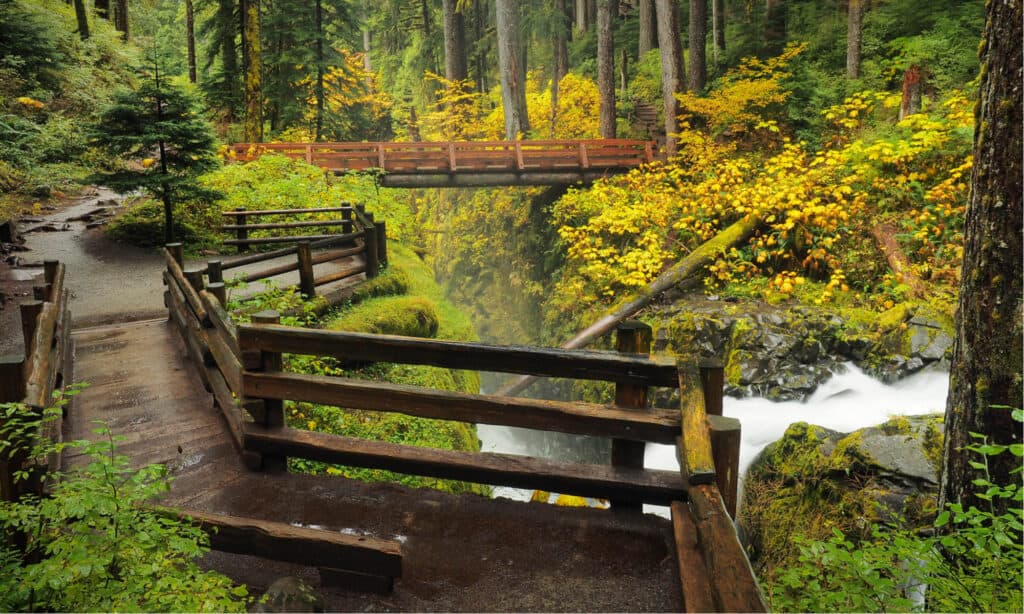
Even if you’re not birdwatching, Olympic National Park is a must-visit.
©Jakapong Paoprapat/Shutterstock.com
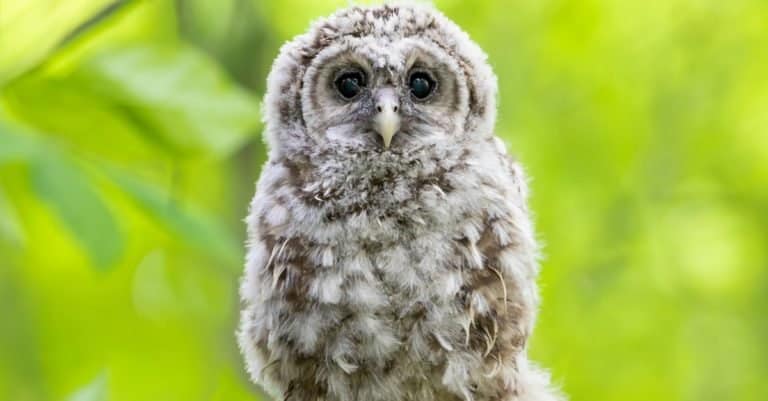
Olympic National Park contains many ecosystems and birding opportunities, particularly Hurricane Ridge, which is accessible by road at high elevations. Clark’s nutcracker, sooty grouse, gray-crowned rosy-finch, Townsend’s solitaire, and American pipit enjoy their summers here, and the Hoh Rainforest on the park’s western side brings you even more species such as Pacific wren, varied thrush, American dipper, barred owl, and Steller’s jay.
Dungeness Spit National Wildlife Refuge
The year-round birdwatching of Dungeness Spit offers bald eagles and peregrine falcons in the summertime, with black brants, buffleheads, and sea ducks found closer to the water. There’s also a five-mile walk to a lighthouse, passing through habitats that shift from forests to shorelines to tidal flats, and birding any section of it is worth it for the views alone.
San Juan Islands

You’ll find birds throughout the San Juan Islands, and will likely see them from the ferry ride, too.
©Amehime/Shutterstock.com
The San Juan archipelago encompasses diverse habitats, which support a wide variety of bird species. San Juan Island in particular has bald eagles and ospreys nesting, with Orcas Island full of breeding songbirds, such as woodpeckers, thrushes, vireos, and warblers. The ferry crossing to this region also has countless species visible from the deck of the ship, so consider this stop if you’re looking to see Washington’s beauty alongside its birds.
Skagit Wildlife Area
For most Washington birders, the Skagit Valley is best in wintertime. However, summer has its own birds to view, particularly for raptors and marsh species. The Skagit Wildlife Area tends to contain northern harriers, red-tailed Hawks, short-eared owls, and great blue herons, with additional species found along the area’s fringes. This is also excellent and accessible farmland birding country, making it a peaceful and easy area to explore by car.
Discovery Park
In the middle of Seattle lies Discovery Park, which is the largest park in the city. It contains old-growth forest, open meadow, saltwater bluff, and sandy beach in its 534 acres, and the species list is vast. In summer, the park routinely has osprey, bald eagle, Caspian tern, Rufous hummingbird, pileated woodpecker, Hutton’s vireo, chestnut-backed chickadee, Swainson’s thrush, and western tanager.
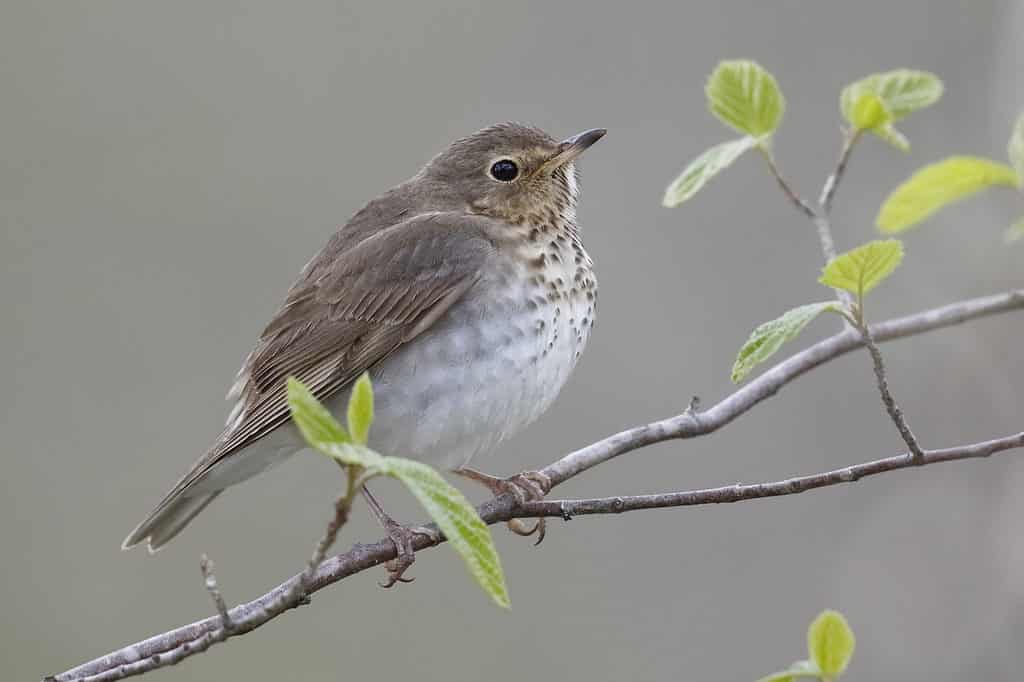
In the middle of Seattle, Discovery Park hosts numerous birds worth watching.
©iStock.com/BrianLasenby
The lighthouse loop trail, which drops to the beach and looks out over the gorgeous Puget Sound, frequently turns up seabirds along the bluffs. It’s among the best urban birding sites in the Pacific Northwest and well worth exploring, especially if you’re already in Seattle.
Grays Harbor National Wildlife Refuge
On Washington’s outermost coast, Grays Harbor National Wildlife Refuge is famous for its shorebirds. Brown pelicans, which breed in the Gulf of California and migrate north, appear fairly reliably along the coast from late summer onward, with herons and egrets drifting through the marshes. The nearby town of Ocean Shores has ample beach access and diverse habitats, with over 300 bird species recorded, making it a coastal stopping point worth the drive from anywhere in the state.
Mount Rainier National Park
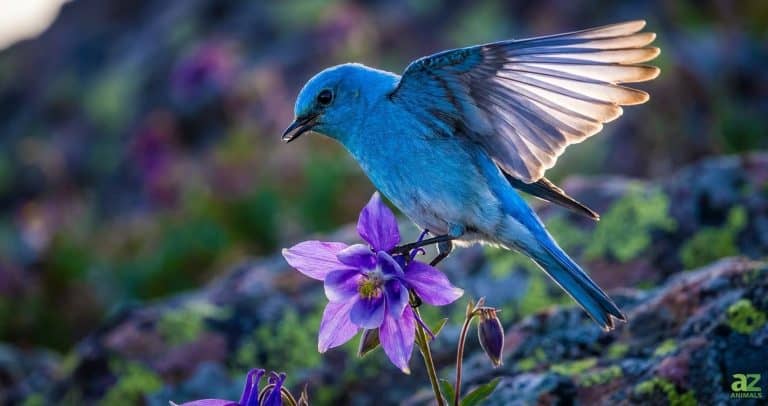
Summer at Mount Rainier is gorgeous, full of wildflower meadows, panoramic glacier views, mountain peaks, and a host of birds that enjoy and thrive in the clear mountain air. The park’s subalpine zone is ideal territory for the American pipit, Clark’s nutcracker, white-tailed ptarmigan, mountain bluebird, and horned lark.

Summer in Mount Rainier is unforgettable, both for scenery and birdwatching.
©Stephen Moehle/Shutterstock.com
The forests below Mount Rainier often contain even more species, so be sure to plan time for a few hikes. Start at Paradise or Sunrise to spot meadow species and move along the forest edges on the drive up for the full experience. No matter where you go in Washington, expect to see beautiful terrain and all the birds that call this state home!