
Quick Take
- Bird watchers obsess over feathers and bills, but the most bizarre anatomical differences between species are hiding somewhere far less visible.
- Birds swallow food in a way that's nothing like what you'd expect, and their unusual tongue shape is the reason why. Explore tongue shapes and swallowing →
- Scientists still can't fully observe bird tongues in action, and the reason why reveals just how much we're still guessing about common animals.
Bird enthusiasts soon learn how to use a bird’s external features to identify them. Bill shape and size, wingspan, feather colors, and patterns are all fascinating and differ from species to species. Not so many people are aware, however, that a bird’s internal anatomy also varies between species. One organ where this is very apparent is the tongue. In some birds, it is covered in spines! Let us explain more.
A Crash Course in Avian Tongues
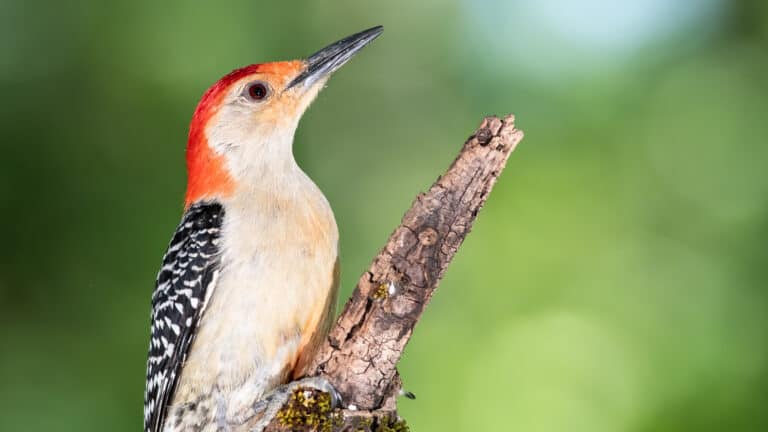
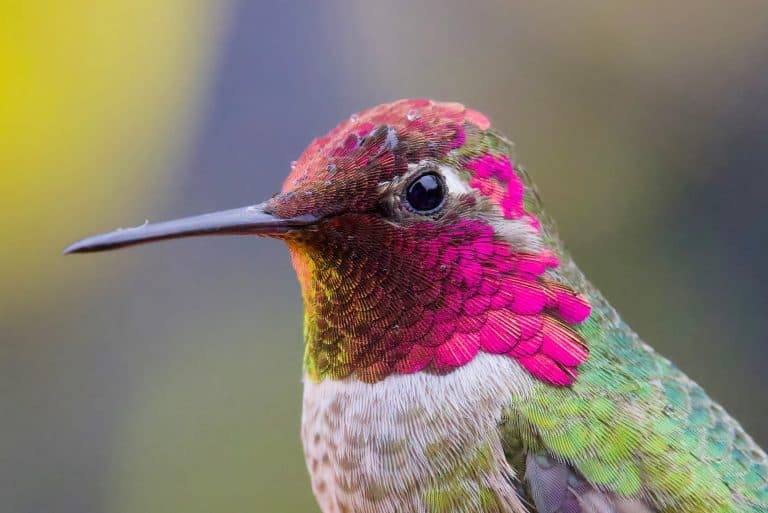
Bird tongues can be long or short, have a feathered tip, or have barbs of varying sizes. In many species, they are specifically adapted to suit the bird’s diet. However, this is not restrictive. Take the hummingbird, for example. Their tongue is adapted for feeding on nectar from flowers (it is long and narrow), but they can also eat insects.
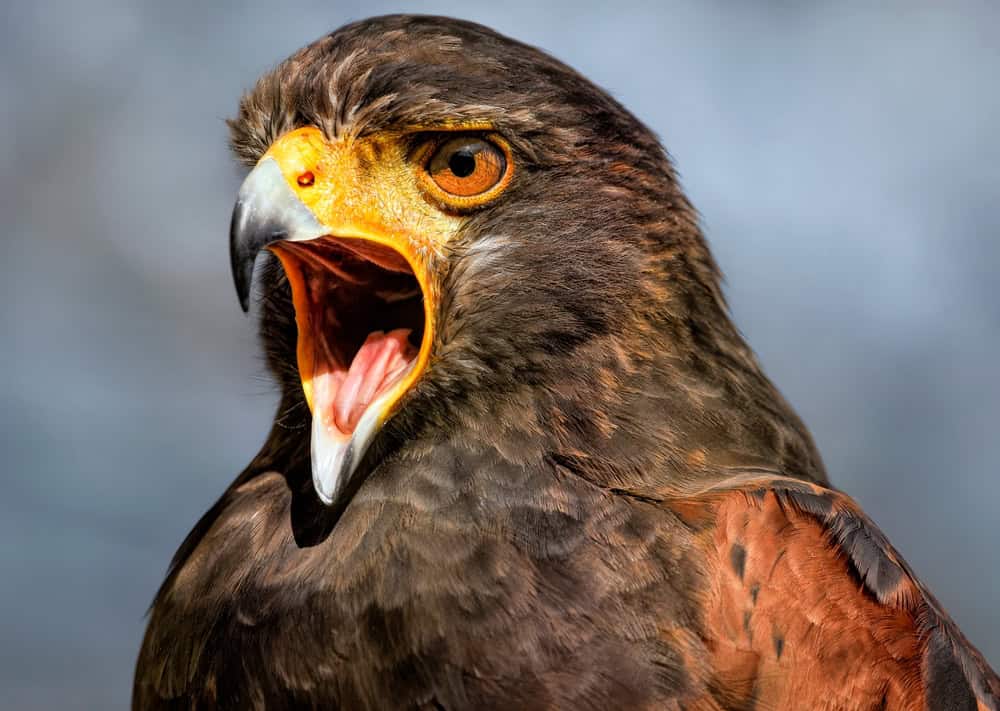
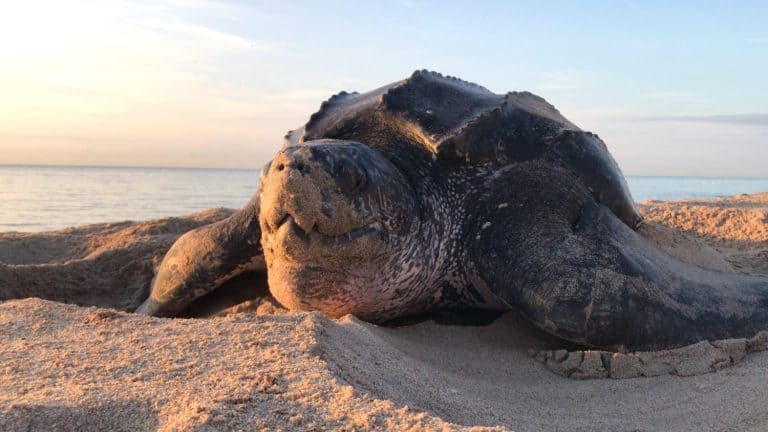
Some birds have tongues covered in spines.
©ambquinn/Shutterstock.com
Tongues are located on the floor of the lower beak. In many animals, one set of muscles (intrinsic muscles) changes the shape of the tongue, and another (extrinsic muscles) allows the tongue to change position. Most birds primarily have extrinsic tongue muscles, but some species, such as woodpeckers and hummingbirds, also possess intrinsic muscles that allow for greater tongue mobility. Some bird tongues have tactile receptors that identify food and position it before swallowing, and others have temperature receptors. Then, there are birds with tongues covered in spines!
Which Birds Have Spines on Their Tongues?
All birds have a layer of cells called the epithelium covering their tongue. It can vary in thickness and can be keratinized (hardened), usually near the tip. In some birds, however, there are distinct keratinized processes of epithelium forming hair-like or barb-like structures. These are called papillae and vary in shape and size according to species. They are usually rear-facing, and their purpose is to keep food moving towards the esophagus. This is important because birds don’t swallow the way we do. They rely on a backward tilt of the head and gravity, as well as muscle power, to move food down their throat.
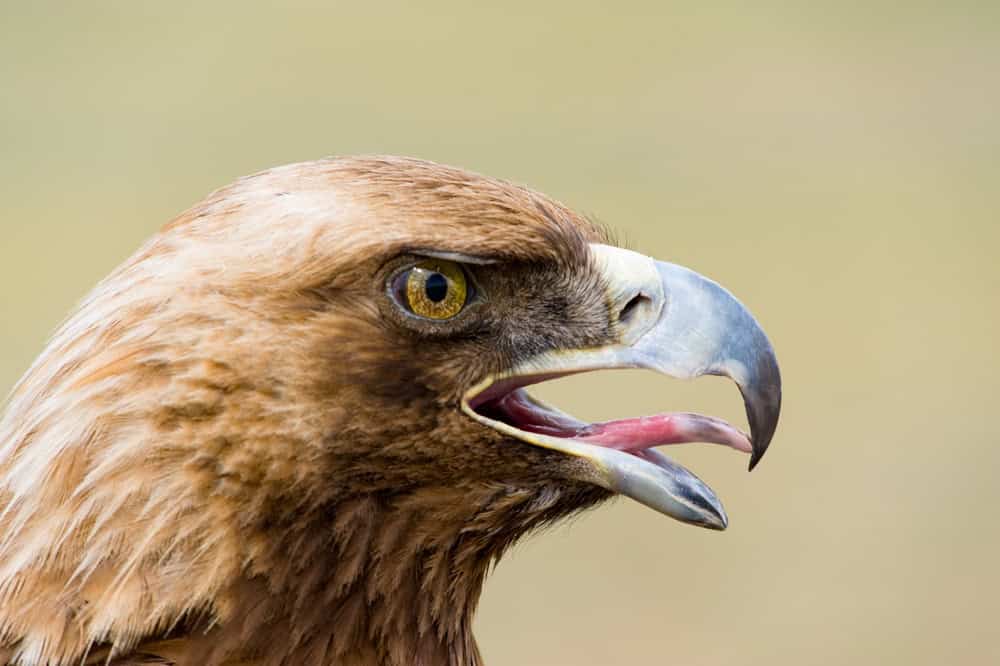
There is still a lot to learn about how birds’ tongues work.
©withGod/Shutterstock.com
Birds of prey, such as hawks, have particularly prominent papillae. These act as hooks and help to move food backward and prevent regurgitation, even if the prey is wriggling around! These birds have what is called a papilla crest, which is formed by conical papillae (spikes) located between the body and root of the tongue. They form a V shape in many birds of prey, including the long-legged buzzard and white-tailed eagle.
We still have a lot to learn about bird tongues and the role they play in food acquisition and consumption. This is because they are so hard to observe in living individuals. New high-speed photography methods are helping to unravel the mysteries, but many challenges remain.