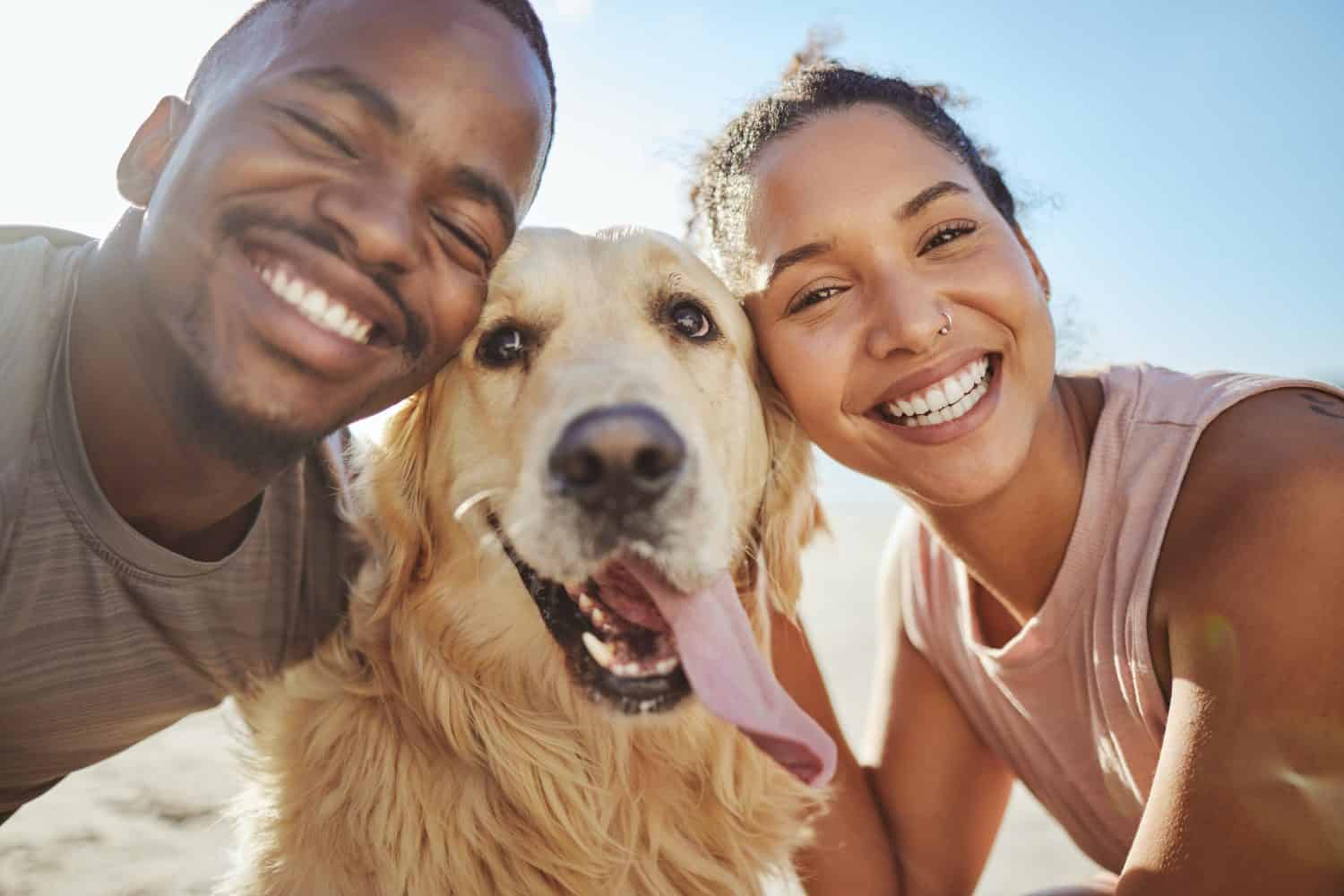

Man’s best friend. The first thing that comes to mind when this phrase is spoken is a loyal, obedient dog. The fact that dogs are so incredibly loyal stems from generations of dogs finding comfort in the companionship of humans. Recognizing that safety, warmth, and food would be provided if they warned of danger and helped protect the human pack, wild dogs transferred their pack mentality to humans. The more domesticated dogs became, the more dependent and ultimately more loyal they became to humans.
However, to gain loyalty, there has to be an aspect of trust in the relationship between people and their dogs. Loyalty, like trust, has to be earned. While it is believed some dogs do this more easily than others, in most cases, it is possible for just about any dog to exhibit loyalty to their humans. Consequently, it is up to humans to continuously foster trust between themselves and their dogs for loyalty to exist throughout the relationship.
Why Dogs Are Loyal
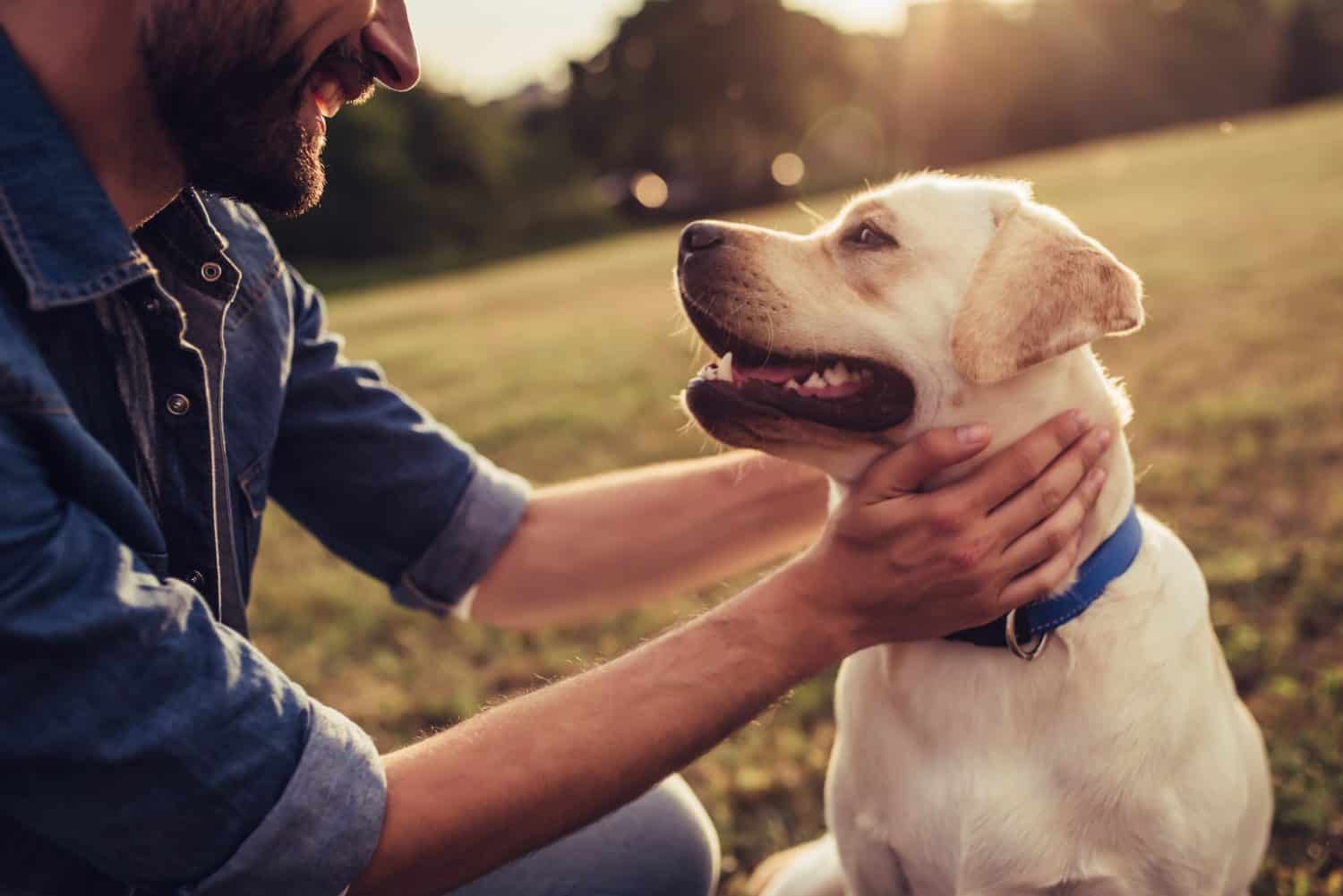
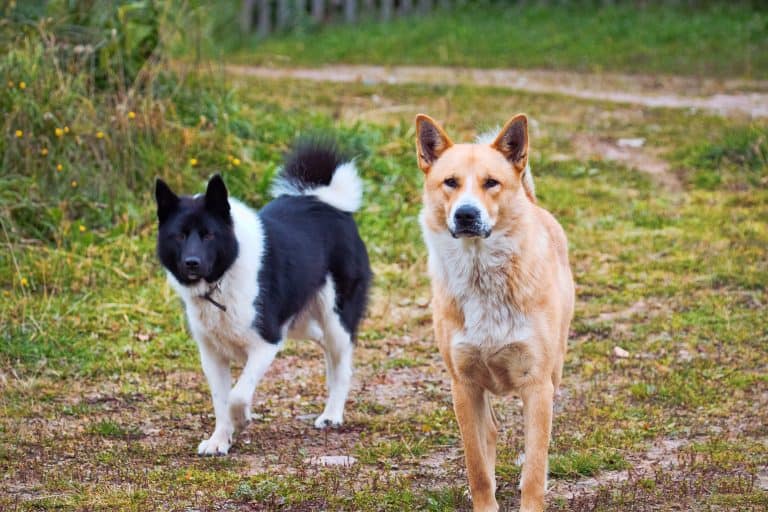
Dogs are loyal based on generations of relying on people for survival.
©4 PM production/Shutterstock.com
The bond between people and their dogs is both emotional and biological. The earliest identifiable example of this bond took place nearly 15,000 years ago with the Bonn-Oberkassel dog. The canine lived during the Late Paleolithic period and was found buried with two people, spotlighting that dogs were seen as members of the family back then, just as they are today.
Part of why people are drawn to dogs is the loyalty they show. Thanks to thousands of years of domestication, the relationship between dogs and humans is nearly inherent. However, while domestication is an important factor in why dogs are loyal, it is far from being the only one. Reasons why dogs are loyal to people include:
- Evolutionary bond
- Emotional intelligence
- Pack mentality
- Reliance on humans
- An innate desire to please
Of course, other animals are capable of bonding with people, as seen in other interspecies friendships. But the willingness that dogs have to be loyal, even when just a small amount of kindness is cast in their direction, is unlike any other. Unfortunately, this can lead to that loyalty being taken for granted because it is expected, when it should instead be fostered and nurtured for a dog’s lifetime.
Some dogs are more protective than others, but when it comes to loyalty, most, if not all, will bond very closely to their primary caregiver.
Jill A. Goldman, Ph.D., M.Sc., a Certified Applied Animal Behaviorist
How Dogs Learn Loyalty
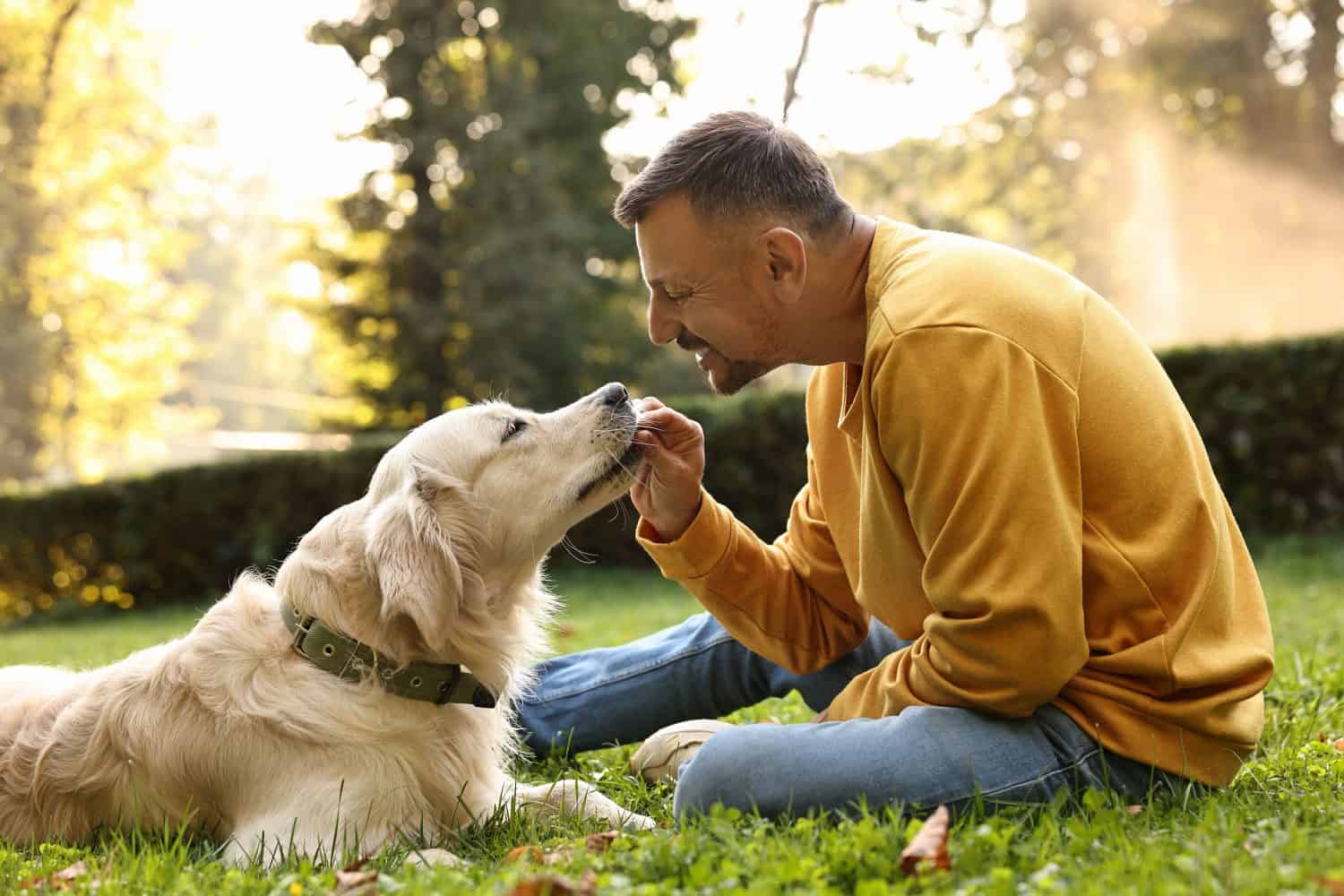
Dogs do not learn to be loyal, but they become loyal due to trust.
©New Africa/Shutterstock.com
Do dogs learn loyalty, or is it a trait that has been ingrained over generations as wolves became domesticated? Many assume that dogs will be loyal to them simply because they are dogs. This, however, is not the case, according to Jill A. Goldman, Ph.D., M.Sc., a Certified Applied Animal Behaviorist based in Beverly Hills.
“We’ve had to work on trust. Loyalty is taught…It’s a little strange to say that,” Dr. Goldman says. “I’m thinking more of a trust that underlies loyalty or your ability to feel safe or comfortable around your animal. When it comes to loyalty in itself, dogs provide protection and a signaling alarm, and humans provide them with food and shelter. With these parameters, it would be natural for that loyalty to be sustained. However, that relationship can be undermined.”
People are often responsible for undermining the relationship. This comes from people having unrealistic expectations of their dogs, and when those dogs do not act in a certain manner, they are punished. Punishment, according to Dr. Goldman, should be the exception, not the rule, when interacting with dogs. But, far too often, dogs are punished for acting like dogs versus exhibiting the behaviors their humans want from them. Unfortunately, dogs are far too often not praised enough for the good things they do.
“Most of the time, the animal does not know what is right,” Dr. Goldman says. “The dog asks, ‘What do you want?’ It is necessary to take the time to teach the dog what you expect from them and what you want from them.”
This is true for all breeds of dogs; despite the belief that loyalty and trust occur more frequently in some breeds, all breeds are capable of trust and loyalty.
Loyalty and Trust Are Not Breed-Specific
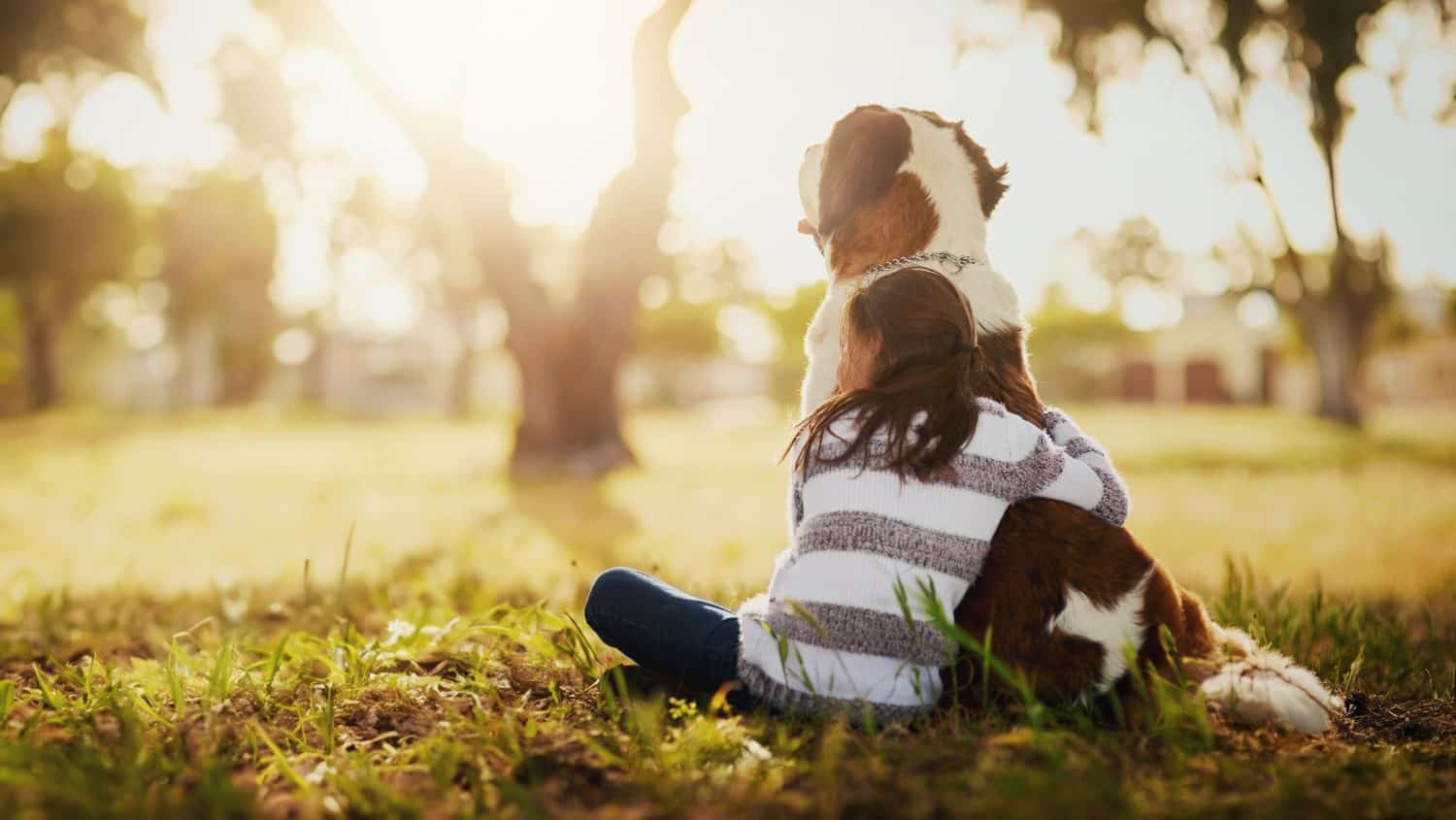
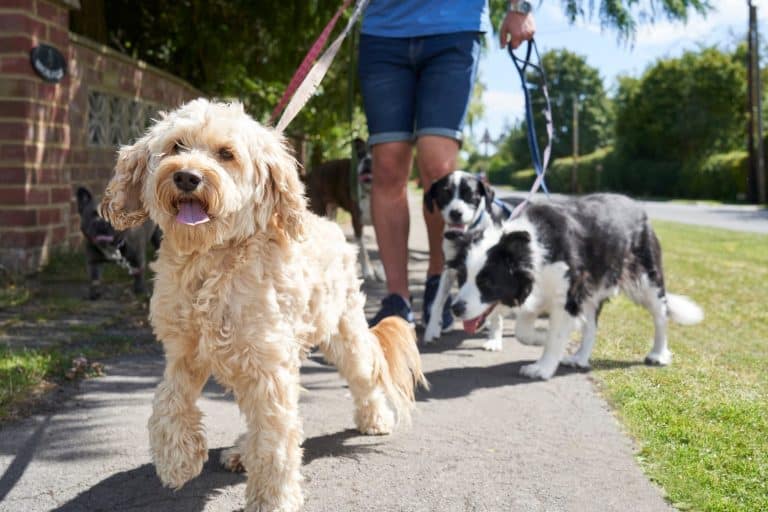
All breeds of dogs are capable of being trusting and loyal.
©PeopleImages.com – Yuri A/Shutterstock.com
There is a misconception that loyalty and trust are stronger in some breeds than in others. This is why certain breeds of dogs are more often chosen than others when it comes to picking a family dog or a companion. According to Dr. Goldman, loyalty and trust can be built between people and any breed. All dogs need is a supportive environment to allow those traits to flourish.
“I know that there are some breed descriptions that will say this dog is a good family dog, and this dog is a bit more standoffish. Yes, everyone has a personality. In each breed, you will have a spectrum. I do believe that each dog will attach to their owner given the right circumstances,” Dr. Goldman explains. “There will be a bond. Dogs are social mammals with a communication system. They’re created to work within a dynamic or even a social system, like a family. I believe it has more to do with their environment and their experience. Some dogs are more protective than others, but when it comes to loyalty, most, if not all, will bond very closely to their primary caregiver.”
It is because of their ability to trust that dogs can get a new lease on life, even after being removed from abusive homes.
How New Bonds Are Formed After Abuse
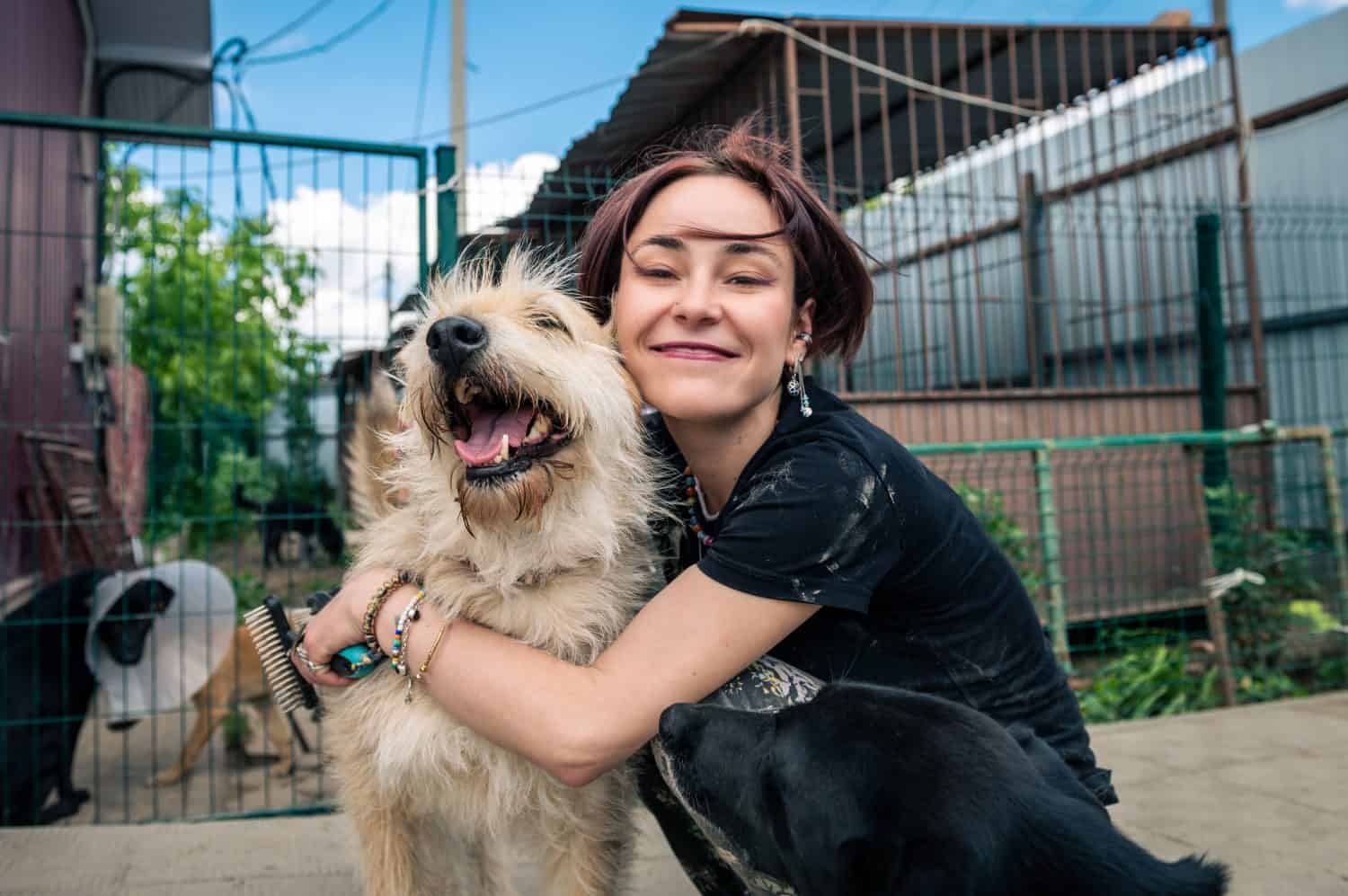
Dogs do not forget when they are abused, but they can learn to trust again in many instances.
©andysavchenko/Shutterstock.com
Despite their fierce loyalty to their humans, dogs are the animals that face the highest percentage of abuse in the United States. Each year, 10 million animals will die from abuse, with about 65% of abuse cases involving dogs as the victims.
Yet, even after dealing with these horrendous situations, time and again, there are stories of how dogs have learned to trust people again. This is not because dogs forget how they were treated in the past. According to Dr. Goldman, it has to do with the dogs learning to trust again.
“I don’t believe that you can unlearn things. I think the past makes us who we are,” Dr. Goldman says. “Our brain’s plasticity allows us, with enough repetition, to develop new habits. There are cases of animals that have to be euthanized for behavioral reasons. They are dangerous in the process of trying to modify their behavior. I would say the dog has been severely abused and will not trust anybody again.”
But for many dogs, there is a ray of hope after getting out of an abusive situation. It just takes time and understanding to help them see that not all people are bad.
“An animal can build trust again,” Dr. Goldman says. “You see a lot of adoptive animals that have been rehomed that have come from bad situations, and they are able to create new bonds and trusting relationships.”
It is when bonds and loyalty are formed that dogs give unconditional love. But it is important to remember that, just as people need certain conditions to be met before they can provide love, dogs have conditions that need to be met as well.
Dogs Give Unconditional Love
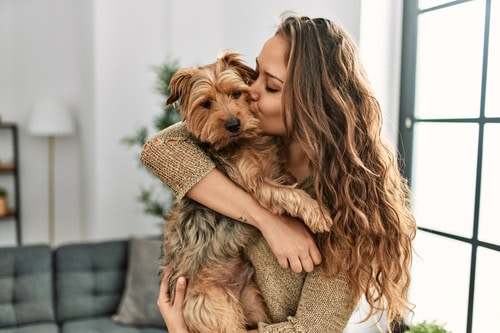
Dogs accept their humans for who they are and give unconditional love as long as they are given proper care.
©Krakenimages.com/Shutterstock.com
Dogs are known for giving unconditional love. This love is seen in the loyalty they offer, the acceptance of their people just the way they are, the joy they express when around their people, and the forgiveness given when mistakes are made.
“Dogs give unconditional love,” Dr. Goldman says. “They are dependent on us. You take them in, you shelter them, and you provide them with love. This doesn’t give them much wiggle room except to be submissive in certain contexts.”
It is that last part that people need to pay attention to. While dogs will freely give their love to their people, they do need conditions to be met to give love unconditionally. This is why dogs will not bond with people who do not show any interest in them and why trust leads to loyalty in the dog-human relationship.
People need to be aware that taking on the role of caregiver to a dog does not automatically result in a dog giving unconditional love. It takes work to become close, as it does with any relationship. Those who put in the work will reap the rewards of a bond and loyalty with a dog that will last the dog’s lifetime. However, according to Dr. Goldman, too often the expectations people have for their dogs are too high. This is where problems can begin to fester within the dog-human relationship.
“People need to understand that learning is a process,” Dr. Goldman says, “If you want a trusting, loyal relationship, it requires patience and reasonable expectations.”