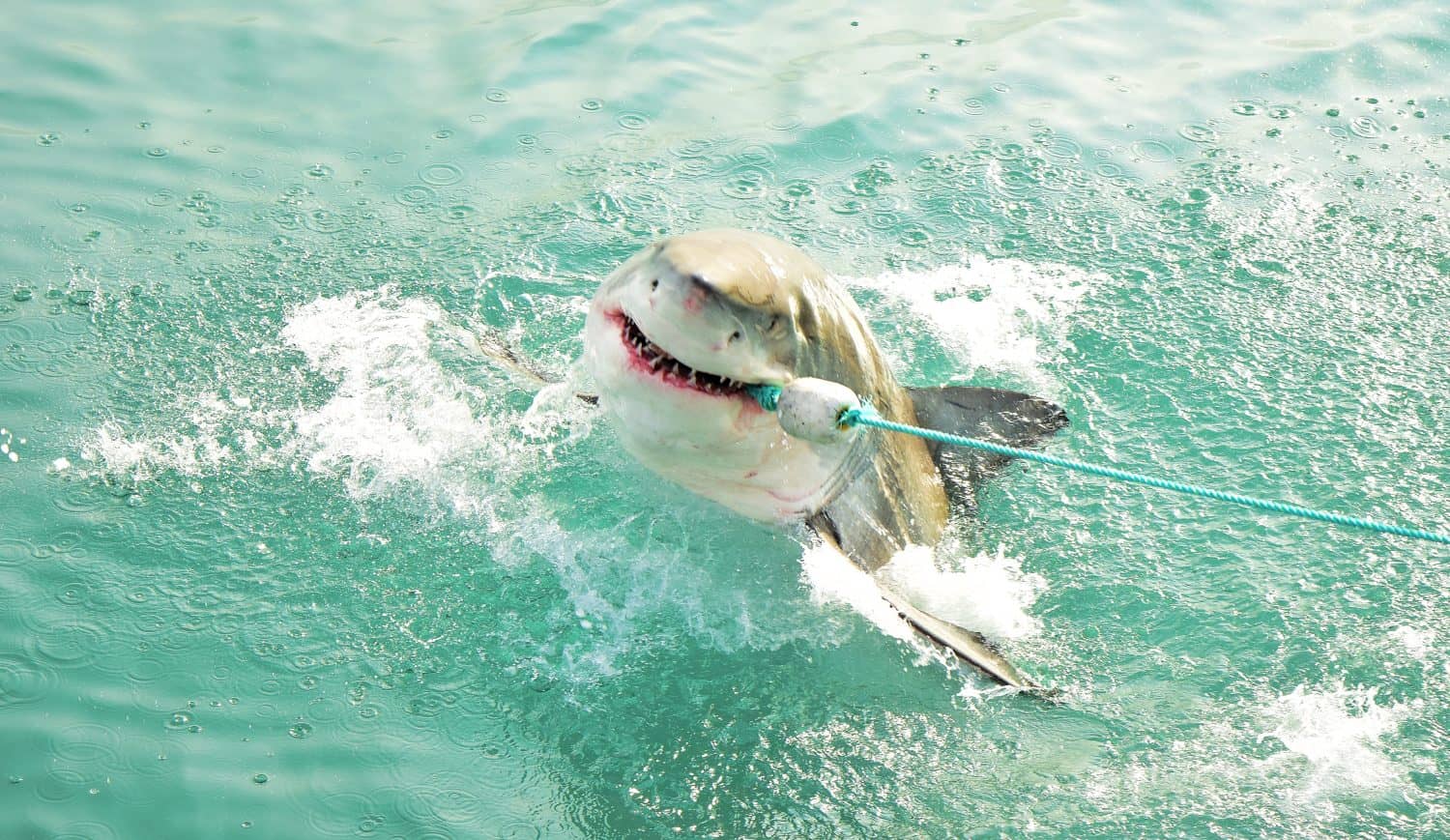

Shark sightings are common in states like Florida, the Carolinas, and even New York City. Even New England states like Connecticut and Massachusetts have joined the list of routine summer shark visits. However, one more New England state is joining their ranks: Maine.
These coastal waters may not be the first that come to mind, but an 8 to 9-foot shark recently made headlines. It has locals wondering if this is the new normal, but experts believe Maine’s recent sightings are a good thing. Here’s where the 8-footer was spotted, and why sharks are showing up more in Maine’s waters.
Which Sharks Call Maine’s Waters Home?
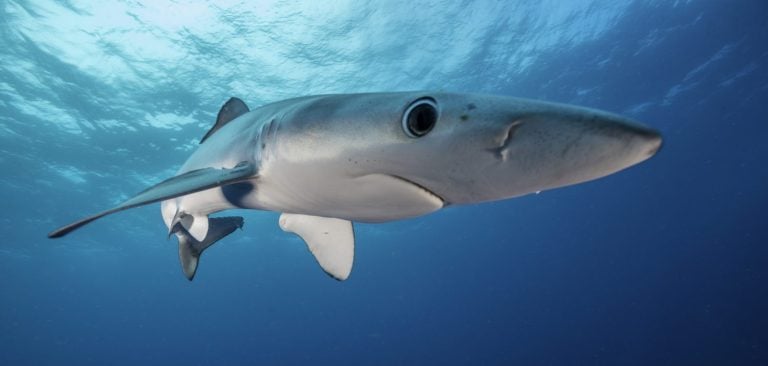
Maine’s coastal waters offer a surprisingly diverse ecosystem. Despite its northern location, the shark species that call it home are as varied as its marine environments. The state is home to eight types of sharks, each one playing a unique role in the ocean surrounding it. Those eight include:
- Basking shark
- Blue shark
- Shortfin mako
- Spiny dogfish
- Porbeagle
- Sand tiger shark
- Thresher
- Great white shark
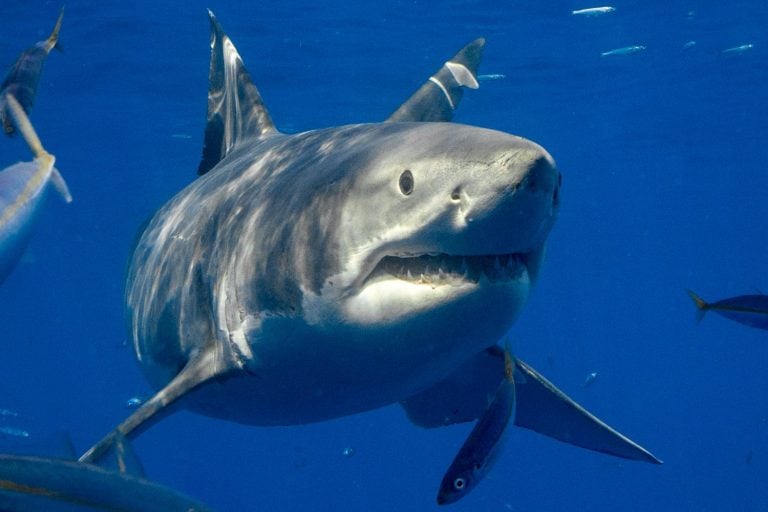
Most people become fixated on the great white shark, which often traverses Maine’s seaside. However, these sharks are not interested in humans. Instead, they’re stopping in Maine to hunt its native seal population. According to experts, great whites have been swimming in Maine’s waters for hundreds of years. They’ve always been here, and the uptick in drone footage and camera phones likely is what makes it seem like they’ve suddenly appeared. With that being said, experts agree that being attacked by a shark or bitten by one is extremely rare.
Maine’s Most Recent Shark Sighting
A shark estimated to be 8-9 feet long was recently spotted offshore at Reid State Park. The shark was roughly 200 feet from the beach, a reasonable distance from beachgoers, but alarming nonetheless. According to Sagadahoc County Emergency Management, the water was temporarily closed until the shark was out of range. The shark was identified as a great white, and its size makes it a fairly hefty animal.
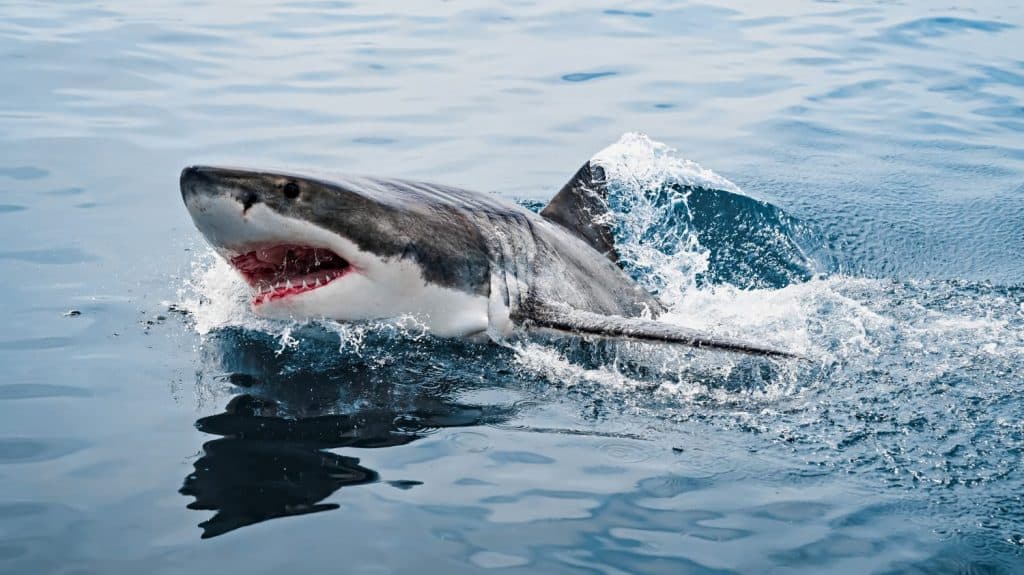
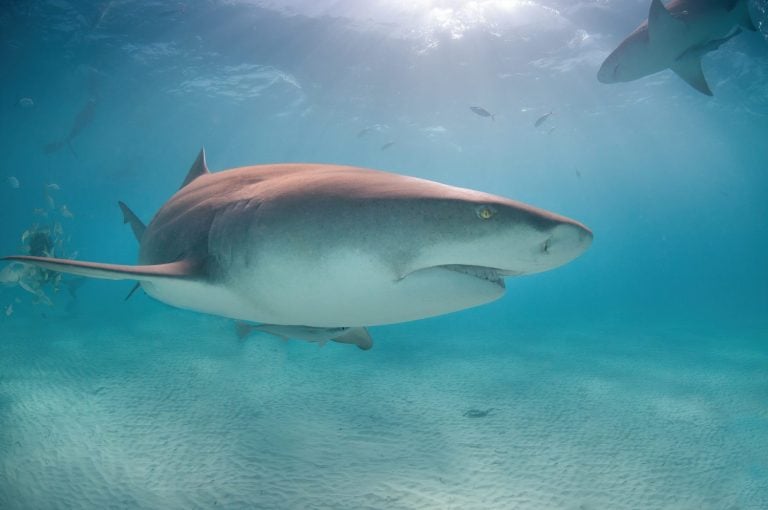
You don’t typically see sharks in Maine.
©NNER/Shutterstock.com
This summer, sharks have been spotted off Bailey Island. This prompted the Harpswell Marine Resources & Harbor Management to post warning flags to alert visitors to shark activity. The flags went up around Cedar Beach, along with encouragement to beachgoers to photograph any sharks they see. This exact location was also the site of Maine’s only fatal shark attack in 2020. A great white was responsible for the attack, and experts claim the victim may have been mistaken for a seal, given her black wetsuit. This is one of only two shark attacks ever documented in Maine’s waters.
How Normal Is It to See a Shark in Maine?
It’s not as common to see a shark in Maine as it is in some other states, but it’s also not uncommon. In recent years, sharks have been migrating according to temperature patterns. Warmer waters bring sharks further north, along with the nutrients they need to survive. Based on the Sharktivity App, there have been 15 recent shark sightings as of July 31st. On August 4th, another unconfirmed Sharktivity App sighting was off Georgetown Island. Another confirmed shark was swimming just off the coast of Scarborough Beach State Park near Prouts Neck on August 6th.
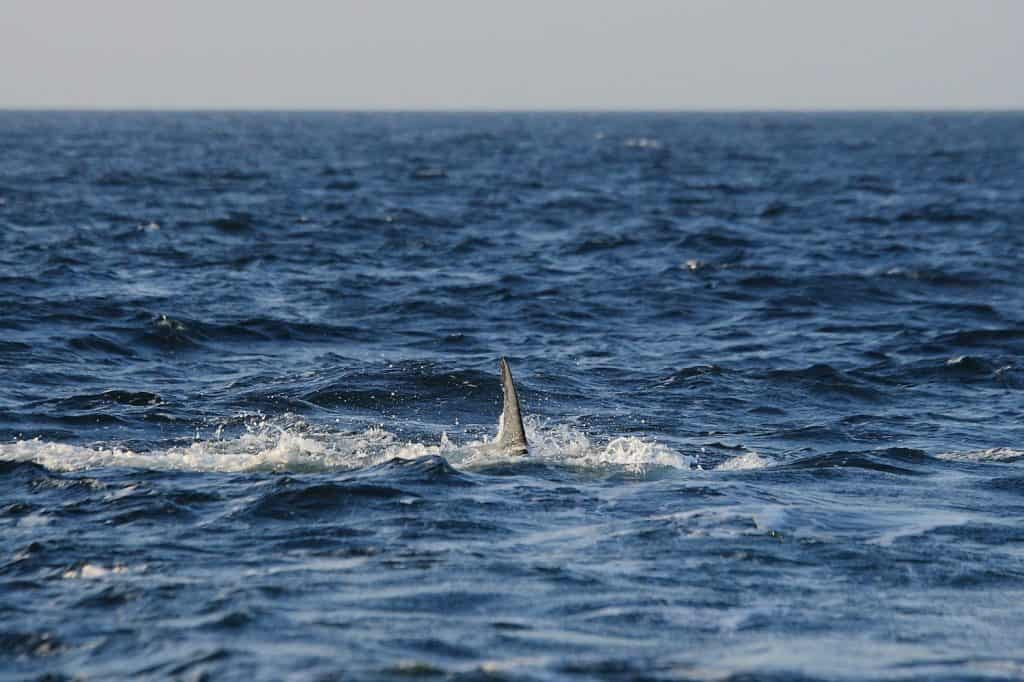
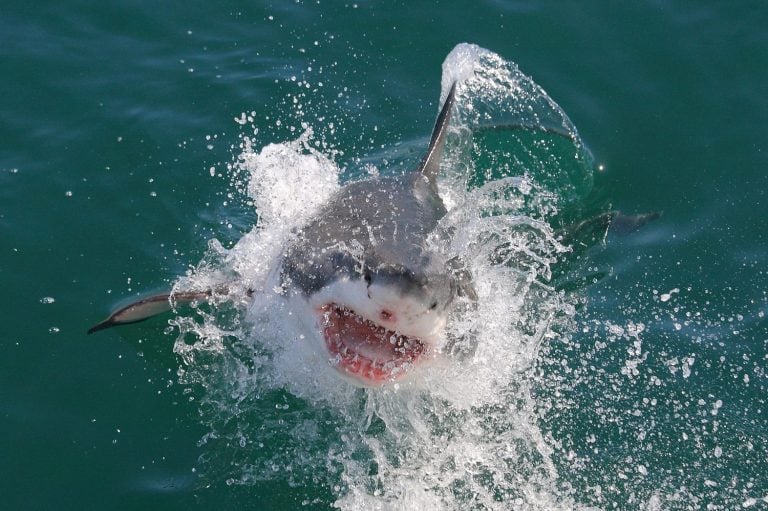
People record shark activity on an app called Sharktivity.
©Alessandro De Maddalena/Shutterstock.com
Even with these recent sightings, this data pales in comparison to a place like Cape Cod. In the first week of August alone, there were 16 shark sightings from Chatham to Provincetown reported on the Sharktivity App. The latter was confirmed to be a great white shark, based on bite marks found on a seal near the beach. While some of these may have been the same shark, confirmation is challenging without photos of each sighting. However, one lobster fisherman in Maine captured incredible footage that has locals thinking twice about beach time.
Cundy’s Harbor Great White Shark
In late July 2025, Cory Hawkes saw a great white for the first time while fishing off the coast of Cundy’s Harbor. Rather, he saw six or seven great whites, according to his interview, all congregating around his boat while he headed inland. Hawkes began filming the fins before realizing there was a group of great whites circling the water. This is highly unusual for great whites, who typically swim solo, especially while hunting. Biologists said the sharks may have been feeding on a carcass underwater. Occasionally, great whites gather at carrion to feed if there’s enough meat to go around.
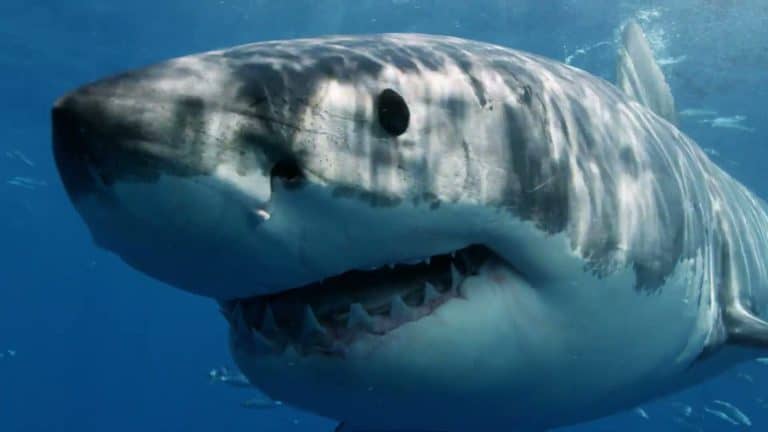
Hawke’s video spread awareness about sharks in Maine.
©Alessandro De Maddalena/Shutterstock.com
Even so, the site was alarming, and the video was posted to social media by Justine, Hawke’s wife. The post was intended to inform people that sharks were in the area, a message reinforced by local wildlife management, which put up cautionary shark flags. Hawkes also made it clear that he would no longer be swimming in a wetsuit, as sharks often confuse divers for seals. The video itself received mixed reception, with some people citing fearmongering, while others appreciated Hawkes spreading awareness. While it is highly unusual for multiple great whites to be spotted in the same area, this incident further indicates their presence in Maine’s waters.
An Increase of Sharks in Maine
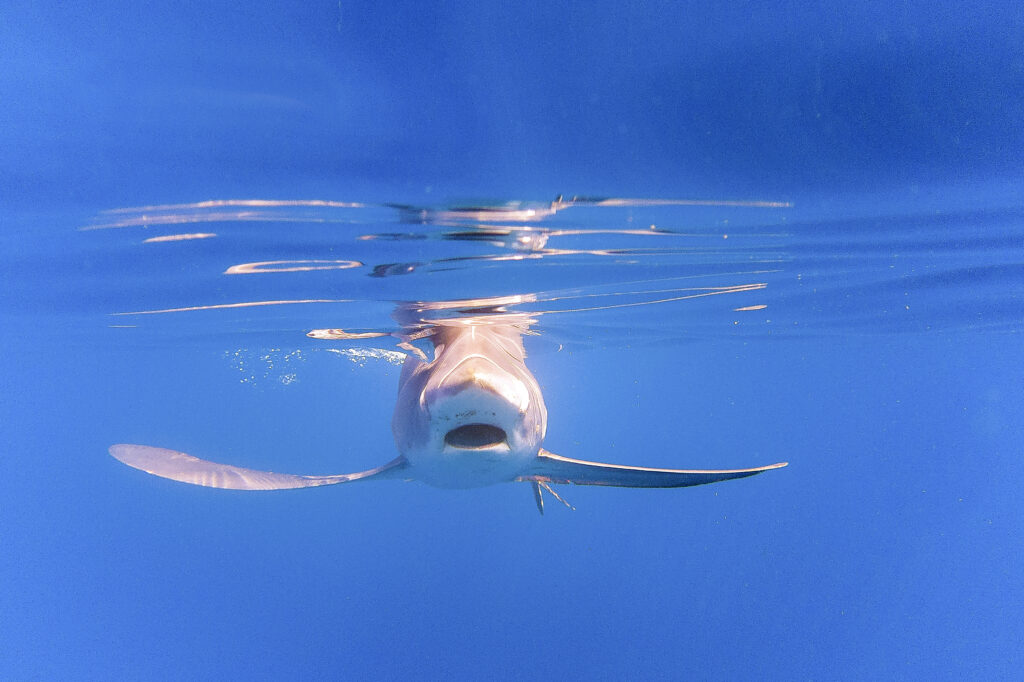
While warmer waters draw sharks further north, there could be other reasons for sharks, especially great whites, to be drawn to Maine. Another sighting in June 2025 happened off the coast of Boothbay. Fishermen witnessed a great white eating a seal mere feet from their boat. The whole incident was captured on video and shows the killer instincts of a great white from the surface. The boaters watched the shark for some time until a piece of the seal’s carcass floated to the surface of the water.
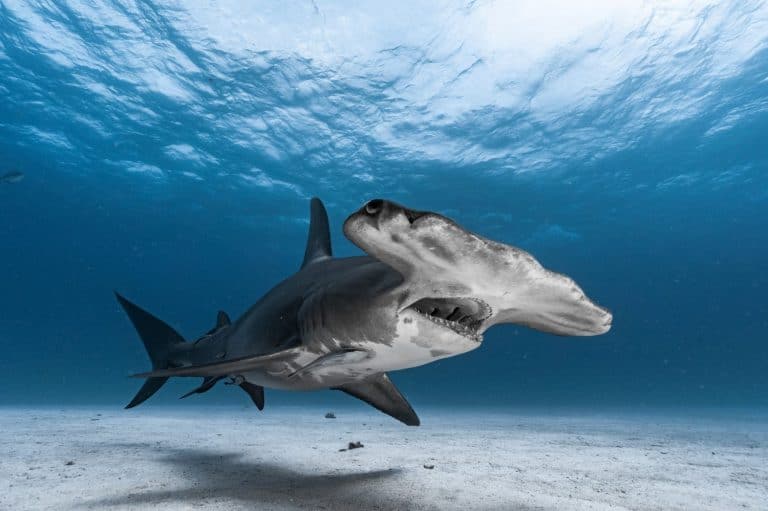
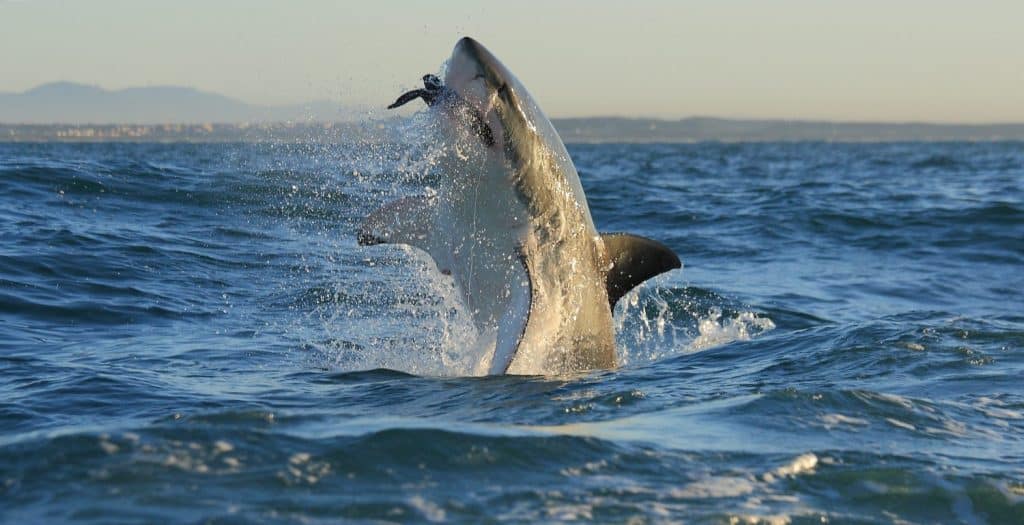
Sharks are attracted to Maine for seals.
©Xavier Hoenner/Shutterstock.com
Upon closer examination by Matt Davis of the Maine Department of Marine Resources, he claims the video showcases the curious nature of great white sharks. Its proximity to the boat is not unusual for a shark that is curious about its surroundings. It was presumed the shark in the video was a juvenile, but the exact age of the shark has not been confirmed. One reason for these incidents is the increased seal population. As the Maine seal population continues to thrive, more sharks are drawn further north in search of food. Experts claim many of the same sharks found off the coast of Cape Cod also partially inhabit the coast of Maine, many times without beachgoers even realizing it.
Knowing Shark Safety in Maine
Seals aren’t the only animals sharks, especially great whites, are hunting off the coast of Maine. They also hunt striped bass, which are especially abundant in the Gulf of Maine. This increase in feeding could be a sign that sharks are establishing territory, which means more sightings in the future. Authorities remain on high alert on Maine’s beaches, encouraging visitors to exercise caution. They’re sharing these tips:
- Read the warnings posted at local beaches.
- Be aware of your surroundings at all times.
- Avoid swimming near seals or schools of fish.
- Use caution on sandbars and when swimming near drop-off points.
- Avoid murky or muddy water.
- Avoid swimming at dawn or dusk, or anywhere you can’t see the water around you.
- Don’t wear jewelry when swimming, as it can mimic a fish’s scales.
- Stay close to shore where rescuers can easily reach you if necessary.
Experts also recommend swimming in groups and avoiding excessive splashing, as it may attract sharks by making them think a school of fish is nearby. While on the beach, be sure to follow any lifeguard instructions and exit the water swiftly, but calmly, if a shark sighting is reported. It’s important to remember that shark attacks are still extremely rare. Sharks play a crucial role in our ecosystem, and practicing shark safety helps ensure that humans and sharks can continue to share the same environment.