
Quick Take
- These hatchlings have never seen the ocean, yet they navigate toward it using a multi-stage system that switches guidance methods more than once before they reach deep water. See the navigation system →
- One completely ordinary coastal feature, neither a predator nor a storm, can scramble every instinct a hatchling has and send it in the opposite direction. See what throws them off →
- Reaching the water looks like the finish line, but for most hatchlings it's actually the start of a much harder leg of the journey with brutal odds. See the survival odds →
- Helping a struggling hatchling across the sand seems like the right call, but wildlife agencies say it often isn't, and the reason matters. See the expert guidance →
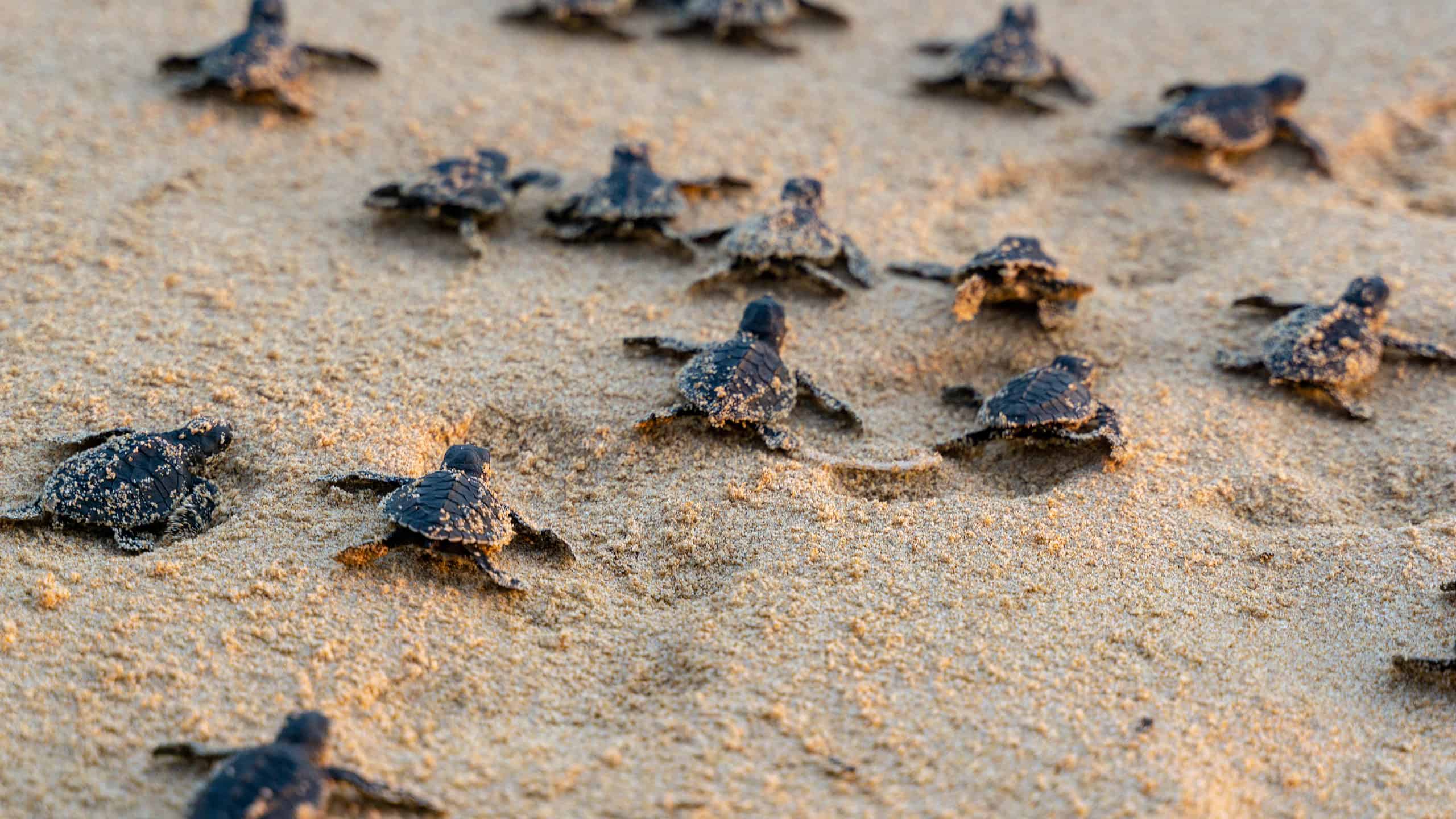
Eighty-two baby sea turtles pour onto a beach in Cozumel, Mexico, and almost immediately start moving in the same direction. Nobody has to point them toward the Caribbean. Their mother is long gone, and these hatchlings have never seen the ocean before.
Yet their first trip has already been programmed into them. Sea turtle hatchlings use a remarkable combination of light, beach shape, waves, and eventually Earth’s magnetic field to move from a nest buried in the sand toward the open ocean. It works remarkably well on a natural beach, but one surprisingly ordinary thing can send the entire journey in the wrong direction.
82 Baby Sea Turtles Make Their First Run to the Ocean
The video was filmed in Cozumel, Mexico, where sea turtles return to the island’s beaches to nest each year. According to the video’s original description, volunteers helped release 82 hatchlings toward the Caribbean.
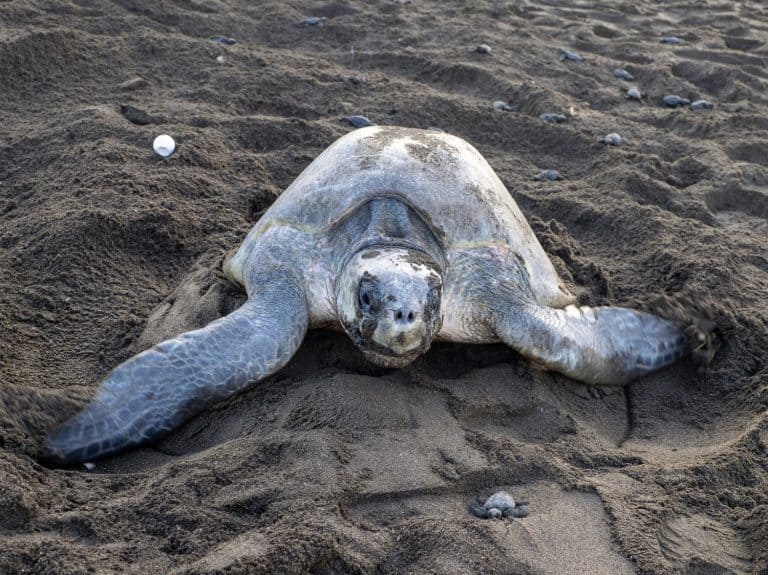
The tiny turtles spill onto the sand together before spreading out and crawling toward the surf. It may look like a little race, but there is a serious reason for all that urgency. Hatchlings emerge with limited energy reserves, and every extra minute spent exposed on the beach means more time facing dehydration, birds, crabs, and other predators.
How Do Baby Sea Turtles Know Where the Ocean Is?
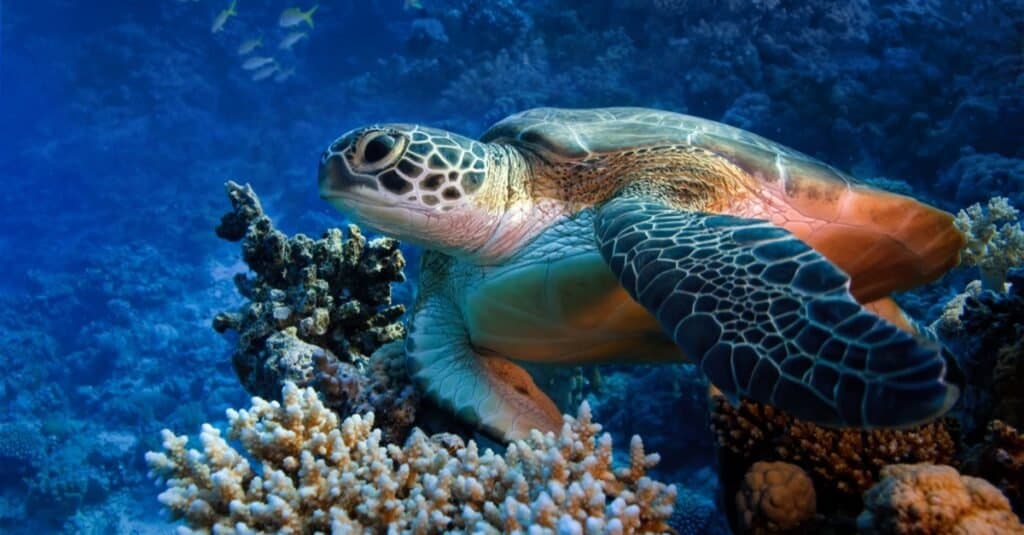
Sea turtle hatchlings rely on several different environmental cues as they move from the nest to open water.
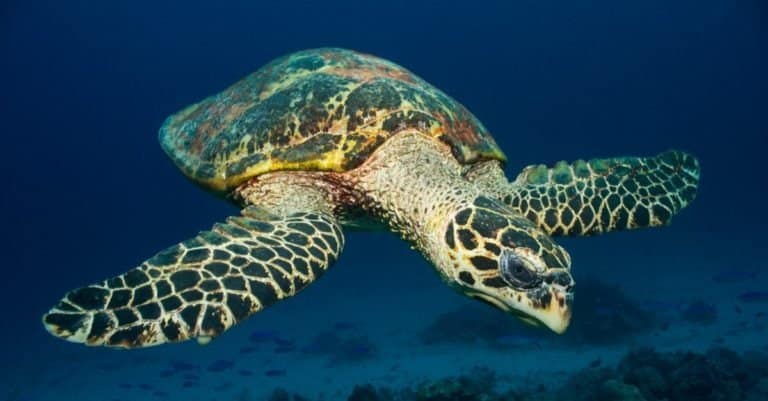
©Willyam Bradberry/Shutterstock.com
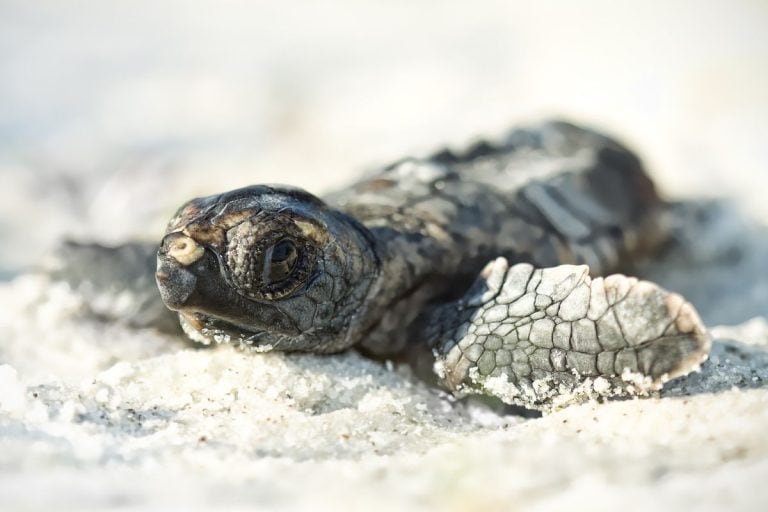
A newly hatched sea turtle does not need its mother to show it the way. On a naturally dark beach, hatchlings instinctively move away from the darker silhouettes of dunes and vegetation and toward the brighter, more open horizon over the ocean.
The slope of the beach can also help point them toward the water. Once they reach the surf, the guidance system changes again. Young turtles can orient themselves using the direction of incoming waves, and farther offshore they are able to use Earth’s magnetic field as part of their navigation system.
It is an impressive amount of navigation for an animal that may have emerged from its egg only hours earlier.
One Bright Light Can Send Them the Wrong Way
That natural navigation system worked for millions of years before beach houses, streetlights, hotels, and parking lots started lighting up coastlines. Today, artificial light is one of the easiest ways to scramble the signals hatchlings depend on.
Instead of crawling toward the glow of the open horizon over the water, hatchlings may turn toward a bright building, road, flashlight, or other artificial light. The Florida Fish and Wildlife Conservation Commission warns that disoriented turtles can burn through precious energy, become dehydrated, encounter vehicles, or spend more time exposed to predators.
That is why turtle-friendly beaches often have strict lighting rules during nesting season. For something weighing only a few ounces, heading a few hundred feet in the wrong direction can make an enormous difference.
Should People Help Baby Sea Turtles Reach the Water?
The volunteers in the Cozumel video are participating in a turtle release, and organized conservation programs continue to operate on the island today. Trained teams monitor nesting beaches, mark and protect nests, and sometimes supervise hatchling releases or nest inspections.
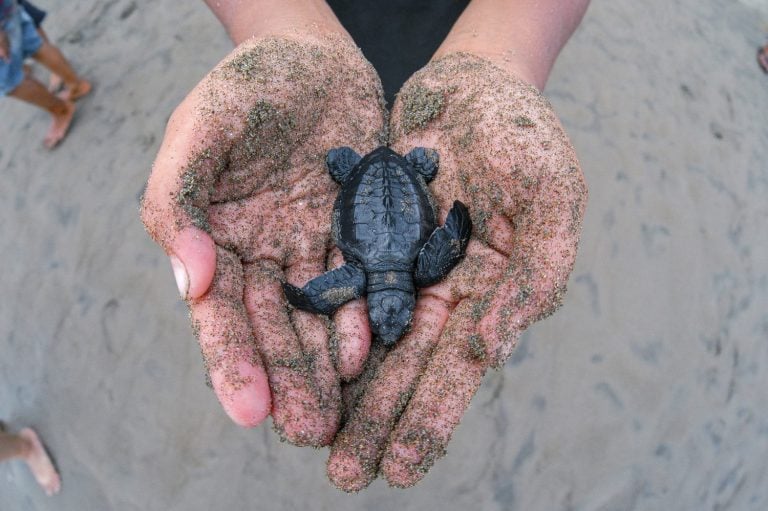
That is very different from finding hatchlings on your own and deciding to give them a lift. Wildlife agencies generally tell beachgoers not to pick up healthy hatchlings, block their route, shine lights on them, or use flash photography. The crawl across the sand is a natural part of the journey, and human interference can make an already difficult trip even harder.
If a hatchling is moving away from the ocean, trapped, injured, or otherwise in trouble, the safer option is to contact the local wildlife or sea turtle authority rather than trying to handle it yourself.
Reaching the Ocean Is Only the Beginning
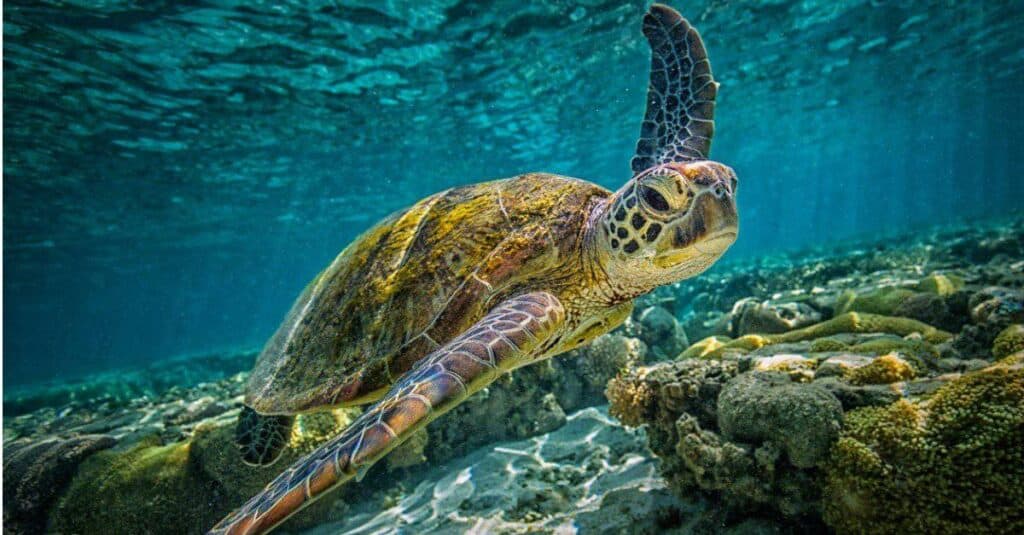
For a sea turtle hatchling, reaching the surf is only the first stage of a much longer journey.
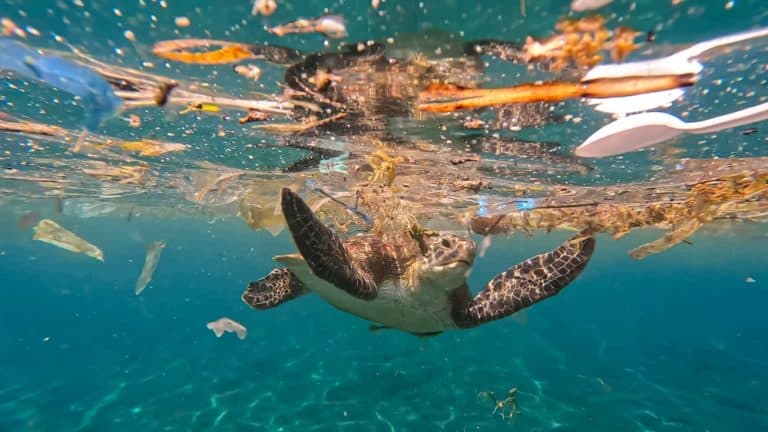
©iStock.com/Greg Sullavan
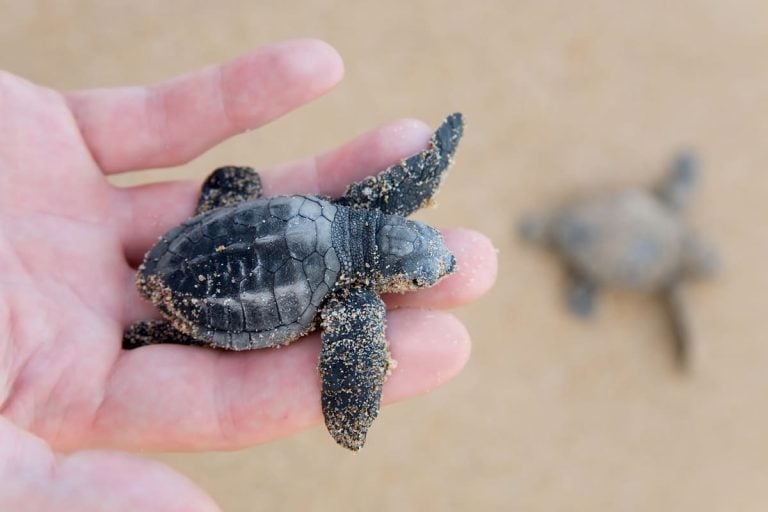
Getting across the beach may look like the finish line, but the hatchlings are really just getting started. Once they enter the water, young sea turtles launch into an intense period of swimming that carries them away from the dangerous shoreline and toward offshore currents and nursery habitat.
At Cape Hatteras National Seashore, the National Park Service notes that hatchlings may swim almost continuously for roughly 24 to 36 hours as they work their way offshore. Depending on the species and location, young turtles may eventually spend years around floating mats of seaweed and in open-ocean habitat before moving into the coastal areas used by older juveniles and adults.
The odds are still brutal. The National Park Service estimates that only about one out of every 1,000 to 10,000 hatchlings survives all the way to maturity. Watching 82 tiny turtles disappear into the Caribbean is beautiful, but it also makes clear why every successful hatch matters.