
Many animals use their scents as a form of communication. Whether it’s to mark their territory, attract a mate, or threaten a predator, scent rituals have helped various types of animals since the beginning of time. Here are some examples of scent rituals, as well as the role scent plays in social and mating relationships.
1. Musk Deer
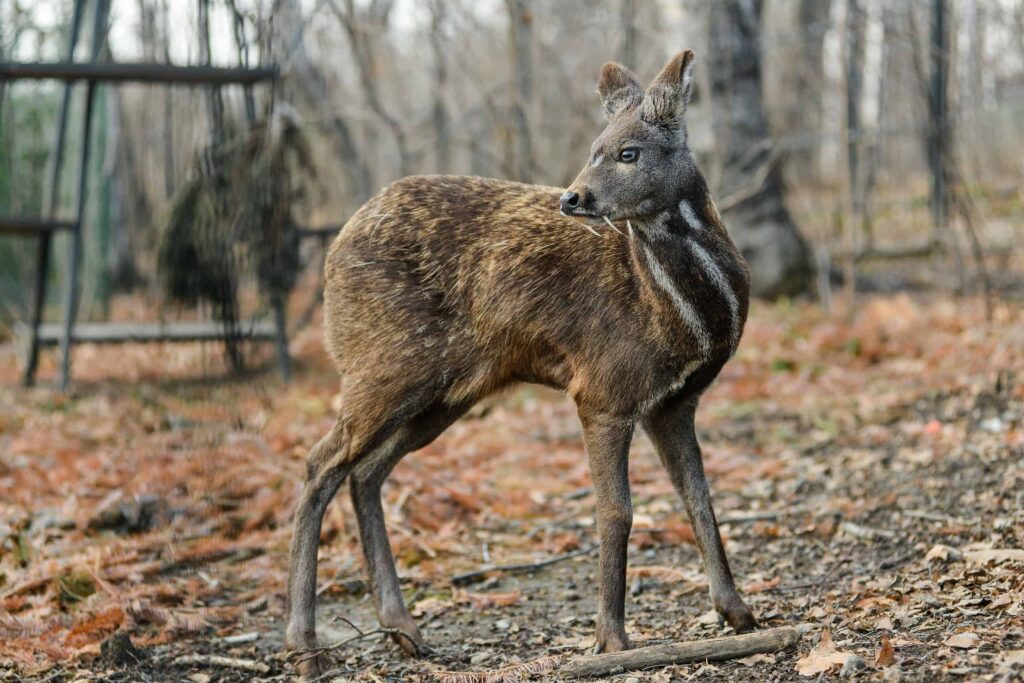
Siberian musk deer use their scent for mating.
©Suvorov_Alex/Shutterstock.com
Musk deer are small deer with fang-like tusks. Native to Asia, all seven species of musk deer are considered endangered, thanks to issues like habitat loss and hunting. These shy, solitary creatures are often known for their “musk” gland, which produces strongly-scented fluid during mating season. This only occurs in males.
While male musk deer possess this gland to attract mates and mark their territories, many are hunted for this very reason. The musk is often used in traditional medicine and to manufacture perfumes. The strong scent is described as both sweet and earthy.
2. Skunks
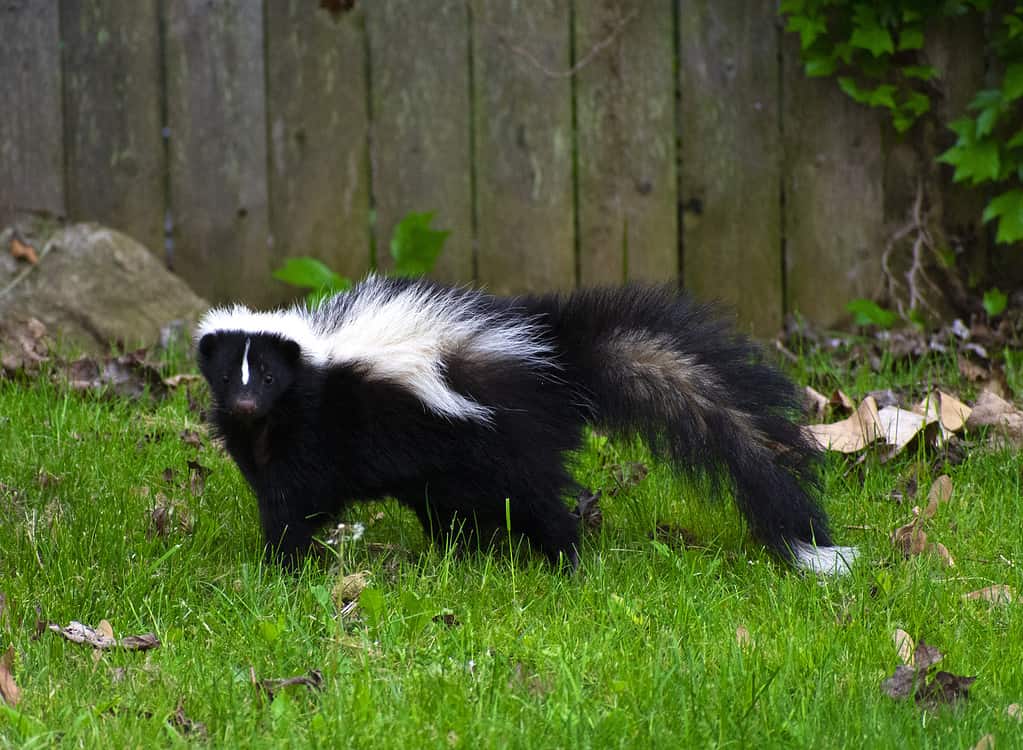
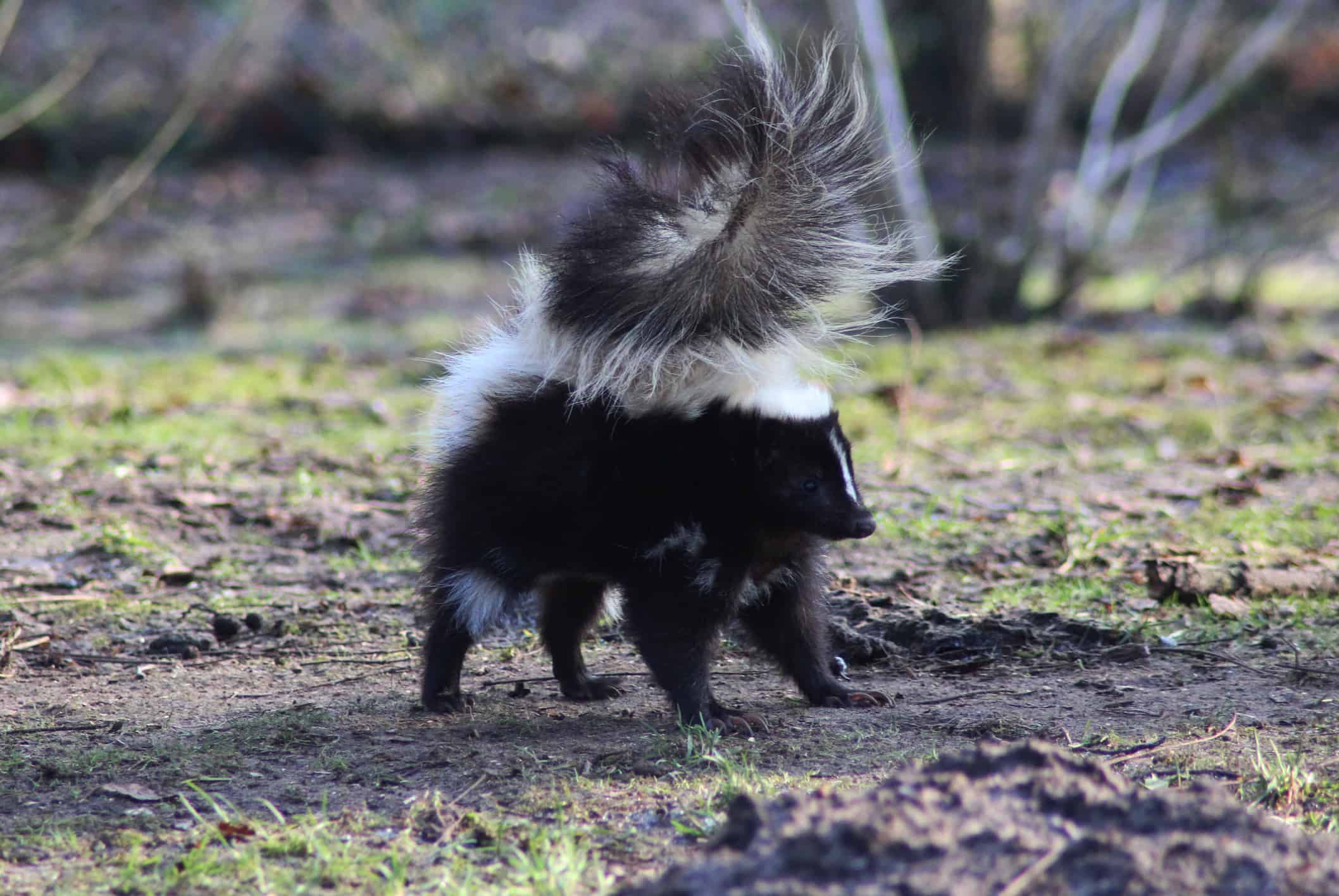
We all know that skunks have one of the most unappealing signature scents.
©beebatch/iStock via Getty Images
Skunks are well-known for their use of a foul-scented spray to scare off predators. Whenever they feel threatened, be it by a dog, a human, or a wild animal, they release an oily liquid from their anal glands. This liquid has a distinct, strong odor (thanks to its sulfur-based compounds) that typically deters its victims. Not only that, but skunks can spray up to 15 feet away. Sometimes, the liquid can even cause temporary blindness or nausea in certain animals. Typically, skunks will attempt to communicate with other cues before spraying. For example, they might hiss or stomp their feet. But if the perceived threat lingers, they’ll aim and spray.
3. Felines
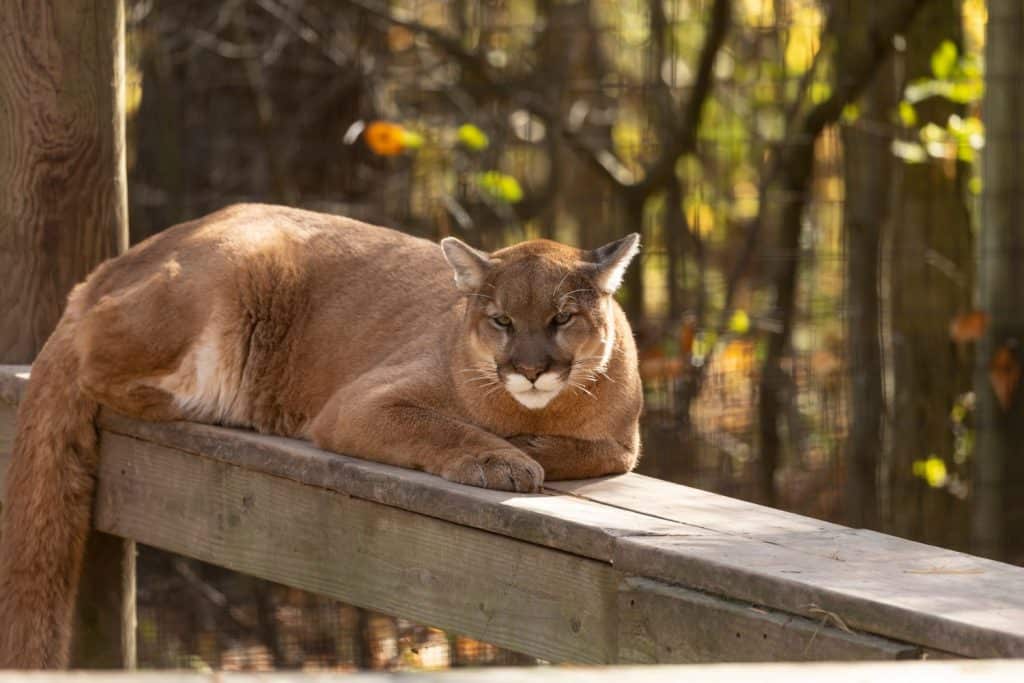
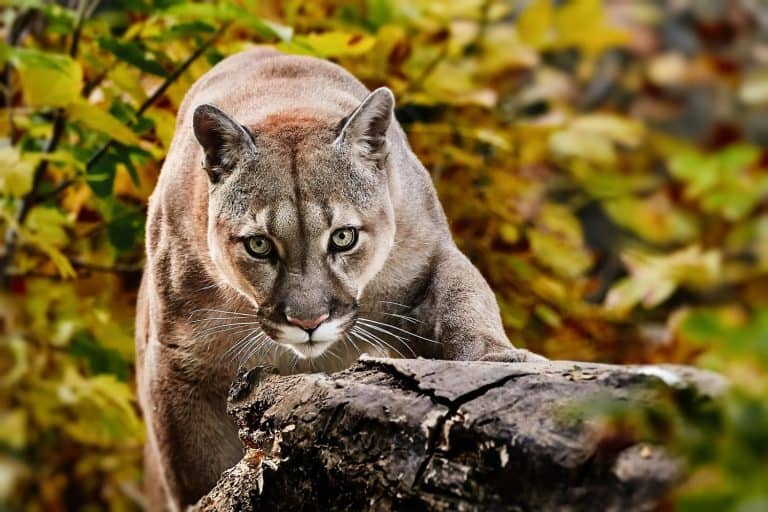
Pumas in particular are known to mark their territories via scent.
©Karel Bock/Shutterstock.com
Various species of felines practice scent marking, which involves depositing scents via urine or fecal matter (or glandular secretions) to communicate with other animals. Many mammals carry out scent marking, but felines are common culprits of this act.
“Elusive, solitary, and integral to their world, pumas or mountain lions (Puma concolor) mark their presence and communicate through scent marking, etching invisible messages into the land they rule and the bark of trees, messages only those who understand with their noses,” explains Regina Domingo, founder of the Nakawe Project. “Through urine, scat, and scraping with their paws, pumas trace invisible borders through the wilderness, using scent as both signature and proclamation: staking territory, asserting dominance, and signaling readiness to mate.”
Scent marking is used for things like signaling reproductive readiness, territory marking, asserting dominance, and other forms of communicating.
“This shows us that, sometimes, to communicate, it’s not the loudest voice that succeeds,” Domingo points out. “Sometimes, we should apply biomimicry and learn to speak in a quieter way like pumas, letting our subtle ‘marks’ carry the message instead.”
4. Lemurs

“Stink flirting” is an impressive way that lemurs attract mates.
©photomaster/Shutterstock.com
Lemurs are another animal well-known for their scent ritual. In fact, male ring-tailed lemurs partake in a form of mate attraction called “stink flirting.” Essentially, during mating season, the male runs its tail against the scent glands on its wrists, which contain fruity, floral-scented chemicals. Many people compare the aroma to that of a sweet pear. The male lemur will then waft the scent about using its tail. Experts believe this helps the animal communicate its fitness and readiness to mate.
5. Beavers
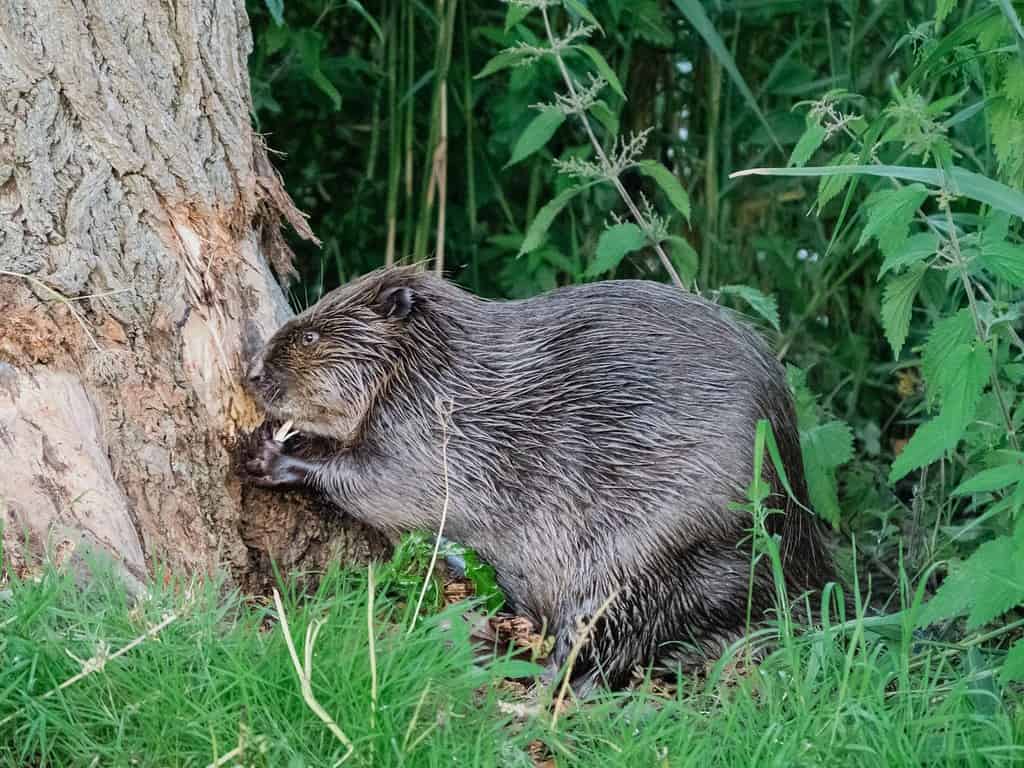
Beavers are known for their “scent mounds.”
©Dolfilms/Shutterstock.com
Another great example of animals with signature scents is the beaver. Beavers deposit their scents on mounds of debris to mark their territories. Experts refer to these as “scent mounds.” The smell itself comes from secretions from the beaver’s castor sacs and anal glands. The yellowish, oily substance (called castoreum) contains pheromones and helps heavers communicate with other beavers. Oddly enough, castoreum has a vanilla-like aroma and has been widely used in perfumes and even some food products. The animal’s signature scent is quite pleasant.
Sometimes, we should apply biomimicry and learn to speak in a quieter way like pumas, letting our subtle ‘marks’ carry the message instead.
Regina Domingo, founder of the Nakawe Project
6. Meerkats
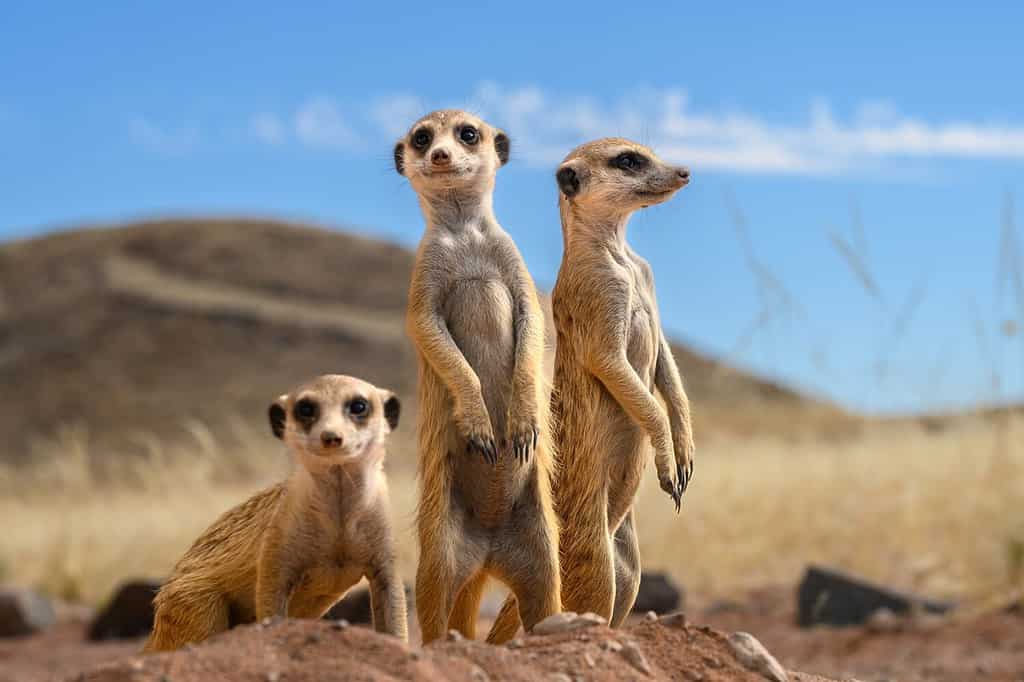
Using a paste-like substance from under their tails, meerkats will smear their scent to mark their territories.
©Ward Poppe/Shutterstock.com
Meerkats are small mongooses commonly found in Southern Africa. These little creatures use scent to mark their territory as well as to identify kin and other group members. Essentially, meerkats will rub a paste-like substance from beneath their tails onto objects or other meerkats. This is a way to communicate and establish/defend their territories. The scent also commonly helps other meerkats within the same family/group to identify one another. Additionally, some will use their scent to attract a mate.
According to Duke Today by Duke University, researchers identified over 1,000 types of bacteria and 220 volatile chemicals within the meerkat paste. So, the scent is a result of bacteria mixed with bacteria mixing with the animal’s anal pouches.