
When it comes to Arctic apex predators, the polar bear is the first animal that typically comes to mind. It’s a top predator, feasting on seals and occasionally other sea mammals. Its hunting skills are unparalleled, and the biggest bears have a 1,800-pound body pack with muscle to help. You wouldn’t think an animal like this faces many threats, but one looms on the horizon: Melting ice caps. As climate change melts 13% of summer sea ice per decade, polar bears face their biggest enemy.
How Ice Is Crucial to a Polar Bear’s Survival
Polar bears use ice in a myriad of ways to ensure their survival. There’s a reason these incredible bears are found only in the Arctic, specifically in Greenland, Russia, Norway, Alaska, northern Canada, and Svalbard. Ice plays a crucial role in their habitat, hunting, mating, and sometimes in their denning habits.
Hunting
Nature has designed polar bears to be ideally suited to the Arctic’s conditions. The blubber stores fat reserves, keeping them warm in harsh conditions and cold temperatures. Arctic winters are among the most brutal on Earth, but polar bears have evolved to survive each season. To build up their fat reserves, they must consume enough calories to sustain them through the summer months. During this time, there’s little to no ice to traverse. The ice shelf is at its thickest during the height of winter, which allows polar bears to travel up to 7.5 miles in a single day, depending on ice conditions. Traveling via ice floes requires less energy than swimming, allowing them to conserve their available calories.
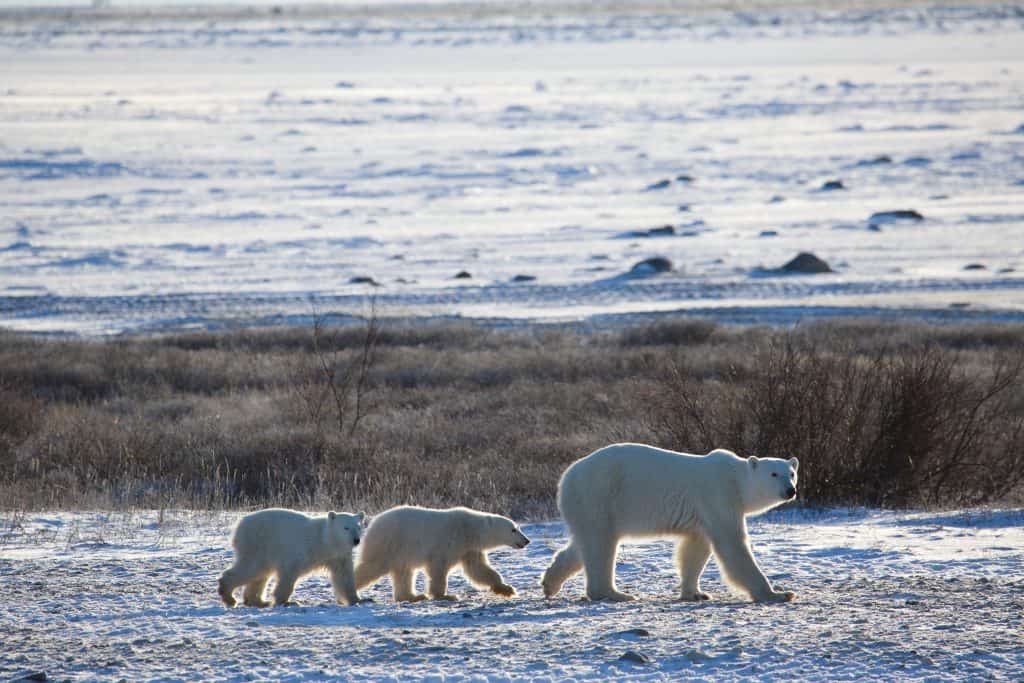
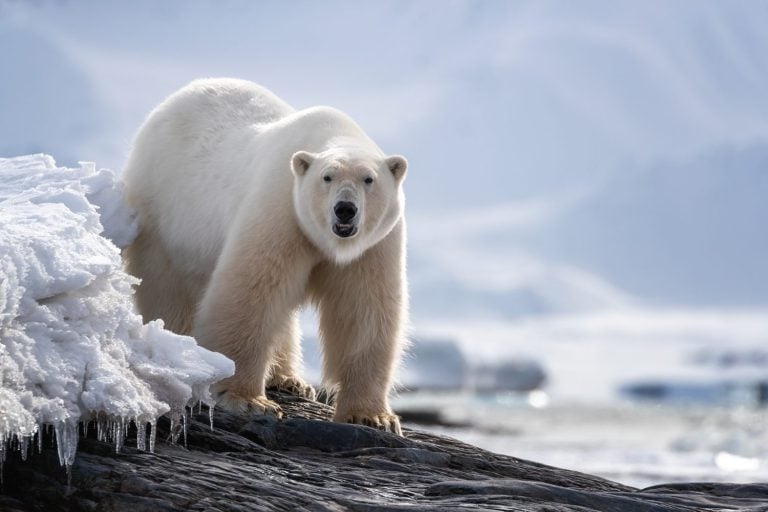
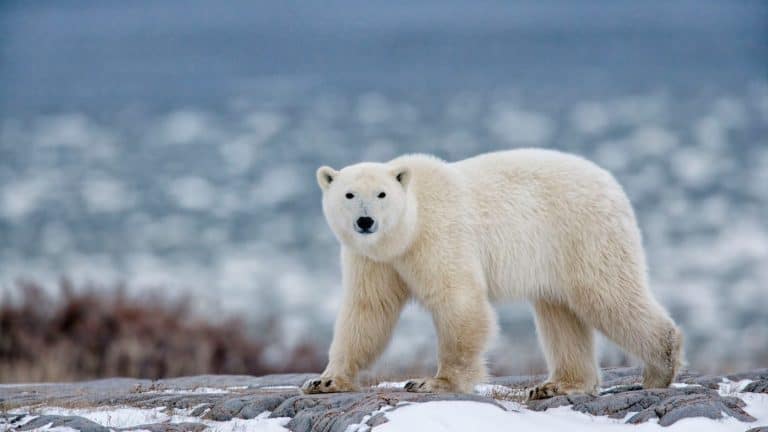
Polar bears rely on ice to survive.
©K.T. Miller / Polar Bear International
Additionally, hunting is easier when polar bears have access to ice. Polar bears are ambush predators, and this is more easily accomplished when a seal is on ice rather than in the water. Polar bears can stalk and ambush their prey while a seal is resting or at a breathing hole in the ice. Since seals also use ice to rest and escape the water, the Arctic’s ice shelf is beneficial to the survival of both species.
Camouflage
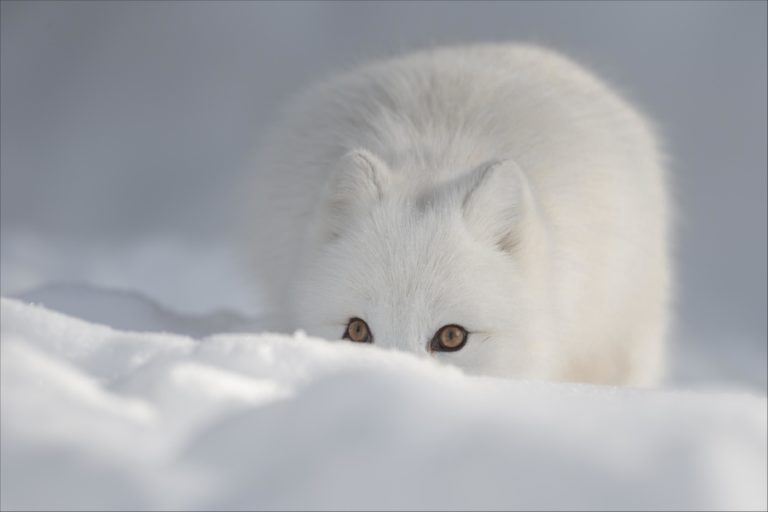
It’s no secret that polar bears have one of the most effective forms of camouflage in the Northern Hemisphere. Their ability to blend into the surrounding snow and ice is unparalleled. This becomes more challenging in the summer when the ice and snow melt, but it is highly effective during the winter, especially during inclement weather. Interestingly enough, it’s not the coat of the polar bears that gives them their distinctive white hue. A polar bear’s skin is actually black, but the hair making up its fur is made of transparent, hollow tubes.
Mating
There’s no congregation of available mates in the world of polar bears. They find mates by searching, and the only way to do this is by traversing sea ice. Ice floes provide access to other parts of the land that would typically be cut off by water during the summertime. Without ice to cross waterways, polar bears risk not finding a mate, which directly impacts their ability to reproduce. This would drastically impact the survival rate of the species, leaving many bears without offspring to suffer.
Denning
Not all polar bears use ice for their dens, but some female bears prefer to do so. Ice provides a safe, well-insulated space for a polar bear to give birth and raise her young. Some polar bears prefer dry land, while others take to the ice floes for their maternity dens.
The Ice Caps Are Melting At a Rapid Rate
According to the WWF, the Arctic acts as a “refrigerator.” Cold air blows down from the north, effectively cooling ocean temperatures and continents below. Unfortunately, climate change is hindering the effectiveness of these currents and weather systems. Ice is melting at a rapid rate, contributing to warmer land temperatures. However, it’s primarily the melting of land-based ice that results in higher sea levels. While this is an oversimplification, it spells trouble for the animals in the Arctic that depend on these cold environments.
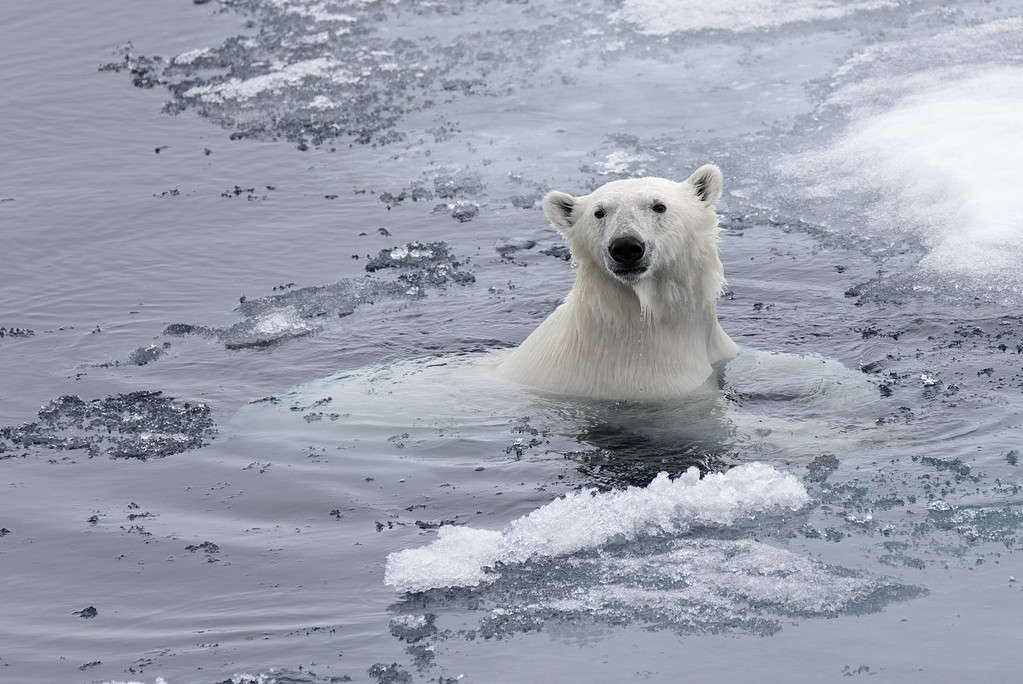
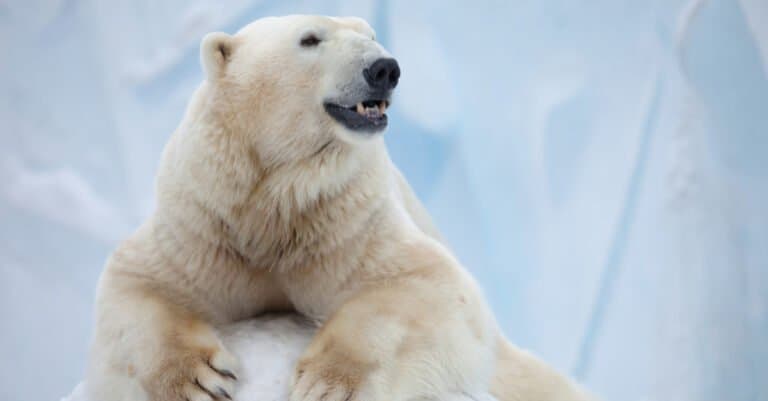
Ice melt is perilous for polar bears.
©Alexey_Seafarer/iStock via Getty Images
As the Arctic heats up, ice is melting at a rapid rate, contributing to warmer land temperatures. This process is called “Arctic amplification.” It’s primarily the melting of land-based ice, such as the Greenland Ice Sheet, which results in higher sea levels. Recent data suggests it may be warming up to more than three and a half times the global average, according to 2025 reports from the World Meteorological Organization. We’ve already lost about 12% of Arctic summer sea ice per decade since 1979, according to NASA and NOAA. Once ice has melted, there’s no way of reversing it, which is why experts are now concerned about the Greenland Ice Sheet.
Without the Greenland Ice Sheet, Polar Bears Are Threatened
According to data from the WWF, the Greenland Ice Sheet is the tipping point for what our planet can handle. Greenland and West Antarctica are already experiencing a significant loss of land mass, which is projected to increase. The same ice sheets that polar bears use to travel are those that make up this land mass, meaning they would be stranded without a means to obtain food, mate, or find shelter.
If this doesn’t threaten the species, rising sea levels will. As land-based ice, such as the Greenland Ice Sheet, melts, it forces polar bears and other Arctic wildlife to move inland. Without access to ice, they could starve, die of dehydration, or become easily overheated. Since polar bears are prone to heat exhaustion, ice is necessary to help them cool down.
What Will Happen to the Polar Bears?
As it is, polar bears are already traveling further than ever before in previous decades to find food. Time Magazine reported in 2024 that one polar bear swam up to 109 miles in search of food. This is an incredible feat, but one that comes with a significant cost to the bear’s fat reserves. In that same report, it was revealed that the tracked bears lost up to 3.75 pounds per day. This, combined with little payoff and clumsy attempts at hunting while swimming, is detrimental to the species. The study, led by Anthony Pagano for the US Geological Survey, found that some bears resorted to eating geese, ducks, berries, bones, antlers, and other vegetation. These alone are not enough to sustain the blubber polar bears need to insulate themselves.
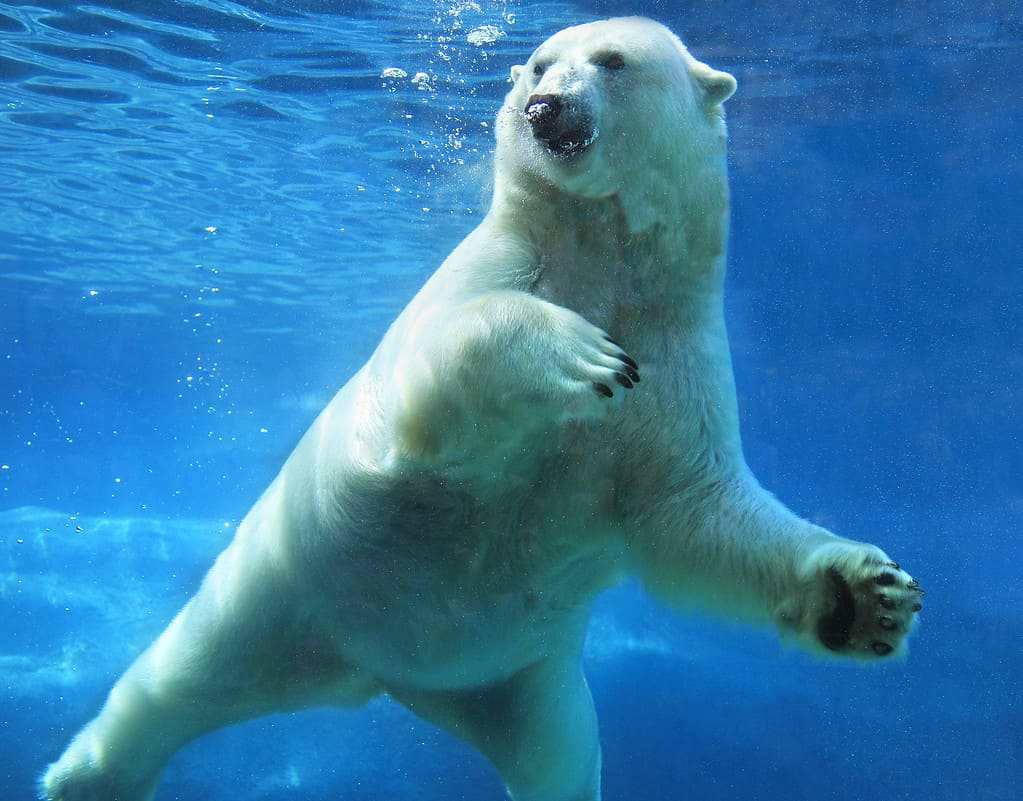
Polar bears can’t swim constantly looking for food.
©Vladone/iStock via Getty Images
Recent studies in National Geographic indicate that polar bears have extremely high energy requirements, burning thousands of calories per day. Ringed and bearded seals make up roughly 90% of their diet, depending on the region. As polar bears struggle to find enough food to last the season, they’re constantly burning calories in search of what no longer exists.
The Future of the Species
The WWF reports that polar bears are also at risk of disease and illness as ice caps melt. Thawing permafrost can release bacteria and viruses that were previously trapped in the ice, potentially increasing disease risks for Arctic wildlife. In just a few decades, the Arctic could be nearly ice-free during the summertime. This wouldn’t only limit polar bears from hunting—it would threaten the survival of the entire species. If polar bears are forced to swim constantly for their food sources, they risk exhaustion and, in extreme cases, drowning.
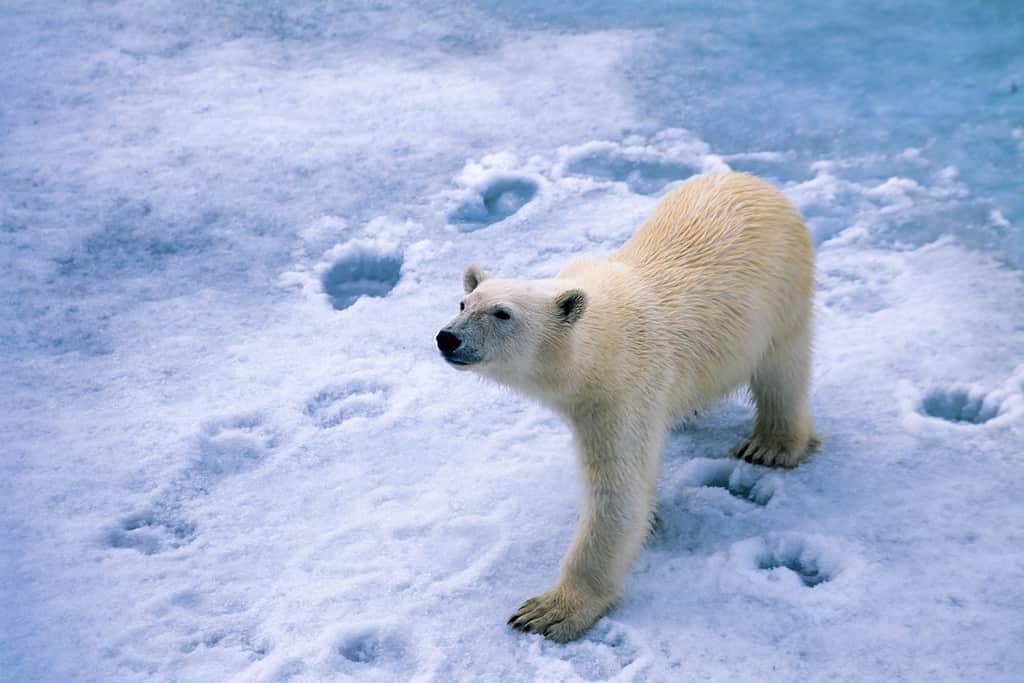
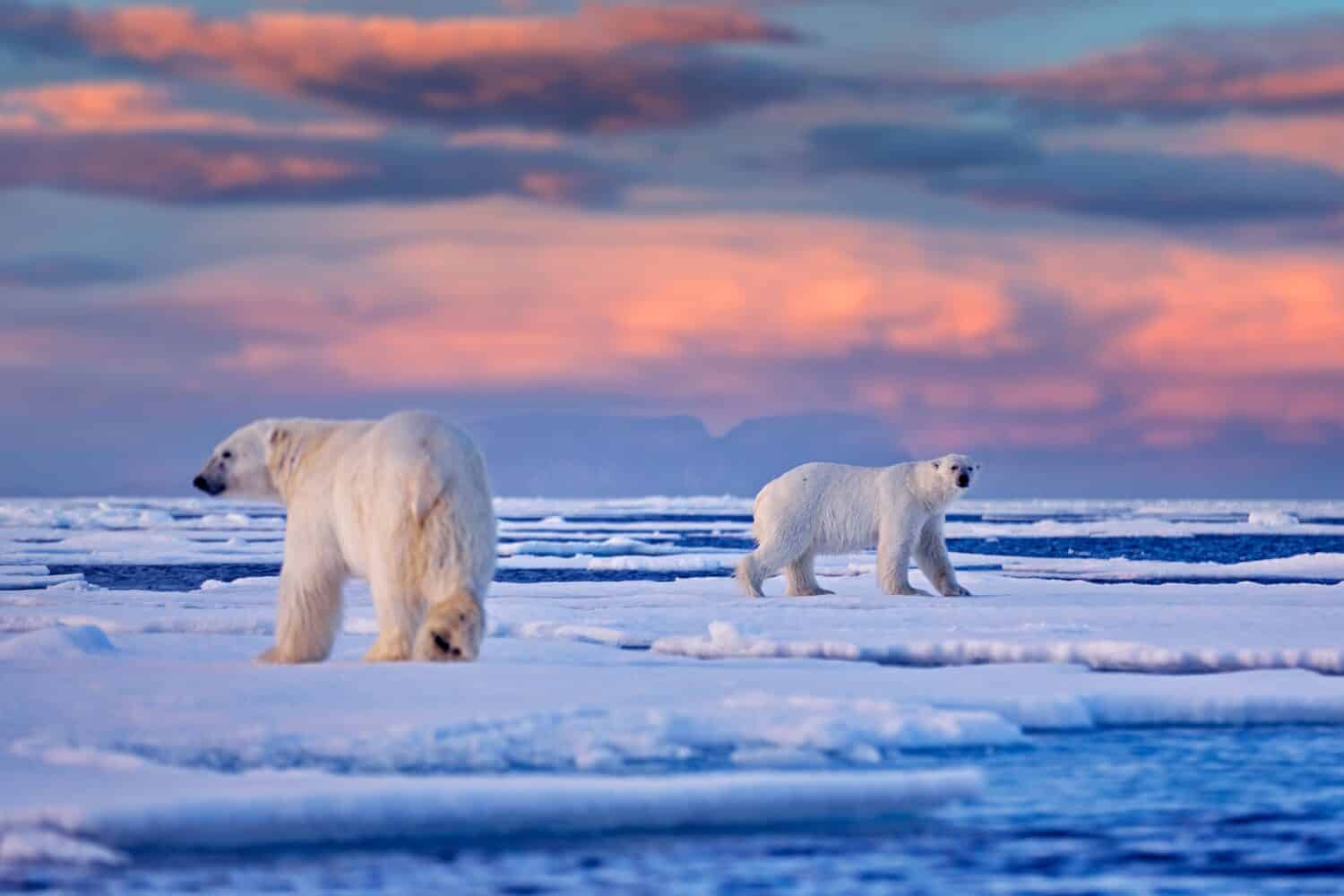
The future for polar bears is uncertain.
©Lasse Johansson/Shutterstock.com
The population is expected to decline by 30% by 2050, based on current trends, with polar bear cubs being the most at risk among them. They’re the most vulnerable age group, except senior polar bears, which are more prone to exhaustion. However, if cubs don’t make it to adulthood, there’s no guarantee the species will survive.