
Quick Take
- Rapid warming caused by greenhouse gas emissions is accelerating Antarctic ice loss, putting emperor penguins at risk of losing up to 98% of their colonies and becoming functionally extinct by the end of the century.
- The collapse of stable sea ice is leading to widespread chick mortality, as emperor penguins depend on solid ice for breeding, protection, and survival.
- As a sentinel species, emperor penguins highlight the severe impacts of climate change.
As we approach the halfway point of 2026, climate change is worsening. Greenhouse gases are causing the planet to warm rapidly. As a result, melting ice caps put thousands of animals at risk of extinction. Antarctica has seen some of its most devastating damage, losing more than 100 billion metric tons of ice per year. As this happens, the fate of one of its most iconic species, the emperor penguin, hangs in the balance. If temperatures continue to rise at this rate, scientists predict emperor penguins could lose up to 98% of their colonies. This would make them functionally extinct by the end of the century. With penguin numbers rapidly declining, the IUCN raises an urgent question: can anything be done to save them?
Catastrophic Ice Loss Leads to Juvenile Deaths
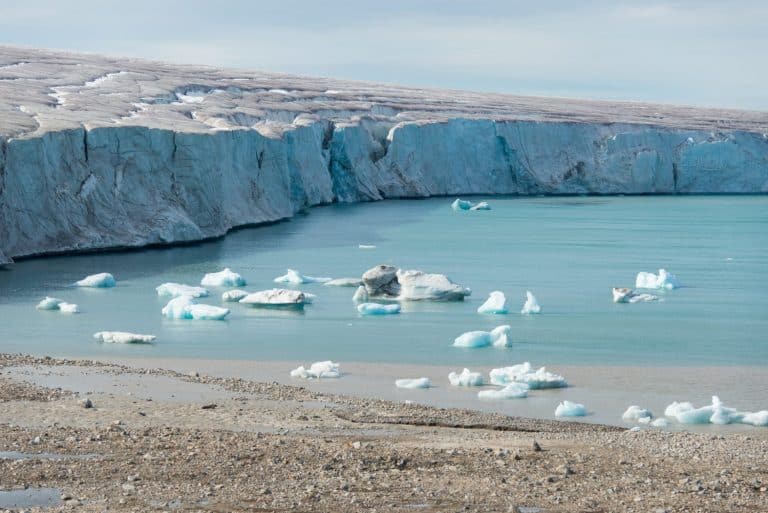
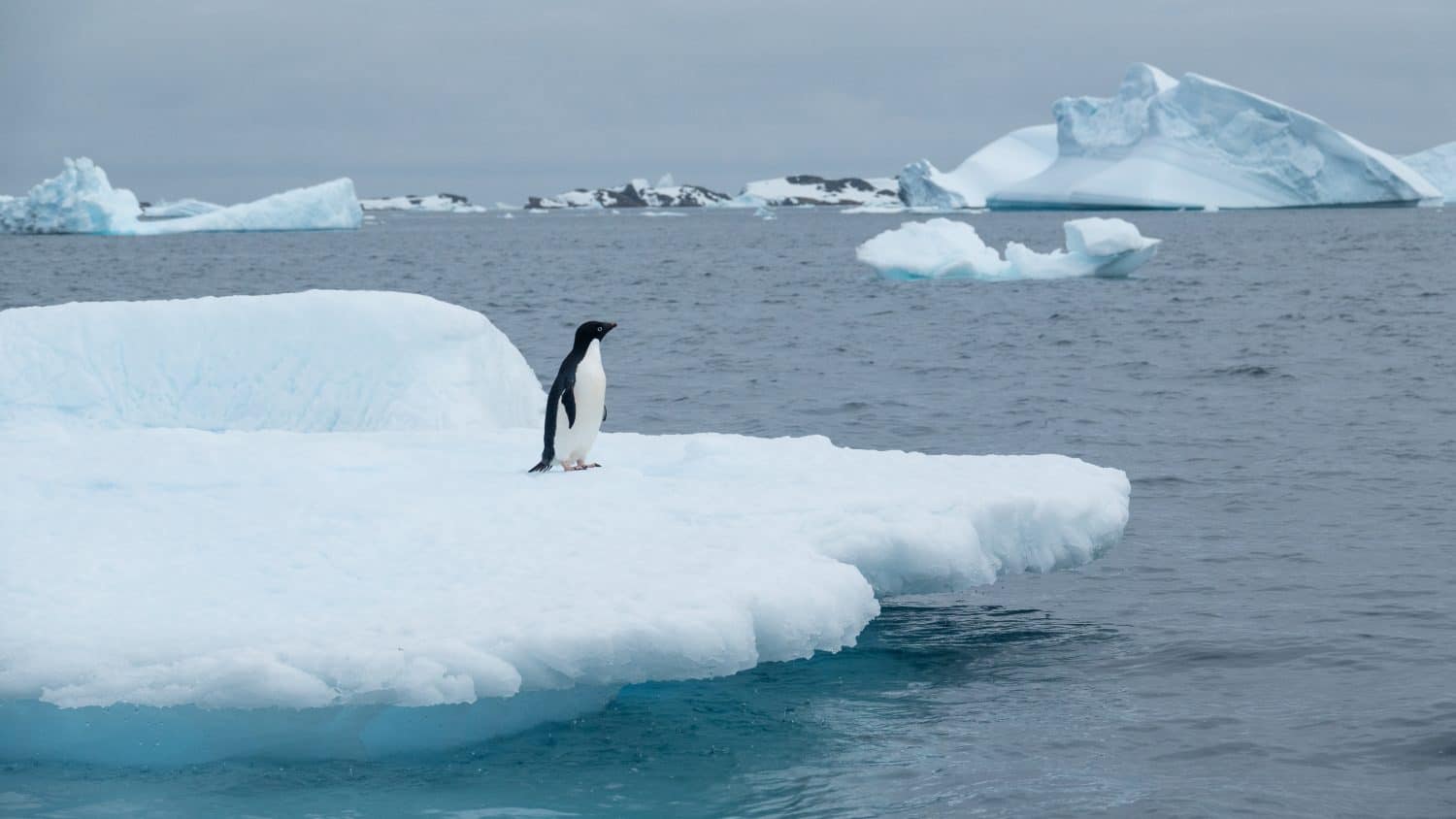
Tragedy is unfolding on what remains of Antarctica’s ice floes. As hundreds of emperor penguin chicks emerge from a long winter, what they find isn’t what they’re used to seeing. Rather than miles of sea ice connected to the continent, they’re met with unstable ice shards and frigid water. These ice floes are essential to the survival of emperor penguins, who nest and guard their young on the ice for nine months of the year. Without the safety of these ice shelves, chicks are at risk of hypothermia and drowning.
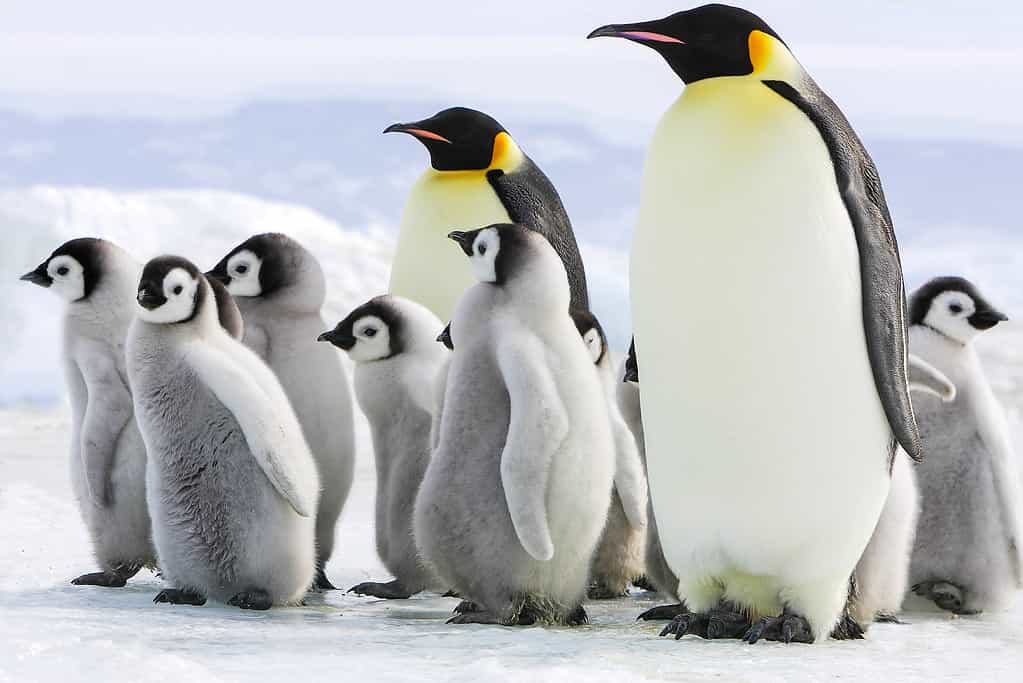
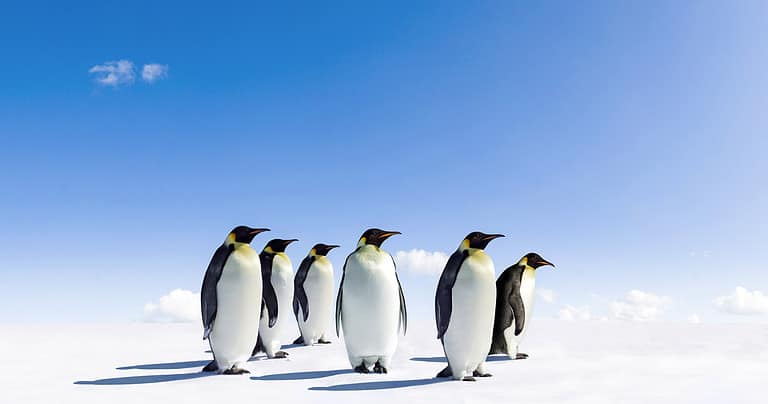
Emperor penguins rely on coastal ice for rearing young and protection.
©Michel VIARD/ via Getty Images
The worst fears of scientists have already come true. After catastrophic ice loss on the Antarctic coastline, mass drownings of emperor penguin chicks have occurred due to record-low sea ice. Without enough plumage to keep the next generation of chicks dry and insulated, those falling into polar waters freeze to death. The mature emperor penguins who follow them also face the same fate if their annual feather molt is not complete. The loss is profound, and even the scientific community feels the heavy impact of climate change. If climate change is not halted, emperor penguins will be the next species struggling for survival.
Emperor Penguins Signal Human-Induced Climate Change
Some species are considered “sentinel species” because they can indicate environmental dangers before they fully unfold. Emperor penguins are sentinels of Antarctica. This devastating loss not only confirms scientists’ theories but also signals what is to come. If human-induced climate change is not slowed, emperor penguins could lose most of their colonies by the end of the century. As of April 2026, the IUCN Red List has moved the species from Near Threatened to Endangered. The rapid change in status is a reminder that rising temperatures threaten all species indiscriminately.
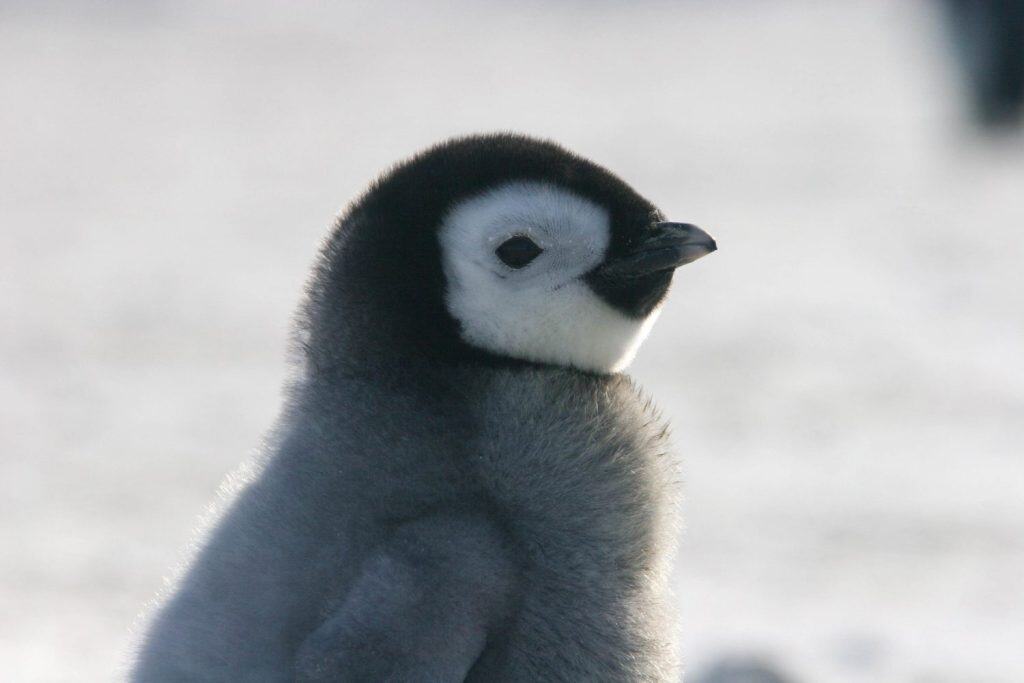
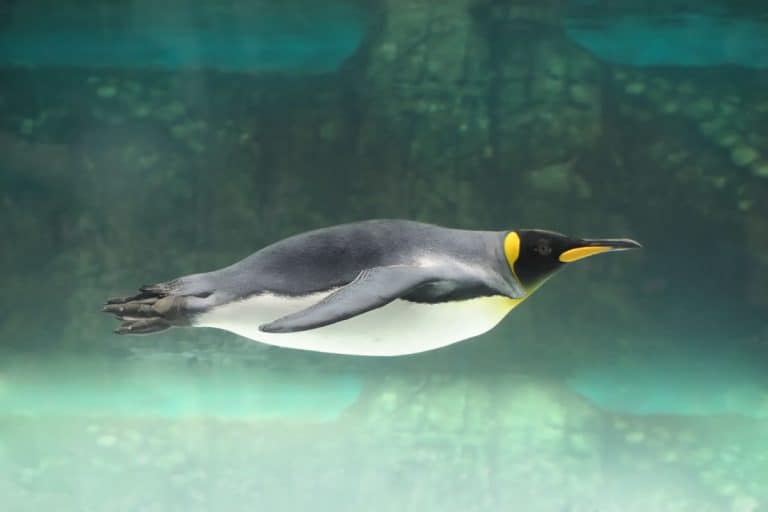
Without mature feathers, an emperor penguin chick’s coat is not waterproof, leaving them vulnerable.
©Nataliia Kravchenko/Shutterstock.com
The current emperor penguin population stands at approximately 595,000 adult individuals. This population decreased by 10% between 2009 and 2018, a period of slightly less than a decade. Marine ecologist Dr Philip Trathan, who worked on the emperor penguin red list analysis, told The Guardian that the situation is beyond dire. Human-induced climate change poses the most significant threat. Early sea ice breakup is already affecting colonies around the Antarctic, and further changes in sea ice will continue to affect their breeding, feeding, and molting habitat. “Emperor penguins are a sentinel species that tell us about our changing world and how well we are controlling greenhouse gas emissions that lead to climate change,” he said.