
Many animals exhibit distinct traits of shyness, risk aversion, and caution as opposed to boldness and fearlessness. While these traits aren’t necessarily positive or negative, in certain contexts, they can impact an animal’s behavior and threat response.
In this article, we explore the “shy vs. bold” personality axis in wildlife and how it impacts their survival. We define a “shy” animal and how they might present in the world.
What Defines a ‘Shy’ Animal?

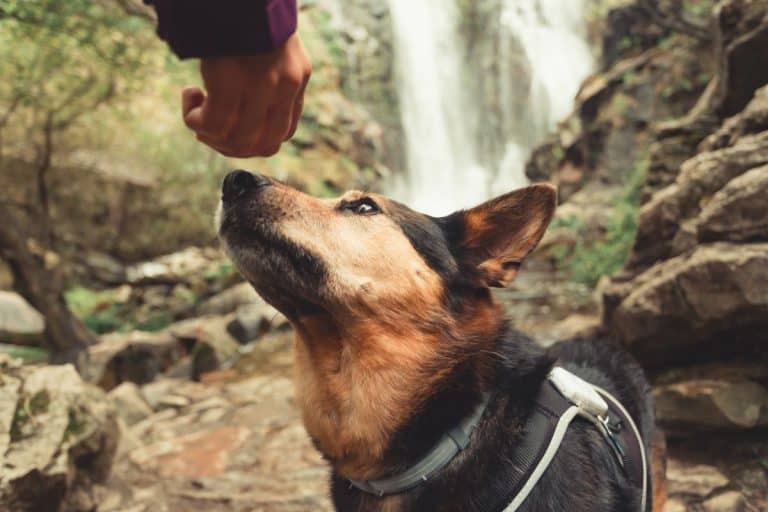
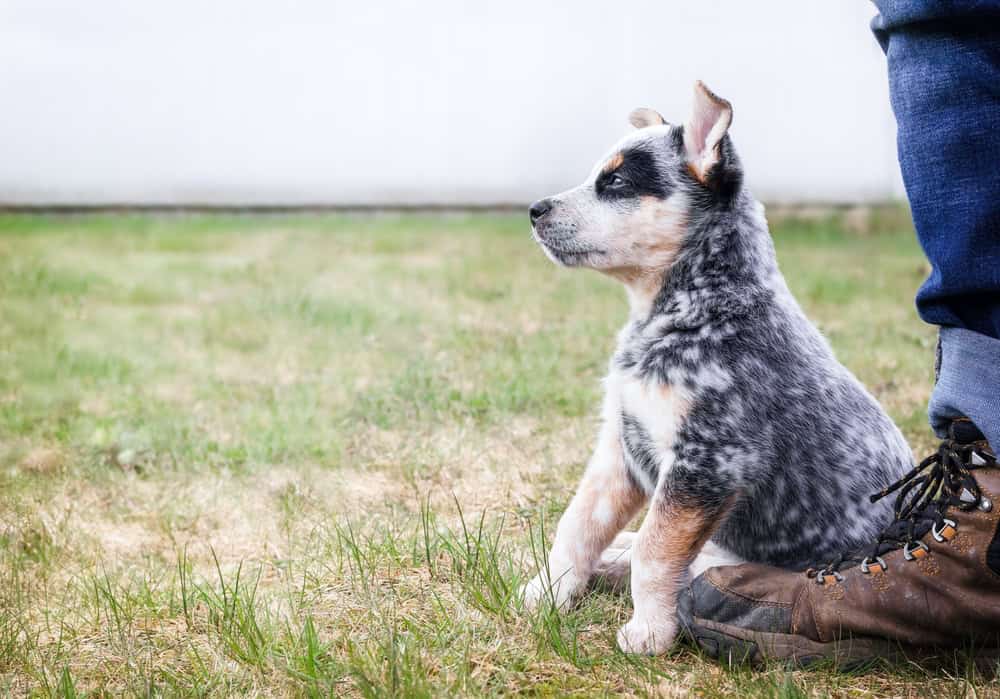
A shy animal might seem less confident and responsive to certain stimuli.
©shymar27/Shutterstock.com
“Shy” animals are those that appear hesitant, timid, and less willing to take risks. However, it doesn’t necessarily point to extremes like “fearful” or “avoidant.”
According to Deby Cassill, an integrative biologist from the University of South Florida, “Shyness is at the center of a continuum of emotions, from fear at one end to boldness at the other end.”
Additionally, she explains that shyness and boldness are emotions or moods, not fundamental, fixed personality traits. In other words, these “moods” can change depending on the context.
“With the advancement of neurology and genetics, ethologists have begun to link an animal’s body language during interactions,” Cassill says. “And at the same time, they can determine which neurons were active and which genes were turned on to produce a cocktail of emotional chemicals—hormones and neurotransmitters.”
How Does Shyness Show Up in Animal Behavior?
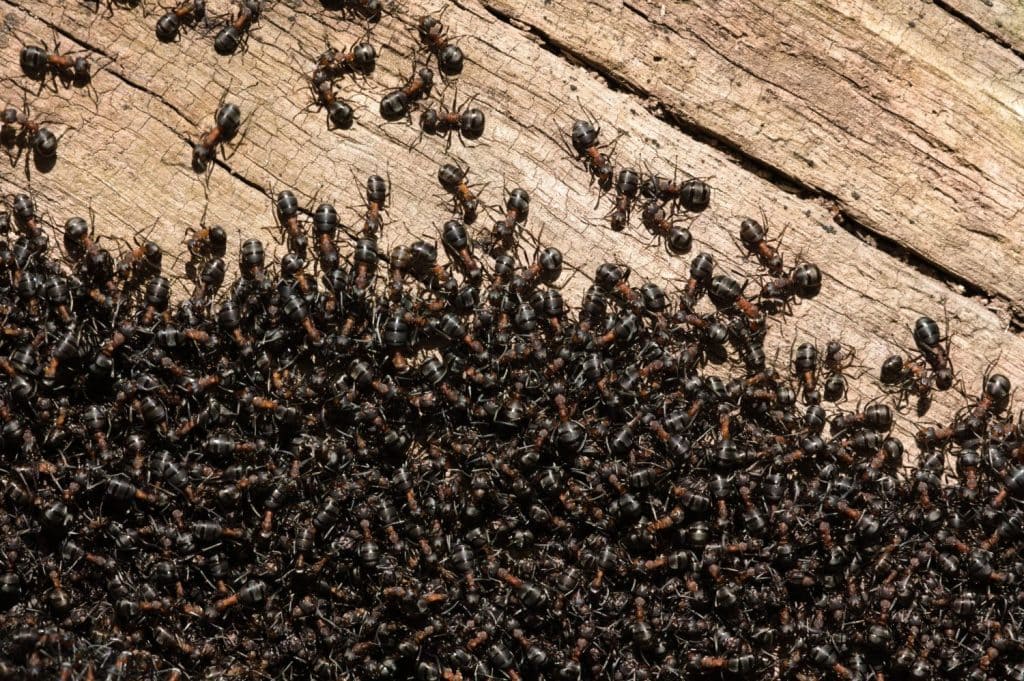
Research shows that ‘shy’ ants tend to freeze in the face of danger, while ‘bold’ ants act quickly.
©czjonyyy/Shutterstock.com
As it does in humans, shyness often leads to certain social behaviors, such as hesitancy and even withdrawal, in animals.
“Most animals do not express emotions by facial expressions or waving arms and hands to express emotions as do humans and other primates,” Cassill says. “Nevertheless, they can express their emotions [through] body language.”
“Since ants live underground, their dominant sensory organs are their antennae, [which] function as a nose to smell, hairs for touch, and chemical receptors at the tips for tasting,” Cassill continues, quoting her research on this topic. “When faced with a threat, individual ant workers (the queen’s sterile, stay-at-home daughters) react differently depending on their size, age, personality, and mood.”
Cassill conducted a separate experiment of 25 ant workers with brood, which are essentially larvae. To determine their reactions to a threat, she dropped a small marble in the artificial nest chamber. In doing so, she documented three distinct reactions.
“Fearful, shy, and bold ‘moods’ were displayed by how they reacted to a threat,” she explains. “Fearful ants moved to the back of the chamber, huddled against the back wall, and folded their antennae atop their head. In essence, they were hiding and covering their eyes. Shy ants froze in place while rapidly moving their antennae to determine what their sisters were doing.”
Bold ants, on the other hand, seemed to respond with urgency.
“Bold ants ran to the brood, picked one up, and moved to the wall near the entrance, but did not exit the chamber,” Cassill says. “[Other] bold ants immediately left the chamber with their jaws open and their stinger out, ready to attack an intruder.”
Of course, this is just one example of different animal “emotions,” which appear more like physiological reactions to perceived threats.
Shyness is at the center of a continuum of emotions, from fear at one end to boldness at the other end.
Deby Cassill, integrative biologist from the University of South Florida
Shy vs. Bold: What This Means for Survival and Conservation
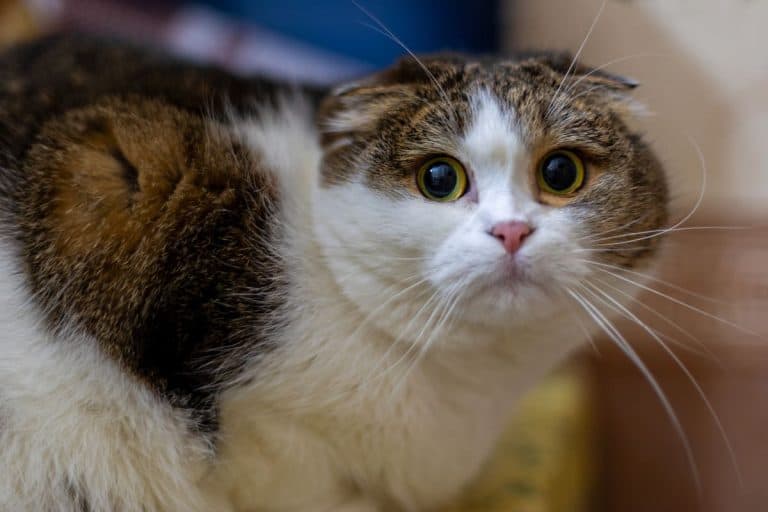
An animal’s shyness might impact its survival instincts.
©sarayut_sy/Shutterstock.com
As evidenced above, “shy” animals respond differently to threats than “bold” animals, which can ultimately affect their survival. However, whether one “mood” is more optimal for survival depends entirely on the situation.
“Over the last three decades, the juxtaposition of neurology and genetics (molecular biology) has revealed a basic truth about animals—they are highly emotional organisms,” says Cassill. “The nervous system of all animals, from ants to humans, produces dopamine, adrenaline, serotonin, oxytocin, gabapentin, and hundreds of other hormones that link environmental cues to muscles to coordinate the appropriate reaction—move toward or away—depending.”
The keyword here is “depending.” In some situations, a bold animal might flee an unsafe environment without hesitation, while in another, a shy animal’s sensitivity might help it avoid danger.
“Relative to the thinking system, the emotional system is orders of magnitude faster,” says Cassill. “Without the ability to react instantaneously, animals cannot survive the plethora of complex risk factors from desiccation, famine, predators, invaders, disease, or catastrophes such as extreme exposure, floods, wildfire, or hypoxia.”
As Cassill stated earlier, shyness is a more neutral mood than fear and boldness. However, these emotions tend to be easily influenced by external stimuli. Thus, shyness and boldness might not be fixed personality traits, but merely physiological responses to threats.