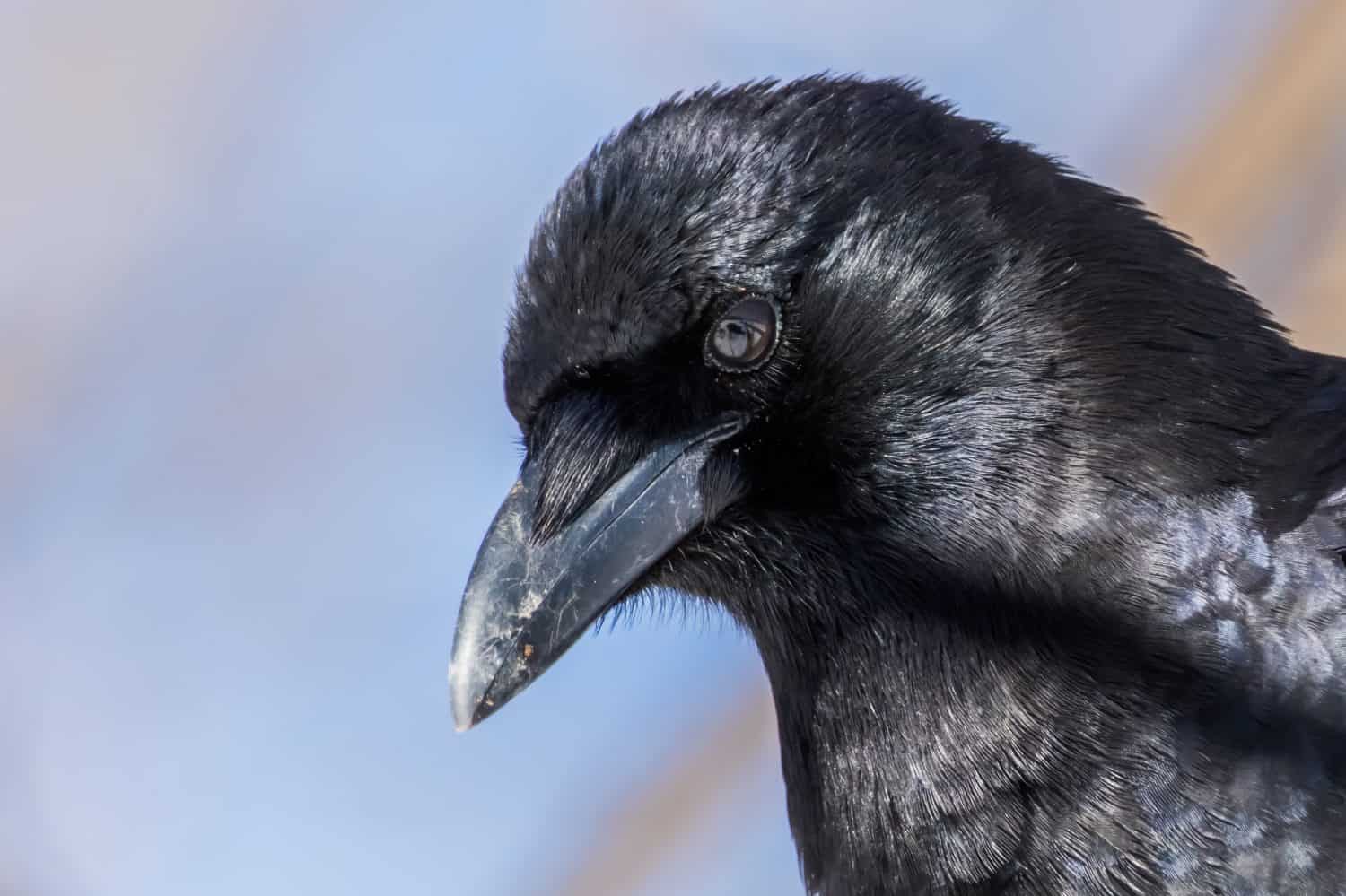

If you were feeling a bit under the weather, perhaps the last thing you would do is lay on an ant’s nest. But this odd behavior is a crow’s go-to remedy for sickness! Crows have found a way of ridding themselves of pesky pathogens and parasites, with a little help from their creepy crawly friends. Take a look at the crow literally covered from head to toe in ants in this crazy Instagram post. Then read on as we introduce you to the ancient art of anting!
What Is Anting?
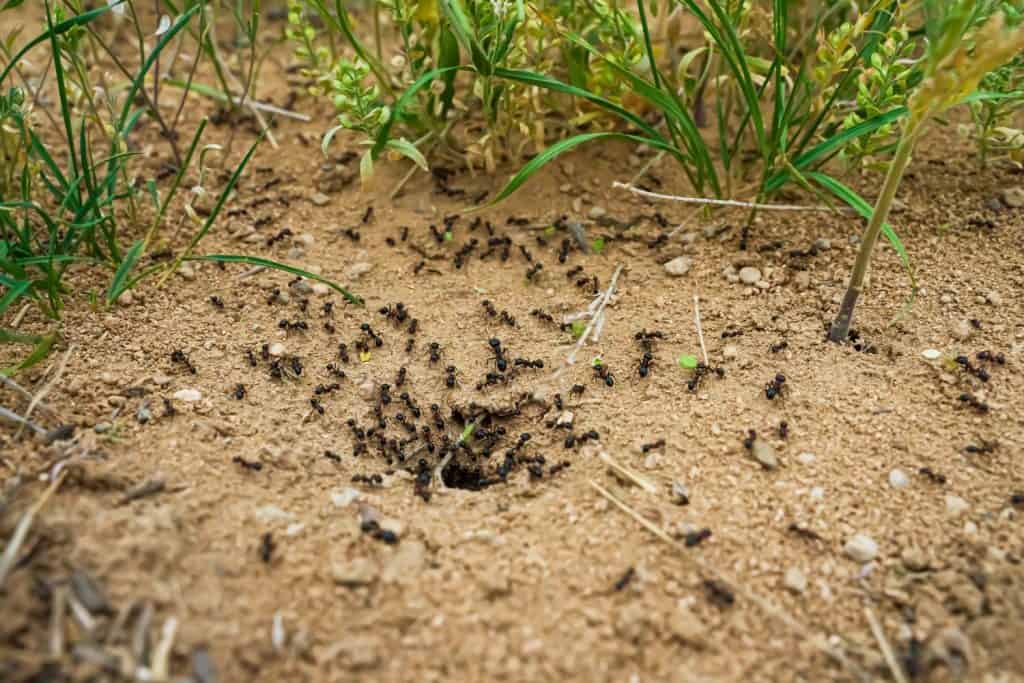
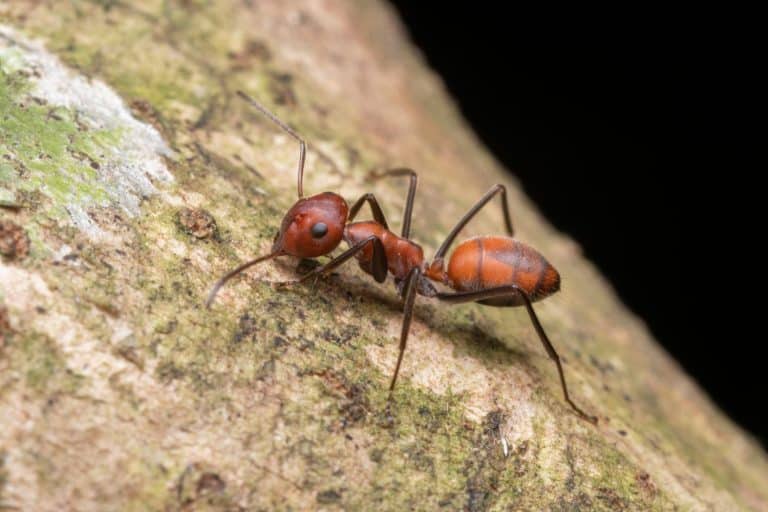
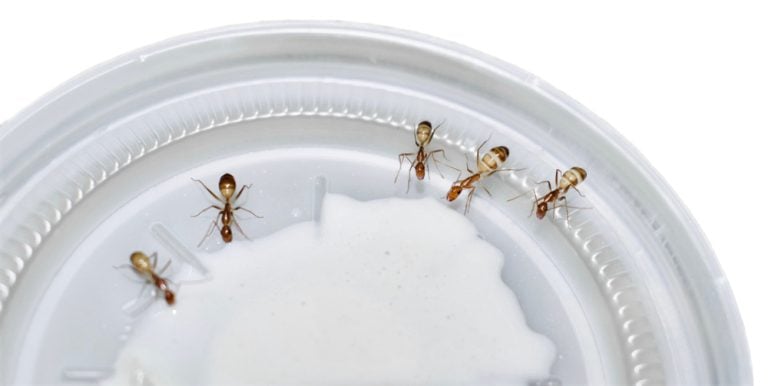
Some ants produce formic acid.
©Elvira Tursynbayeva/Shutterstock.com
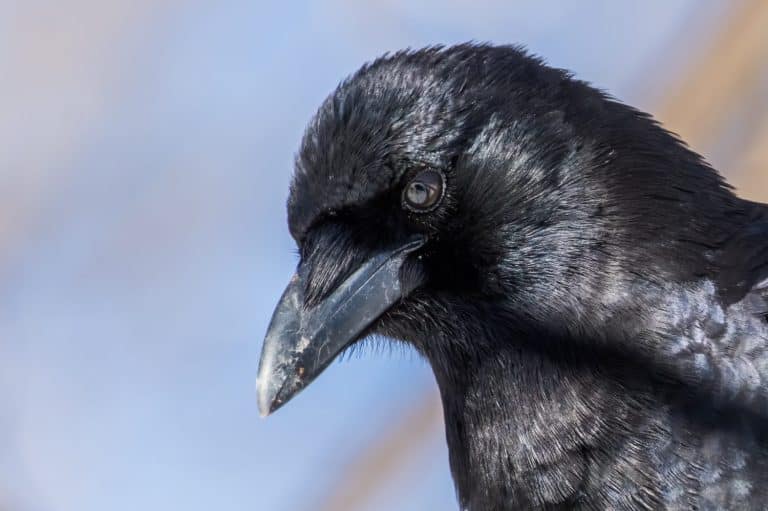
The crow in this clip is engaging in a behavior called anting, in which birds apply ants to their plumage. More than 200 different species of birds have been seen doing it, and many of them are songbirds, crows, and ravens.
During active anting, the bird grasps the ants and rubs them on their feathers. This is typically done with one ant at a time, whether the insect is alive or dead! Passive anting is pictured in this Instagram post. During this version, the bird walks or hovers over an ant’s nest, provoking the ants into swarming the bird. Birds mainly target ants from the subfamily Formicinae for this purpose. They produce formic acid, which seems to be a healing substance for the birds.
What Is Wrong with the Crow?
Scientists are not entirely sure why crows indulge in anting behavior, but there are several plausible theories. The most likely explanation is pest control, as ants remove ectoparasites such as arthropods. But they also remove fungi and bacteria that could cause skin infection and irritation. Some earlier theories suggested that anting might stimulate oil production in birds, but there is little evidence that this provides a significant vitamin D benefit for them. Eating the ants is another benefit for some birds. Others may simply do it because they like the way it feels. Though it’s certainly not our idea of a good time, each species behaves according to its own unique instincts and needs.