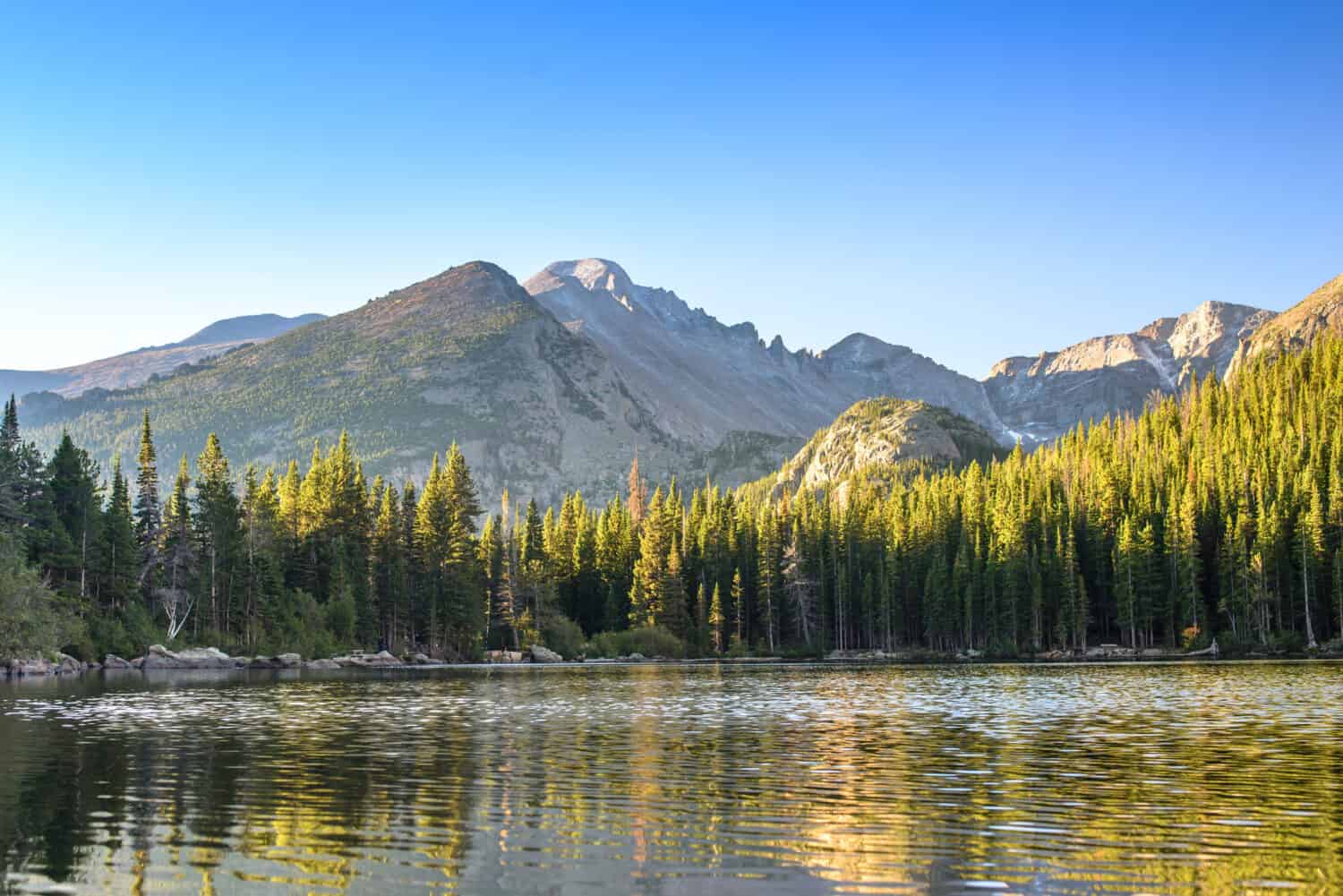

Stretching across 415 square miles of Colorado’s high country, Rocky Mountain National Park is one of America’s most spectacular wild spaces. Its peaks climb to over 14,000 feet, sheltering alpine tundra, pine forests, rivers, and more than 150 lakes. Every year, over 4.4 million visitors come to observe sweeping mountain vistas, vibrant wildflowers, and world-class wildlife viewing. The park’s ecosystems host around 60 mammal species, 280 kinds of birds, plus reptiles, amphibians, fish, and countless insects. Here are some of the species that highlight the natural diversity and wild beauty of Rocky Mountain National Park.
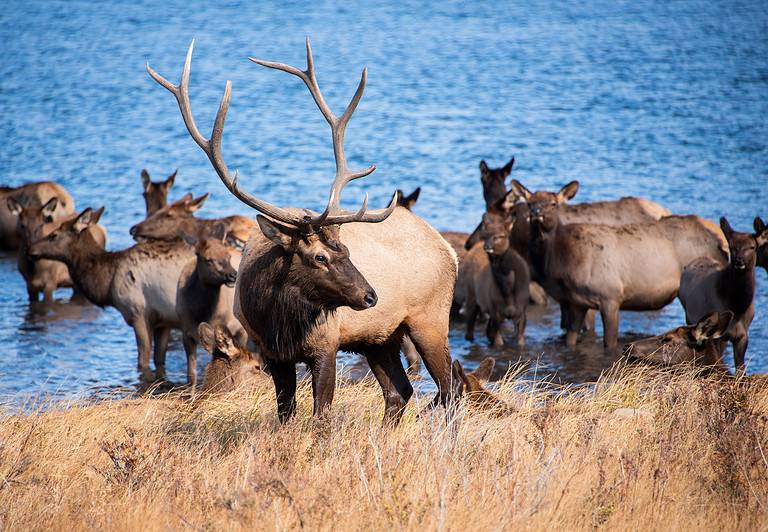
Elk (Cervus canadensis)
Elk (Cervus canadensis)
©Bradley Wakoff/Shutterstock.com
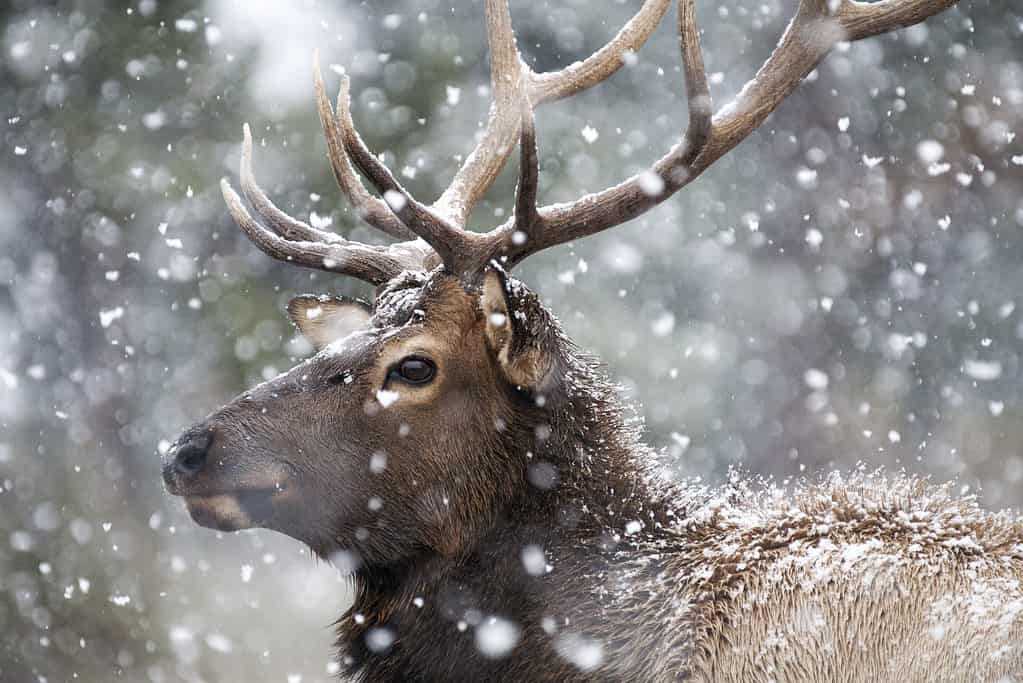
Rocky Mountain National Park is famed for its abundant elk herds, with thousands of these ungulates roaming meadows and forests year-round. These majestic animals, with their impressive antlers and haunting bugles in autumn, are easy for visitors to spot in places like Moraine Park and Horseshoe Park, especially at dusk or dawn. Fall is the rutting (mating) season, when large groups congregate and males compete for cows (females). Elk are a keystone species here, shaping the park’s ecosystem by grazing on grasses and shrubs.
Yellow-bellied Marmot (Marmota flaviventris)
Yellow-bellied Marmot (Marmota flaviventris)
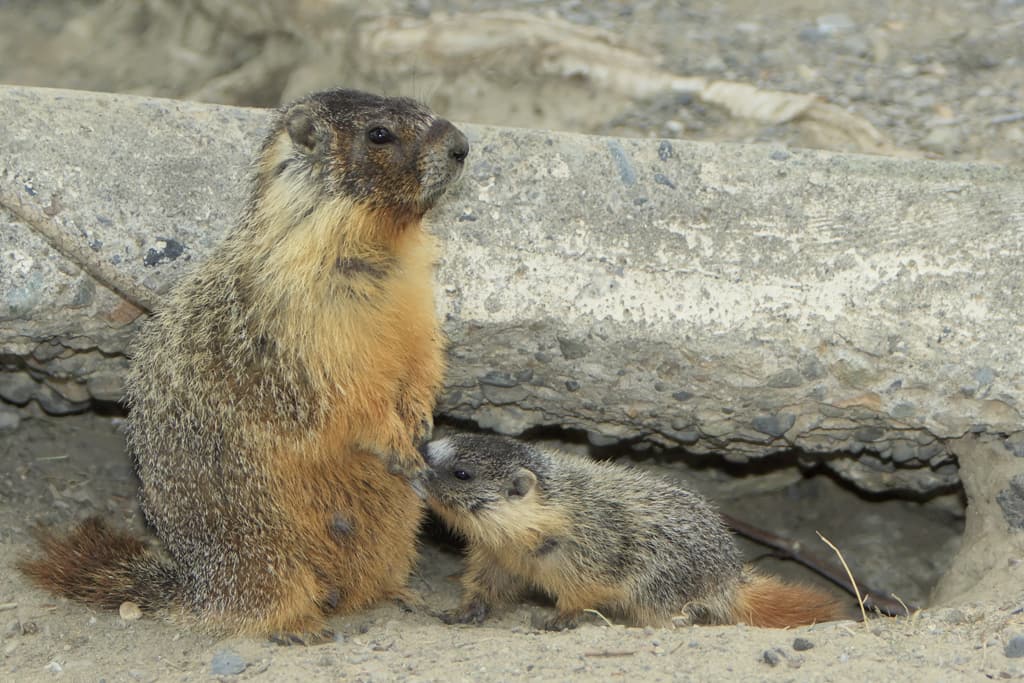
Adorably fat and endlessly entertaining, marmots are regular sunbathers on rocky mountain slopes and alpine tundra. Visitors routinely encounter these social rodents on summer hikes up Trail Ridge Road, especially near rock piles and talus fields. Marmots whistle loudly to warn their colony of approaching danger and spend much of the day basking with siblings or gathering greenery to stash for winter. They hibernate from September to May, so summer is your best chance to see them.
Greenback Cutthroat Trout (Oncorhynchus clarkii stomias)
Greenback Cutthroat Trout (Oncorhynchus clarkii stomias)
©Gregory Simpson/Shutterstock.com
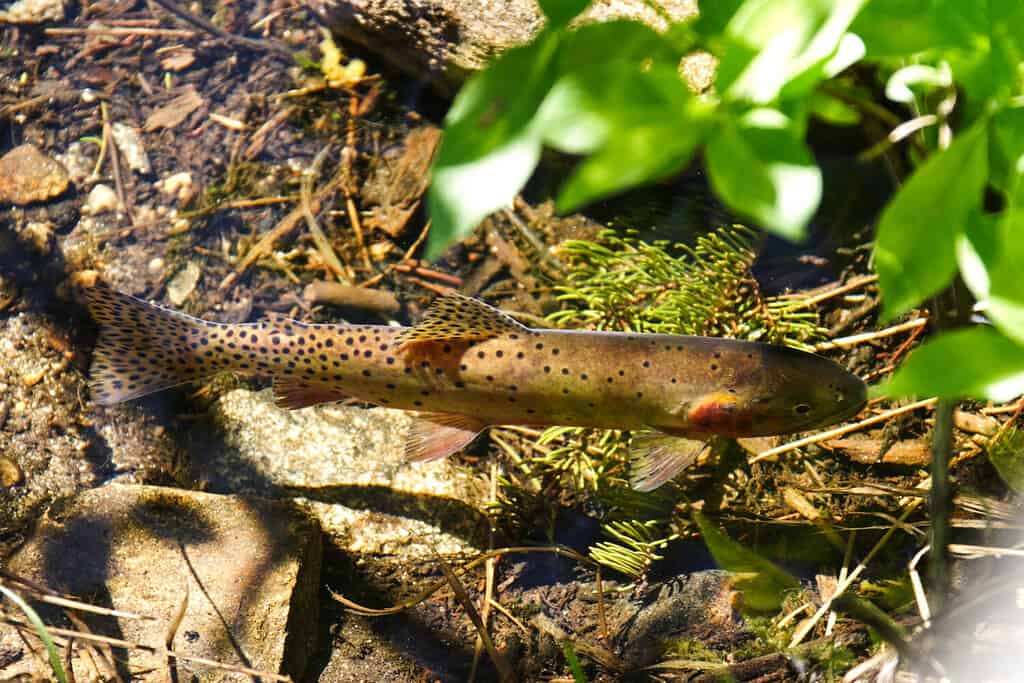
Designated Colorado’s state fish and considered a threatened species, the greenback cutthroat trout survives in select cold, clear streams and lakes within the park. These beautiful fish are most active at dawn and dusk during the summer, feeding on insects and small crustaceans. Restoration efforts have helped their numbers slowly rebound, but finding one is a rare treat for determined anglers and wildlife fans.
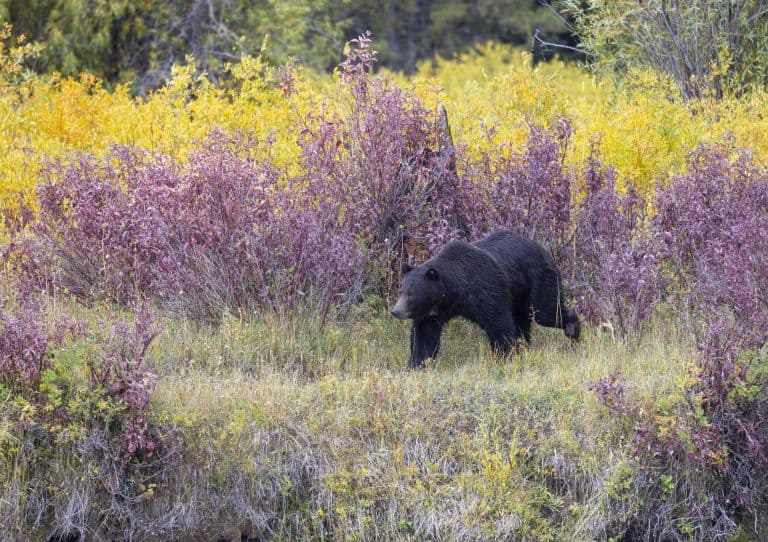
Black Bear (Ursus americanus)
Black Bear (Ursus americanus)
©Ben McMurtray/Shutterstock.com
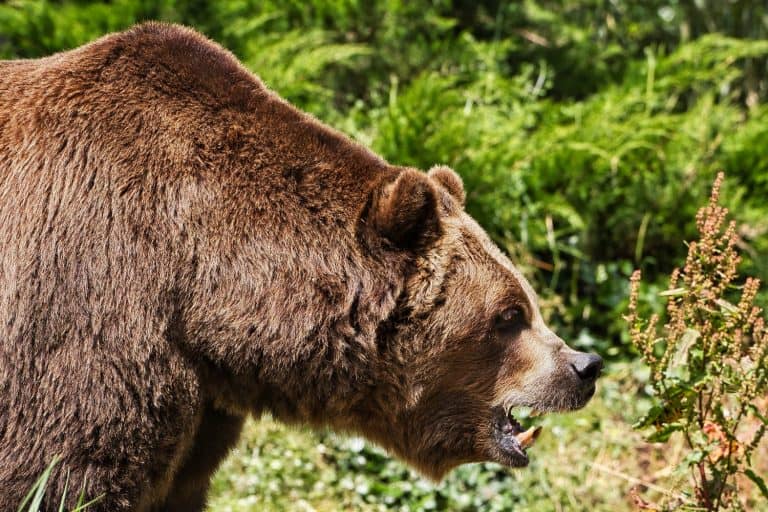
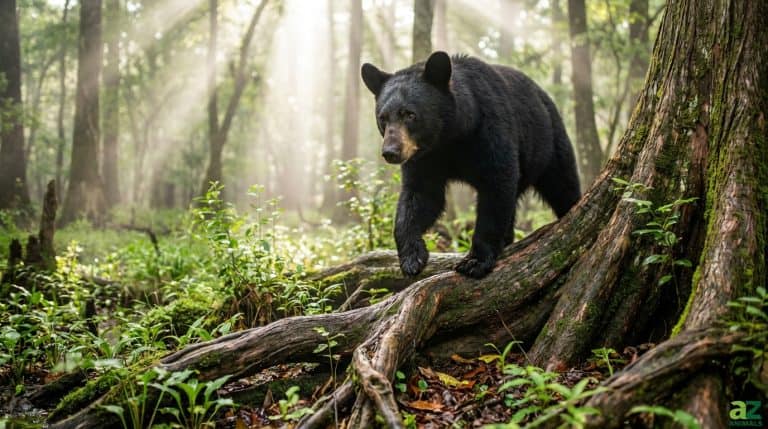
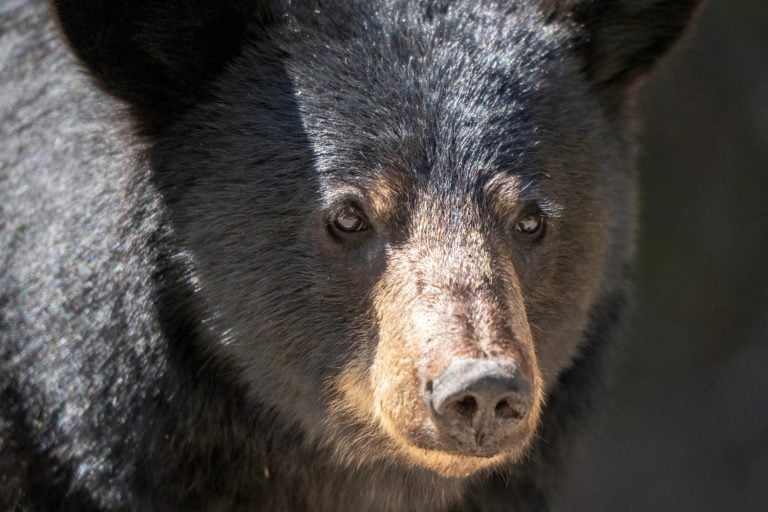
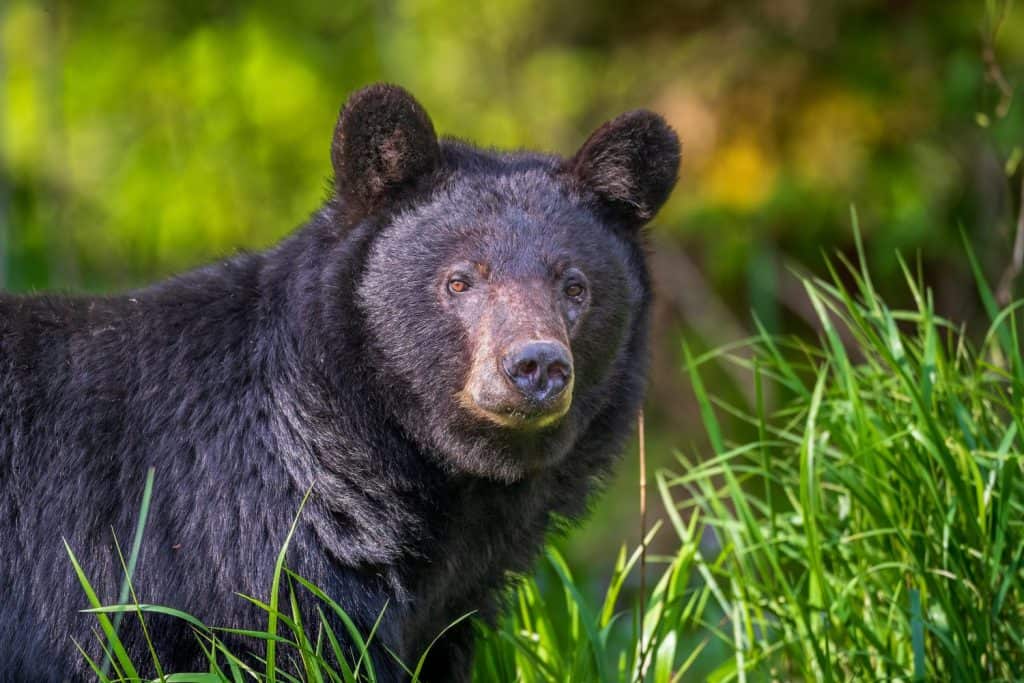
Rocky Mountain’s black bears are elusive and mostly nocturnal, spending summers foraging for berries, acorns, and insects in the thick forest and riparian zones. Hikers are more likely to see the bears’ tracks than the animals themselves. Try concentrating your search in the lower montane forests near dawn or dusk and bring binoculars. Though typically shy, these powerful mammals play essential roles in keeping ecosystems in balance. If you’re camping, remember always to store food securely and follow park guidelines during peak bear season.
Canada Lynx (Lynx canadensis)
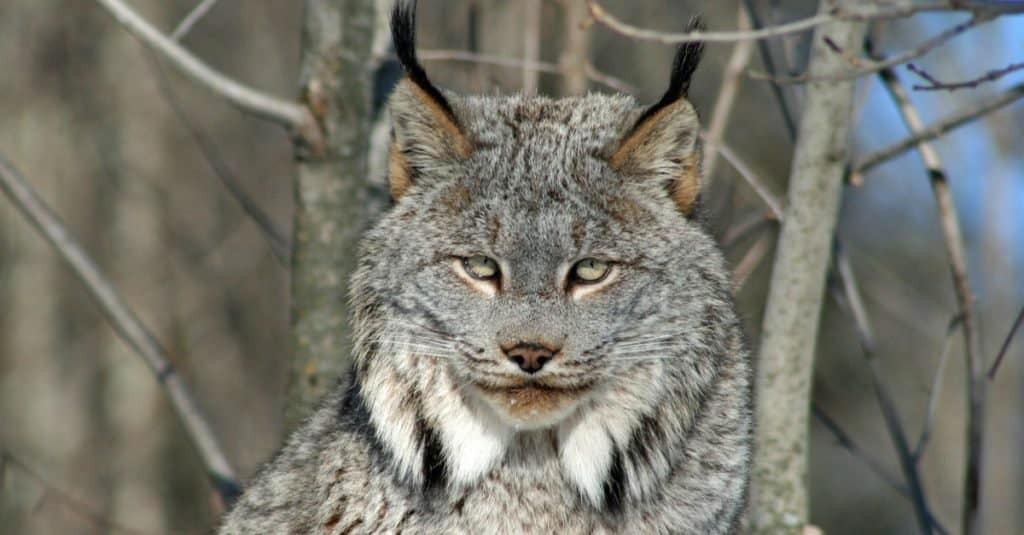
Canada Lynx (Lynx canadensis)
©Through Christy's Lens/Shutterstock.com
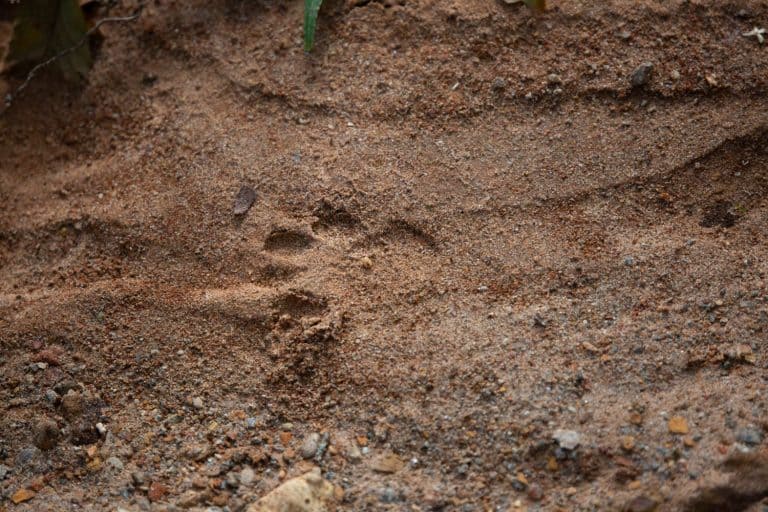
Spotting a Canada lynx in Rocky Mountain National Park is an extremely rare accomplishment. These secretive wild cats are a threatened species. They favor deep, snowy conifer forests and hunt mainly at night. Their conservation status is threatened, and special protections are in place. Tracks may sometimes appear after fresh snow, but sightings are never guaranteed. If you’re lucky enough to glimpse a lynx, know you’ve seen one of the most mysterious inhabitants of the park.
Bighorn Sheep (Ovis canadensis)
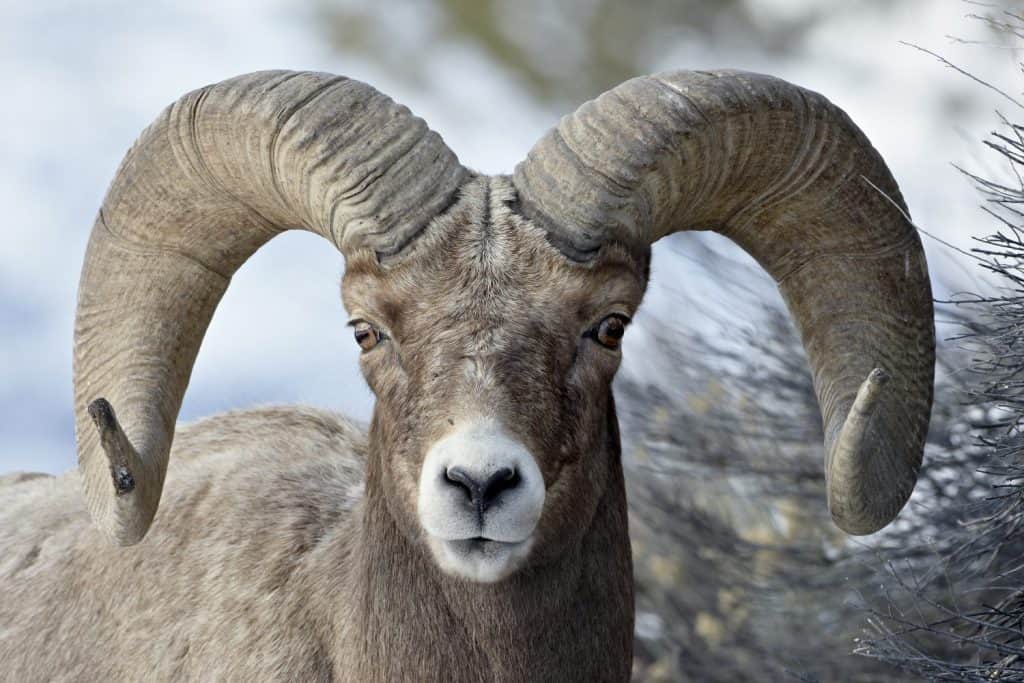
Bighorn Sheep (Ovis canadensis)
©Robert Harding Video/Shutterstock.com
With impressive curling horns and robust builds, bighorn sheep are a symbol of the Rockies. Look for them navigating steep cliffs and rocky outcrops, especially near the Alpine Visitor Center. Summer and fall are prime times, as sheep graze open tundra and meadows. Their sure-footedness allows safe passage on vertical terrain, and their lambs delight observers each spring. Watch from a distance, as sheep are sensitive to disturbance.
American Pika (Ochotona princeps)
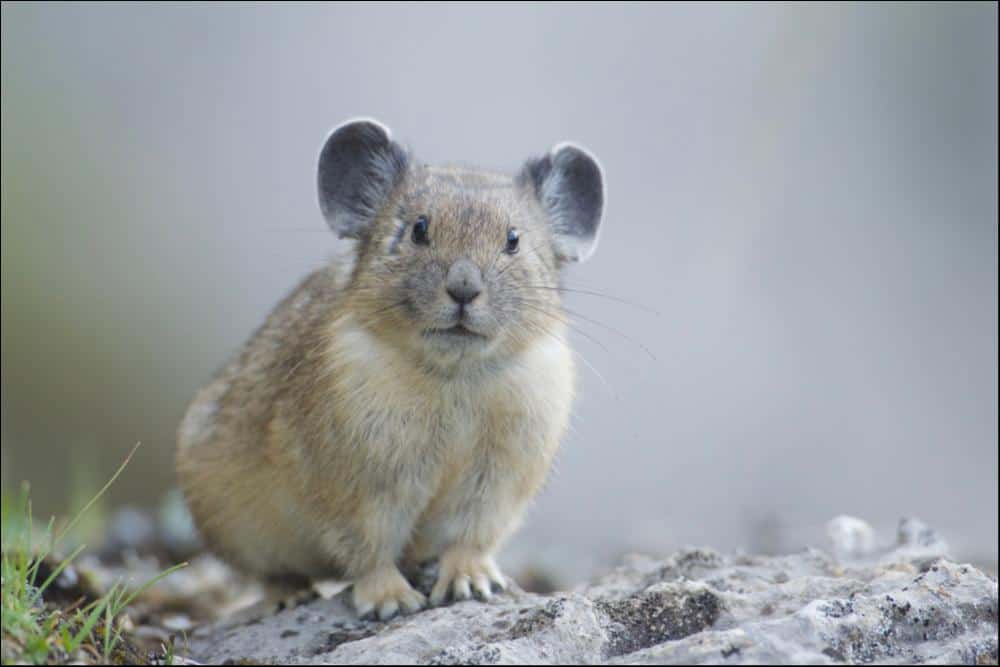
American Pika (Ochotona princeps)
©Tom Reichner/Shutterstock.com
Tiny, round, and always busy, the American pika lives among talus slopes and rock piles at high elevations. Pikas gather “hay” of alpine plants, drying the foliage in the sun before stockpiling it underground for winter. Their distinctive squeaks echo above tree lines in summer and fall, but pika sightings dwindle once snow begins. Because they are sensitive to temperature changes, pikas are considered climate-change indicators.
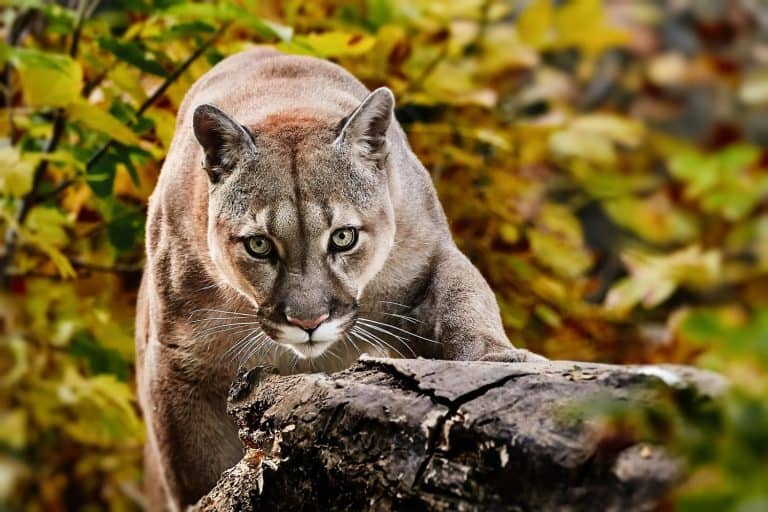
Mountain Lion (Puma concolor)
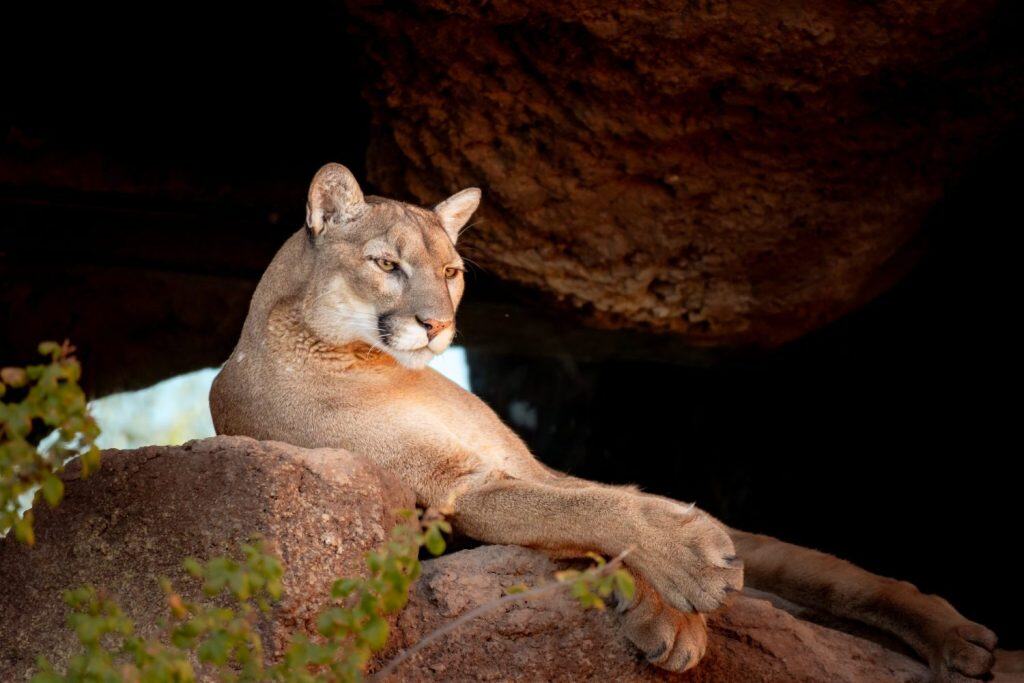
Mountain Lion (Puma concolor)
©elrod/Shutterstock.com
Called cougars or mountain lions, these big cats are the park’s apex predators, though seeing one is exceedingly rare. They roam huge territories and hunt deer, elk, and smaller mammals, keeping population balance. Signs of mountain lions, like tracks or scat, are more common than sightings. These big cats are most active at dawn, dusk, or through the night in remote forested or rocky areas. Their secretive nature adds a sense of wild mystery to the park. If you hear one yowling in the night, it may be alarming; many say their call sounds like a screaming woman.
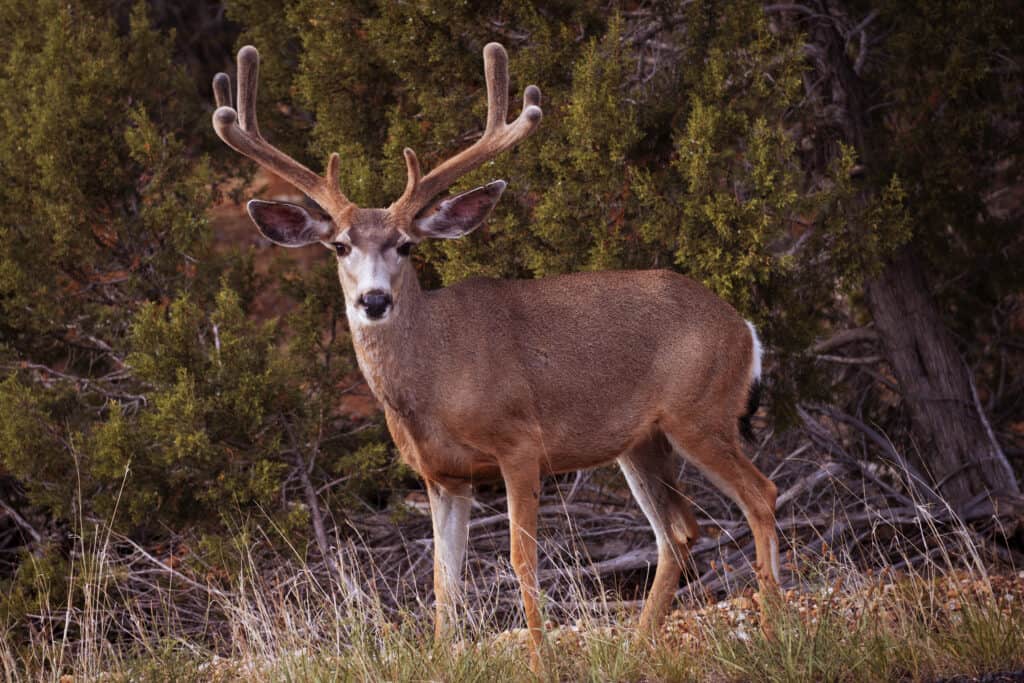
Mule Deer (Odocoileus hemionus)
Mule Deer (Odocoileus hemionus)
©iStock.com/Tiago_Fernandez
With their huge ears and gentle faces, mule deer are common sights in open meadows and forest edges year-round. Spring and fall bring the highest chance for close encounters, especially at dawn or dusk when deer graze. Their careful browsing helps shape plant communities in the park. Fawns are born in early summer and are sometimes spotted with their mothers on the sides of trails.
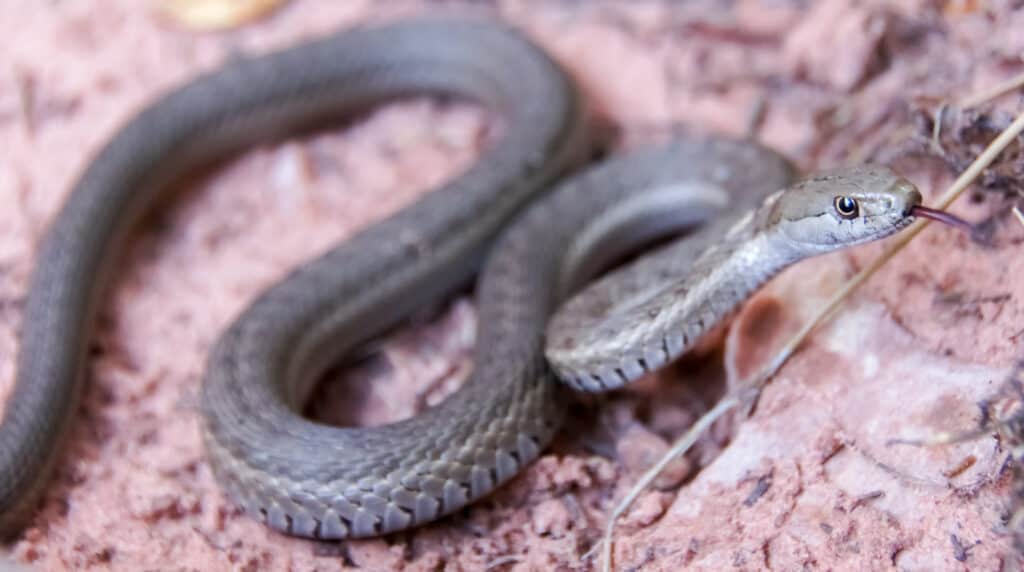
Western Terrestrial Garter Snake (Thamnophis elegans)
Western Terrestrial Garter Snake (Thamnophis elegans)
©iStock.com/yhelfman
The park’s most frequently seen snake, the western terrestrial garter snake, thrives near ponds, streams, and wet meadows. Harmless and shy, these snakes slither among grass to hunt amphibians, insects, and even small fish. They are most visible on warm days in spring and summer. Unlike many reptiles, garter snakes give live birth, and young snakes emerge in late summer. Near the water’s edge is the best place to spot them.
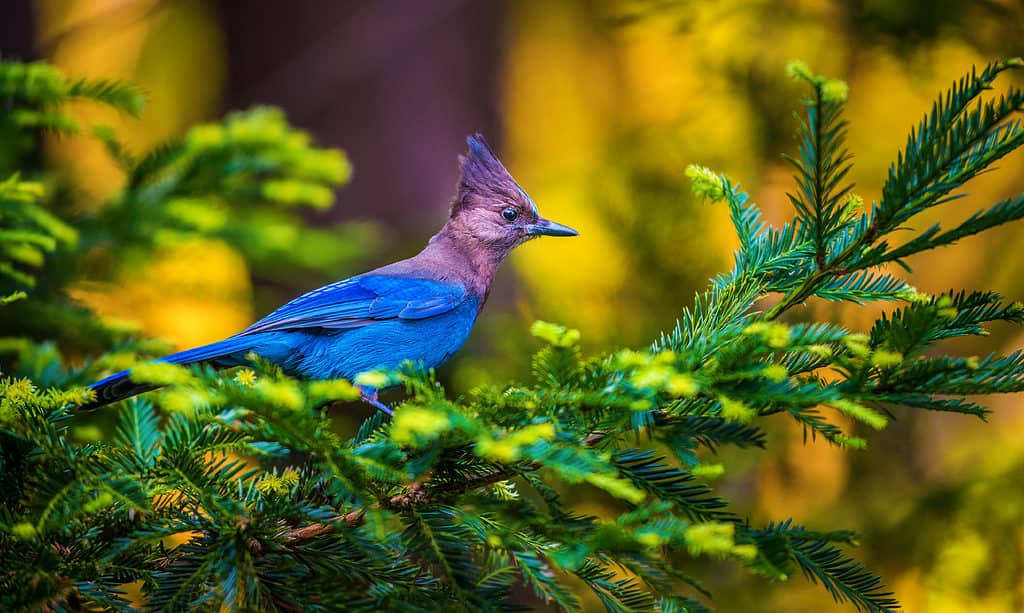
Steller’s Jay (Cyanocitta stelleri)
Steller’s Jay (Cyanocitta stelleri)
©iStock.com/kwiktor
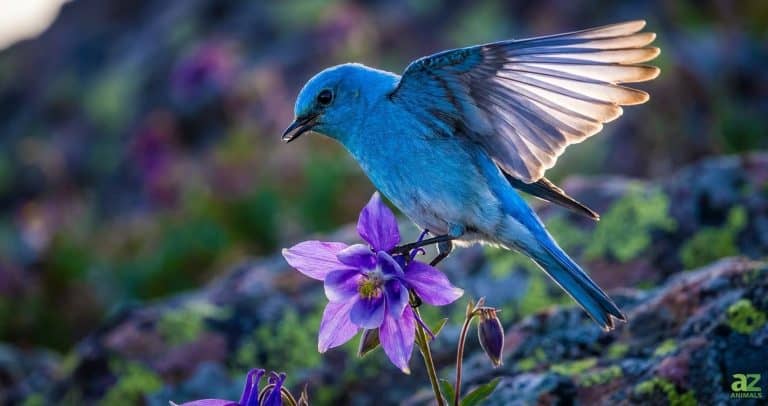
Bold, blue, and noisy, Steller’s Jays are forest residents year-round. These intelligent birds hop among pine boughs, imitate other birdcalls, and hide food for later—often peanuts or acorns snatched from picnic tables. Jays are visible anytime but are especially active early mornings and late afternoons. Their crested heads and striking plumage help distinguish them from other blue birds in the park.
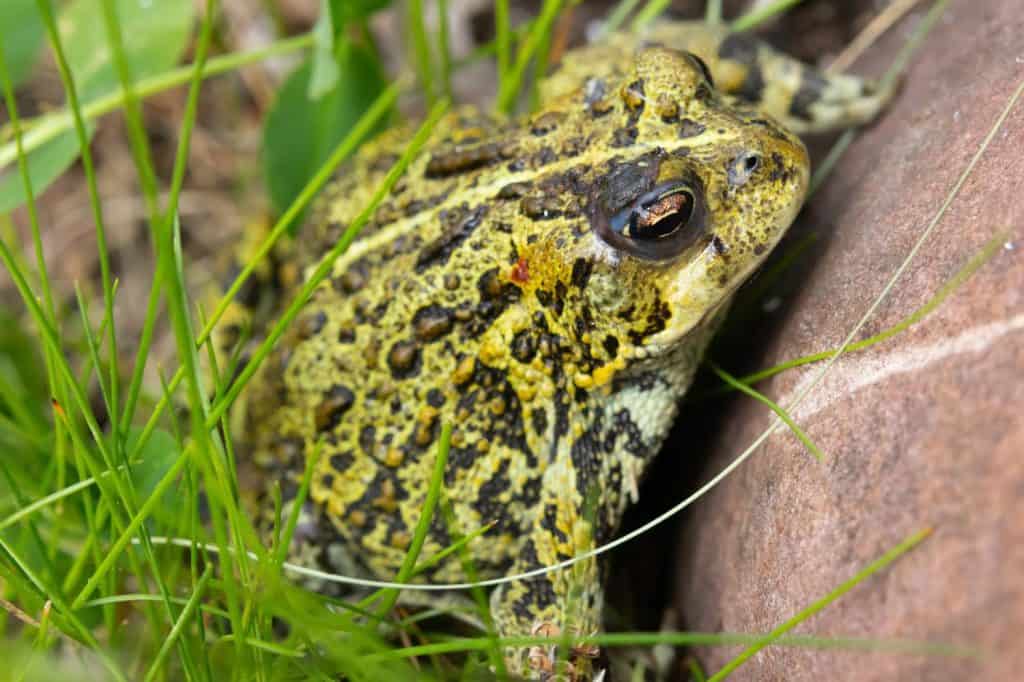
Boreal Toad (Anaxyrus boreas boreas)
Boreal Toad (Anaxyrus boreas boreas)
©Saeedatun/Shutterstock.com
The endangered boreal toad is found in select wet meadows and marshes, especially at high elevations. These amphibians spend most of their time hidden beneath logs or stones, emerging during spring and early summer to breed in shallow pools. Observing their metamorphosis from tadpoles to adults is a lucky event for visitors. Autumn brings hibernation, so summer is the prime time for sightings.
Coyote (Canis latrans)
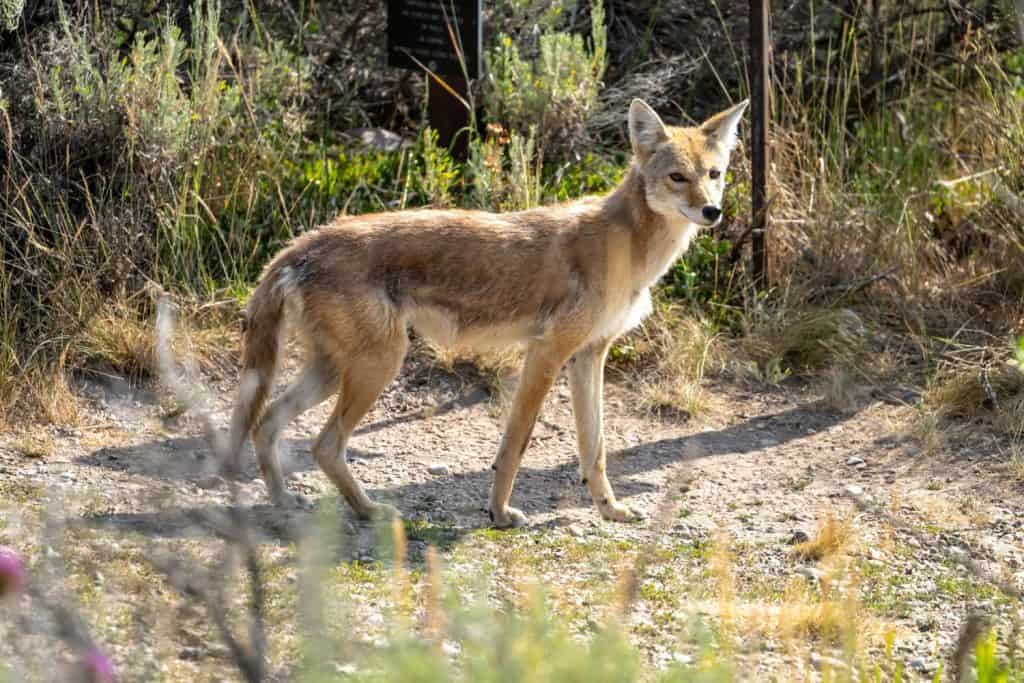
Coyote (Canis latrans)
©Kelly vanDellen/Shutterstock.com
Coyotes are clever, adaptable predators, seen patrolling open meadows, forest edges, and picnic areas. Their yips and howls echo at dusk and dawn, especially during spring and fall. Coyotes hunt rodents, rabbits, and insects, playing a key part in maintaining healthy animal populations. Spotting a coyote in the early morning is quite possible, especially in Moraine Park or along the main park roads.
Broad-tailed Hummingbird (Selasphorus platycercus)
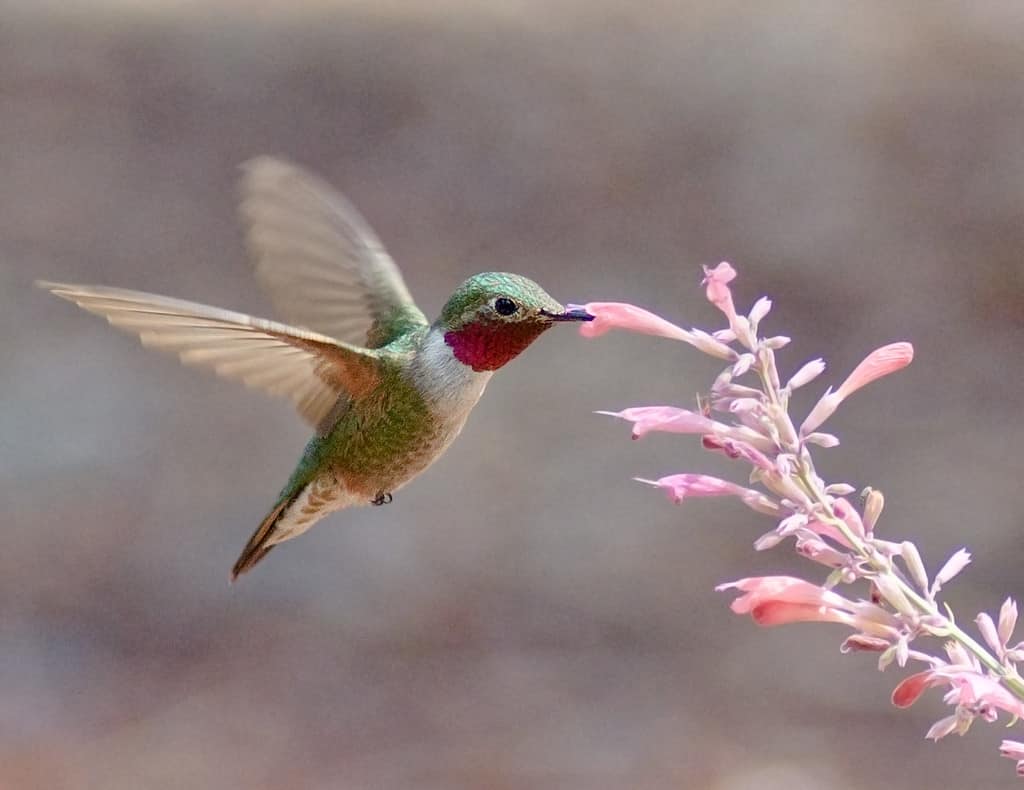
Broad-tailed Hummingbird (Selasphorus platycercus)
©M-C-C/iStock via Getty Images
Summer in Rocky Mountain National Park means encounters with dazzling broad-tailed hummingbirds. These tiny, green-and-pink birds zip between wildflowers in montane and subalpine meadows, feeding on nectar and insects. Their metallic wingbeats are audible as they hover, and their courtship dives—mid to late summer—are a thrill to watch. Hummingbird sightings drop off as migration begins in late August.
Painted Lady Butterfly (Vanessa cardui)
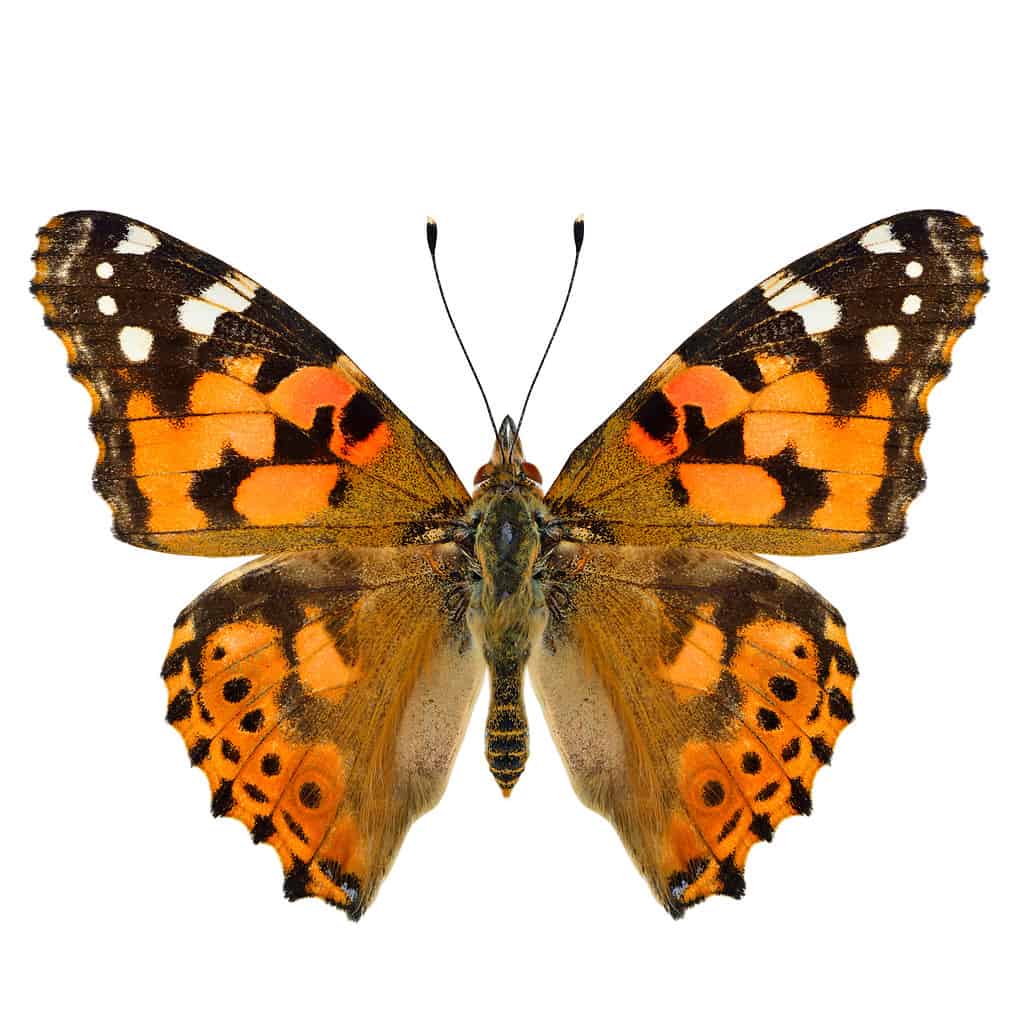
Painted Lady Butterfly (Vanessa cardui)
©Super Prin/Shutterstock.com
One of the most familiar insects in the park, painted lady butterflies migrate north each spring, filling meadows with a flutter of orange and black wings. Their larvae feed on thistles and other wildflowers, and adults are best spotted from May through September. Butterflies add brilliant color to summer hikes and are easily observed along trail margins and in open fields.
A Symphony of Life
Rocky Mountain National Park embodies the variety and vigor of life found in wild spaces. Every hike, drive, or quiet morning here brings the chance to meet unforgettable animals, from busy pikas to bugling elk. This rich landscape, preserved for future generations, reminds us why wild places matter.