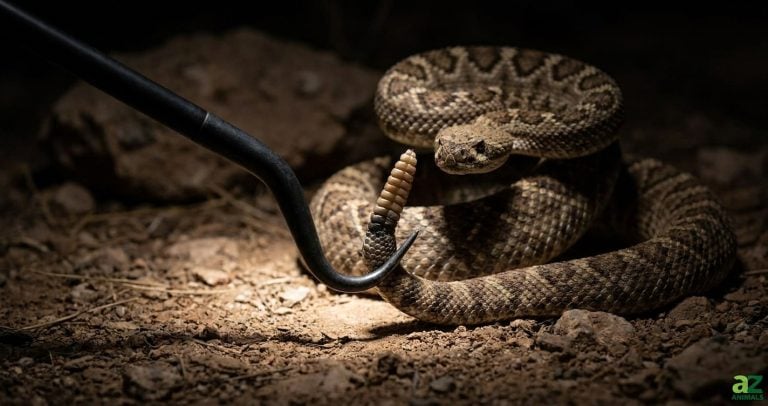
Snake bites can happen in the blink of an eye. Snakes are quick and agile, which makes their bites especially frightening. This video from BBC Earth Kids shows a bite happening in slow motion. This video provides a great way to observe how snake bites occur. If you’re interested in learning about why snakes bite and how fast they strike, keep reading!
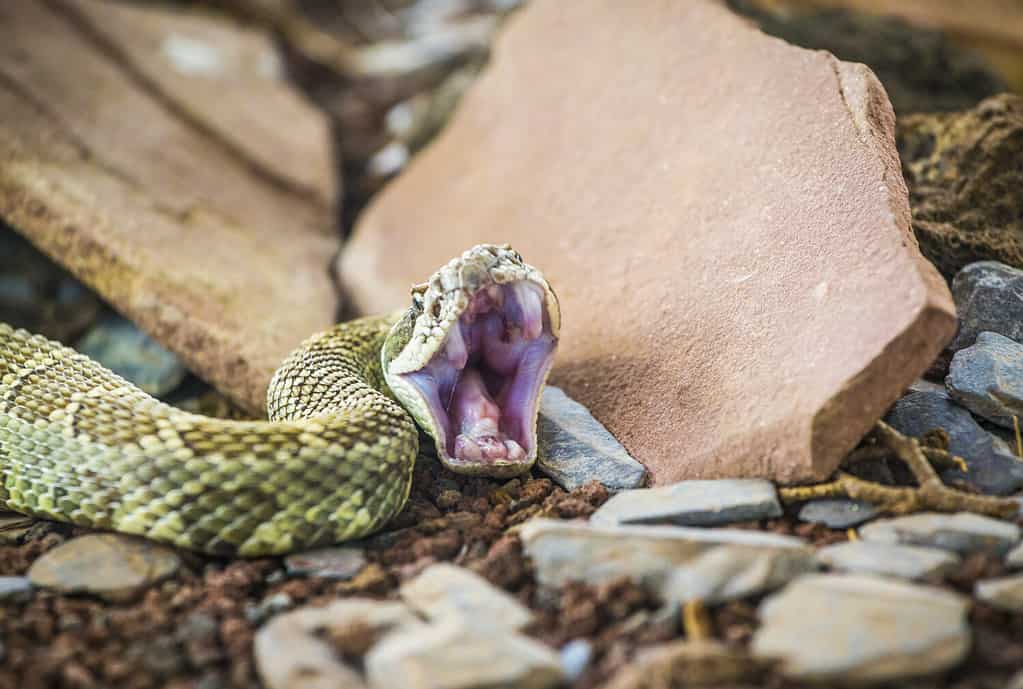
Snakes bite to hunt or defend themselves.
©Clement Horvath/Shutterstock.com
Why and When Do Snakes Bite?
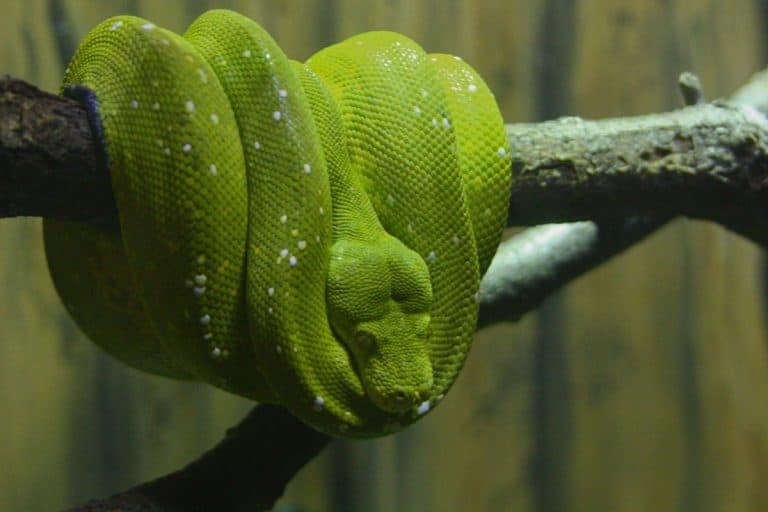
As is commonly known, snakes bite for two main reasons: to hunt and to defend. When snakes are on the offensive, they use their venom to immobilize and kill their prey. The venom in venomous snakes disrupts the blood, nerves, or muscles of their prey, immobilizing them. Other snakes, such as constrictors, bite their prey to grip them before wrapping and squeezing around them. Snakes will often ambush their prey when hunting, waiting for their prey to enter their striking range. They often hunt at night or dawn, but this varies between species. When hunting, many bite their prey once and then let go. This allows the snake to avoid possibly injuring itself. They then track their prey’s scent.
Snakes also bite when defending themselves! When threatened, biting is seen as a last resort effort. Some reasons why they bite include being cornered or trampled. Unlike offensive biting, a defensive bite from a snake is meant to make the threat go away, not to kill it. For this reason, snakes sometimes deliver “dry bites,” or bites without venom. Producing venom is metabolically demanding, so a dry bite is a conservation strategy for the snake.
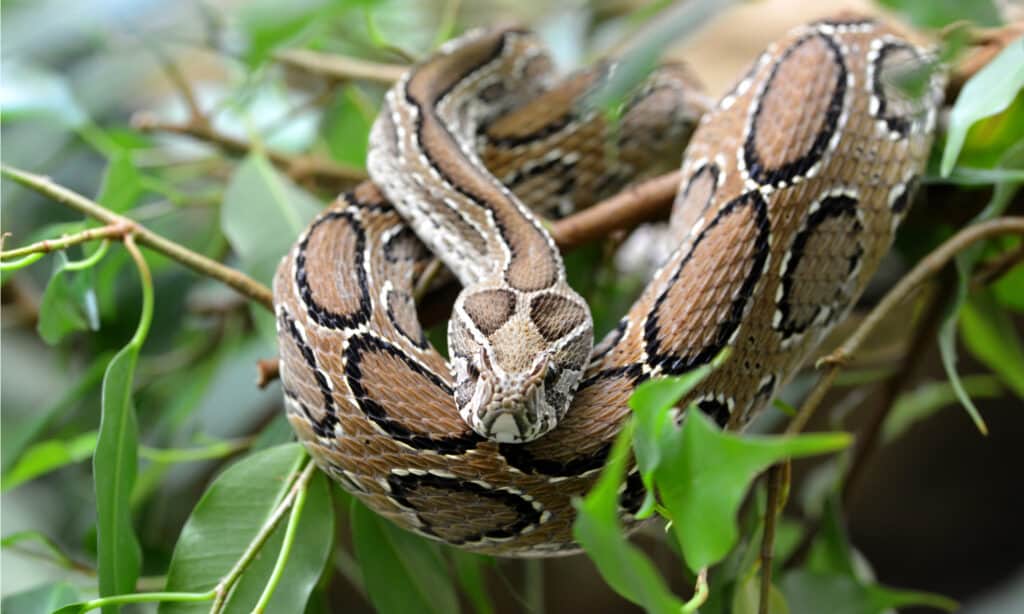
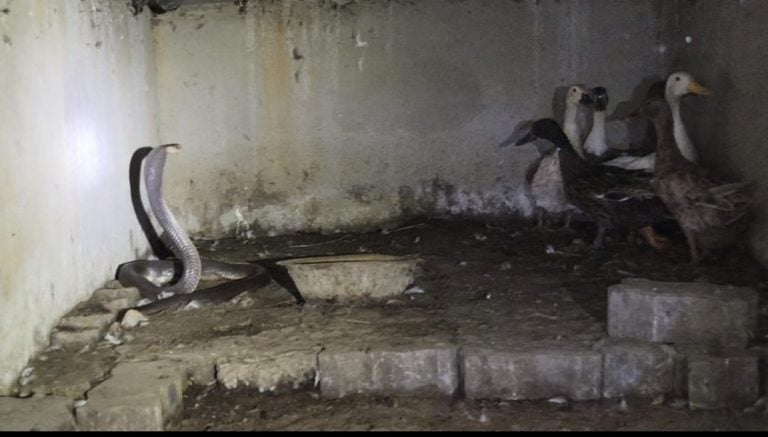
This venomous snake is one of India’s “Big Four” snakes that are responsible for the most bites.
©jaroslava V/Shutterstock.com
Bite Speed and Force
Bite speed and power differ by species. Venomous snakes rely on the sharpness of their teeth rather than force. The sharp fangs puncture their prey and inject venom, meaning that crushing force is not as necessary. Because of this, speed is important to venomous snakes. A venomous snake can strike at speeds approaching three meters per second, or about 10 feet per second. Constrictors, on the other hand, rely greatly on their bite power. Although they move more slowly than venomous snakes, constrictors use their bite to grip and then wrap around their prey. When they bite, they can exert just under 6 psi, or pounds per square inch (a unit of pressure measurement). This amount of pressure is enough to cut off blood flow and can immobilize prey.