
Quick Take
- Dogs’ snow response tracks breed history and cold-tolerance traits, explaining why some love snow while others avoid it.
- Coat type is crucial. Double coats insulate and shed snow, while single coats offer little protection.
- Body size and shape affect heat loss, and small dogs lose heat faster and may struggle in deep snow.
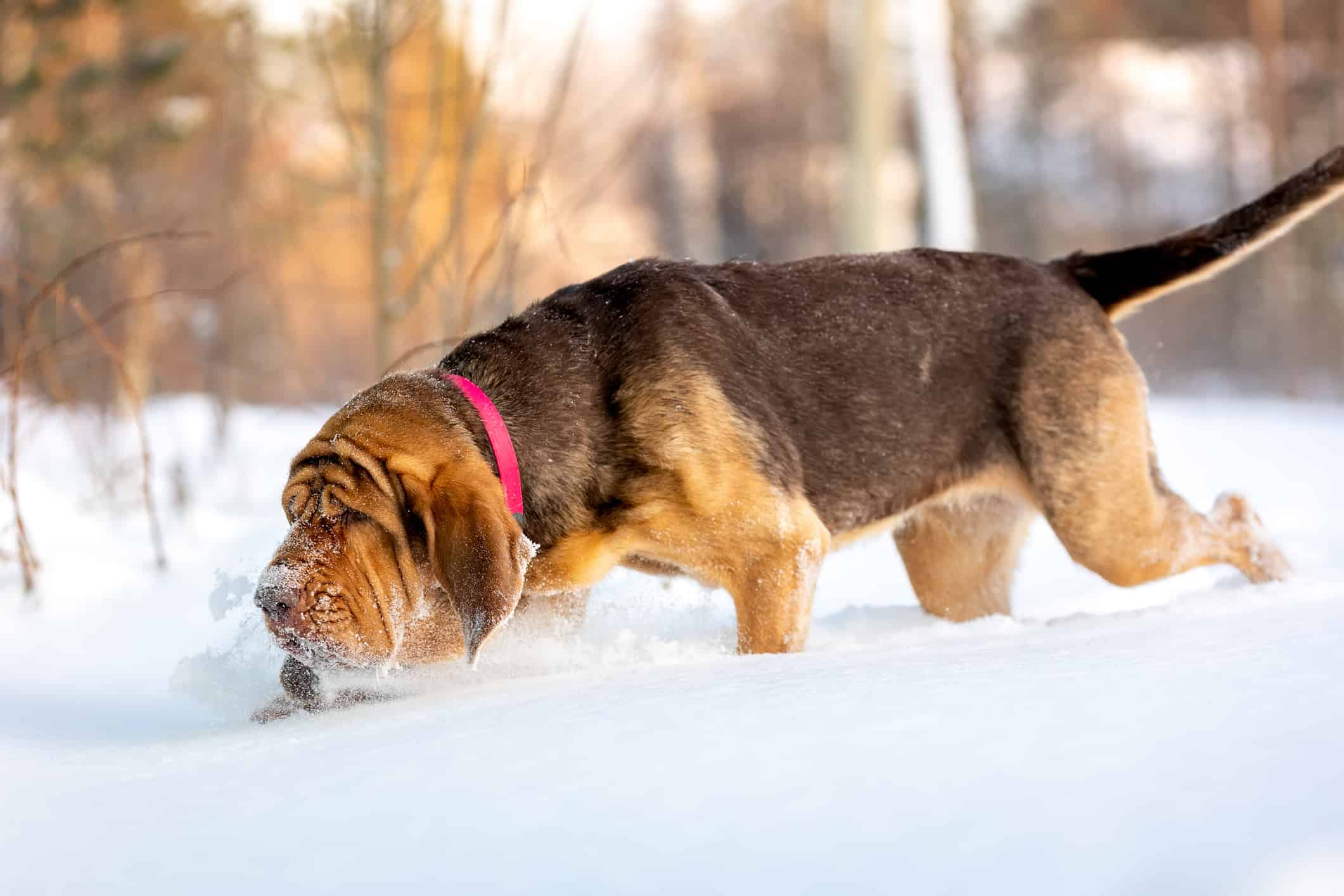
There’s a moment in snow country when the first flakes begin to fall that makes dog owners beam and groan in equal measure. For some pooches, snow is a signal to dive headfirst into drifts and run until their paws can barely keep up. For others, it’s a shock to the system that elicits raised paws, shivering, or even a stubborn refusal to take a single step outside.
Why do dogs respond to snow in such dramatically different ways? The answer lies in a fascinating mixture of breed history, coat architecture, body size and shape, and sensory stimulation. Over generations of selective breeding and adaptation to human needs and climates, dogs have developed traits that make winter either a playground or a personal insult. Understanding these factors not only helps explain canine behavior in snow but also guides owners in keeping their companions comfortable and safe.
Breed History
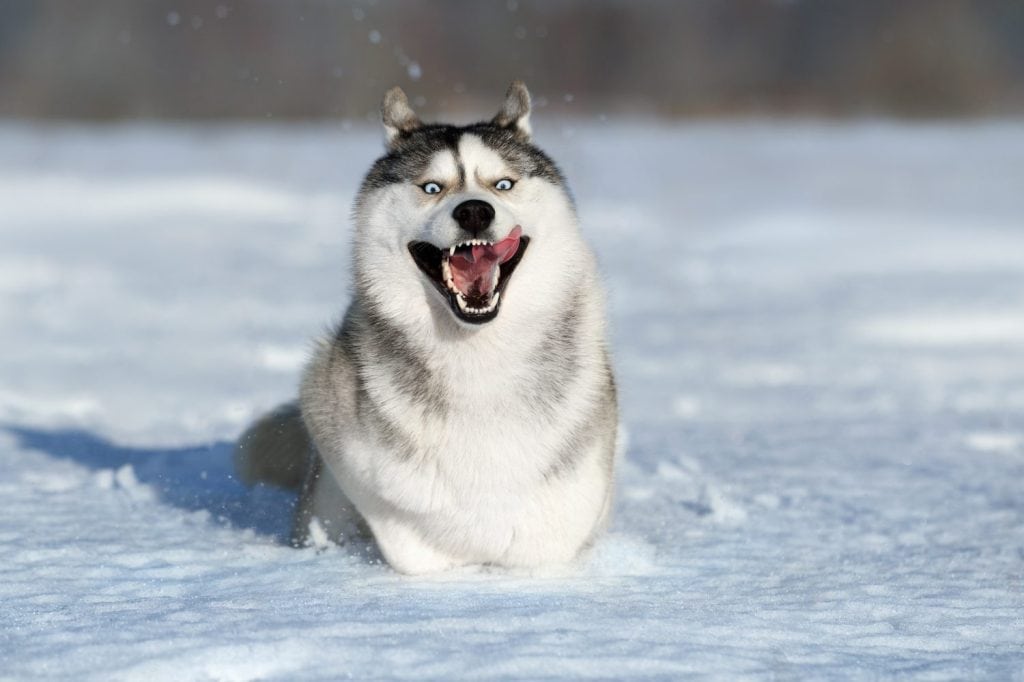
Siberian Huskies were bred to be snow dogs.
©Ivanova N/Shutterstock.com
When we watch a Siberian Husky gleefully plow through knee-deep powder, what we’re actually seeing is centuries of evolution and selective breeding in action. The ancestors of today’s northern sled dogs were raised by indigenous peoples of Arctic regions to pull sleds, herd reindeer, and assist with survival in some of the harshest climates on Earth. These tasks demanded not just physical strength but the ability to function in freezing conditions without complaint. The Siberian Husky, for example, was bred to work in extremely low temperatures, with traits that let it perform for hours in the cold, rather than just tolerate it.
Similarly, other northern breeds like the Alaskan Malamute and Finnish Lapphund trace their roots to cold environments and working roles in snowy landscapes. These backgrounds make such breeds more likely to enjoy snow as a natural and familiar setting.
In contrast, breeds like the Chihuahua originate from much warmer climates. Chihuahuas are thought to descend from ancient dogs of Mexico and surrounding regions, where snow and cold were infrequent or nonexistent. Their evolutionary history didn’t select for traits that would promote cold tolerance—instead, their physiology reflects a warm-weather heritage.
Coat Type
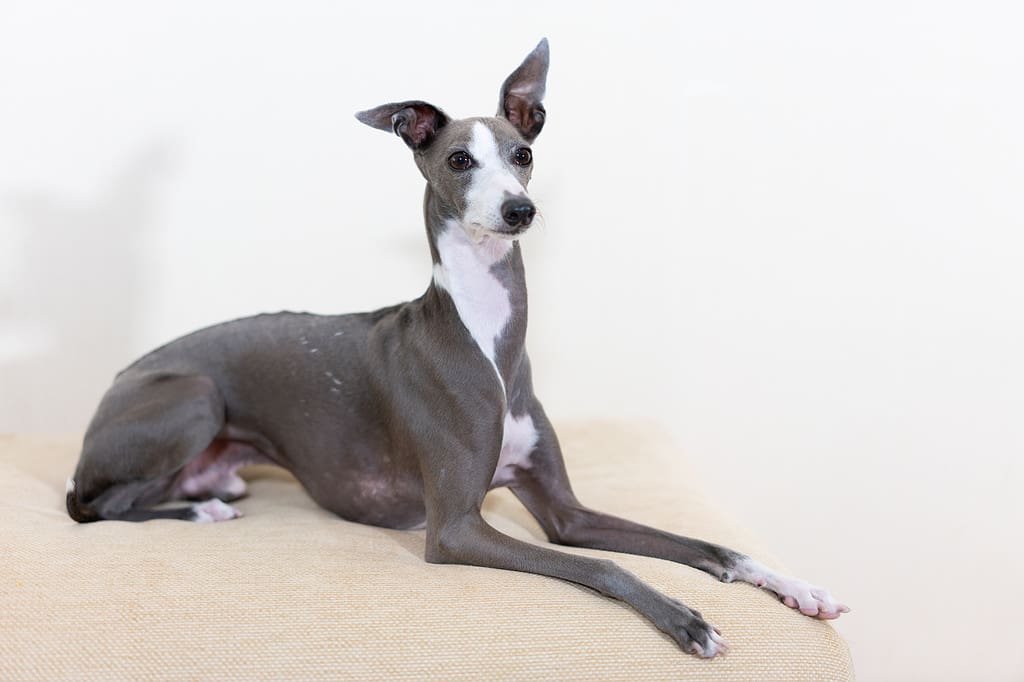
Italian Greyhounds have a single coat, not conducive to cold temperatures.
©violet-blue/ via Getty Images
One of the most visible and critical factors influencing a dog’s comfort in snow is its coat. Dog coats vary dramatically in thickness, length, and structure, and these differences have important implications for insulation and moisture protection.
Cold-weather breeds typically possess a double coat: a dense, insulating underlayer that traps warm air close to the skin, and a longer outer layer of guard hairs that repels moisture and snow. This structure functions much like a high-quality winter parka—warm beneath and protected against wind and wetness on the outside.
Siberian Huskies are a prime example. Their double coats are specially adapted to retain heat and shed snow, enabling them to withstand temperatures low enough to make most pet dogs uncomfortable. Their coat not only insulates but also helps prevent snow from reaching their skin.
Even within double-coated breeds, the exact hair length and density influence comfort. Very long, silky fur on a northern breed might look snow-ready, but if it lacks a dense undercoat, it can actually hold snow against the skin, leading to chilling. That’s why breed standards for working sled dogs often favor a specific coat texture: coarser guard hairs that shed wet snow rather than trapping it.
On the other hand, breeds with single coats, like Chihuahuas and Italian Greyhounds, lack this layered fur. Their coat provides minimal insulation and little protection from moisture. Combined with their thin skin and low body fat, this makes them especially susceptible to cold stress. If you’ve ever seen one of these breeds stand on three paws and lift the fourth when placed on icy ground, that’s a classic sign of discomfort and heat loss.
Body Size and Shape
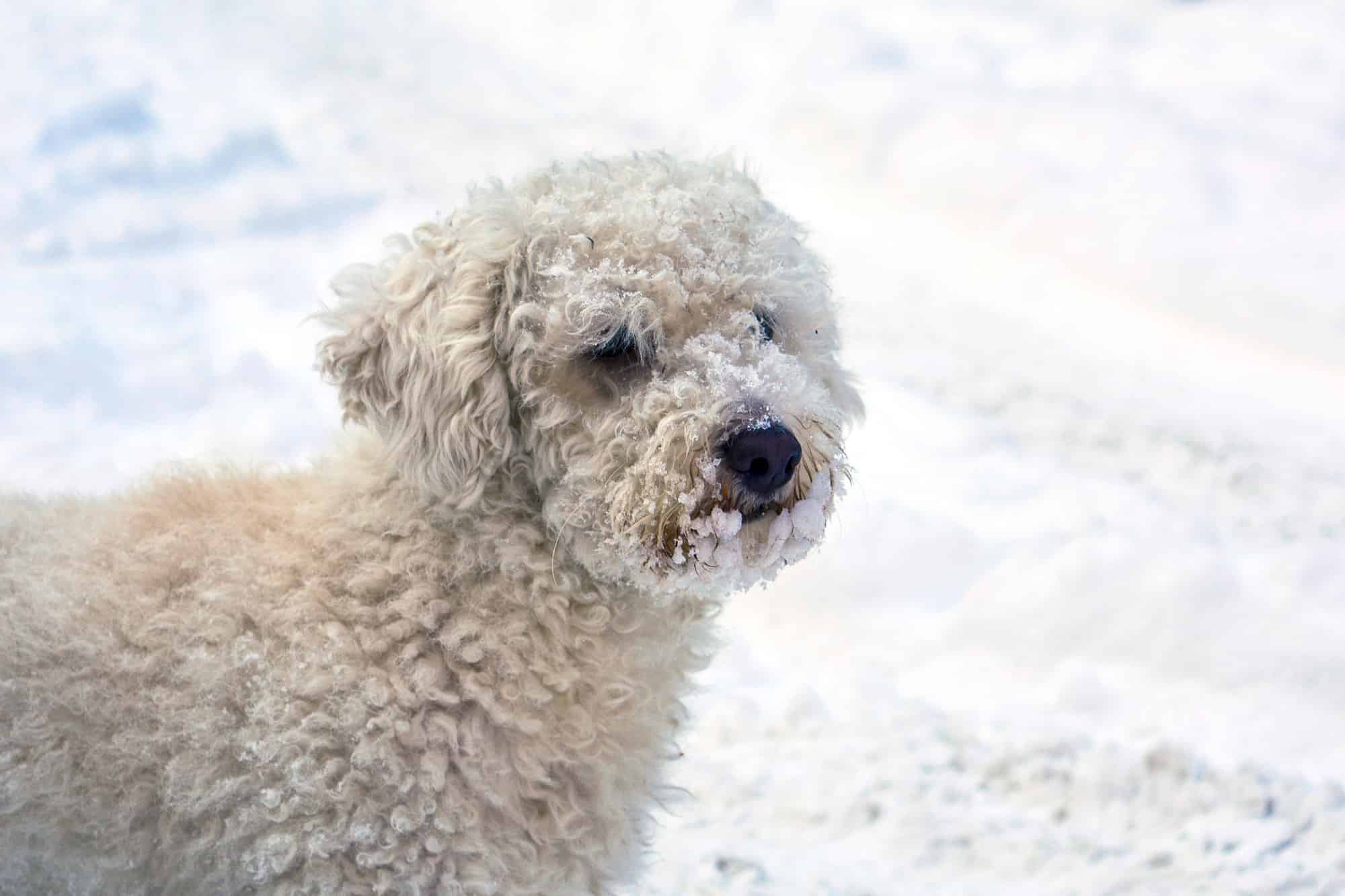
Smaller dogs have a higher surface-area-to-volume ratio, causing them to lose heat more quickly in cold weather.
©iStock.com/RADsan
Beyond coat structure, a dog’s body size and shape play a critical role in how it manages heat. The basic physics of thermoregulation shows that larger bodies lose heat more slowly than smaller ones because of a lower surface-area-to-volume ratio. Small breeds like Chihuahuas lose heat rapidly through their relatively large surface area compared to their volume, making them prone to cold discomfort and hypothermia in snowy environments.
By contrast, bigger dogs like Saint Bernards and Malamutes have a much lower ratio, enabling them to retain warmth more efficiently even when temperatures plunge. Combined with a thick, insulating coat, this allows them to stay comfortable outdoors for longer periods.
Body shape also matters. Dogs with short legs and low bodies are more likely to find deep snow exhausting, especially when it piles up above their ankles or chest. This can quickly turn their snowy romp into a slog, leading some to avoid snow simply because it’s physically difficult. Conversely, breeds with long legs and robust builds traverse snowy terrain with ease, finding joy in the challenge rather than discomfort.
Sensory Stimulation
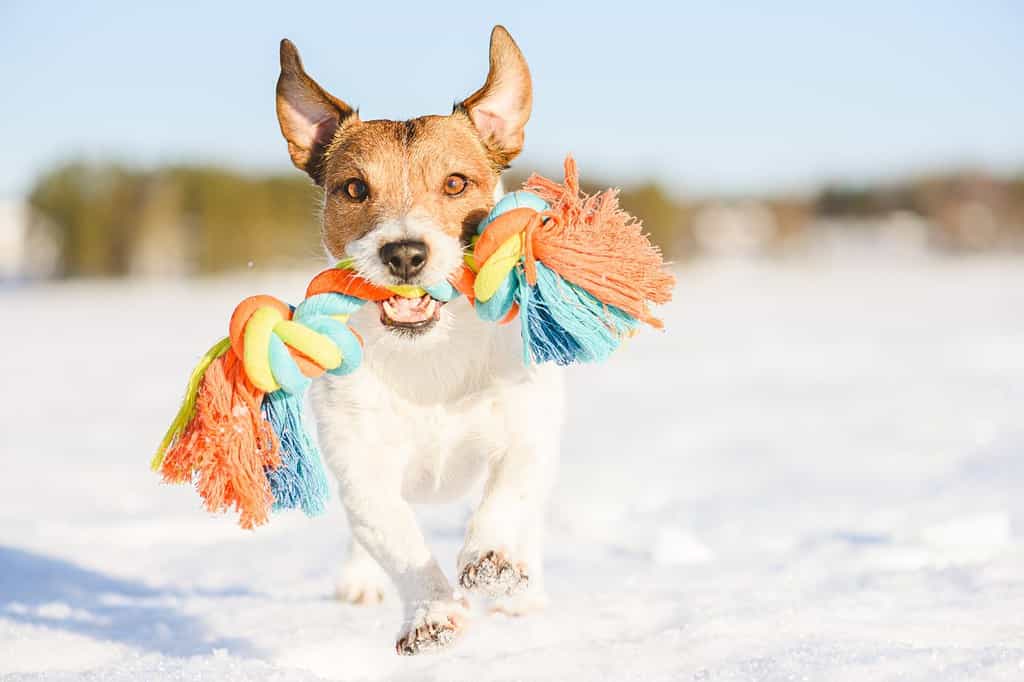
Sometimes it comes down to personality; some dogs, regardless of breed, just love the snow.
©alexei_tm/Shutterstock.com
The sensory experience of snow goes beyond cold. To a dog, snow presents a world transformed—new textures underfoot, shifting smells hidden under white blankets, and soundscapes dampened by fresh flakes. These elements can be exhilarating or overwhelming, depending on the dog’s personality and previous experiences.
Some breeds, known for their curiosity and playful temperaments, may find snow endlessly stimulating, an open invitation for sniffing, digging, and exploring. For these dogs, the novelty of snow triggers joy that’s reinforced through play and positive experience. Others, particularly smaller or more anxious dogs, may find the slick surfaces and unfamiliar sensations intimidating, prompting avoidance or distress.
It’s worth noting that individual dogs within a breed can differ widely. A Chihuahua raised in a snowy environment with positive early exposure might tolerate snow better than one that has only experienced warm climates. Similarly, a Husky unaccustomed to deep snow might still find it strange even if its genetics favor cold tolerance.
Snow can pose real physiological stresses on dogs. Ice, slush, and de-icing chemicals can irritate paws, and snow packed between paw pads can form painful ice balls that make walking uncomfortable for any dog not bred for winter sports. Hypothermia and frostbite are genuine risks when exposure is prolonged, particularly for breeds without insulating coats or adequate body fat. These dangers help explain why short-coated or small dogs may instinctively avoid snowy conditions—they are, quite literally, experiencing discomfort.
Conversely, dogs adapted for cold climates often have dense fur between their toes that protects against ice and helps with traction, functioning almost like built-in snow boots. These physiological defenses make snow more of a playground than a threat.
Should Dogs Wear Winter Clothing?
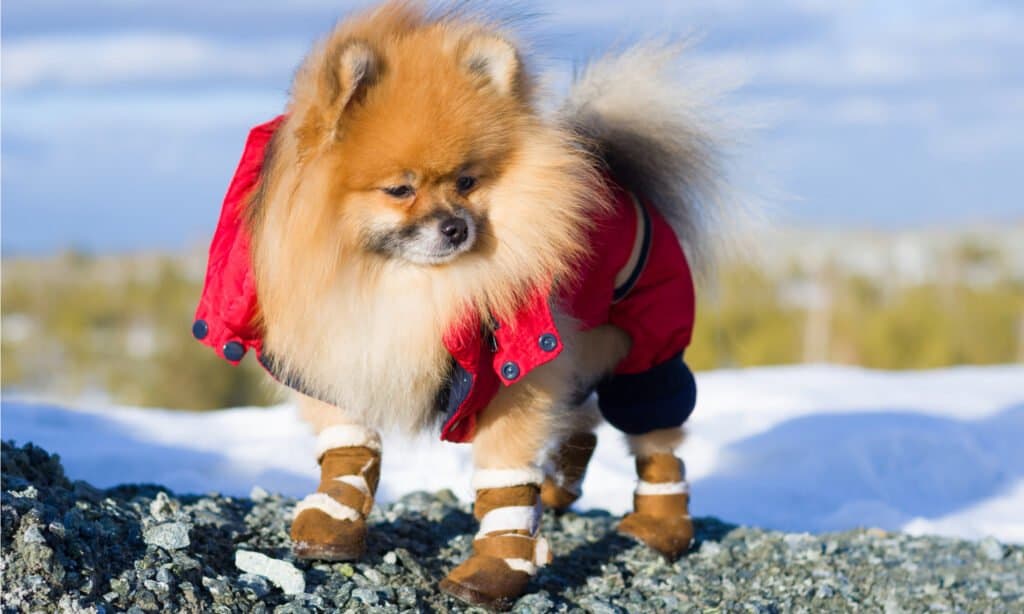
As long as the dog is comfortable, dressing them in winter clothes can be helpful.
©LiniaS/Shutterstock.com
I’m sure we’ve all seen a Chihuahua in an adorable sweater. Perhaps even with little knit booties on its feet. But is that actually good for the dog? The short answer is: it depends.
Clothing can help dogs that are poorly equipped for winter conditions. For small breeds, thin-coated dogs, and dogs with little body fat, a well-fitted sweater or insulated coat can reduce heat loss and make brief outdoor trips more comfortable. Age and health also matter. Puppies, senior dogs, and dogs with certain medical conditions regulate body temperature less efficiently and may benefit from added warmth in cold weather.
Not all dogs need clothing, however. Cold-weather breeds with dense double coats already have effective natural insulation. Clothing can compress their undercoat or trap moisture, sometimes making them less comfortable rather than more.
When used, winter clothing should prioritize function over appearance. It should allow full movement, cover the chest and belly, and avoid loose or twisting pieces. Ultimately, a dog’s behavior is the best indicator: dogs that clearly resist cold conditions may benefit from extra warmth, while those built for winter usually do not.
Why Dogs Celebrate Snow—or Shun It
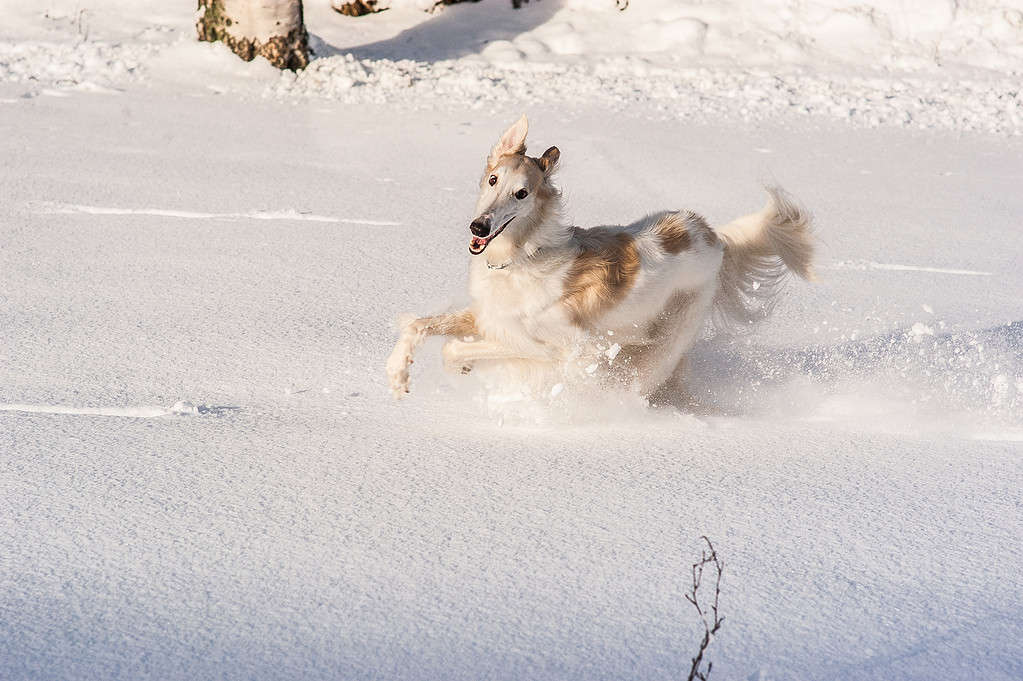
Breed, size, coat, and personality are the major factors in a dog’s attitude toward snow.
©Trygve Finkelsen/iStock via Getty Images
When a Husky leaps headlong into a drift as though the season’s first snowfall were a holiday, there’s more behind that enthusiasm than just instinctive playfulness. It reflects centuries of evolution and selective breeding for cold tolerance, insulating coats, robust body structure, and a sensory appetite for new environments.
Meanwhile, when a Chihuahua balks at the porch step, lifts a paw, and stares back at you imploringly, that too is a product of adaptation—both evolutionary and individual. Its tiny size, single coat, and warm-weather heritage all conspire to make a snowy yard a place of discomfort, not delight.
Both reactions are natural. Understanding the history, physiology, and sensory realities behind them not only deepens our appreciation for canine diversity but also helps us care better for the dogs we love. Whether that means letting a snow-loving Siberian Husky run free in a winter storm or bundling a chilly Chihuahua in a cozy sweater and limiting its outdoor time, each dog deserves respect for its unique relationship with the cold.