
Quick Take
- Jefferson salamanders must traverse active snow and frozen leaf litter to achieve their late-winter migration.
- With a narrow travel window, these amphibians risk freezing or harming themselves during their journey.
- These amphibians ultimately ensure their offspring’s survival by breeding early in temporary pools, which often still have surface ice and lack fish predators.
- The metamorphosis cycle is lengthy and may not be completed in time, as the vernal pool may dry up before their young are fully grown.
Most amphibians wait for the warmth of springtime before they become active, but Jefferson salamanders run on a different internal clock. In late February or early March, they often emerge, a time of year when snow is still on the ground and the forest floor is only partly thawed. This is largely because the entire breeding strategy of the Jefferson salamander depends on being early, no matter the cost.
There’s a major reason why Jefferson salamanders risk it all, and during a time of year that proves dangerous to all salamander species. Why do these amphibians traverse vast and snowy distances to reach their desired pools? There’s one reason in particular that tends to stand out: love, or at the very least, the option to breed and continue its species.
This is everything you need to know about the Jefferson salamander, including where they reside, when they breed, what triggers their migration during an inopportune time of the year, and their motivations behind it. Let’s dive into the details of this hopeless romantic, including how you can help the Jefferson salamanders in your area.
Jefferson Salamanders: An Overview
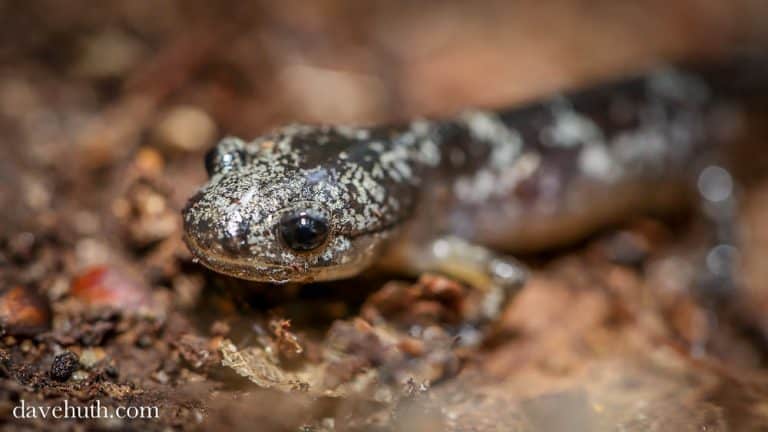
The Jefferson salamander, classified as Ambystoma jeffersonianum, is a mole salamander, which means it spends most of its life underground in forests, only becoming obvious during its breeding migration. It is native to multiple northeastern states, with a range that extends into Canada. While no stranger to the cold, the Jefferson salamander can only handle so much of it.
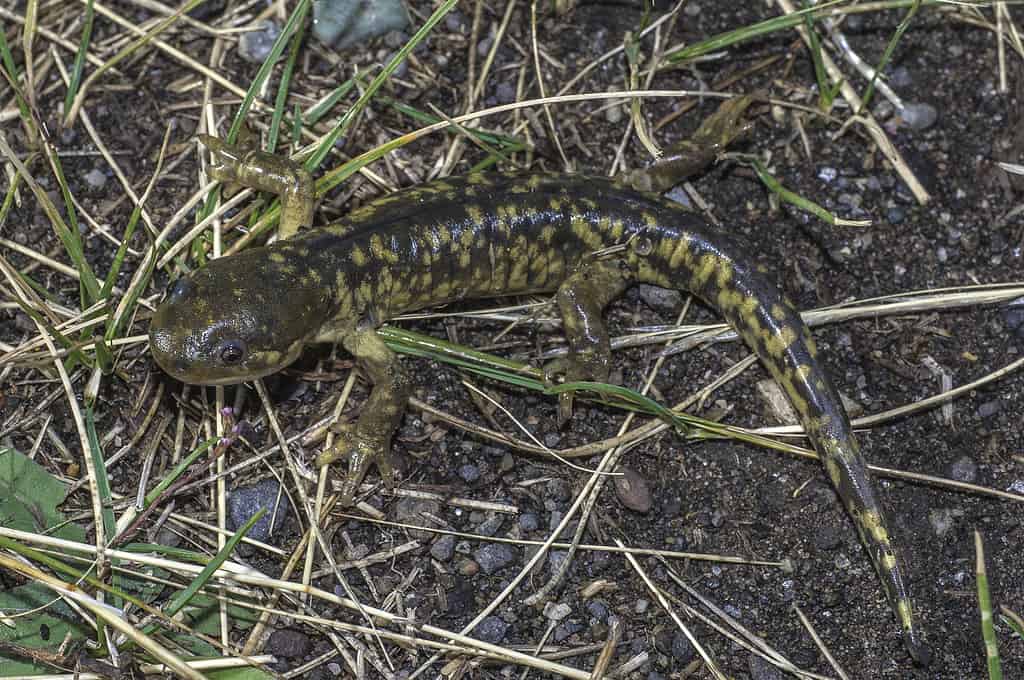
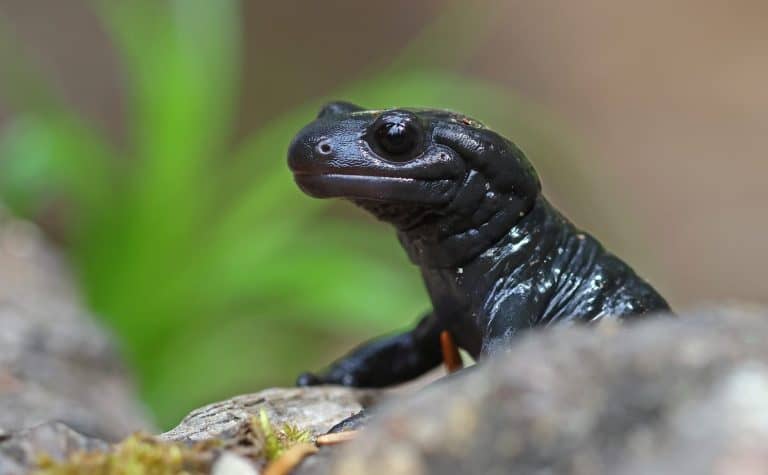
The Jefferson salamander, a type of mole salamander, migrates from underground forests to seasonal pools to breed.
©Gerald Corsi/iStock via Getty Images
This is especially true when you consider the fact that this animal is not a pond salamander year-round. It is an underground forest salamander that briefly becomes a wetland breeding salamander when the timing is right, making their migration a potentially dangerous activity.
What Triggers the Jefferson Salamander’s Late-Winter Migration?
Jefferson salamanders migrate when weather cues line up, but this doesn’t necessarily mean their journey will be safe and uneventful.
State and field-program guidance about the Jefferson salamander is consistent about the conditions necessary for this migration: a warmer night than average, and steady rain instead of snow, leading to ground conditions that are just starting to soften. Ambient air temperatures above 40°F for several hours are also an indicator of their migratory potential, depending on the location.
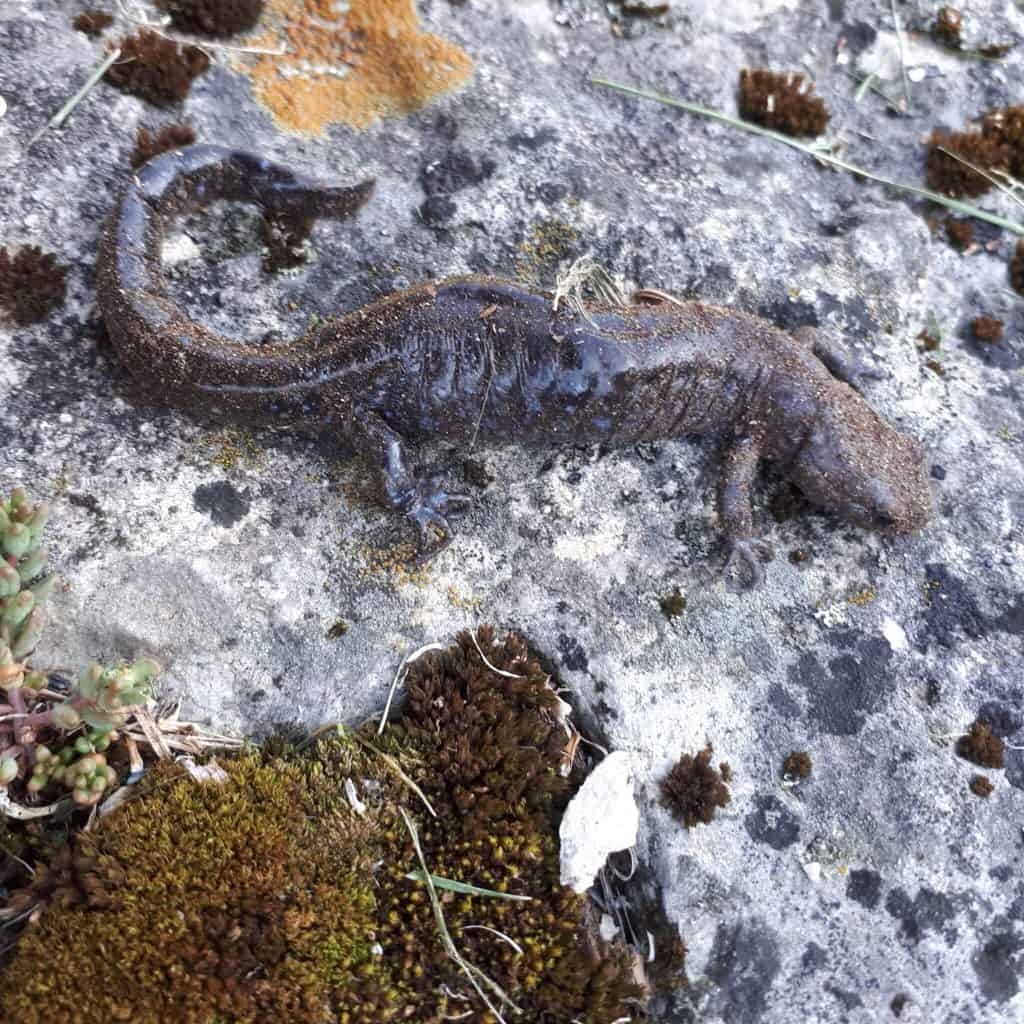
Salamanders can’t handle much exposure to the cold, including ice and snow.
Given that salamanders breathe partly through their skin, dry winter air can be dangerous during overland travel. That’s why wet nights reduce their overall dehydration risk and make it much easier to move through leaf litter and thawing soil. They are amphibians, after all!
Vernal Pools: a Must For Jefferson Salamanders
A vernal pool is a temporary woodland wetland that fills with snowmelt and spring rain, often drying out later in the year. The temporary nature of vernal pools actually works in the Jefferson salamander’s favor, as it makes for an easier breeding time without predators.
Given their seasonal availability, many vernal pools do not support fish populations. That’s why these wetlands are described as essential breeding habitat in vernal-pool conservation work; mole salamanders rely on them.
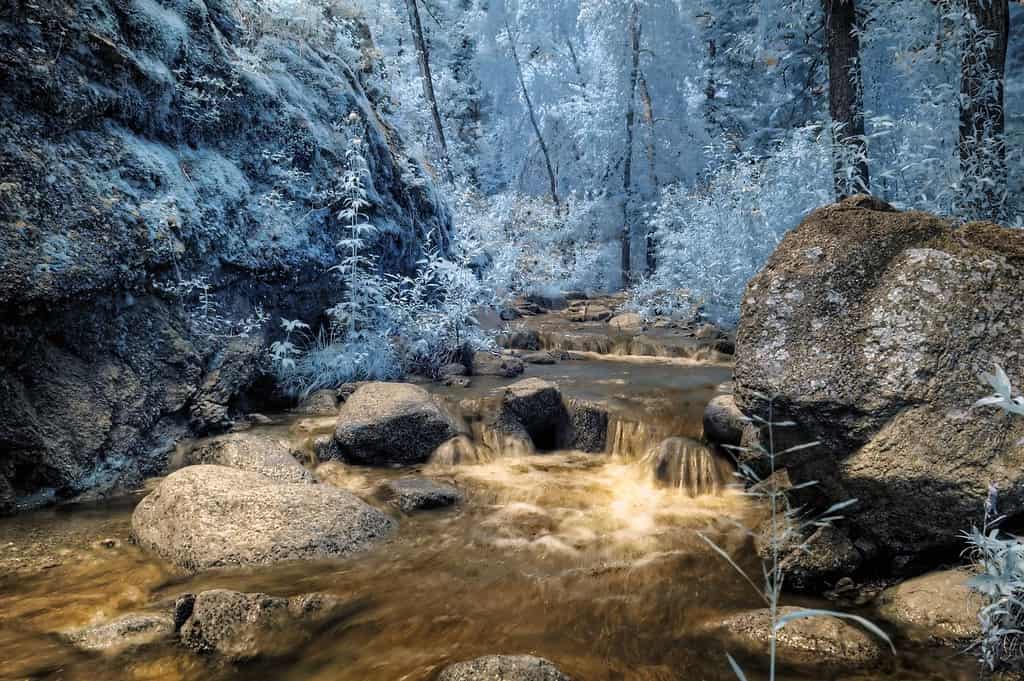
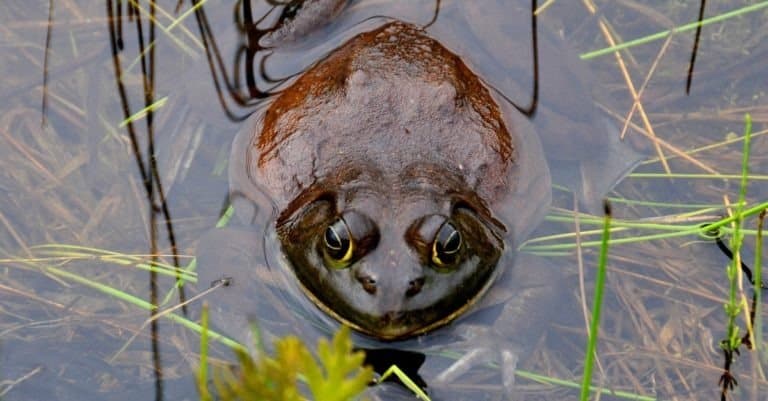
The vernal ponds that Jefferson salamanders seek are capable of drying up before their young have fully matured.
© David from Colorado Springs, United States – Original / License
There’s also another benefit that’s much less obvious: time. Early breeding gives larvae a longer window of time to hatch and grow before the pool shrinks. If a pool dries up too soon, larvae can die before achieving a full metamorphosis, and that risk is exactly what Jefferson salamanders face year after year; timing is truly everything.
Early Breeding Benefits and Risks
There are many benefits and risks involved in breeding so early, long before other salamander species are even contemplating such a thing. For example, getting eggs into cold, full pools early can reduce multiple types of predation pressures, and can also increase the chance that at least some larvae reach metamorphosis before the pool dries.
However, such early movement also carries a clear risk involving shifting, seasonal weather. Jefferson salamanders are not usually described as freeze-tolerant in the same way that wood frogs are, so their safety depends more on avoiding exposure to such frigid conditions. Sticking to rainy nights and keeping migration windows tight helps, but deep freezes can easily follow warm rains.
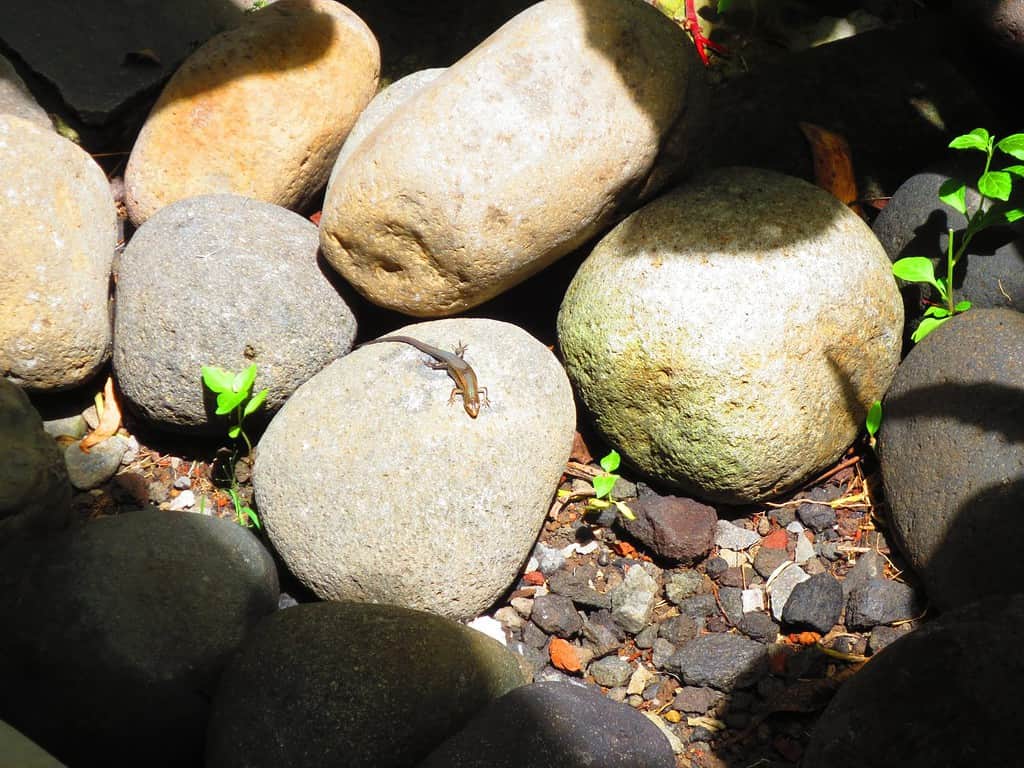
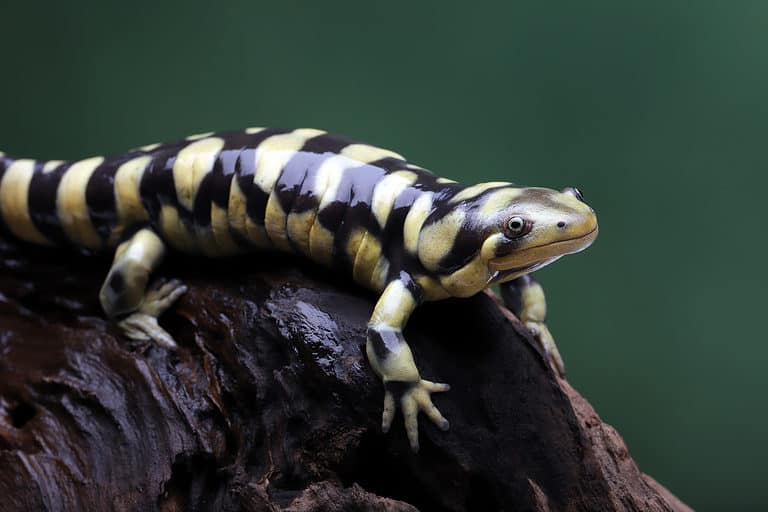
If the Jefferson salamander rests while on their way to their breeding ground, they risk losing the time needed for their young to mature.
©garwopadmi/Shutterstock.com
Because of this risky window, Jefferson salamanders tend to arrive at ponds in late winter or early spring in upland forests, but breeding movements are finely tuned to local conditions rather than fixed, set dates. If conditions happen to turn mid-migration, these salamanders may take shelter or pause their journey. While this may keep them alive, waiting out a storm may also make the difference between a full, healthy metamorphosis for their young.
Once Jefferson salamanders reach the safety of a vernal pool, breeding happens quickly. Even if ice remains in their chosen breeding ground, these salamanders don’t have the luxury of time. Females attach egg masses to sticks or vegetation under the surface of the water after gathering deposits left by males, and the Jefferson salamander enjoys a breeding window without very much competition.
Why Roads and Forest Losses Hit Them Hard
Jefferson salamanders struggle if there are unforeseen changes along their set, predetermined route back to their vernal pool. For example, intact upland forest, which is where they live most of the year, and functioning seasonal pools where they breed need to exist for them to live. While it sounds simple enough, there are many potential issues standing in their way.
For example, if a vernal pool is protected but the surrounding forest is fragmented or altered, adult salamanders may not survive the journey or be healthy enough to breed. On the flip side, if the forest is intact but the pool is altered, the entire Jefferson salamander breeding event collapses.
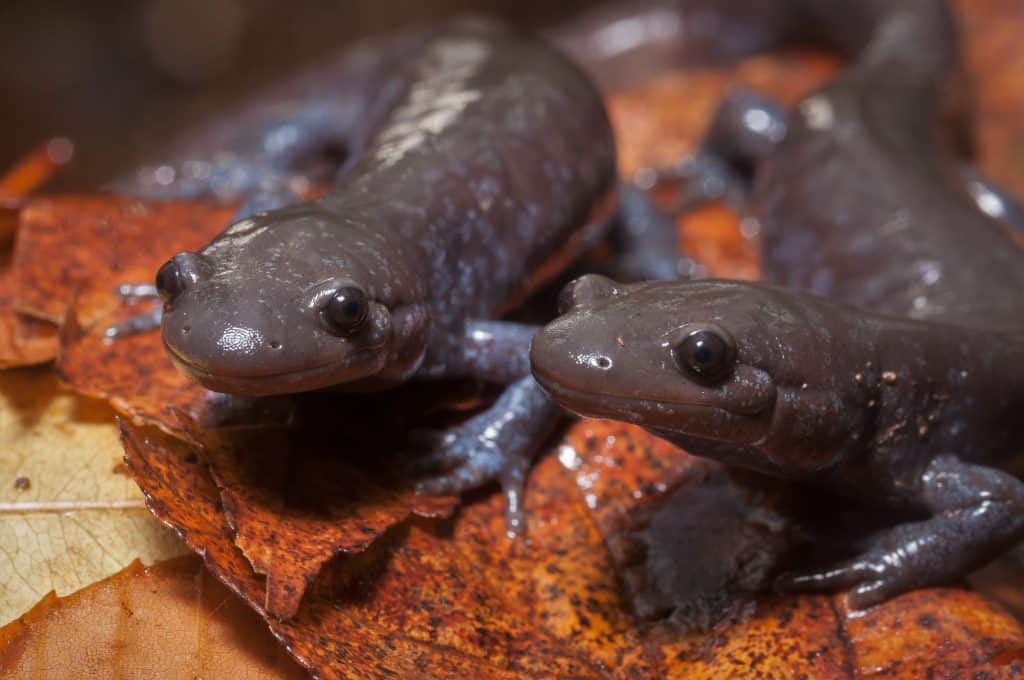
Jefferson salamanders face many potential extremes on their way to find love.
©Mike Wilhelm/Shutterstock.com
Roads are also a major problem, as migrations often concentrate on a select few rainy nights, which means that a great number of Jefferson salamanders attempt their crossings at the same time. That’s why so many regions actually have salamander crossing volunteer programs and temporary protections, focused heavily on avoiding road mortalities for these little amphibians.
What You Can Watch for and How to Help Local Salamanders
If you live in the Jefferson salamander’s preferred habitat and range, you can do your part to help them during their journey to find love. It’s all in the timing of their crossing from forest to vernal pool.
Pay attention to rainy evenings, anytime when temperatures are hovering near the low 40s and snowmelt is occurring steadily. If you encounter salamanders on an active road, the safest approach is usually to avoid handling them and slow down. You may also opt for supporting your local migration programs, as these volunteers are trained and permitted to help these amphibians.
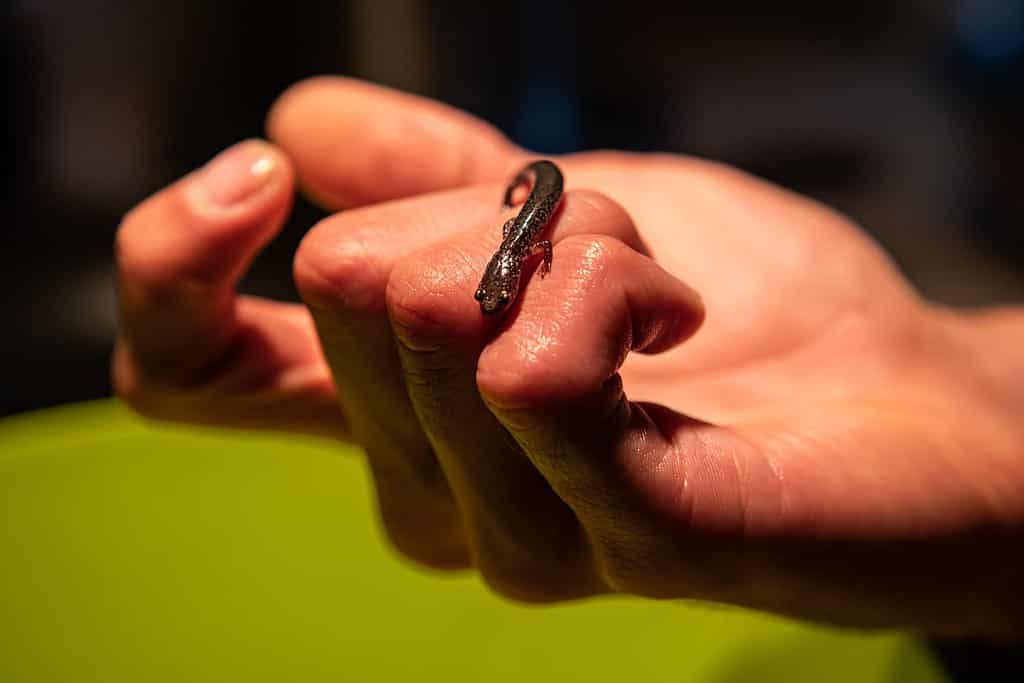
If you see salamanders in the road, try to ask your local rescue experts for help before intervening.
©Valmedia/Shutterstock.com
Finally, if you own forested land in the Jefferson salamander’s preferred habitat, protecting seasonal wet spots and leaving a natural buffer of leaf litter or understory debris around them can matter more than most people realize. The salamander’s typical home is built out of messy forest floors; their vernal pool habitat is only temporary. By supporting their full-time home, you’ll keep the species thriving.
Why They Travel So Early
Jefferson salamanders begin their migration to breed so soon because the earliest nights of the season offer the best breeding pools and timing. By setting out early, these salamanders gain access to full pools of water, and early enough that their young have time to mature before the pool dries.
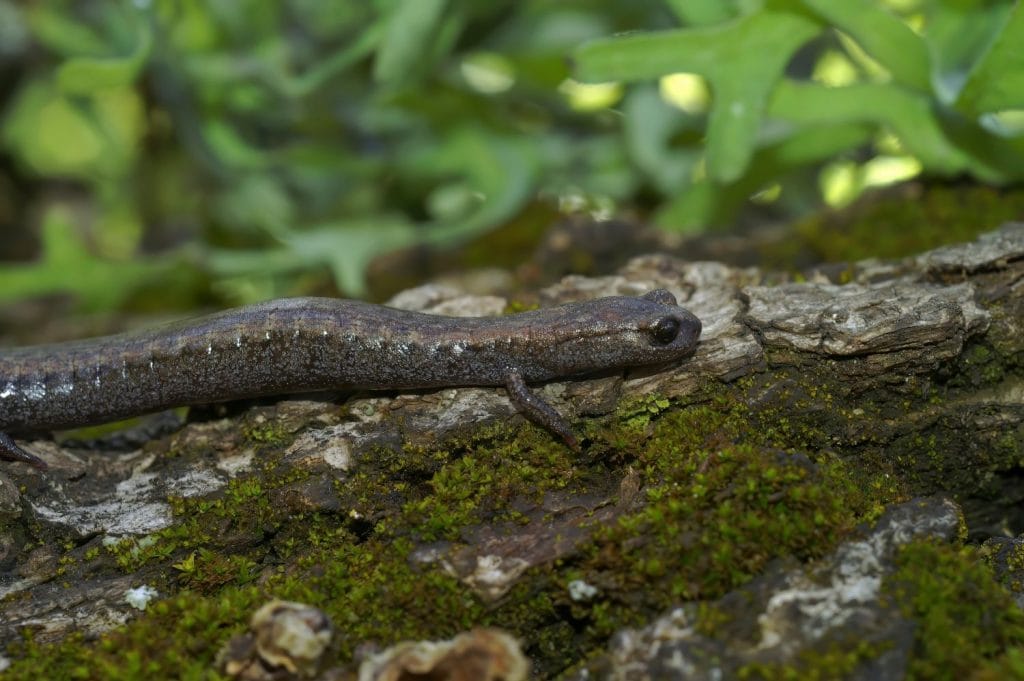
With such a brief amount of time to travel and breed, Jefferson salamanders have their work cut out for them.
©HWall/Shutterstock.com
While that gamble appears to work often enough to keep the species going year after year, their resilience remains real and vital to this process. With such a narrow and risky window, Jefferson salamanders often need our help to ensure their safe passage between forest and vernal pool. Keep these little guys in your thoughts this February, as they may be traversing a busy road near you!