
Quick Take
- Navigating February roads requires accounting for a significant increase in specific wildlife collisions, including skunks.
- Dawn and dusk are the periods when low light creates more fatal visibility errors and wildlife collisions.
- While winter typically suggests wildlife dormancy, certain mammals actually maximize their nocturnal travel during this month.
- Staying aware of the roads and contacting animal control for any injured species are the best steps you can take during this time of year.
February may feel like a quiet month, but that’s not always true in wilderness areas or for animals crossing roads. In many places, late winter is actually when certain mammals suddenly start traveling farther at night, including across dangerous, darkened roads with inclement weather conditions.
Skunks are a major driver of that late winter pattern of movement. They’re incredibly active in winter; when their breeding season begins, their usual routines around their dens change almost overnight. The result? A predictable uptick in skunk–vehicle collisions that wildlife biologists and rehab staff deal with year after year.
Why are skunks seemingly more active during the month of February, and what can you do to keep them safer in your local neighborhood and community? Here’s why roadkill spikes in February and how you can keep your wildlife protected during this dangerous time.
Why Skunks Are on the Move More in February
Striped skunks don’t engage in a full and true winter hibernation, and their breeding season actually ramps up in late winter. February to March is when skunk mating activity spikes across most states in the U.S., which is exactly why movement increases in many regions.
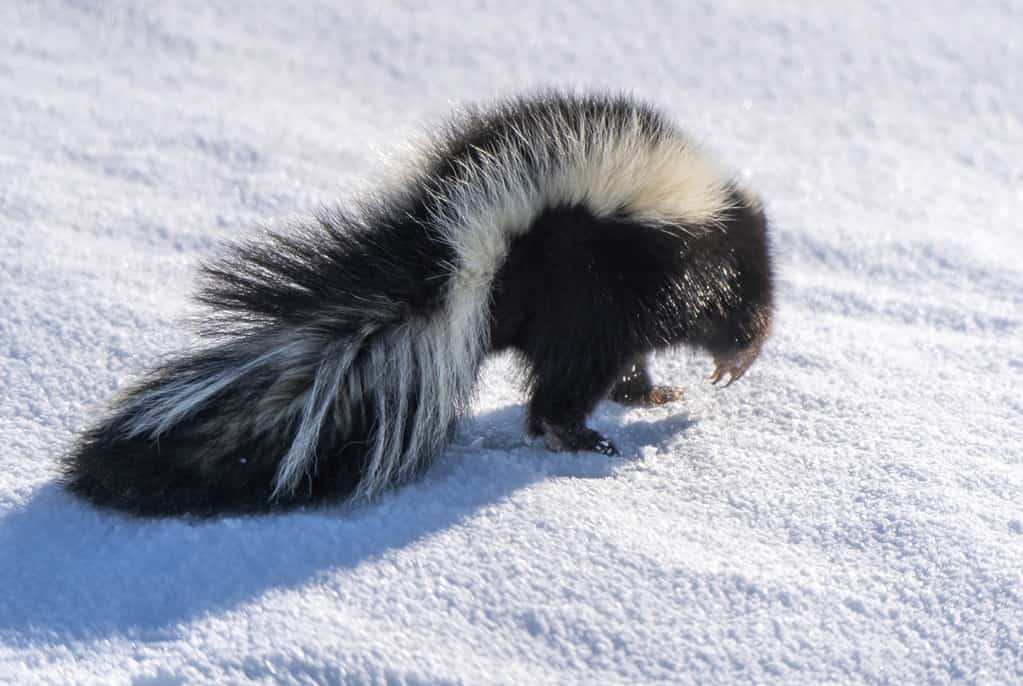
During the month of February, skunks are often on the move, making them a common roadkill victim.
©bobloblaw/iStock via Getty Images
Recent late-winter mating-season guidance mentions skunk breeding season as occurring during a window when skunks that are usually solitary are more likely to be out and about in search mode. These solitary males begin searching for a mate, spending much more time moving around instead of staying close to cover, foraging, and enjoying solitude.
Evidence for a February Spike in Skunk Roadkill
It isn’t just casual observation that points to more skunks becoming roadkill victims in February; studies support it, too. For example, a peer-reviewed roadkill analysis in the southern plains reports a pronounced late-winter/early-spring surge in skunk mortalities, with roughly 41% of skunk mortalities occurring during a six-week period from mid-February through March.
Additionally, in a Texas Parks & Wildlife magazine profile, biologist Robert Dowler noted, “We see more numbers of roadkill skunks in February and March than other times of the year,” adding that preliminary data suggested roadkill rates “may double” during the skunk mating season.
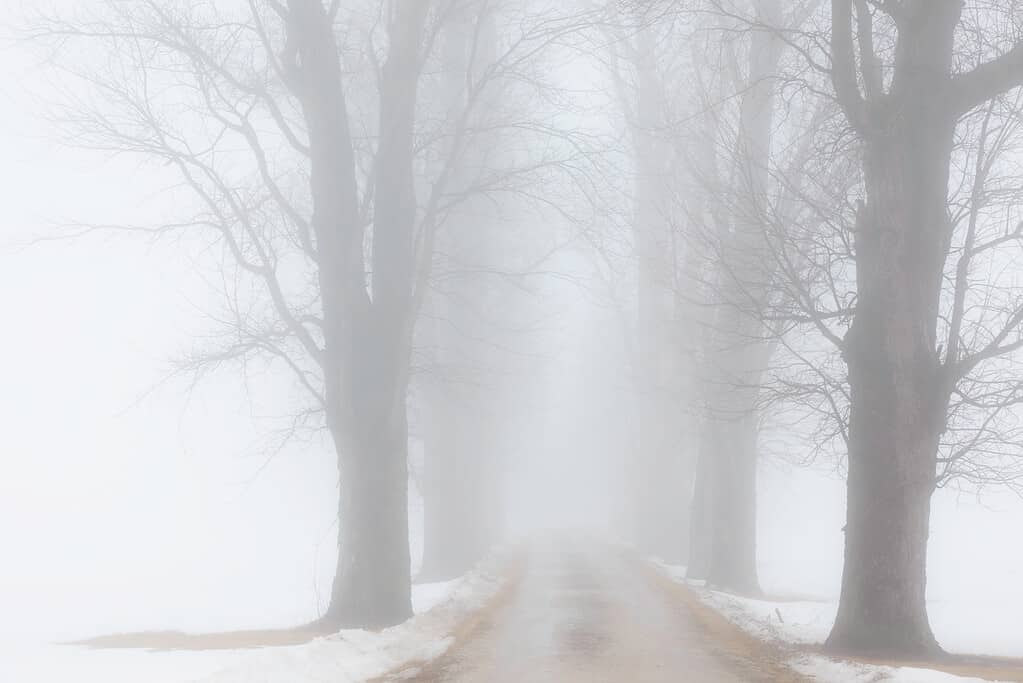
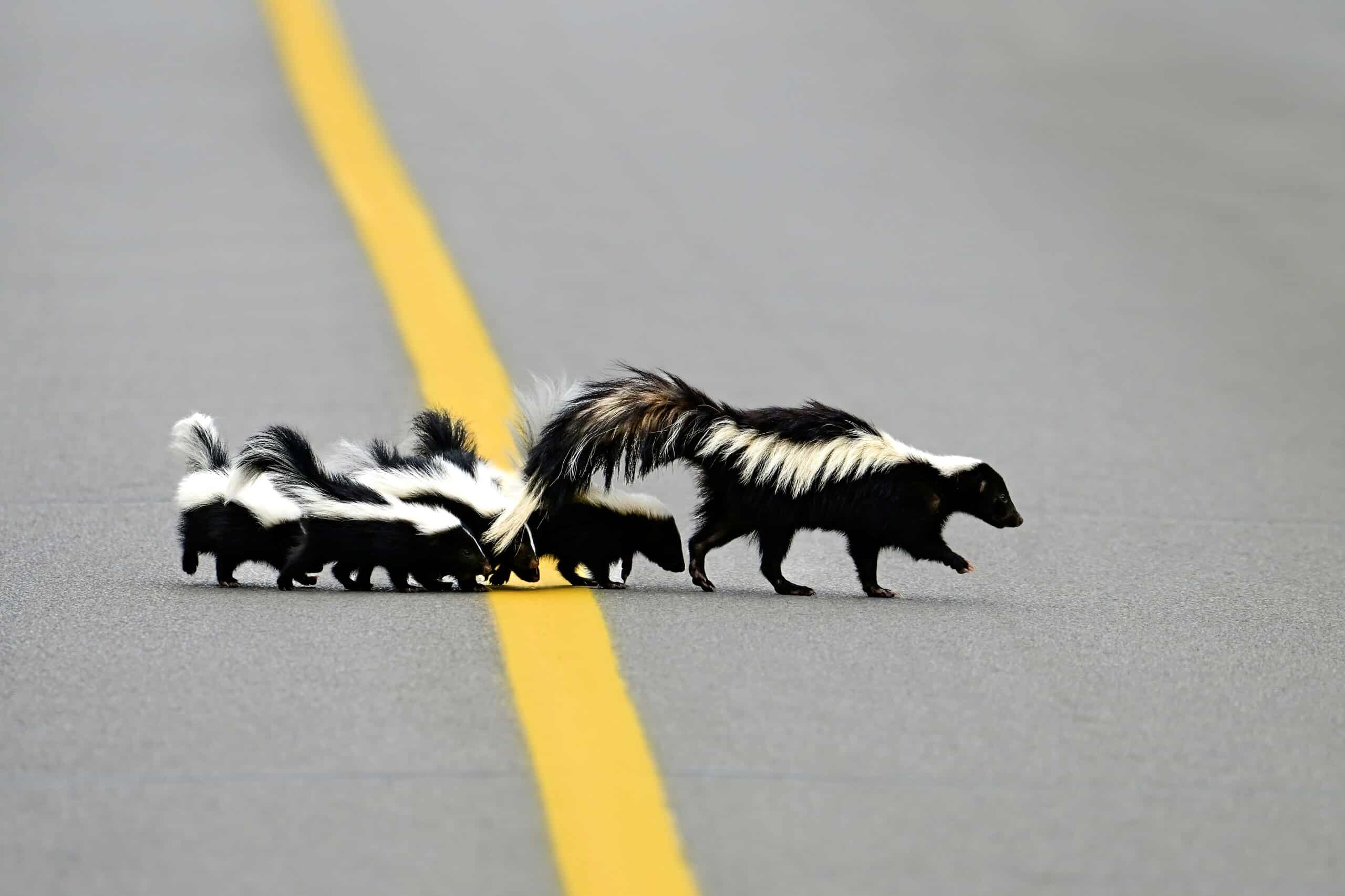
Winter roads make for a dangerous situation for most wildlife species.
©Ken Schulze/Shutterstock.com
While it may be difficult to track the exact doubling of deaths, the data still indicate a significant increase in roadkill incidents involving skunks. And it’s all for one reason in particular: their breeding season overlaps with a dangerous time of year to be a small creature traversing roads. Here are some of the reasons why:
- More miles traveled at night. Breeding pushes animals into longer movement bouts during inopportune times of day, which increases the number of road crossings.
- Low visibility conditions. Poor weather and early darkness make a low, dark-bodied animal hard to spot in time to avoid a collision.
- Road edges that smell like food. Skunks are opportunistic omnivores, and roadside scraps can keep them walking along the shoulder of roads much longer than they should.
What Wildlife Rehabilitators Notice in Roadkill Every Year
Wildlife rehab centers often serve as early warning systems for seasonal wildlife issues, since they see the effects of roads on animals before most people notice a pattern.
For example, in a February segment about increased skunk activity, WHSV’s coverage of the Wildlife Center of Virginia urged drivers to watch out for skunks at both dawn and dusk, when low light makes it all the more difficult to see these creatures crossing the roads. These rehab centers understand these times as the most dangerous for a number of wildlife species.
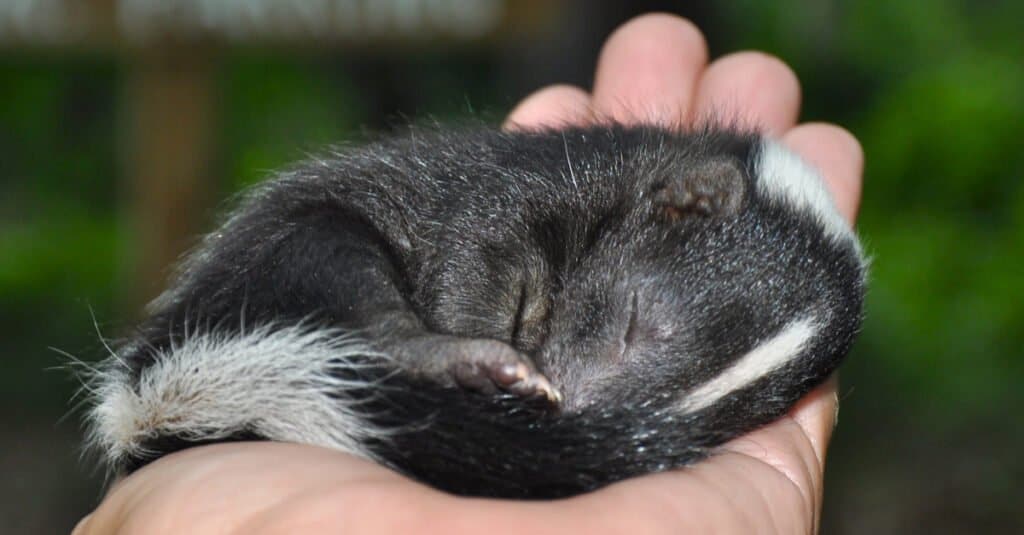
Skunks are most likely to be hit around dawn or dusk, given their dark colorations.
©Becky Sheridan/Shutterstock.com
Additionally, if you’re stumbling upon skunks outside of your vehicle, leaving the animal alone usually prevents them from spraying. Even if you want to help a skunk stay safe, most animal rehabilitation experts agree that leaving it alone is the best option.
Other Wildlife Commonly Hit in Late Winter
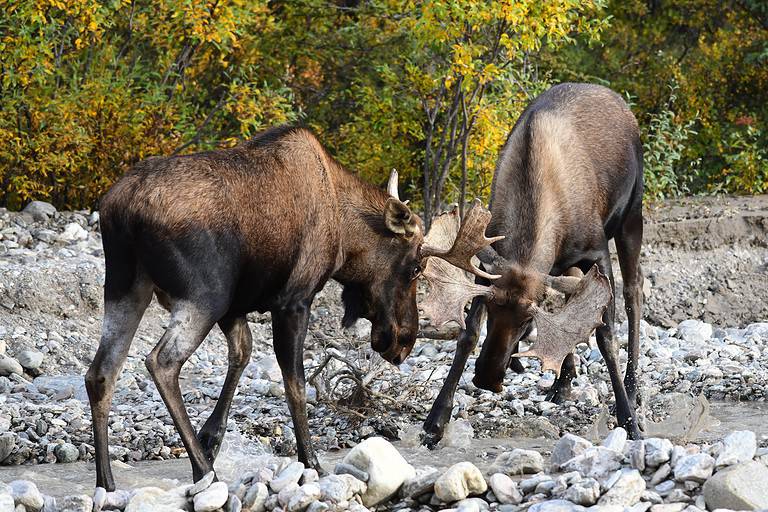
Skunks aren’t the only animals on the move during February. Late winter and early spring are actually crossover seasons for multiple species, which means breeding and first migrations start at the same time. These are the other animals to watch out for during the frigid month of February:
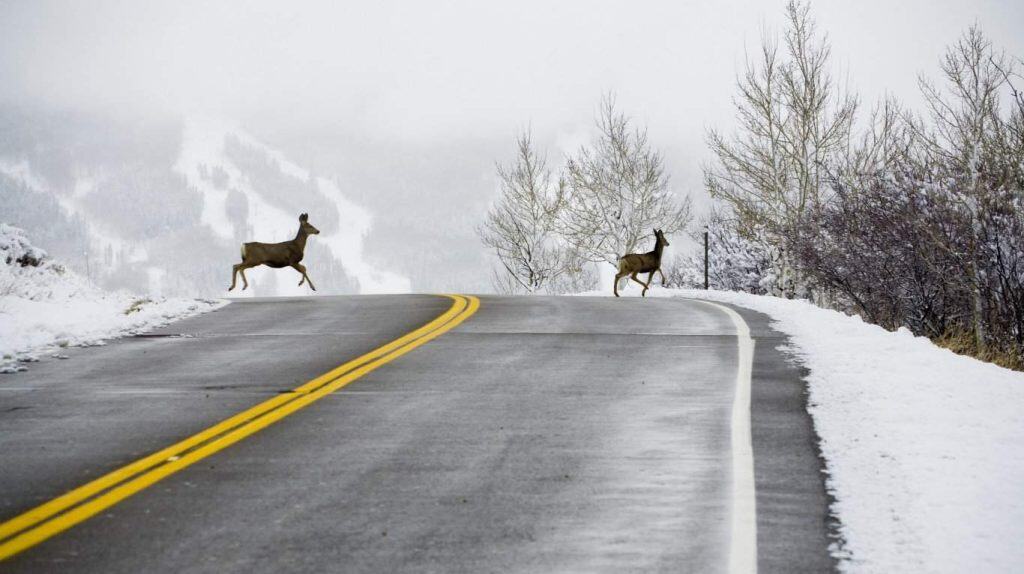
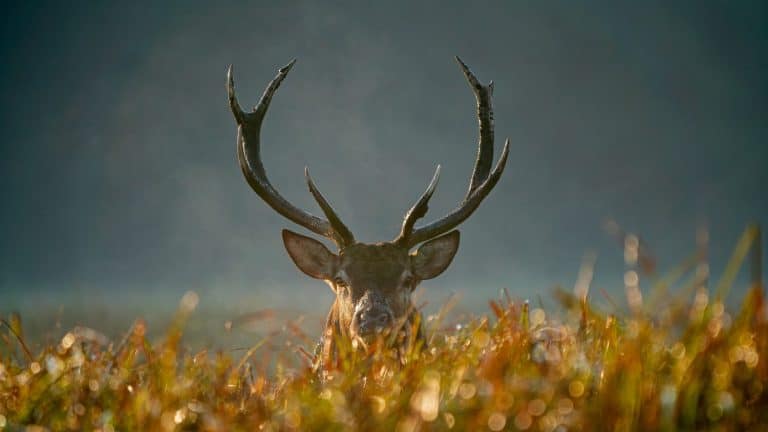
Deer and other animal species are on the move in February, so keeping your eyes on the road is a must.
©bobtphoto / Getty Images
- Salamanders and frogs (late February into March)
On the first warm, rainy nights of winter, amphibians cross roads in huge numbers on their way to seasonally available vernal pools. Countless road mortalities happen during these short migration windows, for both frogs and salamanders. - Foxes (late January through February)
Foxes are another winter-breeding species, and their increased roaming during mating season can lead to more dangerous encounters on roads. Red fox mating season generally occurs from December through February, and their beautiful coats make them easy to spot. - Coyotes (January through March, peaking in February in many areas)
Coyotes tend to be more visible in mid-winter because breeding season also drives their travel plans and territorial behavior. Most breeding seasons for coyotes run January to March, with an increase in their boldness and amount of movement. - Deer (most months, but particularly at dawn and dusk)
If you live in an area with deer, it isn’t a secret that they’re likely to be active in February. However, deer tend to be active year-round; dusk and dawn are their most active times of day, so keep this in mind as you drive. - Raccoons (January through March)
Raccoons also stay active through winter and ramp up breeding behaviors in the same window as these other animals. Their mating season typically begins in January and can extend through June, with peak activity from January to March, which is why animal control and rehab groups often see them roaming and risking multiple vehicle encounters during late winter.
How to Reduce Your Odds of Hitting a Skunk (Or Anything Else)
It doesn’t take much to change your road habits for multiple animal species on the move in late winter. Here’s what you can do to keep skunks and other wildlife safe while you’re on the road:
- Slow down on wet nights in late winter. Rain reduces the time you have to react, so always slow down on damp or frigid evenings.
- Scan the shoulder, not just the lane. Skunks often appear from the edge and commit to crossing too late.
- Expect more activity at dawn and dusk. These are consistently high-risk windows for wildlife strikes, so always be aware.
- Avoid hard swerves when you see an animal in the road. A controlled brake is usually safer than a last-second dodge into another lane or off the road.
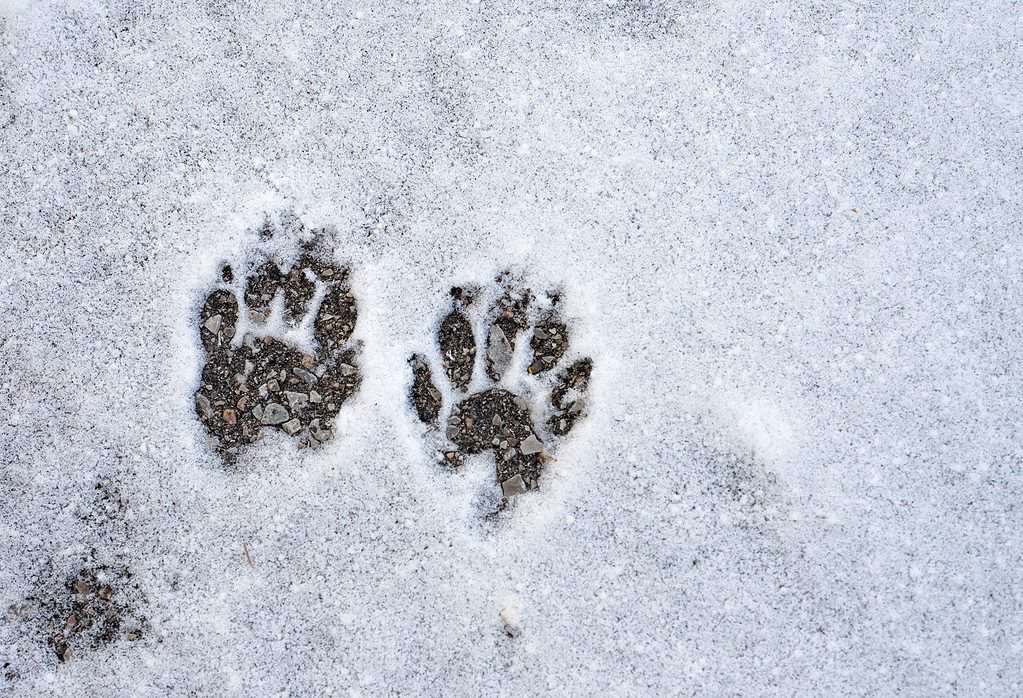
Driving slowly is just one way you can help keep your local skunks safe in February.
©LesPalenik/Shutterstock.com
While not necessarily possible to fix at a moment’s notice, reducing roadside litter and unsecured trash near roadways helps keep wildlife away from busy traffic zones. While it won’t eliminate a breeding-season increase of wildlife, it can reduce how long animals linger near these roads and highways. Do your part to secure your trash and ensure it is not left near roadways or able to fall from your vehicle, as roadside litter affects animals more than most people realize.
What to Do If You Find an Injured Skunk
Because skunks are considered rabies vector species in many states, it’s best to notify professionals if you find an injured skunk on your property or by the roadside. Rabies status changes how rehab centers and animal control handle rescue and transport, so contacting them for instructions and keeping pets away while you wait is the right decision to make.
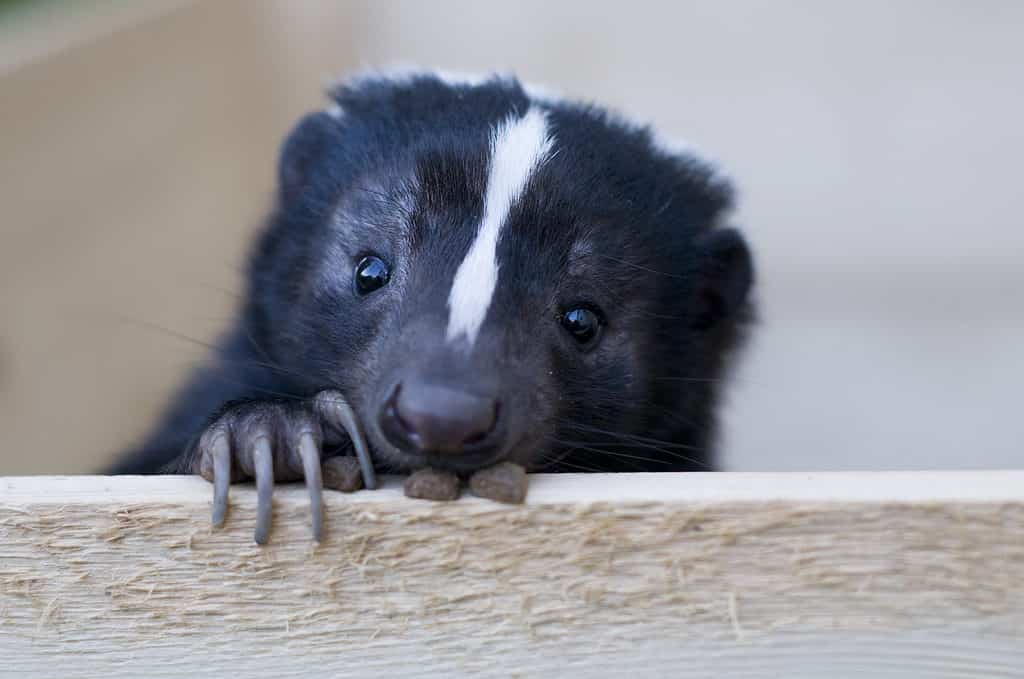
Given that they may carry rabies, it’s best to call the professionals if you stumble upon an injured skunk.
©Yasmins world/Shutterstock.com
If the skunk you found is alive and mobile, give it space and be sure not to crowd it. If it’s injured and still on the roadway, prioritize human safety first by using your hazard lights and calling for assistance rather than attempting your own hands-on rescue. You never know what condition a skunk might be in, and the risk of rabies isn’t worth it.
Why This Dangerous Pattern Repeats Every Year
February roadkill spikes exist simply because animal behavior is changing. Skunks shift into their mating season travel trends at the same moment drivers have the least margin for error while on the roads. Put those together, and you get a dangerous situation until breeding seasons subside. With so many animals breeding and traveling during February, it’s important to take your time and keep everyone safe. Keep these species in mind the next time you hit the road during this month!