
Quick Take
- Sniffing is a core mental health outlet for dogs, providing enrichment and information processing that leaves many dogs calmer and more satisfied during walks.
- Sniff breaks improve welfare, reduce stress, and can tire a dog more than long walks when integrated with structure and clear cues.
- Structured sniffing routines give dogs choice and control, guiding behavior with cues and commands designed to balance exploration with safety.
While some dogs make fantastic jogging partners, others are far less speedy when on a walk. In fact, many dogs meander and take their time sniffing every tree, rock, fire hydrant, or piece of yard debris, often leaving their owners wondering who’s really in charge. But is letting your dog sniff on walks really so bad? What if allowing them to do this activity is actually good for them?
Dog behavior experts actually describe sniffing as one of the most important daily outlets a dog can have. Given that dogs have up to 300 million scent receptors compared to about six million in humans, sniffing is both stimulating and satisfying, a must for their health and happiness. Today, we’ll discuss just how vital it is to let Fido sniff on your daily walks using expert knowledge and understanding.
We sat down with dog behaviorist and trainer Teagan Coleman of NLR Explore Dog Training to learn more about the importance of letting your pup smell, no matter how tedious it might be. Let’s take a walk!
What Are Dogs Smelling On Walks?
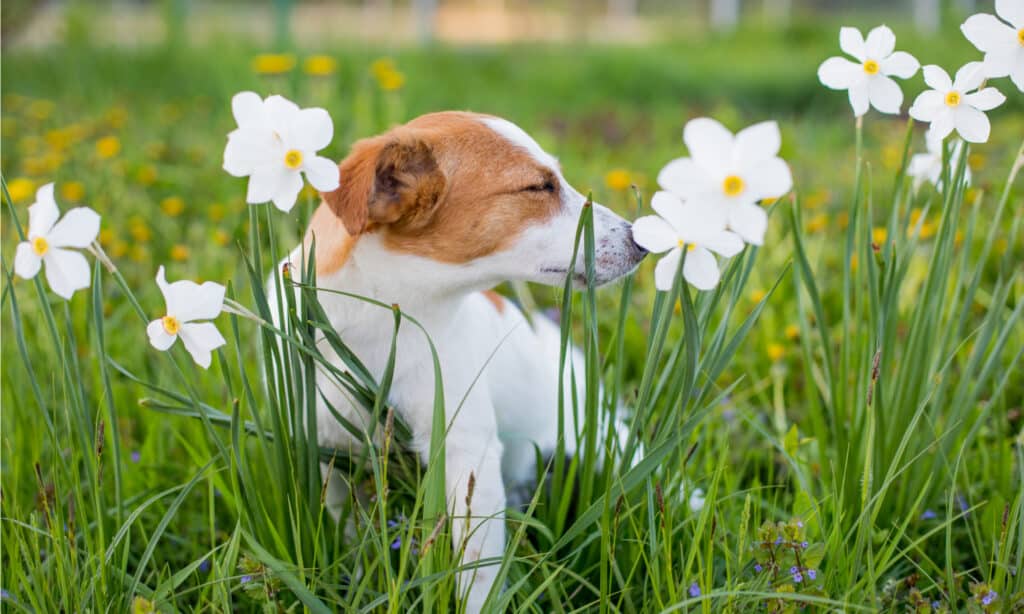
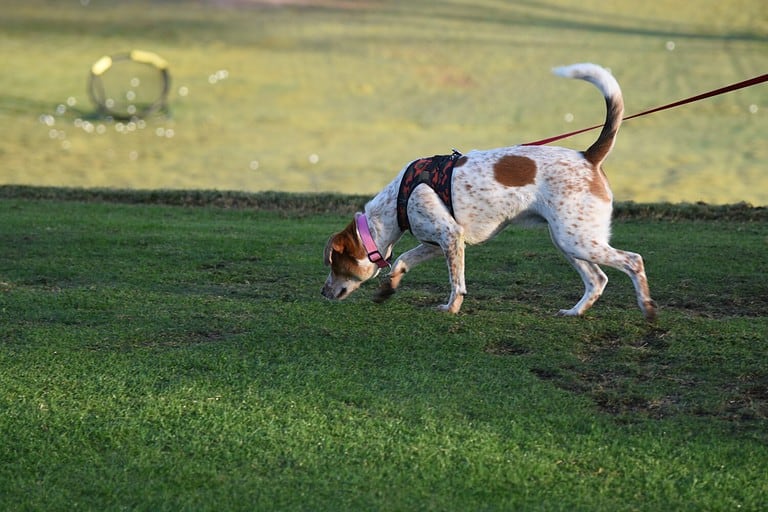
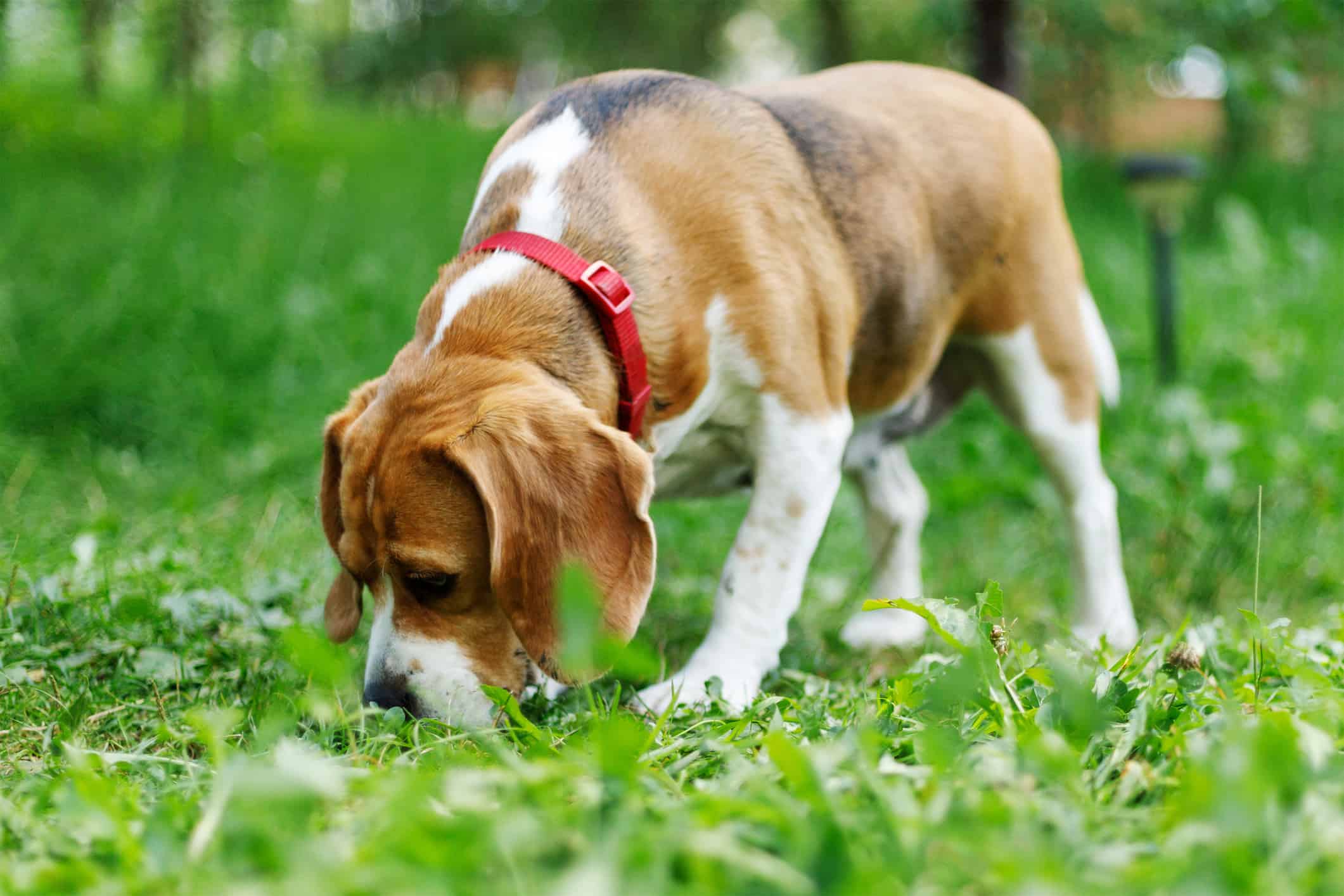
Dogs parse the world around them through their sense of smell.
©Elena Sherengovskaya/Shutterstock.com
Dogs use their sense of smell to understand just about everything they encounter, especially in new places: who has been in an area, how long ago, what sex they were, whether they were stressed or relaxed, even what they might have been eating. In fact, dog-cognition research at Barnard College’s Dog Cognition Lab illustrates how pups rely on smell far more than vision for many of their decisions.
Coleman compares this sniffing process to reading a neighborhood bulletin board: “In my experience, dogs that are given time to read (aka sniff) on walks tend to relax and enjoy the walk more than dogs who are pulled past things they’re interested in smelling. It may seem like nothing to us, but to them, it means the world.”
But sniffing is much more than just a daily information-gathering activity for dogs. Once they’ve gathered intel on the neighborhood, they have to process it. And this processing can be one of the best ways you can exercise your dog’s brain.
Sniffing: a Dog’s Ultimate Workout
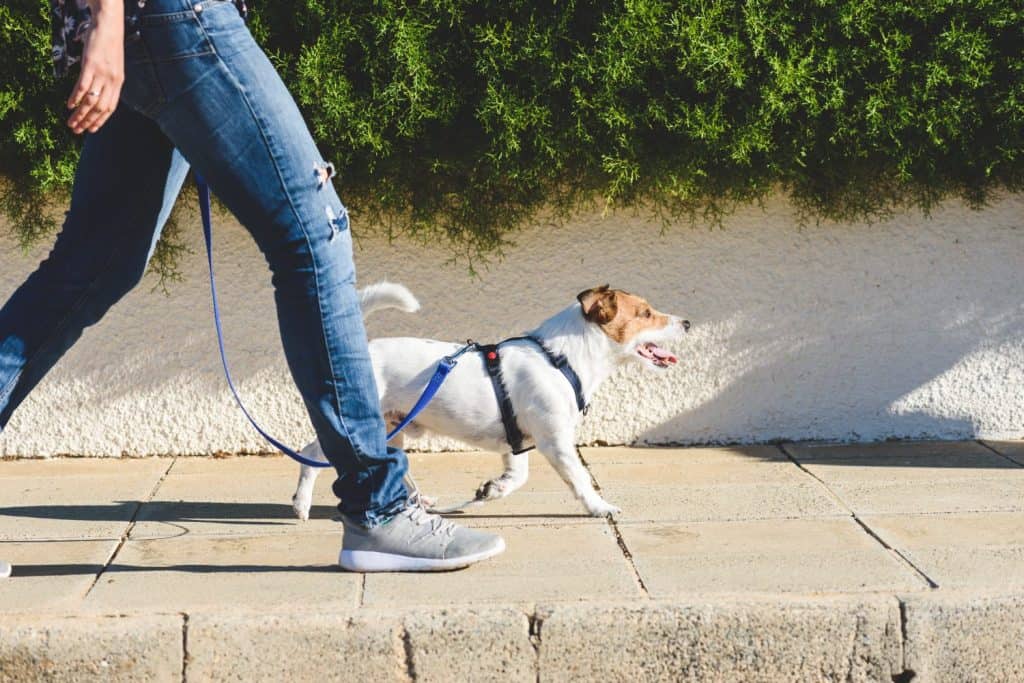
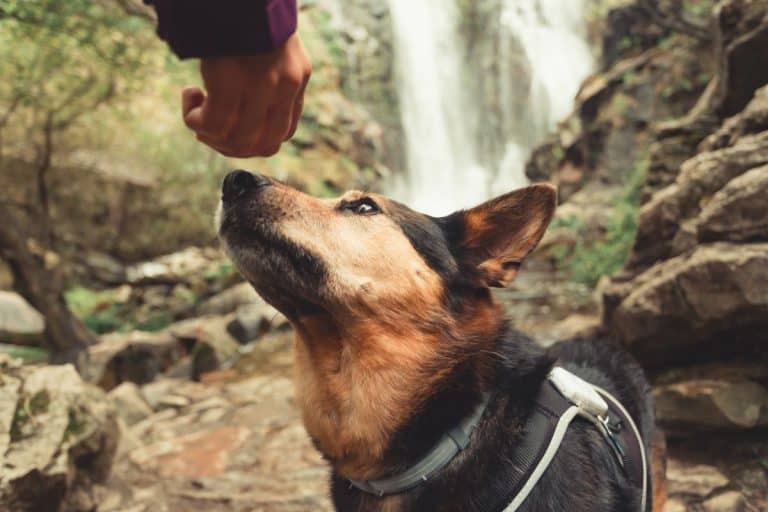
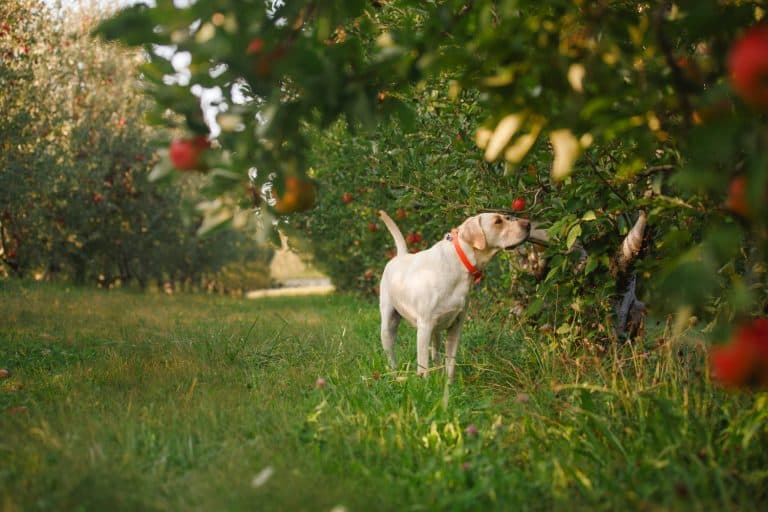
Shorter walks with ample sniffing opportunities can be more exhausting than long walks for many dogs.
©alexei_tm/Shutterstock.com
Multiple studies and research papers note that letting dogs use their noses is one of the most powerful forms of enrichment we can give to our pups. According to these findings, when dogs are allowed to search with their noses and sniff as they so please, they actually gain more autonomy and experience significant improvements in their mood.
Even the American Kennel Club describes sniffing as a dog’s version of social media, emphasizing how mentally stimulating it is. Even a short, sniff-heavy walk often leaves a dog more tired than a longer, tightly controlled one, given just how much work they’re doing while using their respiratory system.
“I see plenty of high-energy dogs. I can walk those dogs for miles, and it won’t make a single difference, but if I work in structured sniff breaks and simple scent games during those walks, the same dogs will come home ready to sleep,” Coleman says. “It’s not a passive activity like most owners think. It’s a real workout.”
Just as a good workout can improve a human’s mood, a sniffing session can do the same for dogs.
Sniffing, Stress, and Your Dog’s Emotional Health
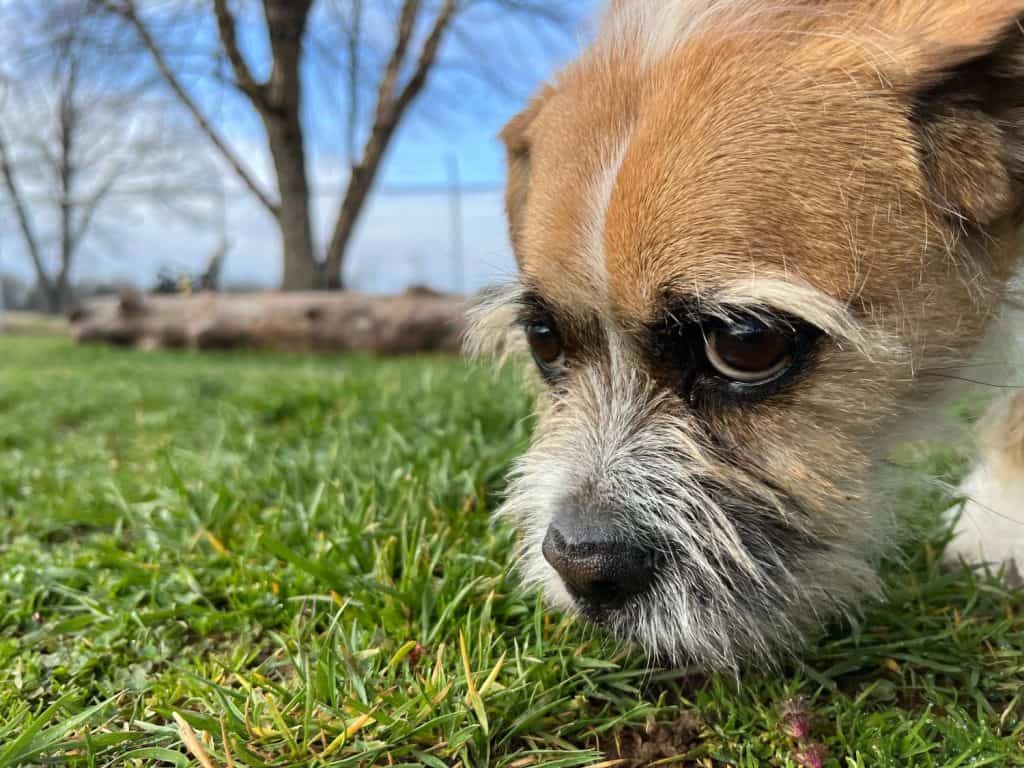
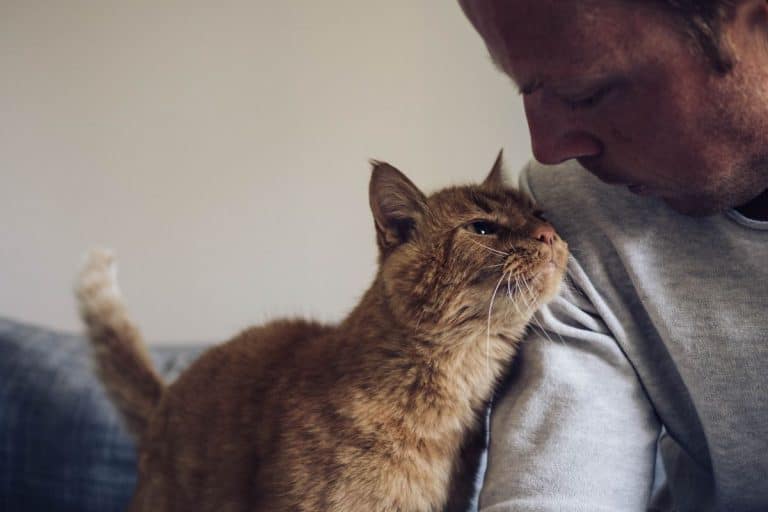
Working sniffing time into daily walks can help a dog unwind and de-stress.
©Ryan Brix/Shutterstock.com
Recent research, including multiple studies published through 2025, supports that sniffing and olfactory enrichment help dogs regulate stress. For example, scent work and free sniffing activities can be used as low-impact ways to reduce reactivity and promote calm behavior. These studies also note that routine sniffing can lower a dog’s heart rate and encourage more relaxed body language, no matter how far a dog walks.
Scent-based tasks also have the potential to increase a dog’s positive judgment bias and may improve their overall resilience to daily stressors. Trainers like Coleman who work with anxious or reactive dogs use regular sniff sessions to help those dogs cope better with their typical triggers.
“Instead of looking for threats or rehearsing the reactive behavior they know and typically rely on, the dog is engaged in a solvable task that anchors their nervous system,” Coleman notes. “That’s why I always work in some type of scent work into my training plans. It ends up being easier to teach them new commands, and I know I’m not stressing them out more than necessary.”
What Are Dogs Gaining When They Sniff?
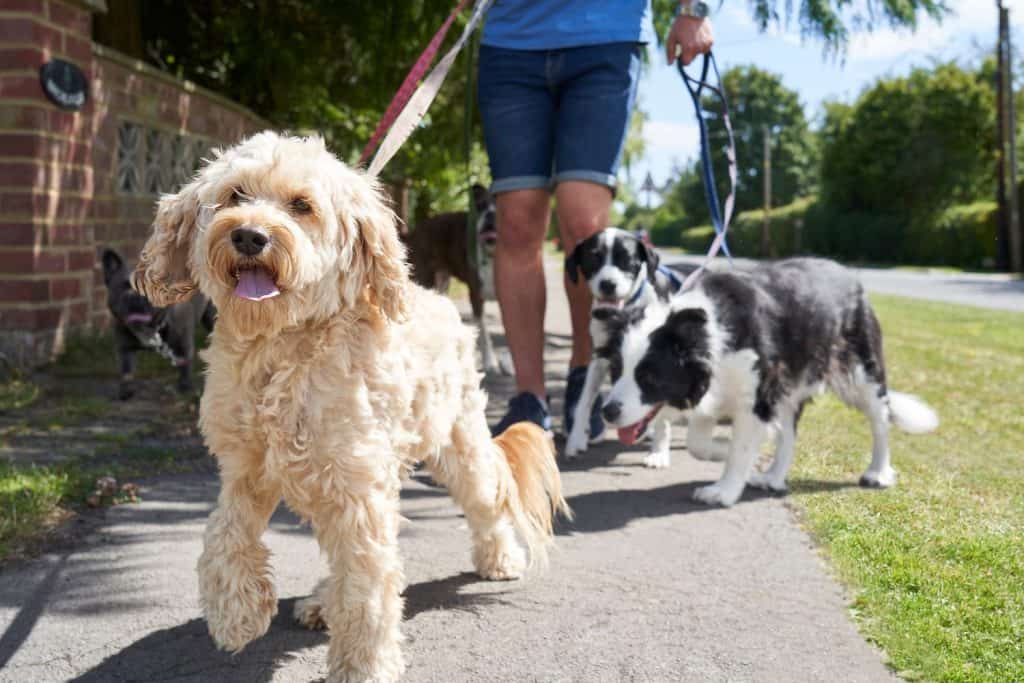
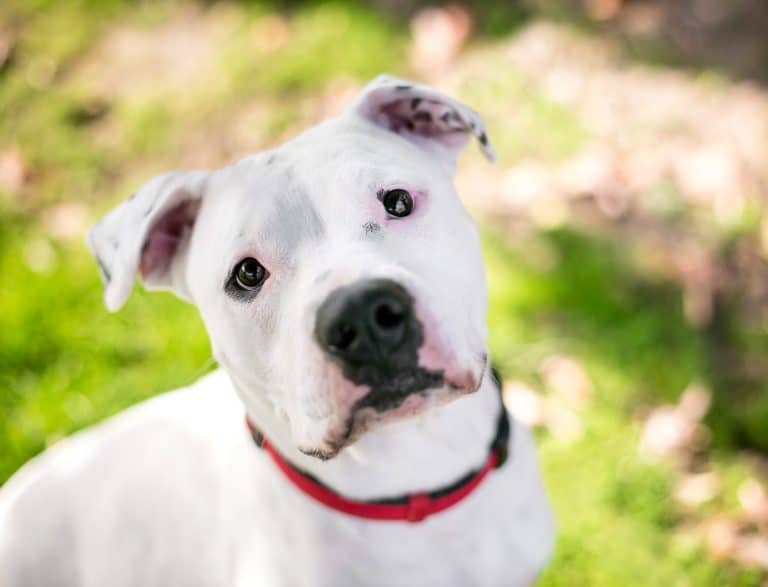
Dogs that are allowed to sniff tend to gain self-confidence and more control over their lives, if only for a moment.
©gemphoto/Shutterstock.com
A dog reading scent marks on their daily walk is gathering updates, something that’s deeply satisfying and part of normal social behavior for dogs. The analogy to social media is particularly apt; they’re getting their daily scrolling time in the neighborhood, checking in on the squirrels and strangers and other dogs they’ve yet to meet in person.
Coleman adds another interesting layer to sniffing walks: “Sniffing is one of the few moments in life where a dog is allowed to lead. On most walks, people choose everything from the pace to the route, but when allowed to sniff, the dog has control over what to investigate and how long to linger. Even this simple choice, to let a dog be in control, can really boost their self-esteem.”
In work with sensitive dogs in particular, Coleman has this to say: “Many sensitive or emotionally in-tune dogs spend their days reading human emotions, household vibes, and are just constantly stimulated. Regular opportunities to pursue scents give them a chance to step out of that constant monitoring role. They’re allowed to let go.”
Reframing Walks with More Sniffs in Mind
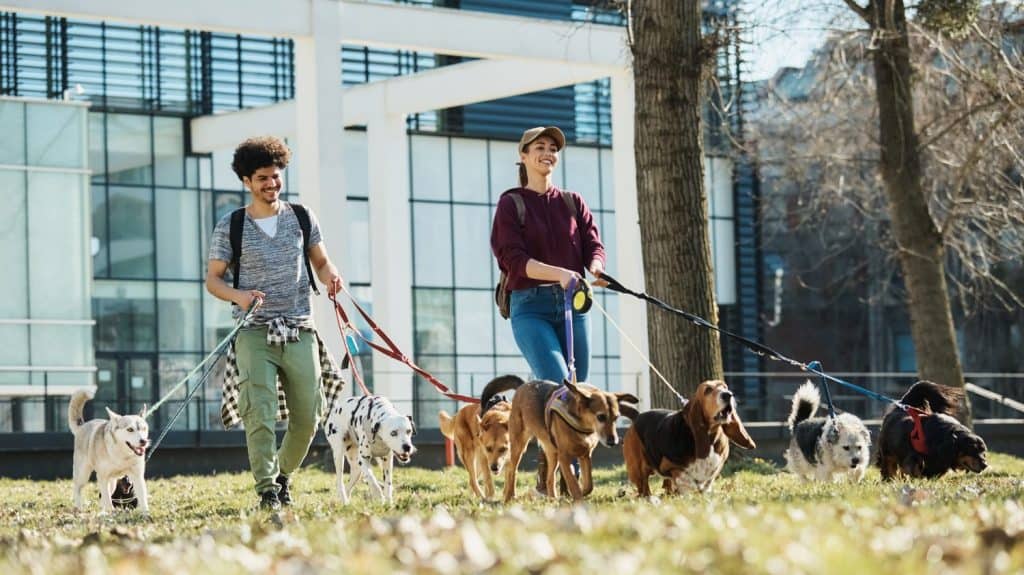
Specific commands for sniff walks can help your dog develop more structure and routine while on these types of outings.
©Drazen Zigic/Shutterstock.com
Coleman was quick to note that dog owners shouldn’t abandon structure in favor of free-range sniffing when on their daily walks. Instead, she suggested dividing walks into clear “work” and “sniff” segments so both parties know what is happening and when.
“I use the command of ‘free’ whenever I want a dog to do what they want to do,” she says. “This essentially means they can set the pace, go wherever they want while still on-leash, and find those good sniffs that they might otherwise miss during concentrated training sessions.”
Coleman also notes that a walk doesn’t need to cover a huge distance to be valuable to pups. She says, “If you have a working dog, a longer walk might be necessary. But for city dogs or pups that aren’t used to too much exercise, a fifteen-minute loop around a single block with plenty of sniff opportunities can be all you need. Even repeating the loop will engage them, because they’re highly likely to smell something new.”
If your pup tends to push boundaries, it’s important to structure sniff walks accordingly. Here are some tips for facilitating these strolls without letting your dog take over.
In my experience, dogs that are given time to read (aka sniff) on walks tend to relax and enjoy the walk more than dogs who are pulled past things they’re interested in smelling.
Teagan Coleman, dog behaviorist and trainer
Tips and Boundaries for Safe Sniff Walks
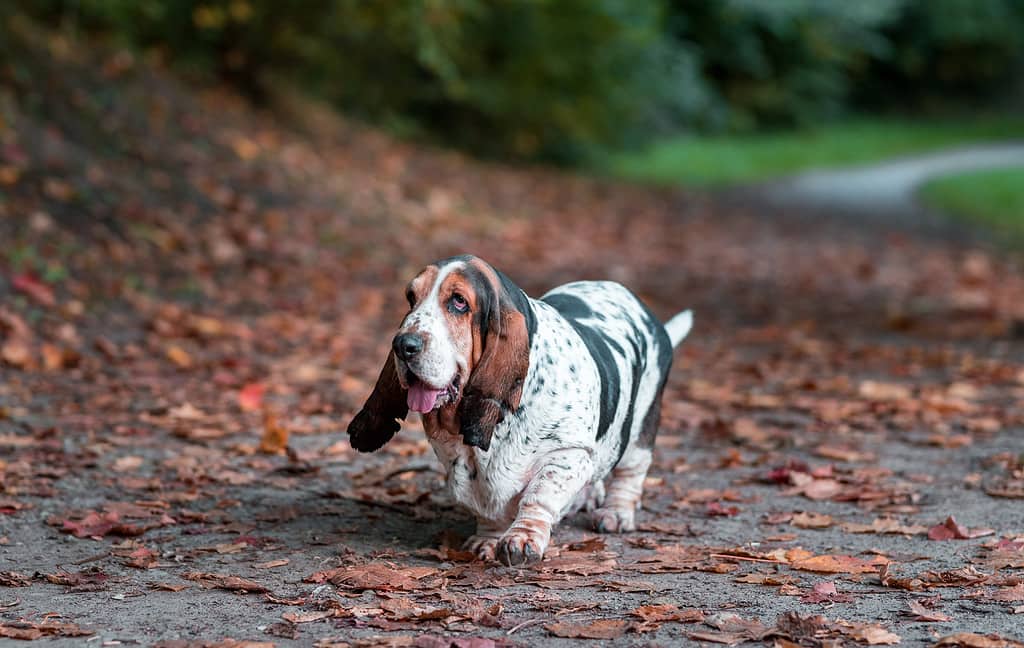
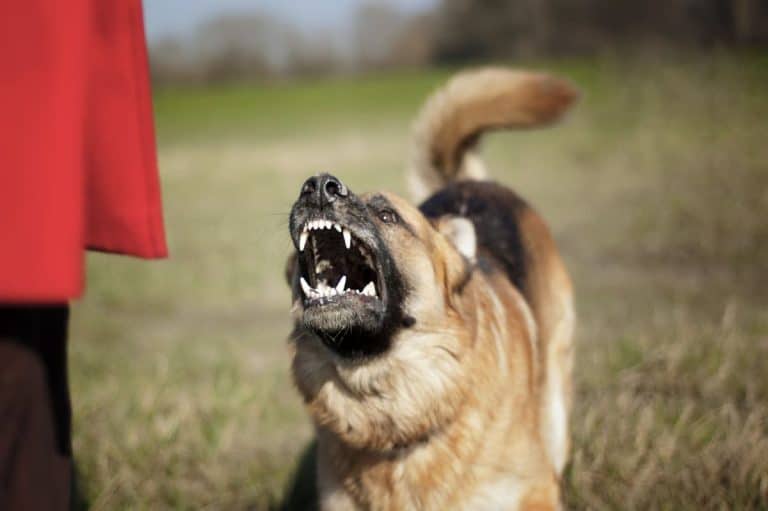
Remember that boundaries are still necessary to put in place when taking your dog on sniff-oriented strolls.
©Mindaugas Dulinskas/iStock via Getty Images
First things first: sniffing does not mean letting your dog drag you around on a walk, especially toward unsafe places. A few practical boundaries help these daily outings stay sustainable and fun for all involved.
Coleman says harnesses and longer leashes can make sniffing walks more pleasant. “Just make sure to keep them away from trash or areas that might have chemicals, and invite them to sniff a safer patch instead,” she says. “You should also try to establish some level of focused walking with dedicated sniff spots so you can also feel like you’re getting your steps in.”
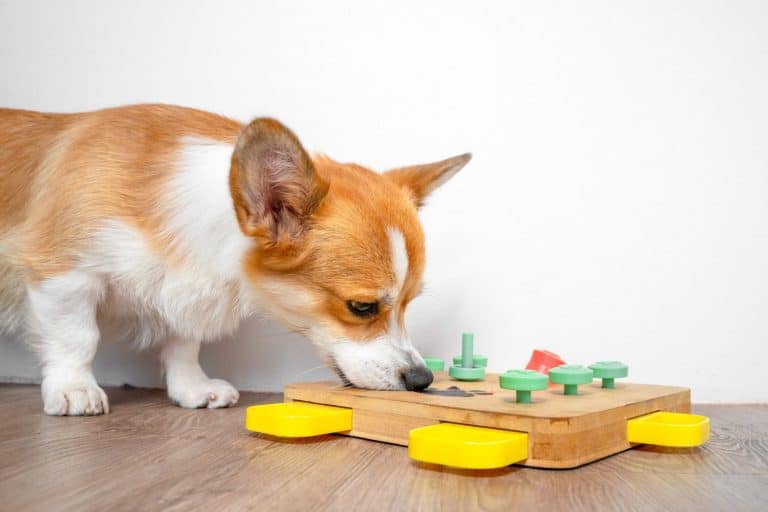
However, not every dog parent can commit to long, meandering walks every day, and some dogs will be limited by their age, the weather, or other potential medical issues. The good news? The same nose-based benefits dogs gain on walks can be achieved at home with the right tools.
Alternatives to Long Sniffing Walks
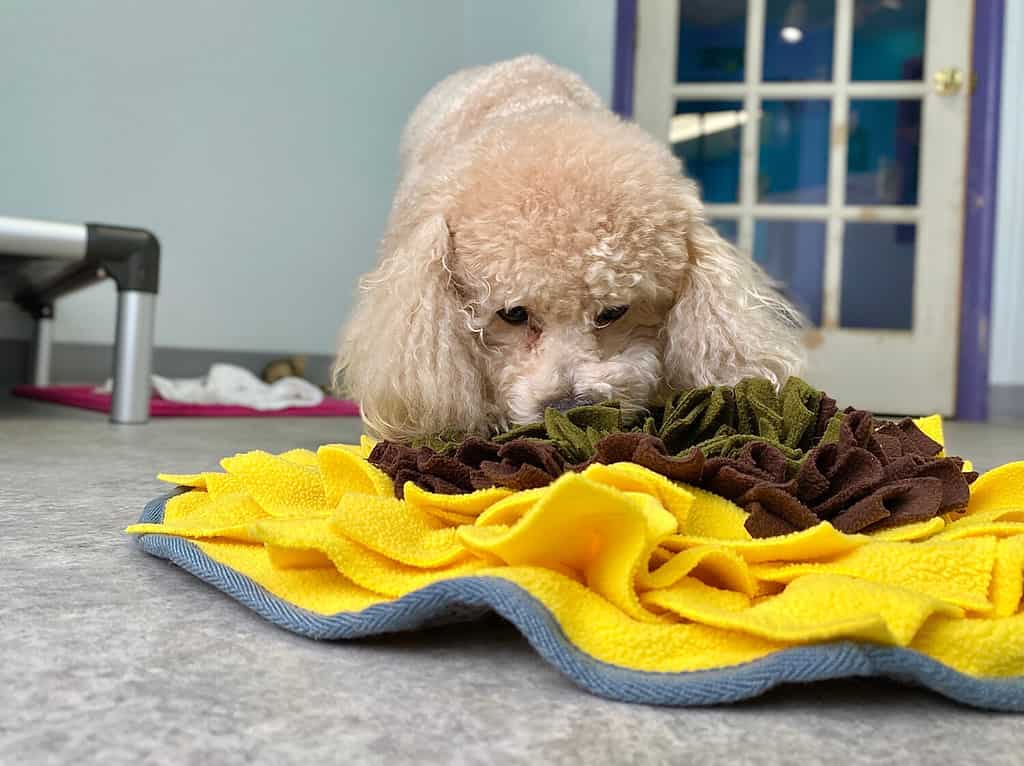
Snuffle mats are a perfect alternative to long sniffing walks and can be ideal for those with reactive dogs.
©Ryan Brix/Shutterstock.com
Coleman has some good advice for owners who can’t commit to regular, lengthy sniff walks: “Snuffle mats are a popular starting point, those fabric mats that hide treats or kibble. Dogs activate the same muscles and senses when they’re rooting around in those.” Scatter-feeding in the yard or around the house can also provide daily sniffing exercises, all without leaving the property.
Indoor scent games are another accessible option. Coleman recommends an easy game of hide and seek with treats or your dog’s favorite toy. “Once they understand the command associated with the activity, you can use cardboard boxes or even introduce basic nose work with cotton balls scented with safe essential oils. This is the basis of any type of scent work training, something hound dogs love in particular,” Coleman says.
Outdoor scent work can also be scaled in a similar way, according to Coleman: “You can satisfy a dog’s tracking instincts by hiding toys or treats in your driveway, backyard, wherever you can. If that’s not enough, scent work classes through local clubs exist, and trainers who specialize in this can help tailor activities for your dog as they develop a relationship with them.”
As of 2025, both online and in-person scent work classes and trainers are widely available for dog owners seeking enrichment alternatives.
Coleman adds, “I incorporate this kind of enrichment into training programs for clients who struggle with time, mobility, or reactive dogs that find typical neighborhood walks overwhelming. This way, their dog still gets multiple chances to engage their nose and brain, even when life doesn’t always have the time for it.”
Why Letting Dogs Sniff Is Worth It
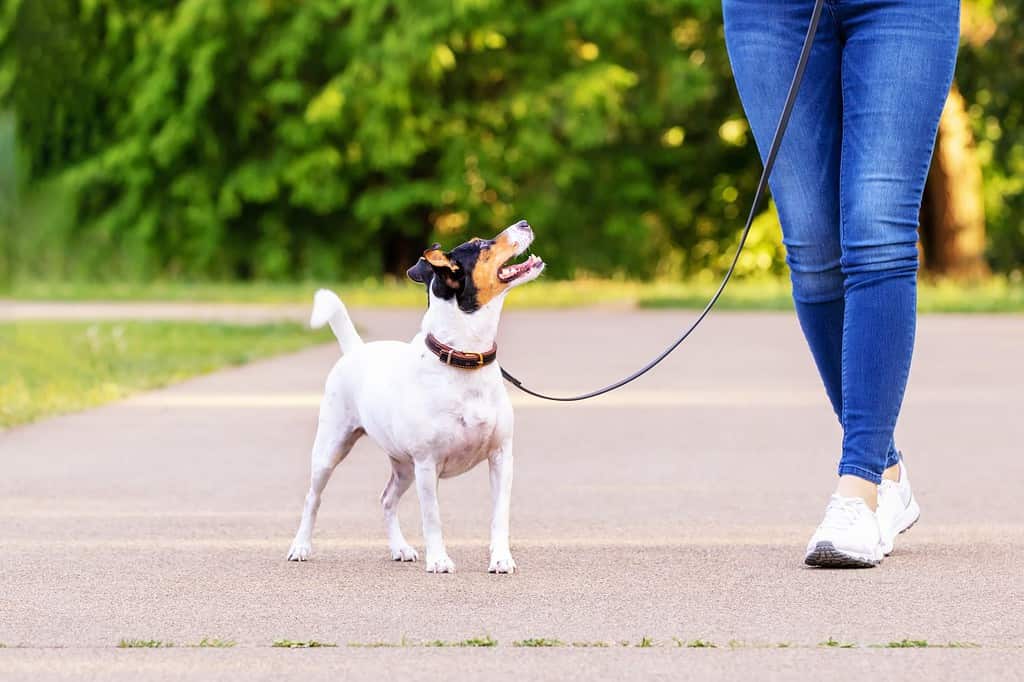
Walks don’t have to be all about exercise; sniffing can be the exercise for dogs.
©Meriluxa/Shutterstock.com
Dogs have extraordinary noses and brains built to interpret scent, which is why allowing them the time and opportunity to sniff regularly has so many benefits. Recent scientific reviews and professional trainers like Coleman continue to report that regular sniff time is associated with calmer and more satisfied dogs compared to those who do not have these opportunities.
“Sniffing is not designed to be a distraction from a walk or a dog’s daily exercise; it is a central part of what makes the walk meaningful to a dog,” she says. “Sniffing is never a waste of time, even if it feels like it for humans. If you let your dog sniff, you’re giving them a more fulfilling life, one good smell at a time.”