
Quick Take
- Hunters spurred modern wildlife conservation by advocating regulations after the 19th-century overhunting and habitat loss.
- Hunting fees and taxes fund conservation programs such as the Duck Stamp Act, Pittman-Robertson Act, and Dingell-Johnson.
- Biologists use harvest data from hunters to track populations and set hunting seasons.
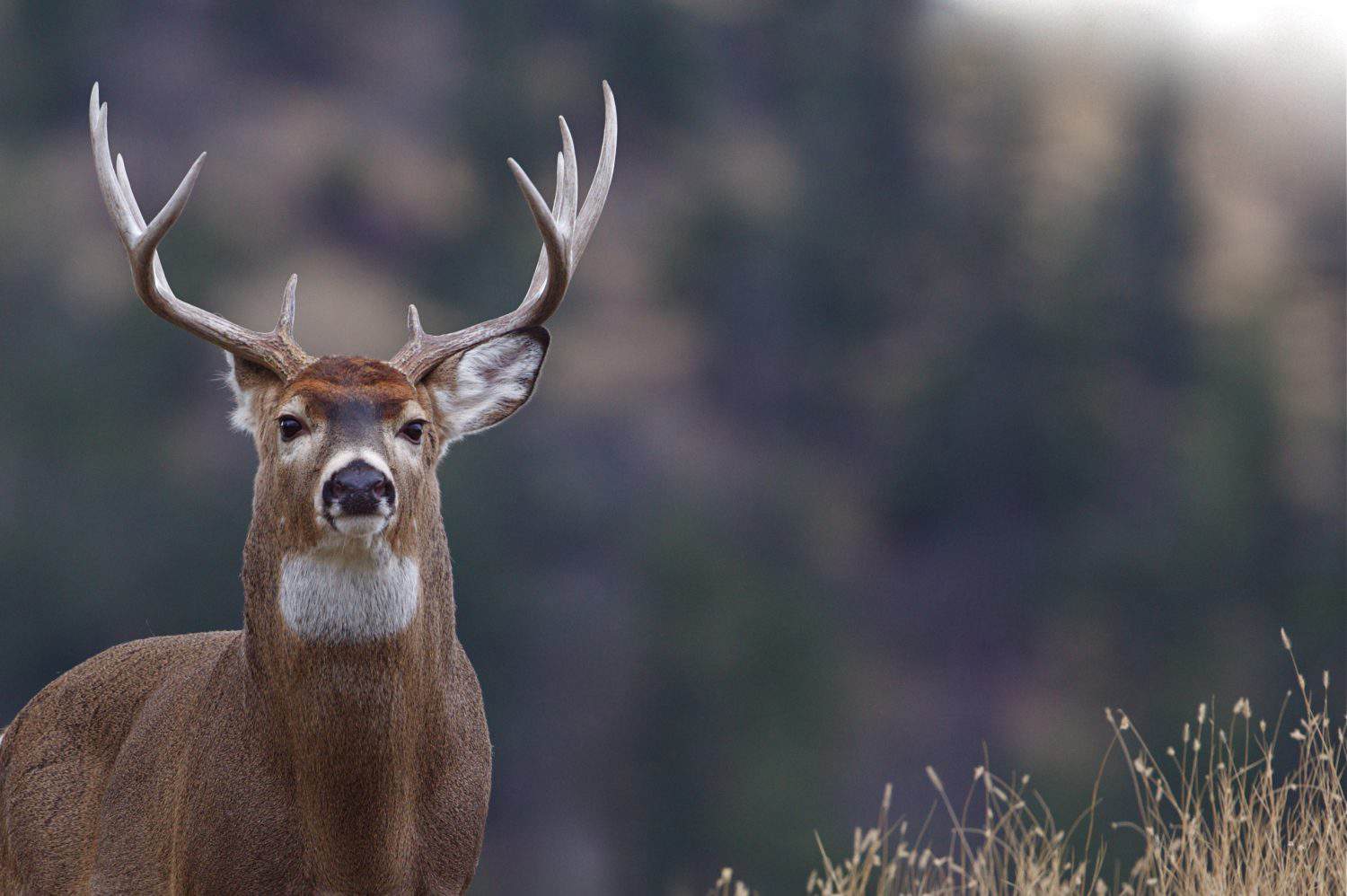
Unregulated hunting in the 1800s led to the decline of many North American species, in particular bison, passenger pigeons, and white-tailed deer. While passenger pigeons have been extinct for over 100 years, white-tailed deer have successfully recovered, and bison are making significant comebacks. An unexpected driving force was behind those recoveries: hunters, including President Theodore Roosevelt, who spurred the modern conservation movement. And even today, hunters help fund conservation through licenses and excise taxes.
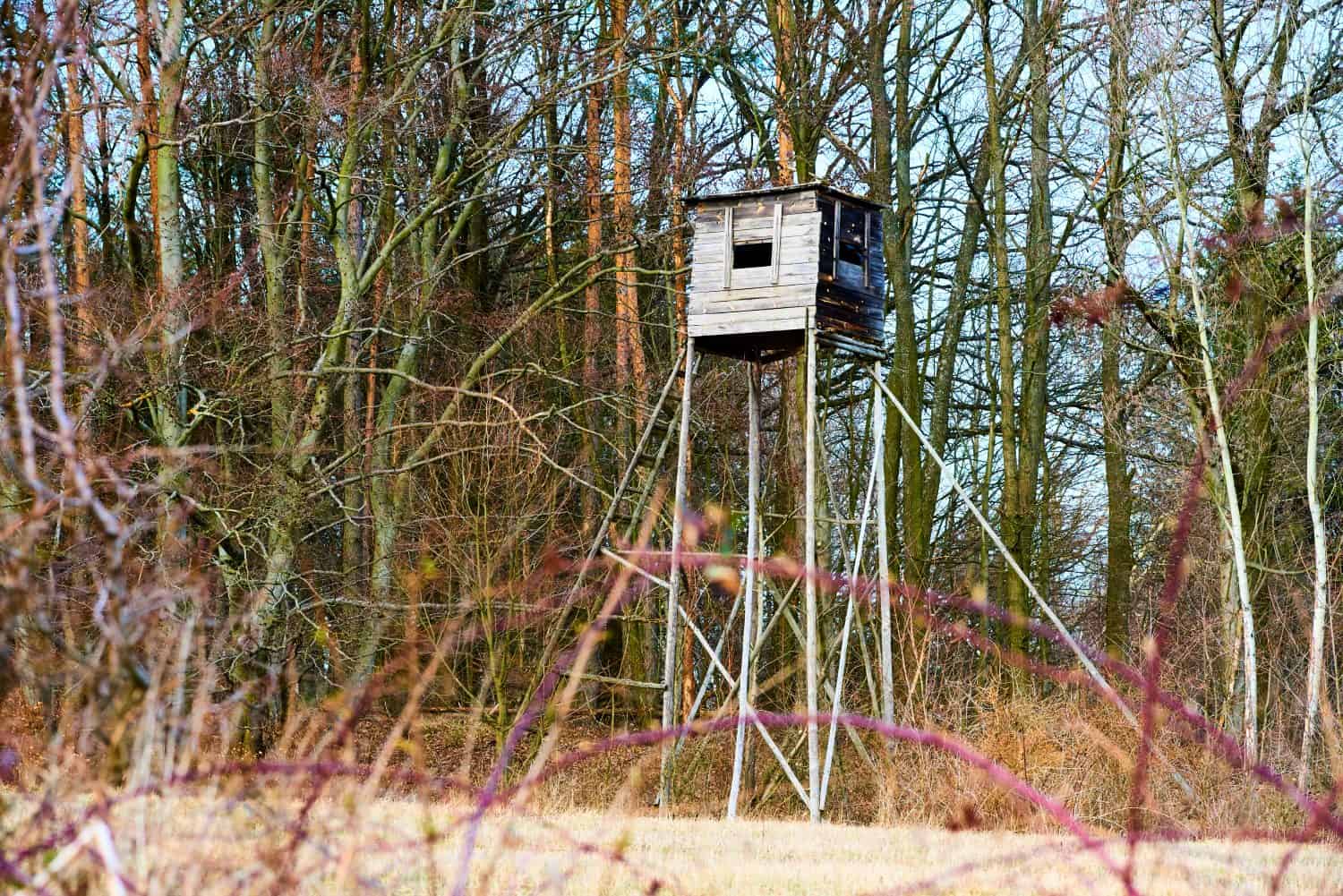
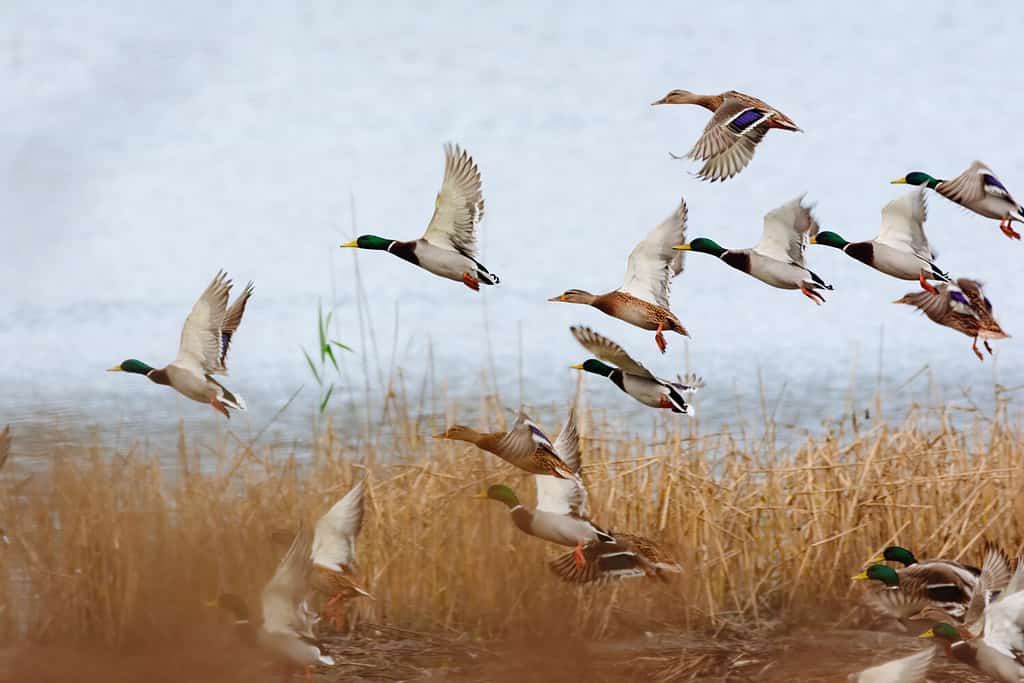
Hunters’ license fees and taxes help to fund state wildlife management.
©Petr Bonek/Shutterstock.com
How Modern Wildlife Management Evolved
Hunters saw the decline of many species as animals were overhunted and wildlife habitats were destroyed during the 19th century. Towards the end of the 1800s, hunters began to advocate for hunting regulations to help conserve the wilderness that was in danger of being lost. By the early 1900s, their work paid off, and wildlife protection laws began to be passed by Congress. For example, the Lacey Act of 1900 banned transporting fish, plants, or wildlife that were illegally killed across state lines. The Migratory Bird Treaty Act of 1918 protected migrating birds.
Roosevelt’s Love of Hunting Led to His Conservation Efforts
Roosevelt played a key role in the wildlife conservation movement of the early 1900s. His love of hunting and time spent in the wilderness gave him firsthand insight into how unregulated hunting and habitat destruction were depleting America’s natural resources. Roosevelt was an avid hunter, but he is also known as the “Conservation President” for his efforts to establish public lands.
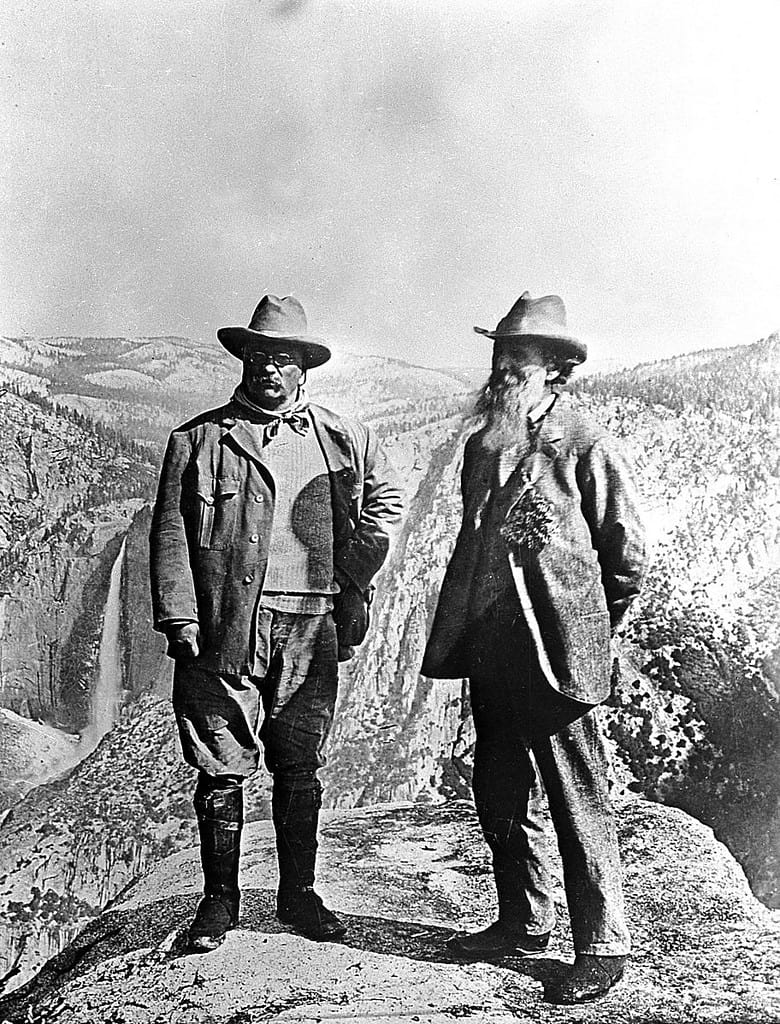
Naturalist John Muir persuaded Theodore Roosevelt of the importance of wildlife conservation through federal protection laws.
During his time as president from 1901 to 1909, Roosevelt was responsible for establishing 230 million acres of public lands, with 150 million acres set aside as national forests. We have Roosevelt to thank for the remote wilderness that remains around the Grand Canyon. When Congress wouldn’t agree to make the Grand Canyon a national park, Roosevelt used his executive power to protect it as a national monument.
In 1903, Roosevelt gave a speech at the Grand Canyon where he said, “In the Grand Canyon, Arizona has a natural wonder which is in kind absolutely unparalleled throughout the rest of the world. I want to ask you to keep this great wonder of nature as it is now. I hope you will not have a building of any kind, not a summer cottage, a hotel, or anything else, to mar the wonderful grandeur, the sublimity, the great loneliness and beauty of the canyon. Leave it as it is. You cannot improve on it. The ages have been at work on it, and man can only mar it.”
How Do Hunters’ Fees and Licenses Fund Conservation?
Today, hunters directly fund conservation efforts through fees and licenses. For example, since 1934, the Duck Stamp Act has required that people hunting ducks and geese buy a federally issued stamp. According to the North Carolina College of Natural Resources, the Duck Stamp Act has generated $1.1 billion and led to preserving 6 million acres of habitat for waterfowl.
Proceeds from the Duck Stamp Act help fund the Migratory Bird Conservation Fund.
©Creaturart Images/Shutterstock.com
In 1937, Congress passed the Pittman-Robertson Act, today known as the Federal Aid in Wildlife Restoration Act. This program provides funds to state fish and wildlife agencies and has raised over $12 billion since it began. The Dingell-Johnson Sport Fish Restoration Act of 1950 also funds state conservation by taxing fishing equipment. Finally, hunting licenses raise $796 million annually. According to the U.S. Fish and Wildlife Service, hunters’ taxes and fees contribute about $1.6 billion per year to state wildlife conservation.
Biologists Rely on Harvest Data From Hunters
When hunters provide information about their harvests at checkpoints or through surveys, biologists use this data to track animal populations, estimate population health, and set appropriate hunting season timelines. For example, hunting data is used to conduct the USFWS Migratory Bird Harvest Survey. This survey helps states set hunting seasons and bag limits. Also, end-of-season data from deer hunters helps biologists understand herd health and reproduction success.
Why Hunters and Poachers Are Not the Same Thing
Hunters follow regulations and only hunt during designated seasons and hours. They pay taxes and fees, which contribute to state wildlife agencies. Hunters follow regulations regarding bag limits, equipment, tagging, and property boundaries. Hunters also directly donate to wildlife conservation. For example, the Rocky Mountain Elk Foundation (RMEF) is a hunter-driven, non-profit organization that contributes to the protection of big game wildlife and their habitats.
Poachers, on the other hand, do not pay taxes or fees, hunt out of season, and exploit animals for profit. Poachers can devastate a species, such as elephant poachers in the illegal ivory trade. Unlike regulated hunting, which helps ensure species survival, poaching destroys ecosystems without any regard for conservation.