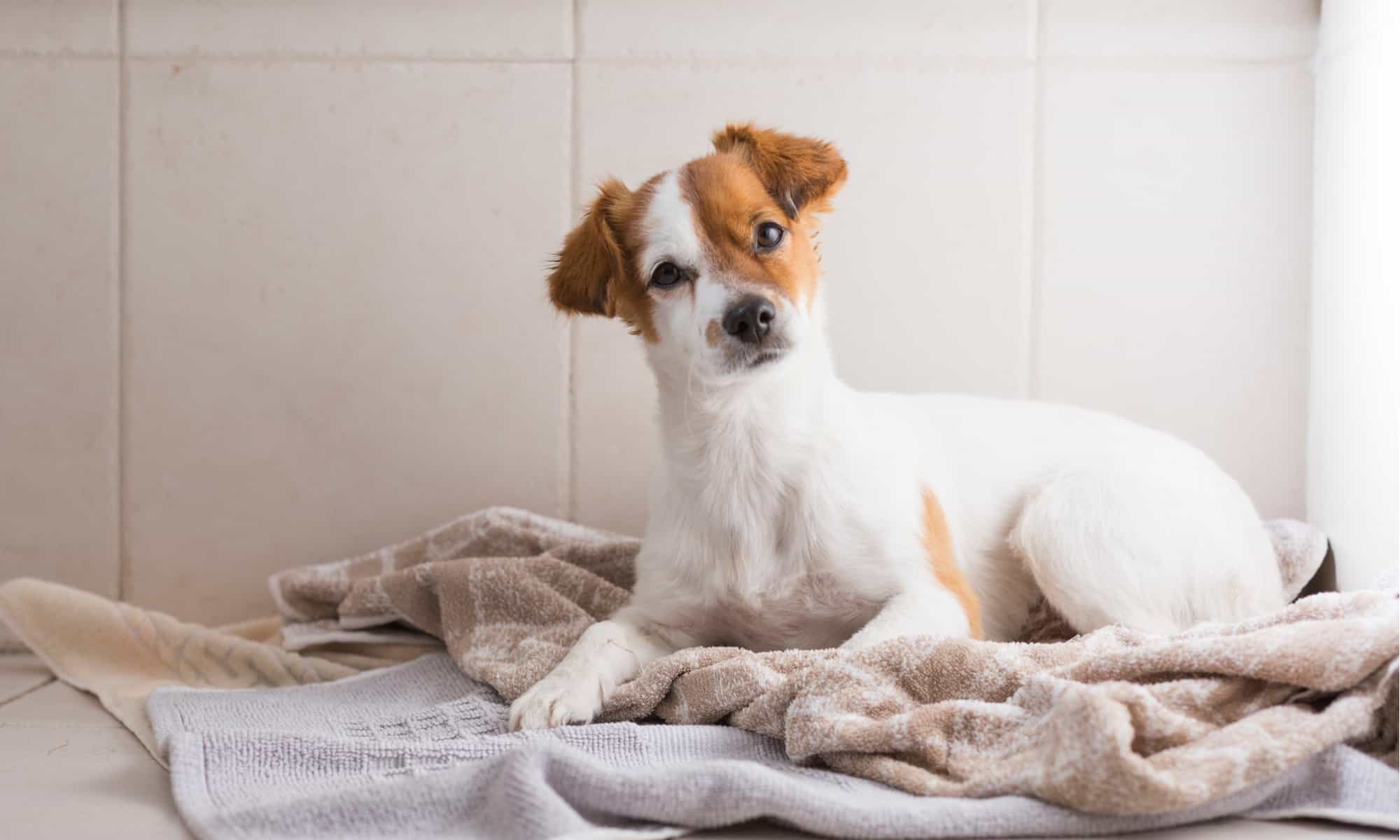

If you have a dog, you likely know that personal space seemingly doesn’t exist to them. Some pups will even follow their owners into the bathroom. While this adorable habit can be flattering, it can also be a bit much at times. Wondering why your pup won’t let you pee in peace? Here are six reasons dogs follow their owners into the bathroom.
1. Pack Instincts
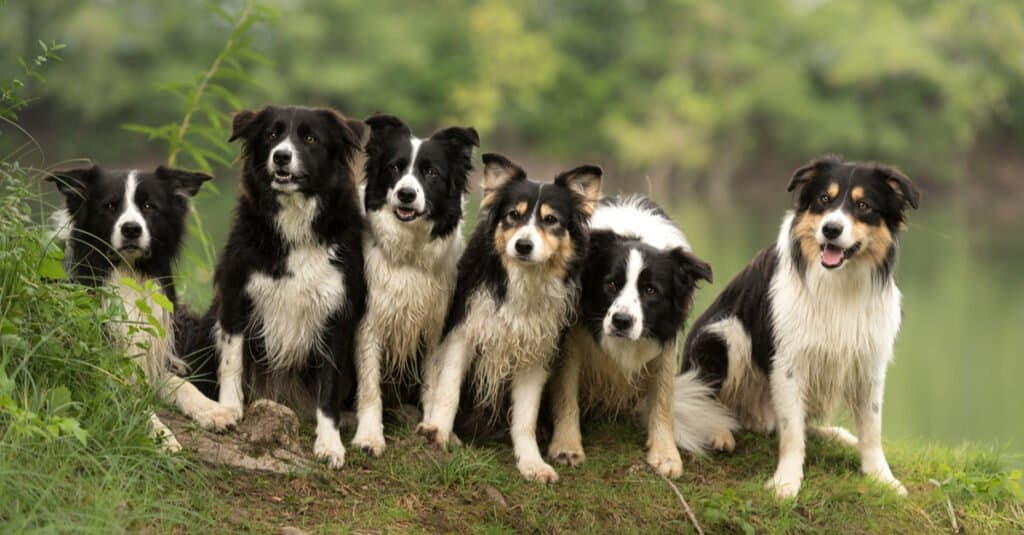
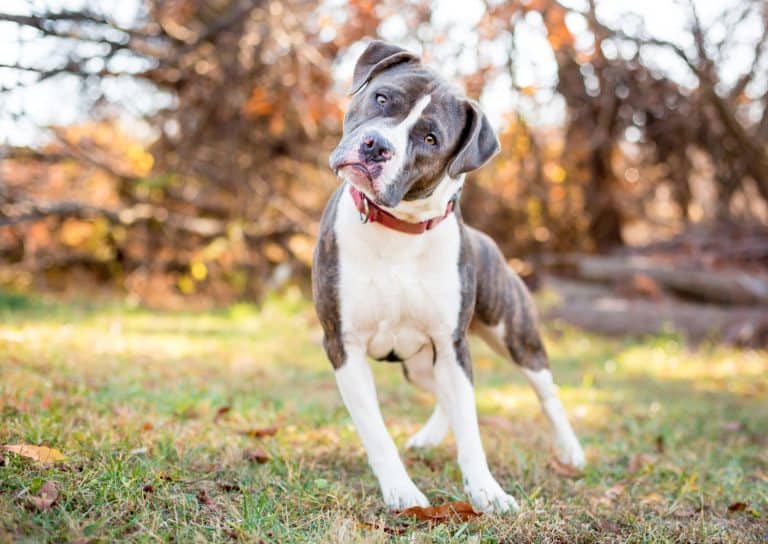
A group of dogs is called a pack.
©iStock.com/K_Thalhofer
Dogs are born with pack instincts, meaning they’re not meant to live as solitary animals.
“Dogs come from wolves, who survive by sticking together as a pack,” says Alexandra Bassett, Lead Dog Trainer and Behavior Consultant at Dog Savvy. “Staying close to one another means safety from predators, better chances at hunting, and stronger bonds.”
While you may logically understand that your dog doesn’t need to follow you into the bathroom and can be alone for a few minutes, your pup doesn’t always realize this.
“Even though our dogs don’t need to hunt or defend the den anymore, that instinct to keep track of their ‘pack’ never really went away,” Bassett explains. “That’s why many dogs trail us from room to room, including the bathroom. From their perspective, you’re part of the pack, and your movements are always worth keeping an eye on, even if what you’re doing doesn’t seem very exciting (or you’d rather have some privacy).”
2. Curiosity
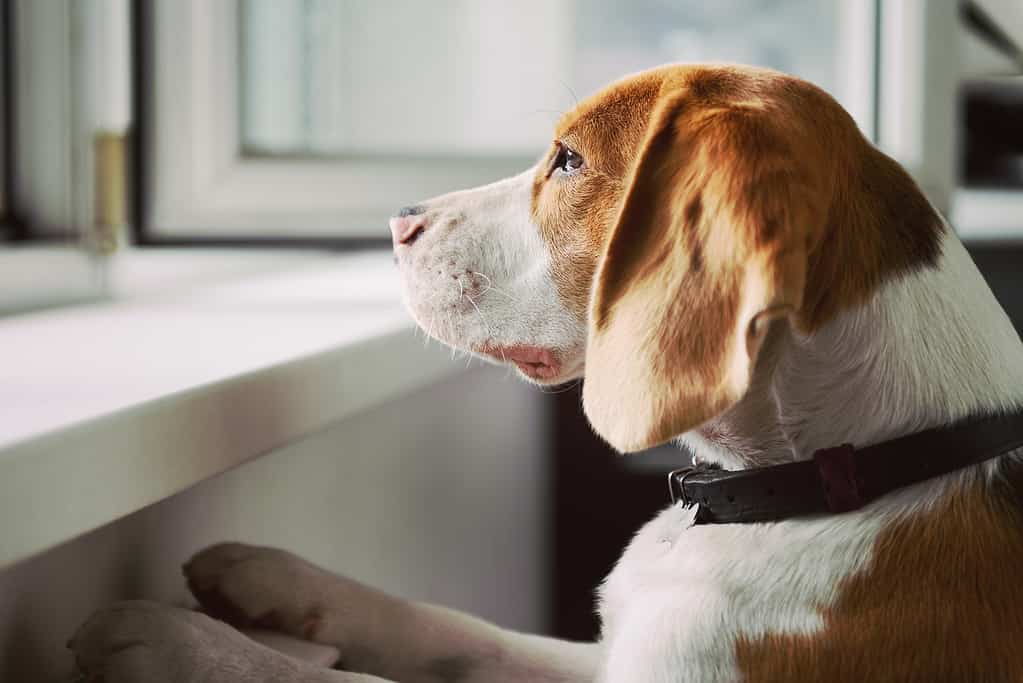
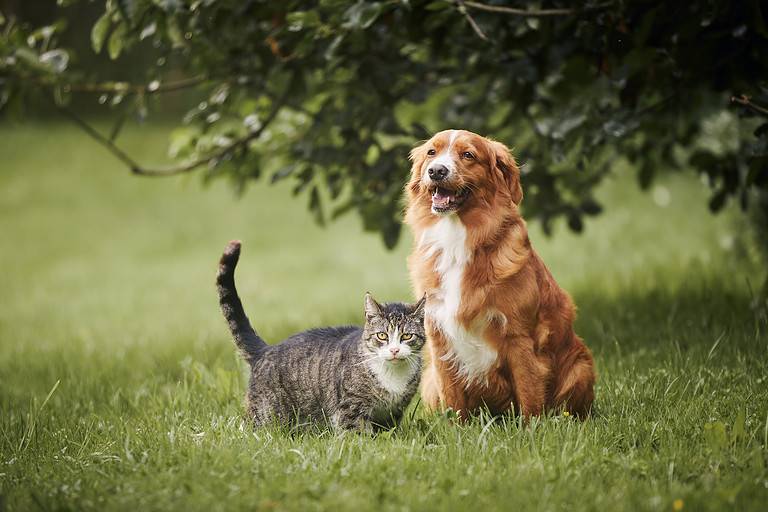
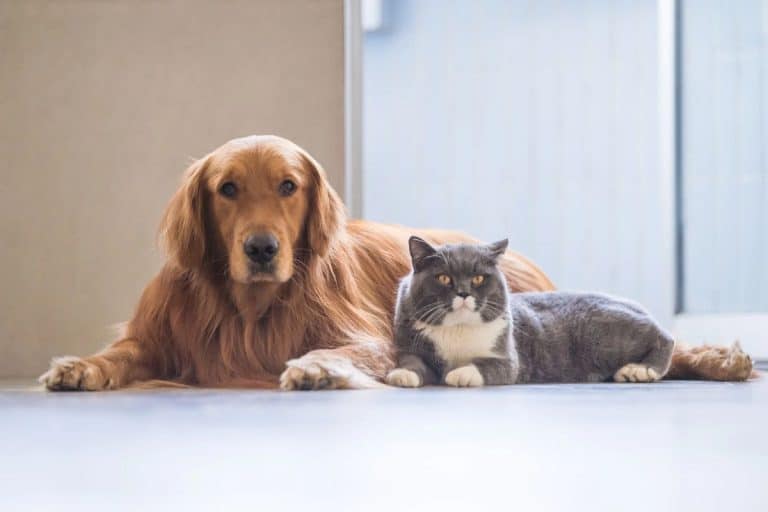
Dogs can be just as curious as cats.
©Tetiana Garkusha/iStock via Getty Images
While cats might have a reputation for being curious creatures, dogs aren’t much different in this regard.
“Dogs are naturally curious,” says Dr. Liza Cahn, Veterinarian at Embrace Pet Insurance. “The bathroom may be enticing because it contains different sounds, smells, and objects. A closed door can also pique that curiosity.”
3. The “Secure Base Effect”
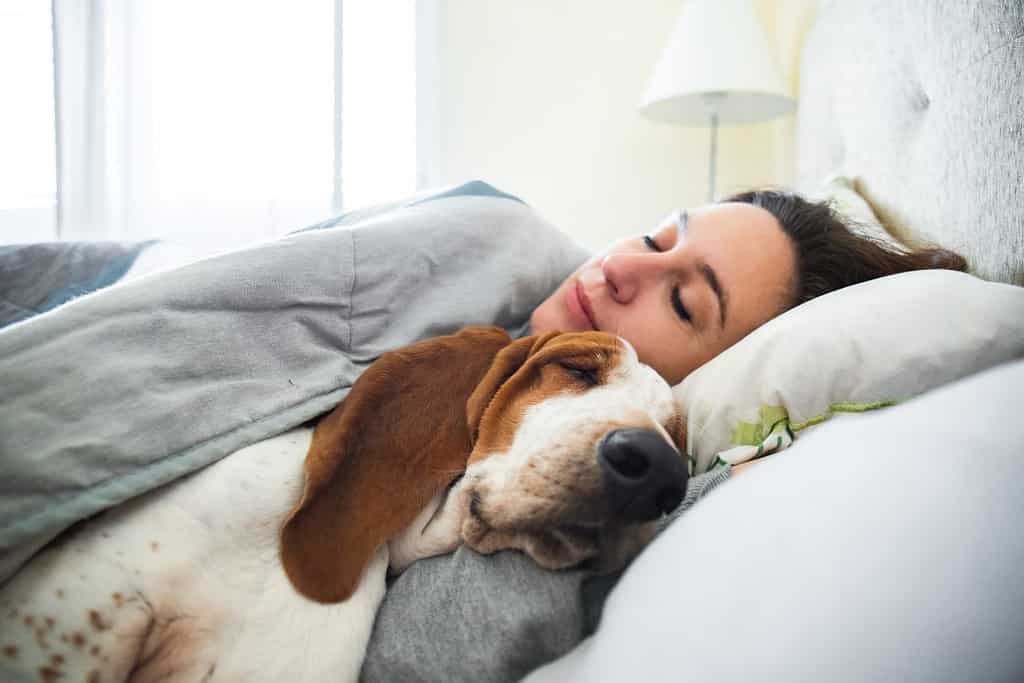
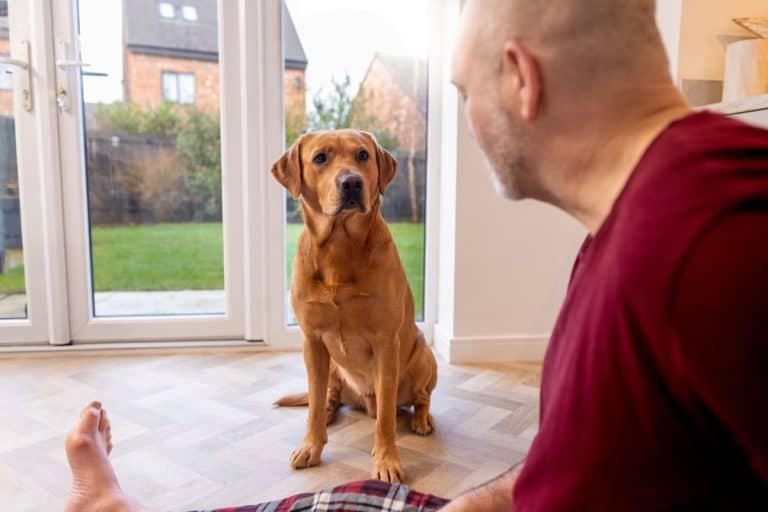
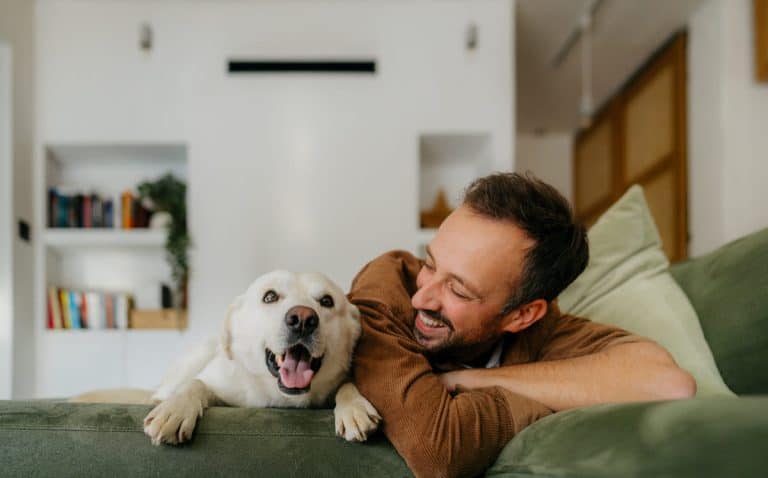
Dogs tend to feel safe with their owners.
©Daniel Myjones/Shutterstock.com
If your dog follows you everywhere, take it as a compliment: they likely feel safe with you.
“Behavioral research shows that dogs, much like young children, rely on their primary caregiver as a ‘secure base,’” says Bassett. “This means they feel safer exploring the world when they know their person is nearby if things get overwhelming.”
So, your dog likely isn’t trying to be annoying or invade your personal space. They’re simply seeking reassurance that you’re not leaving them behind.
“Your dog might follow you into the bathroom because your presence makes them feel secure,” Bassett says.
Even though our dogs don’t need to hunt or defend the den anymore, that instinct to keep track of their ‘pack’ never really went away.
Alexandra Bassett, Lead Dog Trainer and Behavior Consultant at Dog Savvy
4. Routine and Positive Reinforcement
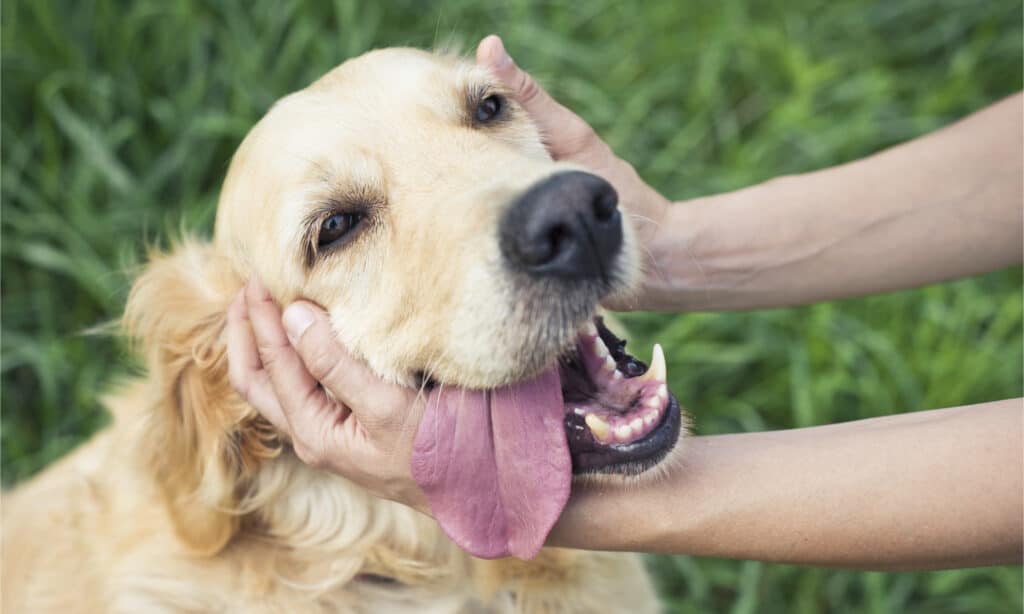
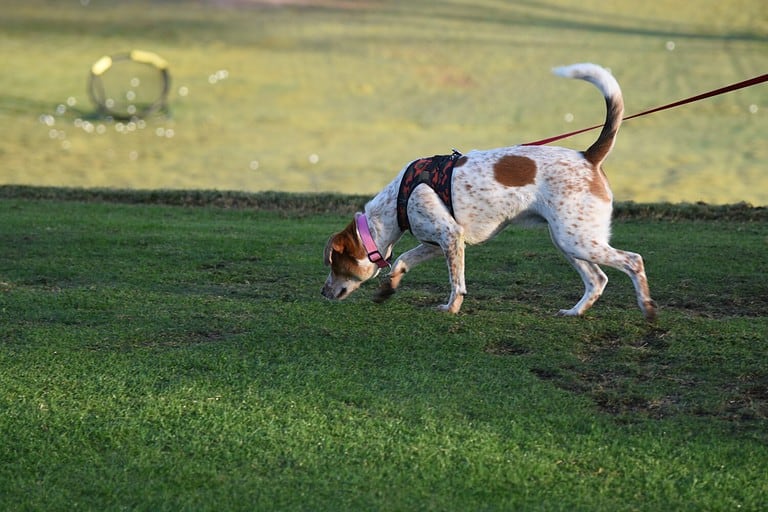
Dogs respond well to positive reinforcement.
©archimede/Shutterstock.com
Sometimes, dogs simply operate out of routine. If you’ve never told your pup “no” or you’ve responded positively to their presence and clinginess, they might think you want them to follow you.
“If you react by petting or praising them, this will also reinforce the behavior,” says Dr. Cahn.
Thankfully, there are a few ways you can help break this habit so you can use the bathroom in peace.
“If you love your dog but also want privacy in the bathroom, you may want to work on independence training,” Dr. Cahn explains. “Ensure that your dog has a cozy bed, mat, or crate, and teach them to go to their place on command. You can also establish a daily routine that includes downtime, in which you are home but your dog is apart from you and independently engaging with a toy or treat.”
5. Clinginess
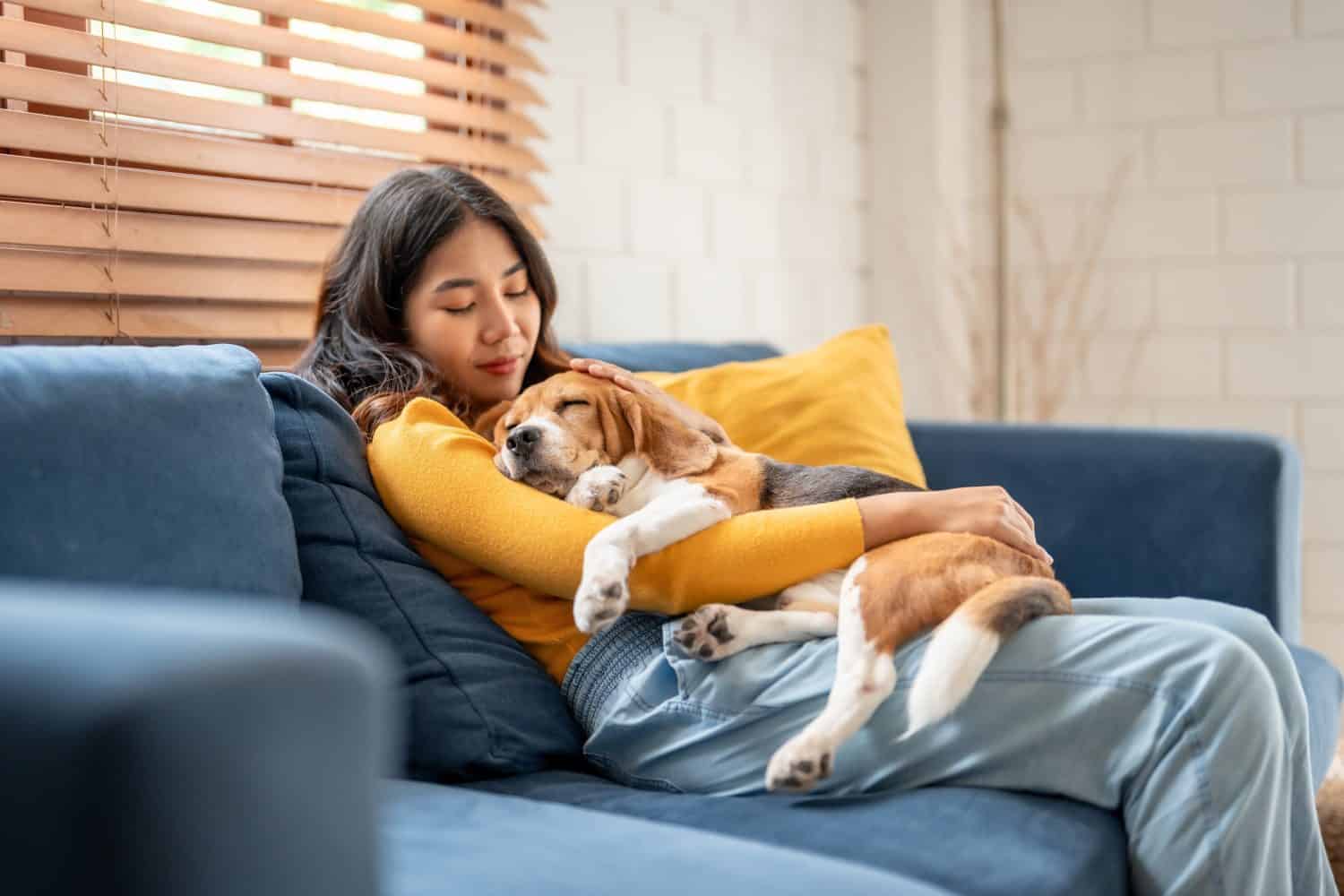
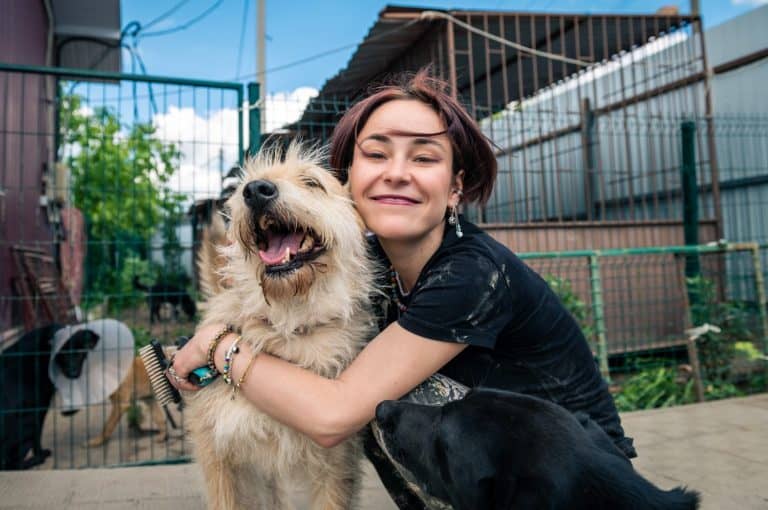
Some dogs are clingier than others.
©Hananeko_Studio/Shutterstock.com
Like humans, some dogs just happen to be clingy. In other words, they simply love your presence and want to be around you as much as possible.
“This can vary by breed (Vizslas, for example, are often referred to as velcro dogs), age, past experiences, and individual temperament,” says Dr. Cahn. “Clingy dogs tend to stick as closely to their humans as possible, following them from room to room and often initiating physical contact (like leaning against your leg). They may have difficulty being left alone and give you an exuberant welcome when you return.”
6. Separation Anxiety
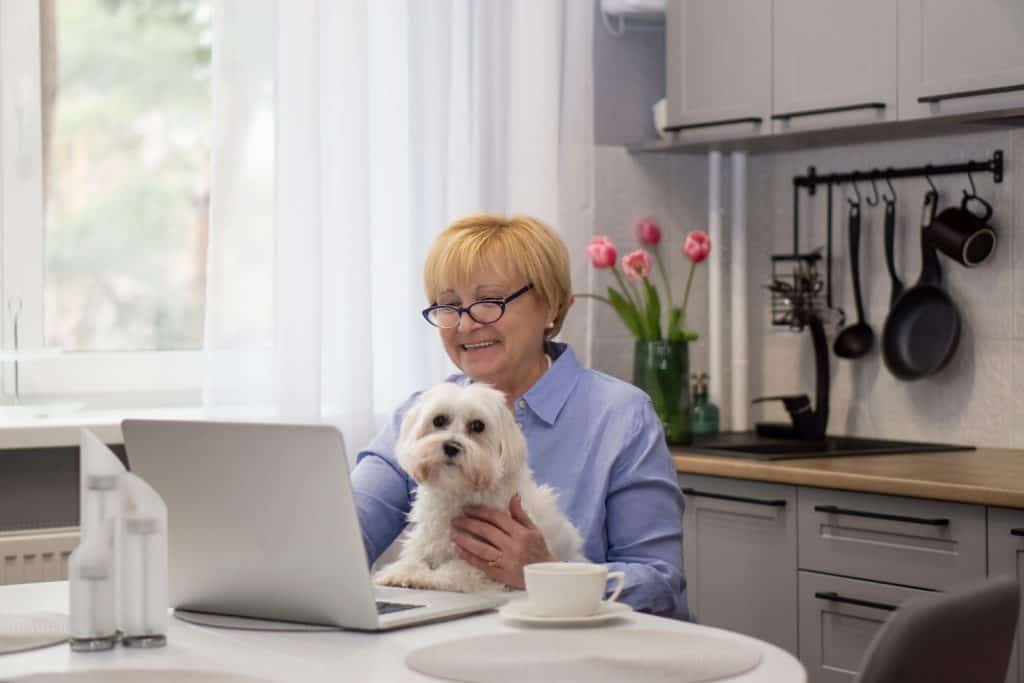
Just like us, dogs can also experience separation anxiety.
©Tanya Dol/Shutterstock.com
Dr. Cahn added that—though adorable at times—clinginess can become problematic. For example, clingy pups might be unable to settle down or entertain themselves, constantly seek your attention, limit your ability to leave the house, or develop problem behaviors or physical signs of stress.
“Sometimes, bathroom shadowing is more than just affection,” adds Bassett. “If your dog panics when the bathroom door closes, scratches at it, or shows distress whenever they’re left alone, it could be a sign of separation anxiety.”
In this case, consider visiting your local veterinarian for some potential treatment options.
“This condition goes beyond normal clinginess—dogs with separation anxiety feel genuine panic when separated from their person, and the behavior usually gets worse if it’s not addressed,” Bassett continues. “In those cases, following you everywhere isn’t just about companionship; it’s their way of coping with overwhelming anxiety.”