
Many rabbits benefit from living in pairs or groups. They’re highly social animals that generally prefer to be with a mate rather than without. Although they are common house pets, they still have instinctive needs, including companionship. In the wild, rabbits are typically found living together as a colony. They share burrows, food, and huddle for warmth. The signs of a lonely rabbit can sometimes be obvious, such as irritability or acting out. However, your rabbit may also exhibit other, more unusual signs when it’s feeling isolated.
Changes In Behavior
Despite their cute appearance and reputation for being mild-mannered, an unhappy rabbit can do significant damage. When a rabbit is lonely, it may act out and show unusual signs of aggression. This includes behaviors such as chewing on their toys and gnawing at the bars of their hutch. If a rabbit is roaming your home, it might cause damage in other ways. Gnawing on furniture, tearing at carpets or rugs, digging into the floor, and chewing other household items are all signs of an unhappy animal.
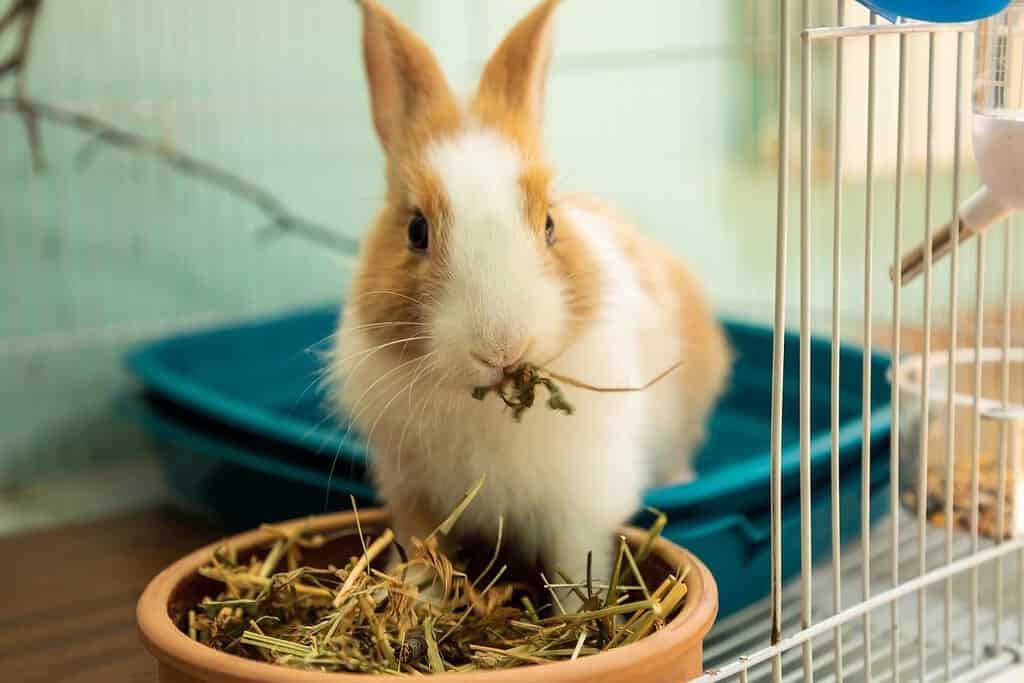
Rabbits need consistent stimulation.
©Farhad Ibrahimzade/Shutterstock.com
These signs of aggression are considered unusual for most rabbits. While it doesn’t always mean loneliness is the culprit, it’s a good indicator. Rabbits may even show signs of aggression toward their owners. This could look like nipping, biting, or digging into you, all of which imply a rabbit is frustrated and acting out. Another problem comorbid with loneliness is boredom. Single rabbits tend to get bored easily with no one else to play with. Aggression can stem naturally from this as a result of a lack of interaction. They require consistent stimulation and can behave poorly when they’re not being challenged or shown affection.
Physical Changes
Pet owners should also be aware of physical changes that can indicate a rabbit’s loneliness. Rabbits that are stressed or melancholy often refuse food. This can lead to weight loss and lethargy. If your rabbit seems more tired than usual or is losing weight quickly, it could mean it’s not eating. While weight loss and lethargy can be indicative of other health problems, loneliness can cause rabbits to lack an appetite or the desire to play or interact.
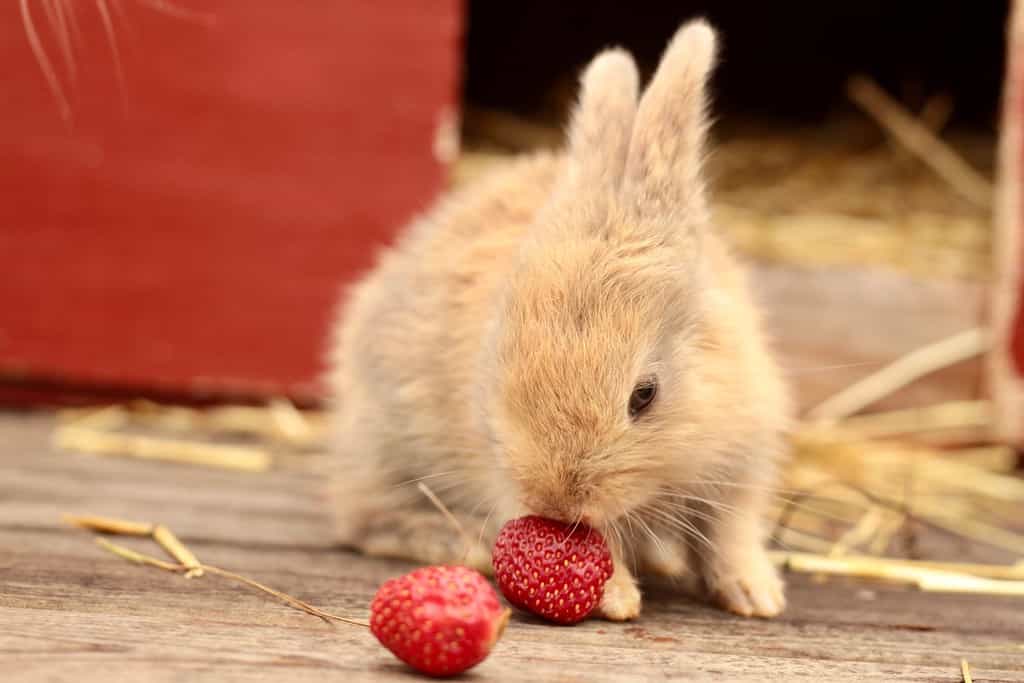
Refusing food is a sign of an unhappy rabbit.
©LNbjors/Shutterstock.com
Rather than showing signs of aggression, some rabbits may exhibit physical changes that indicate depression. Anxiety can also be a symptom of depression in rabbits. Your pet may engage in overgrooming by pulling out their own hair, or show other signs of distress as they cope with feelings of isolation. Any self-destructive habits should be taken seriously, as rabbits can injure themselves if these behaviors persist. Rabbits may also stop reacting to their owners or environmental changes, which is another symptom of depression.
Lack of Interest
Rabbits need more attention than many people realize. Not only are they social animals, they’re also highly active and crave affection. A pet that doesn’t show any outward signs of curiosity is a red flag. Generally speaking, rabbits are curious by nature. They bond with their owners and, after some time, the other animals around them. Without consistent attention, play time, and affection, they may become withdrawn and antisocial.
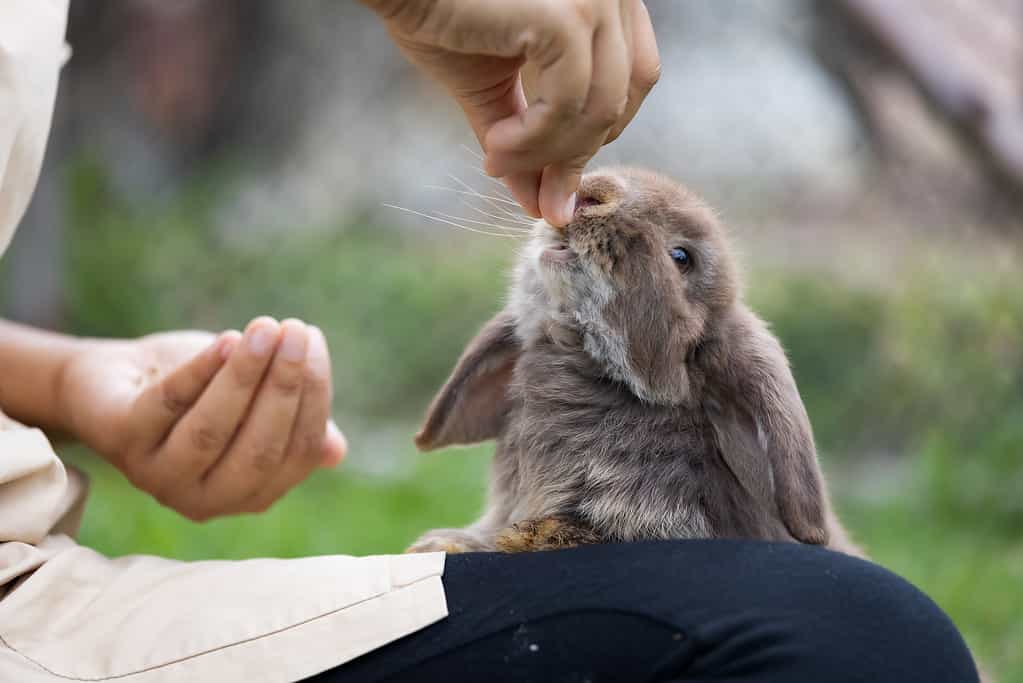
Lonely rabbits may become withdrawn.
© Sasiistock/ via Getty Images
If a rabbit lacks interest in new toys, food, or treats, this could be the result of loneliness. Rabbits that feel isolated are less likely to interact with the world around them. If a rabbit stops responding to its owner, that behavior should be taken seriously. These animals often have prominent personalities, and changes in them are obvious. If your rabbit becomes reclusive, it might be time to consider finding them a mate or another animal companion.
How to Socialize Rabbits
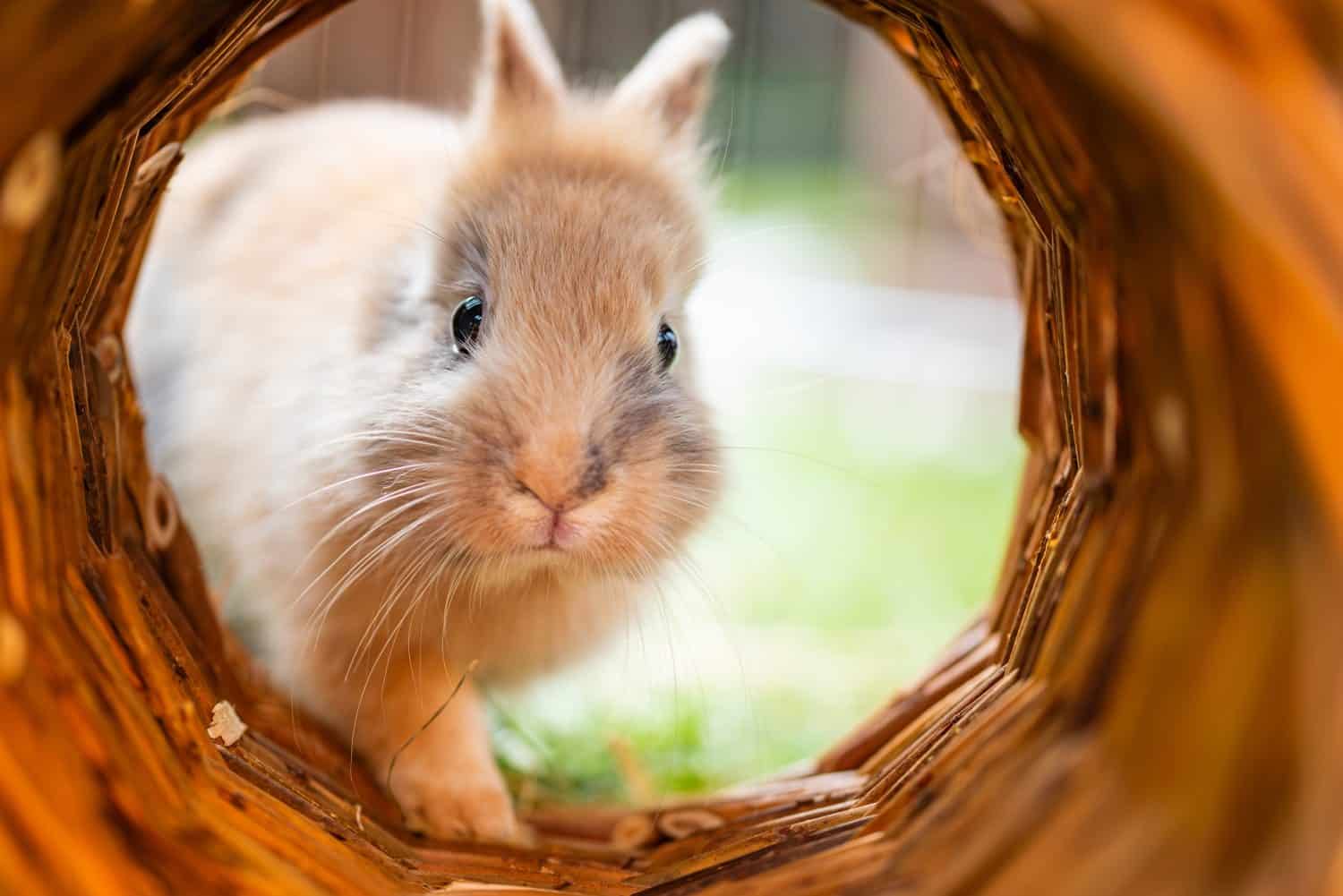
While a rabbit is typically a social animal, socialization can often be challenging. One way to do this is to dedicate a specific amount of time to your rabbit each day. This can be for playtime, cuddles, or just spending time together. Since rabbits are crepuscular, they’re mostly active at dawn and dusk. These are great times to schedule some one-on-one playtime. Once your rabbit is bonded with you, consider adding another rabbit to the family.
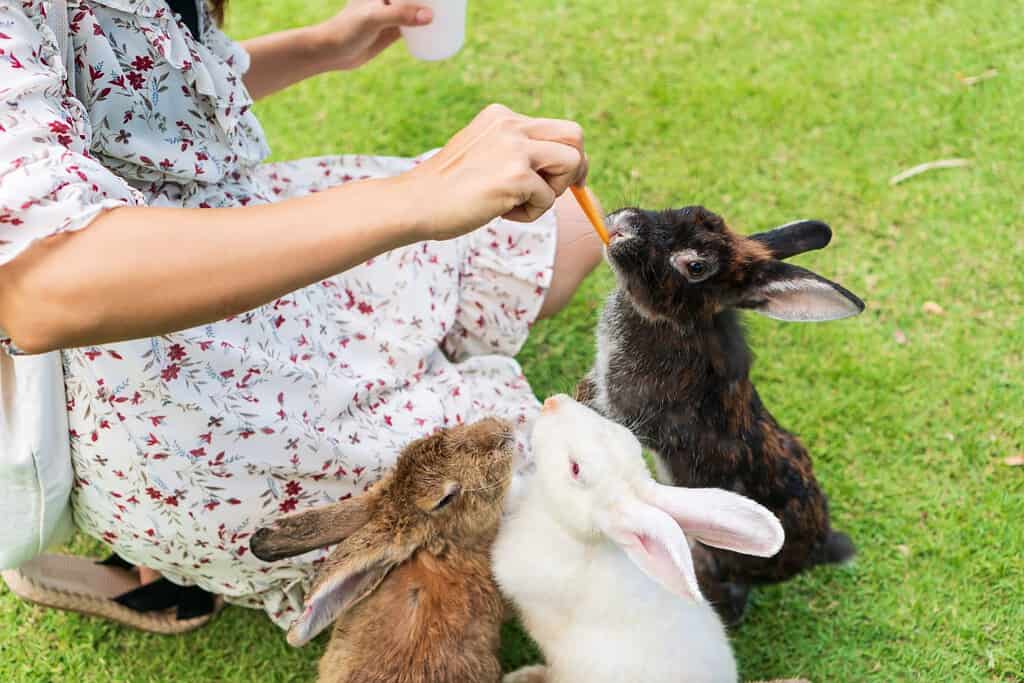
Your rabbit may benefit from having a companion.
©Opat Suvi/Shutterstock.com
The best way to do this is to start by introducing them in a neutral, spacious room. This allows each rabbit to have its own space to retreat to if necessary. Rabbits, like many other animals, get to know one another by scent. Newly paired rabbits may mount each other, chase one another, or circle from a distance. While this can be normal, owners should watch for any signs of aggression or fighting stances, which signify that playtime is over. Over the course of days or weeks, rabbits typically learn to coexist in the same space. Many of them form bonded pairs, indicated by nuzzling, cuddling, and grooming one another.