
Quick Take
- One species on this list is vanishing not because anyone is hunting it, but as collateral damage from targeting a completely different animal. See the accidental extinction →
- One of the world's most iconic endangered animals has actually been quietly removed from its original threat category, though conservationists say the fight is far from over. Follow the panda recovery →
- The most trafficked mammal on Earth has a natural defense that ironically makes it effortless to capture, and most people have never even heard of this fact. Meet the trafficked pangolin →
As animal lovers, we adore seeing creatures of all shapes and sizes inhabiting our planet and living their unique lifestyles. That’s why it’s so upsetting when we notice that there is yet another species on the brink of extinction. Sadly, this issue is becoming more common these days as new threats, from wildlife trafficking to climate change, emerge and essentially lead us down a trail to a sixth mass extinction.
According to the International Union for Conservation of Nature (IUCN), over 40,000 species are currently threatened by extinction. That’s why awareness and assistance are needed wherever they can be found. One of these initiatives is National Threatened Species Day, which is held every year on September 7th. It’s a day when we look more closely at the many animals that are at risk and learn how the human race can make a difference for animal populations that find themselves in trouble this year. Let’s look deeper at some of the creatures that need our help in 2026.
Understanding What “Threatened” Really Means
Before we take a deeper look at the animals on the brink of extinction, we must identify what the term “threatened” really means. When many people hear that word, they often think of an animal that’s becoming increasingly rare, but that’s not the whole story.
The IUCN Red List places species into categories ranging from Least Concern to Critically Endangered, with several levels in between. A threatened species generally falls into one of three groups:
- Vulnerable
- Endangered
- Critically Endangered
So, not every threatened animal is about to become extinct, but its population is struggling. Unfortunately, the list of threatened animals grows year after year for a variety of reasons, none of which are positive. Each species is impacted in its own way.
Giant Pandas
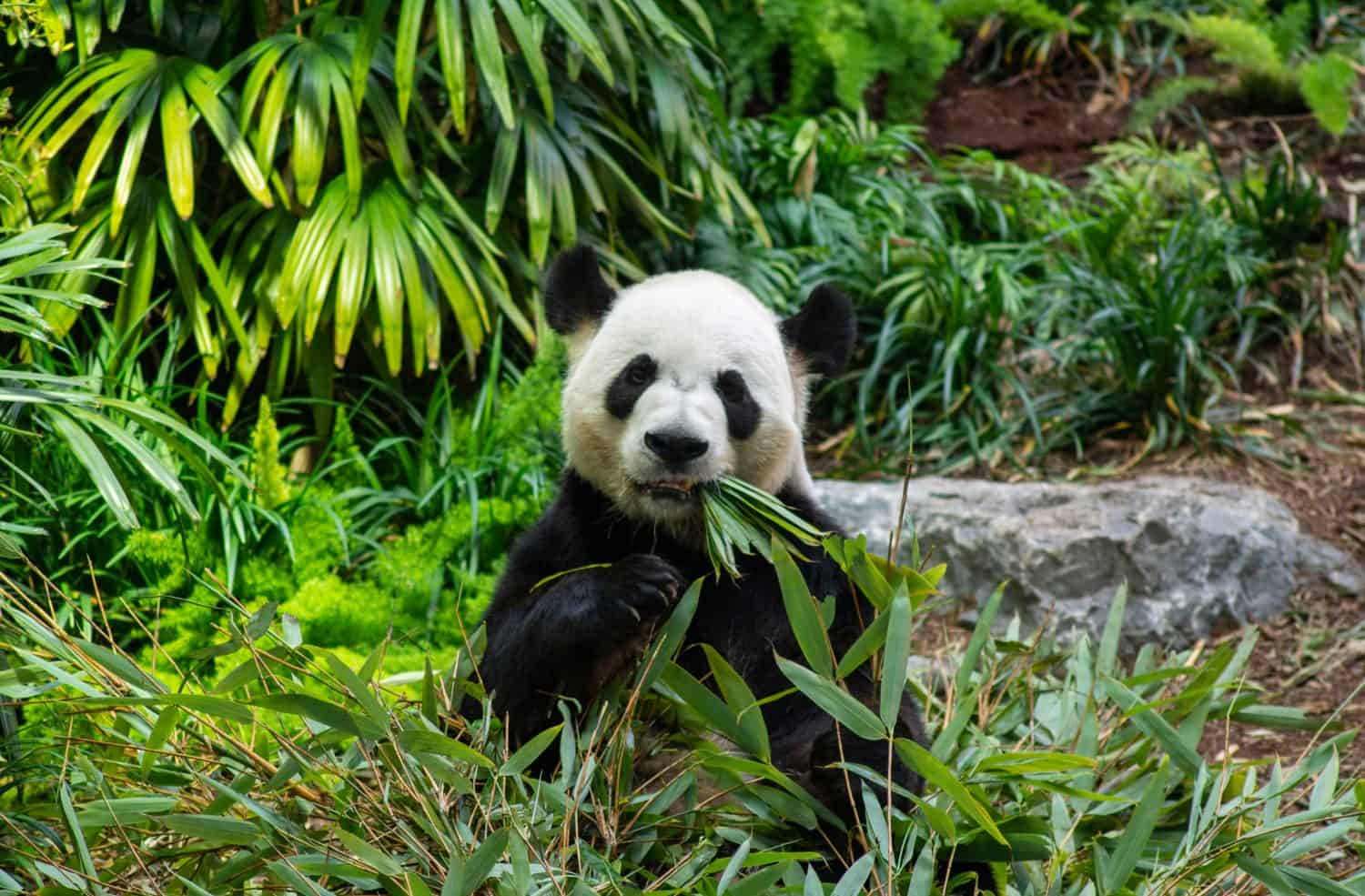
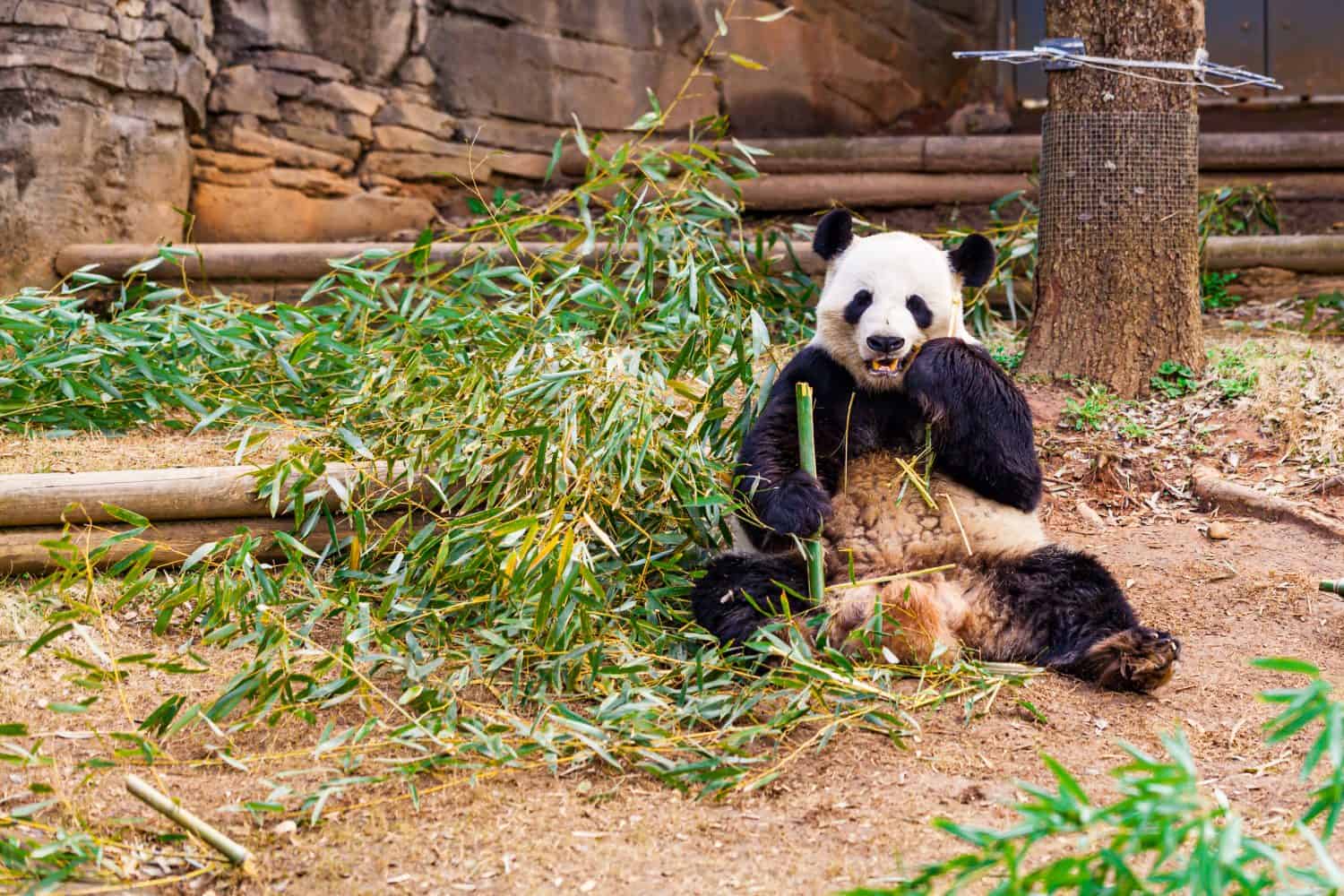
Giant pandas are often in the discussion of threatened animals but conservation efforts are helping.
©JWPhotoworks/Shutterstock.com
When people think about animals that are on the brink of extinction, pandas are often the first animal that comes to mind. For years, habitat loss has reduced the bamboo forests that pandas depend upon, which often leaves isolated populations unable to find food.
The good news is that the panda situation has improved. Officials in China have invested heavily in protecting panda habitat by creating nature reserves, restoring forests, restricting logging, and establishing wildlife corridors that reconnect isolated populations. Researchers have also developed successful captive breeding programs while improving understanding of panda behavior in the wild.
Due to these efforts, the conservation status of pandas has improved from “Endangered” to “Vulnerable.” However, the work is not finished. Pandas still face issues due to climate and habitat fragmentation, so staying vigilant will be key.
Amur Leopards
One of the rarest big cats on earth is the Amur leopard, which is found in the forests of northeastern China and eastern Russia. At one point, the leopards roamed much larger territories. Still, several threats have put them at risk, including habitat loss, illegal hunting, declining prey populations, forest fires, and human development.
The leopards are up against a lot, but all is not lost. Over time, anti-poaching enforcement has improved, and international cooperation between Russia and China has strengthened conservation efforts. Carefully managed breeding programs are also helping to preserve genetic diversity. As a result, the Amur leopard population has grown over recent years, which is an encouraging sign.
Vaquitas
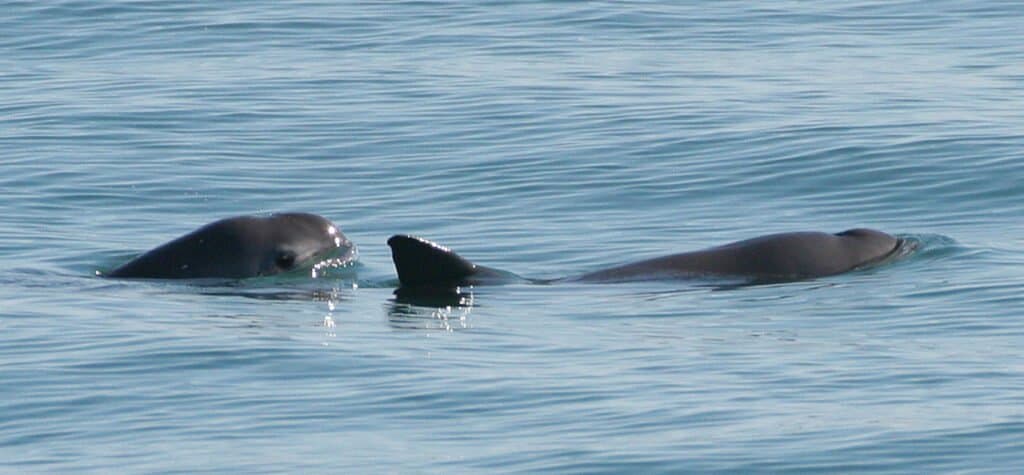
On the brink of extinction, the vaquita is the smallest living species of cetacean.
©Paula Olson, NOAA, Public domain, via Wikimedia Commons – Original / License
Another species that needs our help is one that you may not have heard of before. It’s the vaquita, which is a tiny porpoise that lives only in Mexico’s northern Gulf of California. It has the smallest geographic range of any marine mammal, but that limited range also makes it incredibly vulnerable. Vaquitas become accidentally trapped in illegal gillnets that are often set for another endangered fish called the totoaba. Although catching vaquitas is illegal, they continue to die as unintended victims.
Though it’s difficult to find official numbers, scientists believe that only a handful of vaquitas remain. Conservation organizations continue working alongside the Mexican government to remove illegal fishing gear, strengthen enforcement, and support sustainable fishing alternatives for local communities. The vaquita’s future remains uncertain, but conservationists refuse to give up.
Black Rhinoceroses
Rhinos have constantly had to fight for their lives due to intense poaching driven by demand for their horns. It’s still an issue. During the twentieth century, black rhino populations collapsed dramatically, so there’s a lot of work to do. Luckily, there have been many initiatives put in place, including:
- Armed anti-poaching units
- GPS monitoring
- Wildlife crime investigations
- Community conservation partnerships
- Habitat management
- Carefully managed breeding programs
Although black rhinos remain critically endangered, their numbers have gradually increased in recent decades. The recovery demonstrates how persistent investment and international cooperation can rebuild wildlife populations.
Sea Turtles
Like many creatures that call the oceans home, sea turtles continue to face the threat of endangerment due to classic threats. Plastic pollution, coastal development, fishing gear entanglement, boat strikes, climate change, and artificial lighting that confuses hatchlings trying to reach the ocean all continue to threaten their populations.
Fortunately, there are thousands of volunteers around the world who aid in sea turtle conservation. They protect nesting beaches, relocate vulnerable nests threatened by storms, rescue injured turtles, remove marine debris, and educate coastal communities about reducing disturbances during nesting season. Many beaches now use “turtle-friendly” lighting that helps hatchlings safely navigate toward moonlit oceans instead of brightly lit streets. It can be a lot of work, but it’s all worth it.
Orangutans
©arul_nkh/Shutterstock.com
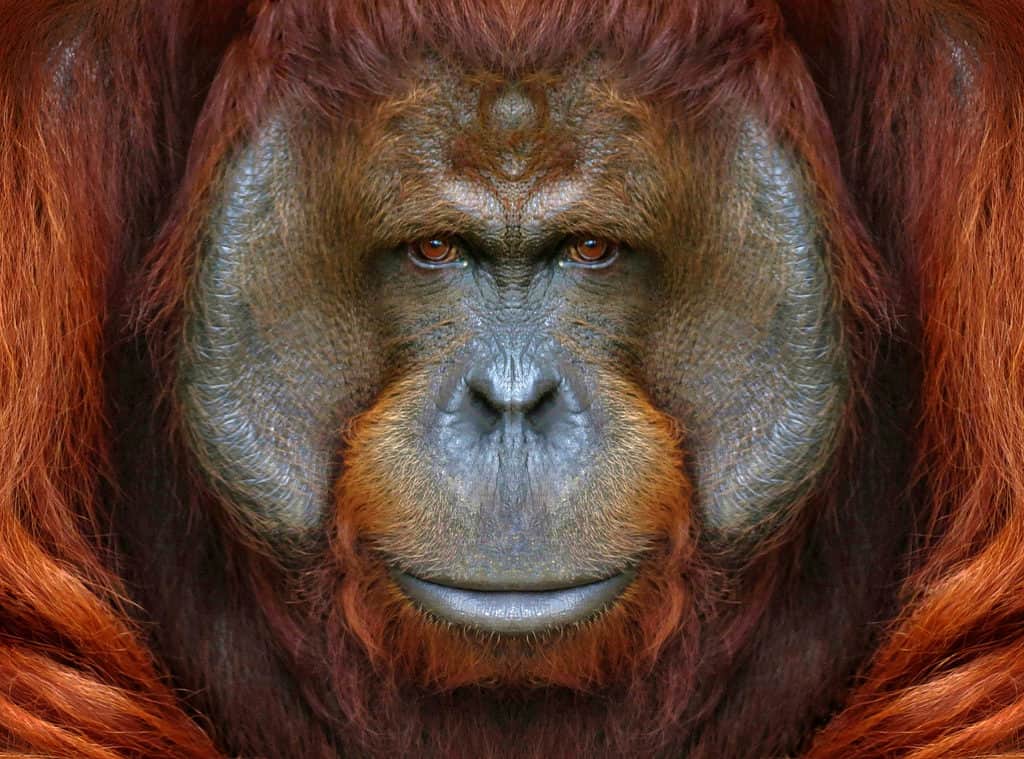
The orangutans that live in the rainforests of Borneo and Sumatra are constantly in danger due to habitat destruction. Large areas of rainforest have been converted for agriculture, logging, mining, and infrastructure development. In addition to taking away their homes, fragmented forests can also increase the chances of conflict with humans.
Conservation organizations are working to restore forests, rescue displaced orangutans, rehabilitate orphaned young, and work with local communities to develop more sustainable land-use practices. Protecting the rainforests is a key initiative for our world. Thousands of species depend on that same ecosystem, so it must be protected.
Monarch Butterflies
Every autumn, millions of monarch butterflies undertake one of the most astonishing migrations in the natural world. Some travel thousands of miles between Canada, the United States, and Mexico. Yet monarch populations have experienced significant declines and could one day land them on the list of species that are on the brink of extinction.
There are various reasons why these butterflies are at risk, including habitat destruction, pesticide use, and extreme weather events. Many are also at risk due to a loss of milkweed in the natural environment, which is their essential host plant.
Luckily, this is a place where regular people can help. Consider planting native milkweed and nectar-rich flowers in your yard and petition city hall to have it planted in parks around your town so the butterflies will keep coming back.
Pangolins
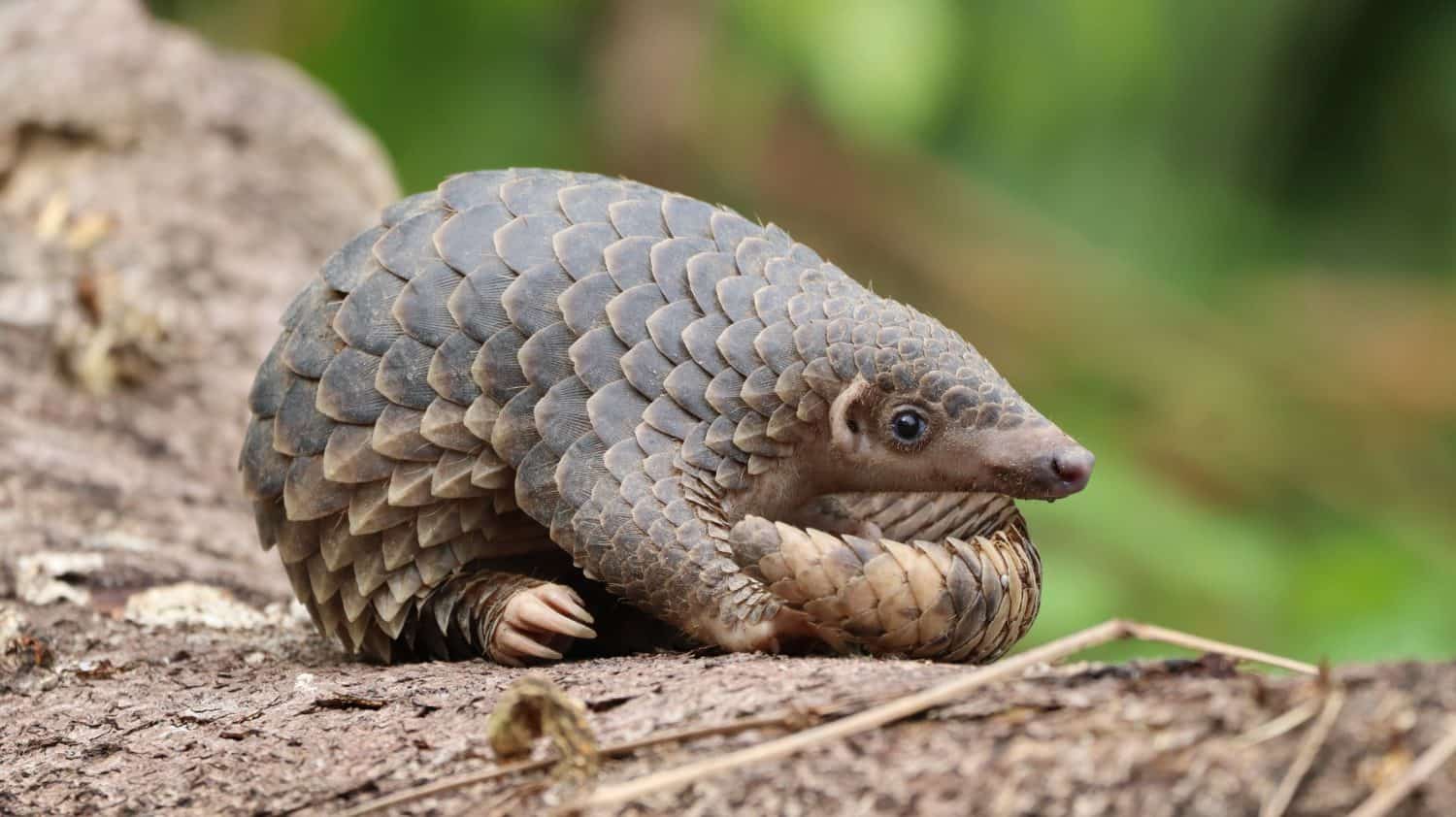
Pangolins are adorable creatures that are sadly threatened due to illegal wildlife trafficking
©adamardn/Shutterstock.com
Perhaps one of the least well-known animals that is on the brink of extinction is the pangolin. These shy, nocturnal creatures are very unique because they’re covered in overlapping scales of keratin (the same material found in human fingernails). When they’re threatened, they curl into a tiny ball, which works well against predators.
Unfortunately, threats from humans are another story. The biggest threat is illegal wildlife trafficking. Pangolins are hunted for their meat and scales, which are used in some traditional medicine markets, despite lacking scientific evidence of medicinal value. Currently, conservation groups are fighting back via stronger law enforcement and international trade restrictions. Reducing demand for illegally traded wildlife remains one of the most important steps toward ensuring pangolins survive.
Why Saving the Animals Matters
Some people may believe that animal conservation is only for people who have a soft spot for animals and nature. However, the reality is that a balanced ecosystem is essential for many reasons that impact us all. Some of the important factors include:
- Predators regulate prey populations.
- Healthy forests absorb carbon and regulate climate.
- Conservation helps global food security since many crops depend on wild pollinators like butterflies.
- Protecting animals and nature helps with job security for nature photographers, sustainable fisheries, and many other occupations.
The bottom line is that protecting wildlife isn’t simply about preserving beautiful animals. It’s also about protecting the natural systems that support human civilization.
How You Can Help the Animals
It’s a common misconception that only large organizations can help to reduce the threat to animal species. That’s only part of the story. You can do things on your own as well. You may not change the world overnight, but every action you take means something. Consider these ideas:
Support Responsible Conservation Organizations
Use your wallet. Donations—even modest ones—help fund habitat restoration, anti-poaching patrols, scientific research, rescue centers, and community education. If you don’t have much money, then volunteer your time. Look for organizations in your area and call for details.
Buy Sustainable Products
Consumer choices influence global markets. Look for sustainably sourced wood, seafood, coffee, chocolate, and palm oil products that minimize environmental damage. Your responsible purchasing helps reduce pressure on sensitive ecosystems.
Create Wildlife-Friendly Spaces
Use your backyard to provide the resources that all animals need to thrive. That could involve planting native flowers, providing fresh water, avoiding unnecessary pesticides, and simply leaving natural areas undisturbed. These simple changes support pollinators, birds, and beneficial insects.
Respect Wildlife While Traveling
If you travel a lot for fun or business, do so as an ecotourist. When you explore a new place, choose operators that prioritize animal welfare, avoid attractions exploiting wildlife, and follow park regulations designed to minimize disturbance.
Support National Threatened Species Day
The best way that you can bring attention to the plight of endangered animals is to talk about them. If you’re unsure how to start a conversation, mention that National Threatened Species Day is coming up. Talk to friends and family about what many animals go through and how they can help the world. By continuing the good fight, we can preserve the extraordinary diversity of life that makes Earth unique.