
Quick Take
- Billionaire donors and private foundations are increasingly funding large wildlife conservation projects worldwide.
- Private philanthropy can move quickly to protect ecosystems, marine reserves, and endangered species.
- Critics worry that conservation priorities may reflect donor interests rather than scientific or community needs.
- The most effective future conservation efforts will likely combine private funding with public oversight and local participation.
For most of the twentieth century, wildlife conservation relied heavily on government programs and international agreements. National parks, marine reserves, and endangered species recovery plans often emerged through public funding and political negotiations. In recent years, a new force has entered the conservation landscape. Ultra wealthy philanthropists now play a growing role in protecting wildlife and natural habitats around the world.
Billionaires and large private foundations are directing enormous sums toward conservation initiatives. Their funding supports projects ranging from marine protected areas to land purchases for wildlife corridors. Supporters argue that private philanthropy allows conservation groups to move quickly and take risks that public agencies cannot. Critics counter that when a small group of wealthy donors shapes priorities, global conservation goals may reflect private preferences rather than broad public interests.
Private Wealth and Ocean Conservation
Large marine conservation projects increasingly depend on philanthropic funding. In December 2025 the Bezos Earth Fund announced 24.5 million dollars in grants supporting marine protection efforts in the Eastern Tropical Pacific. This region connects the coastal waters of Costa Rica, Panama, Colombia, and Ecuador and serves as an important migration route for many marine species.

Jeff Bezos is founder of Amazon and has a Forbes-estimated net worth of 4 billion in 2026.
©lev radin/Shutterstock.com
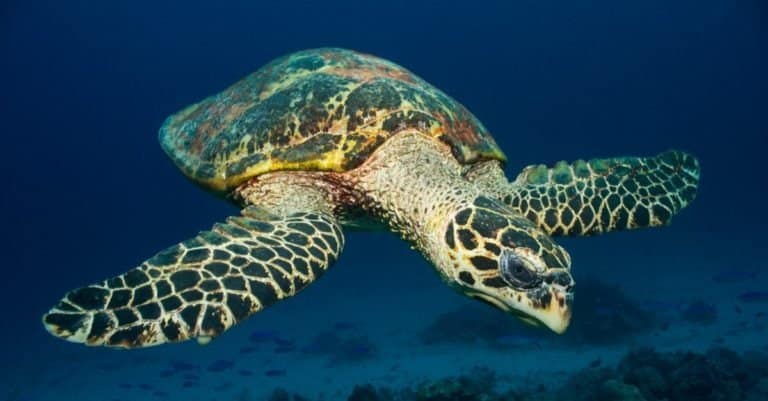
The funding supports enforcement patrols, community programs, and research in key marine habitats. Hammerhead sharks travel through these waters in large groups, while sea turtles nest along nearby coastlines. Tuna populations also depend on healthy marine ecosystems in this region. Strengthening protection helps safeguard breeding grounds and feeding areas that sustain these species.
This project forms part of a broader philanthropic effort to expand marine conservation worldwide. Foundations and donor coalitions have pledged billions of dollars to help countries reach the international goal of protecting thirty percent of land and oceans by 2030.
Why Philanthropy Moves Faster Than Governments
Government conservation programs often require long legislative processes, public consultation, and complex budgeting. These procedures ensure accountability but can slow the pace of action. Wealthy donors and foundations operate under fewer constraints, allowing them to approve funding rapidly when opportunities arise.
For conservation groups, this speed can make a significant difference. A threatened wildlife habitat may become available for purchase with little warning. Without fast funding, developers or agricultural interests might acquire the land instead. Philanthropic grants allow conservation organizations to act before these opportunities disappear.
Private donors also tend to support experimental approaches that public agencies might avoid. Foundations sometimes fund new monitoring technologies, restoration projects, or conservation finance strategies that governments consider too uncertain. Successful experiments may later attract public funding and expand to larger programs.
Patagonia and the Power of Private Land Protection
One of the most widely discussed examples of billionaire conservation involves Patagonia founder Yvon Chouinard. In 2022 he transferred ownership of his company into a structure designed to direct profits toward climate and environmental work. This decision ensured that future earnings from the brand would support conservation causes.
Earlier efforts by Chouinard and conservationist Douglas Tompkins helped protect vast landscapes in South America. Their philanthropic initiatives purchased large tracts of wilderness in Chile and Argentina. After restoration work and negotiations with governments, many of these lands became national parks open to the public.
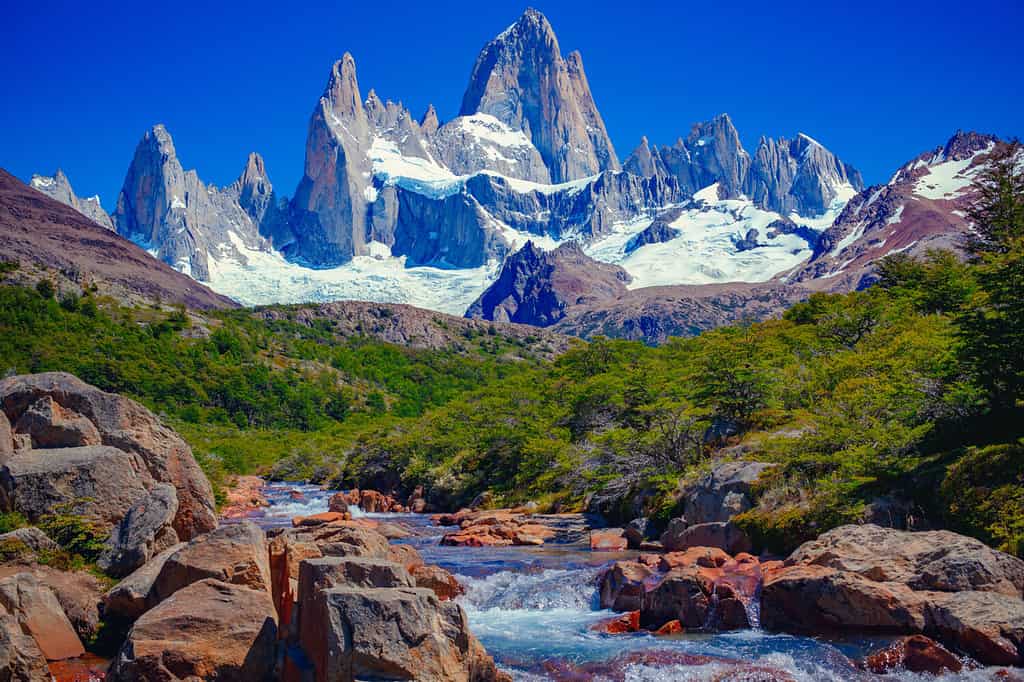
Yvon Chouinard transferred ownership of Patagonia in 2022 so that all company profits now support climate and environmental causes worldwide
©Samuel Ericksen/Shutterstock.com
These projects helped preserve forests, wetlands, and coastal ecosystems across Patagonia. Wildlife such as jaguars, condors, and other species now benefit from habitat protection across hundreds of thousands of hectares. The projects demonstrate how private funding can reshape entire regions when donors commit resources over many years.
The Global Funding Gap in Conservation
Scientists and policy groups frequently highlight the enormous cost of protecting biodiversity. Estimates connected to the Kunming Montreal Global Biodiversity Framework suggest that roughly seven hundred billion dollars per year in additional funding may be necessary to halt global biodiversity loss.
Government budgets alone cannot meet that target. Many countries face competing demands for healthcare, infrastructure, and economic development. Conservation funding often struggles to secure sufficient political support.
Private philanthropy therefore plays an increasingly important role. Donations from wealthy individuals can support land acquisition, species recovery programs, scientific research, and enforcement activities. These funds often complement government programs rather than replace them. Conservation leaders frequently argue that without philanthropic support many projects would simply never begin.
The Billionaire Conservation Paradox
Modern conservation sits in a strange political moment. Wealthy donors and large foundations often face criticism for accumulating vast fortunes through economic systems that can harm ecosystems or communities. Yet when some of those same fortunes fund conservation on a massive scale, protecting millions of acres of habitat or establishing huge marine reserves, criticism often shifts rather than disappears. Skeptics worry that a small group of wealthy individuals may end up shaping conservation priorities, favoring well-known animals or headline-grabbing projects that attract public attention. Supporters counter that private philanthropy can move far faster than governments, funding urgent work that public agencies struggle to finance or approve.

Often criticized as selfish and exploitative, billionaires also face close scrutiny for their philanthropic initiatives.
©Chokniti-Studio/Shutterstock.com
One practical way to view this tension is as a division of labor between private and public funding. Philanthropy often supports large, visible projects that inspire donors and the public, such as rainforest protection, marine reserves, or recovery programs for well-known wildlife. Governments and scientific institutions can then focus resources on less visible but equally important conservation work, including wetlands, insects, soil ecosystems, and lesser-known species that rarely attract donors. In that sense, private wealth and public funding do not need to compete. When structured carefully, they can complement each other, combining the speed of philanthropy with the scientific oversight and broader accountability of public institutions.
Concentration of Influence in Conservation Leadership
Despite the benefits of philanthropic funding, concerns have emerged about the concentration of power within conservation organizations. Analyses of several large environmental groups reveal that many board members come from financial or corporate backgrounds.
Board members hold significant authority over strategy and budget decisions. Their professional perspectives can shape how organizations approach conservation challenges. Critics argue that heavy representation from financial sectors may influence priorities toward projects that align with donor interests.
These concerns become more pronounced as conservation intersects with new financial tools. Carbon markets and biodiversity credit systems allow companies to invest in environmental projects while meeting regulatory requirements. Large financial institutions now participate in these markets alongside conservation groups.
Observers worry that conservation strategies could shift toward projects that generate financial returns rather than those with the highest ecological value.
Indigenous Rights and Conservation Debates

A significant concern about massive private and corporate conservation efforts is that it often does not involve indigenous people in decision-making about the land where they have lived for centuries.
Another source of tension involves the impact of conservation projects on local communities. Some initiatives funded by wealthy donors support large protected areas that limit traditional land use. Indigenous groups and rural communities sometimes argue that these restrictions threaten livelihoods and cultural practices.
Advocacy organizations have warned that poorly planned conservation projects could lead to land conflicts. Critics use the term conservation colonialism to describe situations where outside organizations make decisions about land without meaningful participation from local residents.
Many conservation experts now emphasize the importance of community involvement. Research shows that ecosystems managed by Indigenous peoples often maintain strong biodiversity. Partnerships that respect local rights and knowledge may produce better long-term outcomes than externally imposed conservation programs.
Donor Priorities and Global Conservation Maps
Private donors naturally gravitate toward projects that capture public imagination. Large tropical forests, coral reefs, and iconic animals often attract significant funding. These projects generate media attention and provide clear stories for donors to support.
However, this pattern may leave other conservation priorities underfunded. Small wetlands, grasslands, and lesser-known species play vital ecological roles but may struggle to attract philanthropic attention. These ecosystems rarely receive the same publicity as large wildlife reserves or marine sanctuaries.
Scientists warn that ecosystems function through complex networks of species. Protecting only high-profile habitats could mean overlooking smaller areas that support pollinators, amphibians, or invertebrates essential for ecosystem health. Balancing donor enthusiasm with scientific priorities remains a continuing challenge.

It’s far easier to attract donor interest in conserving “cute” animals like the red panda. And this also earns more goodwill—and profits—for companies who take on these kinds of projects.
©Hung Chung Chih/Shutterstock.com
Efforts to Improve Accountability
Recognizing these challenges, several conservation philanthropies have begun testing more inclusive approaches to decision making. For example, the Global Environment Facility’s Inclusive Conservation Initiative directs funding to Indigenous peoples and local community organizations and allows those groups to help guide how projects are designed and implemented. The Protecting Our Planet Challenge, supported by donors such as the Bezos Earth Fund and the Wyss Foundation, also encourages conservation groups to work directly with local partners when planning protected areas and restoration projects.
Other initiatives emphasize transparency and public accountability. Major foundations such as the Bezos Earth Fund, the Gordon and Betty Moore Foundation, and the Packard Foundation publish grant lists, funding priorities, and annual impact reports that describe where money is going and what outcomes projects achieve. Independent groups such as the International Union for Conservation of Nature (IUCN) and the World Resources Institute often evaluate conservation outcomes and publish research on ecological and social effects.
These efforts attempt to preserve the speed and flexibility of private philanthropy while adding oversight and community participation. Conservation leaders increasingly argue that the most effective projects combine large private donations with strong local involvement, transparent reporting, and collaboration with governments and scientific institutions.
A Shared Future for Conservation
Wealthy donors now play a visible role in shaping the future of wildlife conservation. Their resources can protect ecosystems quickly, support scientific research, and respond to environmental crises faster than traditional funding systems.
Yet the rise of billionaire conservation also raises important questions about power, fairness, and democratic oversight. Wildlife protection affects communities, national policies, and global environmental goals. Decisions about these issues should reflect diverse voices rather than a narrow set of interests.
The challenge moving forward involves balancing the benefits of private philanthropy with strong participation from governments, scientists, and local communities. When these groups work together, conservation funding from wealthy donors can complement public programs rather than overshadow them.
Money and Nature in a Changing World
Private fortunes are now shaping major conservation initiatives across oceans, forests, and grasslands. The speed and scale of this funding have helped launch ambitious projects that might otherwise have remained ideas on paper. At the same time, the concentration of influence among a small group of donors continues to spark debate. The future of conservation will depend on how effectively societies combine philanthropic energy with transparency, scientific guidance, and community participation.