
Quick Take
- Volunteers in New York help amphibians cross roads during spring migrations, reducing deaths from traffic.
- The project has recorded tens of thousands of animals, providing valuable long-term conservation data.
- Species like wood frogs, salamanders, and peepers depend on vernal pools and face major road risks.
- Community science supports real solutions such as wildlife crossings and helps guide conservation planning.
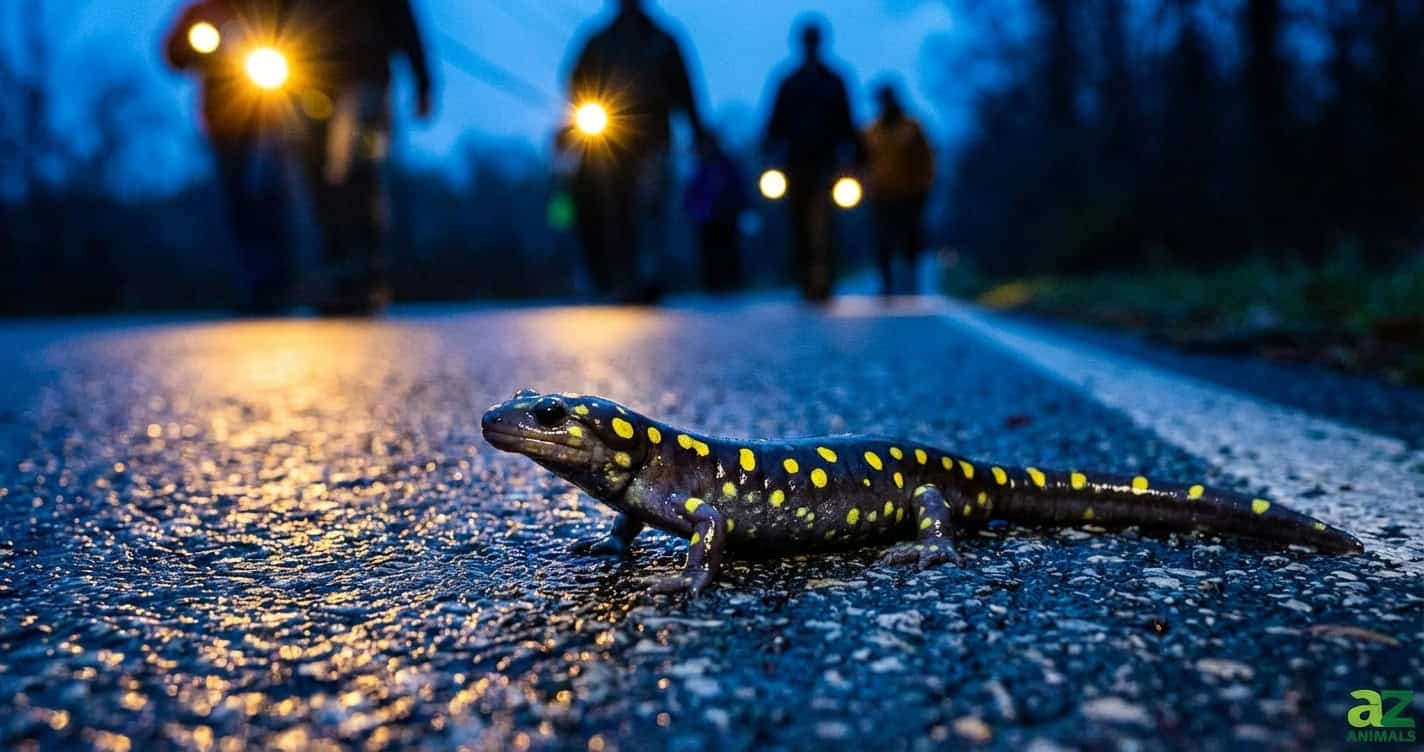
Warm rain in the Hudson Valley signals the start of amphibian migration season. Frogs and salamanders leave forest shelters and travel to shallow breeding pools formed by snowmelt and rain. These provide safe places for eggs because they dry out, meaning fish can’t survive in them. Many species follow the same routes each year, guided by instinct and moisture. Today, many of these routes cross paved roads, which creates serious risks.
Vehicles pose a major threat because amphibians move slowly and are hard to see at night. Large percentages of migrating amphibians in an area can be killed in a single evening. Repeated losses can reduce local populations over time. Roads also divide habitats, making it harder for species to mix and maintain healthy genetic diversity. These challenges have made road crossings a key focus for conservation efforts in the region.
Origins of a Regional Conservation Effort
Efforts to protect migrating amphibians in New York began in 2009 with a partnership between the Department of Environmental Conservation and Cornell University. Their goal was to identify road crossing points and collect data during peak migration nights. Volunteers were trained to monitor routes and record what they observed. Over time, this effort grew into a large community science project involving more than a thousand participants.
According to project records, volunteers have helped an estimated 51,000 salamanders, frogs, and toads cross roads safely. They have also documented many more animals, creating a detailed dataset on migration timing and mortality. One recent season saw 125 participants working during a single warm, rainy night, helping thousands of animals reach breeding pools. These efforts have transformed scattered observations into a valuable long-term record.
Wood Frogs and Early Spring Movement
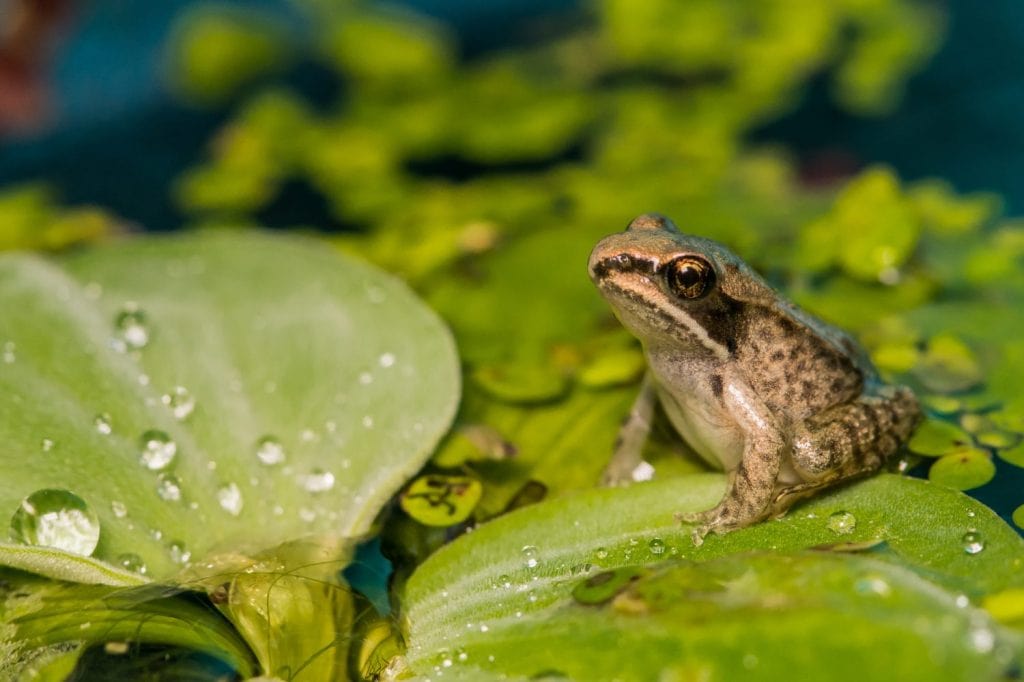
Among the earliest spring migrants are wood frogs.
©Jay Ondreicka/Shutterstock.com
Wood frogs are among the first amphibians to migrate each year. They are known for surviving winter by allowing their bodies to freeze, protected by natural chemicals that prevent cell damage. When temperatures rise, they quickly move toward breeding pools. Their dark facial markings and small size make them difficult to spot on wet pavement.
These frogs breed rapidly, laying eggs in shallow water that warms quickly in sunlight. Because they rely on forest habitats and temporary pools, they are especially vulnerable when roads lie between these areas. Volunteers often move them carefully across roads using wet hands or containers. Protecting early breeders like wood frogs helps maintain stable populations over time.
Spotted Salamanders and Nighttime Crossings
Spotted salamanders are larger and easier to see than many other species. Their black bodies with yellow spots stand out under headlamps during migration nights. They spend most of the year underground, emerging only during specific weather conditions. When the right mix of warmth and rain occurs, many appear at once and cross roads in large numbers.
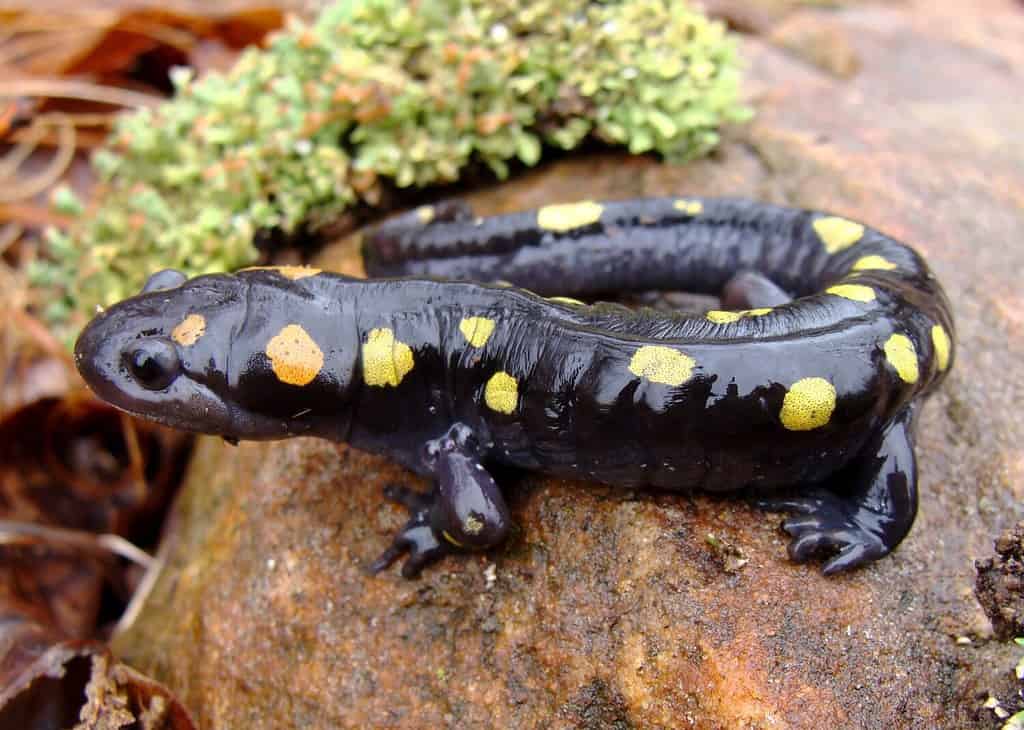
The markings of spotted salamanders help make them more visible at night.
©Matt Jeppson/Shutterstock.com
Their size makes road impacts more visible, and volunteers often encounter long lines moving in the same direction. Counting live and dead individuals provides important data about high-risk areas. Over time, these records help identify where safety measures may be needed. This information can guide decisions about traffic management or habitat protection.
Spring Peepers and Seasonal Sound
Spring peepers are tiny treefrogs known for their loud calls. Their high-pitched sound often marks the arrival of spring in many communities. During migration, large numbers gather near wetlands and roadside ditches. Their small size makes them easy to overlook, yet they are still vulnerable to traffic.
Volunteers often rely on the calls of these tiny amphibians to locate hidden breeding sites. Although it is difficult to move every individual, surveys provide insight into population size and activity levels. These observations help scientists track long-term trends and assess how environmental changes may affect amphibian populations.
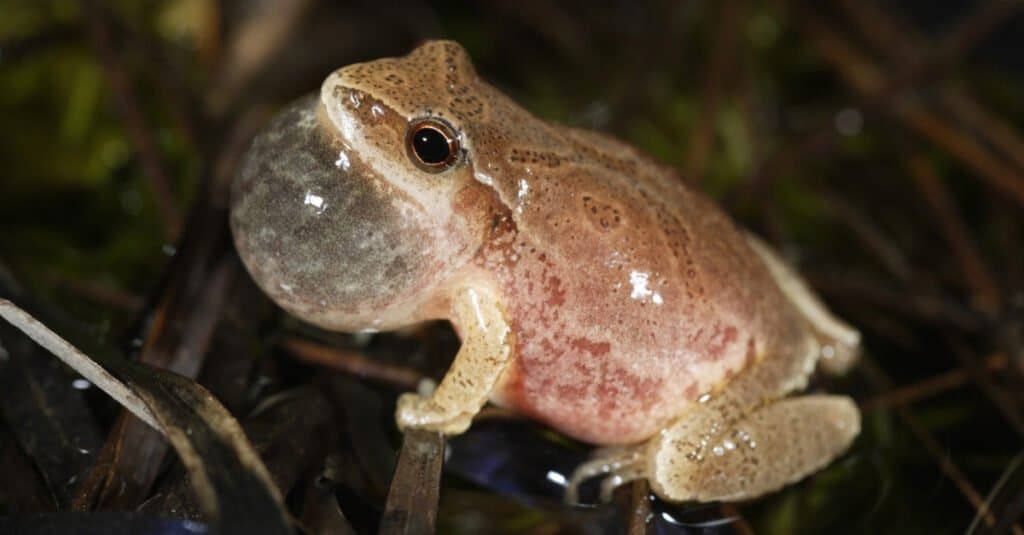
Spring peepers are known for their loud calls.
©Paul Tessier/Shutterstock.com
Rare Species and Conservation Importance
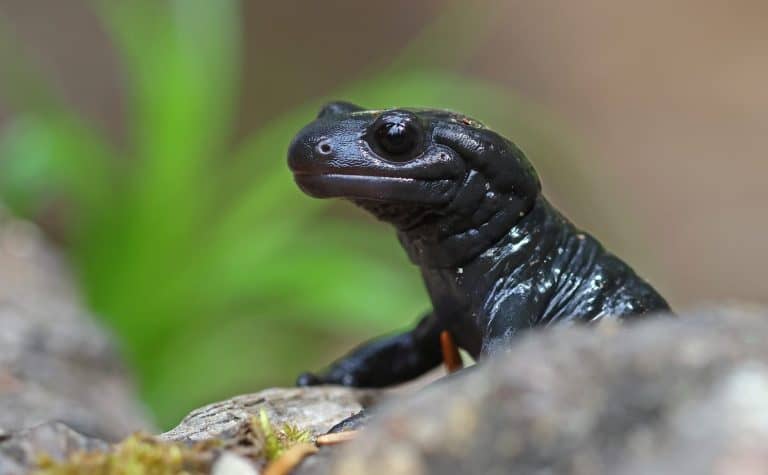
Some amphibians recorded during migration are less common and require closer monitoring. The four-toed salamander is one such species. It prefers mossy wetlands and, while not endangered, is uncommon in parts of New York. Each recorded sighting adds valuable information about its distribution and habitat use. Data collected over many years can reveal patterns that would otherwise remain unknown. This information supports conservation planning and helps protect sensitive habitats.
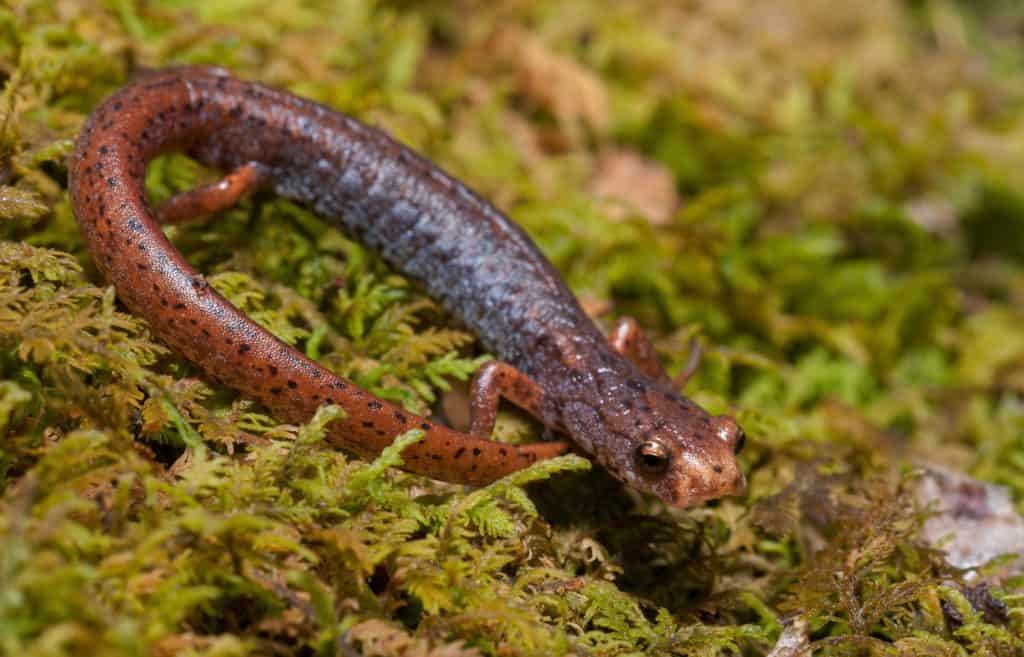
The four-toed salamander is one of the rarer species volunteers worked with in the project.
©Mike Wilhelm/Shutterstock.com
Volunteer Work in the Field
Participating in amphibian crossings requires preparation and attention to safety. Volunteers attend training sessions to learn species identification and proper handling techniques. They are instructed to wear reflective gear and remain aware of traffic conditions. Working in small groups helps reduce risk.
During surveys, participants walk along designated routes and look for amphibians. When one is found, it is identified and recorded before being moved in the direction it was traveling. Care is taken to protect the animal’s delicate skin. At the end of the night, volunteers submit their data for analysis. This process turns individual observations into useful scientific information.
Data, Impact, and Community Involvement
The project has generated a large dataset that helps researchers understand amphibian migration patterns, including timing, weather conditions, and mortality rates. Over time, these records reveal trends such as shifts in migration dates and changes in population levels. Similar studies in other regions support these findings, documenting thousands of crossings in a single season and showing how traffic affects survival. These data allow researchers to estimate how much loss populations can sustain and provide a foundation for testing conservation strategies.
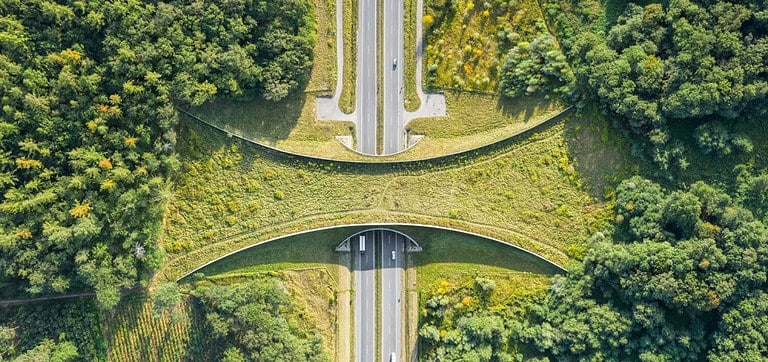
Volunteer efforts do not eliminate the problem, but they can improve survival during peak migration nights while supporting long-term solutions. Data collected in the field helps identify high-risk crossing areas, guiding the placement of wildlife tunnels and barriers that reduce mortality over time. At the same time, the project demonstrates how community participation strengthens conservation work. Volunteers contribute to scientific knowledge while increasing public awareness, and broader involvement often leads to greater support for protective measures that benefit both wildlife and local ecosystems.
Participation and Viewing in New York
People interested in amphibian migrations in New York can take part through local programs, especially in the Hudson Valley, where organized efforts are well established. Forested areas near vernal pools, including parks and protected lands, are common locations for migration activity. Many conservation groups host guided events that allow participants to observe and assist safely. Training sessions teach volunteers how to identify species, handle animals properly, and work near roads. Taking part in these programs offers a structured way to experience migration while contributing to conservation.
Timing plays a key role, as warm, rainy nights in late winter and early spring create ideal conditions for movement. Drivers can help by slowing down on these nights and staying alert for both animals and volunteers. Observing responsibly is also important. Staying on designated paths, using dim lights, and limiting handling reduces stress on wildlife. Joining organized groups ensures that activities support conservation goals, while reporting sightings or assisting with surveys helps expand the reach of these efforts.
Protecting Seasonal Movement
Amphibian migration in the Hudson Valley highlights the challenges wildlife face in developed landscapes. Roads create barriers that can lead to significant losses each year. Volunteer efforts have shown that community action can reduce these impacts and provide valuable data for long-term solutions. By combining hands-on work with scientific research, projects like this help protect vulnerable species. They also remind communities of the importance of shared responsibility in maintaining healthy ecosystems. Continued support and awareness will help ensure that these seasonal migrations continue for future generations.